Month: August 2025

  • Rain and Resonance

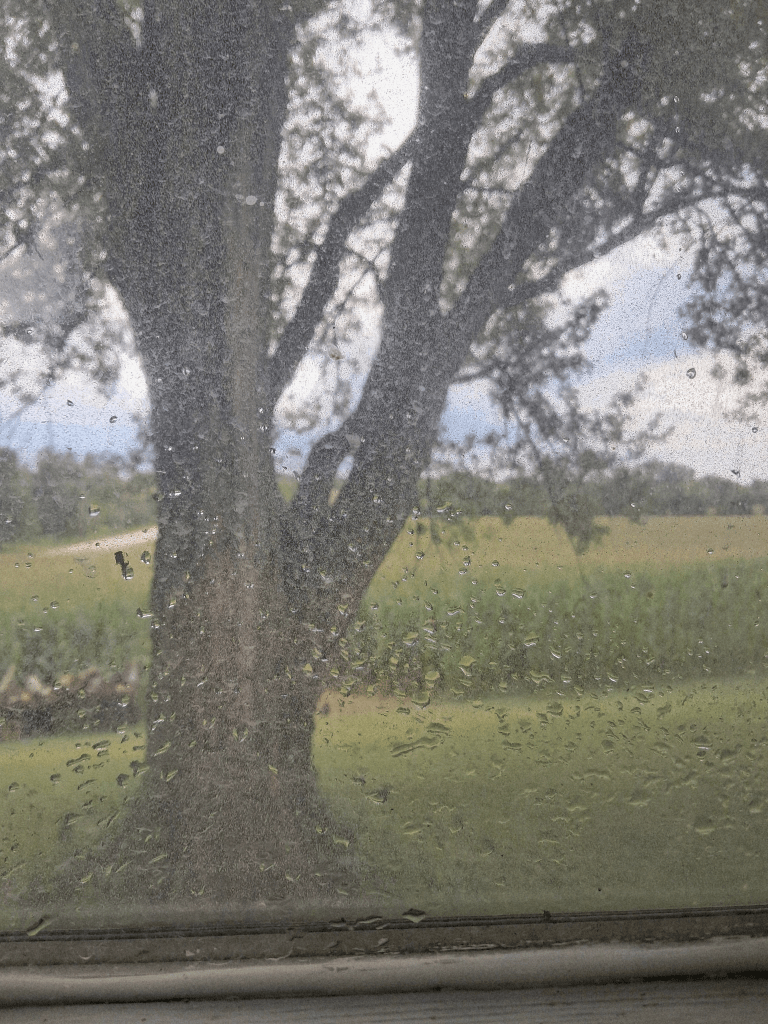
    It rained all day, the steady drizzle blurring the view until the house itself seemed to shrink under the low sky.  Inside, cabin fever crept in, making the kitchen feel tight.
    My husband and I worked quietly together, turning weekend cherries into wine. The air was thick—crushed fruit, sugar, and the steam hissed from the pot. Our five-year-old son and toddler daughter darted through, their energy outsized for the cramped space. Warnings mingled with their laughter—don’t run near the stove, watch for hot water.

    “It’s dangerous,” I said, gripping the kettle handle; my heartbeat quickened.

    For a while, the kids took turns crushing fruit.

    “Look, Mom!  I figured out how to remove the cherry pits more quickly!” My older child said as he mashed enthusiastically, intent on the task.

    Suddenly, our toddler screeched—a wild, pterodactyl sound—snatching the masher and stabbing at the cherries.
    “Me too!” she demanded.

    “Hey!” my son yelled, trying to pull it back. Their fight was all quick hands and hot tempers, cherry seeds flung aside, sugar water hissing.

    “Enough!” My voice cracked through the kitchen as the mess and worry spilled out in a single word. Silence, except for the rain tapping on glass. My son’s face twisted in frustration; his sister clutched the masher, sticky-fingered, defiant.

    I knelt, arms open. The toddler crawled in—fight gone soft. Her brother retreated to the corner, assembling wooden toys with deliberate care, humming the Pirates theme he always chose after a storm.

    Across the room, my husband and I exchanged tired, knowing smiles.

    The toddler perched on a chair, popped cherries, painted crescents on her lips. The kitchen warmed—patience hemming in chaos, the air rich with fruit.

    After a while, my son returned, holding out a contraption of wood and rubber bands. “Look, Mom! I made an articulating loader. See? This part turns.”
    I pulled him close, inspected the jumble. His pride shone brighter than any accuracy. Rain blurred the world outside. Inside the kitchen, cherries stained little fingers, the air still warm and sweet. My son tinkered at the table, my daughter perched on a chair, chewing with slow satisfaction. We breathed together in that small space, finding each other again in the hush after the storm.

    How do you handle stressful and potentially dangerous situations? Share your experiences below, and subscribe to join a group of like-minded people.
  • Echoes of Elmhurst: Remembering a Lost Farming Heritage

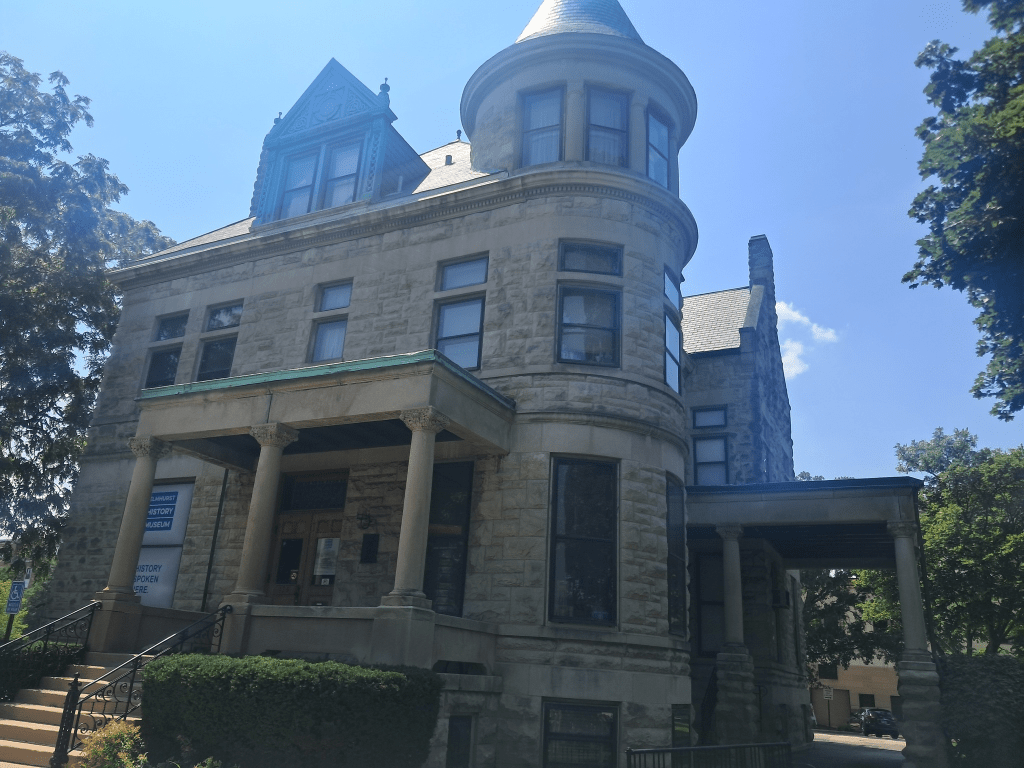
    Stepping into the Elmhurst Historical Museum, I expected a simple, quiet detour after work. Instead, I found myself opening a vivid doorway to a nearly forgotten world, where sun-beaten hands and worn-out boots still echo the rhythms of a farming life almost erased by time.

    Housed in an elegant Victorian building, the main exhibit—“Acre by Acre: Our Farming Heritage”—swept me back less than a century, to an era when Elmhurst was little more than fields of waving corn and families bound together by the land.

    I pressed my fingers to the glass over a battered ledger, its handwritten accounts softened by years of careful use. Nearby, a faded black-and-white photograph drew me in: a family posed before their haymaking equipment, faces etched by sun and soil, eyes shining with quiet pride. I pictured these same people waking before dawn where today’s homes and restaurants now sprawl, their days unfolding according to nature’s cycles rather than traffic and digital clocks.

    I lifted a rusted bucket from a nearby shelf and imagined how hefty it must have felt when brimming with fresh, creamy milk, carried into the house to be shared. Surrounding me, worn boots and hand-carved crates weren’t just museum artifacts. Each dent was a testament—survivors’ stories of hope, endurance, and ordinary heroism tied to the land.

    Driving through modern Elmhurst afterward, the contrast was striking. The tall trees, the laughter of children, the gleam of new cars—overlain upon a landscape where farmsteads and fields thrived less than a lifetime ago. Beneath the pavement and progress still lies the soil that once fed and defined generations. It’s sobering to realize how quickly that world can slip away, its roots forgotten just beneath our feet.

    As I pulled away, a quiet unease lingered. What happens to these memories when the photos fade and the tools finally rust? History survives not just in glass cases, but in the stories we carry and the moments we choose to share. Elmhurst’s agricultural legacy is fragile, yet precious—and I left determined to remember and honor it, before it disappears completely into the past.

    What stories from your own hometown have stayed with you? How do you keep those memories alive? Share your stories below, and subscribe to join a group of like-minded people.
    #ElmhurstHistory#FarmingHeritage#LocalHistory#RuralRoots#MuseumVisit#HistoryMatters#PastAndPresent#AgriculturalLegacy#StoriesOfTheLand#PreserveThePast

  • The Cat Who Named Himself:  A Mouser’s Tale

    It started with a cardboard box and a quiet meow:  small, unassuming things that would, somehow, fill a quiet space in our lives we hadn’t realized was empty. On a golden September afternoon, as sunlight spilled across our 18-acre property and lemon cleaner hung in the air, a little black kitten arrived unannounced, yet was absolutely meant to be.

    We were caught in the cheerful chaos of preparing for a weekend with five of my college friends. My two-year-old son and I moved from room to room in tandem, dusting, cooking, laughing, energized by anticipation. The house thrummed with warmth, noise, and purpose.

    Then my husband came home early, the corners of his mouth tugged into a mischievous grin.

    “Come to the garage. I have something to show you,” he said.

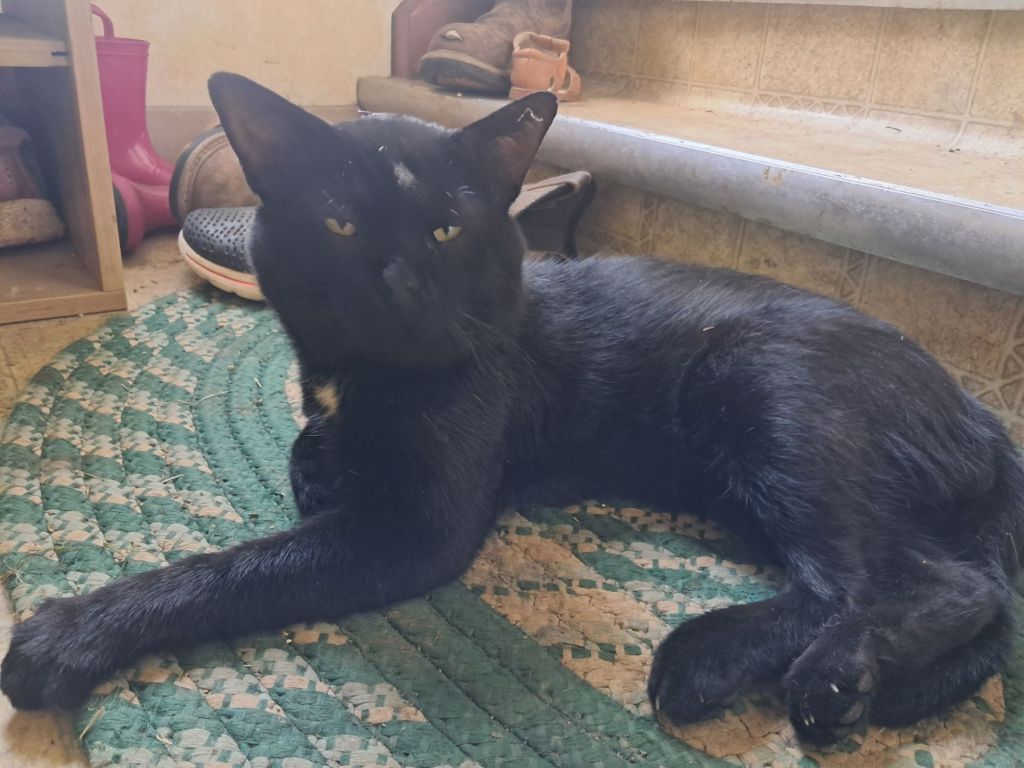
    Curious, I followed him, stepping into the quieter, cooler shadows of the garage. That’s when I heard it: a soft, persistent mewing from a cardboard box tucked near the chest freezer. Kneeling, I carefully lifted a corner, and there he was. Two bright, curious yellow eyes peeked out from a wiggling bundle of midnight fur. The little black kitten looked up at me with a gaze so steady and familiar it stopped me in my tracks.

    In that moment, memories stirred. I had grown up on a farm, surrounded by cats:  fierce and affectionate, free-roaming and loyal. They were our companions, confidants, and mouse patrol. When my husband and I bought our first home, we’d inherited a regal calico named Lucy along with the property. She ruled the garage with quiet authority, greeted me each day with dignified tolerance, and left the occasional mouse on the doorstep, a silent offering.

    Lucy died suddenly several months later. Since her passing, the garage had felt hollow, her watchful presence sorely missed. And we weren’t the only ones who noticed:  so had the mice.

    Not long after, another cat wandered into our lives: an orange kitten, cross-eyed and endlessly sweet. We called him Kitty. He clung to me during my pregnancy like a second shadow, his thunderous purr seemingly crafted to heal. Kitty even comforted my mother-in-law during a particularly cold November day when she accidentally locked herself in the unheated garage as she helped prepare our home to welcome our newborn son. He curled into her lap, a purring heater, and stayed until we arrived home with our bundle of joy.

    But Kitty was a wanderer. He would disappear for days, sometimes weeks, only to return as if nothing had changed. Until one day, he didn’t.

    That was six months before this September afternoon. The mice, re-emboldened by his absence, had reclaimed the garage. I had mentioned several times that we needed another mouser. Still, I wasn’t prepared for the wave of emotion that surged when I looked down into that box and saw two trusting eyes staring back at me.

    He leapt up without hesitation, all gangly limbs and curiosity, as if he’d been waiting for this meeting.

    “Can we keep him?” I asked, my grin already giving me away.

    My husband shrugged with mock conviction. “I thought you’d say that.”

    The timing, of course, wasn’t ideal. A house full of guests, a toddler with unpredictable energy, but the kitten didn’t seem to mind. He took it all in stride, padding confidently through our lives like someone arriving not just for a visit, but for good.

    My friends made regular pilgrimages to the garage for their “kitten fix.” My son, in his toddler logic, bestowed the most literal of names: “Black Cat.” And just like that, it stuck.

    Black Cat quickly became everyone’s favorite. He tolerated attempted rides in the baby swing, endured smothering toddler hugs, and played audience to endless games. Even our neighbors fell under his spell. One evening, a neighbor returned him reluctantly, his daughter near tears at having to let go. My in-laws insisted he could come inside, as long as he stayed on their laps.

    And best of all? He got straight to work on the mice.

    A year passed, and life changed. We decided to sell our 18-acre homestead and move closer to family, settling into a smaller five-acre property near our hometown. Moving day was chaos, but Black Cat took it in stride, riding in a cardboard box labeled “Black Cat”, just in case we forgot what was inside. He tried to escape only once, and after the two-hour ride, he emerged unfazed.

    Still, I worried. Our new house sat along a county highway. I braced myself every time he stepped near the road. But Black Cat seemed to possess an uncanny sense of self-preservation. I’ve seen him pause at the edge of the pavement, glance both ways, then bolt across with as much caution as a cat can muster.

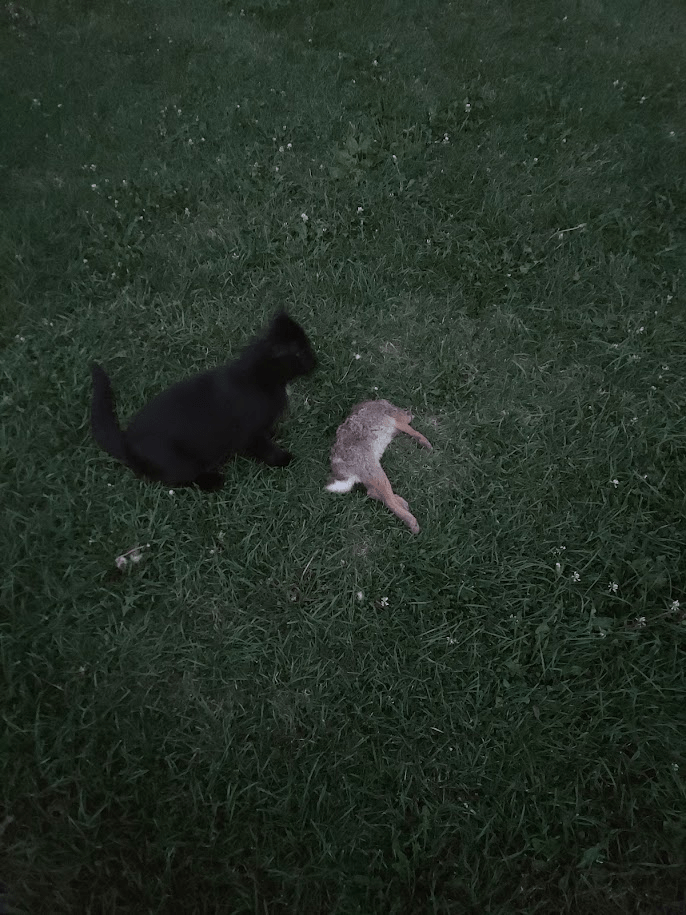
    He adjusted quickly. The mice had new things to worry about. Occasionally, he brought home rabbits too. And like his predecessor, he ranged far and wide, a black blur of fur and friendliness. Once, he came home wearing a neon-yellow collar, probably the handiwork of another household he had charmed, only to discard it by his next visit. Somehow, everyone learns the same lesson: Black Cat doesn’t care for collars, but he does care for people.

    Now, when I watch him bask in the sun or thread effortlessly between my son or daughter’s legs, I realize what a gift he’s been:  not just as a mouser or a companion, but as a marker in the timeline of our lives. He links the animals we’ve loved and lost, the property we left behind, and the home we’re shaping now. His arrival was quiet, but his presence has grown into something deeply woven into the fabric of our family. Some family members arrive in cardboard boxes, with bright eyes and midnight fur, ready to write the next chapter before we’ve even turned the page.

    Do you have a beloved pet? Share your experiences below, and subscribe to join a group of like-minded people.

  • A Flicker of Patience

    It started as a flicker, barely noticeable at first. Each time I passed the faulty bedroom light switch, I felt a spark of frustration. It seemed like such a simple fix, the kind of five-minute job you knocked out after dinner. But every time I mentioned it, my husband would say, “I’ll get to it later.”

    Later became a week. Then two. I couldn’t understand the wait. Why let something so minor become a daily nuisance? I’d press it harder. Wiggle it. Sometimes it worked. Mostly, it didn’t. I thought about fixing it myself, but working with electricity made me nervous. So I waited, not wanting to nag him over this one tiny switch.

    When he finally set aside time to fix it, I expected a quick, careless turn of the screwdriver. Instead, he worked with quiet precision: lining the new plate neatly, making sure every wire was tucked just right. I stood there, watching more than just a repair in progress. I saw the care, the deliberation behind his delay.

    That night, with a quiet flick, light filled the room. In that glow, I saw more than just a working switch: I saw intention. His delay hadn’t been neglect, but a quiet promise to do it right, in his own time.

    Now, each time the light comes on, I’m gently reminded: love doesn’t always fix things fast. Sometimes it takes its time: patient, steady, and quietly certain, shining brighter for the wait.

    Did you have to wait a long time for a loved one to complete a seemingly simple project? Share your experiences below, and subscribe to join a group of like-minded people.
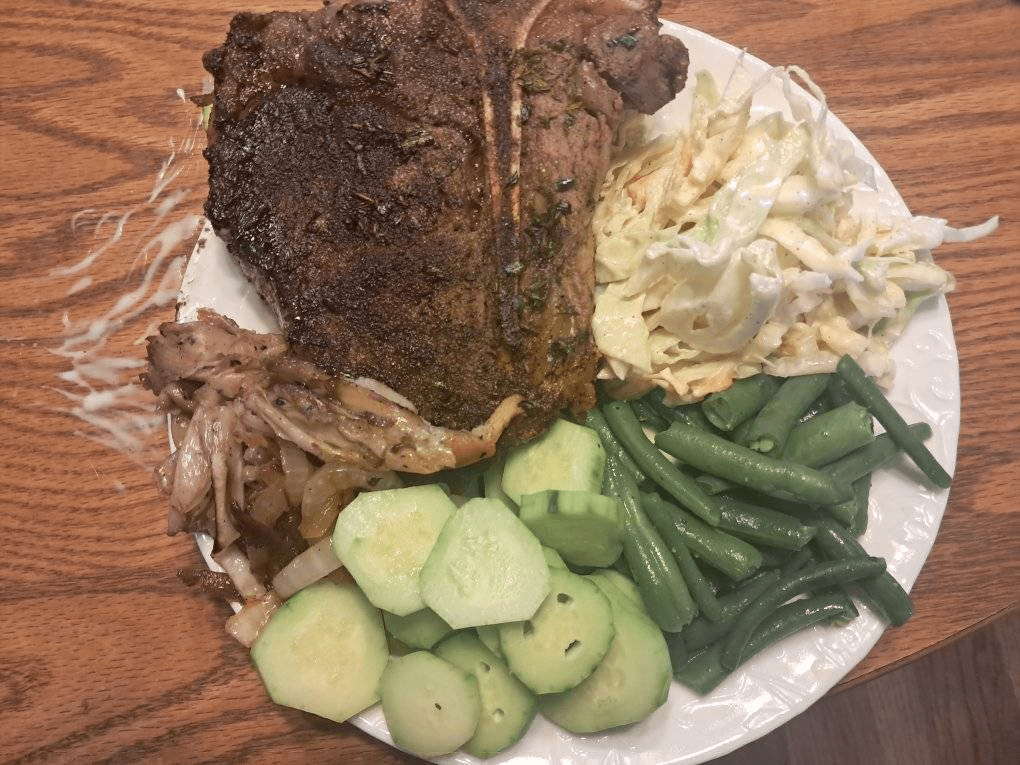
  • Searious Business: My Case for Pan-Fried Steak

    I’m ready to go on record with my most controversial food opinion:

    Pan-fried steak is better than grilled steak.

    Yep, I said it. And the only way you’re changing my mind is by feeding me generous servings of expertly cooked steak. Any challengers?

    Here’s how I make mine:

    I start with a defrosted, pasture-raised steak: bought in bulk from my sister and brother-in-law (shoutout to the Gruenberger family farm!). The first step is drying the steak as thoroughly as possible using paper towels; a dry surface is key to that beautiful crust.

    Next comes the seasoning: a dry rub of salt, black pepper, garlic powder, and onion powder. Simple but tried-and-true.

    Now, the secret weapon: a screaming-hot cast-iron skillet. I preheat it until it’s just shy of setting off the fire alarm. Then I add a bit of butter, plus fresh herbs like thyme or rosemary if I have them on hand, and lay in the steak. If the butter starts smoking heavily, that’s your cue to slightly lower the heat (yes, your kitchen might fill with smoke… it’s part of the experience!).

    As for technique, I’ve toyed with all sorts of methods over the years, but the one I swear by comes from a tip I picked up from America’s Test Kitchen. Once the steak is in the pan, I set a timer for 2 minutes. Then I flip. And repeat, flipping every 2 minutes, for about 4 to 5 more flips. This frequent flipping builds a deeply caramelized crust while keeping the inside tender and juicy. Total game-changer.

    Once it’s cooked to your preferred doneness, don’t skip the most crucial final step: let the steak rest before slicing in. It’s worth the wait.

    So… who’s stepping up to prove me wrong? Steak-off, anyone?

    How do you enjoy your steak? Share your favorites below, and subscribe to join a group of like-minded people.
  • Bread Crumbs of Connection

    They say food is a universal language, but sometimes, it also has a quiet legacy.

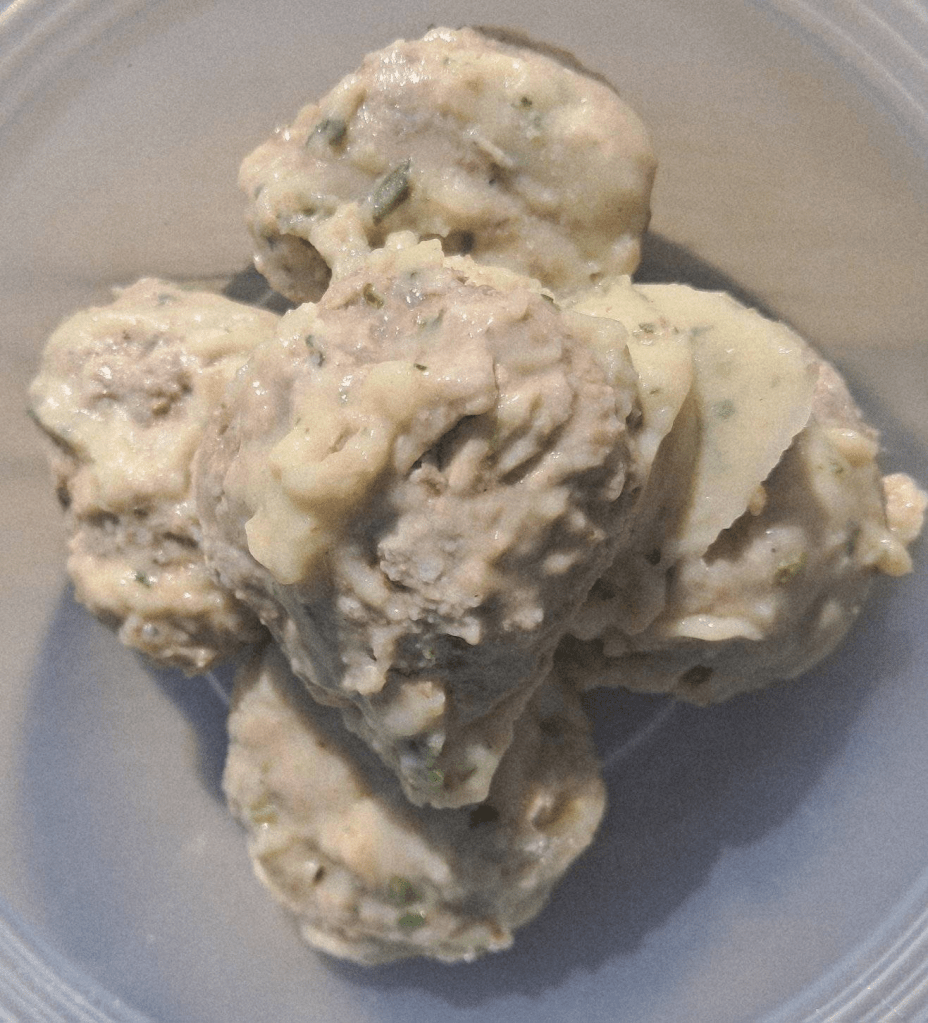
    Eleven years ago, I was on a road trip with my mom, aunt, and sister when we stopped at a small restaurant and ordered Swedish meatballs. I still remember how delicious they were: comforting, perfectly spiced, and unforgettable.

    That afternoon, my aunt casually mentioned that she had a recipe of her own. Thrilled by the meal and eager to impress my then-boyfriend (now husband), I asked her for it. I made a few small tweaks to suit what I had in my kitchen and gave it a try. The result? A hit. So much so that a few years later, I brought a batch to a family party.

    At that party, my sister-in-law had her first bite. She didn’t say much at the time, but apparently, something clicked. Inspired by the dish, she went home, searched for a recipe of her own (thank you, Google) and started making her version for her family.

    Fast forward to just recently: we were visiting her house, and guess what she served? Swedish meatballs. They were fantastic. And somewhere between compliments and second helpings, she told me how that dish had become one of her favorites, sparked years ago by the meatballs I had brought to that party.

    It’s amazing how a simple meal can ripple through lives, quietly leaving its mark. Food has this incredible way of bridging time, connecting us not just to one another, but to moments, emotions, and memories long past.

    And what struck me the most? That something as ordinary as a meatball could hold so much meaning: nostalgia, connection, love. What began as a vacation lunch with my mom, aunt, and sister lives on, now part of another family’s favorites list.

    That’s the magic of a good recipe: it’s never just food. It’s a story, a memory, a little piece of love passed from one plate to the next.

    Do you have a family recipe that has been passed down? Share your experiences below, and subscribe to join a group of like-minded people.
  • The Courage to Belong

    For as long as I can remember, I wore independence like a suit of armor: polished, impenetrable, and heavy. I believed that refusing help was a sign of strength; until, one winter night, my newborn son cracked that armor wide open.

    I was sitting on the cold living room floor, cradling him against my chest, both of us wrapped in exhaustion. Tears stung my eyes as each tick of the clock seemed to press down further on my shoulders. I wasn’t just tired; I felt hollowed out by loneliness. My husband, equally depleted, could only offer tired smiles as he boiled water for tea in the kitchen. Even in the same room, we felt like castaways, washed up on separate islands.

    Desperation drove me to what I knew best: knowledge from books. Night after night, after my son finally slept, I devoured pages about indigenous communities and childrearing in other cultures. I scribbled in margins. I copied down quotes. I yearned for a secret, a hack, some lost wisdom to save me from the ache of doing it all alone.

    One night, I paused on a passage describing a small village where babies are passed from hand to loving hand, never far from comfort or care and everyone keeps half an eye on the children as they played. The words struck me harder than any advice: Humans aren’t meant to do this alone.

    It felt like someone flipped on the lights in a dark house.

    But my reality looked nothing like those villages. Our little family was two hours from those that could help, living the homestead dream but drowning in work and silence. The garden beds overflowed with weeds, the chicken coop needed mending, our son played in solitude. And my longing for help grew sharper each day.

    The breaking point came as we considered expanding our family. The prospect of a second journey through the newborn phase alone prompted me to admit the truth: freedom shouldn’t feel this lonely. I finally turned to my husband and said, “What if we let go and moved back?”

    And just like that, we made one of the hardest decisions we’ve ever faced. We left behind our dream homestead, packed up our life, and moved back closer to our families. We chose connection over isolation, village over solitude.

    Two years later, our house thrums with voices: siblings carrying groceries and garden produce through the door, cousins giggling in the backyard, grandparents telling stories on the worn sofa. My daughter toddles from one open pair of arms to another. Our new homestead is wilder, messier, bursting with more life and laughter than we could ever manage alone.

    I used to mistake asking for help as weakness. Now, I know the real courage is in letting myself belong: to the raw, imperfect, beautiful chaos of family.

    The hard-learned lesson wasn’t in any book. It was in the outstretched hands, the patient voices, the shared work, and the easy company at the end of a long day. I am no longer alone, and that, I finally understand, is the very foundation of strength.

    Did you make sacrifices to surround yourself with a village? Share your experiences below, and subscribe to join a group of like-minded people.
  • Engines of Memory: Connecting the Past, Present, and Future

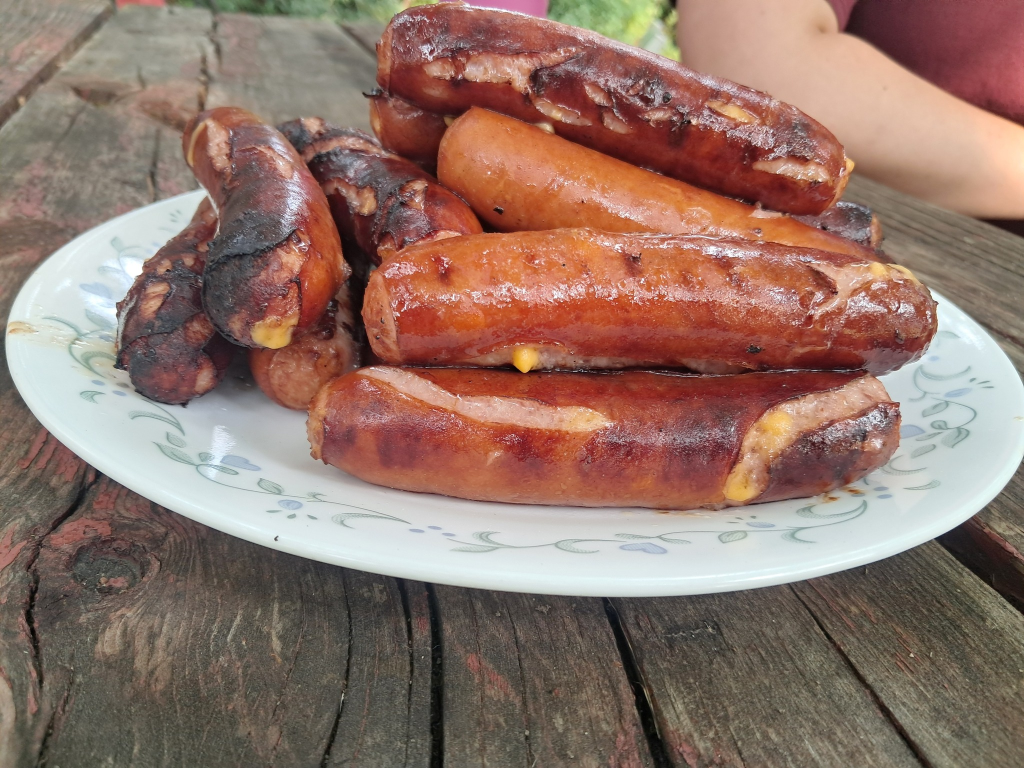
    Steam hissed, and coal smoke curled into the crisp morning air. My dad, my son, and I stepped onto the sunbaked grounds of the antique power show: a patchwork of shade tents and hulking old machines. Instantly, history swallowed us whole. This wasn’t a museum behind glass; it was alive, rumbling and chugging all around. The air, thick with the sharp scent of oil and coal, clung to our clothes and tugged me back toward a time I’d only glimpsed in faded family photographs and my dad’s stories.

    We wandered between rows of iron giants: rusted tractors, battered plows, steam-belching behemoths. My dad moved deliberately, his steps steady, as if each relic deserved a moment of reverence. He stopped at a faded emblem, fingers tracing the nearly worn-away name. “My dad had a John Deere B just like this. It wasn’t the strongest, had trouble getting enough power out of it. So he traded it for a better one when I was a boy.” His voice carried a note of fond remembrance. My son’s eyes widened, and he reached out to touch the cold, rough iron.

    A volunteer nearby coaxed a 100-year-old crawler tractor to life. The engine’s low hum rolled through the ground beneath our feet. My dad simply watched, remarking “I’ve never seen that before.” Meanwhile, my son tilted his head, imagining the power beneath the metal skin.

    A wiry old machinist beckoned us over, his hands smeared with grease and his smile unmistakable. “Restoring this Allis-Chalmers took patience,” he said, pride warm in his voice. My son fired off questions: “What does this part do? How did you fix that?” The machinist answered each one with a twinkle in his eye. I smiled, watching the curiosity leap between them like a spark. Around us, laughter and storytelling filled the air, a genuine gathering of craftsmen and caretakers celebrating skill honed over decades.

    Later, standing beside my son near the sawmill, the belt slapped and squealed as two weathered men fed logs into the spinning blade. Sawdust danced upward, shimmering in the sun. The noisy teamwork, shouts, quick adjustments, shared glances, felt as much an orchestra as a machine at work.

    I thought about these tools and the demands they made: time, patience, stubborn respect. How easy it is now to flip a switch and expect magic. Watching my dad explain a mechanism to his grandson, gratitude and responsibility swelled in me, tightly intertwined.

    As our visit ended, a crop duster buzzed overhead, its engine humming a modern counterpoint to the hiss of steam and dust from the threshing machine. I realized then that this inheritance wasn’t just nostalgia but a living chain of effort, ingenuity, and curiosity, passed down and waiting to be renewed.

    I left carrying more than memories of machines and coal smoke. I carried a promise-to honor the legacy beneath our everyday ease, and to ask myself: What will I build, tend, and pass down for those who follow?

    What traditions or skills from your family or community do you feel called to preserve or pass on, and how do you envision doing that in today’s world? Share your thoughts below, and subscribe to join a group of like-minded people.

  • The Road to What Matters

    Toward the edge of town, amongst beeping car horns and humming engines, a road trip fight started because of hot dogs, of all things.

    “Let’s just grab dinner ingredients here,” I said, glancing nervously at the fluorescent-lit refrigerator shelves of the gas station convenience store. “We will cook them at the campsite.”

    My husband frowned, gripping his key. “Come on, let’s find a real grocery store in town. Support local, right?” His voice was casual, but his jaw tightened with determination. He hated giving money to chains—something about wanting to keep the town’s character alive.

    I checked my watch, again. The other half of our group with the real food would be late, hungry people were already waiting at the site, and our five-year-old tugged at my jacket and whined, “I’m really hungry, Mom.”

    “If we stop again, we’ll lose more time,” I said, more sharply than intended.

    He shrugged, stubborn. “How much, really? Fifteen minutes?”

    “Fifteen becomes thirty with kids,” I muttered, tossing a bag of ice on the counter. The tension pressed against us: thick and humid, like the air before a storm. My daughter clung to my hip and watched both of us, wide-eyed.

    He lowered his voice. “Let’s just try. At least we won’t be leaving groceries to cook in the car during our drive.” His eyes searched mine. “We’ll make it fast.”

    I acquiesced as I snatched the receipt, hands trembling. Outside, I handed our daughter to him, rougher than she deserved. She nuzzled in, sighing uncertainly.

    The car felt claustrophobic, full of luggage and unsaid words. Our son twisted in his seatbelt. “Will we eat soon?” he whispered.

    I watched our daughter brush her fingers over her blanket, smoothing invisible creases—maybe trying to smooth things between us.

    Under my breath: “It’ll take forever, why do we have to go to the grocery store when we could have saved time.” My irritation pressed close and sour.

    After a while as we neared the exit ramp, I caught myself in the car window: lips taut, arms crossed hard across my chest. I looked back. The kids sat quiet, shrunken. Our son fiddled with his shoe; our daughter traced a smudge on the glass. Looking over, I noticed my husband’s knuckles shone white on the wheel; his jaw clenched.

    This wasn’t the mood I wanted. Pride, gritty as sand, caught in my throat. I forced my arms down and exhaled.

    “This is so silly,” I murmured, voice cracked.

    He chuckled a bit and exhaled. “This is a silly thing to fight over. Sorry I pushed so hard.”

    “And I’m sorry for being such a sore loser,” I admitted, giving a crooked half-smile.

    The kids, sensitive barometers, brightened. Our annoyance began to break, eased by their relief.

    We pulled into a tiny downtown I’d never visited before: pastel-painted storefronts, a mural of horses and streetcars stretching along a brick wall, and a riverwalk that promised another day’s visit.

    Inside the grocery store, a man chuckled at my husband’s teasing—“No fun allowed this weekend!”—as our son zoomed down the aisle. The cashier handed each child a sticker—one a smiley face, the other a cartoon duck. Immediate grins: our son showing me his with pride, hunger already forgotten.

    That night, every smoky bite and secret glance made the argument fade to a memory: leaving only the warm light, and us, closer than before.

    Sometimes, the best detours are the ones you resist—where you find a new town, and each other, in ways you hadn’t planned.

    Road trip lesson: Sometimes the best moments come from the fights you didn’t want to have and the detours you tried to skip. 🛣️🌭🔥

    Has anyone else ever had their best trip moments grow out of total chaos? Comment below, I love your stories! And subscribe to join a group of like-minded people.

  • From ‘For-Et’ to Fortitude: A Story About Big Boxes and Big Feelings

    Sometimes the most important thing we build isn’t made of cardboard.

    A Big Idea (and a Bigger Mess)

    My 5-year-old son was determined to build a fort, though he pronounced it “for-et,” which made it even more endearing. I try hard to encourage his creative play, if it doesn’t involve wrecking things, so I said, “Of course, go ahead!”

    He began his mission by gathering the many cardboard boxes we had stacked in our basement waiting to be cleared. Soon, these became a haphazard fortress-in-progress outside our back door. It quickly turned into a cluttered obstacle course we had to navigate. My husband was less than thrilled.

    The Deal

    The next morning before leaving for work, my husband struck a deal with our fort architect:

    If he could move all the basement boxes for disposal and clear a large new box we’d just acquired, he could use that big box as the foundation of his fort.

    Simple enough.

    So before breakfast, my son excitedly dragged everything out of the biggest box and scattered its contents across the driveway, completely ignoring the deal. Then he bounded in, wide-eyed, asking me to help cut a door into the fort.

    One Box, Infinite Overwhelm

    I stepped outside and surveyed the scene. None of the other boxes had moved. And now, there was a fresh mess on top of the old one.

    When I gently reminded him of the first part of his task, his smile drooped. He looked at the towering stack of boxes and sighed.

    “There are so many,” he said. “It will take 100 years to move them all!”

    At first, I wanted to say what I usually say: It’s not that many. Or: If you’d started earlier, you’d be almost done by now.

    But I caught myself.

    Would those words help him—or just shame him?

    Choosing Empathy

    Instead, I sat down, pulled him into my lap, and gave him a squeeze.

    “Sounds like you’re feeling overwhelmed,” I said.

    He nodded, eyes watery.

    “You know, I feel that way sometimes too. When I have so much to do, I don’t even know where to start.”

    “You do?” he asked, brightening.

    “Of course,” I smiled. “When that happens, I take a deep breath.”

    I took an exaggerated inhale and exhale, which made him giggle. Then I added:

    “And I try to do just one thing at a time for half an hour. You’d be surprised how much you can get done that way.”

    “Okay!” he said.

    Momentum (and Breakfast)

    “But first,” I said, “you need breakfast. You’ll have more energy after eating.”

    “I’m already strong enough,” he insisted.

    “I know,” I smiled. “But strong people get hungry too.”

    After breakfast, he set to work. Later, he proudly announced:

    “Mom! I stacked some boxes inside others. It made moving them faster!”

    “Genius!” I said. “What about the other pile?”

    “Huh?!”

    A short follow-up pep talk was in order, and before long, he had moved all the boxes.

    It didn’t even take 100 years.

    Somewhere along the way, the project transformed from a for-et into a clubhouse (don’t ask me how).

    The Clubhouse Reveal

    Next came door-cutting. He wanted it done immediately.  I made him wait until I finished a task of my own.

    Then, I carefully helped carve a doorway into the giant box to his exacting specifications.

    After lunch, armed with a black Sharpie, he decorated the clubhouse with the enthusiasm that only kids can generate. He led me out for the grand tour:

    “See the man on the door? He’s inviting everyone inside.
    Here’s a sign that shows who can come in, even old people.
    What do these letters spell?” (They were random, adorable runes.)
    “There’s a whale… and another whale… and my name.
    And these are solar panels to power the clubhouse. Come inside!

    I squeezed through the narrow doorway. He followed.

    “Turn on the light, Mom!” he said. “The switch is right behind you.”

    Of course it was.

    What His Fort Taught Me

    Watching my son struggle reminded me how easy it is to feel overwhelmed when faced with a big, messy task.

    His honest frustration echoed feelings I often hide behind adult composure.
    And instead of rushing to correct him, I chose empathy, and it changed everything.

    Helping him break the job into tiny steps, encouraging him to breathe through the hard parts, taught both of us that real progress doesn’t come from powering through:  it comes from pausing, noticing, and taking the next small step.

    Final Thoughts

    I still lose my patience more often than I’d like to admit. But in moments like these, I’m reminded that the real “for-et” we build each day isn’t made of cardboard at all:
    it’s built of patienceunderstanding, and kindness.

    And just like my son’s fort, it might not look perfect.

    But it stands strong:  messy, magical, and full of love.💬 Got your own “clubhouse moment” or parenting win (or fail)? I’d love to hear it in the comments. Don’t forget to share and subscribe if this resonated with you.