Month: November 2025

  • Feathers, Frogs, and Family: Lessons from Our Chickens

    Feathers, Frogs, and Family: Lessons from Our Chickens

    What are your favorite animals?

    I remember he day our delivery person lingered just to pet a chicken. It marked a quiet but unforgettable connection between humans and animals in our lives. That black hen with golden feathers wasn’t just beautiful. She was a symbol of the surprising personalities and stories hidden in every farm animal. These stories have shaped my family and me in ways I never expected.
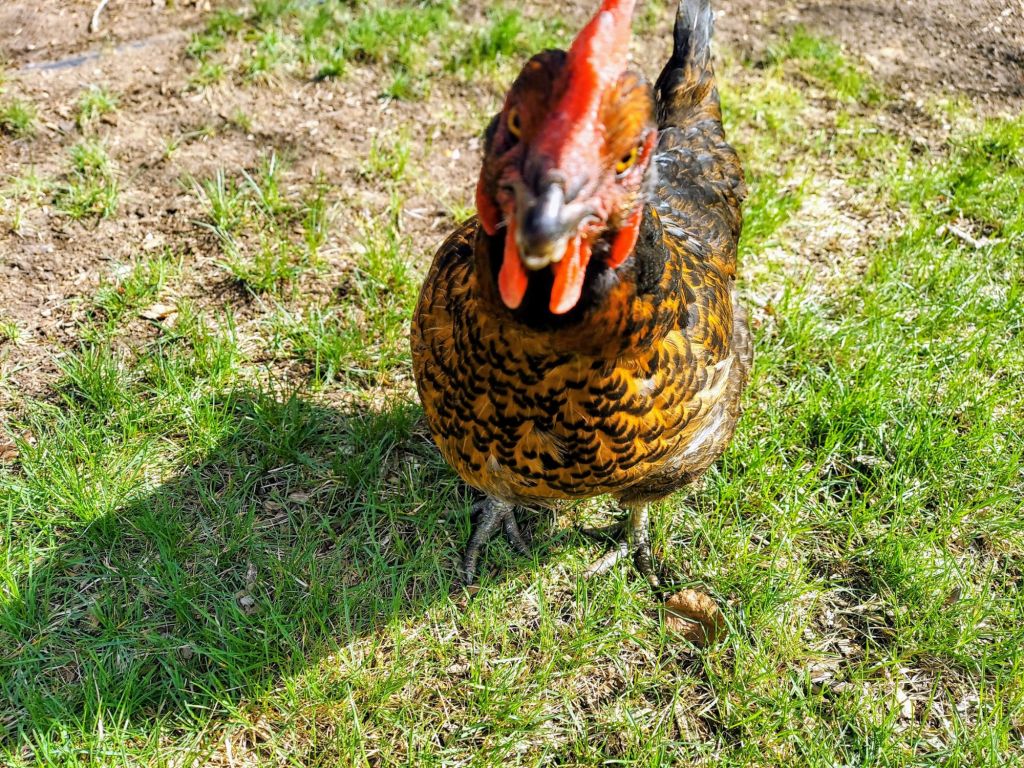
    Farm animals have always felt special to me. More than simple creatures in a barnyard, they each hold distinct characters and life lessons. Chickens, in particular, embody a fascinating mix of contradictions: small yet bold, practical yet full of surprises. Take the first time I saw one catch and eat a frog, for example. I was both fascinated and startled. There she was, darting through the grass with sharp precision, capturing a hopping frog with a triumphant snap. This wild side of chickens revealed itself suddenly but clearly—showing me they are more than gentle garden pets. They are resourceful, lively members of the natural world.

    Equally meaningful to me has been watching my son grow alongside these animals. From tentative first touches to bursts of laughter as he ran alongside the flock, his connection with the chickens deepened steadily over time. This growing bond reached a milestone when we gathered our first pullet egg together. It was a small, warm marvel that tasted like patience and hope. Sharing that fresh egg was a celebration of both life and the quiet rituals that come from care and attentiveness.

    Beyond their intriguing personalities and practical benefits like eating food scraps and producing fertilizer, these animals have woven themselves into our daily rhythms and affections. It’s no wonder our delivery person was so drawn to that golden-feathered hen. Her presence brought him brief moments of comfort and joy. When she passed away, it marked a quiet loss that reminded me how deeply animals can touch human lives and how these bonds leave lasting marks on our hearts.

    Farm animals are, in truth, companions who teach us to slow down, observe, and connect with the cycle of life. Chickens, with their surprising mix of wildness and gentleness, stand out as providers with vibrant personalities and teachers. In their company, I have found moments of laughter, reflection, and an enduring appreciation for the simple, rich realities of living closely with nature.

    What’s your favorite farm animal or memorable moment with animals that has touched your heart? Share your stories in the comments below—I’d love to hear about the special connections you’ve had with animals!


    If you enjoyed this essay and found these stories meaningful, please like this post. Share it with fellow animal lovers. Subscribe for more heartfelt reflections and stories about life with animals. Your support means the world!

    Related Posts

  • A Short Drive to Heaven: Why Lake Michigan Wins for Us

    A Short Drive to Heaven: Why Lake Michigan Wins for Us

    Beach or mountains? Which do you prefer? Why?

    The crunch of gravel echoes under the car tires as I set out for what has become a cherished ritual: a short drive to the nearest beach. It’s funny. When people ask me if I prefer the beach or the mountains, the answer isn’t as simple as it seems. It’s never really been about the stunning landscapes or sweeping views for me. It’s about how these places fit into the messy, beautiful chaos of my life right now.

    Living in Southeastern Wisconsin, the mountains feel like a faraway dream—the closest being nearly 800 miles away. That distance means days of careful planning and long hours on the road. Add to that a husband who prefers the comfort of home, a lively 6-year-old bursting with questions, and a fearless 2-year-old who demands constant attention. The mountains—with their towering peaks and crisp, cool air—are breathtaking. But for us, they exist more as a distant escape than a feasible weekend plan.

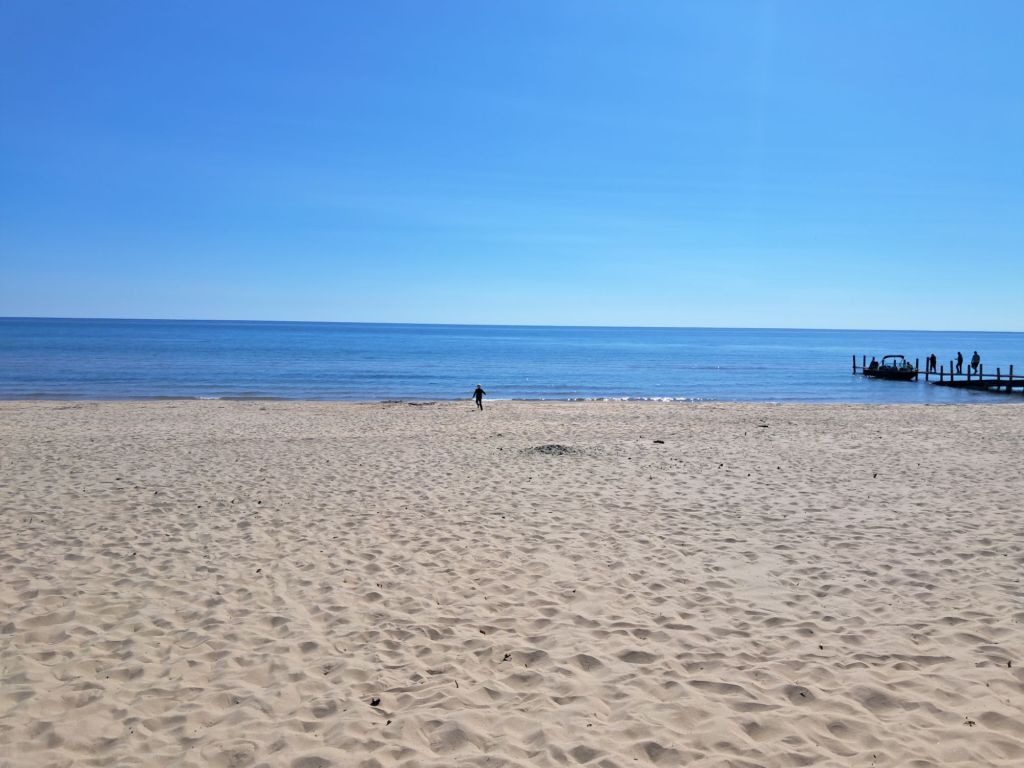
    On the other hand, Lake Michigan beckons like a constant friend. Its vast stretches of blue only a short forty-five-minute drive away. Sometimes, I even go on my own with just the kids—escaping into that familiar comfort whenever I need it most.

    Pulling into the parking lot, I inhale deeply: the fresh tang of lake water mingling with sunscreen and the earthy aroma of pine trees bordering the beach parks. The warm sand cushions my feet as the kids sprint ahead, their laughter weaving through the calls of distant seagulls. I spread our picnic blanket on the sand near the shore. Then I watch my husband lean back, eyes closed, a rare and peaceful smile crossing his face. In that moment, I see what this place really means to us—it’s not about grandeur, but about ease and presence.

    No elaborate packing lists, no complaints about long drives or restless children. We dive into the spontaneous joy of splashing in waters that are crisp but inviting. We build sandcastles topped with shells, and simply soaking in uninterrupted family time.

    Choosing between beach and mountains might sound like deciding between two types of beauty. For me, it’s about the heartbeat of everyday life. The shore is tangible and near—a source of small adventures and lasting memories without the stress of far-flung travel. The mountains will always be there, a majestic possibility for the future. But for now, the beach is where we belong: close enough to visit often, yet vast enough to still feel like a treasured getaway.

    What’s your favorite escape — beach or mountains? And how does that choice fit into your life and family? I’d love to hear your thoughts and stories in the comments below!

    If you enjoyed this story, please hit like. Share it with someone who loves the outdoors. Subscribe for more personal essays about family, nature, and finding joy close to home.

    Related Posts

  • Beyond the Plate: Cooking with Heart, Seasonality, and Family in Mind

    What are your family’s top 3 favorite meals?


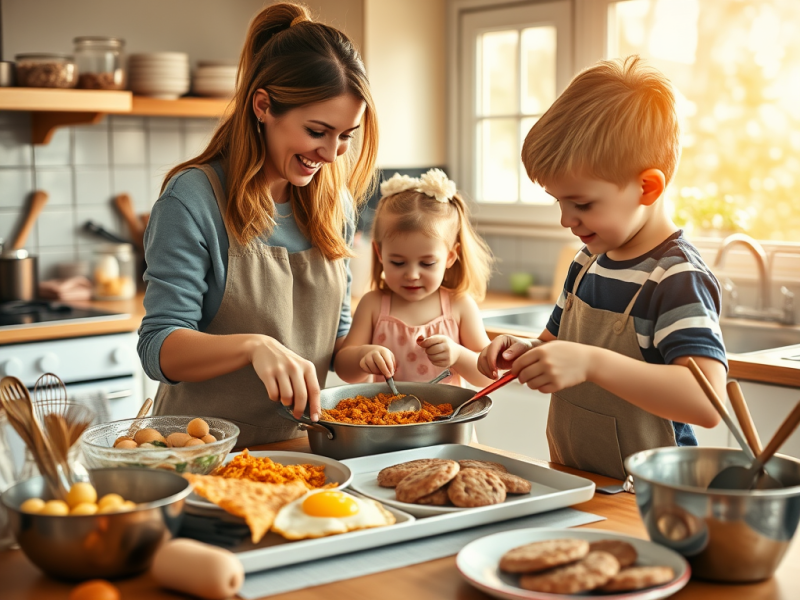
    Imagine standing in your kitchen after a long day, staring into the fridge and pantry. Hungry family members are standing by waiting not-so-patiently. You juggle not only what tastes good but also what’s nutritious, budget-friendly, and available—all in one mental balancing act. As the main cook in our household, this daily challenge has encouraged me to develop a simple system. I choose meals based not just on flavor but also on their flexibility, ease, and heart.

    At the core is a meal framework built around three essentials: protein, vegetables, and starch. This adaptable formula shifts with the seasons and what’s on hand. Proteins can be chicken, pork, beef, fish, or even plant-based, depending on our mood. Vegetables reflect the harvest—right now, that means home-preserved summer bounty or crisp fall favorites like cabbage, Brussels sprouts, and carrots. Starches might be boiled potatoes, rice, bread, or pasta.

    Take Swedish meatballs simmered in savory sauce, paired with boiled potatoes and roasted Brussels sprouts. The meatballs release a comforting spiced aroma, while the tender potatoes soak up the sauce’s richness. The Brussels sprouts, caramelized and slightly crisp, add a satisfying texture. Sometimes, I swap the potatoes for egg noodles or rice. Other times, I substitute veggies with whatever is fresh or frozen—perhaps roasted cabbage or steamed broccoli. That’s what makes this dish endlessly flexible and flavorful.

    Another deeply comforting meal we savor is our pork roast with baking powder dumplings and homemade sauerkraut. This dish carries the warmth of tradition—raised from hogs on our farm and fermented sauerkraut preserved each year. The dumplings, pillowy and light, take about 20 minutes to make, but their soft texture is worth the wait. On busier nights, a crusty loaf of bread stands in just fine. The tangy sauerkraut and savory pork meld beautifully. It’s a combination that our 6-year-old son eagerly requests, making it more than dinner—but a family ritual.

    When I have more time to savor cooking, I prepare roasted lemon garlic salmon with rice and roasted broccoli. The salmon, infused with bright lemon and savory garlic flavors, roasts to tender perfection with a slightly crisp edge. The roasted broccoli brings a bit of earthiness and crunch, balancing the richness of the fish. Fluffy rice accompanies the dish, soaking up any juices and tying the meal together harmoniously. This combination can easily adjust. You can swap the rice for potatoes or pasta. Or you can switch up the veggies depending on what’s fresh or frozen. As a result, this meal is both versatile and inviting.

    What unites these meals is more than just ingredients or technique. It’s the love poured into making them work for everyday life. These dishes mirror the seasons, our kitchen’s rhythm, and the joy of feeding family with less stress and fuss. They invite us to gather around the table, share stories, and create memories. Cooking, for me, is not just about sustenance; it’s an act of care and connection.

    In the end, cooking for family is a dance of practicality and pleasure, tradition and innovation. Our favorite meals teach me that the best dinners aren’t about perfection—they’re about presence: being there, nourishing those you love, and turning the ordinary into something extraordinary.

    Now it’s your turn! What are your family’s three favorite meals? Do you use a simple framework like protein-veggie-starch, or do you have a unique approach in your kitchen? Share your go-to dishes or meal hacks in the comments below. I love hearing how others bring their families together through food.

    And for more easy, adaptable recipes and home-cooking tips, please like this post. Share it with friends who might find this inspiring. Don’t forget to subscribe or follow for regular updates—you won’t want to miss what’s cooking next!

    Related Posts

  • Fifty Lemons and a Lesson in Waste

    Fifty Lemons and a Lesson in Waste

    The Waste We Don’t See

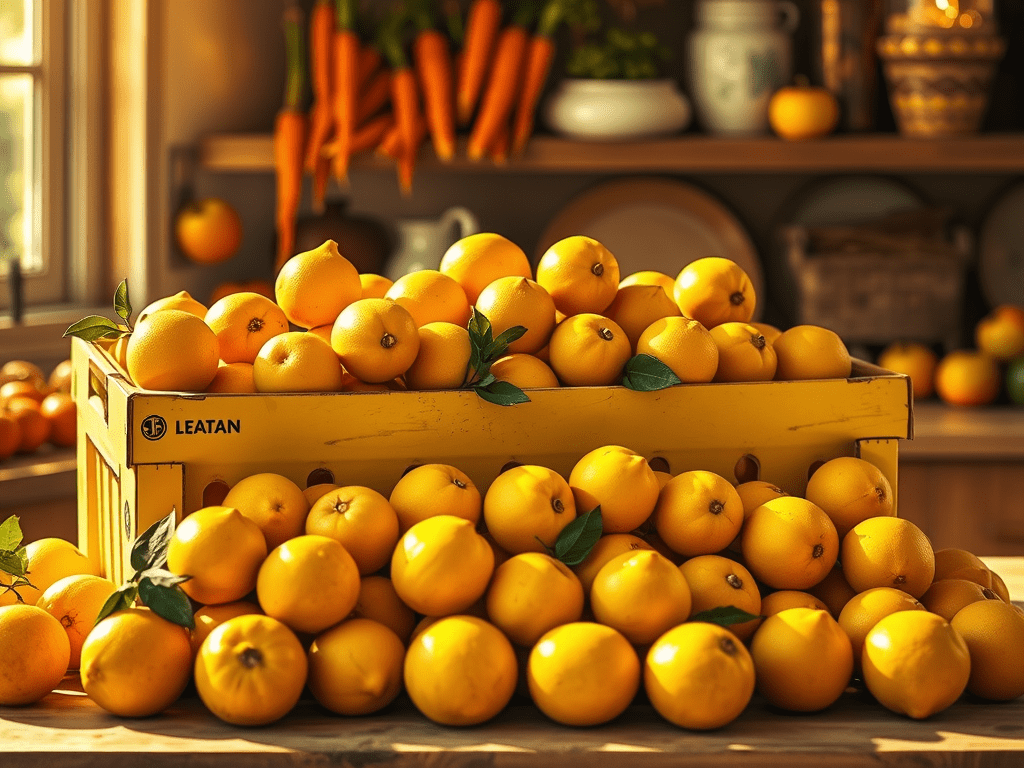
    The banana box sat on the counter—fifty lemons, bright as sunrise. Perfectly good fruit headed for the trash. It’s hard to take in the scale of it, but nearly 40 percent of all food in the United States ends up discarded. Almost half of what’s grown, shipped, and stocked here never feeds anyone at all, but instead clogs up landfills.

    A Small Farm That Says “No” to Waste

    My sister sees boxes like this every week. They’re packed with produce grocery stores can’t sell—carrots too crooked for the shelf, apples with a harmless bruise, greens that wilted before they were bought. So instead of going to a landfill, the food comes to her small farm.

    There, everything serves a purpose. Chickens peck at the soft tomatoes. Pigs enjoy the bruised peaches. The things that can’t be eaten become rich compost for next season’s gardens. Watching her sort through those boxes makes you realize how easily abundance can be mistaken for excess. Nothing is truly wasted unless we give up on finding a use for it.

    Transforming Lemons into Possibility

    Those fifty lemons turned into their own little project for us. We juiced most of them and stored the concentrate in jars for lemonade and marinades. Some zest went into a bright lemon sauce for pasta. The rest became loaves of lemon poppy seed bread, wrapped up and shared with family. What might have been waste became food, memory, and connection.

    The Homestead Mindset

    That’s one of the quiet lessons of homesteading: learning to see potential where others see loss. A tired head of lettuce is chicken feed. Stale bread becomes breadcrumbs or croutons. Overripe bananas transform into breakfast. Once you find that rhythm of reuse, it stops feeling like work and starts feeling like gratitude.

    The best part?  You don’t need a farm to think this way. A small compost bin, a backyard garden, or simply paying attention to what’s in your fridge can shift how you handle food. Every time you find a way to reuse, share, or return something to the soil, you chip away at that staggering 40 percent—one meal at a time.

    The Bigger Picture

    Maybe your fifty lemons look a little different. Maybe they’re cucumbers softening in the crisper or a few jars tucked away and forgotten. Whatever form they take, they’re an invitation to look closer before you throw something away.

    Homesteading, at its heart, isn’t about perfection or isolation. It’s about paying attention—seeing worth in what we already have and finding new life in what might have been lost.

    So here’s my question to you: What could your fifty lemons become?


    Join the Conversation

    What’s one way you’ve learned to reduce waste or give new life to something others might discard? Share your ideas in the comments below—I’d love to hear them.

    If you enjoyed this story, don’t forget to like, share, and subscribe for more simple living and homesteading reflections.


    #HomesteadLiving #ReduceFoodWaste #SustainableLiving #SimpleLife #FromWasteToWorth #ZeroWasteKitchen #MindfulHomestead

  • Bridging Time: Meeting the Courage of My Ancestors

    Bridging Time: Meeting the Courage of My Ancestors

    If you could meet a historical figure, who would it be and why?

    If given the chance to meet any historical figure, I would choose not a famous leader or thinker.

    I’d choose to meet my own ancestors in both Germany and Austria between the 1850s and 1870s. These were ordinary people facing an extraordinary choice-to leave everything familiar behind and journey into the unknown by migrating to the United States.

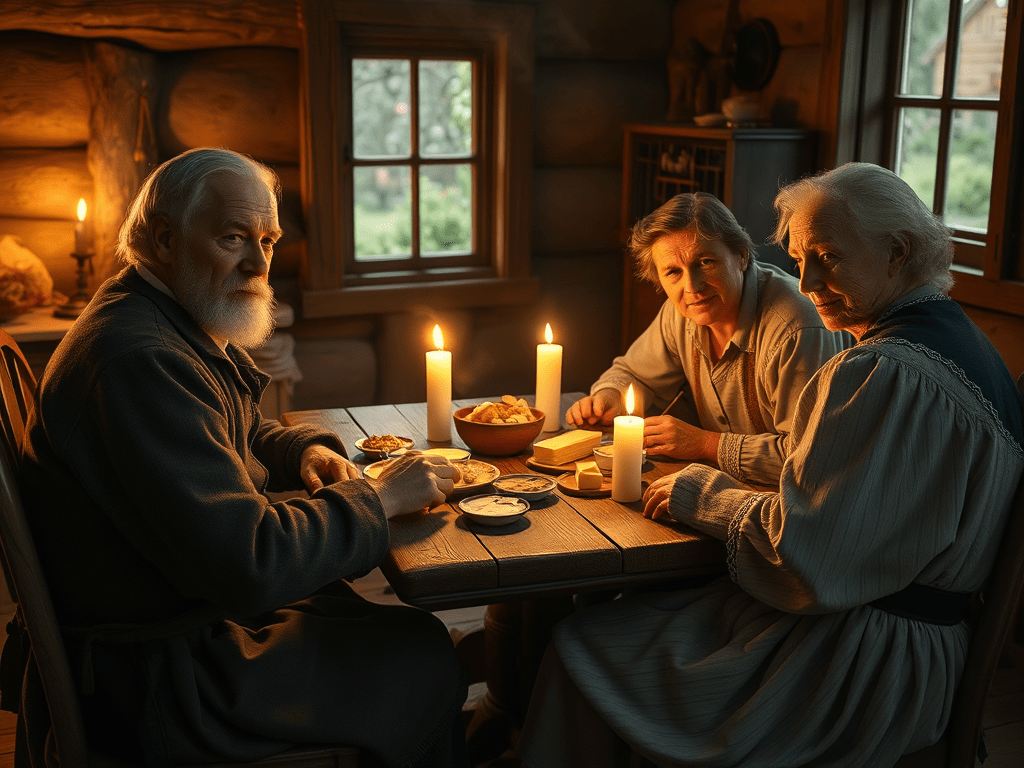
    I imagine sitting with them around a simple wooden table lit by flickering candlelight. We’d share a modest meal of bread, butter, and cheese. The scent of wood smoke would fill the room as we would gaze out at the garden beyond. In that humble setting, I would listen intently to their stories, carried across time with quiet strength.

    Their decision was not made lightly, fueled by hope yet shadowed by uncertainty. I see cold, harsh winters; backbreaking labor; and political unrest shaping their daily lives. They were bound by tradition and faced limited opportunity. They risked everything—their homes, their communities, their ways of life. They crossed a vast ocean in search of freedom and a new beginning.

    What fears kept them awake at night? What sacrifices did they endure silently? Hearing their firsthand accounts would reveal the resilience and courage that anchored their journey.

    This connection would deepen my gratitude for the life I live today. Their sacrifices laid the foundation for my family’s present and inspire me to face my own challenges with courage. Knowing they braved the unknown encourages me to take risks of my own. I dare to put my words to the page. I push forward even in moments of fear and uncertainty. My ancestors did not seek to change history; they aimed to build a future. Their journey teaches me that true growth often requires stepping boldly into the unknown.

    Meeting my ancestors would mean more than satisfying curiosity—it would strengthen my roots and nourish my spirit. Their legacy reminds me who I am and empowers me to write my own story. Hope, resilience, and gratitude will flow through every word.

    If you could meet an ancestor or historical figure from your own family history, who would it be? What would you most want to ask or learn from them? Share your thoughts and stories in the comments below.  I’d love to hear about the journeys and courage that inspire you!

    And if this story of courage, sacrifice, and connection resonated with you, please like and share it with others who appreciate the power of family history. Don’t forget to subscribe for more reflections that honor our roots and inspire us to face our own journeys with hope and resilience.

    Related Posts

  • Listening to My Inner Voice: A Story of Vulnerability and Resilience

    Do you trust your instincts?

    I didn’t expect my hardest lesson about trusting instincts to come during childbirth.

    As my water broke, my body began shaking uncontrollably. Fear surged through me. Few experiences test someone’s connection to their body like giving birth. Yet at that moment, I felt detached during a process that should have felt natural. Panic and doubt quickly took over.

    That wave of fear changed me. It became a wake-up call. Over the last six years, I’ve worked hard at tuning into my body through relaxation, meditation, and breath work. When I gave birth again four years later, the difference was striking: things moved quickly, peacefully, and with far fewer interventions.

    Looking back, I realize it wasn’t just culture urging me to ignore discomfort. A trusted adult in my life was often swept up by stress and overwhelm. In their presence, I learned to mute my own signals and silence myself to keep the peace. My world equated strength with suppressing vulnerability. I silenced my body’s warnings—hunger, exhaustion, emotional pain—hoping to avoid conflict or disappointment.

    I vividly remember one afternoon when I was a child. My body begged for rest, but fear of this person’s anger forced me to push through. Through the years, I learned to swallow discomfort and hide my feelings until they would inevitably erupt. Only later did I understand how both external pressures and witnessing this person lost in overwhelm taught me to silence my own instincts.

    Motherhood transformed this learned behavior. I wanted to show my son and daughter something better: a model of recognizing emotions and meeting my needs before they escalated. I let my inner voice soften. Strength gained a new meaning—one tied to vulnerability and presence. Slowly, my approach to my children’s emotions shifted. I now sit quietly beside my frustrated son, breathing calmly while his storm slowly fades. I practice this daily: mindfulness through challenge, for their feelings and mine.

    Today, I’m more attuned to myself, though this work is ongoing. Emotional waves still come, sometimes fierce. Recently, during a tense day at work, I paused before reacting. I closed my eyes and let my body feel the tension, watching the discomfort roll in and drift away. Breath and awareness anchor me. Trusting myself isn’t about perfection—it’s about persistence. Each mindful moment deepens my instincts. They’re quiet, but always there, guiding me through calm and chaos.

    This journey has taught me that self-trust is more complex than just “following your gut.” It calls for vulnerability, breaking old patterns, and challenging the notion that ignoring your own needs is strength. Now, I’m learning to nurture a kinder relationship with myself—body, mind, and heart.

    That’s the legacy I strive to leave for my children: the confidence to listen deeply and kindly to their own voices.

    Have you ever silenced your instincts to meet others’ expectations?

    If this story resonated with you or made you reflect on your own journey, please like, share, and subscribe—your support helps others find these reflections who might need them

    Related Posts

  • The Bridge Between Winter and Summer

    The Bridge Between Winter and Summer

    What’s your favorite month of the year? Why?

    There’s a month each year that feels like an awakening. It’s the bridge between the quiet of winter and the warmth of summer. Mornings still hold a trace of chill, but the afternoons fill with soft sunlight and the scent of growing things. Lawns turn lush almost overnight, trees leaf out in a rush, and every breeze carries life.

    It’s the season when the world feels generous. The lilacs bloom and perfume the air. The smell of freshly tilled earth lingers after rain, rich and full of promise. At local markets, the first asparagus appears, bright and green, and on weekend mornings, I wander through the woods searching for morel mushrooms hidden in the damp leaves. Each small find feels like a sign that the year is turning toward abundance.

    This is also when I start to dream about summer—camping trips, evenings outside with friends, the first meals eaten under open sky. The days grow longer, and with them, my sense of possibility swells. Even something as simple as walking outside in a T-shirt after months of layers feels like freedom.

    This month, alive with growth and memory, also carries personal meaning—it’s when I got married, surrounded by blossoms and soft light. The world seems to celebrate right alongside me each year as it blooms again.

    My favorite month is May.


    Thanks for taking a walk through my favorite time of year with me. If this story brought to mind your own favorite month or ritual of renewal, share it in the comments—I’d love to hear it.

    And if you enjoy reflections on nature, food, and the changing seasons, don’t forget to like, share, and subscribe for more.

    Related Posts

  • Stone by Stone

    Stone by Stone

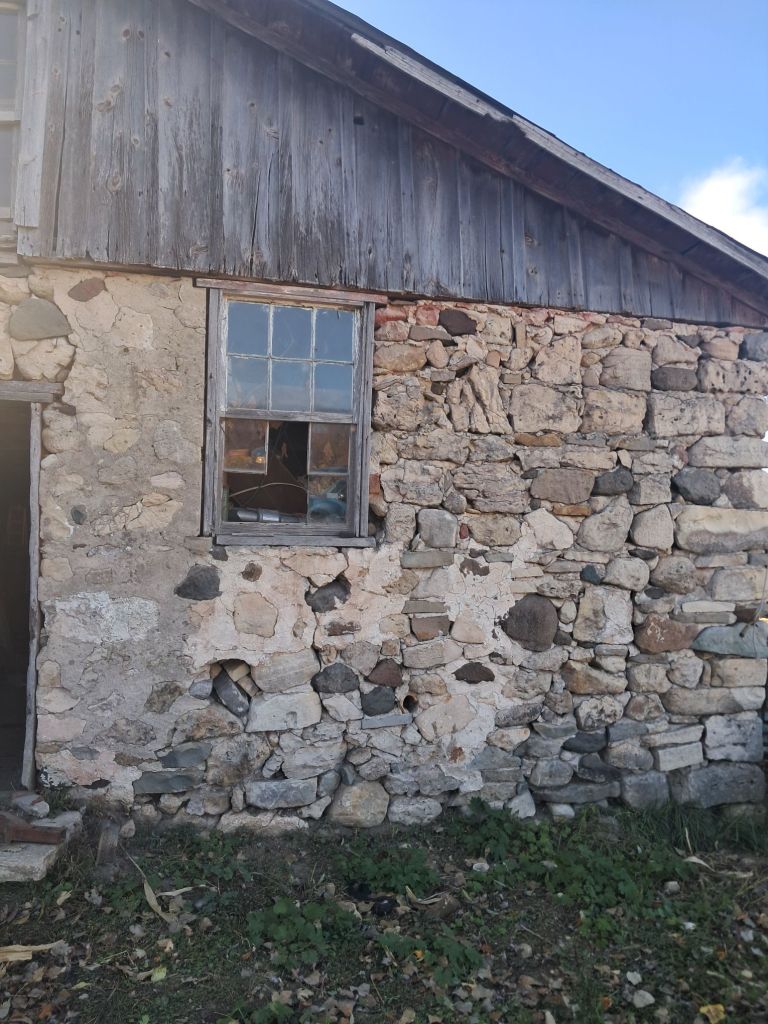
    Stone by stone, this wall was built.

    A century ago, the farmer walked his fields each spring, eyes tracing the thawing earth for the perfect stones.

    He moved slowly, letting his hand rest on each one, feeling its shape, its weight, the way it might settle among the others.

    This was not hurried work. Endurance, he knew, would make the wall stronger than haste ever could.

    When he found a stone that fit his vision, he lifted it onto his horse-drawn wagon. The steady rhythm of hooves and iron wheels carried his labor back to the barn, where rows of stone rose patiently from the dirt floor.

    As time allowed, he placed each piece with care, sweeping away soil, testing every joint, sealing the gaps with mortar and quiet pride.

    Now, more than a hundred years later, the wall still stands. Its mortar is softening, its edges worn, yet its shape endures.

    Each stone remains a record of patience laid by hand—a testament to steady work, lasting purpose, and the quiet will to build something meant to weather time itself.

    Stone by stone, this wall was built.

    What’s something in your life that was built to endure? Share below in the comments.
    If this story resonates with you, take a moment to like, share, and subscribe for more reflections on craftmanship, time, and the quiet art of enduring work.

    #storytelling#visualstorytelling#theartofstorytelling
    #farminghistory#craftsmanship#heritage#everydaystorytelling

  • Where the River Slows Down: Finding Peace at My Favorite Local Park

    Where the River Slows Down: Finding Peace at My Favorite Local Park

    What is your favorite place to go in your city?

    There’s a park by the river on the edge of my city—and it’s my favorite place to go. I visit as often as possible, drawn by the winding trails that twist through the woods, trace the water’s edge, and climb the hills overlooking the quiet horizon beyond town. On most days, I pass families walking dogs, runners lost in thought, or neighbors pausing to greet one another. No matter the weather, the park always feels alive.

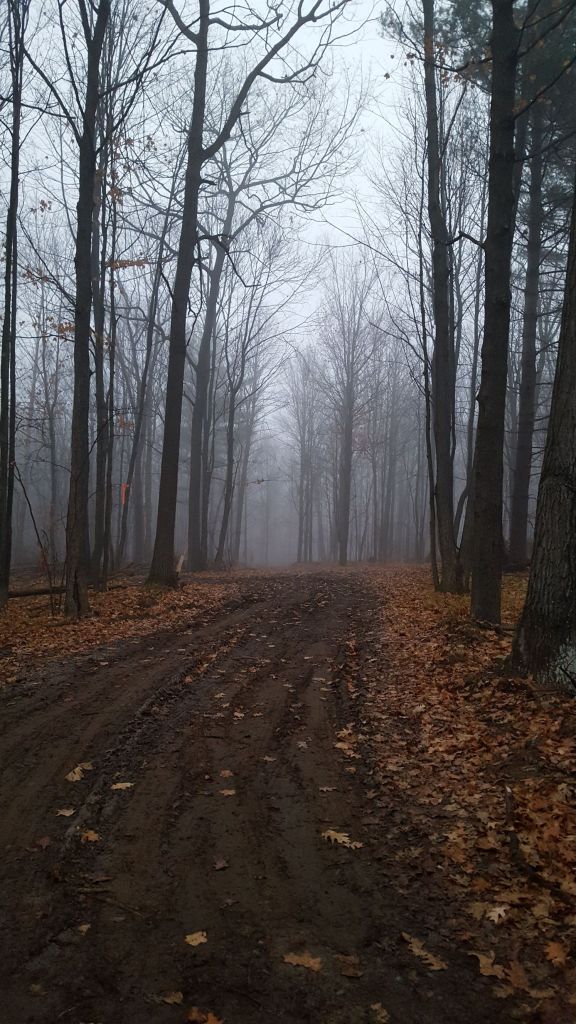
    Each season transforms it completely. In fall, the air carries the sweet, earthy scent of freshly fallen leaves, and the trails shimmer in gold and crimson.

    Winter hushes everything under a glittering blanket of snow, the trees turned to delicate sculptures of frost. Spring bursts with sound and energy—the maple trees drip with sap, the river swells with melting snow, and the rush of water fills the air. By summer, the forest hums with life. Sunlight filters through thick green leaves, and sometimes, if I look closely, I’ll spot clusters of wild mushrooms on a rotting tree stump.

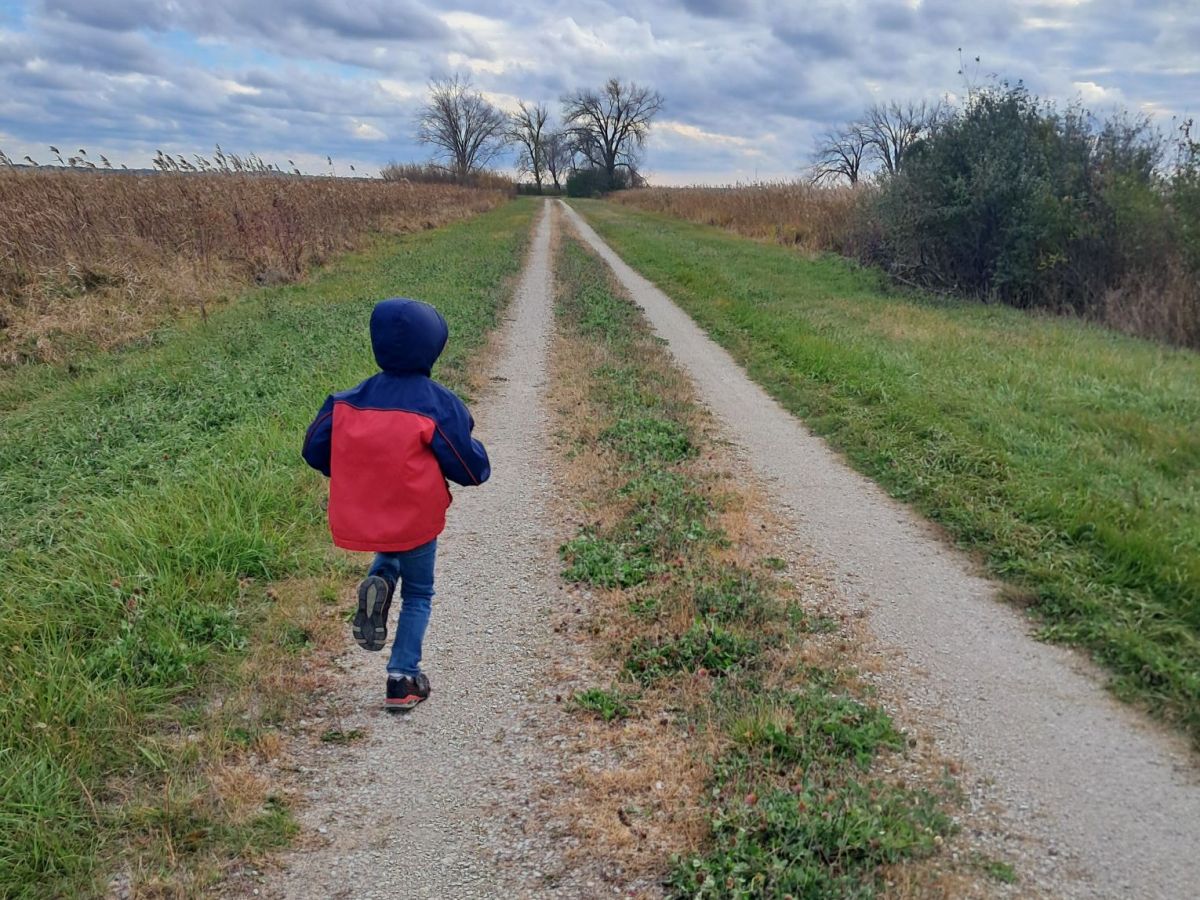
    My kids love coming here too. There’s a short, steep hill along one of the trails that my son never tires of climbing. Every time, he races to the top, then barrels down laughing, only to turn around and do it again. Watching him, I’m reminded that this place holds something for all of us—peace for me, adventure for them, and a connection that ties us together through every season.

    The park is more than a patch of nature on the city’s edge. It’s where our family slows down, breathes together, and remembers what matters most: simple joy, shared laughter, and the quiet beauty of being present.

    Everyone has that one special place that brings them peace. Maybe it’s a park, a trail, or even your backyard. Where do you go to reconnect with yourself or your loved ones? Share your favorite spot in the comments—I’d love to hear about it.

    To see more stories about finding beauty in everyday places, don’t forget to like, share, and subscribe. It helps others discover these quiet moments of joy—and keeps this community growing.

    Related Posts

  • Learning to Be Seen: Redefining My First Impression

    What’s the first impression you want to give people?

    When I think about the first impression I want to give people now, it connects closely to how much I’ve learned about myself.

    In my 30-something years, I’ve spent a lot of time shrinking into the background—speaking softly, standing at the edges of rooms, and convincing myself that others didn’t really want to notice me. Somewhere along the way, I mistook invisibility for safety. That belief likely began in childhood, when being quiet felt like the right way to belong.

    But with time, I began to see what that silence cost me. By keeping myself small, I limited the depth of my connections. People knew me only in fragments because I wasn’t showing them a complete person. What I thought was self-protection often turned into isolation.

    Now, I want my first impression to reflect who I’m becoming rather than who I used to be. When someone meets me, I hope they sense warmth and calm, a presence that feels both grounded and engaged. I want my voice to carry confidence without volume—a kind of steadiness that says, “I see you, and I’m here.” Maybe it shows in the way I smile when greeting someone or in how I pause to listen before responding.

    More than anything, I hope to make people feel comfortable being themselves, just as I’m learning to be comfortable being myself. If my presence leaves others feeling seen, valued, and at ease, then that’s the impression I want to give. It’s the one I’ve always been reaching for, quietly, without realizing it.

    Have you ever realized that the way you present yourself isn’t who you truly are inside? Share your story in the comments. What first impression do you want to give people now, and how has that changed over time?

    If this reflection resonated with you, take a second to like the video. Share it with someone who might need to hear it. Subscribe for more conversations about self-growth, confidence, and showing up as your authentic self. Your engagement helps build a community where everyone feels seen and heard.

    Related Posts