Describe a man who has positively impacted your life.
When I’m kneeling in the garden with my hands in the soil, I often think about how deeply the men in my life have shaped the person I’ve become. From the way I plant a seed to how I nurture my family, their lessons live everywhere in our homestead. Each one taught me something about hard work, humor, grace, and love that now guides how I grow both our garden and our life together.
My dad, for all his imperfections, taught me that steady work and community build both fences and character. His lessons come to mind whenever I face a task that takes time, patience, and persistence. It could be when I’m tending a sick animal or planting a new garden bed.
My high school choir and creative writing teachers showed me that beauty lives in both sound and language. From them I learned that creativity, like gardening, flourishes slowly, needing room, courage, and care. Later, my university professor proved that intelligence doesn’t have to stand apart from humor. The best minds often laugh easily and love deeply.
My past and present work mentors each modeled different kinds of strength and leadership. They also remind me that passion means little without purpose. And my father‑in‑law has quietly taught me the power of service. The quiet, steadfast kind that grounds a family and gives meaning to the work of each day.
Still, if I had to choose just one man who has most profoundly shaped my life, it would be my husband — my companion through every season. We started out as naive teenagers, knowing little about love and even less about life. Over the years, we’ve built something sturdy and honest: a relationship rooted in communication, respect, and shared goals. We’ve learned to disagree without tearing at the foundation, celebrate without comparison, and choose each other even when life feels heavy.
Together, we also learned how to be parents — fumbling through the sleepless nights and uncertain firsts. Parenthood stretched us, revealing both our flaws and our capacity for grace. It taught us that raising children isn’t just about shaping them. It’s about allowing them to shape us too.
When I look around at the life we’ve built, I see our home standing steady on its foundation. The garden is growing richer each year. I see traces of every lesson those men passed along. Most of all, I see the love my husband and I have tended through each season, like the soil beneath our feet. It’s worked by hand, fed by patience, and full of promise.
If this story speaks to your heart, I’d love for you to join our growing homestead community. Like, share, or subscribe to follow along. We share our lessons about family life, personal growth, and the beauty of building something lasting — one season and one story at a time.
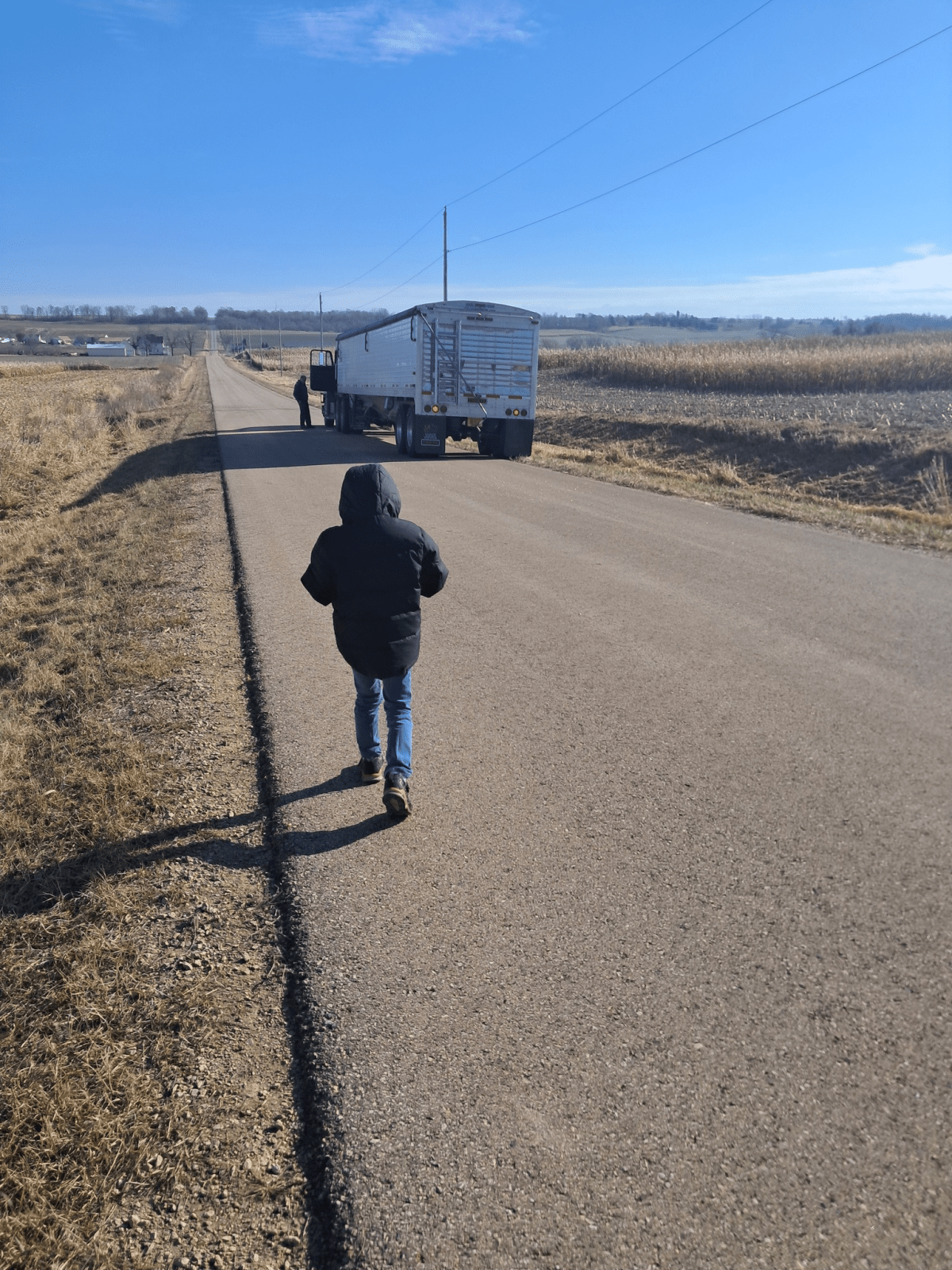
The hum of diesel engines and the scent of dusty corn fill the air every fall, signaling harvest season and long days ahead. For the local farmers, this time of year brings both relief and pressure—hundreds of acres to harvest before rain or early snow set in. My dad is always there to help, his…
If you care for animals, you soon learn that joy and heartbreak are neighbors—arriving together, sometimes within the span of a single sunrise. I didn’t set out to be a caretaker, but each creature has reshaped me, leaving lessons that linger long after the shed doors close. Learning Detachment My childhood on a dairy farm…
It started as a flicker, barely noticeable at first. Each time I passed the faulty bedroom light switch, I felt a spark of frustration. It seemed like such a simple fix, the kind of five-minute job you knocked out after dinner. But every time I mentioned it, my husband would say, “I’ll get to it…
Imagine waking at 2:13 a.m., heart pounding in the dark, stress coiling tighter with every unanswered worry. That was me a year ago, before I discovered self-care and genuine connections as my anchors for mental health.
My mom lay in the hospital, her condition a shadow over everything, and I felt utterly alone in carrying it.
The weight turned inward: sleepless nights blurred into exhaustion, sapping my strength as a working mother.
My 5-year-old son’s tantrums erupted without warning, mirroring my frayed nerves; my 1-year-old daughter toddled into milestones I barely registered. Workouts? Forgotten. Writing flickered as a distant dream, not yet a lifeline.
Then, small shifts began to gather like dawn light. My five sisters and I started a text group chat during Ma’s hospital stay—sharing updates, memes, funny videos, and pictures. It evolved into our ongoing lifeline of laughter and support, helping immensely through the tough days. I carved out time for self-care—short breaths in quiet moments, a 15-minute workout stretched to half an hour one morning. As sweat beaded and muscles protested, my 2-year-old daughter stirred, padding in with sleepy eyes and a grin. She became my unexpected buddy, mimicking my stretches, then splashing water on my face in a gleeful post-workout ritual. In that simple joy, I felt a breath of ease.
Ma’s health improved, steadying us all. My 6-year-old’s outbursts softened as he watched me pause, breathe, and respond calmly—modeling what words alone couldn’t teach. After I started my blog, each blog post and Facebook update became my ritual of release. Honest words spilled out like exhales. They drew bridges back to old friends, family ties, and sparked new kindred spirits. Tonight, I’ll meet with a high school pal with whom I’d lost touch. I’ve been working on a winter garden project with another. Showing up as my best self has even strengthened my relationship with my mother-in-law—a quiet win I cherish.
Self-care stitched my body whole; connections wove my mind steady, thread by quiet thread. One year later, lying awake feels rare, replaced by mornings alive with possibility.
What’s your anchor when stress coils tight? Share below—let’s lift each other.
If this resonates, like, share, and subscribe for more on personal growth, parenting, homesteading, and real-life transformations. Your support keeps this community growing!
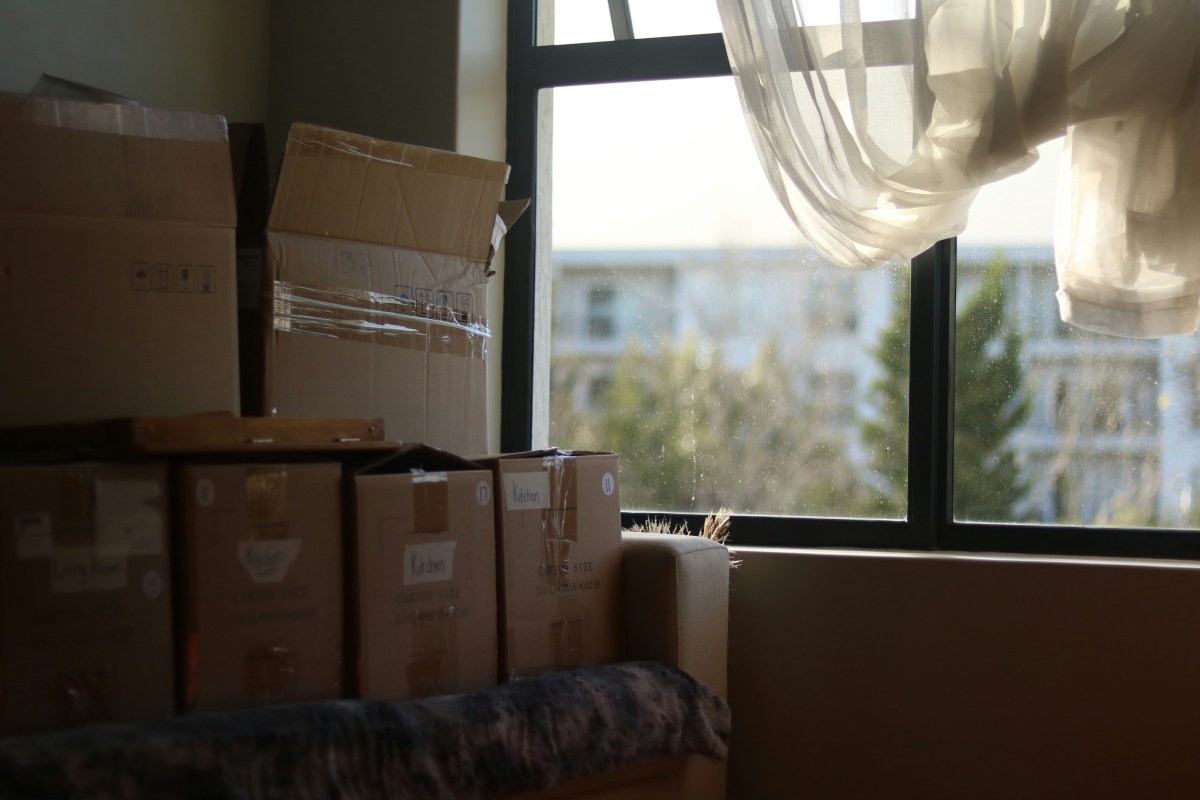
When my husband and I left our 18-acre homestead to move closer to family, pregnancy, exhaustion, and logistics forced me to rethink fate, free will, and the serenity prayer. A story about choosing change with support.
First time mom nerves about motherhood + pregnancy joy (belly talks, flutters). Honest story of life before kids freedom → Lake Michigan beach adventures with 6yo + 2yo sister. Motherhood trade-offs worth every goodbye.
Lying awake at 2:13 a.m. for the fourth time that week, staring at the ceiling, I finally saw it. Overthinking was robbing my rest and energy for the day ahead. In some interactions—those everyday exchanges that catch me off guard—I still get reactive, even when I bite my tongue. My body betrays me: a tight jaw, a deepening frown, shoulders hiked up as if carrying an invisible load.
Over time, I saw the pattern. My silent reactions were fueling a draining cycle, amplifying stress that lingered into sleepless nights and frayed patience. I thrive on straightforward connections, where people say what they mean. But not every dynamic in life offers that, especially in unavoidable family or community ties. Rather than pouring energy into changing others, I’m reframing this as my personal growth challenge: mastering response over reaction.
Now, when a trigger hits—a loaded comment in a group chat or a subtle dig at a gathering—I pause and practice: slow my breath, soften my face, feel my feet on the floor. Not every provocation needs a response; many are just passing moments. I remind myself: “I’m safe, not under attack, and I choose my energy.” Simple, but quietly transformative.
This skill ripples everywhere in my world. In parenting, it means modeling calm for my kids during tantrums or sibling squabbles. I show them how to breathe through frustration instead of explode. On the homestead, it’s like tending a garden amid unpredictable weather. I can’t control the rain or pests, but I can cultivate steady hands to prune, plant, and protect what matters. In relationships, it helps me save my full authenticity for the people who can hold it with care.
What about you? What body cues signal your triggers, and how do you reclaim your calm? Share below—let’s grow together.
If this resonates, like, share, and subscribe for more on personal development, parenting tips, and homesteading wisdom. Your support helps this community thrive!
What could you do less of? Reacting. For much of my life, I treated every perceived slight as a call to arms — as if every misunderstanding demanded an immediate defense. But I’m learning that not everything needs my reaction. Some moments only ask for my attention. When I feel wronged, my body responds before…
What is one thing you would change about yourself? I used to think changing my looks—maybe my hair or my nose—would fix everything and make me happier. But life taught me otherwise. The one thing I’d truly change is how quickly stress hijacks my emotions. Overwhelm turns into impulsive anger when my perfectionism meets chaos.…
The digital clock on my nightstand glows an accusatory 2:13 AM, its red numbers burning my retinas. As I roll over for the thousandth time, the sheets tangle around my legs. My bedroom, once a sanctuary, has become a prison cell. The familiar outlines of furniture loom in the darkness, taking on sinister shapes in…
I never expected a six-year-old to remind me what travel is really about — but that’s exactly what happened on our drive to school this morning.
I decided to ask today’s daily blog prompt to my son, thinking it might spark a fun pre-drop-off conversation. His answer caught me off guard in the best way. It was one of those simple parenting moments that shows just how quickly their little worlds are expanding.
He didn’t even pause. “I want to see the Statue of Liberty and the Capitol building,” he said from the backseat. He swung his feet as sunlight spilled across the dashboard. Maybe he meant the Capitol in Madison, Wisconsin — he was spellbound by it when we visited — but I’d like to imagine he meant Washington, D.C., that grand center of United States history. Either way, his answer made my heart swell.
We don’t travel far — not yet, anyway. Most of our adventures stay close to home. That’s what works for now with snacks, naps, and his two-year-old sister in tow. But this morning reminded me that curiosity doesn’t need a plane ticket. We journey daily through the library books scattered across our table, Nova episodes and Ken Burns documentaries that keep his questions coming. His curiosity is boundless. It’s such a joy to watch him connect the dots between what he reads, what he watches, and the world he dreams of exploring.
Out here on our little homestead, we tend a lot of things — the soil, our routines, our growth as a family. But maybe the most important seed we’re planting is curiosity itself. That gentle, persistent pull toward learning, seeing, and understanding more. Someday, we’ll stand beneath that soaring Statue or climb the steps of the Capitol together. For now, I’m content to let the journeys begin from the backseat — one question at a time.
If this story spoke to you, will you take a moment to support this little corner of the internet? You can like this post, share it with a friend who’s raising a curious kid, or subscribe so you don’t miss future reflections on homesteading, parenting, and growing a love of learning at home.
And if you’d like to keep the conversation going, scroll down and tell me: what cities are your kids dreaming about?
Do you have a favorite place you have visited? Where is it? The place I love most isn’t on any map. It’s not a landmark or an exotic beach, but it’s the center of everything I’ve learned about belonging. When I trace the path to it, I travel through every memory that once made the…
Beach or mountains? Which do you prefer? Why? The crunch of gravel echoes under the car tires as I set out for what has become a cherished ritual: a short drive to the nearest beach. It’s funny. When people ask me if I prefer the beach or the mountains, the answer isn’t as simple as…
What book are you reading right now? Some of my earliest memories are of getting lost in a book. I read on the school bus until the motion made me queasy but I never quite wanted to stop. Books have always been my favorite escape into bigger worlds. That love of stories has shaped much…
Disclosure: This post contains affiliate links. As an Amazon Associate, I earn from qualifying purchases. Thanks for supporting Practical Homesteading!
Venison gets an unfair reputation — people call it tough, gamey, or finicky. But after more than six years of learning, tinkering, and a few overcooked inedible mistakes, I’ve found the secret to turning this beautiful wild game into something melt-in-your-mouth tender. It’s not magic — just good technique, a mindful marinade, and a skillet hot enough to make Hank Shaw proud.
1. Start with quality Good venison starts long before it hits the pan. Pick a clean, lean cut — the kind that shows care in field dressing and storage. If you’ve stocked your freezer after a hunt (or a gift from a friend), make sure it’s well-wrapped and free from freezer burn. The better your meat, the better your final dish.
2. Slice it right Here’s the part most people overlook: how you cut the meat changes everything. Slice thin (less than 1/8 inch [3 mm]), against the grain, and while it’s still half-frozen. That half-frozen state gives you control. If it’s too frozen, you’ll be sawing through it. If it’s too thawed, you’ll end up mashing it. I use this knife (affiliate link) this honing steel (affiliate link) to sharpen the blade. I probably learned this trick while watching America’s Test Kitchen one winter, and it’s been my quiet edge ever since.
3. Marinade that magic This is where you build the flavor. Mix fish sauce, soy sauce, sesame oil, and a splash of dry wine. Then let it rest overnight in the refrigerator. The marinade seeps into the thin slices, giving your stir fry that rich, layered flavor that tastes like it came from a seasoned wok.
Here’s my marinade recipe. Feel free to use or modify it as needed! This marinade works well with any protein, and even tofu if you prefer vegetarian dishes!
3/8 cup (90 mL) oyster sauce
1/4 cup (60 mL) soy sauce
1.5 T (22.5 mL) sesame oil
1.5 T (22.5 mL) Shaoxing wine (I substitute in a dry white wine when I don’t have this on hand)
4. Hot skillet, quick cook Here’s a move straight out of Hank Shaw’s (the Hunter Angler Gardener Cook) playbook. Get your skillet (affiliate link) rip-roaring hot. Cover the bottom with about one-eighth inch (or 3 mm) of high-heat oil, and work in small batches. Lay the meat out in a single layer — no overcrowding.
Each side needs just a quick sear. When it’s this thin, the edges brown beautifully, and the center stays tender. This is where patience pays off — resist the urge to stir too early. This technique is called velveting, and will elevate your stir fry from merely good, to great.
5. Bring it all together Once the venison’s seared, set it aside and toss your vegetables in that same pan. The oil and browned bits from the meat give your veggies an instant flavor boost. Toss in a high water vegetable such as frozen bell pepper to deglaze the pan. Combine everything, toss until the sauce clings, and serve it steaming over a bed of rice (affiliate link). I prepare it using a pressure cooker (affiliate link) to get the perfect texture every time.
6. The reward This dish represents six years of cooking smarter — not just harder. It’s the payoff from learning where texture meets timing and how to balance heat and patience. Add in homegrown vegetables from the garden, and you’ve got a true farm-to-table moment.
Venison doesn’t have to be tough. With the right prep, it’s tender, juicy, and just a little bit wild — in the best way.
And if you want to read the full story of this stir fry, read this post.
If this recipe helped you fall a little more in love with cooking wild game, I’d love to know! Hit that like button. Share this with a fellow homesteader or hunter. Subscribe to the blog for more down-to-earth stories and recipes from our kitchen to yours.
Discover the joys and challenges of raising backyard turkeys in this heartfelt story about patience, humor, and the journey from fluffy poults to Thanksgiving centerpiece. Learn personal lessons and practical insights from a family’s wild turkey-raising adventure.
If you love making your own food from scratch, this homemade venison jerky recipe is a must-try. Whether you’re a hunter processing your latest deer or simply someone looking for a leaner, high-protein alternative to beef jerky, this step-by-step guide walks you through every stage: from processing and seasoning to smoking and dehydrating. We even…
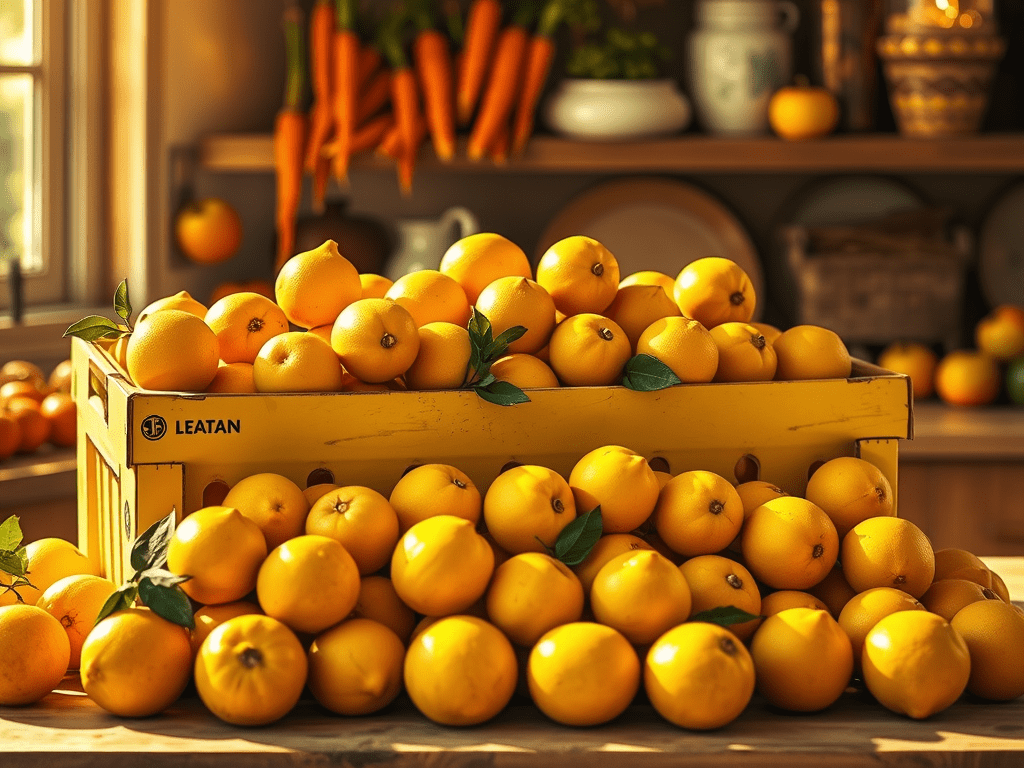
A reflective homesteading essay about turning fifty rescued lemons into food and connection. Learn how small choices and mindful reuse can reduce the 40% of food wasted in America every year.
I get a little thrill every time someone says I have a great memory. To me, it means they felt remembered—seen in some small but meaningful way. Remembering a friend’s child’s name, a neighbor’s birthday, or a detail from a conversation months ago is my way of saying, “You matter to me.”
Over the years, through college, grad school, and now in my work and home life, I’ve been lucky to cross paths with so many different people. I’ve learned that connection rarely comes from big, dramatic moments. It usually comes from the quiet things. I listen closely, ask follow-up questions, and circle back to the small details someone trusted me with.
When I ask about a new baby, check in on a big project, or remember to follow up on a hard week someone mentioned, it doesn’t feel like a task on a to-do list. It feels like a privilege. I love learning about people’s families, work, and hopes and letting them know their stories didn’t just pass through my mind and disappear.
That same mindset is woven into how I think about family and homesteading. Both require paying attention. You learn the rhythms of your people, your animals, your garden, your land. You notice when something is off, when something is thriving, when something needs a little extra care. It’s a slower pace, but it’s richer because you’re actually present enough to see what’s happening.
In a world that moves fast and often skims the surface, I hope people say that I slowed down and truly paid attention. That I listened well, cared deeply, and made even ordinary conversations feel like reminders that they mattered. Whether it’s tending relationships or tending a garden, it’s the small, consistent acts of care that make a life feel full.
If this resonated with you, it would mean a lot if you liked this post. Share it with a friend who values meaningful connection. Subscribe to the blog so you don’t miss future reflections on family, homesteading, and intentional living.
The first time I heard, “Good morning, men!” echo off the beige cubicle walls, I felt invisible, a ghost in a room full of voices. Fresh out of grad school and just one of two professional women in the office, I was convinced someone would soon discover the imposter I believed myself to be: a…
They say food is a universal language, but sometimes, it also has a quiet legacy. Eleven years ago, I was on a road trip with my mom, aunt, and sister when we stopped at a small restaurant and ordered Swedish meatballs. I still remember how delicious they were: comforting, perfectly spiced, and unforgettable. That afternoon,…
Struggling with fear of judgment? How silence creates isolation, why authentic self-expression feels dangerous, and 3 small steps to overcome rejection anxiety and build real connections.
Tell us about your first day at something — school, work, as a parent, etc.
If homesteading (and parenting) has taught me anything, it’s that sometimes you have to take the wrong path before you find the right one. Today’s daily prompt reminded me of a story from my very first day of kindergarten when I quite literally got lost before I’d even learned how to spell the word. Funny how those early misadventures can shape the way we guide our kids years later.
You know that feeling when you’re five years old, wearing brand-new white tennis shoes, and suddenly realize you have absolutely no idea where you’re supposed to be? That was me on my very first day of kindergarten in 1995 — tiny, determined, and totally lost.
I was trailing behind my five older sisters, trying to look like I belonged there. They were seasoned pros of the school bus world; I was just thrilled to be tagging along with my pink backpack bouncing against my back. When we reached the bus transfer station, they pointed to a spot like little generals giving orders.
“Wait right here. Your bus will come for you.”
So I did. For about five minutes — though it felt much longer.
When the crowd started thinning out and my bus still hadn’t arrived, I asked a few kids if I was in the right spot. But, for reasons only a five-year-old can explain, I decided I couldn’t trust them. So naturally, I did the logical thing: I got on a bus. Not my bus — just a bus.
For about ten glorious minutes, I felt like I had solved all of life’s transportation problems. And then I realized… nothing outside the window looked familiar. By the time the bus doors opened, my confidence evaporated into pure panic.
Thankfully, a kind teacher noticed the look on my face — equal parts terror and regret — and asked what was wrong.
“Um,” I whispered, “I’m supposed to go to the other school in town.”
The words worked like magic. Within minutes, I was in the principal’s office, then riding across town in the principal’s personal car. Nothing says “first day of kindergarten” quite like accidentally securing a chauffeured ride before lunch. I was fashionably late, but I made it.
Fast forward thirty years, and it was my son’s turn to start kindergarten. Naturally, I had flashbacks to my five-year-old self making bold (if ill-informed) transportation choices. But his situation was a little trickier. He only rode the bus home in the afternoons — when there were multiple routes running and plenty of room for confusion.
The thought of him ending up on a different route and getting home an hour late brought back that same pit-in-the-stomach feeling. So, I called the school ahead of time, explained my 1995 misadventure, and said, as calmly as possible, “I just want to make sure my kid doesn’t pull a ‘me’.”
The staff, bless them, took me seriously. For the first eight weeks of school, they made sure he wore a big sticker on his shirt every afternoon with all the important details. He even had a “bus buddy,” an older kid assigned to get on the same bus. (I liked to think of it as his small-town security detail.)
He never got on the wrong bus, though he did manage to forget his backpack once. Progress, right?
Looking back, I realize that first day taught me more than just the importance of knowing your bus number. Getting lost, it turns out, isn’t the worst thing that can happen — it’s just part of finding your way.
Whether it’s school buses, parenting, or life on the homestead, we’re all bound to take the scenic route now and then. And honestly, those are the best stories to tell later. Especially if you can laugh about them once you’re home safe.
Have you ever ended up “on the wrong bus” — literally or figuratively? I’d love to hear your story in the comments! If you enjoyed this post, go ahead and give it a like. Share it with a friend who needs a smile today. Subscribe to the blog for more real-life stories about family, growth, and finding your way — one misstep at a time. 🌾
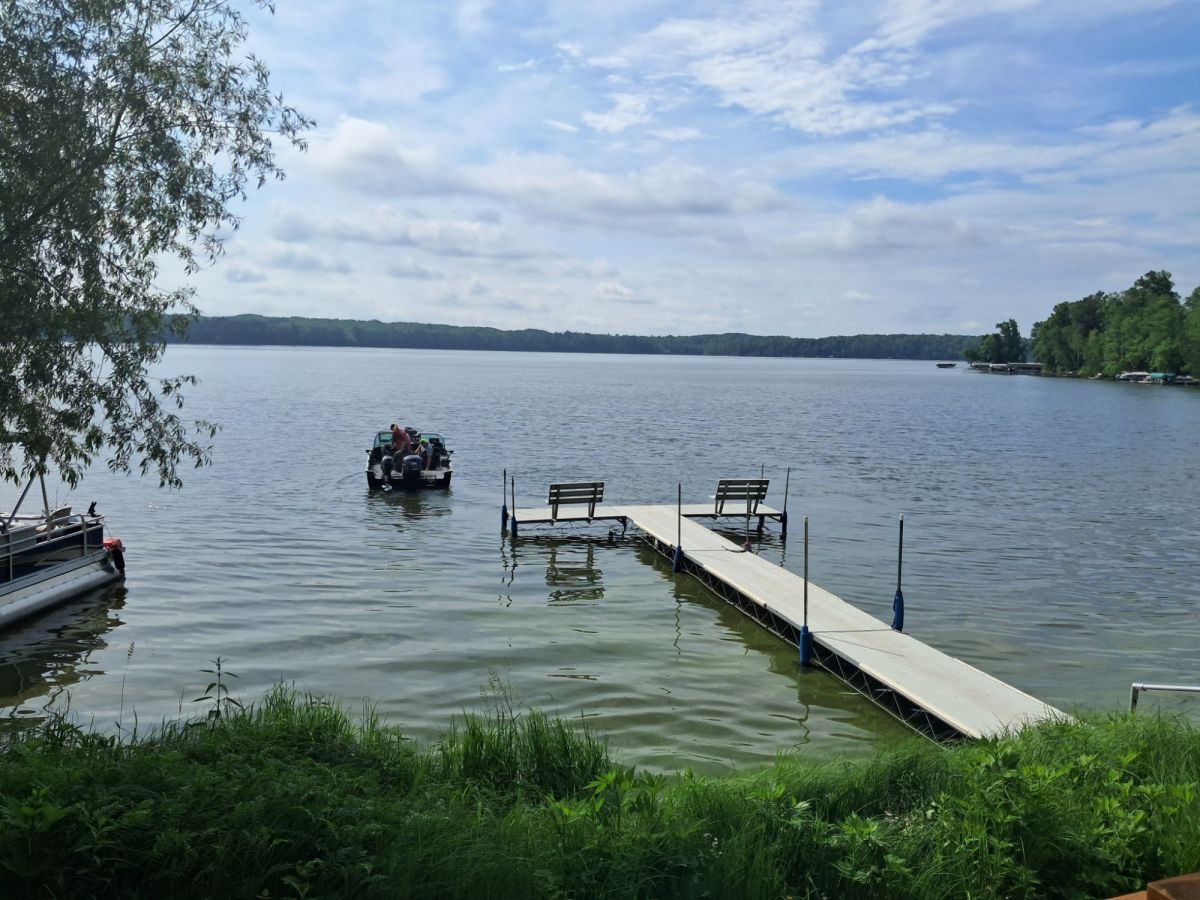
My family recently went on a road trip to a lake cabin in the northern part of the state for a fishing getaway. Anyone who’s traveled with a five year old boy and a 1.5 year old girl knows the unique blend of excitement and chaos that comes with such an undertaking. Our teal 1997…
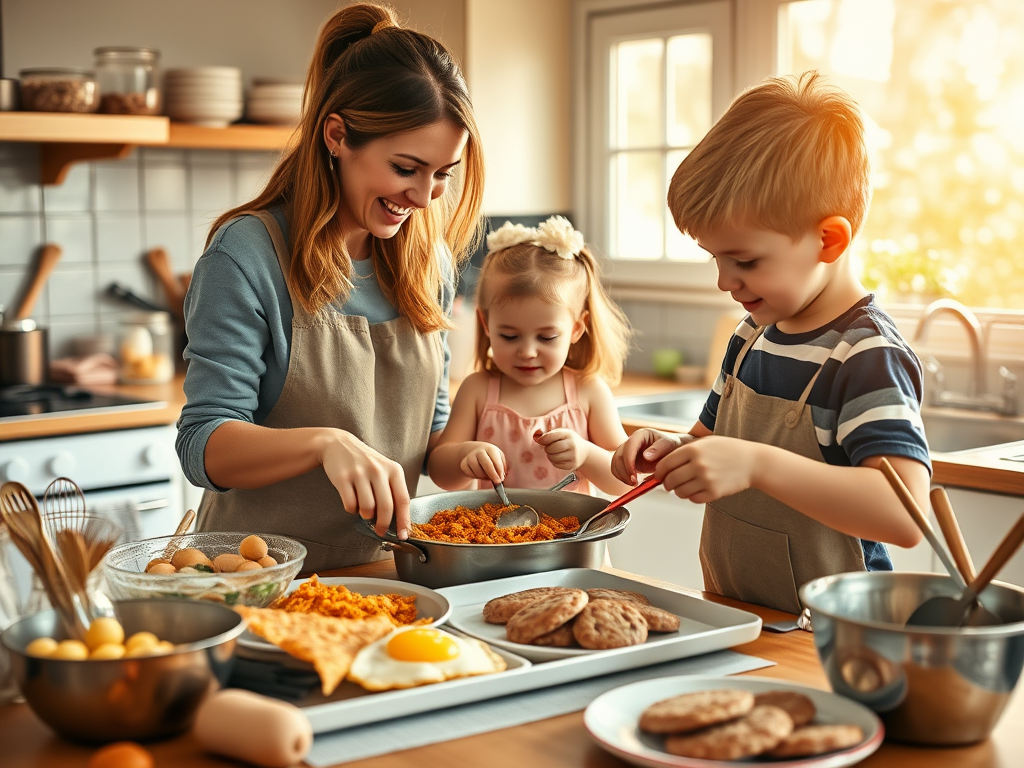
Cooking with children makes the best family breakfast recipes! Homemade sausage patties, hashbrowns, perfect scrambled eggs. Real child kitchen helpers story + weekend breakfast chaos and joy.
The moment I stepped outside in the morning, sweat prickled down my back: a warning that today would be a scorcher. The thermometer already hovered above 90 degrees, and the rest of the day promised no relief. My husband would be gone this afternoon, off helping family with farm chores, leaving me alone with our…
Have you ever performed on stage or given a speech?
My heartbeat quickened as the announcer called my name, each syllable echoing through the microphone. Applause filled the conference hall as I walked toward the podium, my shoes tapping softly against the floor. The room smelled faintly of coffee and stale donuts—a familiar comfort for the last session before lunch. Three projectors displayed my name and the title of my talk across the front wall. I took one steady breath and began to speak.
Halfway through my introduction, I tripped over a phrase, my words tangling awkwardly. For a split second, silence hung in the air. I paused, smiled, and let the moment pass before starting again—steadier this time. The audience leaned in, and I felt the nervous flutter in my chest begin to calm. Each time I speak, that same nervous energy greets me. I’ve learned how to meet it—with preparation, practice, and a well-crafted presentation that keeps me grounded.
I’ve stood on stages many times—singing solos in church, acting in school plays, and competing in forensics tournaments. One of my favorites was a comedic solo about a teenager who keeps a telemarketer on the line so long that they tried to hang up on me. The laughter that day taught me something essential: the magic of connecting with people through words.
Since then, I’ve spoken before classrooms, assemblies, and professional conferences. As my career in environmental science has grown, so has my understanding of what it means to communicate with purpose. Each talk reminds me that the real power of knowledge lies not just in understanding facts, but in sharing them clearly, honestly, and with care.
When the applause finally faded and I stepped down from the podium, relief washed over me. Then I spotted a familiar face in the crowd—an old friend I hadn’t seen in years. Over lunch, we laughed and traded stories that felt like no time had passed. That unexpected reunion reminded me why I love speaking. Beyond facts or slides, it’s about connection—between speaker and listener, between old friends, between moments shared in the same space.
If this story resonated with you, please like. Share and subscribe for more reflections on finding confidence, purpose, and connection in everyday experiences. Your support helps more readers discover these stories and join the conversation.
I never expected to feel this nervous just walking into a donut shop. The bell above the door chimed softly, and I paused—heart rattling, palms damp against my blue Yeti water bottle. The air was thick with sugar and dough, but I wasn’t here for pastries. I was listening for a voice I’d only ever…
The first time I heard, “Good morning, men!” echo off the beige cubicle walls, I felt invisible, a ghost in a room full of voices. Fresh out of grad school and just one of two professional women in the office, I was convinced someone would soon discover the imposter I believed myself to be: a…
Hello, everyone. I have a confession to make:I grew up on a farm. For the longest time, this felt like something I needed to hide. In high school, I avoided FFA and agriculture classes, choosing instead to spend time with the choir crowd, some of the kindest people you’ll ever meet (and, let’s be honest,…
Disclosure: This post contains affiliate links. As an Amazon Associate, I earn from qualifying purchases. Thanks for supporting Practical Homesteading!
There’s something special about meals that tell a story. The kind of food that’s more than a recipe — but part of life. For us, that story came together in one simple dish: a homemade venison stir fry. It started months ago in the garden, wound through a winter greenhouse, and ended at a table surrounded by six hungry, happy faces. This wasn’t only food, but it a reminder of why we homestead in the first place.
A Stir Fry That Tells a Story
We had venison stir fry for dinner recently, a meal that smells like effort and tastes like reward. Stir fry always means chopping, sizzling, and a little chaos in the kitchen, but every bite feels like celebration. The dish is never quite the same for us. It shifts with the seasons and whatever our garden and freezer produce. That’s part of its beauty — it’s a living reflection of our homestead.
From Seed to Skillet
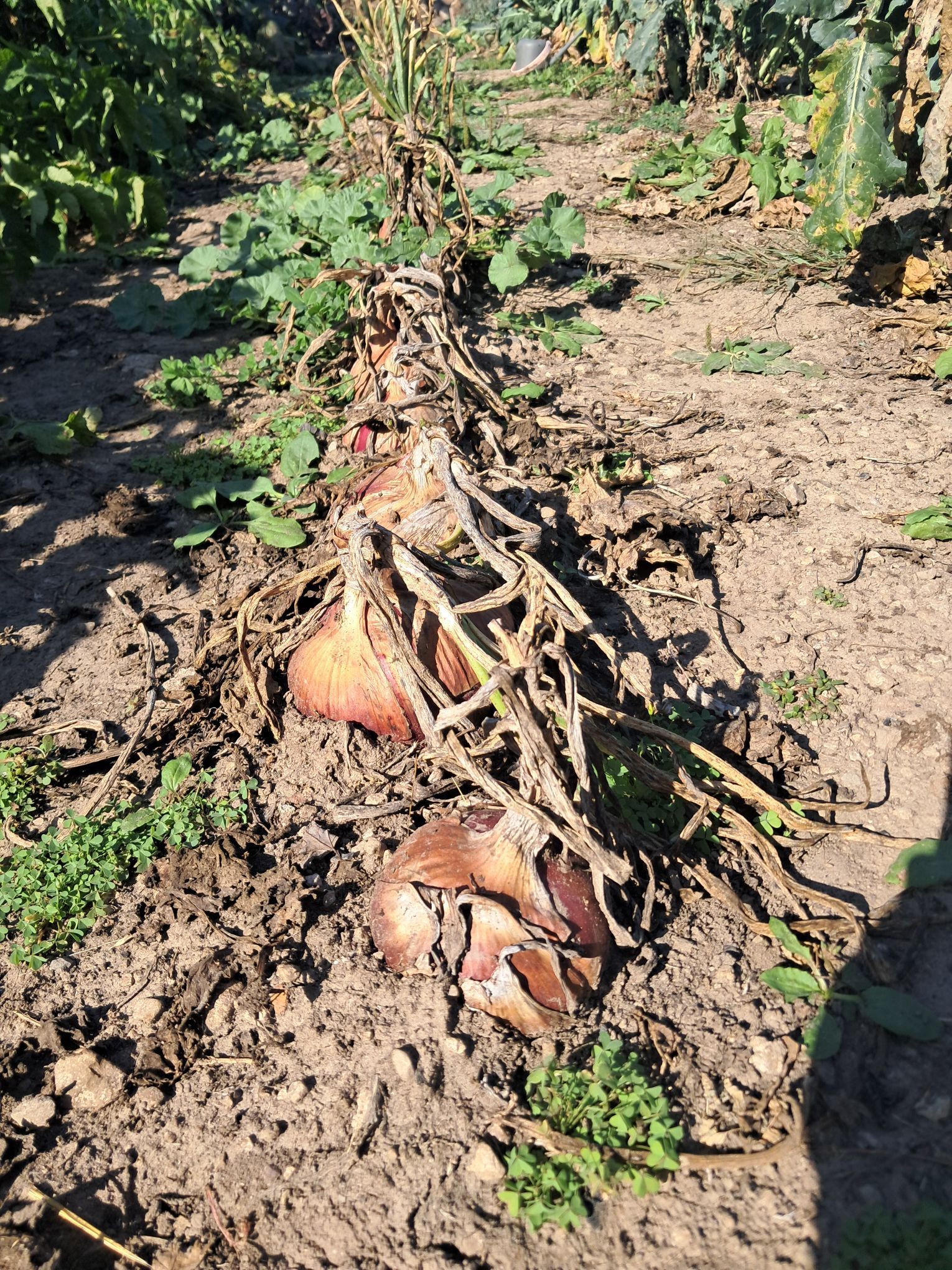
The story of this particular stir fry starts late last winter when we started onion and pepper seeds inside. We watched them grow, and my son delighted in trimming the onion shoots to give more life to the roots. Come spring, we pressed carrot seeds into the earth and transplanted our onions and bell peppers. By summer, our days smelled sweet and green. My kids loved pulling up carrots, brushing off dirt, and biting in right there in the garden. Their juice was sweeter than candy. The onions swelled to the size of softballs. When their stalks dried, we cured them in the basement. Then we set them inside old fruit crates beside jars of last year’s preserves. Peppers overflowed in waves of green, so I bagged and froze them for colder days.
Onions as they first sprouted from the ground.Mature onion, ready for harvestPeppers galore!
Homesteading tip: Frozen bell peppers don’t need blanching. To preserve, just slice, seed, and freeze them raw for perfect stir fry texture later. Onions can be cured and placed in a cool dark place to keep over winter.
By November, we tucked our last carrots under straw, the soil still holding its warmth like a secret.
Winter’s Sweetest Harvest
In December, I scraped away snow and straw with my bare hands to dig some carrots. (A mistake I won’t repeat — frostbite nearly earned an invitation to dinner.) My son peeled them eagerly, and when we tasted the first one raw, its sweetness floored us. Cold turns carrots into sugar. They’re winter candy disguised as vegetables.
Homesteading note: A thick straw mulch keeps carrots from freezing and lets you harvest them into early winter.
Winter carrots
Greenhouse Gold
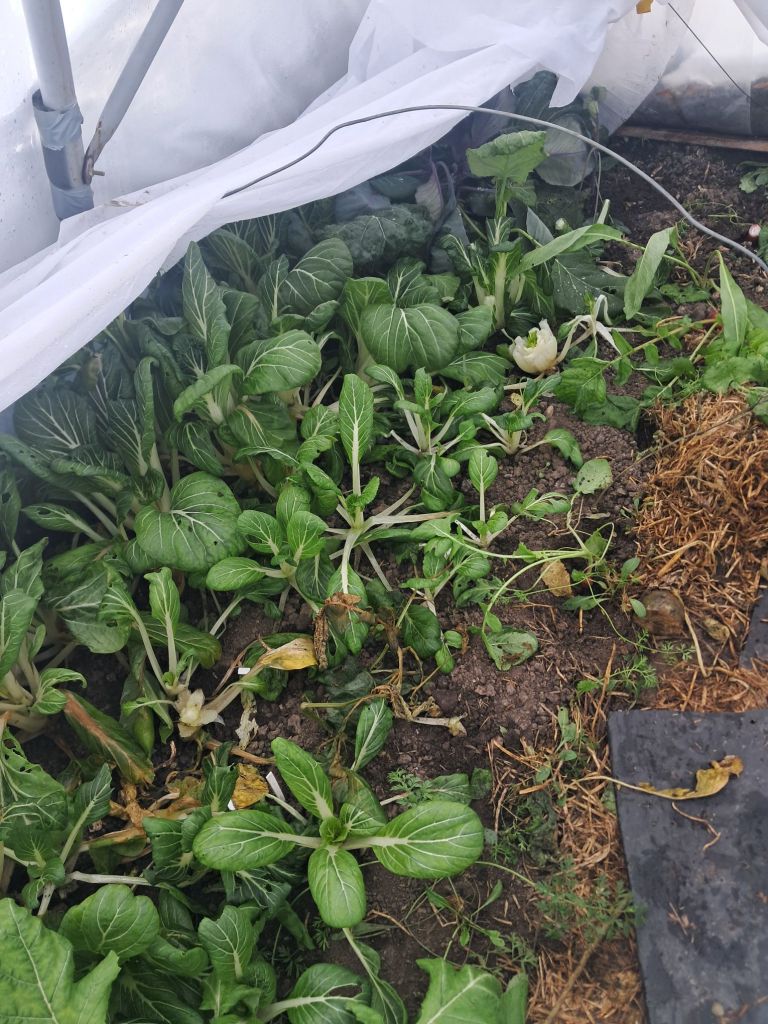
The bok choy came from a new experiment. I helped my experienced friend start a winter garden. I still remember stepping into her small greenhouse surrounded by snow. The chill outside vanished into crisp air that smelled of soil and life. Beneath soft covers, green leaves glowed faintly in the filtered light. Harvesting bok choy in December felt like a small miracle.
Winter gardening tip: A simple plastic-covered hoop house and landscape fabric over each row can extend your growing season by months. The flavor difference in fresh winter greens is unbelievable.
Bok choy harvested in December
Family in the Kitchen
Cooking became a family affair. My daughter stood at my side, eyes watering over the cutting board, proudly dropping onion slices into the container as I sliced them with this knife (affiliate link). My six-year-old son learned how to make rice that night — a big responsibility. We’d bought the rice from our local scratch-and-dent store for much less than retail. It wasn’t something we grew ourselves, but it was another way to live intentionally, supporting local businesses and stretching our budget.
He measured the rice, water, and bouillon with quiet focus, stirring carefully to break up every clump in the pressure cooker (affiliate link). Watching his concentration, I realized that learning to cook simple staples might be one of the best skills a homesteader’s child can develop.
Parenting philosophy: Give your children small but meaningful jobs in the kitchen as you cook. It takes the burden from you to endlessly entertain them, and they learn real life skills.
Wild Meat, Real Gratitude
The venison came from the road. This deer was recently hit by a car, and my husband found it on his way to town one chilly fall day. He hauled it home, and that night he and his dad processed every usable piece. We made jerky from some and froze the rest for meals like this. There’s a quiet satisfaction in knowing exactly where your food came from, in salvaging instead of wasting.
Homesteading philosophy: Nothing should go to waste. This includes an animal, harvest, and opportunity to teach your children how to create value from what’s available.
From Skillet to Supper Table
When it was time to cook, I sliced the venison thin while half-frozen and marinated it overnight. The next day, the meat hit the hot skillet (affiliate link)— hissing, sizzling — browning into tender, caramelized pieces. My kids stole bites faster than I could cook them.
Cooking tip: Slice meat against the grain while it’s half-frozen for cleaner cuts and more tender results. This small trick makes all the difference with lean game meat like venison.
The vegetables followed: frozen peppers releasing water that deglazed the pan. The onions soaked up the sauce until they were golden brown. The carrots softened just a bit. The bok choy folded gently into the mix. The whole kitchen filled with the earthy perfume of garlic, soy, and family.
Six Around the Table
By dinner, the six of us — our little family and my husband’s parents — gathered around a steaming pot of rice and a glossy pot of stir fry. It wasn’t just delicious; it was ours — every part grown, harvested, found, or crafted by hand. That’s the heart of homesteading for me. It’s not simply saving money or knowing what’s in your food. It’s seeing how the garden dirt beneath your nails, a salvaged deer, and a child’s curiosity can all end up in the same bowl. It’s nourishment that carries the story of your family’s seasons.
Homestead Notes
Preserve what you grow: Freeze peppers raw and store onions in breathable boxes.
Extend your harvest: Straw-mulched carrots and cold-frame greens can provide fresh food even in winter.
Use what you have: Venison, garden vegetables, and discounted pantry staples can turn a simple meal into a story.
Teach through involvement: Kids remember the meals they helped make far more than the food they simply ate.
If our venison stir fry story stirred something in you — a memory, a craving, or just a bit of inspiration to slow down and cook what you grow — we’d love for you to join our little homestead circle.
Click like if you enjoyed this story. Share it with someone who’d appreciate the journey from seed to supper. Subscribe to follow along as we grow, cook, and live season by season.
If you love making your own food from scratch, this homemade venison jerky recipe is a must-try. Whether you’re a hunter processing your latest deer or simply someone looking for a leaner, high-protein alternative to beef jerky, this step-by-step guide walks you through every stage: from processing and seasoning to smoking and dehydrating. We even…
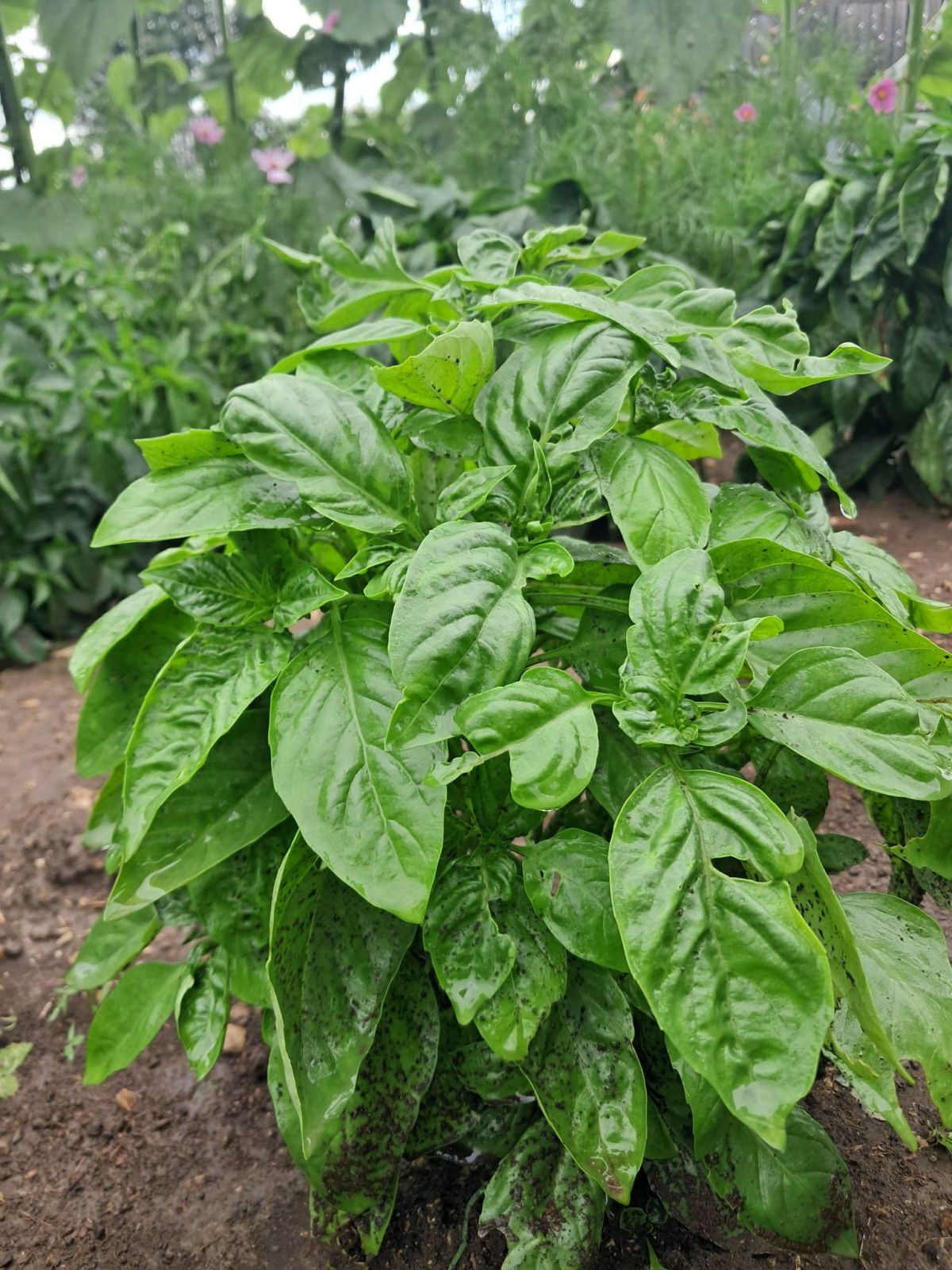
A 2025 garden reflection full of lessons, surprises, and laughter—one-pound onions, overflowing basil, hybrid watermelon mishaps, and happy pigs. Discover the stories and takeaways from our most rewarding gardening season yet.
The soil was cooler than I expected when I slipped a broccoli seedling into the ground. September isn’t when I usually think about planting—it’s when I imagine gardens winding down, not continuing. For me, gardening has always belonged to summer: long days of pulling weeds at dusk, arms full of cucumbers, nights spent rushing to…
What are your favorite physical activities or exercises?
Growing Up Active Growing up on the farm, movement wasn’t something we planned, but a way of life. We spent our days feeding animals, keeping them clean, stacking hay bales, and pulling weeds in the garden. It was tough work. But it taught me early on that using your body is purposeful, satisfying, and good for the soul. Even now, when I feel that pleasing ache in my muscles after a workout, I’m reminded of those crisp mornings when effort came as naturally as breathing.
Finding Balance in Movement That active foundation stuck with me. Today, I still crave that connection between effort and reward — walking, gardening, or tackling a tough workout. I love almost every exercise, especially when it challenges me. During a workout, I might grumble through the final reps, but afterward, I always feel lighter, stronger, and proud. That post-exercise glow makes every drop of sweat worthwhile.
The Simple Power of Walking If I had to choose one favorite way to move, it would be walking. It’s simple, grounding, and fits into every season of life. Sometimes I listen to music or take a phone call. More often though, I walk while letting my mind steady to the rhythm of my steps and talking to myself. Walking clears my head. It reconnects me with gratitude — for my body, the air around me, and the life I’m privileged to live.
Living an Active Lifestyle Our lifestyle naturally keeps us moving. We still raise pigs, chickens, and turkeys, and every season brings new chores and outdoor projects. I also make a lot of our food from scratch — stirring, kneading, chopping, and gathering ingredients from our garden. Those small, steady movements fill my days with a rhythm that feels both productive and peaceful.
Family Fun in Motion The best movement, though, happens with my kids. Whether we’re sledding down snowy hills, digging in the sand, or playing our beloved “burrito game,” we’re laughing, racing, and making memories. My husband and I stay active both for ourselves and to show our kids how important it is to move. Activity isn’t only a chore, but a celebration of life and health.
Joy in Motion Movement shaped my childhood, sustains my adulthood, and strengthens our family bond. It’s not only about fitness or strength; it’s about gratitude, connection, and joy. Walking — the simplest movement of all — ties it together. Each step reminds me where I came from, grounds me in the present, and carries me toward every new chapter ahead.
If this journey from muddy boots to family moments warmed your heart, give it a like, share it with a friend, and subscribe for more stories that celebrate the beauty of everyday life.
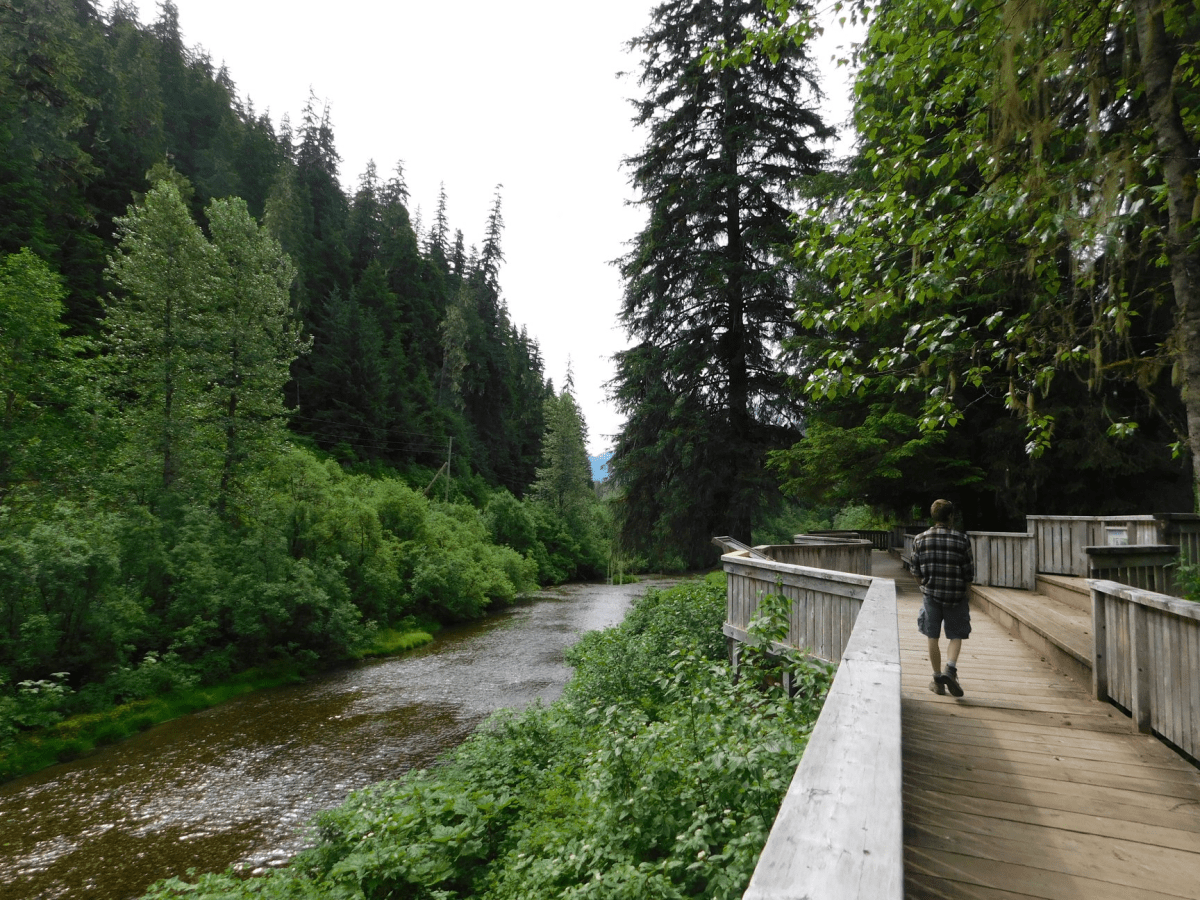
What is your favorite place to go in your city? There’s a park by the river on the edge of my city—and it’s my favorite place to go. I visit as often as possible, drawn by the winding trails that twist through the woods, trace the water’s edge, and climb the hills overlooking the quiet…
Pike Lake State Park in southeastern Wisconsin turned out to be one of the most beautiful and memorable places I’ve ever explored with my kids. Nestled in the heart of the Kettle Moraine, this hidden gem is shaped by ancient glaciers that sculpted the land into rolling mounds, kettle lakes, and forested ridges. Pike Lake…
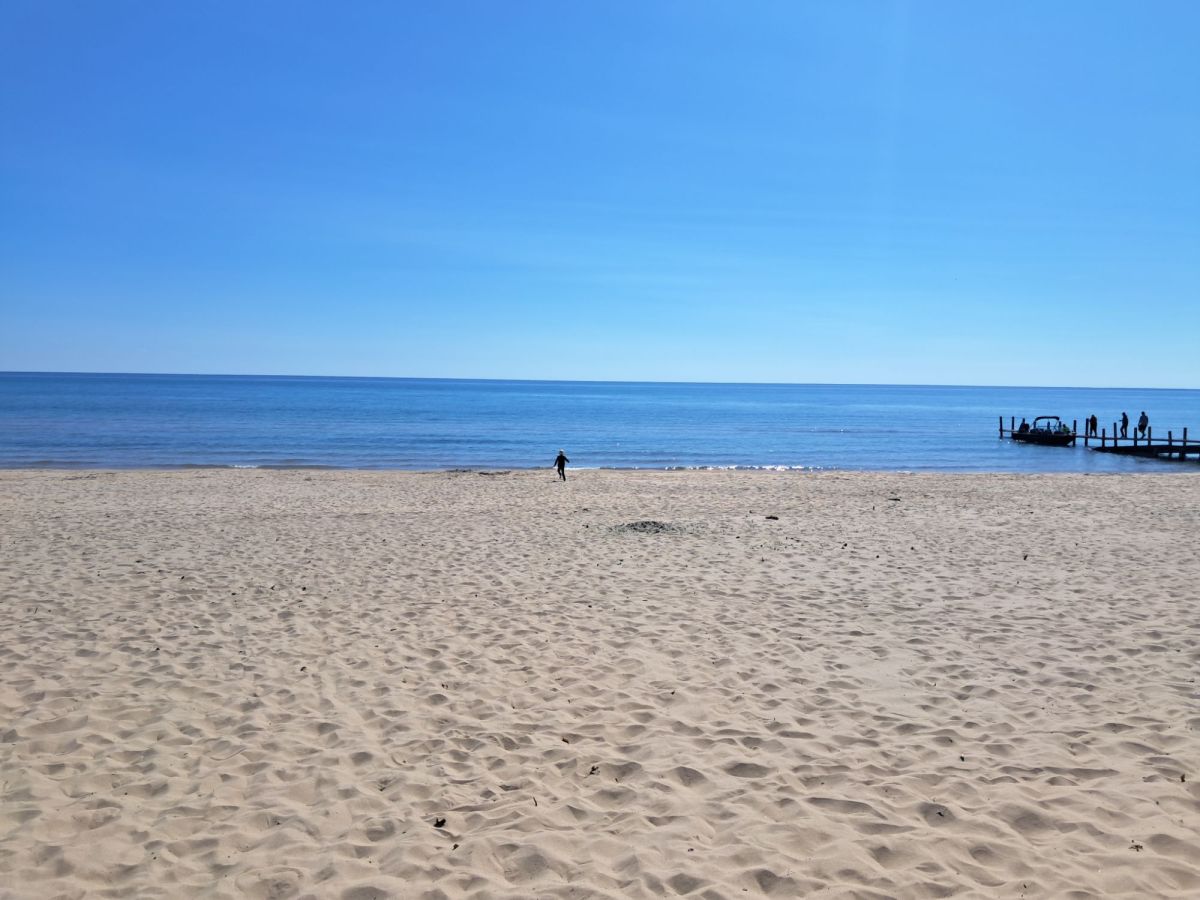
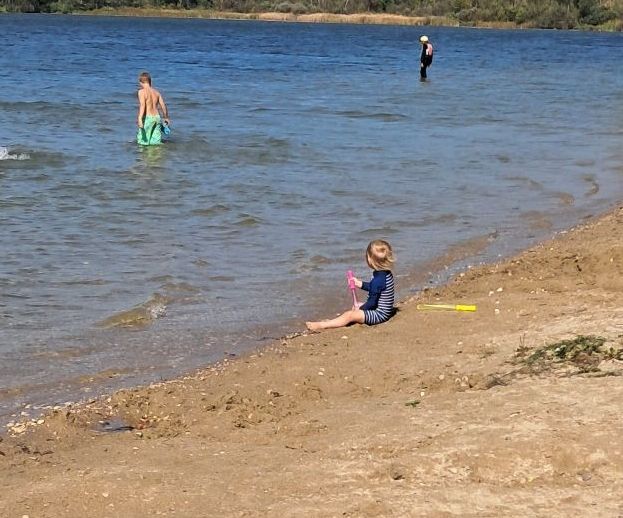
I didn’t pack bathing suits, beach toys, or even chairs. Just me, two kids—almost six and almost two—and enough curiosity to see what might happen. Some might call it unwise to bring children to the beach without all the usual gear. I half expected chaos myself. But what unfolded that day at Lake Michigan wasn’t…










 Practical Homesteading