Some people guard their trust like a locked gate—but I’ve never been one of them. In homesteading and in life, I tend to meet others with open hands and an open heart. Out here, community isn’t just a pleasant idea. It’s something we build with every borrowed tool, shared chore, and kind word. I choose to believe the best of people, trusting they’re drawn by the same sense of purpose and generosity that keeps this way of life thriving.
When we brought our daughter home after she was born, that spirit of community wrapped around us in the most tangible way. We walked into a freshly mopped home, the dishes washed, the floor gleaming, and our table covered in homemade comfort—lasagna, sloppy Joe’s, meatloaf, and warm bread just out of the oven. It wasn’t just food; it was love, poured into every bite. Those acts of kindness reminded me that trust and connection don’t just make a community—they are the community.
Sure, now and then, I misjudge someone, and disappointment arrives like an unexpected frost. But time and again, choosing trust has brought more blessings than setbacks. It has built friendships rooted in understanding, neighbors who show up without being asked, and a shared sense that we’re stronger together than apart.
The land teaches that same truth daily. A garden can’t thrive without care, and neither can a community. When we nurture each other—with warmth, patience, and gratitude—we all flourish. That meal train, that clean house, those helping hands—they were proof that the seeds of kindness I try to plant don’t just grow; they multiply. And for that, I’ll always be thankful.
What’s one way your community has shown up for you when you needed it most?
If this story touched your heart, spread the warmth! 💛
Like this post, share it with someone who believes in the power of community, and subscribe to follow our journey of homesteading, family life, and personal growth. Together, we keep these roots—and relationships—growing deep.
Stone by stone, a farmer’s patient craft built more than a wall – it built a legacy. Discover a story of endurance, purpose, and quiet strength that still stands a century later.
Welcome to the rural economy—where value isn’t counted in cash but in connections. Beneath the wide-open sky, where grain silos and fence posts stitch the land into neat parcels, the real currency is not minted or printed. It’s grown and built, raised and traded. Trust, hard work, the barter of honest services and handmade goods.…
A personal reflection on growing up on a Wisconsin dairy farm, the history of June Dairy Month, and why today’s dairy farmers deserve our support and appreciation.
Beef prices are higher than ever, and it’s hard not to flinch when you see the total at the checkout. But there’s a bigger story behind that price tag. It’s a story of weather, supply, and the everyday people who make your meals possible.
The Shrinking Herd Across the country, the U.S. cattle herd is the smallest it’s been since 1951. Years of drought have dried up pastures. Rising feed and fuel costs have forced many families to sell breeding cows just to hold on.
With fewer calves entering the pipeline and beef taking about two years to raise from birth to butcher, this shortage doesn’t rebound quickly. Meanwhile, Americans still love their beef—consuming around 57 pounds per person each year, according to USDA estimates.
When demand stays strong and supply runs short, prices naturally climb.
Family Farms Under Pressure But economics only tell half the story. On my sister’s small farm, she and her husband raise beef—a side project that grew out of their love for good food and good land. Like many small producers, they both work jobs outside the home to keep their operation going.
What started as a passion for raising healthy animals and feeding their neighbors has become a delicate balance between purpose and practicality. For them, and countless others, farming isn’t just about income—it’s about identity, family, and stewardship of the land.
Their experience isn’t unique. The average farmer in the U.S. is now around 58 years old, and for younger generations, getting started can feel impossible. Land, equipment, and livestock cost hundreds of thousands of dollars before the first calf is ever born.
On top of that, just a handful of large companies control most of the nation’s beef processing. That means family farms earn less, even as consumers pay more at the store. It’s a painful disconnect that continues to squeeze rural families across the country.
Watching my sister pour her time and heart into those cattle reminds me of something deeper. Homesteading—like life—rarely offers shortcuts. The work is long, often quiet, but filled with meaning that doesn’t show up on a price tag.
The Cost of Keeping Food Safe Processing adds another layer of expense. Federal law requires a USDA inspector to be on-site during every moment of slaughter and processing. Their presence ensures animal health, cleanliness, and safety—vital safeguards that protect us all—but compliance adds time, labor, and cost.
Some experts believe these inspections could be modernized and streamlined to preserve safety while easing financial pressure on small processors. For now, those costs carry through the system, one steak at a time.
Beyond the Farm Gate Every link in the supply chain—from pastures and processors to packaging and transport—feels the strain of rising fuel prices, labor shortages, and inflation. And behind that rising price tag are families working early mornings and late nights to keep barns running, pastures green, and herds healthy.
For many, it’s more than work—it’s a calling built on resilience and pride.
And for those of us on the other end, part of honoring that work is learning to value the whole animal. Beef isn’t just ribeyes and tenderloins. It’s also the flavorful roasts, shanks, and stewing cuts that take time, effort, and patience to cook.
When we learn to use every cut—every bit of what an animal gives—we stretch our dollar, reduce waste, and show respect for the life and effort behind our food. In a way, that practice is at the very heart of homesteading: using wisely, wasting little, and cooking with gratitude.
What You Can Do Understanding the system is a great first step. Visit your local butcher or farmers’ market. Ask where your beef comes from. Learn from small farmers who raise animals with care and integrity—and don’t be afraid to try new cuts or cooking methods.
If you have the freezer space, consider buying a quarter beef directly from a local farmer. It’s roughly 200 pounds of meat—everything from premium steaks and roasts to ground beef and lesser cuts. Buying this way often saves money per pound, puts more of your dollars directly into the farmer’s pocket, and helps keep local processors and butchers in business.
This is what a quarter beef looks like, directly from the butcher.
Supporting local producers and cooking with intention helps preserve the values that built rural communities: thrift, respect, and connection to the land. When you approach food with awareness, every meal becomes an act of gratitude.
If you try a new cut or buy in bulk from a local farm, share your experience in the comments. I’d love to hear how you’re honoring the hands and hearts behind your food.
A Final Thought The next time you pick up a steak—or a simple pack of stew meat—remember the weather, markets, and families who make it possible. Every mindful purchase helps sustain not just a food system, but a tradition of stewardship that keeps families—and their farms—going strong.
If this story resonated with you, give it a like. Share it with a friend or pass it along to someone who loves good food and community.
Your support helps this blog keep shining a light on local farmers, homesteading life, and the values that keep our tables full of meaning.
Subscribe for more stories—and practical tips—on living simply, eating well, and staying connected to the land.
Learn how to turn wild venison into a tender, flavorful stir fry with simple slicing tricks, an overnight marinade, and a hot skillet. A homesteader’s guide to cooking with heart — from field to family table.
The hum of diesel engines and the scent of dusty corn fill the air every fall, signaling harvest season and long days ahead. For the local farmers, this time of year brings both relief and pressure—hundreds of acres to harvest before rain or early snow set in. My dad is always there to help, his…
What are your family’s top 3 favorite meals? Disclosure: This post contains affiliate links. As an Amazon Associate, I earn from qualifying purchases. Thanks for supporting Practical Homesteading! Imagine standing in your kitchen after a long day, staring into the fridge and pantry. Hungry family members are standing by waiting not-so-patiently. You juggle not only…
When I stop and think about it, I realize happiness isn’t a single moment or destination. It’s a rhythm that threads quietly through daily life. I’m genuinely happy right now, and to be honest, that still scares me a little. After enough seasons of joy and hardship, I’ve learned happiness is fragile—and I hold it more gently now. Things aren’t perfect, but I’ve grown steadier, more willing to face the bumps with grace.
I’m happiest when life feels balanced—when I can handle its joys and challenges without losing my footing. Moving my body helps clear the fog; it’s how I reset my mind as much as my muscles. Eating food we’ve grown or cooked slowly pulls me back to the present—the smell of herbs, the warmth of a skillet, the satisfaction of work made real. And sleep, when I finally give myself enough of it, has a way of making everything else fall into place.
Family time fills me in a way nothing else can. The laughter around the dinner table, a quiet morning coffee before the kids wake, even teamwork in the garden with dirt under our nails—all of it reminds me why this slower, more intentional life matters.
And then there’s friendship—the kind that weaves into daily life like a second family. Friends I can call when I need help, and who know I’ll show up for them too. The ones I meet for coffee to swap stories and laughter while the kids race through the yard. Those moments—ordinary and real—anchor me in community, reminding me we’re not meant to do life alone.
Finally, happiness shows up when I allow myself to feel everything. To laugh without restraint. To cry when I need to. To be seen in all my humanness and still be loved. It’s not about perfection—it’s about presence.
So, when am I happiest? When life feels honest and steady—rooted in family, nurtured by friendship, and grounded in the quiet rhythm of being human.
Now it’s your turn—when do you feel most at peace or happiest? Is it in your family routine, shared laughter, or that first quiet sip of morning coffee? Share your thoughts in the comments below. I love hearing your stories and reflections.
If this post resonated with you, please take a moment to like, share, or subscribe. Every bit of support helps grow this small community where we celebrate family, simplicity, and the honest pursuit of happiness.
Discover the joys and challenges of raising backyard turkeys in this heartfelt story about patience, humor, and the journey from fluffy poults to Thanksgiving centerpiece. Learn personal lessons and practical insights from a family’s wild turkey-raising adventure.
Stone by stone, a farmer’s patient craft built more than a wall – it built a legacy. Discover a story of endurance, purpose, and quiet strength that still stands a century later.
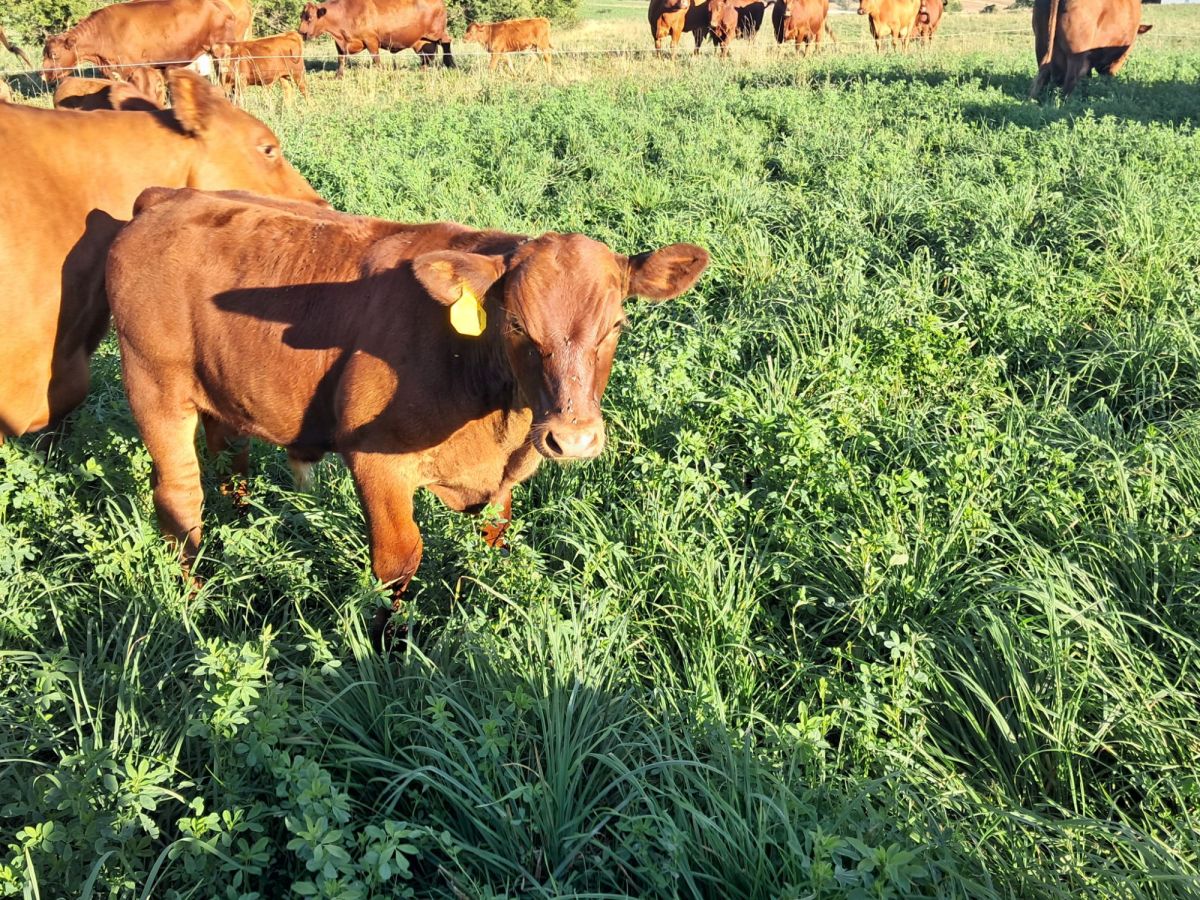
Experience a vivid farm story about rotational grazing, resilience, and regenerative land stewardship through the eyes of a family and their Red Angus herd. Discover how cattle, people, and pasture move together in balance
Sometimes, the most joyful memories begin when we ignore the chores, forget the schedule, and step out into the cold.
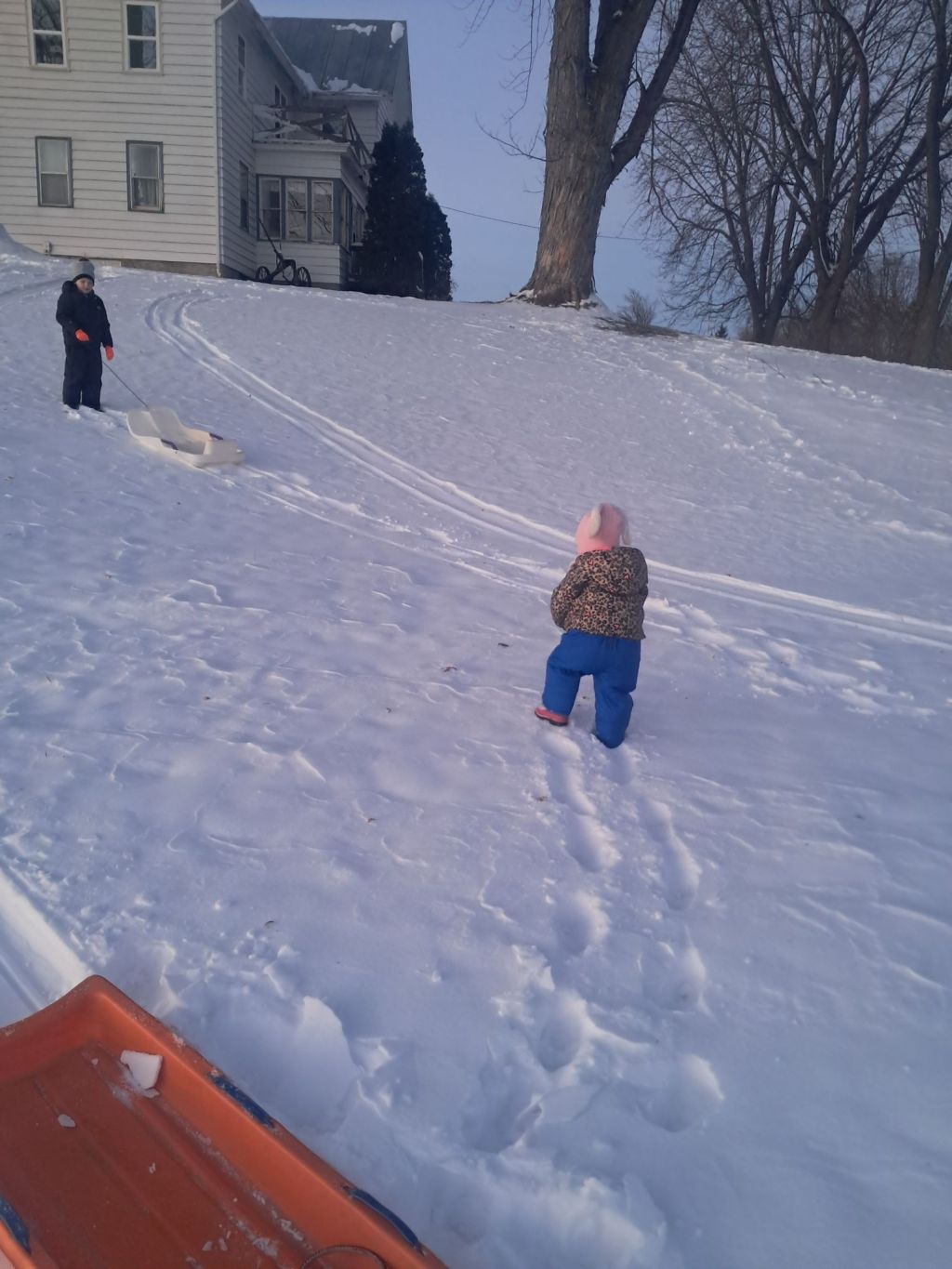
The last thing I did just for fun wasn’t planned. It was an impromptu sledding adventure with my kids on a snowy winter evening. Like most good memories, it started with a simple promise and turned into something special.
A Quick Dinner and a Promise It had been a long week—the kind that leaves you running on fumes. When my son came home from kindergarten, he spotted the fresh snow and asked if we could go sledding. My first instinct was to say no. Dinner still needed to be made, and I was ready to call it a day.
But as our family tries to live more mindfully—even in the busy seasons—I’ve been learning to say “yes” more often. Yes to small adventures. Yes to fresh air. Yes to being present. So I told him, “If you help me make dinner, we can go before everyone gets here to eat.”
Together, we made turkey dumpling soup and baked fresh bread—the kitchen filling with the comforting smell of broth and yeast. Once the soup was simmering, we bundled up, trading aprons for snow gear.
Down the Hill and Into the Moment The sledding hill sits just a short walk from the kitchen, close enough that we could still see the glow of our house through the falling snow.
The first run down the hill was pure exhilaration. I felt the rush of cold air, the sting on my cheeks, my son’s laughter slicing through the still evening. My two‑year‑old daughter squealed with delight, bundled in her tiny sled like a giggling snowball. We climbed back up again and again, cheeks pink and hearts light.
When the last light faded to blue, we headed toward the house, dragging our sleds behind us through the powder.
Soup, Bread, and Hot Chocolate Warmth enveloped us the moment we stepped inside. We peeled off wet snow pants and gloves, served up steaming bowls of turkey dumpling soup, and tore into the crusty bread we’d baked earlier. The rest of the family arrived just as we sat down. Laughter filled the kitchen, echoing softly against the windows as snow continued to fall outside.
And because no winter evening feels complete without it, we ended with mugs of hot chocolate—extra marshmallows, of course—watching the sledding hill glow faintly under the porch light.
The Lesson Hidden in the Cold That night reminded me how joy often hides in the in‑between. It’s in the quick decision to say yes, the laughter echoing through the dark, and the warmth waiting when you come back inside. Fun doesn’t have to be planned—it just needs a small invitation and a willing heart.
When was the last time you said yes to a simple moment of play? Please share your joy with everyone in the comments!
Like what you read? Tap the ❤️, share this post, and subscribe for weekly stories on mindful parenting, family life, and homestead living.
The moment I stepped outside in the morning, sweat prickled down my back: a warning that today would be a scorcher. The thermometer already hovered above 90 degrees, and the rest of the day promised no relief. My husband would be gone this afternoon, off helping family with farm chores, leaving me alone with our…
Pike Lake State Park in southeastern Wisconsin turned out to be one of the most beautiful and memorable places I’ve ever explored with my kids. Nestled in the heart of the Kettle Moraine, this hidden gem is shaped by ancient glaciers that sculpted the land into rolling mounds, kettle lakes, and forested ridges. Pike Lake…
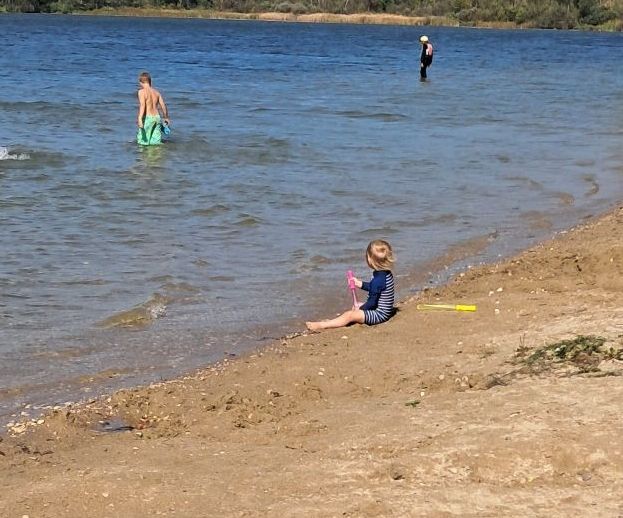
I didn’t pack bathing suits, beach toys, or even chairs. Just me, two kids—almost six and almost two—and enough curiosity to see what might happen. Some might call it unwise to bring children to the beach without all the usual gear. I half expected chaos myself. But what unfolded that day at Lake Michigan wasn’t…
Disclosure: This post contains affiliate links. As an Amazon Associate, I earn from qualifying purchases. Thanks for supporting Practical Homesteading!
If you walked down a typical grocery store aisle with me, you might think I’m lost. While most American shoppers reach for convenience, I’m the one squinting at sacks of flour, jars of yeast, and tubs of coconut oil — the same staples my great-grandmother probably chose 75 years ago. I don’t shop for ready-made meals; I shop for possibility.
At home, those bulk ingredients become whatever we need — bread, tortillas, sauces, or even snacks. If I don’t know how to make something, I learn. A simple search and a quiet evening in the kitchen have taught me more than any cookbook could. This hands-on, old-fashioned approach has saved us thousands over the years, but more importantly, it’s built confidence, patience, and gratitude for every meal we share.
Now, that doesn’t mean I don’t enjoy Chinese takeout once in a while! I’ve learned to make my own dumpling and stir-fry recipes — they’re delicious when they turn out, and hilarious when they don’t. (One of my most epic flops was a lemon pepper chicken so salty it could’ve been used as a salt lick.) Mistakes keep me humble, and in a way, they’re the best ingredient for growth.
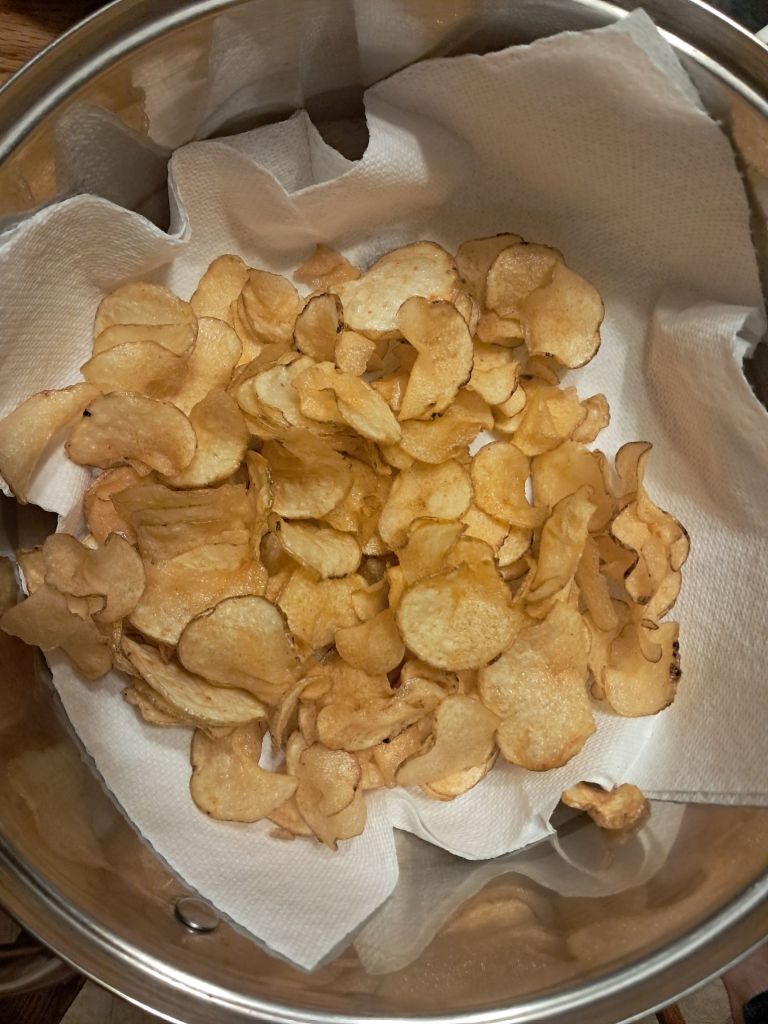
Homemade potato chipsBloody Mary with mostly homegrown ingredients
So with gratitude — and a dash of humility — here are my five most essential grocery items and how they shape my kitchen life on the homestead.
5. Coconut Oil
Coconut oil (affiliate link) is my go-to multipurpose fat. It melts like butter and works wonders in place of lard or shortening. I use it to pop popcorn, bake desserts, and even blend it into homemade flour tortillas.
Its aroma — faintly sweet and buttery — adds a subtle depth you can’t quite place but always appreciate.
Tip: For tender baked goods, replace half the butter or shortening in your recipe with coconut oil, then reduce liquid slightly. It gives just enough chew without the greasy feel.
4. Active Dry Yeast
Yeast (affiliate link) is the quiet hero of my kitchen — small, simple, and full of potential. Watching dough rise never loses its magic, especially when the kitchen smells of warm, sweet yeast and anticipation.
It symbolizes self-reliance: turning flour, water, and salt into something living, breathing, and nourishing.
Tip: Always proof yeast with a pinch of sugar in warm water (around 110°F). If it bubbles within 10 minutes, your dough is ready to rise.
3. Chicken and Beef Bouillon Powder
I lean on chicken (affiliate link) and beef (affiliate link) bouillon powders for soups, gravies, and especially rice. Cooking rice in chicken or beef stock instead of water transforms it from plain to crave-worthy.
I also mix beef bouillon into my homemade onion soup powder — it adds warmth and richness that store mixes can’t match.
Tip: Swap half the water for stock when cooking noodles, grains, or vegetables. It’s the fastest way to round out flavor without extra sauces or salt.
2. Plain White Sugar
Plain old white sugar earns a spot near the top because it does so much more than sweeten desserts. It wakes up yeast, balances tomato acidity, and — lately — fuels our lemonade habit.
My sister keeps me well-supplied with lemons, so I make fresh lemonade weekly. When the kids come in sun-dusted and thirsty, that chilled pitcher waiting in the fridge makes them light up.
Tip: Add a teaspoon of sugar to tomato sauces or soups to tame acidity without losing depth of flavor.
1. Flour
If coconut oil is the heart of my pantry, flour is its backbone. I buy high-gluten flour for breadmaking (affiliate link), but I’m excited to experiment more with ancient grains soon.
The feel of dough under my hands, the smell of a fresh loaf cooling on the counter, and the crackle as it’s sliced — it’s the rhythm that grounds my kitchen.
Flour builds loaves, tortillas, focaccia, and even desserts. It’s humble, forgiving, and powerful — no one in my house has ever once complained about home-baked anything.
We rarely buy vegetables from the store, relying instead on what we’ve grown and preserved — jars of tomatoes, beans, and pickles lining the pantry. They remind me that what we grow in summer sustains us long after the frost sets in.
Our winter meals center around potatoes, onions, and frozen vegetables like broccoli and bell peppers. We’ve experimented with extending our garden season using a small greenhouse and straw. There’s something deeply satisfying about pulling greens or a carrot from a garden while snow still glitters outside.
As for meat, we’re still building toward full independence. We raise our own pork, purchase beef from my sister’s grass-fed herd, and still buy chicken from the store — for now. One day soon, meat birds will join the homestead lineup, and the circle will feel more complete.
Each grocery item on this list earns its place not for novelty but for versatility. They remind me that eating well doesn’t require endless ingredients — just a few solid building blocks and the creativity to make them shine.
This slower, more deliberate approach to cooking has taught me creativity, patience, and gratitude — lessons that spill over into every other area of life.
Homesteading has shown me that ingredients matter less than the care and love you pour into them. Every loaf, jar, and meal built from raw goods feels like an act of heritage — and hope — in a world that moves too fast.
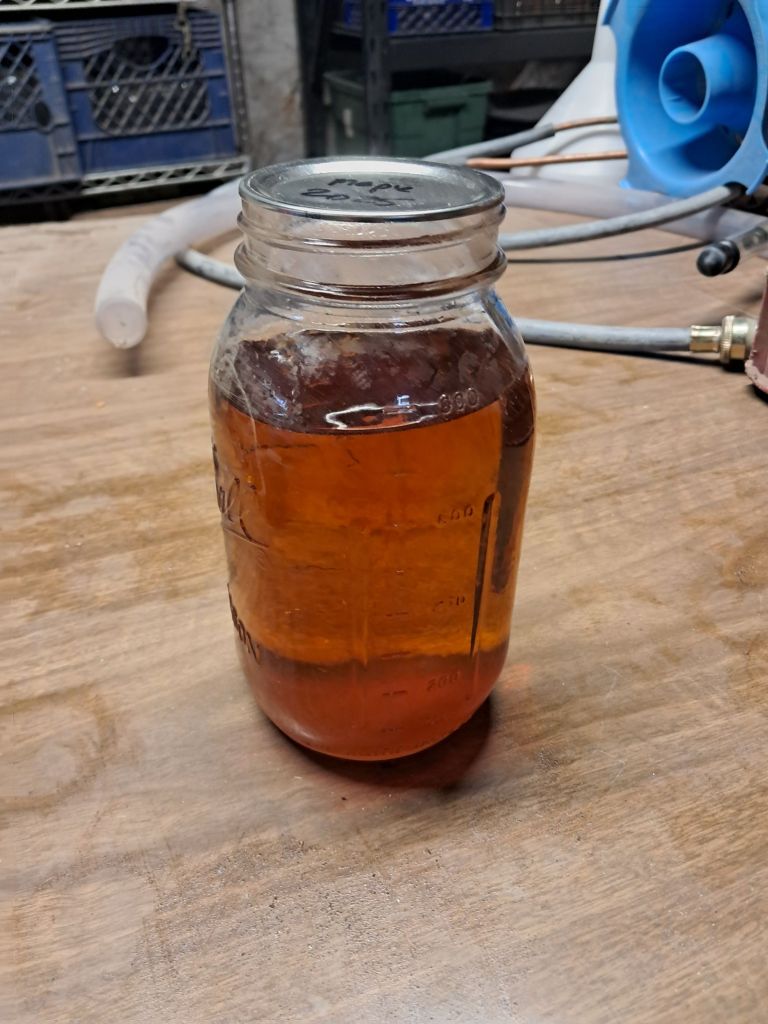
Homestead maple syrup
What five grocery staples would make your list? Please share them in the comments. And if this post inspired you, please like, share, or subscribe to follow more homesteading stories, seasonal recipes, and simple living tips.
Experience a vivid farm story about rotational grazing, resilience, and regenerative land stewardship through the eyes of a family and their Red Angus herd. Discover how cattle, people, and pasture move together in balance
Disclosure: This post contains affiliate links. As an Amazon Associate, I earn from qualifying purchases. Thanks for supporting Practical Homesteading! There’s something special about meals that tell a story. The kind of food that’s more than a recipe — but part of life. For us, that story came together in one simple dish: a homemade…
A 2025 garden reflection full of lessons, surprises, and laughter—one-pound onions, overflowing basil, hybrid watermelon mishaps, and happy pigs. Discover the stories and takeaways from our most rewarding gardening season yet.
I never thought I’d want pigs on the homestead. Growing up, homestead livestock meant early mornings, muddy boots, and my father’s sharp commands echoing across the yard. He loved farm life with a devotion that felt like sacrifice to me—I only saw the fatigue in his hands, the weight of chores and schedules. For years, I vowed to choose something freer. But time softens old promises, and one day I found myself yearning for the rhythm of animal care again.
Small Steps Back to Homestead Livestock
Chickens were my first step back toward farm life. Their soft chatter filled mornings, teaching me what my father loved about those rituals—the satisfaction of watching creatures thrive under steady hands. Ducks followed, then turkeys. Each brought humor and grace, quietly claiming the land and pulling me deeper into homesteading animals.
Pigs: From Hesitation to Homestead Joy
Homestead pigs made me hesitate—they seemed unruly, too clever. But my husband, the practical fence-builder, convinced me they were our next step. Our evenings filled with pig research: fencing needs, pig feed ratios, heat-tolerant pig breeds that wouldn’t suffer in summer sun. He built the “pig fortress” from old farm machinery scraps—a sturdy patchwork of wire and wood.
By the time it was finished, I watched the empty pen with anticipation instead of doubt.
Meet Spotty and Splotchy: Our First Homestead Pigs
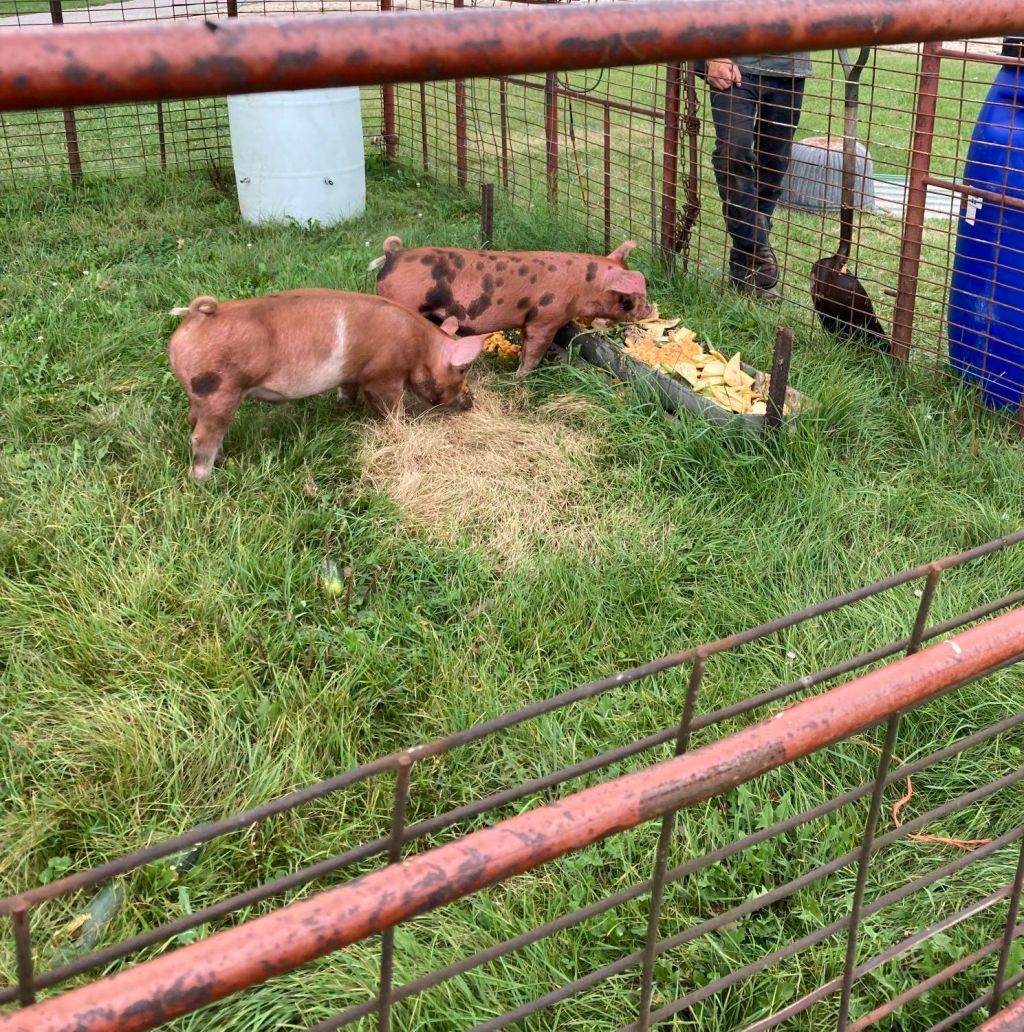
The pigs arrived on a soft, rain-scented morning. Two red bodies—nervous, alert—shifted inside their crate. We named them Spotty and Splotchy. They clung to their corner at first, eyeing us like strangers. My husband lured them out with cheese bits, and slowly they explored—snuffling dirt, discovering the joy of rooting and running in their new pig pen.
Everyday Joys of Raising Homestead Pigs
Evenings became sacred. We’d settle into lawn chairs beside the pig pen, beers sweating in our hands, watching homestead pigs play. They batted an old bowling ball through mud, chased each other in gleeful circles, then collapsed in shade with deep, content sighs. I never expected to laugh so much at their antics or feel such calm watching their small-world routine.
Challenges of Pig Farming on the Homestead
Not every day was easy. When Spotty grew sick after gorging on whey crisps, pig health issues taught me how quickly worry undoes you. We called everyone we knew, piecing together what went wrong. He recovered—weak but wiser—and I felt new gratitude for life’s fragility, even among the strongest creatures.
The Rhythm of Real Homestead Life
By autumn, daily pig care—feeding, cleaning, tending—became our heartbeat. Pigs greeted buckets with impatient grunts, their need mirroring the familiar pattern I’d once resisted. Homestead chores no longer felt heavy. They became the pulse of a life I’d finally grown into.
Saying Goodbye to Our Homestead Pigs
When the pigs left, the pig pen fell impossibly still. Deep hoofprints, the half-buried bowling ball, empty trough—each mark reminded us what we’d built. We’d given them good days of play, sun, food. They gave us something harder to name: ease where duty once stood, proof that homestead livestock can both tie you down and set you free.
Have you found joy in homestead livestock you once resisted? Share your pig farming, chicken keeping, or other farm stories below—let’s celebrate unexpected rewards!
Liked this homestead story? Like, share with your farm friends, and subscribe for more real-life homesteading reflections.
If you care for animals, you soon learn that joy and heartbreak are neighbors—arriving together, sometimes within the span of a single sunrise. I didn’t set out to be a caretaker, but each creature has reshaped me, leaving lessons that linger long after the shed doors close. Learning Detachment My childhood on a dairy farm…
Discover the joys and challenges of raising backyard turkeys in this heartfelt story about patience, humor, and the journey from fluffy poults to Thanksgiving centerpiece. Learn personal lessons and practical insights from a family’s wild turkey-raising adventure.
Dawn creeps quietly through the slats of the coop, cool air curling past my feathers. The world holds its breath. In the hush, I stand over two warm, caramel-colored eggs, their shells glowing softly beneath me, alive with promise. A rush of purpose stirs my body, deep as bone, compelling me to shelter these treasures.…
Describe a man who has positively impacted your life.
When I’m kneeling in the garden with my hands in the soil, I often think about how deeply the men in my life have shaped the person I’ve become. From the way I plant a seed to how I nurture my family, their lessons live everywhere in our homestead. Each one taught me something about hard work, humor, grace, and love that now guides how I grow both our garden and our life together.
My dad, for all his imperfections, taught me that steady work and community build both fences and character. His lessons come to mind whenever I face a task that takes time, patience, and persistence. It could be when I’m tending a sick animal or planting a new garden bed.
My high school choir and creative writing teachers showed me that beauty lives in both sound and language. From them I learned that creativity, like gardening, flourishes slowly, needing room, courage, and care. Later, my university professor proved that intelligence doesn’t have to stand apart from humor. The best minds often laugh easily and love deeply.
My past and present work mentors each modeled different kinds of strength and leadership. They also remind me that passion means little without purpose. And my father‑in‑law has quietly taught me the power of service. The quiet, steadfast kind that grounds a family and gives meaning to the work of each day.
Still, if I had to choose just one man who has most profoundly shaped my life, it would be my husband — my companion through every season. We started out as naive teenagers, knowing little about love and even less about life. Over the years, we’ve built something sturdy and honest: a relationship rooted in communication, respect, and shared goals. We’ve learned to disagree without tearing at the foundation, celebrate without comparison, and choose each other even when life feels heavy.
Together, we also learned how to be parents — fumbling through the sleepless nights and uncertain firsts. Parenthood stretched us, revealing both our flaws and our capacity for grace. It taught us that raising children isn’t just about shaping them. It’s about allowing them to shape us too.
When I look around at the life we’ve built, I see our home standing steady on its foundation. The garden is growing richer each year. I see traces of every lesson those men passed along. Most of all, I see the love my husband and I have tended through each season, like the soil beneath our feet. It’s worked by hand, fed by patience, and full of promise.
If this story speaks to your heart, I’d love for you to join our growing homestead community. Like, share, or subscribe to follow along. We share our lessons about family life, personal growth, and the beauty of building something lasting — one season and one story at a time.
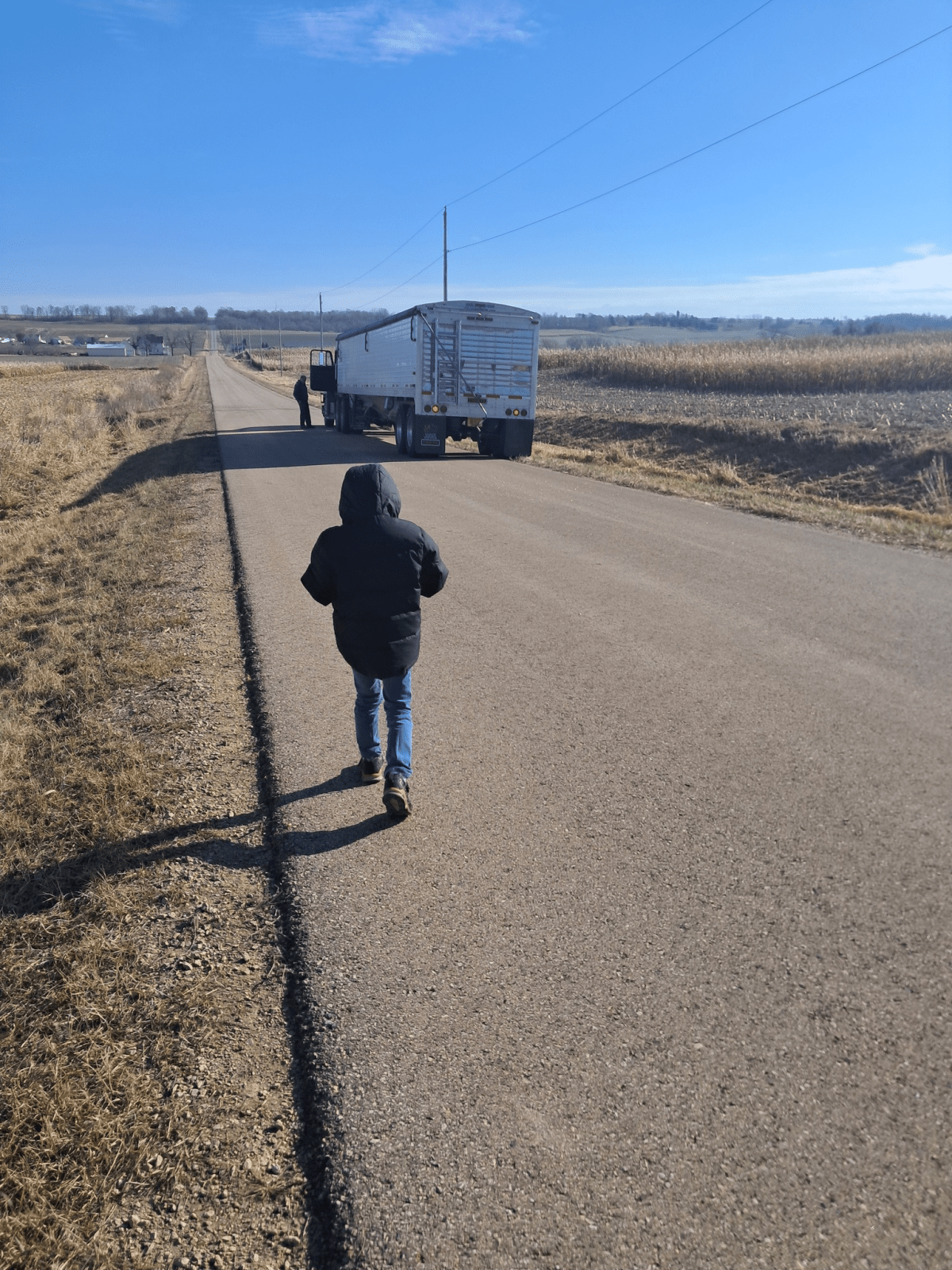
The hum of diesel engines and the scent of dusty corn fill the air every fall, signaling harvest season and long days ahead. For the local farmers, this time of year brings both relief and pressure—hundreds of acres to harvest before rain or early snow set in. My dad is always there to help, his…
If you care for animals, you soon learn that joy and heartbreak are neighbors—arriving together, sometimes within the span of a single sunrise. I didn’t set out to be a caretaker, but each creature has reshaped me, leaving lessons that linger long after the shed doors close. Learning Detachment My childhood on a dairy farm…
It started as a flicker, barely noticeable at first. Each time I passed the faulty bedroom light switch, I felt a spark of frustration. It seemed like such a simple fix, the kind of five-minute job you knocked out after dinner. But every time I mentioned it, my husband would say, “I’ll get to it…
Imagine waking at 2:13 a.m., heart pounding in the dark, stress coiling tighter with every unanswered worry. That was me a year ago, before I discovered self-care and genuine connections as my anchors for mental health.
My mom lay in the hospital, her condition a shadow over everything, and I felt utterly alone in carrying it.
The weight turned inward: sleepless nights blurred into exhaustion, sapping my strength as a working mother.
My 5-year-old son’s tantrums erupted without warning, mirroring my frayed nerves; my 1-year-old daughter toddled into milestones I barely registered. Workouts? Forgotten. Writing flickered as a distant dream, not yet a lifeline.
Then, small shifts began to gather like dawn light. My five sisters and I started a text group chat during Ma’s hospital stay—sharing updates, memes, funny videos, and pictures. It evolved into our ongoing lifeline of laughter and support, helping immensely through the tough days. I carved out time for self-care—short breaths in quiet moments, a 15-minute workout stretched to half an hour one morning. As sweat beaded and muscles protested, my 2-year-old daughter stirred, padding in with sleepy eyes and a grin. She became my unexpected buddy, mimicking my stretches, then splashing water on my face in a gleeful post-workout ritual. In that simple joy, I felt a breath of ease.
Ma’s health improved, steadying us all. My 6-year-old’s outbursts softened as he watched me pause, breathe, and respond calmly—modeling what words alone couldn’t teach. After I started my blog, each blog post and Facebook update became my ritual of release. Honest words spilled out like exhales. They drew bridges back to old friends, family ties, and sparked new kindred spirits. Tonight, I’ll meet with a high school pal with whom I’d lost touch. I’ve been working on a winter garden project with another. Showing up as my best self has even strengthened my relationship with my mother-in-law—a quiet win I cherish.
Self-care stitched my body whole; connections wove my mind steady, thread by quiet thread. One year later, lying awake feels rare, replaced by mornings alive with possibility.
What’s your anchor when stress coils tight? Share below—let’s lift each other.
If this resonates, like, share, and subscribe for more on personal growth, parenting, homesteading, and real-life transformations. Your support keeps this community growing!
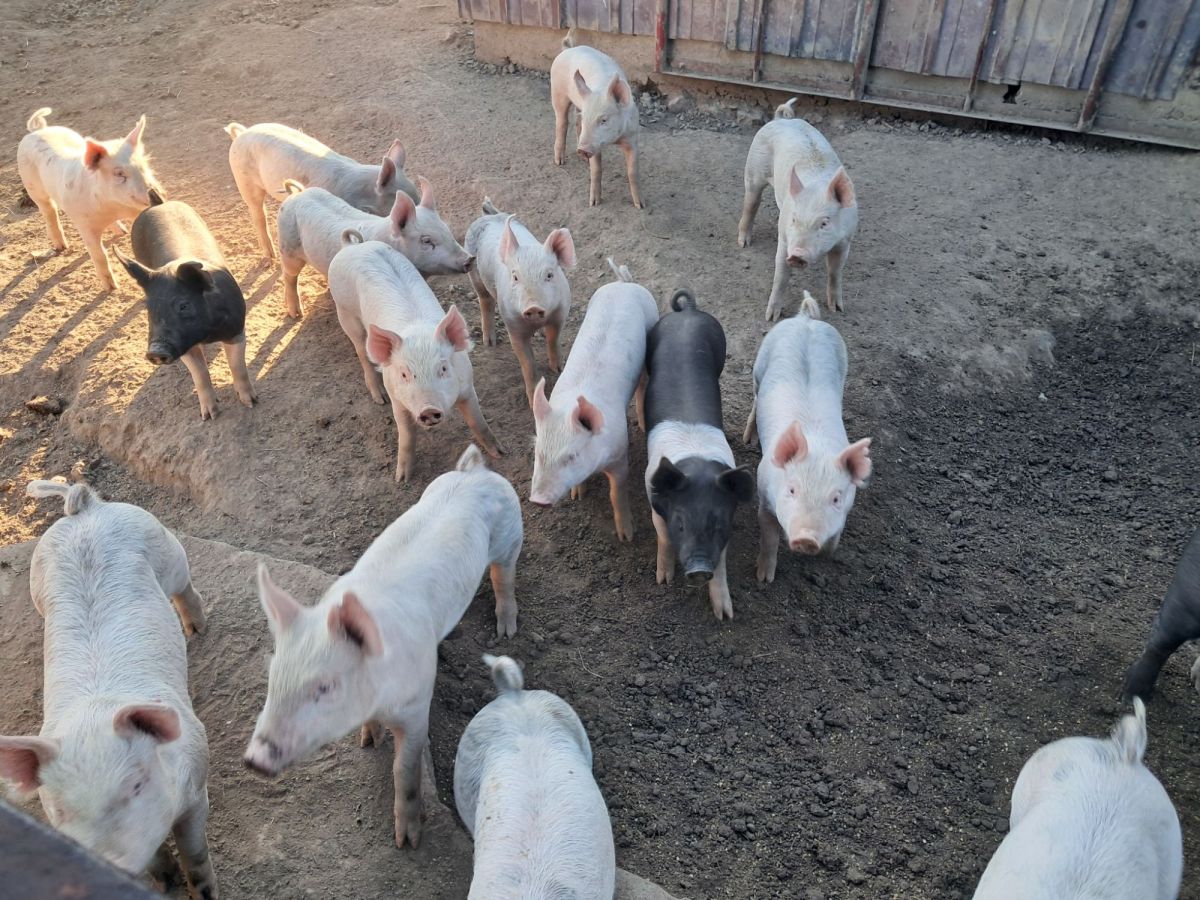
We raised 20 piglets on our homestead—from ‘stick of butter’ size to 40 pound feeders. Here’s what we learned about growth, castration, deworming, tetanus, feeding, weaning, and selling.
Our local library is one of our favorite places—not just for books, but for movie and equipment rentals, Lego days, summer programs, passes to local attractions, and homesteading resources.
You don’t need pricey trips to have a great summer. Here are simple, budget-friendly ways to have fun with your kids—from backyard sprinklers to library passes and camping.
Lying awake at 2:13 a.m. for the fourth time that week, staring at the ceiling, I finally saw it. Overthinking was robbing my rest and energy for the day ahead. In some interactions—those everyday exchanges that catch me off guard—I still get reactive, even when I bite my tongue. My body betrays me: a tight jaw, a deepening frown, shoulders hiked up as if carrying an invisible load.
Over time, I saw the pattern. My silent reactions were fueling a draining cycle, amplifying stress that lingered into sleepless nights and frayed patience. I thrive on straightforward connections, where people say what they mean. But not every dynamic in life offers that, especially in unavoidable family or community ties. Rather than pouring energy into changing others, I’m reframing this as my personal growth challenge: mastering response over reaction.
Now, when a trigger hits—a loaded comment in a group chat or a subtle dig at a gathering—I pause and practice: slow my breath, soften my face, feel my feet on the floor. Not every provocation needs a response; many are just passing moments. I remind myself: “I’m safe, not under attack, and I choose my energy.” Simple, but quietly transformative.
This skill ripples everywhere in my world. In parenting, it means modeling calm for my kids during tantrums or sibling squabbles. I show them how to breathe through frustration instead of explode. On the homestead, it’s like tending a garden amid unpredictable weather. I can’t control the rain or pests, but I can cultivate steady hands to prune, plant, and protect what matters. In relationships, it helps me save my full authenticity for the people who can hold it with care.
What about you? What body cues signal your triggers, and how do you reclaim your calm? Share below—let’s grow together.
If this resonates, like, share, and subscribe for more on personal development, parenting tips, and homesteading wisdom. Your support helps this community thrive!
What could you do less of? Reacting. For much of my life, I treated every perceived slight as a call to arms — as if every misunderstanding demanded an immediate defense. But I’m learning that not everything needs my reaction. Some moments only ask for my attention. When I feel wronged, my body responds before…
The digital clock on my nightstand glows an accusatory 2:13 AM, its red numbers burning my retinas. As I roll over for the thousandth time, the sheets tangle around my legs. My bedroom, once a sanctuary, has become a prison cell. The familiar outlines of furniture loom in the darkness, taking on sinister shapes in…
I never expected a six-year-old to remind me what travel is really about — but that’s exactly what happened on our drive to school this morning.
I decided to ask today’s daily blog prompt to my son, thinking it might spark a fun pre-drop-off conversation. His answer caught me off guard in the best way. It was one of those simple parenting moments that shows just how quickly their little worlds are expanding.
He didn’t even pause. “I want to see the Statue of Liberty and the Capitol building,” he said from the backseat. He swung his feet as sunlight spilled across the dashboard. Maybe he meant the Capitol in Madison, Wisconsin — he was spellbound by it when we visited — but I’d like to imagine he meant Washington, D.C., that grand center of United States history. Either way, his answer made my heart swell.
We don’t travel far — not yet, anyway. Most of our adventures stay close to home. That’s what works for now with snacks, naps, and his two-year-old sister in tow. But this morning reminded me that curiosity doesn’t need a plane ticket. We journey daily through the library books scattered across our table, Nova episodes and Ken Burns documentaries that keep his questions coming. His curiosity is boundless. It’s such a joy to watch him connect the dots between what he reads, what he watches, and the world he dreams of exploring.
Out here on our little homestead, we tend a lot of things — the soil, our routines, our growth as a family. But maybe the most important seed we’re planting is curiosity itself. That gentle, persistent pull toward learning, seeing, and understanding more. Someday, we’ll stand beneath that soaring Statue or climb the steps of the Capitol together. For now, I’m content to let the journeys begin from the backseat — one question at a time.
If this story spoke to you, will you take a moment to support this little corner of the internet? You can like this post, share it with a friend who’s raising a curious kid, or subscribe so you don’t miss future reflections on homesteading, parenting, and growing a love of learning at home.
And if you’d like to keep the conversation going, scroll down and tell me: what cities are your kids dreaming about?
Do you have a favorite place you have visited? Where is it? The place I love most isn’t on any map. It’s not a landmark or an exotic beach, but it’s the center of everything I’ve learned about belonging. When I trace the path to it, I travel through every memory that once made the…
Beach or mountains? Which do you prefer? Why? The crunch of gravel echoes under the car tires as I set out for what has become a cherished ritual: a short drive to the nearest beach. It’s funny. When people ask me if I prefer the beach or the mountains, the answer isn’t as simple as…
What book are you reading right now? Some of my earliest memories are of getting lost in a book. I read on the school bus until the motion made me queasy but I never quite wanted to stop. Books have always been my favorite escape into bigger worlds. That love of stories has shaped much…












 Practical Homesteading