Category: Bread

  • My Top 5 Essential Grocery Staples for Homesteading and Scratch Cooking

    My Top 5 Essential Grocery Staples for Homesteading and Scratch Cooking

    List your top 5 grocery store items.

    If you walked down a typical grocery store aisle with me, you might think I’m lost. While most American shoppers reach for convenience, I’m the one squinting at sacks of flour, jars of yeast, and tubs of coconut oil — the same staples my great-grandmother probably chose 75 years ago. I don’t shop for ready-made meals; I shop for possibility.

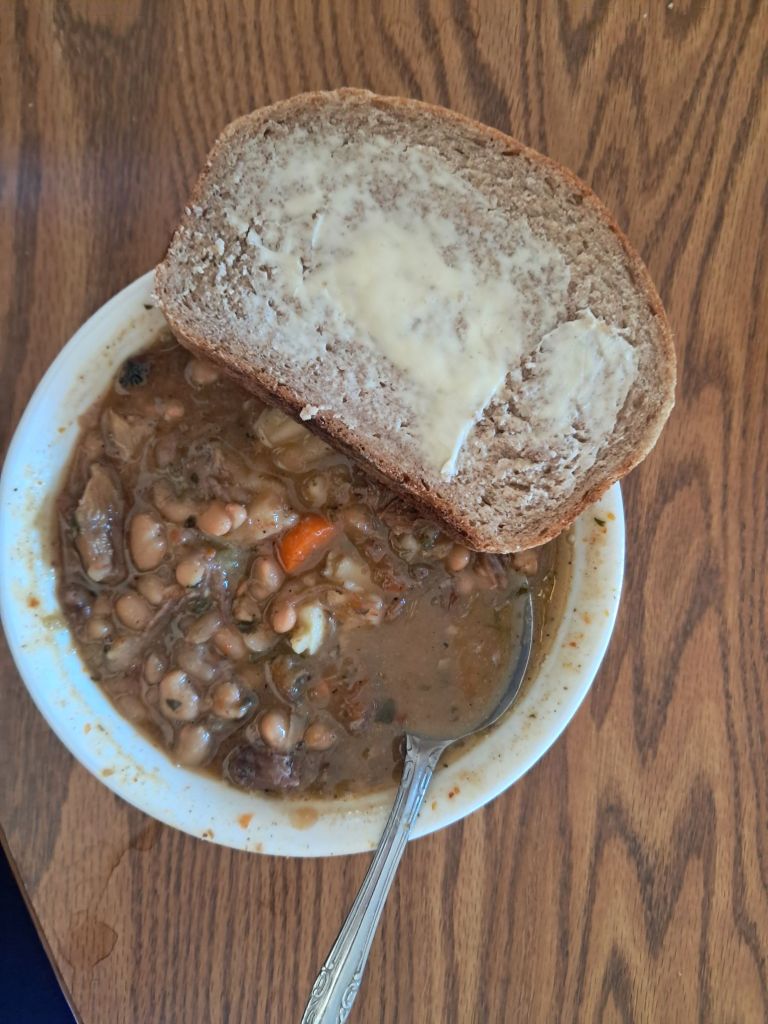
    At home, those bulk ingredients become whatever we need — bread, tortillas, sauces, or even snacks. If I don’t know how to make something, I learn. A simple search and a quiet evening in the kitchen have taught me more than any cookbook could. This hands-on, old-fashioned approach has saved us thousands over the years, but more importantly, it’s built confidence, patience, and gratitude for every meal we share.

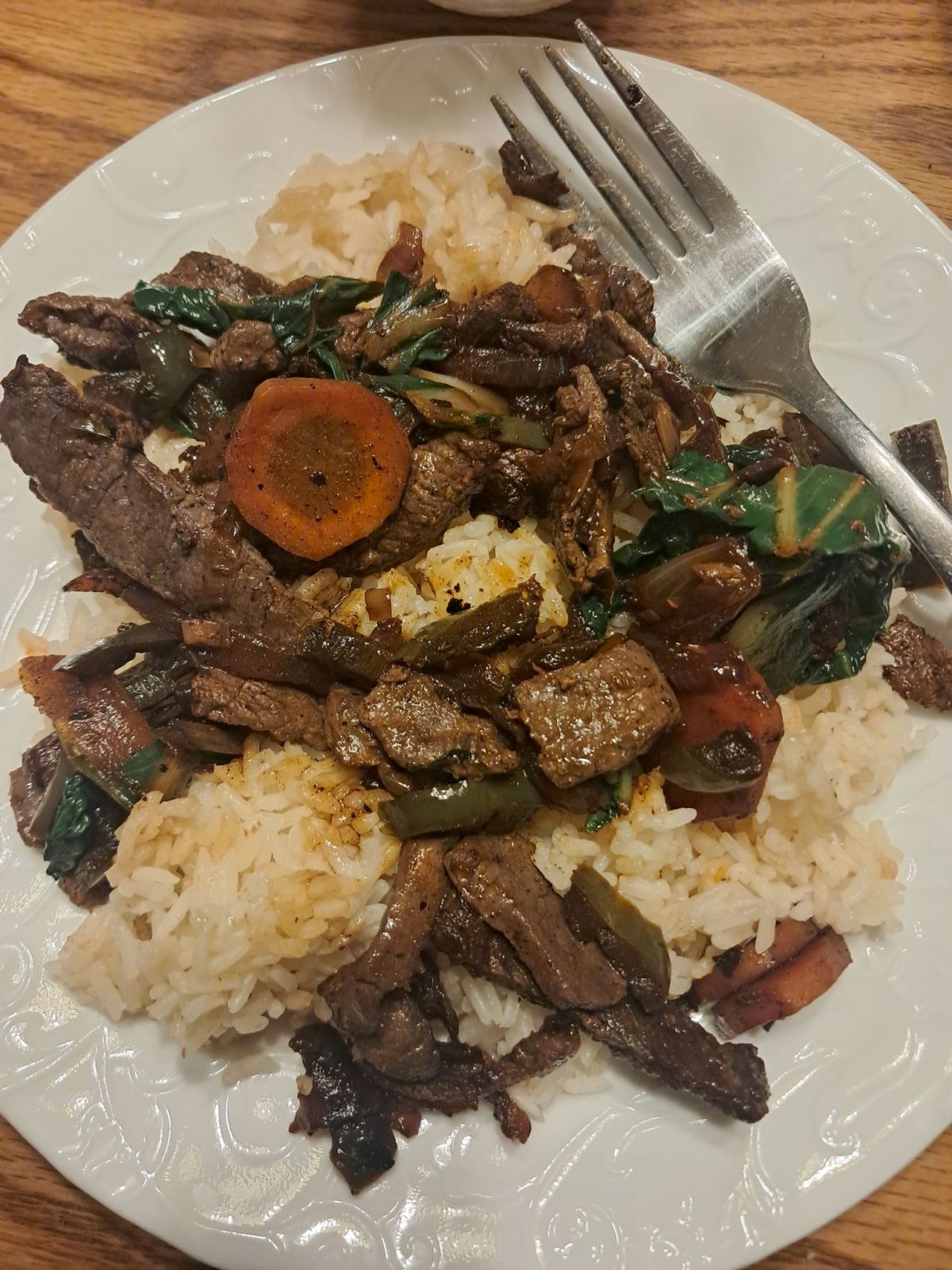
    Now, that doesn’t mean I don’t enjoy Chinese takeout once in a while! I’ve learned to make my own dumpling and stir-fry recipes — they’re delicious when they turn out, and hilarious when they don’t. (One of my most epic flops was a lemon pepper chicken so salty it could’ve been used as a salt lick.) Mistakes keep me humble, and in a way, they’re the best ingredient for growth.

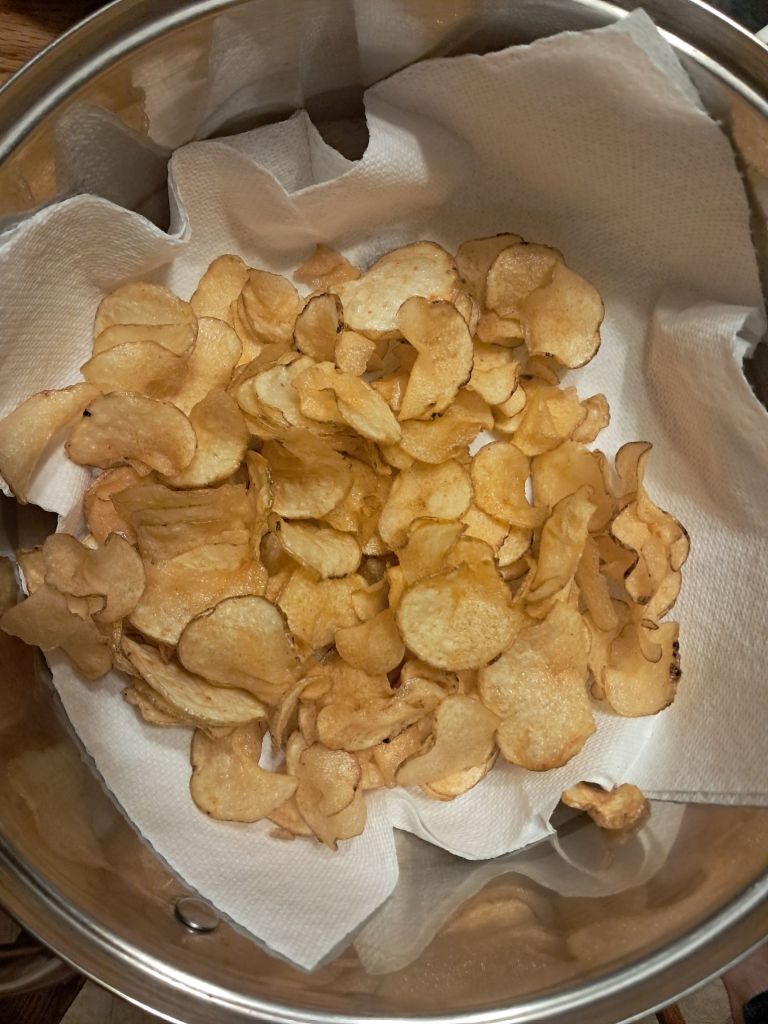
    Homemade potato chips
    Bloody Mary with mostly homegrown ingredients

    So with gratitude — and a dash of humility — here are my five most essential grocery items and how they shape my kitchen life on the homestead.


    5. Coconut Oil

    Coconut oil is my go-to multipurpose fat. It melts like butter and works wonders in place of lard or shortening. I use it to pop popcorn, bake desserts, and even blend it into homemade flour tortillas.

    Its aroma — faintly sweet and buttery — adds a subtle depth you can’t quite place but always appreciate.

    Tip: For tender baked goods, replace half the butter or shortening in your recipe with coconut oil, then reduce liquid slightly. It gives just enough chew without the greasy feel.


    4. Active Dry Yeast

    Yeast is the quiet hero of my kitchen — small, simple, and full of potential. Watching dough rise never loses its magic, especially when the kitchen smells of warm, sweet yeast and anticipation.

    It symbolizes self-reliance: turning flour, water, and salt into something living, breathing, and nourishing.

    Tip: Always proof yeast with a pinch of sugar in warm water (around 110°F). If it bubbles within 10 minutes, your dough is ready to rise.


    3. Chicken and Beef Bouillon Powder

    I lean on bouillon powders for soups, gravies, and especially rice. Cooking rice in chicken or beef stock instead of water transforms it from plain to crave-worthy.

    I also mix beef bouillon into my homemade onion soup powder — it adds warmth and richness that store mixes can’t match.

    Tip: Swap half the water for stock when cooking noodles, grains, or vegetables. It’s the fastest way to round out flavor without extra sauces or salt.


    2. Plain White Sugar

    Plain old white sugar earns a spot near the top because it does so much more than sweeten desserts. It wakes up yeast, balances tomato acidity, and — lately — fuels our lemonade habit.

    My sister keeps me well-supplied with lemons, so I make fresh lemonade weekly. When the kids come in sun-dusted and thirsty, that chilled pitcher waiting in the fridge makes them light up.

    Tip: Add a teaspoon of sugar to tomato sauces or soups to tame acidity without losing depth of flavor.


    1. Flour

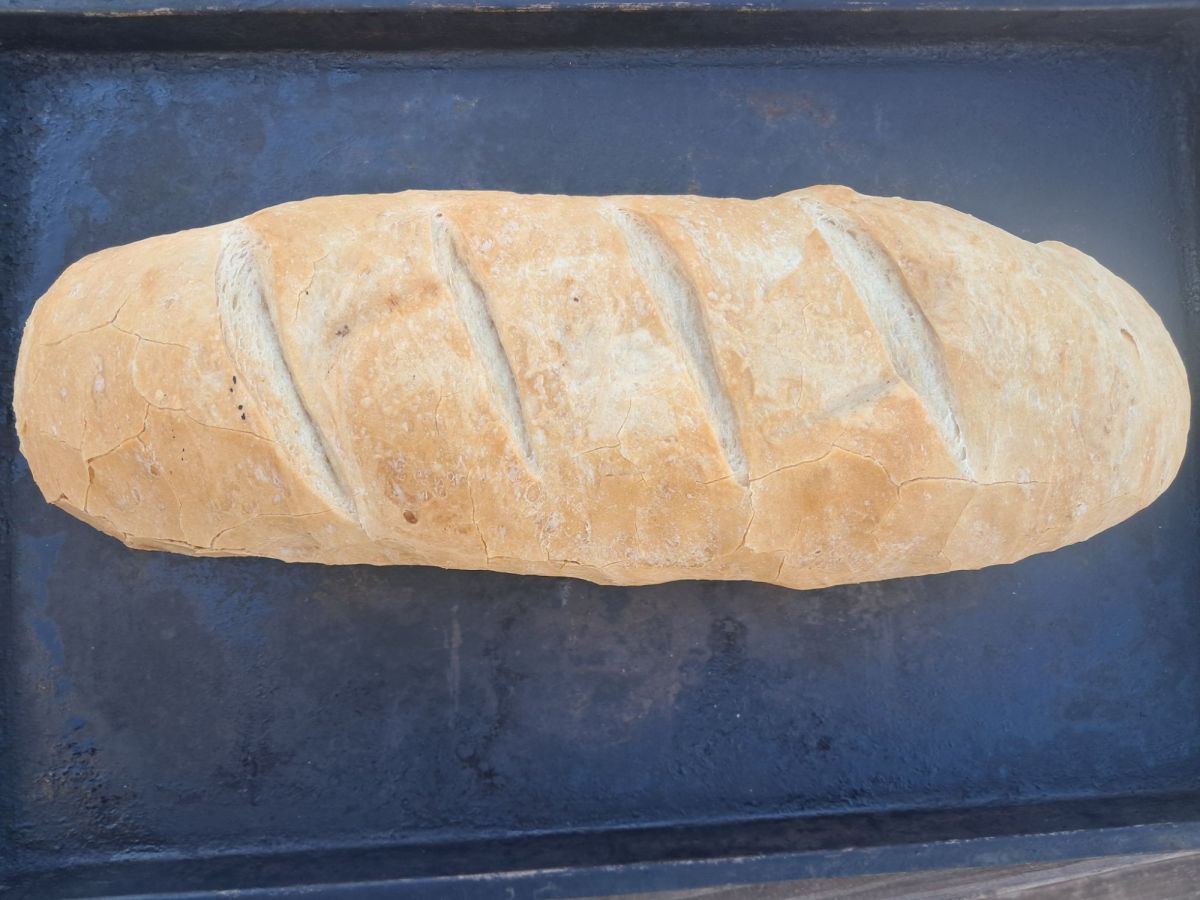
    If coconut oil is the heart of my pantry, flour is its backbone. I buy high-gluten flour for breadmaking, but I’m excited to experiment more with ancient grains soon.

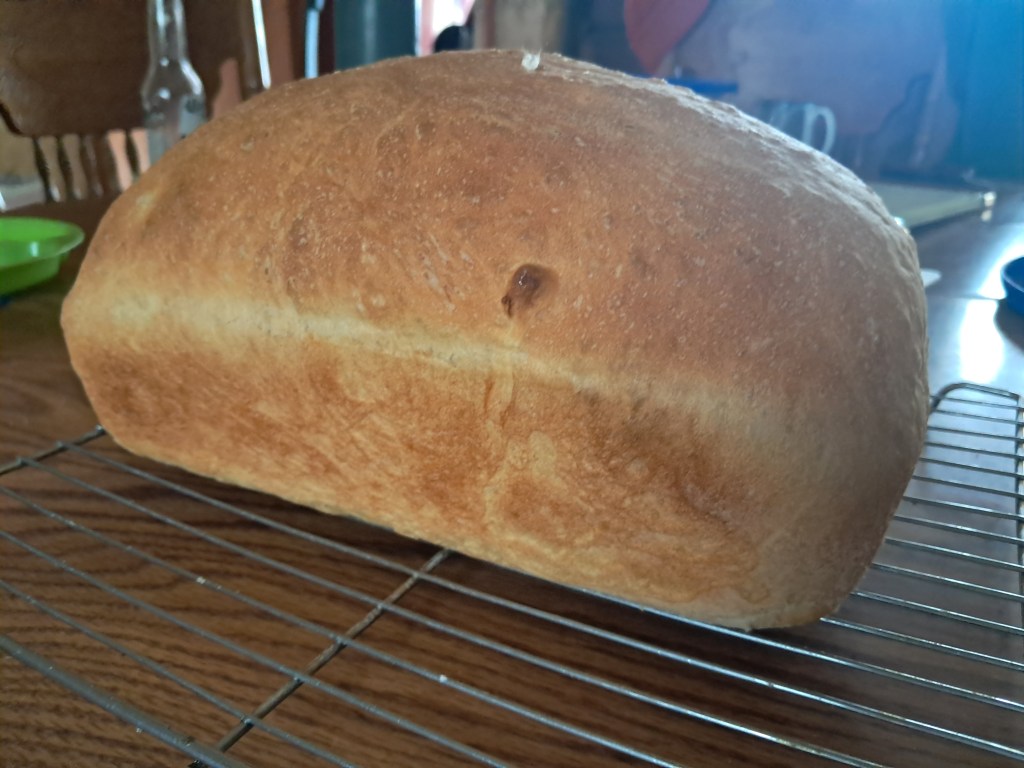
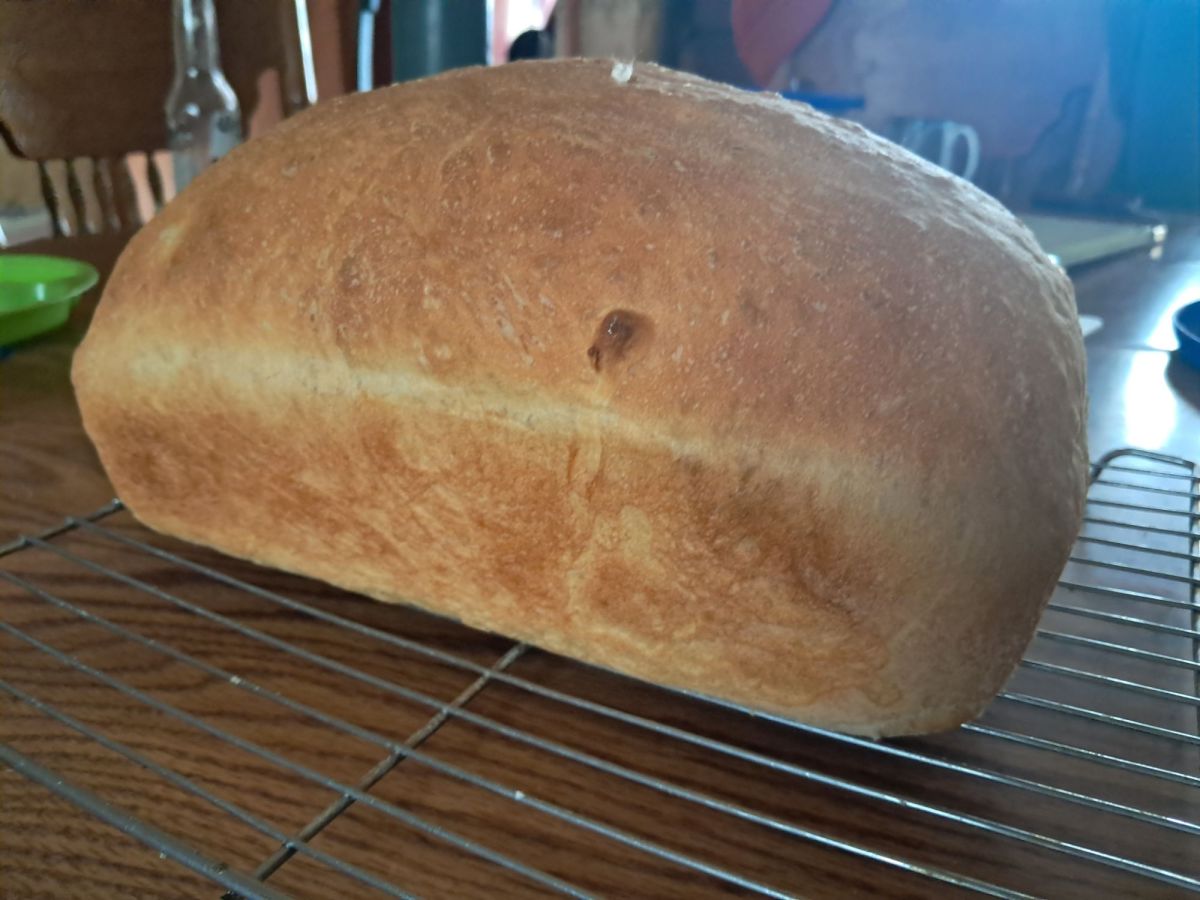
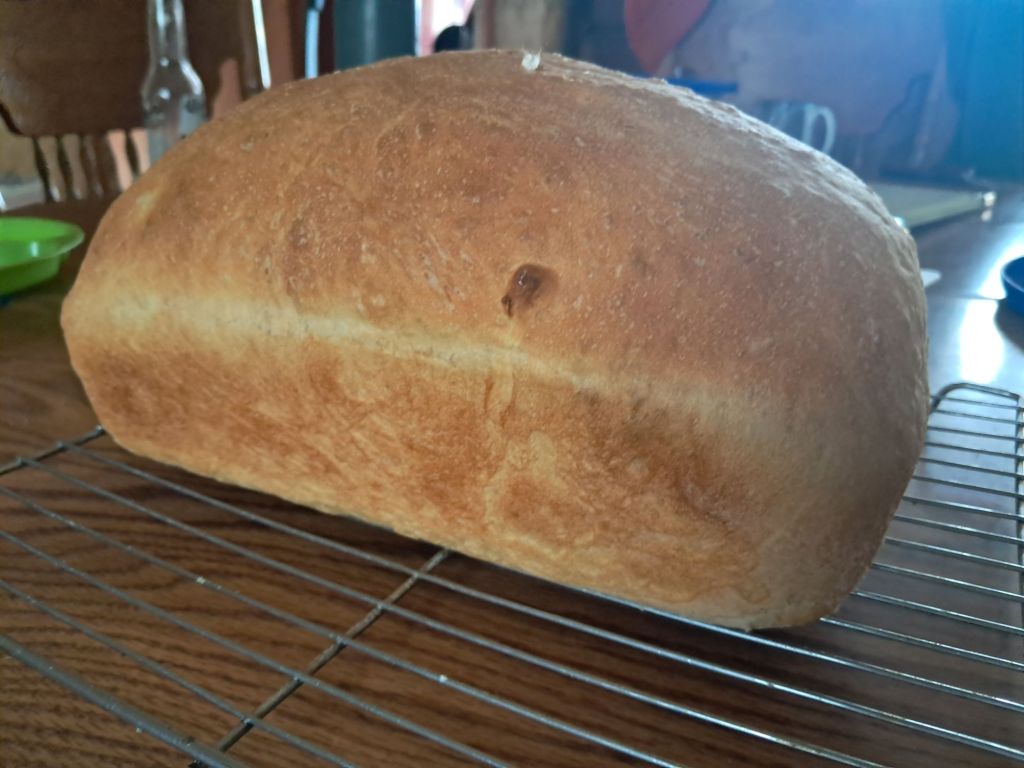
    The feel of dough under my hands, the smell of a fresh loaf cooling on the counter, and the crackle as it’s sliced — it’s the rhythm that grounds my kitchen.

    Flour builds loaves, tortillas, focaccia, and even desserts. It’s humble, forgiving, and powerful — no one in my house has ever once complained about home-baked anything.


    We rarely buy vegetables from the store, relying instead on what we’ve grown and preserved — jars of tomatoes, beans, and pickles lining the pantry. They remind me that what we grow in summer sustains us long after the frost sets in.

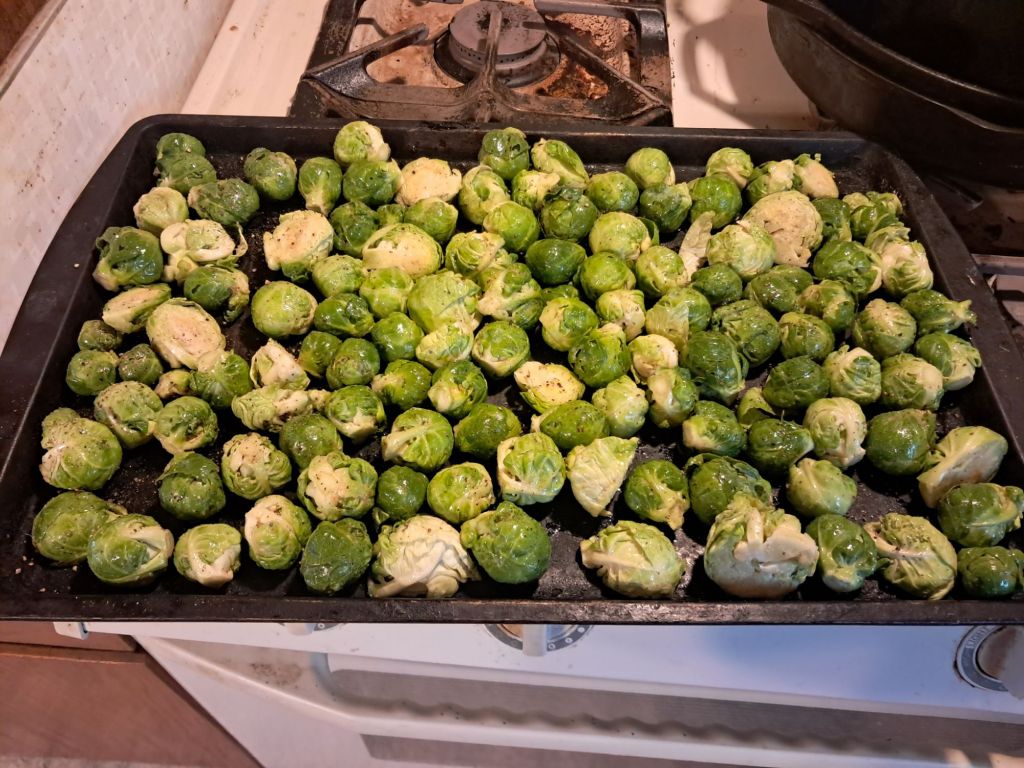
    Our winter meals center around potatoes, onions, and frozen vegetables like broccoli and bell peppers. We’ve experimented with extending our garden season using a small greenhouse and straw. There’s something deeply satisfying about pulling greens or a carrot from a garden while snow still glitters outside.

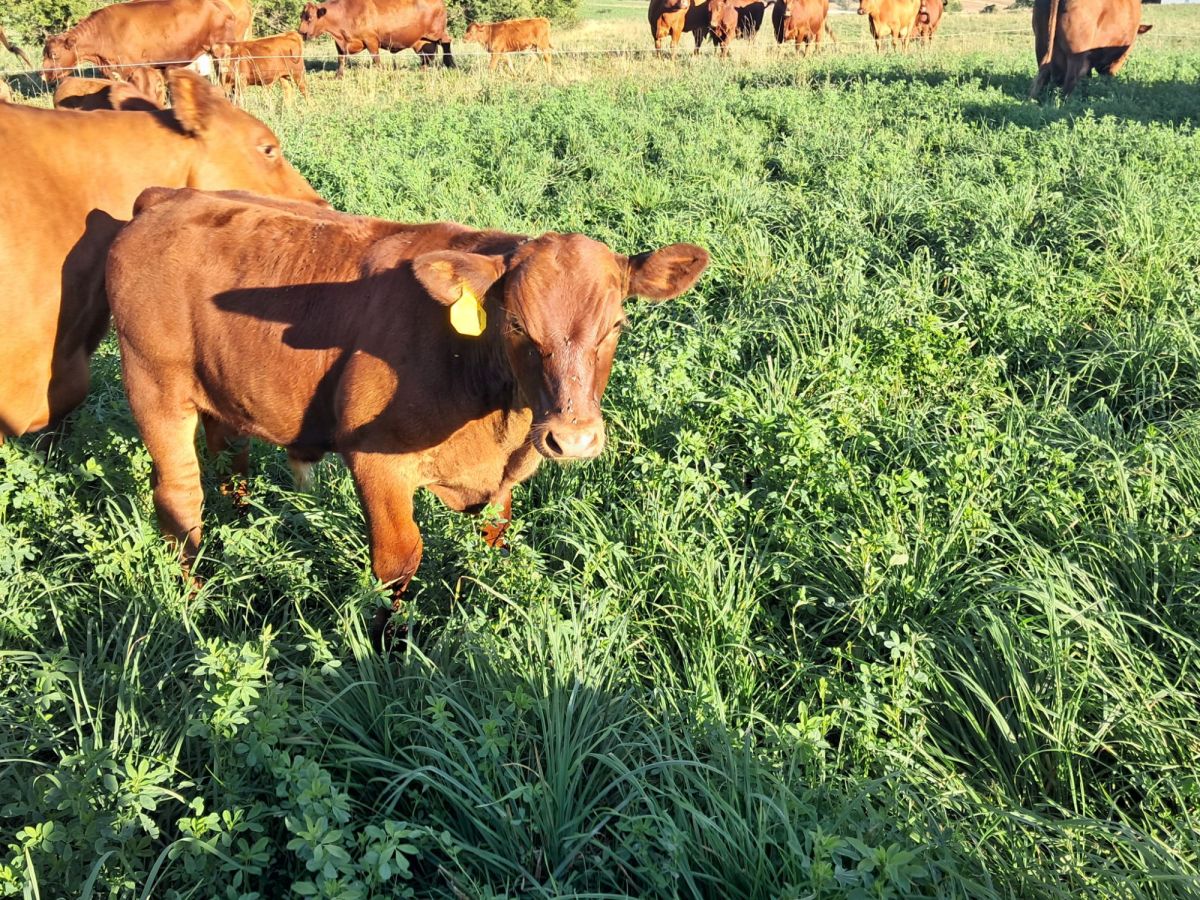
    As for meat, we’re still building toward full independence. We raise our own pork, purchase beef from my sister’s grass-fed herd, and still buy chicken from the store — for now. One day soon, meat birds will join the homestead lineup, and the circle will feel more complete.

    Each grocery item on this list earns its place not for novelty but for versatility. They remind me that eating well doesn’t require endless ingredients — just a few solid building blocks and the creativity to make them shine.

    This slower, more deliberate approach to cooking has taught me creativity, patience, and gratitude — lessons that spill over into every other area of life.

    Homesteading has shown me that ingredients matter less than the care and love you pour into them. Every loaf, jar, and meal built from raw goods feels like an act of heritage — and hope — in a world that moves too fast.

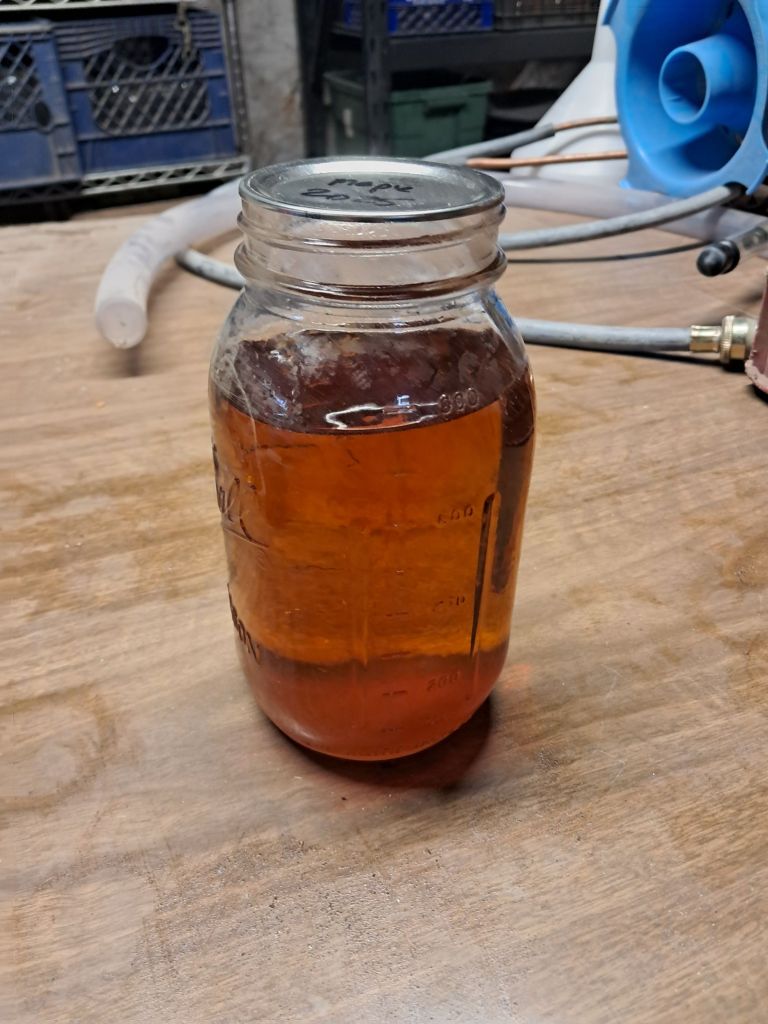
    Homestead maple syrup

    What five grocery staples would make your list? Please share them in the comments. And if this post inspired you, please likeshare, or subscribe to follow more homesteading stories, seasonal recipes, and simple living tips.

    Related Posts

    The Choreography of Cattle and Grass

    Experience a vivid farm story about rotational grazing, resilience, and regenerative land stewardship through the eyes of a family and their Red Angus herd. Discover how cattle, people, and pasture move together in balance

    Keep reading
  • Sourdough Bread

    Sourdough Bread

    To me, sourdough is both fascinating and frustrating.  How can something based only on simple pantry staples:  flour, water, and salt, result in such a delicious cornerstone food of society?  Once you attempt your first few loaves, you begin to understand.  There’s a certain alchemy in the starter, the captured yeast on which the success of your culinary exploits rest.  I’ve observed that like all worthwhile things in life, sourdough is not just bread, but a lesson in patience, a crash course in humility, and a reminder that the messiest things in life often taste the best.  And even a failure is really just toast, breadcrumbs, or croutons waiting to happen.

    You begin by adopting a starter, a sentient lump of flour and water that demands more attention than the most finicky orchid.  The starter acts like a child who only communicates via bubbles and guilt.  Feed it too much flour and it floweth over, creating a bubbly mess.  Forget it for a day, and it develops both the boozy aroma and the clear liquid on top.  Nurturing a starter can be unpredictable, expensive, and prone to failure.  Meanwhile, your actual orchid withers away in jealousy.

    After mixing the dough, you begin the ultimate test of patience.  You’ll attempt to stretch and fold the dough, only to end up with a glue-like substance clinging to your hands like wet clay.  The dough metaphorically laughs as it oozes across the counter, mocking your attempts at control.  After much coaxing over several iterations, the dough relaxes and begins to cooperate.

    After stretching and folding, you enter the bulk fermentation phase, where time becomes a myth.  The recipe claims four to eight hours, but your dough adheres to its own cosmic clock.  If the dough is too cold, it will remain as dense as a rock.  If the dough is too warm, it will overproof into an exhausted heap.  You’ll obsessively poke the dough, whisper encouragement, and question your life choices as it defies every timeline you’ve read online.

    After bulk fermentation, the dough must be shaped into a loaf.  It’s the dough’s version of a spa day, where it is pampered, tucked, and rolled into a sleek new outfit before its big debut in the oven.  You gently flatten the dough into a rectangle. Next comes the folding, first the top third down, then the bottom third up, creating a snug little dough envelope that’s hopefully ready to rise to the occasion.  As you forgot to dust your hands, you now need to scrape dough off your elbows before beginning the roll.  After thoroughly cleaning your extremities, you pinch the seams with the seriousness of a detective sealing evidence, tuck in the ends, and flip the dough seam-side down into the loaf pan, ready for its oven transformation.

    You’ve shaped your loaf into something resembling art. Because you’re difficult and don’t like the fancy sourdough boule shape, you preheat a roasting pan like an oblong sarcophagus.  When you finally score the loaf, your razor either drags like a butter knife or gashes the dough like a horror movie prop. The result is a crust that resembles a topographical map of Greenland.  Into the oven it goes, and for the next half hour you pace and agonize more than an expectant parent.  Will it spring?  Will it split?  Or will it burn?  The smell of success fills the air.  You optimistically crack the lid, only to find a solid brick replacing the airy loaf of bread you expected.  Because you always finish what you start, you dutifully lower the oven heat to finish the bake, watching through the glass door as the crust turns darker than your humor.

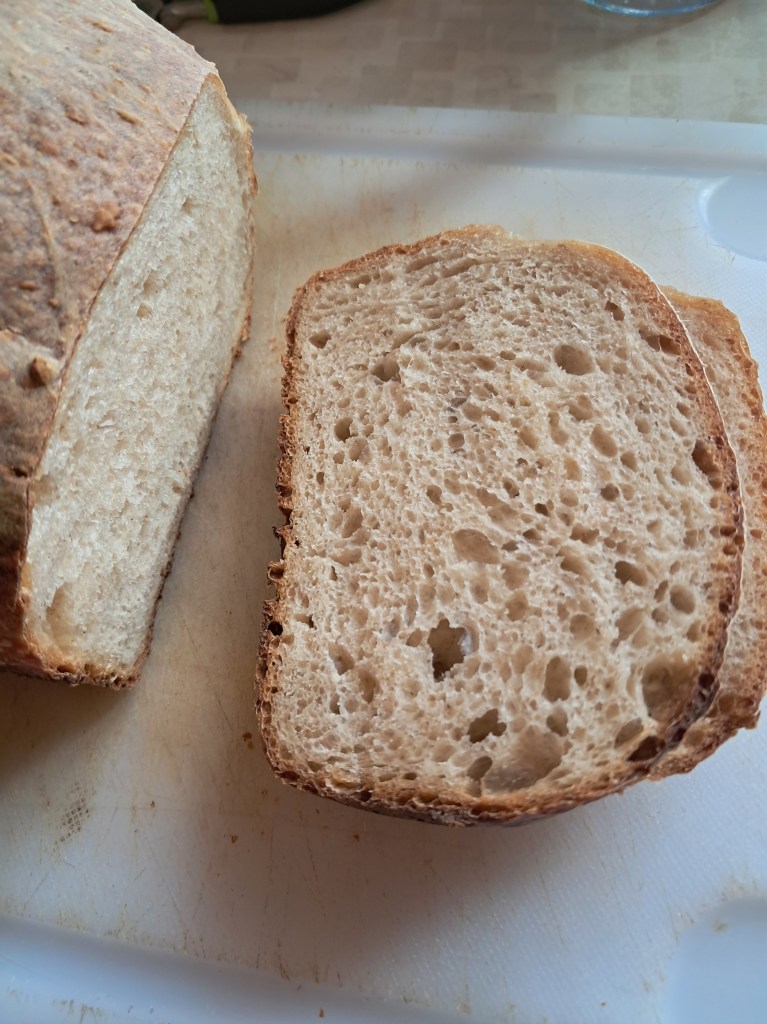
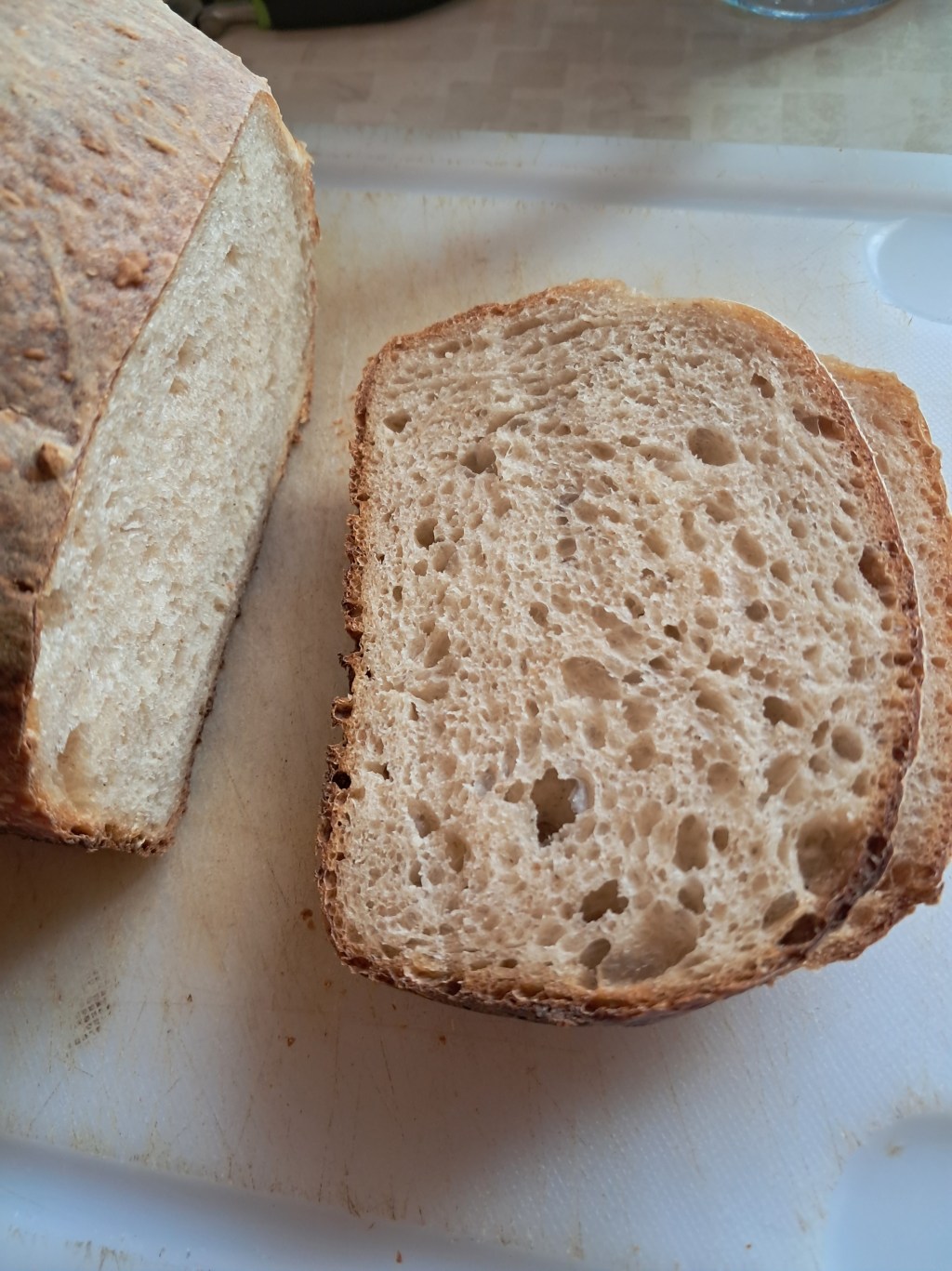
    Sliding the pan from the oven, you wait until the loaf is cool enough to slice.  The knife skids across the bread crust as if it is duller than a spoon.  After much cajoling, the crumb finally stares back like a party guest trying desperately to impress.  Instead of a light, airy charm, the holes are somehow all wrong, tiny, and, tight.  The mouthfeel is wet and chewy rather than fluffy and inviting.  And yet, I will inevitably try again to make that elusively perfect loaf.  Kneading dough is cheaper and tastier than therapy, and I’ve learned to love my finicky starter.  It’s part pet, part science experiment, and entirely a reminder that chaos can, occasionally, rise to greatness.  Finally, I can bond with fellow bakers over our shared failures.  After all, misery loves company, especially if that company brings fresh bread.

    If you enjoy content like this, subscribe below to join a circle of readers who understand the frustrations, and joys, of a perfect loaf of bread.