Happy Mother’s Day to all the moms out there. Motherhood is one of the most rewarding and difficult jobs of my life. Some days it stretches me to my limits, and some days it surprises me with small moments of grace. I wouldn’t trade it for anything.
When Motherhood Feels Heavy
The other day was one of the hard ones. Nothing dramatic—just the slow pileup of decisions, messes, and worries that comes with raising small humans while trying to keep everything else in life moving forward.
By bedtime, I felt wrung out and a little hollow, like I was running on fumes and expectations.
That’s when my 6-year-old son, who knows how much I love reading about infrastructure and engineering, surprised me. That world is part of my work as an environmental professional, and it was a big focus in college. I still find it endlessly fascinating: how bridges stand, how dams hold, how someone once looked at a river or a marsh and thought, “We can build something here.” I love the history behind it too—the choices, mistakes, and bursts of ingenuity that gave us running water, paved roads, and power at the flip of a switch.
An Engineering Book and a Small Act of Love
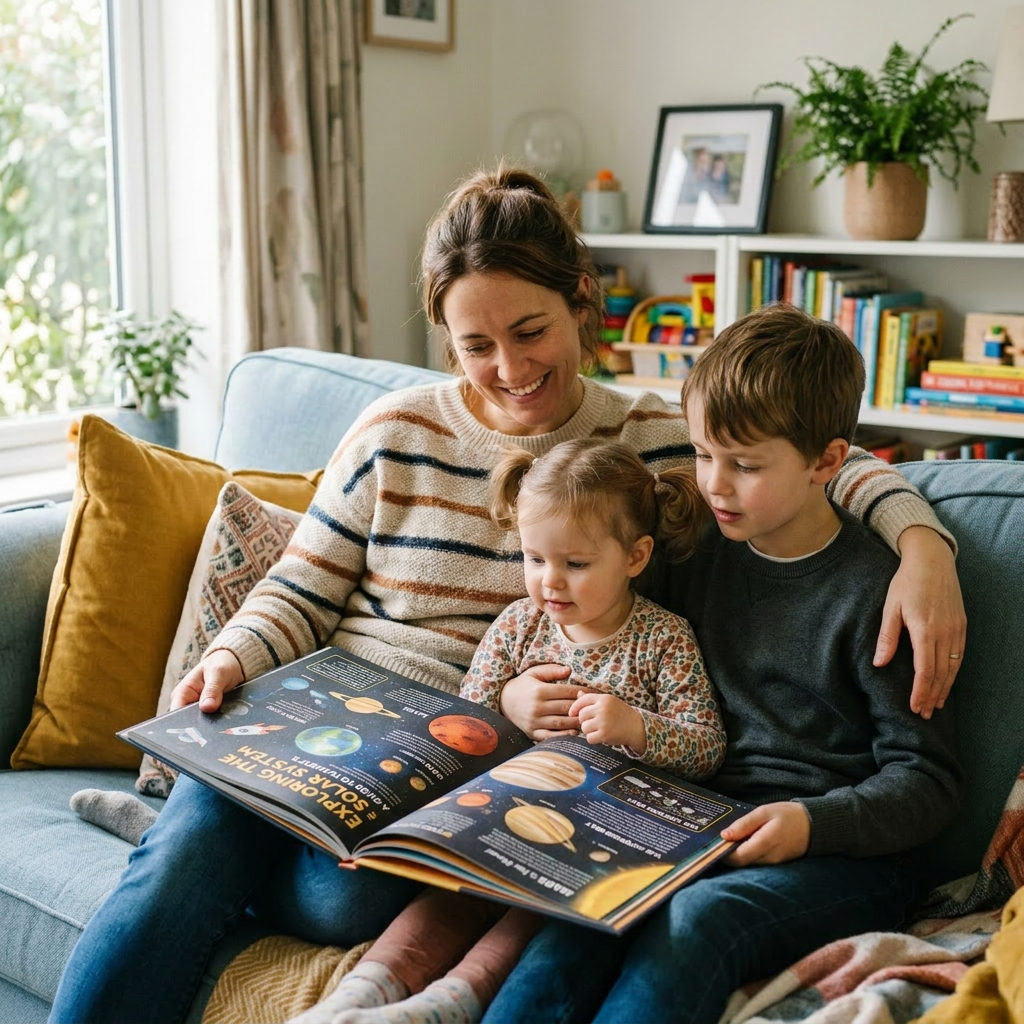
That night, when it was time to pick out a book to read, my son paused a little longer than usual in front of the shelf. Normally he reaches for something about pirates or a familiar favorite. Instead, he pulled out an engineering book someone had given him. He flipped through the pages with a purpose and then landed on a section about coffer dams. He looked up at me and said he picked “the engineering part” because he knew it would make me happy.
It stopped me in my tracks more than any store-bought Mother’s Day card ever could.
We settled in to read. I started explaining what a coffer dam is, how it lets people work in a dry space while water is held back by steel walls, called sheet piles, driven into the earth. As I explained, I remembered my college professor with a Latin American accent who loved teaching about sheet piles. He knew exactly how the term sounded when he said it and would stretch it out with mock innocence that had the entire class laughing every single time. It’s a silly, fond memory, and it reminds me that even in the most technical fields, there’s a human side behind all the math and steel.
As I read and shared those stories, I realized what my son had really done. He hadn’t just picked a book; he had reached for something that felt like me. In his 6-year-old way, he was saying, “I see you, Mom. I know what you like. I want to bring a little bit of that back to you.”
His 2-year-old sister climbed into my lap too, not concerned with coffer dams or sheet piles—just happy to be included, her small body warm against mine. One child choosing the book he knew I’d love, the other snuggling in for the sound of my voice and the feel of my arms around her.
There I was: tired, a little worn down, and surrounded by the two people who make this job both exhausting and holy.
How Motherhood Feels Like Engineering
It struck me how much motherhood feels like those engineering concepts I love. We build supports we hope will hold. We design routines and boundaries like invisible scaffolding. We stand in the middle of messy, rushing currents—school schedules, work deadlines, dinner, tantrums—and try to carve out solid ground where connection can happen. Some days the structure wobbles. Some days the coffer dam leaks. But then there are nights like this, when a 6-year-old chooses an engineering book to make his mom smile, and a 2-year-old tucks herself under my arm, and for a moment everything feels steady.
This Mother’s Day, I’m thinking less about flowers or brunch and more about these small, thoughtful gestures—the way our kids notice us, even when they can’t quite put it into words. The way they remind us who we are outside of “Mom,” and love that person too.
To all the moms who are tired, overwhelmed, and still showing up: I see you. May you get your own small coffer-dam moments—just enough dry ground, just enough support, and a few unexpected ways your kids show you they’re paying attention.
What’s a small, thoughtful thing your child has done that made you feel truly seen as a mom?
If this story resonated with you, would you take a moment to like, comment, or share it with another mom who might need a little encouragement today?
Subscribe for weekly homesteading tips:
Read Next: Amish Bakery Visit for Bulk Groceries: A Homesteading Family Tradition







 Practical Homesteading