Category: Montessori-inspired parenting

  • Why the Library Is One of Our Favorite Places (And Not Just for Books)

    Why the Library Is One of Our Favorite Places (And Not Just for Books)

    When I think about places that quietly shape our family life, the library is near the top of the list. It’s easy to overlook—a brick building on a corner, a place you “mean to visit more often.” But for us, it’s one of the sweetest gifts our community offers.

    It’s where we go to learn, to rest, to play, and to remember that we’re part of something bigger than our own four walls.


    More Than Shelves of Books

    On the surface, the library is about shelves: picture books, novels, cookbooks, gardening guides, and everything in between. But when you look a little closer, you realize it’s about access and abundance.

    With one library card, you can:

    • Bring home stacks of books without worrying about the price tag.
    • Try new authors and topics without committing to buying anything.
    • Follow curiosities—history, homesteading, parenting, faith, crafts—one checkout at a time.

    For families trying to live simply and steward resources well, that kind of shared abundance is a gift. For our family, the local library fits us beautifully.


    Movies, Equipment, and Children’s Toys

    Another perk of my local library (and many others) is that they offer free or very low‑cost movie rentals. They carry everything from new releases to classics to some of the best movies ever made.

    Many libraries also lend out equipment and games. At ours, we’ve:

    • Borrowed board games for family game nights.
    • Checked out a portable Bluetooth speaker I wanted to test before buying one.

    Depending on your library, you might also find:

    • Simple tools like stud finders or power meters.
    • Tech items such as hotspots, tablets, laptops, or projectors.
    • Craft or STEM kits for kids.
    • Puzzles or outdoor yard games.

    All of these can be tried without a big upfront cost, which is a huge help when you’re living on a budget or just don’t want to own everything you use occasionally.

    In addition, my children absolutely love to go to the children’s section and either play computer games (my 6‑year‑old son adores a mechanics game where he designs systems that make things work and solve problems), or play with the wooden train set and other toys we don’t have at home.


    Passes, Perks, and Everyday Adventures

    One of my favorite “hidden” features of our local library is how it opens doors around town without adding to our budget.

    Depending on where you live, your library might offer:

    • Passes to local pools and attractions you can borrow like books.
    • Discounts on souvenirs or gift shop items at partner museums or zoos.
    • Free or reduced parking when you visit certain places with a library‑issued pass.

    These little perks turn “maybe someday” outings into real possibilities. Before we buy tickets or plan a special day, we’ve learned to ask: “Does the library have a pass or a partnership for this?” Sometimes the answer is yes—and the savings are substantial.


    Lego Days, Summer Programs, and a Monthly Book Club

    Our library isn’t just about quiet reading; it’s also about community and play.

    A few favorites in our area are:

    • Lego days. Tables covered in bricks, kids of all ages building side by side, imaginations running wild. It’s simple, noisy, and wonderfully free. We walk in with empty hands and walk out with tired, happy kids and a few new book titles to explore.
    • Summer reading program, with special library events organized around a central theme. This year at my local library, they’re celebrating America’s 250th birthday with events like “Party Like It’s 1776” and “Eat Like It’s 1776,” where my son had an absolute blast making homemade butter in a plastic cup with a lid. There are prizes for meeting reading goals (free ice cream, tickets to local attractions, trinkets), and there’s even a program for the adults.
    • A monthly book club. Adults (and sometimes older teens) gather to talk about a book they’ve all read—sharing perspectives, hearing different viewpoints, and making connections across ages and backgrounds. It’s an easy way to keep reading stretching us, not just entertaining us.

    These aren’t just events; they’re regular rhythms that help us feel anchored in our community. Not every library will have these exact events, but many have their own version—craft days, story times, clubs, or seasonal celebrations.


    How the Library Supports Simple Living and Homesteading

    For those of us who garden, homestead, or love rural life, the library can quietly support that, too.

    You might find:

    • Gardening books that help you plan your beds or troubleshoot pests.
    • Cookbooks and preserving guides that walk through canning, freezing, and fermenting.
    • DIY and skills guides—sewing, carpentry, herbal remedies, simple repairs.

    Instead of buying every book you’re curious about, you can borrow, learn, and then decide which ones you truly want to own. It keeps clutter and costs down while still feeding your brain and your skills.


    Teaching Kids to Love Shared Spaces

    The library is also a gentle way to teach kids that some things belong to all of us.

    Every visit is a chance to practice:

    • Using quiet voices when needed.
    • Walking even when they’re excited.
    • Putting books and toys back where they belong.
    • Being considerate of other kids and adults who are sharing the space.

    We can explain that the books, bricks, passes, and programs don’t live at our house—they’re part of a shared resource that we help care for. When we’re done enjoying them, we send them back so someone else can enjoy them too. It’s a small but meaningful way to plant seeds of community‑mindedness and respect.


    Making the Library Part of Your Family Rhythm

    You don’t have to turn the library into a big production. Sometimes the best approach is simple and steady.

    Ideas to try:

    • A weekly “library day” with a special snack afterward.
    • Letting each child choose a set number of books—one purely for fun, one about something they’re curious about.
    • Checking the library calendar at the start of each month and circling Lego days, book clubs, and seasonal events.

    Over time, these small routines add up. The library becomes not just a place you visit, but a regular part of your family’s story.


    A Small Thank‑You to the People Behind the Desk

    Behind all the books and programs are real people: librarians and staff who know the collection, plan events, and quietly help families and individuals find what they need.

    They:

    • Recommend titles based on a few hesitant questions.
    • Register kids for Lego days and summer reading programs.
    • Help track down that one book that’s “about trees” or “had a blue cover.”

    They keep the whole operation running, often with limited budgets and a lot of heart.

    If you’re reading this and love your library too, maybe this can be a gentle nudge: the next time you’re there, consider saying a simple “thank you” to the person who helped you—or sending a short note of appreciation.


    If your family uses the library, I’d love to hear: what’s one program, perk, or little ritual that makes it special for you?


    If this post gave you new ideas or reminded you how much your own library offers, would you share it with a friend or fellow parent? Your shares and comments help these stories reach more families—and more librarians who deserve a thank you.”

    Read Next: Simple Summer Fun that Doesn’t Break the Budget

  • Simple Summer Fun That Doesn’t Break the Budget

    Simple Summer Fun That Doesn’t Break the Budget

    Summer goes fast, especially with kids. The kids are off school, the days are long, and the temptation to spend big on activities is everywhere. Big trips can be wonderful, but they’re not the only way to give kids a great summer. Some of the best memories don’t require plane tickets, pricey passes, or a suitcase—just a little creativity, some local resources, and a willingness to enjoy what you already have.

    Here are a few ways to save money while still having a genuinely fun summer with your kids.


    Turn Your Yard Into “Casa de Backyarda”

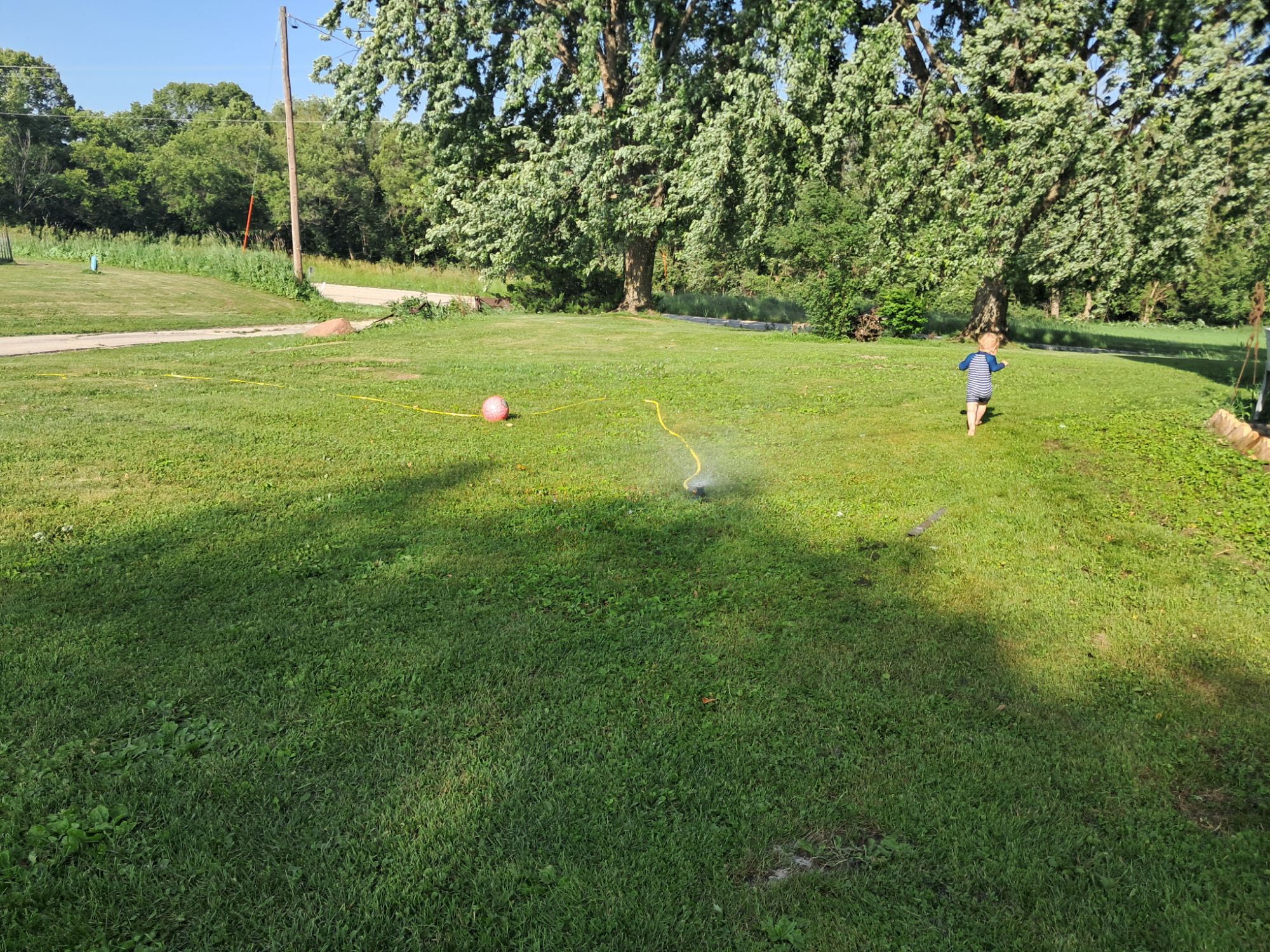
    You don’t need a fancy inflatable water park to make the backyard magical. Sometimes all it takes is a hose and a simple sprinkler.

    In our house, we call it “Casa de Backyarda.” When the weather heats up, we:

    • Set up a basic sprinkler in the yard.
    • Add a few extras—a plastic kiddie pool, buckets, or cups for pouring water.
    • Let the kids run, jump, and invent their own games.

    Pair it with popsicles, bubbles, a simple little picnic on a blanket, or a “no shoes” rule, and suddenly you’ve got a full afternoon of fun for the cost of water and whatever you already own. It’s low-stress, low-prep, and high joy.


    Make the Most of Your Local Library

    Your local library can be a quiet powerhouse for summer fun and savings. Many libraries offer far more than books and story time.

    Depending on your library system, you may find:

    • Passes you can borrow for local pools, museums, zoos, and other attractions.
    • Discounts on souvenirs or gift shop purchases at partner locations.
    • Free or reduced parking when you visit certain spots with a library‑issued pass.
    • Summer reading programs with small rewards, events, and special activity days.
    • Free equipment rentals (such as Bluetooth speakers) which really amp up the vibe of any activity.

    Not every library has every perk, but it’s worth checking what your local system offers—you might be surprised. A simple habit: before you buy tickets or plan an outing, check what your library offers. Sometimes all it takes is a library card and a bit of planning ahead to turn a “maybe too expensive” activity into something doable.


    Camping as a Main Summer Trip

    You don’t have to fly across the country to have a memorable family vacation. A simple camping trip can be both an adventure and a major cost saver.

    When camping is your main trip for the summer, you often get to:

    • Save on lodging. Campsites are usually much cheaper than hotels or rentals.
    • Spend more time outdoors—hiking, swimming, stargazing, cooking over a fire.
    • Build traditions around campfire stories, card games, and simple meals.

    Camping can be as rustic or “soft” as your family needs—anything from tent camping at a state park to renting a small cabin or camper. Either way, the focus shifts from expensive attractions to shared experiences: setting up camp together, exploring trails, and unplugging a bit from screens.


    Lean Into “Small Fun” That Adds Up

    Kids often remember the small, repeated joys more than the one big, expensive outing. A few “small fun” ideas that don’t cost much:

    • Weekly library visits with a special snack afterward.
    • Neighborhood walks or bike rides with a stop at a playground.
    • Walking a storybook trail at a local park.
    • Firefly chasing in the backyard.
    • Living room movie nights with blankets and popcorn.
    • Simple crafts using what you already have—chalk, cardboard, paints.

    You don’t have to fill every day with something elaborate. A few steady, simple traditions can carry a lot of weight over a whole summer.


    A Gentle Reminder for Summer Parents

    It’s easy to feel pressure to do “everything” in the summer—big trips, fancy outings, perfect memories. But your kids don’t need perfection. They need you, some time, and a few simple experiences to hang onto.

    A sprinkler in the yard. A borrowed library pass. A weekend camping trip instead of a hotel. A stack of books and a bowl of popcorn. Those can be enough.


    If you have a favorite low‑cost summer tradition, I’d love to hear: what’s one simple thing your family does every year that makes summer feel special without stretching the budget?


    If this post gave you a few ideas or reminded you of the simple things you already love, would you share it with another parent or caregiver? Your shares and comments help these budget friendly ideas reach families who might need them.

    Read Next: Where the Red Fern Grows and the Sprinkler Flows

  • Amish Bakery Visit for Bulk Groceries: A Homesteading Family Tradition

    Amish Bakery Visit for Bulk Groceries: A Homesteading Family Tradition

    About every two months, I make the hour-long trip to the nearest Amish settlement to stock up on bulk groceries. It’s a steady rhythm in our homesteading life—bringing home 50-pound bags of bread flour, dried vegetables, bulk pasta, and active dry yeast that stock our pantry and turn into loaves of bread, tortillas, and buns in the weeks that follow.

    But if you ask my kids, the highlight of every trip is the same: the Amish bakery.

    On this particular Saturday, it seemed like everyone else had the same idea. The parking lot was full, and the line stretched halfway across the gravel lot. For a moment, I considered turning around—but one look at my 6-year-old son and 2-year-old daughter made it clear we were staying.

    So, we settled in.

    There was a chill in the wind, but standing in the sun made it feel like a perfect spring day. Nearby, a little Amish boy—maybe three—chased a chicken across the yard, getting just close enough each time to keep trying.

    We started with a round of “I Spy,” which didn’t last long. Soon, we were watching horses in the pasture, sheep grazing in the distance, and pigeons circling overhead—much to my daughter’s delight, who confidently called them all “ducks.”

    As the line slowly moved, the wait began to shift. What felt long at first softened into something slower and more enjoyable. People started talking. A couple behind us—one from Sun Prairie, another from Watertown—struck up an easy conversation about travel, baking, and everyday life.

    The line as I got closer to the entrance. The smell of freshly baked bread and pastries was intoxicating.

    Meanwhile, my kids wandered off and found a little girl to play with, disappearing into their own world for nearly twenty minutes.

    My kids found a little girl to play with while I waited in line.

    By the time we reached the door, the smell of the Amish bakery had already found us—warm bread, sweet glaze, and something deeply comforting. Inside, shelves were lined with cakes, pies, and fresh-baked goods, but there was no question what we came for.

    We walked out with warm donuts in hand—chocolate for my daughter and me, glazed for my son—and barely said a word as we ate them back at the car.

    Somehow, the hour-long wait didn’t feel long at all.

    Trips like this are never just about bulk groceries or even the Amish bakery itself. They’re about filling a pantry that feeds our family, giving our kids space to grow and learn patience, and finding small moments of connection with people we might not otherwise meet.

    It’s growing food, raising kids, and building community—sometimes in the most unexpected places.

    And yes… the donuts help, too.


    Have you ever stuck out a long wait and realized it was actually the best part of the day?


    If you’re trying to slow down, raise your kids a little differently, or build a more intentional life—like and share this with someone on that path too.

    Subscribe for weekly homesteading tips:

    Read Next: How Curiosity Keeps Me From Feeling Bored (Even on Long Car Rides With Kids)

  • Letter to My 100-Year-Old Self: Homestead + Kids Dreams

    Letter to My 100-Year-Old Self: Homestead + Kids Dreams

    Daily writing prompt
    Write a letter to your 100-year-old self.

    Dear 100-year-old self,

    Right now, our days overflow with three big works. I’m writing this when I’m 36 years old. I hope you’re looking back on this time fondly, with a loving husband, two beautiful young children, and a growing homestead and writing hobby that is starting to bear some fruit.

    Raising Emotionally Intelligent Kids

    I’m working hard to help my children grow into emotionally intelligent, successful people who can easily integrate into society. I’m working internally on myself before I radiate love out to them. All while making sure they pick up their socks and eat their dinner. Will my work be worth it, and will they look back on their childhood fondly?

    Building Our Homestead

    My husband and I are also working on building our homestead. Last year, I learned how to grow mushrooms (the logs are colonized!), and this year we’re learning how to farrow pigs (first litter due Mother’s Day). Things don’t always go smoothly, but every homestead lesson learned is one that we can apply to the next set of skills. Will we continue to build and expand our homestead?

    Growing My Writing Community

    I’m also working hard on a writing hobby. Ever since I was a little girl, I loved to write. My first short story was about a herd of cows that escaped and exacted revenge on their owner (I was 8, and I grew up on a farm). And now I’m sharing homestead stories about my family and my hobbies. And people are listening and writing back! It is amazing to find kindred spirits out in the world. I hope we meet in person someday. Will I become a successful writer and continue building this community?

    Only you can tell me.


    Feature Photo by Saif Taee on Unsplash


    Which of these three works feels hardest right now—kids, homestead, or writing community? Be honest below!

    Loved this letter to my future self? Like + share if you’re wondering about your own 100-year-old dreams! 💌 Tag your homestead bestie below.

    Loved this? Subscribe for weekly homesteading thoughts:

    Read Next: Signed House Contract at Used Car Lot-On our Honeymoon Trip to Alaska

  • Why I Hate “What Do You Do?” – Homesteader’s Answer

    Why I Hate “What Do You Do?” – Homesteader’s Answer

    Daily writing prompt
    What is one question you hate to be asked? Explain.

    I hate the question “What do you do for a living?” because it shrinks a whole person into one job title. A single answer can’t capture the messy, beautiful layers of real life.

    Why It Feels Reducing

    People ask it as small talk icebreaker—easy, automatic. But I’ve learned the hard way that life isn’t defined by work. Take me: yes, I’m an environmental professional by trade. That’s just my 9-to-5, and I’m very passionate about what I do.

    The rest of me lives as a writer spinning homestead stories, a homesteader pulling winter carrots from frozen soil, a mom wrangling morning meltdowns, and a caretaker tending clucking chickens, strutting turkeys, and pigs rooting through the mud (who will hopefully farrow for the first time around Mother’s Day).

    These homesteading roles shape me equally—maybe more. The question pretends otherwise.

    Who It Leaves Out

    Worse, it sidelines anyone without “traditional employment.” Stay-at-home parents, caregivers, homesteaders, creators between gigs—they get frozen out. Conversation stalls: “Oh, nothing?” as if their days lack value.

    I’ve watched friends flush, stammer, or deflect. Motherhood is full-time labor. Homesteading demands innovation daily. Caretaking livestock like pigs and chickens builds worlds from scratch. Why does a paystub trump that?

    Better Questions Exist

    When cornered, I say: “I protect land by day, grow food and stories by life.” But I’d rather flip it: “What lights you up outside work?” That uncovers the human underneath.

    People are mosaics, not labels. Next time you’re tempted, ask about passions instead.

    Practical Homesteading: growing food, raising kids, building community.


    What’s YOUR most-hated question? Share below! 🔥 I bet we can rewrite the script together!

    If this resonates, like + share so other multi-role makers feel seen! 💕 Tag someone stuck in job-box conversations.

    Loved this? Subscribe for more homestead/mom reflections:

    Read Next: Our Biggest Homesteading Challenge: First-Time Pig Farrowing

  • How My Pizza Fail Built Homesteading Confidence

    How My Pizza Fail Built Homesteading Confidence

    Daily writing prompt
    How has a failure, or apparent failure, set you up for later success?

    A cooking disaster in my freshman dorm set me up for homesteading success I never expected. One apparent failure became the foundation for kitchen confidence.

    Freshman Year Pizza Disaster

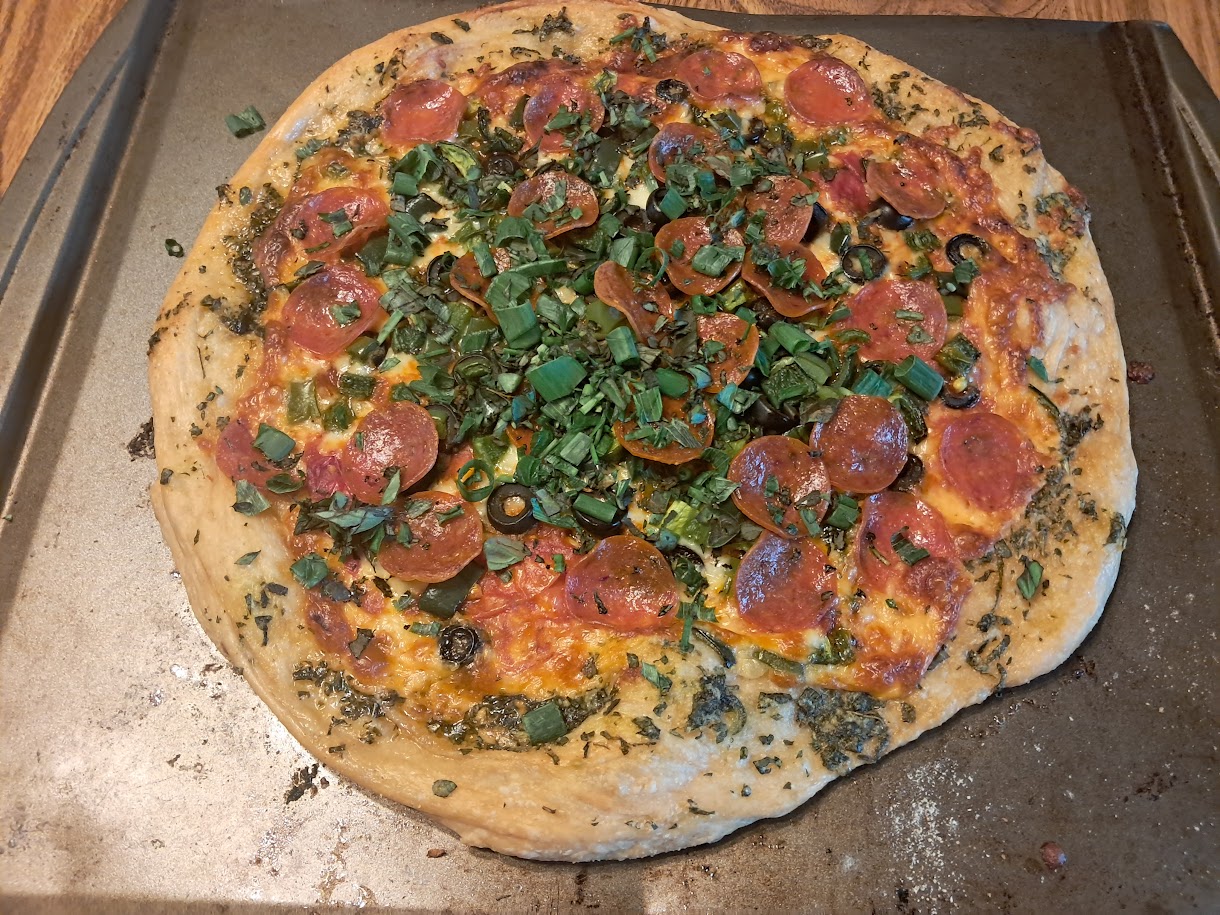
    My first “from-scratch” pizza took three times longer than delivery. The crust was a brick, sauce too acidic, toppings slid everywhere. My future husband politely choked it down. Mortifying.

    That flop taught me two things: failure stings less when shared, and every kitchen mistake teaches something concrete. I started measuring flour properly, tasting as I went. Zucchini bread followed (once ruined by tablespoons of salt instead of teaspoons—inedible).

    Homesteading Kitchen Payoff

    Fast forward to our rural homestead. Now I confidently make:

    • Pizza dough my kids beg for weekly
    • Sourdough from wild yeast I captured
    • Crockpot meals filling our home with irresistible smells
    • Garden sauces from our own tomatoes

    A couple of weeks ago, I pulled winter carrots (candy-sweet from the freeze) for pot roast. No one would guess this calm came from serving weaponized pizza.

    Failure’s Gift: Iteration Over Perfection

    Cooking disasters built my homesteading confidence through kitchen iteration:

    • Mushroom logs fruited after many soggy failures
    • Morning routines work after dozens of meltdowns
    • Patience grew through dysregulation disasters

    Apparent failure = practice reps for real skills. That freshman flop was my first composting lesson: even burnt crust feeds future growth.


    What’s a failure that set YOU up for success? Share below!

    If this pizza-to-homestead arc resonates, like + share so other makers see failure’s power!

    Loved this? Subscribe for more homestead reflections:

    Read Next: Our Biggest Homesteading Challenge: First-Time Pig Farrowing

  • How Motherhood Taught Me Patience & Emotional Regulation

    How Motherhood Taught Me Patience & Emotional Regulation

    Daily writing prompt
    What experiences in life helped you grow the most?

    Becoming a mother has been the single biggest catalyst for my personal growth.

    Before kids, I was incredibly reactive—if things didn’t go exactly my way, I’d turn into a total grump and let it derail my whole day. Motherhood quickly showed me that life rarely follows a perfect schedule, and that’s been my greatest teacher.

    Why Kids Test Every Limit

    Kids have this amazing knack for upending even the best-laid plans. They’ll dawdle on shoes when you’re already late, take forever to eat (or skip it entirely), spill milk right after you’ve cleaned up, or melt down in the grocery store for reasons that make no sense in the moment.

    It’s just kids being kids—no malice, just the beautiful chaos of childhood. Those situations used to trigger frustration in me. I’d snap or rush through, only to feel completely drained afterward.

    Over time, I realized my reactions weren’t really about the spilled milk or dawdling. They came from my own exhaustion, unmet needs, and unrealistic expectations of myself and my family.

    My Self-Care Mornings Changed Everything

    Mornings have always been tough for my 6-year-old, who really struggles to wake up. This turns what should be a simple routine into a battle to get to school on time. But I’ve noticed a huge difference when I take care of myself first. When I prioritize a decent morning workout, solid sleep, and a general sense of calm, I allow myself to show up much more effectively for him.

    This morning was a perfect example. Instead of rushing, I sat with him for a couple of minutes, just hugging him and saying hello. I told him how wonderful it is to see him first thing. From there, he headed to the kitchen, ate his dry toast (even though we asked three times what he wanted on it and he insisted on nothing… little monster, haha), and we were out the door with enough time for him to play with his friends in the classroom before the day really started.

    We went from 25-minute morning battles to peaceful 15-minute exits, and it all starts with me feeling steady inside.

    Tools That Actually Work for Emotional Regulation

    Now, I make it a habit to tune into my body first. When I feel dysregulation creeping in—my chest tightening, voice getting sharp, jaw clenching—I pause instead of powering through. Sometimes that’s a few deep breaths at the kitchen sink, sometimes stepping into another room for a moment, or just saying out loud, “I’m feeling overwhelmed right now.”

    Journaling has become another lifeline. After a tough moment, I write out what triggered me, the worries bubbling under the surface, or the guilt I’m carrying quietly. It helps me sort through it all and parent myself a little, not just my kids. And when I mess up, which I still do plenty, growth shows up in the repair—apologizing to my son, noticing what works next time, and choosing breath over snapping.

    The Real Growth Isn’t Perfect—It’s Daily Practice

    Motherhood grew me most because it gave me daily practice at my weakest spots: patience, self-awareness, and repair. I’m still a work in progress—there are days when I’m more grump than grace. But our mornings feel noticeably lighter now, and he sees me trying.

    Growth doesn’t look dramatic or perfect; it’s in those small choices—to hug instead of hustle, listen instead of lecture, apologize instead of pretending I had it together.

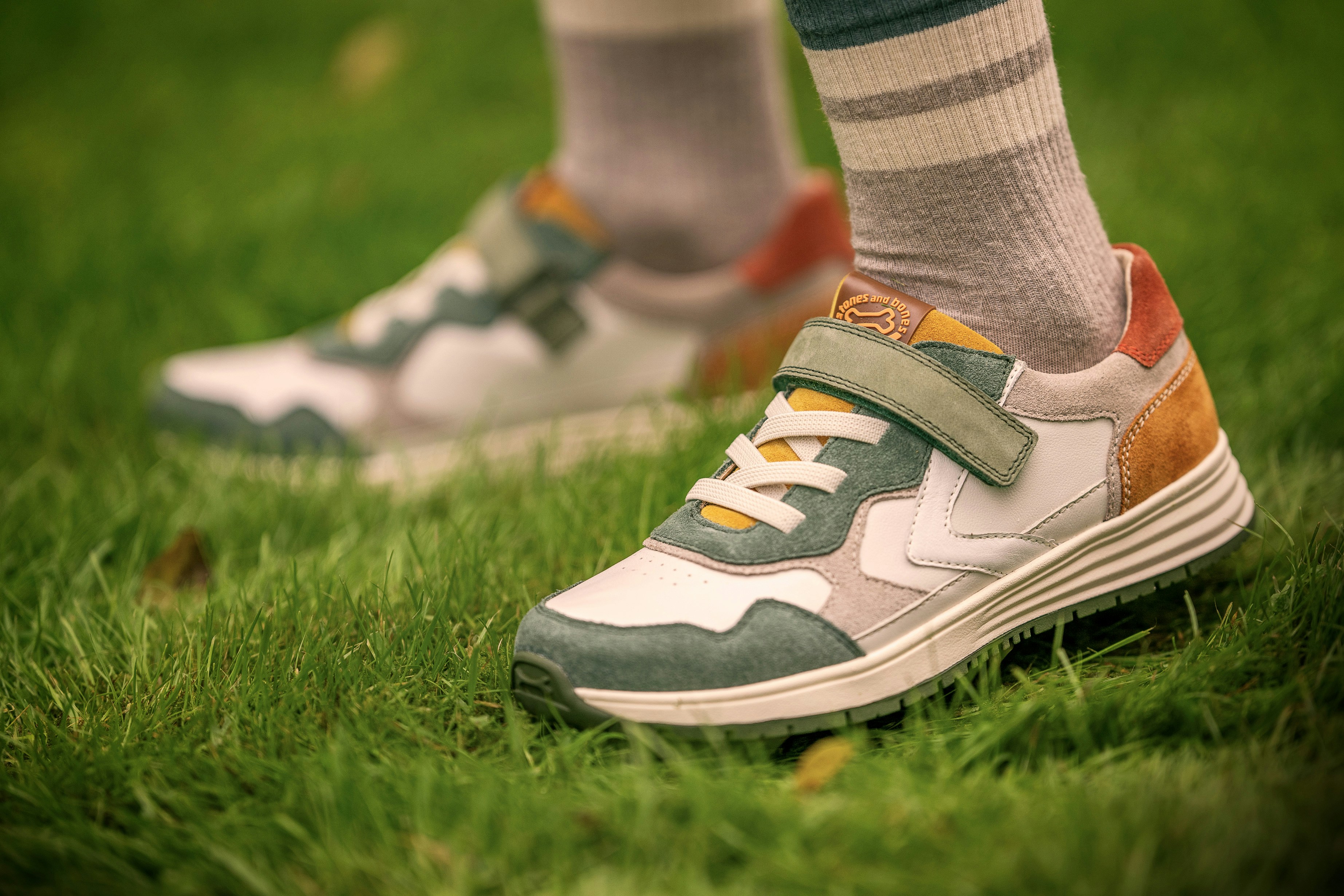
    Feature Photo by STONES and BONES on Unsplash


    What experience grew you the most? I’d love to hear your story in the comments below!

    Loved this? ❤️ Tap the heart, leave a comment with your growth story, or share with a mom friend who needs this today. Your support helps this community grow!

    Loved this? Subscribe for more parenting reflections:

    Read Next: First Time Mom Nerves + Joy: Life Before Kids Trade-Offs

  • What Making Dumplings with My Son Taught Me About Food, Family, and Connection

    What Making Dumplings with My Son Taught Me About Food, Family, and Connection

    Daily writing prompt
    What’s your favorite thing to cook?

    When You Ask a Six‑Year‑Old for Help

    This prompt stumped me at first. I love cooking most things, especially when I get to share the meal with people I love. So I took the easy route and invited my six‑year‑old son into the kitchen to help me decide.

    His first instinct was “cookie bars,” which is adorable and perfectly on brand for him—but for me? That’s too easy a win. So we pivoted, and his second answer surprised me: my Chinese‑inspired dumplings—proof he’s been paying attention.


    A Learner in the Kitchen

    I call them “Chinese‑inspired” because I’m not Chinese, and I’ve never been to China. That disclaimer isn’t an apology—it’s a reminder that I’m always learning in the kitchen.

    These dumplings are the kind you steam rather than fry: thin flour wrappers cradling a savory mix of meat and vegetables. I fold them with a rhythm that often makes it look like my son did the work, which feels exactly right—dumplings should look handled, not manufactured. Every crimped edge reminds me that cooking is more about process than perfection.


    A College Detour in Mandarin

    My dumpling story began long before the dough hit the counter. In college, I took three semesters of Chinese on a whim—Spanish was full, and Chinese looked interesting.

    I learned how a stray tone could turn “mother” into “horse,” a lesson that stuck far beyond the classroom. On Friday nights, a Chinese roundtable met on campus. We practiced speaking—and sometimes, we shared steamed dumplings.

    I can still taste that first one, dipped in soy sauce, black vinegar, and sesame oil: warm, tender, and endlessly comforting. It tasted like a small passport stamp on my college life.


    The Janky Restaurant Valentine

    Months later, early in our relationship, my now‑husband and I found ourselves in a tiny, sticky‑floored Chinese restaurant on State Street in Madison. It was Valentine’s Day. The décor was questionable, the menu unpredictable, but the dumplings? Pure joy.

    We ate until we were full and a little giddy. That meal wasn’t about romance; it was about finding comfort in something humble and good—a truth the sticky floor couldn’t ruin.


    Bringing Dumplings Home

    As I started cooking more at home, I wanted to recreate that feeling. I planted bok choy in the garden—there’s something deeply satisfying about pulling a crisp green leaf from soil you’ve nurtured.

    I experimented with what I had: powdered ginger instead of fresh, onions for sweetness, ground beef for substance. A simple bamboo steamer lined with cabbage leaves kept the dumplings from sticking to the rack.

    The dumplings weren’t authentic, but they were ours. And authenticity, for me, isn’t a destination—it’s a doorway to learning and connection.


    Learning Together, One Mess at a Time

    Now, when my son and I roll dough together, the process has turned into a ritual. We talk, we laugh, we listen to a podcast, and flour drifts across the counter (and occasionally, Black Cat).

    We’re not just making food—we’re making memories that stick, as any good dumpling does. And honestly, we laugh more over flour than over finished meals.


    What It All Comes Back To

    Food weaves together people, places, and time. These dumplings hold it all—college curiosity, early love, homegrown bok choy, and the joyful chaos of raising a child.

    Growing food, raising kids, building community—it all finds its way back to the kitchen.

    Feature Photo by Janesca on Unsplash


    What’s your favorite dish to make and share with the people you love?

    💚 If this story made you smile, share it with a friend who loves food and family as much as you do!

    Subscribe below so you don’t miss the post featuring my Simple Chinese Dumpling Guidelines—and more recipes that grow from the garden to the table.

    Related Posts

    The Power of Local Food: Lessons from Ethnic Cooking

    Until I attended college, I believed that cultural influences on food were largely a thing of the past.  I grew up in a part of small-town Wisconsin where the cultural influence of my German dairy farming heritage had diminished over the years.  Regional dishes, while still present, were largely nationalized.  Food was sourced from boxes…

    Keep reading

    Unfolding the Woman Within

    When I pulled open the long-forgotten box of clothes, I expected nothing more than sweaters and dresses that hadn’t seen daylight since before we moved. Instead, I uncovered an archive of myself—fabric woven with memory and identity, versions of me I thought I’d misplaced in the blur of motherhood, upheaval, and quiet reinvention. Threads I…

    Keep reading
  • Good Leaders Delegate: Lessons from My Toddler

    Good Leaders Delegate: Lessons from My Toddler

    What makes a good leader?

    Disclosure: This post contains affiliate links. As an Amazon Associate, I earn from qualifying purchases. Thanks for supporting Practical Homesteading!


    Ever watch a toddler triumphantly pull up their own pants and beam with pride? That’s leadership unfolding—in the everyday chaos of family life, where small wins build big resilience.

    What Self-Awareness Builds
    A good leader knows their strengths and recognizes when others have strengths they don’t. This self-awareness keeps them humble and helps build strong, well-rounded teams instead of trying to do everything solo. Rather than feeling threatened by others’ gifts, they feel grateful and make space for those gifts to shine .

    Delegation That Empowers
    That mindset fuels effective delegation. Good leaders don’t just hand off tasks; they match people with responsibilities that fit their abilities, interests, and growth areas. This empowers others to take ownership, build confidence, and develop skills—making leadership contagious as people step up .

    Stress Without the Spillover
    Good leaders handle stress well—like staying calm through potty regressions or toddler meltdowns at home. Pressure from deadlines, conflict, or surprises is inevitable, but they pause, prioritize, and respond calmly instead of reacting. By staying grounded, they create safety for their team and family. They also prove it’s possible to navigate challenges without losing compassion or perspective.

    Leadership at Home
    I see this at home too. Delegating laundry to my 6-year-old son lets him tackle it on his own schedule, building ownership and resilience. With my 2-year-old daughter, encouraging her to pull up her pants herself after the bathroom means she gets better each day through small wins. Ours started with a Baby Bjorn potty seat (affiliate link), toilet seat insert (affiliate link), and wooden step stool (affiliate link) for that independent reach.

    That’s good leadership in action. Recognizing each child’s unique strengths, giving age-appropriate responsibility, and inviting them into solutions instead of just following orders. The key? Commitment: leadership means little if you’re emotionally absent at home .

    Leadership isn’t about holding the reins—it’s about releasing them wisely so others can run. Who are you empowering today? In families, teams, or communities, the best leaders steward growth, leaving a legacy of capable, confident people who carry the torch forward.

    Feature photo by charlesdeluvio on Unsplash


    Loved this? Like if it hit home, share with a parent-leader, and subscribe for daily real-talk wisdom! Who’s your toughest leadership lesson from? Comment below! 👇

    Related Posts

    Where the Red Fern Grows and the Sprinkler Flows

    The moment I stepped outside in the morning, sweat prickled down my back:  a warning that today would be a scorcher. The thermometer already hovered above 90 degrees, and the rest of the day promised no relief. My husband would be gone this afternoon, off helping family with farm chores, leaving me alone with our…

    Keep reading

    Tickets, Trade-Offs, and Tilt-a-Whirls

    We stepped through the county fair gates with twenty ride tickets to last the whole day. To my five-year-old son, they were a golden key to unlimited fun. To me, they were a limited resource — and a math lesson waiting to happen. The August sun pressed down, bouncing off the metal siding of food…

    Keep reading
  • Raising Curious Kids: Travel Dreams From the Backseat

    What cities do you want to visit?

    I never expected a six-year-old to remind me what travel is really about — but that’s exactly what happened on our drive to school this morning.

    I decided to ask today’s daily blog prompt to my son, thinking it might spark a fun pre-drop-off conversation. His answer caught me off guard in the best way. It was one of those simple parenting moments that shows just how quickly their little worlds are expanding.

    He didn’t even pause. “I want to see the Statue of Liberty and the Capitol building,” he said from the backseat. He swung his feet as sunlight spilled across the dashboard. Maybe he meant the Capitol in Madison, Wisconsin — he was spellbound by it when we visited — but I’d like to imagine he meant Washington, D.C., that grand center of United States history. Either way, his answer made my heart swell.

    We don’t travel far — not yet, anyway. Most of our adventures stay close to home. That’s what works for now with snacks, naps, and his two-year-old sister in tow. But this morning reminded me that curiosity doesn’t need a plane ticket. We journey daily through the library books scattered across our table, Nova episodes and Ken Burns documentaries that keep his questions coming. His curiosity is boundless. It’s such a joy to watch him connect the dots between what he reads, what he watches, and the world he dreams of exploring.

    Out here on our little homestead, we tend a lot of things — the soil, our routines, our growth as a family. But maybe the most important seed we’re planting is curiosity itself. That gentle, persistent pull toward learning, seeing, and understanding more.
    Someday, we’ll stand beneath that soaring Statue or climb the steps of the Capitol together. For now, I’m content to let the journeys begin from the backseat — one question at a time.


    If this story spoke to you, will you take a moment to support this little corner of the internet? You can like this post, share it with a friend who’s raising a curious kid, or subscribe so you don’t miss future reflections on homesteading, parenting, and growing a love of learning at home.

    And if you’d like to keep the conversation going, scroll down and tell me: what cities are your kids dreaming about?

    Related Posts

    What the World Taught Me About Home

    Do you have a favorite place you have visited? Where is it? The place I love most isn’t on any map. It’s not a landmark or an exotic beach, but it’s the center of everything I’ve learned about belonging. When I trace the path to it, I travel through every memory that once made the…

    Keep reading

    A Short Drive to Heaven: Why Lake Michigan Wins for Us

    Beach or mountains? Which do you prefer? Why? The crunch of gravel echoes under the car tires as I set out for what has become a cherished ritual: a short drive to the nearest beach. It’s funny. When people ask me if I prefer the beach or the mountains, the answer isn’t as simple as…

    Keep reading

    From Ghost Ships to Dragons: Growing a Family of Readers

    What book are you reading right now? Some of my earliest memories are of getting lost in a book. I read on the school bus until the motion made me queasy but I never quite wanted to stop. Books have always been my favorite escape into bigger worlds. That love of stories has shaped much…

    Keep reading