Category: Winter

  • Perfect Pan-Fried Fish Recipe | Ice Fishing Family Time

    Ice Fishing Brothers and Perfect Pan-Fried Fish

    My husband’s been ice fishing more with his brother lately — and I love it.

    He gets fresh air, laughter, and some friendly competition. And him coming home refreshed with rosy cheeks and a bucket of perch or bluegills (he always brags about outfishing his brother, but I never know what’s true).
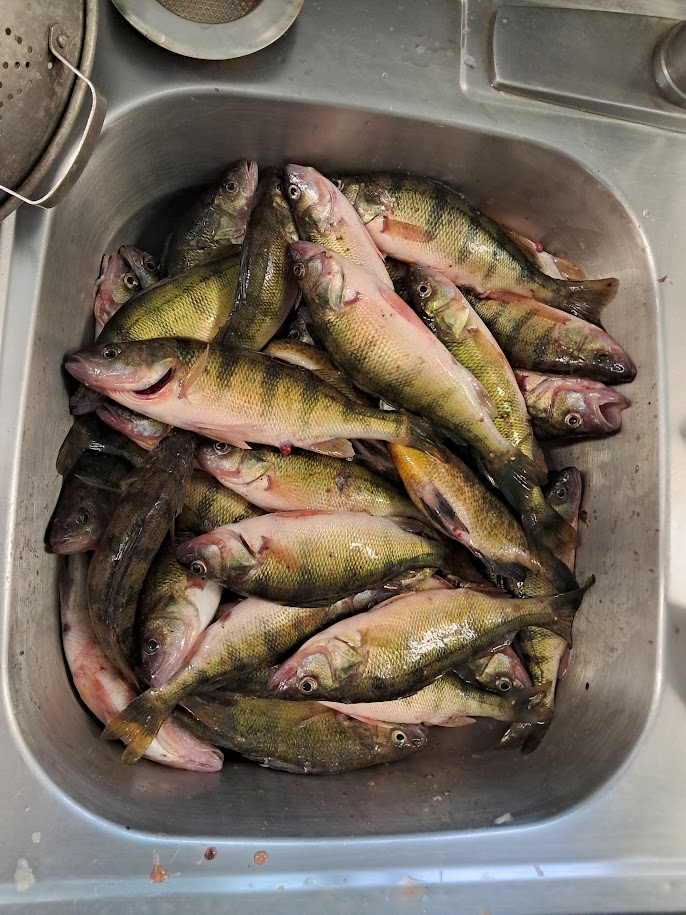
    Some of the perch we cook

    Here’s the recipe that makes it all worthwhile — simple homestead cooking at its best:

    Perfect Pan-Fried Fish Recipe (Serves 4)

    Prep time: 10 minutes | Cook time: 10 minutes | Total: 20 minutes

    Ingredients

    • 1–1½ lbs fish fillets (perch, walleye, tilapia, or catfish)
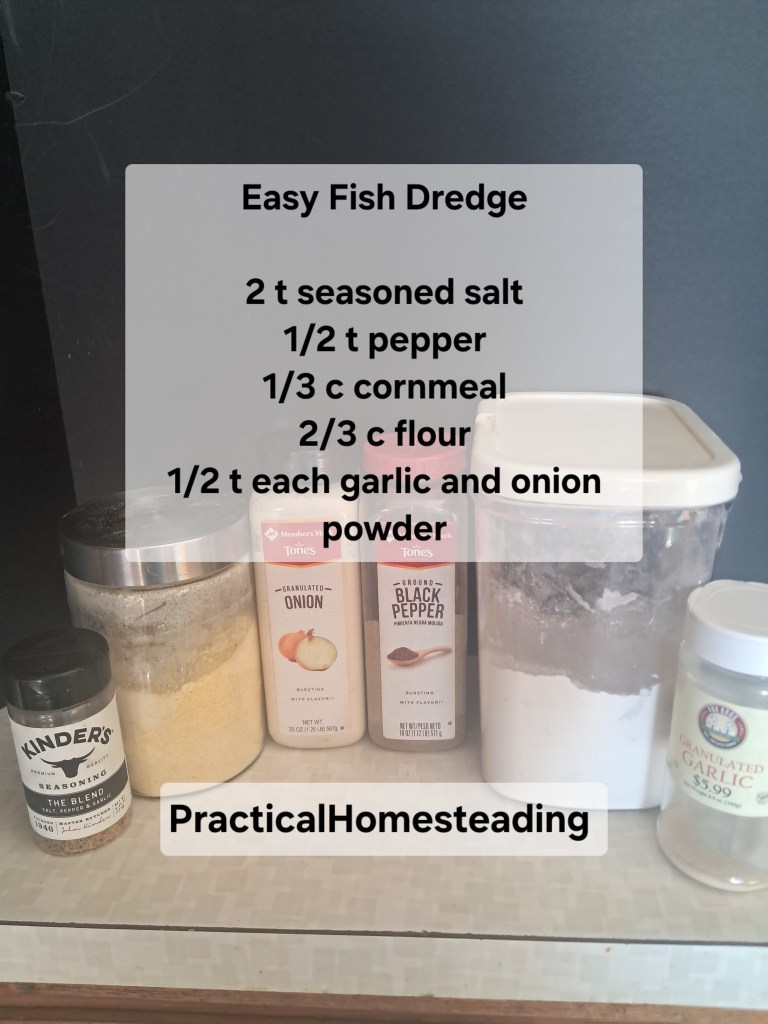
    • Dredge: ⅔ cup flour, ⅓ cup cornmeal, 2 tsp seasoned salt, ½ tsp pepper, ½ tsp garlic powder, ½ tsp onion powder
    • ¼–⅓ inch lard, tallow, or coconut oil (we use lard from our pigs)
    • Lemon wedges + tartar sauce for serving

    Instructions

    1. Prep fish: Cut into ⅛ inch (3mm) pieces. Drain but don’t pat dry.
    2. Mix dredge: Whisk dry ingredients. (My years of tweaking: more cornmeal = better crunch.)
    3. Heat skillet: Cast iron over medium-high until fat shimmers (350°F).
    4. Fry: Dredge fish, fry 3–4 min per side until golden.
    5. Finish: Drain on paper towels, salt while hot. Serve immediately.
    Pro Tips for Crispy Fish

    • Thickness: 3mm pieces cook evenly, never dry.
    • Cornmeal magic: Creates perfect crunch.
    • Hot oil: Sizzles immediately = crisp exterior.

    Serve with: Coleslaw + potatoes, homemade fries, or simple greens.

    Why This Works for Real Families

    Forgiving, fast, uses pantry staples. Whether ice fishing haul or store fillets, it delivers crispy, golden fish kids devour. Using our pig lard makes it true homestead cooking.


    Your Turn to Share

    Pan-fried fish in cast iron? Your dredge secrets? Ice fishing stories? Drop them in comments — and subscribe for more homestead recipes!

    ⭐ **Loved this recipe or ice fishing story?** Tap ❤️, drop a comment with your fish-fry tips, and share with your outdoorsy friends! Your support helps this little homestead kitchen grow. Thank you! 🐟🔥

    Loved this? Subscribe for more reflections on life:

    Read More: Mixtapes, Meltdowns, and Magic: A Family Road Trip to Remember
  • Early Signs of Spring on the Homestead (2026)

    Early Signs of Spring on the Homestead (2026)

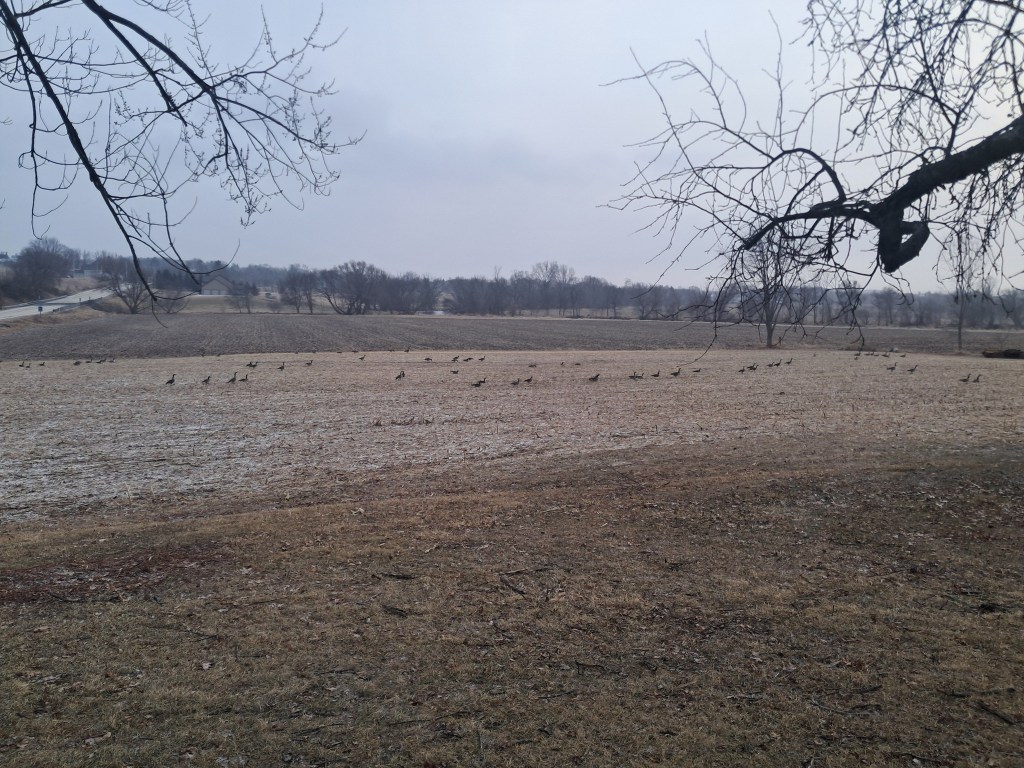
    Spring is on the move! The geese are back in our corn field, snacking on the kernels we missed last fall as they make their way north. During the day they feast here, and at night they head back to the Horicon Marsh—just two miles west of us. It’s a rhythm we’ve come to count on, almost like the turning of a calendar page that only nature can read.

    Early Spring Signs: From Geese to Goslings

    Soon the quiet honks in the distance will give way to a full chorus overhead. As their numbers grow, they become our entertainment—chasing each other away from the best spots, flapping their wings and honking aggressively. Then they will begin to form pairs.

    It won’t be long before we’re seeing those fuzzy little goslings wobbling around on unsure legs. I always smile at how they’re both awkward and perfectly at home in the world at the same time. They don’t rush their growing, they just…are. There’s a lesson in that for the rest of us, I think.

    Subtle Signs of Spring You Might Miss

    Around here, early signs of spring start small if you’re paying attention:

    • The snow melts back from the south-facing sides of buildings first, leaving little ribbons of bare ground.
    • Puddles form in the ruts of the driveway, full of reflected sky.
    • The air still has a bite to it, but every now and then, in the afternoon, there’s a softness you can feel on your cheeks. The kind of air that makes you stop and think, “Oh. It’s changing.” It’s when you know it’s time to tap the trees for maple syrup. Sap flows best at days above freezing, and nights below freezing.

    The soil starts to loosen its grip, too. Boots sink a little deeper, and you can smell that rich, damp scent of earth waking up. The barn cats linger longer in patches of sun. The chickens get a bit braver, scratching farther from the coop, as if they also sense that winter’s hold is slipping.

    The Magic of Longer Days

    I always notice the light first. The sun sets 2 minutes later each day now, stretching out the day bit by bit. Supper dishes are ready to serve while there’s still a faint glow in the west.

    That extra light brings with it a quiet invitation: to dream about the garden, to flip through seed packets, to imagine rows of green where right now there’s only brown and grey.

    First Signs of Spring in Everyday Life

    Spring on the homestead, in this in-between time, is easy to miss if you’re only looking for flowers and green grass. But if you look closer, it’s there in the geese in the field, the drip of melting snow, the mud on the boots piled by the door.

    It shows up in the way we start talking about “when it warms up” instead of “if it ever warms up.”

    What Are Your Early Signs of Spring?

    What early signs of spring are showing up where you are? Maybe it’s a certain bird call you only hear this time of year, or the first brave shoots pushing up through the cold ground.

    Maybe it’s kids trading snow pants for lighter jackets, or the way your houseplants suddenly seem a little happier near the windows.

    What’s your first sign of spring? Drop it in the comments—we’re all watching for those first hints together! 🌱

    Early signs of spring are HERE! Geese honking, sap flowing, sun lingering longer. Which first sign of spring did you notice today? LIKE + SHARE if you’re feeling that seasonal shift! 🌿

    Loved this? Subscribe for more homesteading tips:

    Read Next: Homestead Maple Syrup Making: Sugar Shack to 66 Brix Gold

  • I Sold My Dream Homestead: Why Smaller Is Better Now

    I Sold My Dream Homestead: Why Smaller Is Better Now

    Daily writing prompt
    Write about your dream home.

    I lived in my dream home once. Five perfect years on eighteen acres that felt more like a nature preserve than a homestead.

    The property sat so far back from a quiet road you could barely hear traffic. Wetlands hugged the front entrance, a half-acre pond sparkled right outside my kitchen window, and open fields rolled out behind the house. My husband and I would wander at dusk, holding hands, and catch our breath watching deer bound through the brush or minks slip through the water. Early spring mornings, we’d sip coffee at that kitchen window watching territorial geese squabble fiercely over pond space, then just weeks later cheer as fluffy goslings bobbed behind their parents. Our three-year-old thought he’d discovered paradise—he’d spend hours crouched in mud, catching frogs and running them up to the house like Olympic gold medals, muddy hands and all.

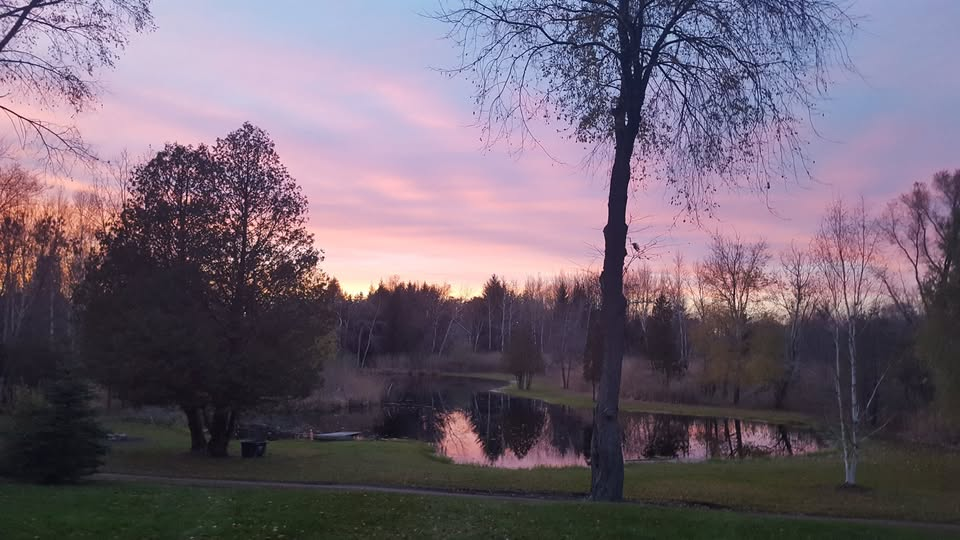
    View of our pond outside the kitchen window.

    Inside felt just as special. The split-level house sat partially underground, which kept temperatures steady through brutal summers and icy winters. Downstairs, a stone fireplace became our winter sanctuary. We’d lose entire evenings to its crackle and glow, or turn Sunday afternoons into smoky feasts—grilling chicken right there over a makeshift setup, eating straight off paper plates while the fire warmed our backs.

    Upstairs opened into something magical. Reclaimed board ceilings gave it soul. A balcony hung right over the pond view, helping me transition to work from home as I took phone calls while watching hummingbirds dart past. And the south wall? Pure windows. We called that space the plant room. On the grayest February days, I’d stand barefoot in that flood of sunlight and swear spring had snuck in early. That light. I still miss that light.

    But even dream homes come with strings attached.

    Spring rains turned our long driveway into a lake because of those front wetlands. The previous owners built it themselves, and you could tell—endless quirks and half-finished details everywhere. I called it our “teenage house.” Thirty years old. Just old enough for all the newer systems to start failing, but not old enough to have the solid bones of those century farmhouses I love.

    We stretched our budget to buy it, paying more than we planned. The shed out back could barely fit my husband’s equipment, and there wasn’t realistic room to expand. Slowly but surely, our days shrank down to just three things: parenting, working, fixing. We were running on a treadmill to justify living in paradise, too exhausted for the actual living part.

    After five unforgettable years, we made the hard call. Sold it all. Downsized to a fixer-upper we could actually afford and breathe in. Do I miss that house? Every single day. The pond at sunset. The plant room light. Our son’s frog-hunting grin.

    But here’s what we gained: homestead life with breathing room. This smaller homestead now keeps more animals than those 18 acres ever dreamed of. Our homestead garden produces more than double what we grew back then. Now, we’re outside together—hands in the dirt, teaching kids to plant, actually enjoying the slow rhythm we moved here for.

    My definition of dream homestead changed. It used to be postcard-perfect acreage and a house that bathed you in light. Now? It’s a place that fits how we actually live—room for animals, kids, projects, rest, and each other. Sometimes you walk away from your first dream home to build the homestead life that lets you actually live the dream.


    Have you ever left a “dream” situation for something better? What’s YOUR dream homestead?

    Like + share if this resonates—I’d love to hear your story below!

    Loved this? Subscribe for weekly homesteading tips:

    Read Next: Why I Chose Homesteading

  • Homestead Self-Care: The Kind of Break Every Working Mom Needs

    Homestead Self-Care: The Kind of Break Every Working Mom Needs

    Daily writing prompt
    Do you need a break? From what?

    The Kind of Break I Need

    By evening, the noise of the day hums in my head — messages blinking, dinner half‑done, kids calling, and tomorrow’s to‑do list lingering in the back of my mind. It’s a good life, full of motion and purpose. But even within this homestead rhythm, I sometimes forget to pause and simply breathe. Between work deadlines and the steady beat of feeding, teaching, and tending, it’s easy to lose sight of how beautiful this busy season really is.


    The Craving for Quiet

    And when that fullness finally catches up with me, this is what I long for: thirty quiet minutes under the stars, cocoa in hand, snow crunching softly under my boots. No phone. No decisions. No “what’s next?”—just breath and stillness.

    That kind of homestead self‑care isn’t an escape; it’s a reset. One restful hour a week—phone down, chores paused—restores me far more than any screen time ever could. Sometimes it happens after puzzle night with the kids or a cozy movie evening. Other times, I slip outside once the house quiets and the moonlight hits the frost just right.

    These small, sacred moments remind me why I chose a slow-living, family-centered life: growing our own food, raising our kids close to nature, and building community grounded in simplicity and care. Starting seeds for spring, gathering eggs in the cold, kneading bread for the week ahead—each task becomes a gift when I remember to slow down and notice it.


    Gratitude in the Pause

    When I take that pause, I notice things otherwise overlooked: the rhythm of my breath, the faint scent of woodsmoke, the gratitude warming my chest. This is the balance I crave as a working mom—not perfection, but presence. Simple living teaches me that rest and gratitude feed each other.

    It’s not really a break from my life that I need; it’s a breath within it. I don’t want to wish the busy days away. I want to celebrate them—the laughter around the puzzle table, the smell of soup simmering, the promise that the seeds I plant now will nourish us months from now.


    Make Space for Your Own Pause

    If you’re walking a similar path, try setting aside just 30 minutes this week for yourself—a short walk, a deep breath, or a quiet cup of tea. See how the noise fades when you let the earth steady you.

    Feature Photo by Kristina Shvedenko on Unsplash


    What kind of break do you crave, and what helps you remember how good your life already is? Share below ❤

    ️If this post brought a little calm to your day, share it with another working mom who could use a gentle reminder to pause and breathe. 💛

    Loved this? Subscribe for weekly homesteading tips:

      Read Next: Finding Fun in Everyday Homestead Life