Tag: building community

  • What I Complain About Most: Why Farmers Deserve More Appreciation (And How We’re Reconnecting)

    What I Complain About Most: Why Farmers Deserve More Appreciation (And How We’re Reconnecting)

    Daily writing prompt
    What do you complain about the most?

    I used to be a champion complainer—until I realized it never planted a single seed worth growing.


    I try not to complain too much. It’s a nasty habit that usually leaves me feeling worse than before I started. Instead, I try to live by the words of the Serenity Prayer:

    “God, grant me the serenity to accept the things I cannot change,
    The courage to change the things I can,
    And the wisdom to know the difference.”

    When I catch myself slipping into that spiral of frustration, I remind myself of those lines. If there’s something I can fix, I get to work on it. If there isn’t, I try to shift my perspective. Some days, that works beautifully. Other days, not so much—but it’s a practice, and a worthwhile one.


    When Passion Comes from Frustration

    Still, there are some things bigger than myself that I can’t quite let go of—issues that deserve our collective attention. That’s where my frustration tends to turn into passion.

    If you really want to know what gets me on my soapbox, it’s this: how undervalued the foundation of our society has become—the farmer.


    Lessons from the Milking Barn

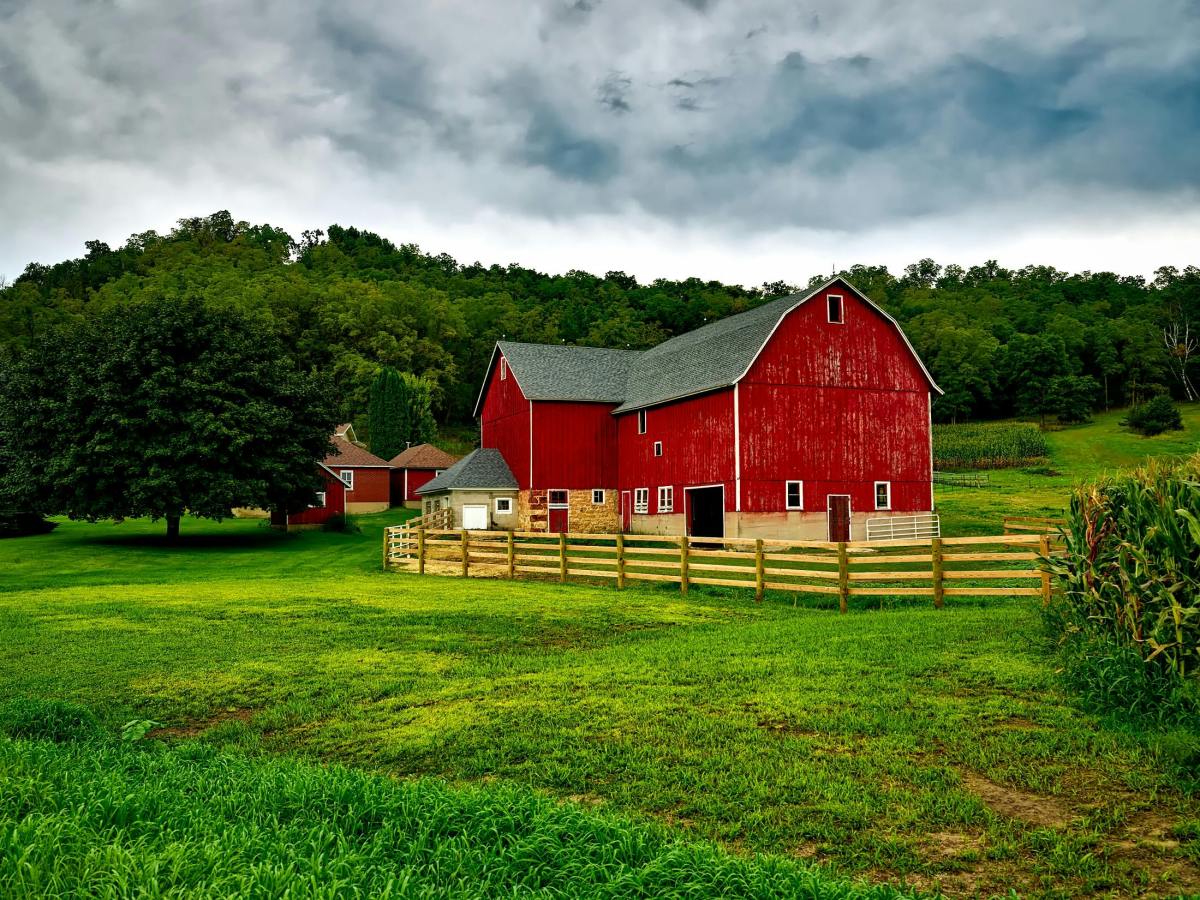
    I grew up on a dairy farm surrounded by fields, animals, and five hardworking older sisters. My dad, like many farmers, cautioned us not to follow in his footsteps. He didn’t say that out of bitterness; he said it out of love.

    He knew farming demanded endless hours, uncertain pay, and a body that rarely got a day off. The cows still needed milking before dawn, even after a night of broken sleep or if you were sick. The hay still needed to come in, even if rain clouds were gathering on the horizon. And no matter how hard you worked, the weather or the market could undo it all in a single season. With today’s global markets, that uncertainty feels even sharper than it did thirty years ago.


    The Great Disconnect

    Despite all that labor, society often treats farmers as an afterthought. We depend on them for our most basic need: food. Yet we seem disconnected from what it truly takes to put dinner on the table. It’s astonishing how quickly that disconnect happened. In just two or three generations, we’ve gone from home gardens, backyard chickens, and canning jars in the pantry to drive‑thru dinners and foods that travel thousands of miles before reaching us.

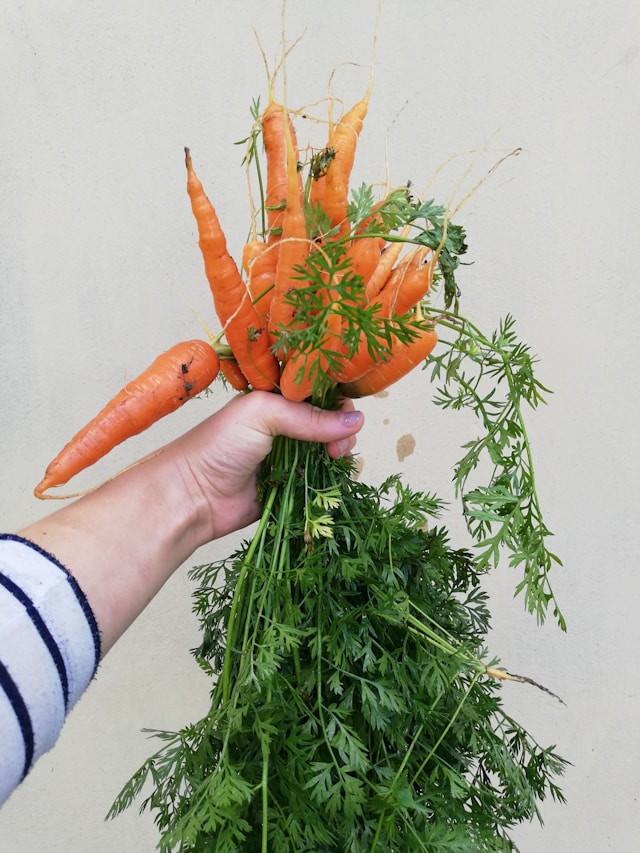
    Our modern food system is complicated. We’ve gained convenience but lost some wisdom along the way—wisdom about soil, seasons, and self‑sufficiency. Many children have never pulled a carrot from the ground or gathered a fresh egg. Even adults often feel surprised to learn where their food comes from.


    Marketing Replaces Memory

    Not long ago, I saw a potato chip bag proudly labeled “Made with Real Potatoes,” as if that were some sort of revelation. It made me laugh—and then it made me sad.

    Somewhere along the way, marketing replaced knowledge. We began trusting brands more than the soil, and food became a product instead of a shared experience. When I mentioned it on my Facebook page, people chimed in from everywhere. It turns out, so many of us feel the same way—grateful for convenience, but yearning to reconnect.


    Growing, Raising, and Reconnecting

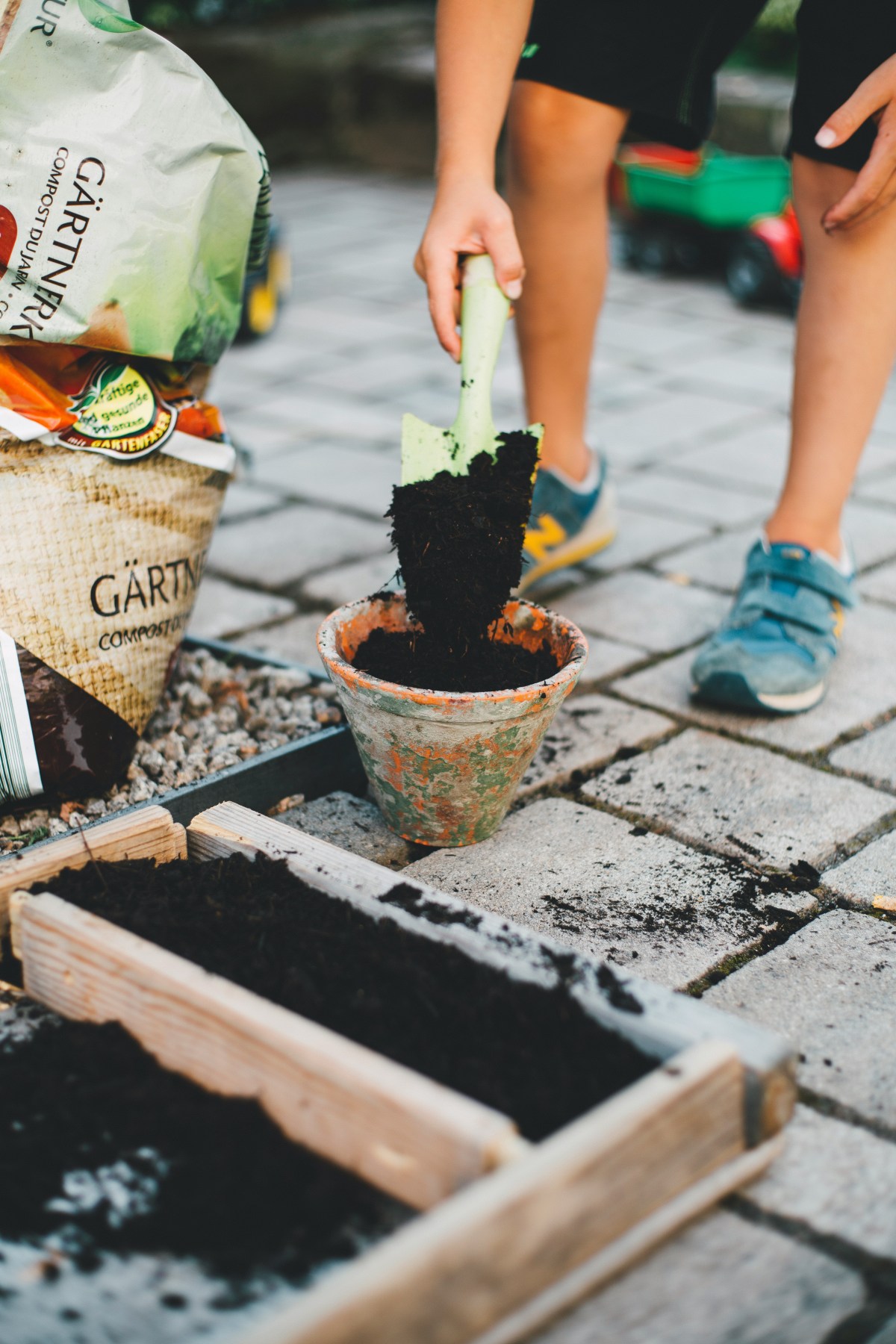
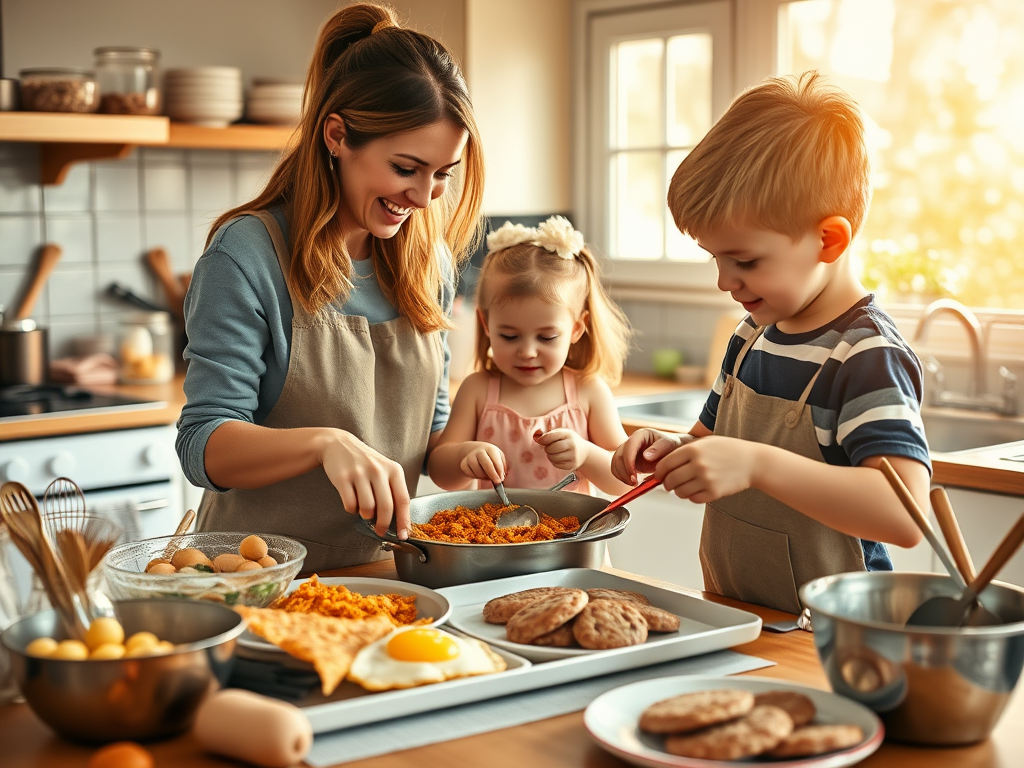
    That little moment reminded me why I care so deeply about growing food, raising kids, and building community. These things are intertwined. When children understand where their meals come from, when we grow even a small piece of what we eat, when neighbors come together to share skills, seeds, and harvests—we start to rebuild that lost connection. Even something as simple as buying from a local farmers market, planting herbs on a windowsill, or teaching a child how to cook can make a difference.

    So maybe I don’t really complain all that much anymore. Maybe what I’m doing is something better: advocating, educating, and planting small seeds of change and connection in my backyard and in my community. Because while I can’t change the world overnight, I can nurture the soil right in front of me. And that feels like a pretty good start.


    Resources I Recommend

    Disclosure: This section contains Amazon affiliate links. If you purchase through them, I may earn a small commission at no extra cost to you. Thank you for supporting Practical Homesteading!

    If this post stirred something in you, here are a few places to start learning, growing, and preserving more of your own food. I only share resources I truly find useful.

    • Read and reflect: One book that has deeply shaped how I think about food and farming is The Omnivore’s Dilemma by Michael Pollan. It follows several different meals from source to table and invites you to really consider where your food comes from and who grows it. You can buy it in my link or borrow it from your local library.
    • Learn the basics of preserving: The Ball Book of Preserving is a solid, economical place to start if you’re new to canning. It covers the fundamentals clearly without feeling overwhelming, and it’s a great first step into safe home food preservation.
    • Go deeper with more recipes: The Ball Complete Book of Home Preserving is a much more comprehensive resource, with many more recipes and techniques. It’s a bigger investment, but worth it if you discover that preserving is something you love and want to keep expanding.
    • My home preservation essentials: I’ve put together an Amazon list of tools and books I use or recommend for dehydrating, canning, and freezing food at home. You can find it here: Home Preservation Essentials.

    If you have favorite books, tools, or simple tips for beginners who want to grow or preserve their own food, please share them in the comments—I’d love to learn from you, too!


    Loved this? Hit that ❤️ if it resonated. Share with a friend who needs to hear it. Subscribe for more real talk about growing food and building community. Your support means everything!

    Related Posts
    Why I Chose Homesteading

    Working mom of 2 shares her homesteading origin story – from Wisconsin dairy farm rebel to choosing chickens, gardening and bread making. Environmental professional finds freedom in practical homesteading.

    Keep reading
  • Finding Fun in Everyday Homestead Life

    Finding Fun in Everyday Homestead Life

    Daily writing prompt
    List five things you do for fun.

    Disclosure: This post contains affiliate links. As an Amazon Associate, I earn from qualifying purchases. Thanks for supporting Practical Homesteading!


    Sometimes the best fun isn’t found in grand adventures—it’s tucked right into our everyday rhythms. Between planting seeds, raising small humans, and building community here in Wisconsin, I’ve learned that joy often hides in the ordinary moments we choose to notice.

    When the WordPress prompt asked me to list five things I do for fun, I realized how naturally my favorite pastimes reflect the life I’m trying to build: creative, connected, and full of good food and laughter.

    Reading: Pages That Connect Us

    I love to read—both to my kids and for myself. There’s something magical about those bedtime moments when little voices beg for “just one more chapter,” and I happily oblige because I want to know what happens next too. Right now, we’re working through a beloved chapter book series, and I think I’m enjoying it as much as they are.

    For my own reading, I recently joined a women’s book club here in town. It’s been such a gift—hearing other interpretations reminds me how stories have the power to connect us. One person reads about history; another sees deep family themes. That diversity of thought is what builds true community.

    When I’m curled up with a good book, a cozy blanket, and a small light that doesn’t wake the kids, it feels like a quiet luxury. A few of my current favorites (plus the book light I love) are on my Book Club Reads (and Reading Essentials) listAs an Amazon Associate, I earn from qualifying purchases at no extra cost to you.

    Writing: Turning the Ordinary Into Art

    In the same way, I love to write. Writing helps me slow down and see the beauty in the everyday—the way morning light hits a mixing bowl, the satisfaction of flour-dusted hands, the chaos and grace of raising small humans.

    My goal through this blog is to encourage others to find meaning in the daily work of nurturing families, cooking homemade meals, and building connection. Writing also helps me process this season of life and celebrate imperfect progress—both mine and others’.

    Cooking: Where Chemistry Meets Creativity

    Cooking is my happy place. I’m not a fancy baker (my pies are usually more “rustic” than refined), but I love experimenting in the kitchen. Cooking feels like both art and chemistry—mixing what’s in season or what’s grown in the garden, testing new flavors, and seeing what happens.

    Recently I brined a sirloin tip roast to make homemade corned beef, and it turned out phenomenal. Watching everyday ingredients transform into something delicious always fills me with joy. Whether I’m simmering soup from scratch or roasting vegetables from the garden, cooking feels like a conversation between the land, my hands, and the people I love.

    Having the right tools makes all the difference—I’ve gathered my go-to cookware and cast-iron favorites on my Kitchen Essentials list.

    Movies: Finding Magic in the Details

    I also love movies. Not just watching them, but appreciating the creative effort behind them—the lighting, music, and editing choices that tell the story even without words.

    I once toured the Warner Brothers studio in California, and seeing behind the scenes gave me a deep respect for the teamwork and imagination required to create movie magic. Now, when I watch films with my family, I see them differently. Add a bowl of homemade popcorn (made with our trusty popcorn maker!) and it’s one of our favorite cozy-night traditions.

    Playing and Exploring: Getting Down to Their Level

    And finally, I play—and explore—with my kids. We build towering pillow forts, race toy cars, and make snow angels when Wisconsin winter delivers a fresh blanket.

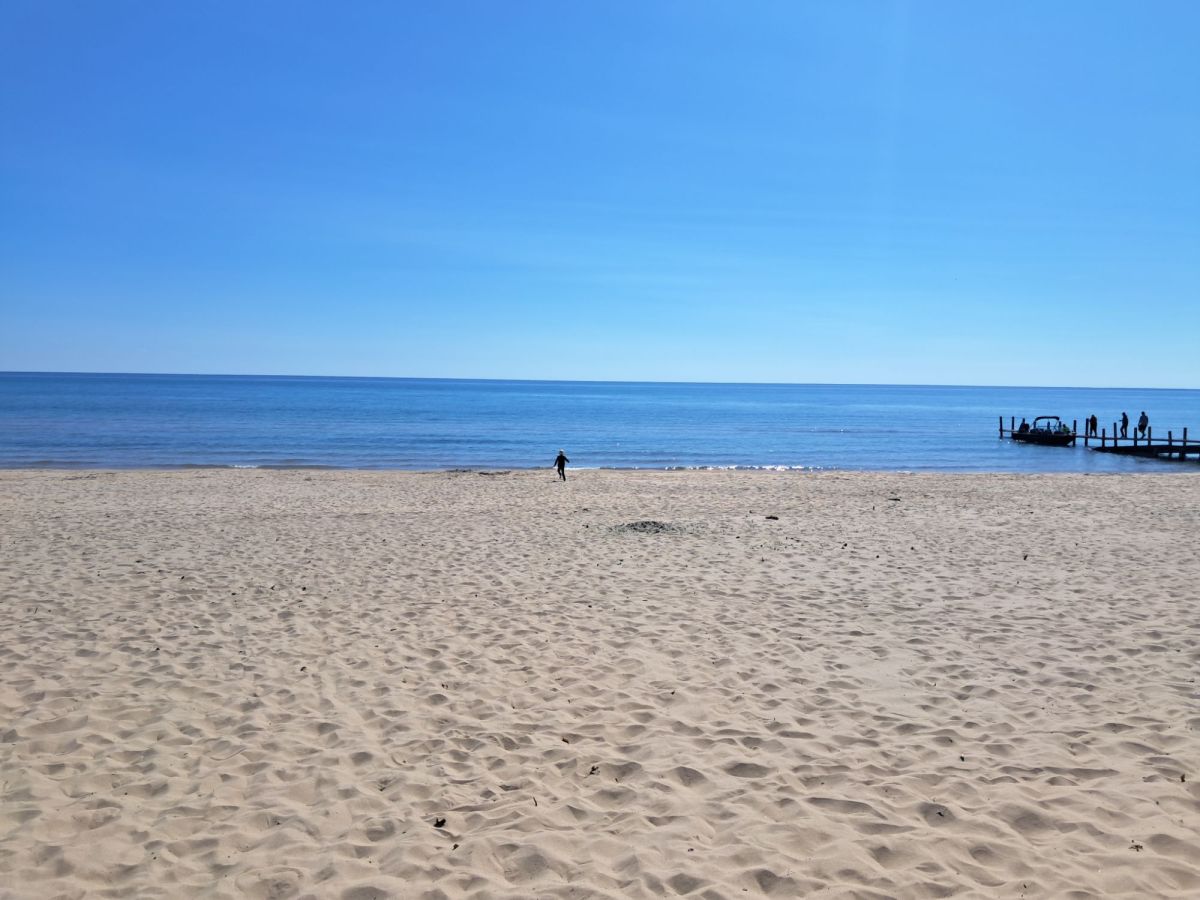
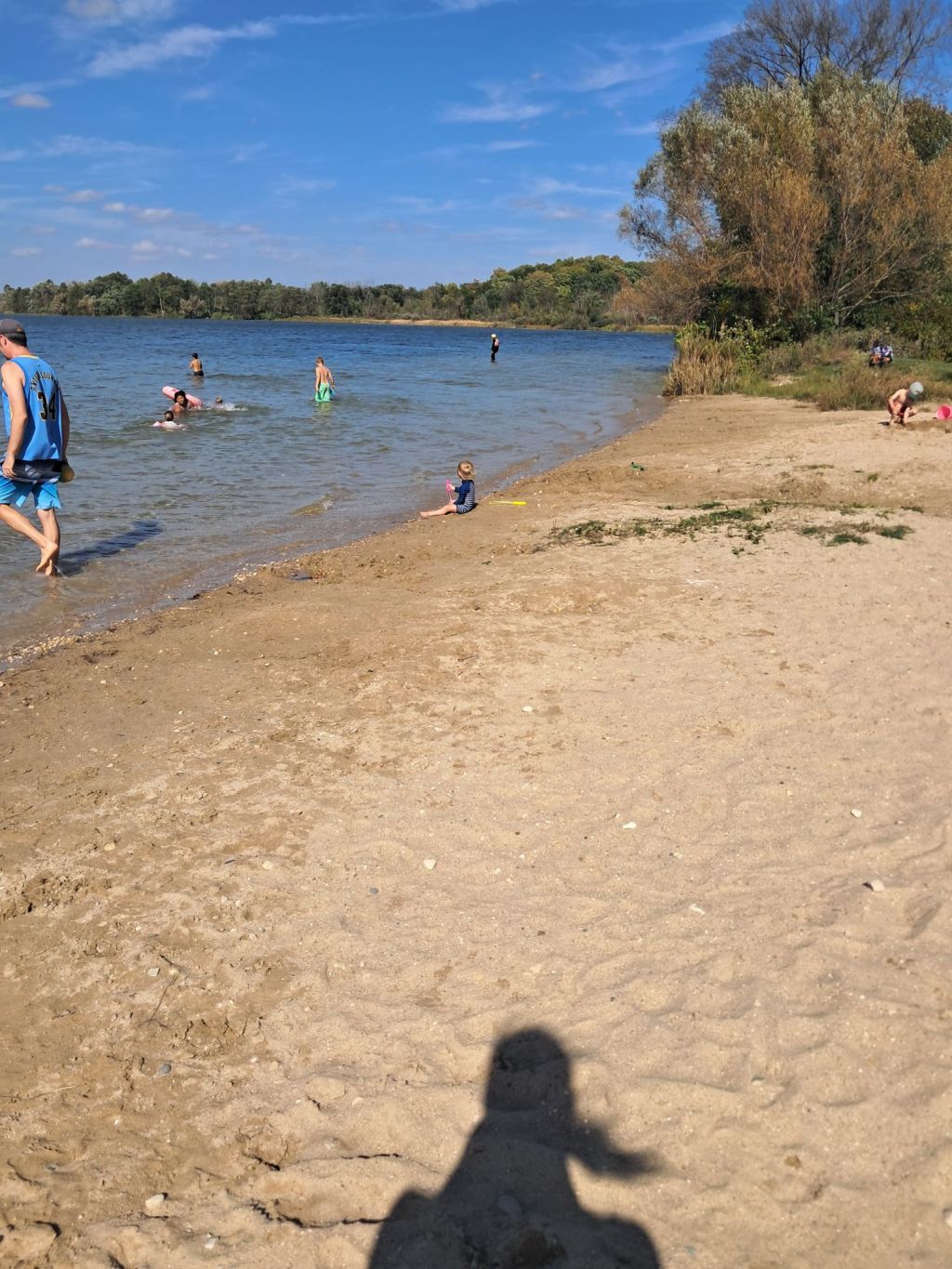
    I also make it a point to keep exploring myself. We visit the beach in summer, wander through new museums nearby, and plan one or two short trips a year. Those small adventures keep us curious and connected, reminding me that fun doesn’t have to be far away. It just has to be intentional.

    There’s something humbling and wonderful about getting down to their level, whether that means chasing waves or lying in the snow laughing. When we share those moments, I’m reminded that joy grows in the same soil as gratitude.


    These five (and a half!) things might seem simple. But reading, writing, cooking, movies, playing, and exploring together they create a life rooted in creativity, connection, and care. Whether I’m turning pages, turning phrases, or turning ingredients into dinner, every moment adds to the bigger picture. Growing food, raising kids, and building community here at home.


    What are your favorite small pleasures that make everyday life feel fun? I’d love to hear what fills your family’s days with laughter and joy.

    ❤️ Enjoyed this post?

    If you love finding beauty in everyday homestead life, make sure to like, share, and subscribe for fresh posts on growing food, raising kids, and building community. Your support helps our little online homestead grow!

    Related Posts

    A Short Drive to Heaven: Why Lake Michigan Wins for Us

    Beach or mountains? Which do you prefer? Why? The crunch of gravel echoes under the car tires as I set out for what has become a cherished ritual: a short drive to the nearest beach. It’s funny. When people ask me if I prefer the beach or the mountains, the answer isn’t as simple as…

    Keep reading
  • What Could I Do Differently?  Homesteading, Kids Chores, and Friend Connections

    What Could I Do Differently? Homesteading, Kids Chores, and Friend Connections

    What could you do differently?

    I catch myself asking this while scrubbing potatoes at the sink, weeding garden rows, or picking up blocks for the tenth time.

    On our homestead, the work never stops. But lately, I’ve seen a few clear ways to shift — not for perfection, but for more peace, presence, and real connection with the people who matter most.

    Slow My Yes. Guard My Rest.
    Here’s one big change: I’d say yes more slowly. And treat rest like a non-negotiable chore.

    Extra commitments sneak in easily — kid activities, one more property project, favors for friends. They’re good things. Until they blur our days into exhaustion.

    Rest isn’t optional. It’s fuel.

    What that looks like for us:
    – One protected family evening weekly. No plans. No screens.
    – A slower morning after big days, even if dishes wait.
    – Sometimes my best “yes” is actually no — leaving margin for what refills us.

    Pull the Kids Closer (Mess and All)
    When I’m tired, my instinct is “just do it myself.” That’s changing.

    We’ve asked our six-year-old to help clean and put clothes away. He sighs. Drags his feet through the laundry pile. Grumbles. But he does it. And when he does, my load lightens. We talk about his day while he folds socks and I straighten up the living room. We laugh when a shirt lands inside-out.

    Kids helping isn’t efficient. It’s essential.

    Those small chores build something bigger: his sense of belonging, our family rhythm, moments to actually connect instead of just managing the house around him.

    Make Space for Neighbors
    Right now, we’re looking for more neighbor friends — the kind who stop by with garden produce or help with a project. Lately, I’ve been carving out time for one friend, helping her keep up with a winter garden. We talk animals, plot cold frames, and hope for a game night soon under blankets with hot cocoa.

    That’s the kind of margin I want more of. Not just for projects, but people. The garden beds matter. But so do late talks about goats versus chickens, shared labor on a neighbor’s shed, or laughter over cards with new friends nearby.

    Real community doesn’t form on a schedule. It grows.

    What I could do differently: protect one flexible afternoon weekly for whoever shows up — the neighbor with a question about crop rotation, or someone new walking up the drive. Our homestead thrives when the people around it do, too.

    The Change That Stays
    These shifts aren’t a checklist to conquer. They’re small turns toward what matters:

    – Saying yes slower.
    – Resting on purpose.
    – Inviting kids into real chores like cleaning and clothes.
    – Making room for neighbors, not just garden rows.

    The weeds won’t stop growing. The laundry won’t vanish. But with these changes, our home could become what I picture most:

    A place where garden beds,
    kids folding tiny clothes,
    and neighbors’ boots on the porch
    all thrive side by side.


    What’s one thing you could do differently this week? Share your thoughts in the comments!

    If this post sparked a moment of thought or connection for you, please take a moment to like, share, or subscribe. Your support helps this little space of reflection and growth keep blossoming.

    Love real-life stories from the homestead? Practical Homesteading: growing food, raising kids, building community. Get honest reflections like this in your inbox.

    Related Posts