Tag: dailyprompt

  • Quiet Patriotism: Honoring German Ancestors Through Homestead Living

    Quiet Patriotism: Honoring German Ancestors Through Homestead Living

    Daily writing prompt
    Are you patriotic? What does being patriotic mean to you?

    What Quiet Patriotism Means to Me

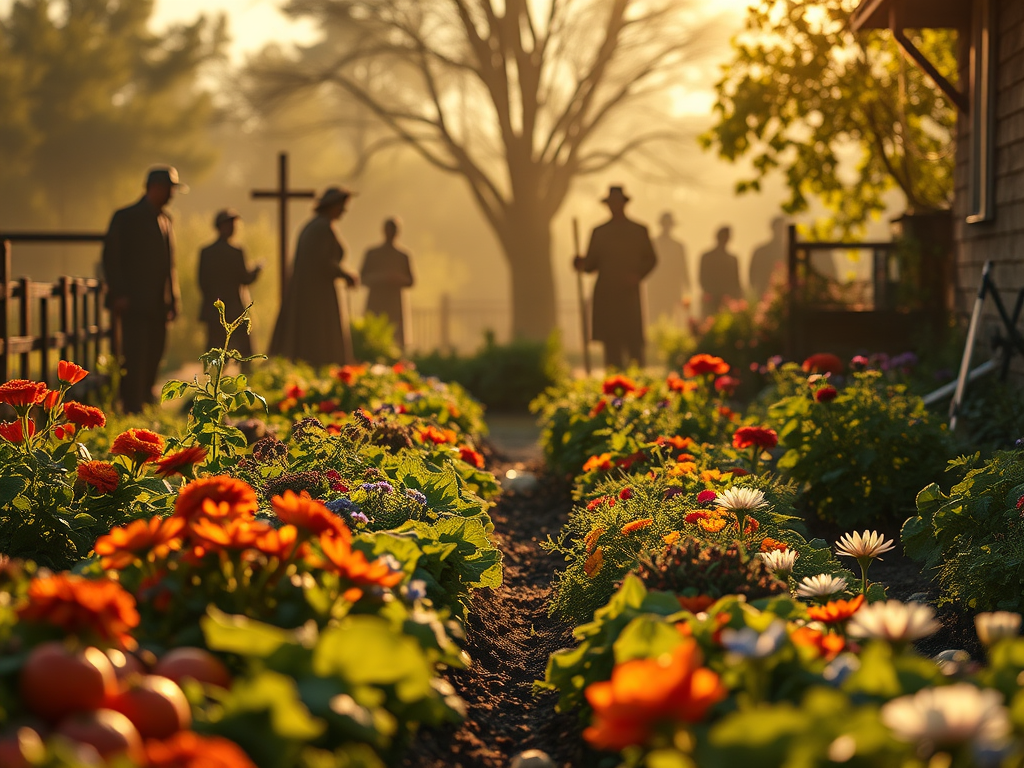
    You know how some people wear their patriotism loudly? I’m the opposite—patriotic in the quiet, everyday way. For me, being patriotic isn’t about flags or fireworks. It’s gratitude for the huge risks my family took to get here, and trying to live responsibly because of it.

    My Ancestors’ Brave Choice

    My folks came from Germany in the mid-1800s—right when Europe was in chaos. Monarchies were falling, borders were shifting, everything was consolidating. They left everything familiar—villages, language, safety nets—for a dangerous ocean crossing.

    I picture them clutching kids and trunks on crowded docks, betting everything on freedom and opportunity they couldn’t even see yet. Not just for them—for all the generations that would come after. That’s the kind of courage that humbles me every time.

    How I Honor That Sacrifice

    So true patriotism to me means stewardship. Living like their gamble was worth it. That looks like:

    • Tending my homestead garden well—working with the land
    • Being the best wife, mom, daughter, and friend I can be
    • Raising kids who get both America’s gifts and responsibilities

    Patriotism in the Everyday

    It’s not abstract for me. Quiet patriotism shows up when I:

    • Pull weeds instead of spraying chemicals
    • Teach my kid why voting matters
    • Show up for neighbors with casseroles or snow shovels

    My ancestors bet their future on this country. My thank-you is living intentionally—rooted in land, connected to family, aware of history. They crossed oceans so I could have this life. The least I can do is make it count.


    What’s YOUR quiet patriotism look like? Drop it below! ❤️ Like if ancestors’ stories resonate. 📲 Share with family who gets this.

    Loved this? Subscribe for weekly homesteading tips:

    Read Next: Bridging Time: Meeting the Courage of My Ancestors

  • Still Becoming: My Resilience Journey to Everyday Joy

    Still Becoming: My Resilience Journey to Everyday Joy

    Daily writing prompt
    If there were a biography about you, what would the title be?

    If someone ever wrote a biography about me, its title would have something to do with resilience. Maybe “Still Standing” or “The Soft Power of Survival.” Something that captures the quiet strength of getting up one more time than life has managed to knock you down.

    Learning What Strength Really Means

    I’ve walked through my share of valleys—some emotional, some physical, all life‑shaping. There were seasons when “strong” felt like a word meant for other people. Healing wasn’t graceful—it was messy and slow, but it taught me how to create light again.

    Somewhere along the way, I learned to rebuild piece by piece—to keep what still fit, to release what didn’t, and to see that growth can happen even in the cracks.

    Choosing Happiness in Ordinary Moments

    At some point, I decided despair wouldn’t be the final chapter of my story. I started choosing happiness—not the big, cinematic kind, but the quiet, everyday version. The kind that lives in my child’s small hand tucked in mine on a walk to the garden. The kind that tastes like fresh‑baked bread on a cold morning. The kind that hums through the kitchen when a favorite song plays and I can’t help but dance while stirring supper.

    Happiness, I’ve learned, isn’t about pretending everything is fine. It’s about noticing what still is.

    Finding Joy in the Process of Becoming

    If I ever saw that biography sitting on a shelf, I’d want someone to pick it up and feel hope—not because my story is extraordinary, but because it’s beautifully ordinary. Most of us are walking around carrying something heavy, and yet we still find reasons to laugh, build, nurture, and sing.

    That’s resilience to me—not perfection or endless positivity, but participation. It’s the courage to keep showing up for life, to find beauty hiding under the dust of hard days.

    So maybe the title isn’t Resilience. Maybe it’s “Still Becoming.” Because even now, I’m still learning how to turn pain into presence and ordinary days into small celebrations of joy.

    Feature Photo by Sara Bach on Unsplash


    Which ordinary moment makes you choose happiness?
    ❤️ Like if this resonated
    📲 Share with someone who needs hope today
    💬 Drop your joy anchor below—child’s hand? Fresh bread? Favorite song?

    Loved this? Subscribe for weekly homesteading tips:

    Read Next: Wooden Cross Necklace Survived Fire, Lost at Super 8

  • Why I’d Change Food Safety Laws: The Homestead Pork Processing Cost Crisis

    Why I’d Change Food Safety Laws: The Homestead Pork Processing Cost Crisis

    Daily writing prompt
    If you had the power to change one law, what would it be and why?

    Why I Would Change Food Safety Laws for Homesteaders and Small Farms

    I would change food safety laws—not to make food less safe, but to make them more personal, local, and community-centered for homesteaders and small farms who want to sell direct to their neighbors.

    Current food safety regulations overwhelmingly favor industrial giants over small-scale farmers. They’re built around the assumption that all our food comes from nameless corporations and massive processing plants located hundreds of miles away, placing all trust and responsibility out there with distant regulators. The practical result? It’s dramatically easier for a huge company to manufacture and distribute shelf-stable, ultra-processed food across the entire nation than it is for the family down the road to legally sell you homegrown pork or a backyard chicken they raised themselves with care.

    The Homestead Processing Cost Barrier

    Here’s our homestead reality: My family raises our own pigs right here on our land, pouring love and quality feed into every animal. But when it comes time to process them, the USDA processing costs make our homestead pork 3x more expensive per pound than the stuff at the grocery store. Those mandatory, government-inspected facilities charge small-batch farmers like us up to 3x higher per pound because we can’t meet their high-volume minimums. Cross one state line or trigger one additional regulation, and suddenly small farms like ours simply can’t compete with factory-farmed bacon that’s been shipped cross-country. The current system prioritizes industrial food safety over practical direct-to-consumer meat options that build real relationships.

    Why Food Safety Regulations Exist

    I completely understand why these food safety regulations exist in the first place—I read The Jungle by Upton Sinclair. The book exposed absolutely horrifying conditions in early 20th-century meatpacking plants: rats running through meat, workers falling into rendering tanks, sawdust and chemicals covering everything. Those food safety laws that followed genuinely saved countless lives and cleaned up a dangerous industry. But in the century since, ordinary people have gradually offloaded personal food safety responsibility onto those same labels, USDA stamps, and distant inspectors. We’ve largely forgotten the common-sense skills our grandparents used to judge food quality ourselves—smell, sight, source.

    Modern Food Safety Failures

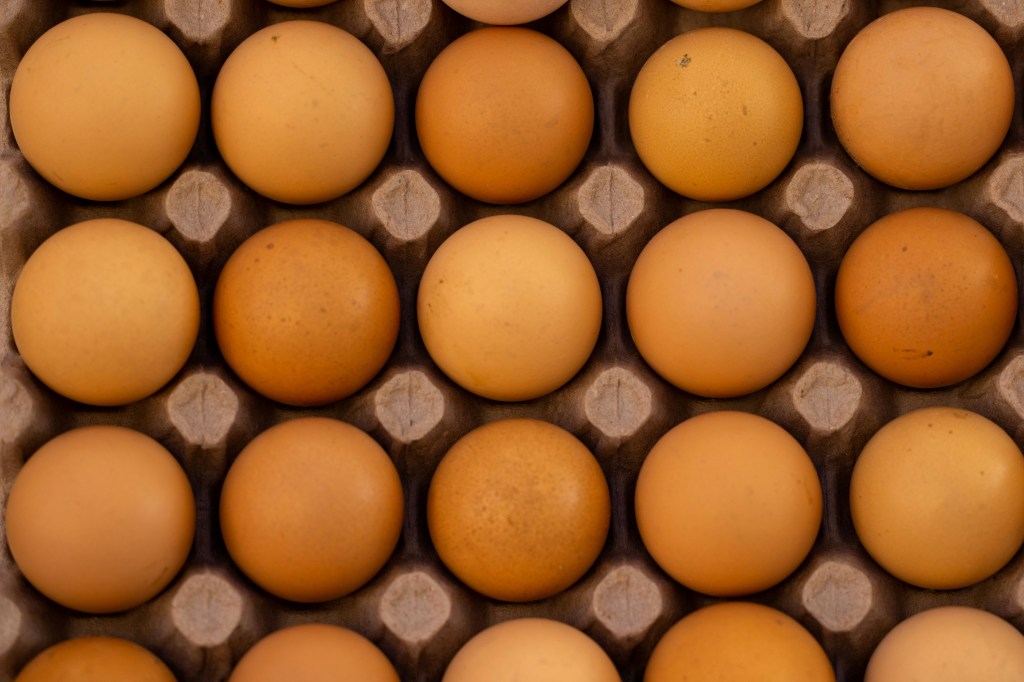
    Even with all these regulations, industrial food safety still fails spectacularly and regularly. Meat recalls, produce outbreaks, and contamination in shelf-stable items make headlines every single year—the CDC tracks 128,000 salmonella cases annually, with the vast majority tied to conventional industrial sources, not local farms. This proves knowing your food source matters more than ever, especially when “regulated” supply chains break down. Plus, fresher local food simply tastes better—don’t believe me? Crack open a factory-raised egg next to one from pasture-raised chickens allowed outside to eat grass and bugs. The deep orange yolk color, richer flavor, and firmer texture in the local egg will convince anyone on the spot.

    My Food Law Change for Small Farms

    If I could change one law, I’d create tiered food safety regulations: light-touch rules for small-scale direct sales (under 1,000 lbs/year, strictly on-farm or direct-to-consumer only) paired with mandatory honest labeling and full transparency, while keeping strict oversight for anything headed to commercial scale. This isn’t either/or—keep industrial options for convenience, unlock local for those ready. This would finally enable practical local meat processing, community butchering days where neighbors share skills and tools, and simple backyard chicken sales—without the slippery slope of scale creep into larger operations.

    Not reckless at allconsumer choice plus farm transparency (visit anytime, ask questions, see living conditions firsthand) beats blind trust in a logo every time. Custom-exempt processors already work extremely safely for personal use; we just need to thoughtfully extend that proven model.

    Reclaim Food Freedom and Community

    With smarter food safety laws, homesteaders could finally save real money by skipping expensive middlemen and mandatory big-facility processing. Families would reclaim food sovereignty through hands-on knowledge, kids would actually see where food comes from instead of just trusting packaging, and entire communities would grow stronger around this shared, meaningful work—swapping time-tested recipes, teaching traditional skills, and caring for the land in hands-on ways our great-grandparents took for granted.

    Safety comes from knowing your farmer personally, combined with those great-grandparents’ practical skills and smart, tiered rules. Better food regulations would deliver healthier eating, stronger communities, and the local food freedom we’ve quietly lost over generations.

    Feature Photo by engin akyurt on Unsplash


    Want to dive deeper? Read The Omnivore’s Dilemma by Michael Pollan—it brilliantly unpacks exactly these tensions in modern food systems.

    If this resonates with your homesteading journey, like + share to help other families reclaim their food freedom! What food law would YOU change? Drop it in the comments! 👇

    Loved this? Subscribe for weekly homesteading tips:

    Read Next: What I’d Uninvent: Addictive Convenience Foods Working Moms Hate

  • I Sold My Dream Homestead: Why Smaller Is Better Now

    I Sold My Dream Homestead: Why Smaller Is Better Now

    Daily writing prompt
    Write about your dream home.

    I lived in my dream home once. Five perfect years on eighteen acres that felt more like a nature preserve than a homestead.

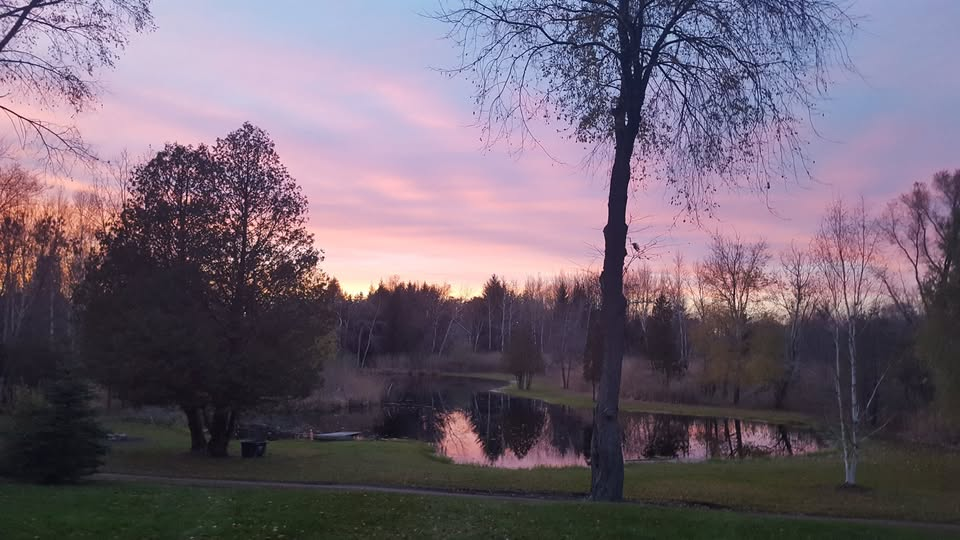
    The property sat so far back from a quiet road you could barely hear traffic. Wetlands hugged the front entrance, a half-acre pond sparkled right outside my kitchen window, and open fields rolled out behind the house. My husband and I would wander at dusk, holding hands, and catch our breath watching deer bound through the brush or minks slip through the water. Early spring mornings, we’d sip coffee at that kitchen window watching territorial geese squabble fiercely over pond space, then just weeks later cheer as fluffy goslings bobbed behind their parents. Our three-year-old thought he’d discovered paradise—he’d spend hours crouched in mud, catching frogs and running them up to the house like Olympic gold medals, muddy hands and all.

    View of our pond outside the kitchen window.

    Inside felt just as special. The split-level house sat partially underground, which kept temperatures steady through brutal summers and icy winters. Downstairs, a stone fireplace became our winter sanctuary. We’d lose entire evenings to its crackle and glow, or turn Sunday afternoons into smoky feasts—grilling chicken right there over a makeshift setup, eating straight off paper plates while the fire warmed our backs.

    Upstairs opened into something magical. Reclaimed board ceilings gave it soul. A balcony hung right over the pond view, helping me transition to work from home as I took phone calls while watching hummingbirds dart past. And the south wall? Pure windows. We called that space the plant room. On the grayest February days, I’d stand barefoot in that flood of sunlight and swear spring had snuck in early. That light. I still miss that light.

    But even dream homes come with strings attached.

    Spring rains turned our long driveway into a lake because of those front wetlands. The previous owners built it themselves, and you could tell—endless quirks and half-finished details everywhere. I called it our “teenage house.” Thirty years old. Just old enough for all the newer systems to start failing, but not old enough to have the solid bones of those century farmhouses I love.

    We stretched our budget to buy it, paying more than we planned. The shed out back could barely fit my husband’s equipment, and there wasn’t realistic room to expand. Slowly but surely, our days shrank down to just three things: parenting, working, fixing. We were running on a treadmill to justify living in paradise, too exhausted for the actual living part.

    After five unforgettable years, we made the hard call. Sold it all. Downsized to a fixer-upper we could actually afford and breathe in. Do I miss that house? Every single day. The pond at sunset. The plant room light. Our son’s frog-hunting grin.

    But here’s what we gained: homestead life with breathing room. This smaller homestead now keeps more animals than those 18 acres ever dreamed of. Our homestead garden produces more than double what we grew back then. Now, we’re outside together—hands in the dirt, teaching kids to plant, actually enjoying the slow rhythm we moved here for.

    My definition of dream homestead changed. It used to be postcard-perfect acreage and a house that bathed you in light. Now? It’s a place that fits how we actually live—room for animals, kids, projects, rest, and each other. Sometimes you walk away from your first dream home to build the homestead life that lets you actually live the dream.


    Have you ever left a “dream” situation for something better? What’s YOUR dream homestead?

    Like + share if this resonates—I’d love to hear your story below!

    Loved this? Subscribe for weekly homesteading tips:

    Read Next: Why I Chose Homesteading

  • Why I Tell Husband Great News First: Working Mom Life

    Why I Tell Husband Great News First: Working Mom Life

    Daily writing prompt
    You get some great, amazingly fantastic news. What’s the first thing you do?

    When great news hits—like that electric “you won” phone ring or the email saying my writing got published in the local paper—I find my husband first. He’s my confidante, best friend, and life partner through every homestead adventure.

    My heart’s pounding, but here’s the thing: I don’t post it on Facebook or call my best friend yet. I track him down right then—whether he’s upstairs sawing away at our renovation project, out back feeding the pigs, or in the kitchen helping our toddler reach for homemade bread.

    “Hey,” I say, grabbing both his hands, “you will not believe this.” His eyes light up instantly, then he pulls me into that familiar hug where the world just quiets. We laugh, do a silly jig right there amid chicken chores or pancake batter splatters—letting that joy multiply before telling the kids.

    Working Mom’s Homestead Wins
    On our homestead, big wins—like selling our pigs at market, getting my writing published locally, or nailing that sourdough starter—feel bigger shared soul-to-soul first. No fanfare needed, just us. Then we plan the family celebration: hamburgers on the picnic table under our maple tree, homemade ice cream under summer stars.

    That’s our slow living rhythm. News shared heart-to-heart first builds everything else—family cheers, neighbor toasts, grateful posts. He grounds my excitement into something lasting, reminding me why we chose this simple, connected homestead life.

    Four reasons he’s always first: Instant emotional anchor. Turns “my” news into “our” victory. Sets joyful tone for kids. Keeps our homestead priorities straight.


    So tell me—who’s your first call when great news hits?

    If this resonated with you, please like and share with others.

    Loved this? Subscribe for weekly homesteading tips:

    If this resonated with you, please like and share with others.

    Loved this? Subscribe for weekly homesteading tips:

    Read Next: The Men Who Shaped Me: Love, Marriage, and Life Lessons from Our Homestead

  • From Gilmore Girls to Growing Food: My Homestead Mom Journey

    From Gilmore Girls to Growing Food: My Homestead Mom Journey

    Daily writing prompt
    Are there any activities or hobbies you’ve outgrown or lost interest in over time?

    Yes, I’ve outgrown my pre-kids habit of Gilmore Girls marathons on quiet evenings.

    My Pre-Kids Gilmore Girls Habit
    Back then, entire Saturdays disappeared into couch time with coffee and comfort shows. It filled the silence when my days felt empty. But I’d always surface feeling guilty—wanting more from my time but stuck in the cycle of TV marathons to beach days.

    Motherhood’s Homestead Mom Journey
    My son (and later daughter) arrived and rewrote my busy mom routine. Beach walks replaced Netflix queues—we’d chase waves and hunt seashells, sandy toes and all. Late-night binging became kitchen nights—flour-dusted noses, kneading pasta dough together while singing silly songs. Quiet alone time transformed into side-by-side seed starting, their tiny fingers pushing basil seeds into soil, then cheering their first sprouts.

    Seed Starting with Kids Changed Everything
    Now our homestead garden feeds us—those basil pots grew into tomatoes, beans, onions. This motherhood shift brought fresh air through beach walks, creative connection through cooking together, and patience through gardening my children can touch.

    No guilt now—just full days growing food, making memories, building our slow living mom rhythm. My pre-kids evenings served their purpose. This hands-on homestead chapter? It’s what my heart was made for.

    Feature Photo by Khanh Do on Unsplash


    What’s one habit you outgrew after kids? Share below—I’d love to hear your transformation story!

    If this resonated with you, please like and share with others.

    Loved this? Subscribe for weekly homesteading tips:

    Read Next: Playing for Keeps: Cozy Winter Game Nights for Family and Friends

  • My Dark Chocolate Weakness

    My Dark Chocolate Weakness

    Daily writing prompt
    What’s your favorite candy?

    Dark chocolate is my weakness—though I’m admittedly picky about it. I’ll pass on Tootsie Rolls every time; if I’m going to spend my sugar budget, it has to be the good stuff. Smooth, rich, melt-on-your-tongue chocolate feels like a tiny luxury in the middle of an ordinary day.

    Every once in a while, a plain Hershey’s bar hits the spot, especially if it’s cold from the fridge or melted into a s’more. But most of the time, I reach for something a little more special: a square of salted dark Ghirardelli that snaps perfectly when you break it, a decadent truffle, or a Theo bar with just the right balance of bitter and sweet. One small piece after a long day of work, kid chaos, and dishes feels like a quiet little celebration I don’t have to share.

    Feature Photo by Tetiana Bykovets on Unsplash


    What is your favorite candy?

    Please like this if you enjoy the good chocolate too.

    Loved this? Subscribe for weekly homesteading tips:

    Read Next: Homestead Self-Care: The Kind of Break Every Working Mom Needs

  • Homestead Self-Care: The Kind of Break Every Working Mom Needs

    Homestead Self-Care: The Kind of Break Every Working Mom Needs

    Daily writing prompt
    Do you need a break? From what?

    The Kind of Break I Need

    By evening, the noise of the day hums in my head — messages blinking, dinner half‑done, kids calling, and tomorrow’s to‑do list lingering in the back of my mind. It’s a good life, full of motion and purpose. But even within this homestead rhythm, I sometimes forget to pause and simply breathe. Between work deadlines and the steady beat of feeding, teaching, and tending, it’s easy to lose sight of how beautiful this busy season really is.


    The Craving for Quiet

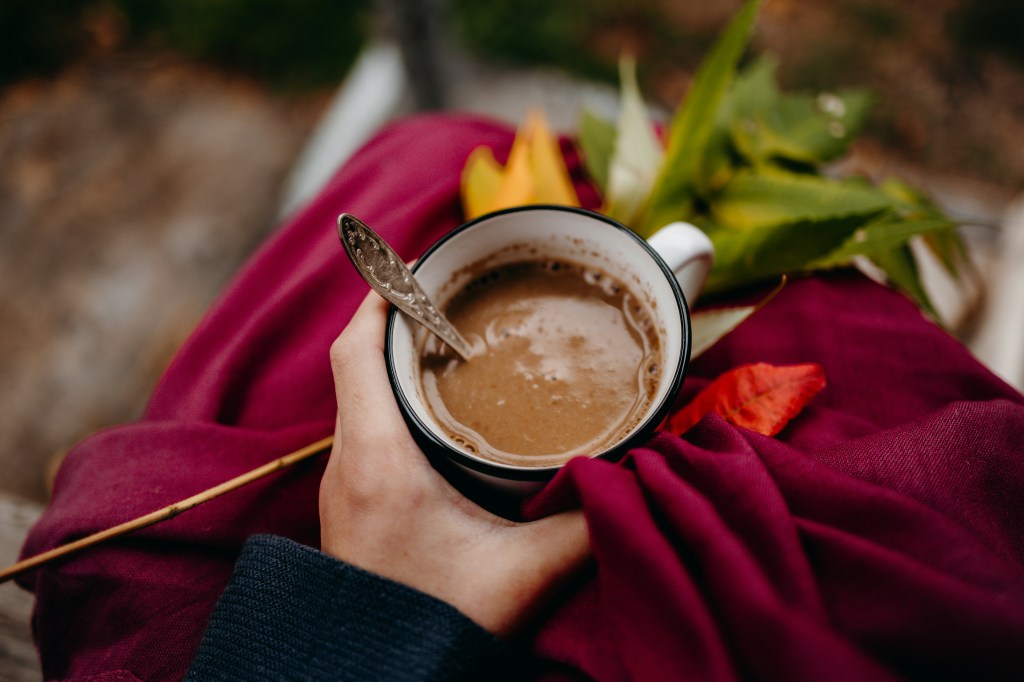
    And when that fullness finally catches up with me, this is what I long for: thirty quiet minutes under the stars, cocoa in hand, snow crunching softly under my boots. No phone. No decisions. No “what’s next?”—just breath and stillness.

    That kind of homestead self‑care isn’t an escape; it’s a reset. One restful hour a week—phone down, chores paused—restores me far more than any screen time ever could. Sometimes it happens after puzzle night with the kids or a cozy movie evening. Other times, I slip outside once the house quiets and the moonlight hits the frost just right.

    These small, sacred moments remind me why I chose a slow-living, family-centered life: growing our own food, raising our kids close to nature, and building community grounded in simplicity and care. Starting seeds for spring, gathering eggs in the cold, kneading bread for the week ahead—each task becomes a gift when I remember to slow down and notice it.


    Gratitude in the Pause

    When I take that pause, I notice things otherwise overlooked: the rhythm of my breath, the faint scent of woodsmoke, the gratitude warming my chest. This is the balance I crave as a working mom—not perfection, but presence. Simple living teaches me that rest and gratitude feed each other.

    It’s not really a break from my life that I need; it’s a breath within it. I don’t want to wish the busy days away. I want to celebrate them—the laughter around the puzzle table, the smell of soup simmering, the promise that the seeds I plant now will nourish us months from now.


    Make Space for Your Own Pause

    If you’re walking a similar path, try setting aside just 30 minutes this week for yourself—a short walk, a deep breath, or a quiet cup of tea. See how the noise fades when you let the earth steady you.

    Feature Photo by Kristina Shvedenko on Unsplash


    What kind of break do you crave, and what helps you remember how good your life already is? Share below ❤

    ️If this post brought a little calm to your day, share it with another working mom who could use a gentle reminder to pause and breathe. 💛

    Loved this? Subscribe for weekly homesteading tips:

      Read Next: Finding Fun in Everyday Homestead Life

    1. The Smartphone That Keeps My Homestead and Working Mom Life Together

      The Smartphone That Keeps My Homestead and Working Mom Life Together

      The most important invention in your lifetime is…

      The most important invention of my lifetime? The smartphone—my love-hate lifeline that keeps my homestead, work, and kids from spinning apart.

      Some mornings, I gather eggs between work calls just to catch my breath. By bedtime, the glow of a screen competes with story time and the sound of rain outside our farmhouse window. Some days, the constant ping of notifications makes me want to toss the thing straight into the compost pile.

      But here’s the truth: that little screen helps me grow food, raise kids, and build community in ways younger me couldn’t have imagined. That connection keeps the loneliness of rural life at bay.

      I hunt for fresh ways to use up garden produce, share turkey videos with faraway friends, and text neighbors to swap garden tips or photos of the first spring seedlings. After sharing my post on how to plant onion seeds, it’s been fun seeing those early sprouts push through the soil. It’s the perfect reminder that growth takes time. When our chicks struggled to hatch last year, a quick YouTube search saved both the day—and the chicks.

      Digital tools blur the line between work and home—but that overlap keeps me grounded. In this modern era of homesteading and family life, connection is survival—it’s how we share ideas, find support, and remind each other that the mess and magic of everyday life are worth it.

      Feature Photo by Adrien on Unsplash


      What invention helps you juggle the chaos of working motherhood and homesteading life? Share your must-have tool or favorite homestead app in the comments below!

      If this resonated with your own mix of work calls, garden chores, and bedtime stories, please like this post. Share it with another mom trying to balance homesteading and real life.

      Loved this? Subscribe for weekly homesteading tips:

      Next Read: How Teams + Chickens Power My Work-from-Home Mom Life

    2. An Ideal Summer Day of Simple Homestead Living With Family

      An Ideal Summer Day of Simple Homestead Living With Family

      Daily writing prompt
      Describe your most ideal day from beginning to end.

      Simplicity isn’t about doing less — it’s about noticing more. My ideal day on our little homestead is built around that truth. It’s a day where time stretches wide, full of laughter, sunshine, and slow, simple living.


      Morning Calm and Connection

      The day begins the way I love best — with toddler kisses, a sleepy hug from my six-year-old, and my husband beside me. Before the world fully wakes, we take a quiet moment to breathe together. There are no alarms, no emails, no errands pulling us away. The only plan is to move through the day at a gentle rhythm, enjoying each other’s company and the sweetness of home.


      Breakfast and the Beauty of Routine

      Breakfast is a family affair. My husband gathers eggs while I grind coffee beans and brew a fresh pot. The kids take their favorite jobs — cracking eggs (usually with some shell), preparing pancake batter, and frying bacon. We cook with the windows open, sunlight pouring in and the sound of birds joining our morning conversation.

      The meal is simple and colorful: fresh eggs, pancakes, and bacon from last year’s pigs. It takes longer, but it’s richer in every way because we do it together.


      Hands in the Dirt, Hearts at Ease

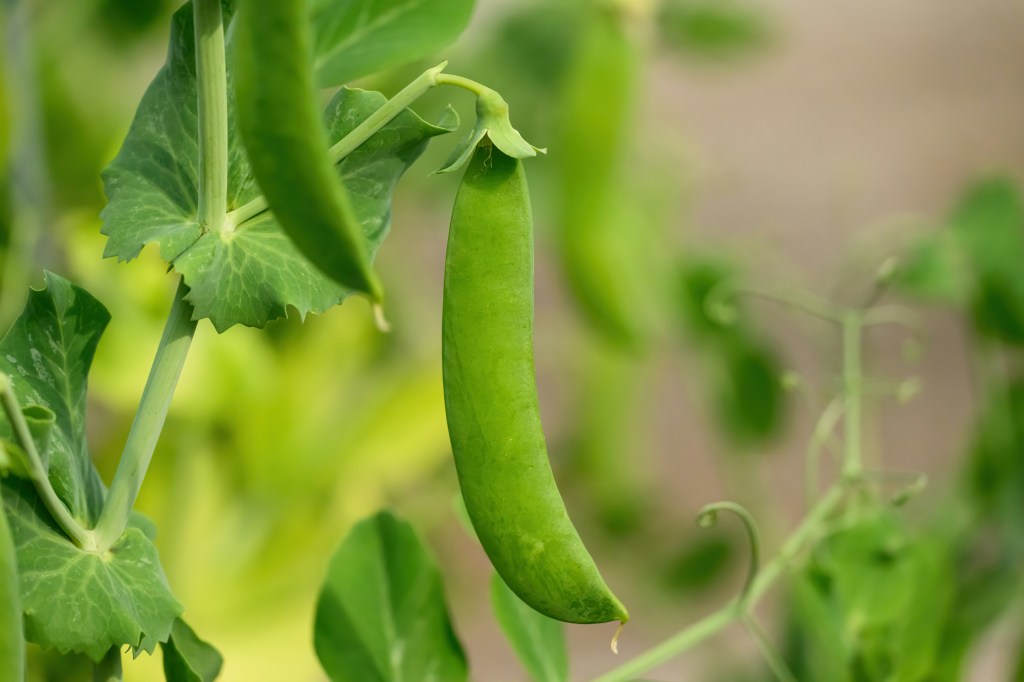
      After breakfast, my husband heads out to refill the animals’ water tanks and check the garden fences. Meanwhile, the kids and I harvest what’s ready — sun-warmed tomatoes, crisp cucumbers, and snap peas that rarely make it to the kitchen. We feed the chickens, pick up toys outside, and pause often to feel the warmth of the day settling in.

      The work hums softly in the background; it’s grounding, steady, and quietly joyful — the soundtrack of homestead life.


      Raising Kids on a Homestead

      By late morning, the chores shift to play. We might pack up for an outing — a trip to the library or a shady walk by the Horicon Marsh — or stay close to home and make our own adventure. My husband and son might build something simple, like a birdhouse or garden trellis, while my daughter and I mix water, flower petals, and herbs in the “mud kitchen.”

      These are the moments where raising kids on a homestead feels magical — learning through exploration, imagination, and plenty of sunshine.


      Building Homestead Community

      Around noon, our neighbor stops by with a bag of fresh Amish bakery treats. He stays for a half hour just to chat at the kitchen table while the kids dart in and out. We sip lemonade and trade stories about gardens, weather, and local goings-on.

      These spontaneous visits are at the heart of homestead community — the easy, come-as-you-are friendships that summer invites. When he heads out, we make a quick lunch of garden sandwiches and homemade pickles, laughing over whose plate is the messiest.


      The Rhythm of Slow Living

      The afternoon drifts by in that perfect blend of rest and play. My toddler naps, the older one curls up with a book or joins my husband hoeing the garden, and I steal a few quiet minutes with a book on the bench outside our door. Later, we cool off in the sprinkler, make homemade popsicles, or pick raspberries from the patch.

      The hours stretch unhurried — each one filled with that golden kind of peace slow living on a homestead offers.


      Simple Suppers and Summer Evenings

      As evening settles, supper becomes another shared project. My husband fires up the grill while I toss a big garden salad and slice the first broccoli of the season. The kids set the picnic table beneath the maple tree. We eat outside, barefoot and happy, surrounded by the hum of summer — crickets chirping, bees buzzing, and the sky fading into soft pink.

      After dinner, we linger. Sometimes it’s s’mores over the firepit, other nights it’s catching fireflies or telling stories under the stars.


      The Gift of Enough

      When the kids are asleep, my husband and I share a quiet moment on the park bench — two cold beers, warm night air, and a shared silence that says, “This is exactly where we’re meant to be.”

      These days remind me that simplicity isn’t a destination; it’s a daily choice — a rhythm we return to when life feels too loud. Most of us don’t get many days like this, but even small pieces of them are enough to steady the heart.

      This is my ideal summer day: no deadlines, no projects, no rush. Just the four of us growing food, raising kids, building community, and living a simple homestead life that teaches us how beautiful “enough” really is.

      Feature Photo by Michelle Tresemer on Unsplash


      💬 Tell me about your ideal summer day! What does simple living look like in your home or community? Share your thoughts or your favorite summer traditions in the comments — I love hearing how other families find joy in the everyday.

      💚 If this post resonates with you, please like and share this post to spread the message of simple, grounded living.

      Loved this? Subscribe for weekly homesteading tips:

      Next Read: Saturday Morning Family Breakfast: A Recipe for Togetherness