Tag: dailyprompt

  • Learning to Pause: How Doing Less Reacting Creates More Peace (for You and Your Kids)

    What could you do less of?

    Reacting.

    For much of my life, I treated every perceived slight as a call to arms — as if every misunderstanding demanded an immediate defense. But I’m learning that not everything needs my reaction. Some moments only ask for my attention.

    When I feel wronged, my body responds before my mind catches up. My heart races, my jaw tightens, my breath shortens. The instinct to protect myself flares fast and fierce.

    Lately, I’ve been practicing the pause — noticing the sensations instead of obeying them, letting the surge of emotion roll through before deciding what to do next. That pause has become sacred space — small, but expansive enough for clarity to enter.

    I ask myself: Did they mean to hurt me? Do I really need to defend myself here? Will reacting make anything better?

    Most often, the answer is no. And honestly, reacting rarely makes me feel better anyway. It usually leaves me drained, guilty, or frustrated — the kind of heaviness that lingers long after the heat of the situation fades.

    Still, this is very much a work in progress. I can — and do — get swept up sometimes, especially when my basic needs aren’t met. When I’m tired, hungry, or stretched too thin, that low, buzzy restlessness takes over and patience slips away faster than I’d like. In those moments, old instincts roar back to life. The difference now is that I notice sooner. I recover faster.

    Recognizing my own patterns — especially when I’m depleted — has made me more compassionate with my kids when they’re overwhelmed too.

    When they hit their own emotional storms — those tearful, trembling tempests that feel larger than life — I try to steady myself first. I hold them close, breathe with them, and search for what might help: a hug, a quiet corner, a change in tone.

    Sometimes I get it right. Sometimes I don’t. But every time, the goal is the same — to model calm before correction, connection before control.

    So I breathe. I soften. I let the first wave of reaction pass, both theirs and mine. What remains feels powerful — not because it conquers emotion, but because it transforms it.

    Doing less reacting isn’t passivity. It’s a practice — a daily choice to protect peace over pride, to pause long enough to hear what really matters.

    Day by day, breath by breath.

    If this resonates with you, take a moment today to notice your next emotional wave — big or small — and give yourself the gift of a pause. Observe before reacting. Then share your experience in the comments or pass this piece along to someone who’s also learning to slow down, breathe, and choose peace over impulse. And subscribe for more personal reflections and self-improvement.

    Related Posts

    The Morning I Chose Connection Over Correction

    My mom was in the hospital, I wasn’t sleeping, and the stress had nowhere to go. So I poured it onto my five-year-old son. Every morning before preschool, I’d launch into lectures from the driver’s seat—how he should control his feelings, how he should handle surprises better, how he needed to “do better today.” He…

    Keep reading

    Breaking the Yell: Mastering My Temper

    What is one thing you would change about yourself? I used to think changing my looks—maybe my hair or my nose—would fix everything and make me happier. But life taught me otherwise. The one thing I’d truly change is how quickly stress hijacks my emotions. Overwhelm turns into impulsive anger when my perfectionism meets chaos.…

    Keep reading

    Growing Together in Small Moments

    It had already been a week that stretched me thin. One of those weeks where fatigue doesn’t just live in your body—it seeps into your spirit. Each day stacked heavier than the last. Even small inconveniences pressed harder than they should have, like tiny weights layered until my shoulders ached. By Thursday, I was frayed…

    Keep reading
  • The Worst Resort Ever: How My Family Turned Crisis Into Connection and Gratitude

    What positive events have taken place in your life over the past year?

    When my mom called her three-week hospital stay “the worst resort ever,” we laughed—a little nervously, but genuinely. That’s just who she is: tough as nails with humor for armor. The “resort” came with a 24-hour staff, questionable cuisine, and, as she joked, “the world’s least relaxing accommodations.” Her wit kept us sane when fear started to creep in.

    Those three weeks stretched into months. Days blurred—in and out of the hospital, school drop-offs, late-night worry, and the exhausting act of pretending I was fine. My son picked up on my tension, his small frustrations echoing emotions he couldn’t yet name. My daughter, just learning to walk, toddled through the chaos—a daily reminder that life moves forward whether you’re ready or not.

    In the thick of it, my husband was my anchor. He absorbed my anxiety without complaint, reminding me to breathe when my thoughts tangled into knots. Sometimes he listened. Sometimes he made me laugh. Always, he was there—steady, patient, grounding me when everything else felt like quicksand.

    My dad carried his own quiet strength. Despite long days, he drove the hour to see Mom four or five times a week with a gallon of 2% milk riding shotgun. He’d take a swig now and then—old farmer habits die hard. One of my sisters often joined him, their conversations stretching across miles of highway. I joined when I could, and those drives became our therapy sessions. We talked about everything and nothing. Some days, silence said enough. His constancy humbled me—proof that love doesn’t always speak; sometimes it just keeps showing up.

    Ma, on her liquid diet—when she could eat—still managed to make everyone laugh. She rated her hospital broth like a food critic. Even from a hospital bed, she made humor feel like an act of defiance.

    Somewhere in the middle of all this, I found my way back to writing. What began as venting turned into something more—a way to turn chaos into meaning. When I started sharing my words, nervous but hopeful, people responded. Strangers became friends. Writing became a bridge back to others and a lifeline to myself.

    Then came my sisters—the surprise support team I didn’t know I needed. What started as a group chat for Ma updates turned into our daily outlet of laughter and love. We share memes, encouragement, and family gossip, keeping each other afloat. That digital thread has become our shared heartbeat, buzzing with life even on the hardest days.

    When the storm finally eased, light crept back into our days. Mom’s health steadied. My son learned patience for his big feelings. My daughter’s baby steps turned into joyful runs. My husband and I rediscovered laughter, and the house felt warm again.

    The fearful year ended in gratitude—messy, exhausting, transformative gratitude. I learned that strength isn’t silence; it’s presence. Sometimes it’s cracking a joke when you want to cry or reaching for someone’s hand when you can’t stand on your own. The “worst resort ever” ended up teaching us the best lessons on love, resilience, and the healing power of laughter.

    If this story resonated with you, don’t forget to like, share, and subscribe for more reflections on family, resilience, and finding humor in hard seasons. Your support helps others find comfort in shared stories of hope.

    Related Posts

    The Endless Night

    The digital clock on my nightstand glows an accusatory 2:13 AM, its red numbers burning my retinas.  As I roll over for the thousandth time, the sheets tangle around my legs.  My bedroom, once a sanctuary, has become a prison cell.  The familiar outlines of furniture loom in the darkness, taking on sinister shapes in…

    Keep reading

    The Morning I Chose Connection Over Correction

    My mom was in the hospital, I wasn’t sleeping, and the stress had nowhere to go. So I poured it onto my five-year-old son. Every morning before preschool, I’d launch into lectures from the driver’s seat—how he should control his feelings, how he should handle surprises better, how he needed to “do better today.” He…

    Keep reading
  • The Morning I Screamed at an Opossum: Funny Country Life Lessons in Parenthood and Coexistence

    The Morning I Screamed at an Opossum: Funny Country Life Lessons in Parenthood and Coexistence

    Do you ever see wild animals?

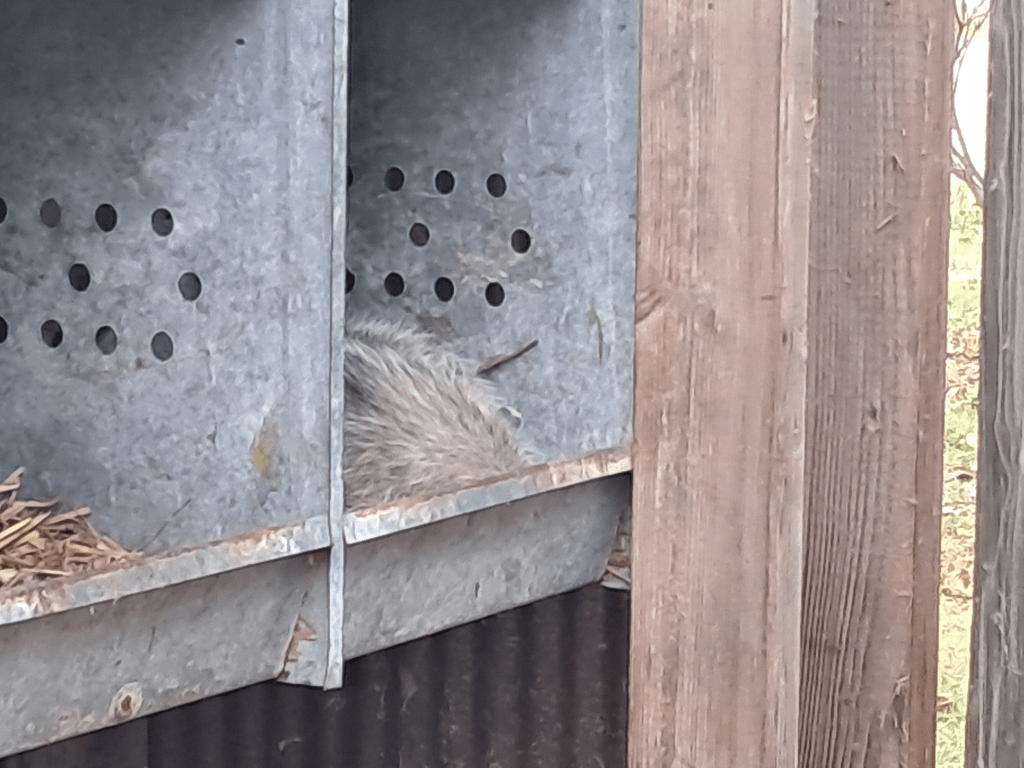
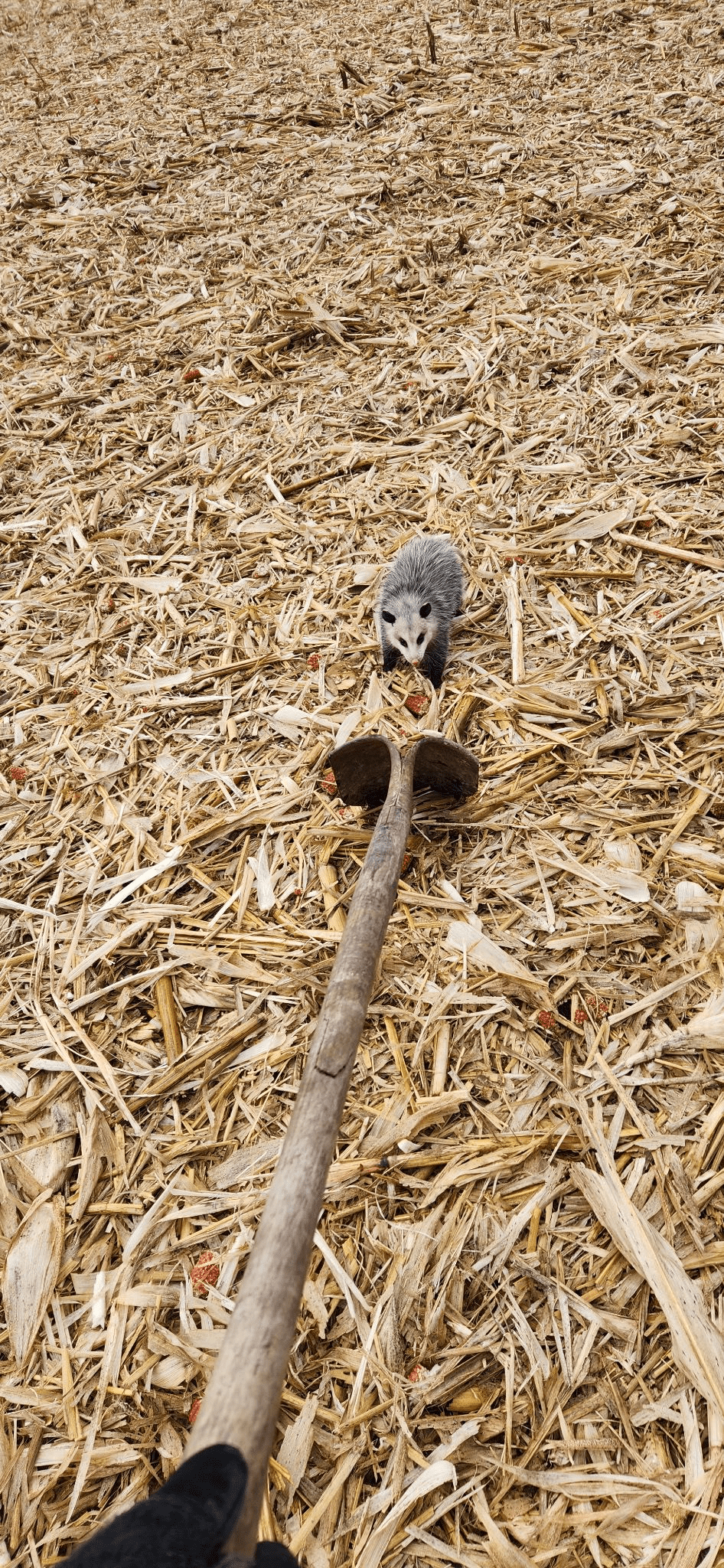
    When I opened the chicken coop that morning, I wasn’t expecting to scream. But I did—three times, to be precise. Feathers flew, the hens panicked, and my heart nearly jumped clear out of my chest. When the dust settled, I identified the culprit: an opossum, curled up in the nesting box, snoring like a tiny, gray squatter. My pulse thundered, but the little thing didn’t stir. Apparently, I was the only one on the verge of collapse.

    After the raccoon incident last spring, I had reason to be jumpy. They’d once reached through a wire mesh and pulled baby chicks right out—a brutal lesson in how clever nature can be when it’s hungry. Around here, nature keeps its own rules—and they aren’t always gentle. So when an opossum showed up snoozing beside our hens, my instincts kicked in. Unfortunately, “brave wildlife wrangler” wasn’t on my resume that morning—I had to put my toddler daughter down for a nap. My sister, however, was the right person to call.

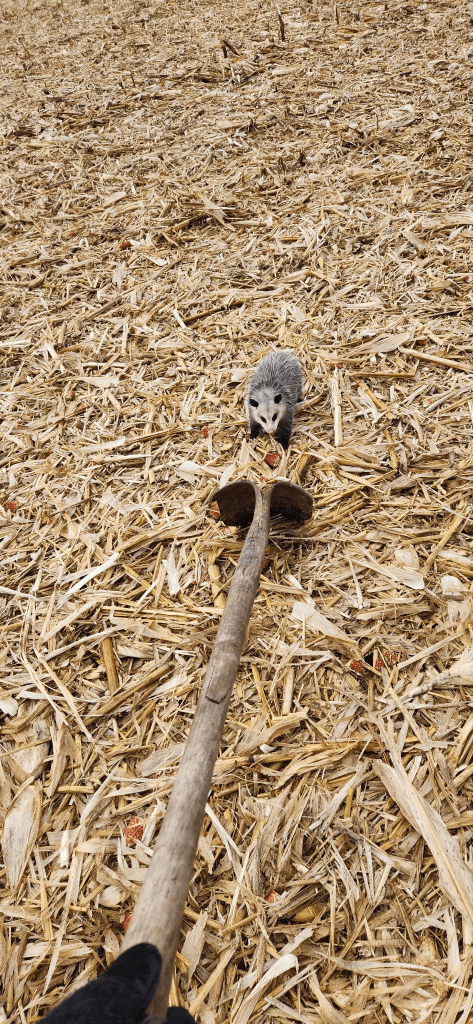
    She arrived an hour later, shovel in hand, wearing the calm expression of someone who has handled worse. Without hesitation, she opened the back door of the coop, nudged the opossum awake, and guided it—shovel-first—outside. The little creature hissed in protest, baring tiny teeth, but my sister never flinched. One scoop later, it landed outside, shuffled under an old farm implement, and vanished. The hens went back to clucking. My sister went home victorious. I finished nursing my daughter to sleep, pretending this kind of thing was perfectly normal.

    Truthfully, it kind of is. Our land is constantly playing host to surprise guests. The woodchucks treat the woodpile like a duplex. Raccoons stage midnight banquets and leave muddy little handprints like criminal calling cards. Deer glide across the fields, angelic in the moonlight, until morning reveals the carnage in our cornfield. It’s a full-time exercise in humility.

    But over time, I’ve learned that living this close to the wild means surrendering a little control. The yard isn’t just ours; it’s a shared space with creatures who couldn’t care less about ownership or order. While raccoons steal, deer trample, and opossums nap in the henhouse, they somehow teach patience and perspective. Parenthood’s a lot like that too—messy, unpredictable, full of surprises that hiss when disturbed—but beautiful all the same.

    That morning in the coop didn’t make me braver, exactly, but it made me grateful. Coexistence isn’t neat or noble—it’s loud, imperfect, and occasionally armed with a shovel. The wild doesn’t ask permission; it just shows up, dares you to scream, and reminds you that even the chaos is part of the story.

    If this story gave you a laugh—or made you think twice before opening your chicken coop—give it a like. Share it with a friend who loves a good rural adventure. Subscribe for more tales from life on the slightly wild side.

    Related Posts

    If You Buy Your Wife a Chicken

    If you buy your wife a chicken, she’ll inevitably need a coop. If you build your wife a coop, she will need some feed. If you think ground feed is too expensive, you need to buy a tractor, corn planter, grain drill, and combine. If you plant too much grain to feed the chickens, she’ll…

    Keep reading

    Sourdough Bread

    To me, sourdough is both fascinating and frustrating.  How can something based only on simple pantry staples:  flour, water, and salt, result in such a delicious cornerstone food of society?  Once you attempt your first few loaves, you begin to understand.  There’s a certain alchemy in the starter, the captured yeast on which the success…

    Keep reading
  • What the World Taught Me About Home

    What the World Taught Me About Home

    Do you have a favorite place you have visited? Where is it?

    The place I love most isn’t on any map. It’s not a landmark or an exotic beach, but it’s the center of everything I’ve learned about belonging. When I trace the path to it, I travel through every memory that once made the world feel both huge and intimate.

    I remember a quiet afternoon on a Pacific beach in El Salvador—the crash of waves against the sand, the sun melting into the horizon, my first taste of discovery outside the familiar. The ocean taught me that beauty can silence everything, even thought.

    In Glacier National Park, I learned that wonder thrives in stillness. My parents and soon-to-be husband and I climbed along the Going-to-the-Sun Road, chasing glaciers that remained just out of reach. A mountain goat appeared on the rocks as we paused, breathless. In that hush between sky and earth, I understood that some connections—like some landscapes—reveal their depth only in silence.

    Las Vegas was the opposite of quiet. My sister and I rode an outdoor escalator lit by neon, laughing at nothing. I held a beer, feeling halfway mischievous, halfway adult. The city taught me that joy doesn’t need purpose—it simply asks to be felt.

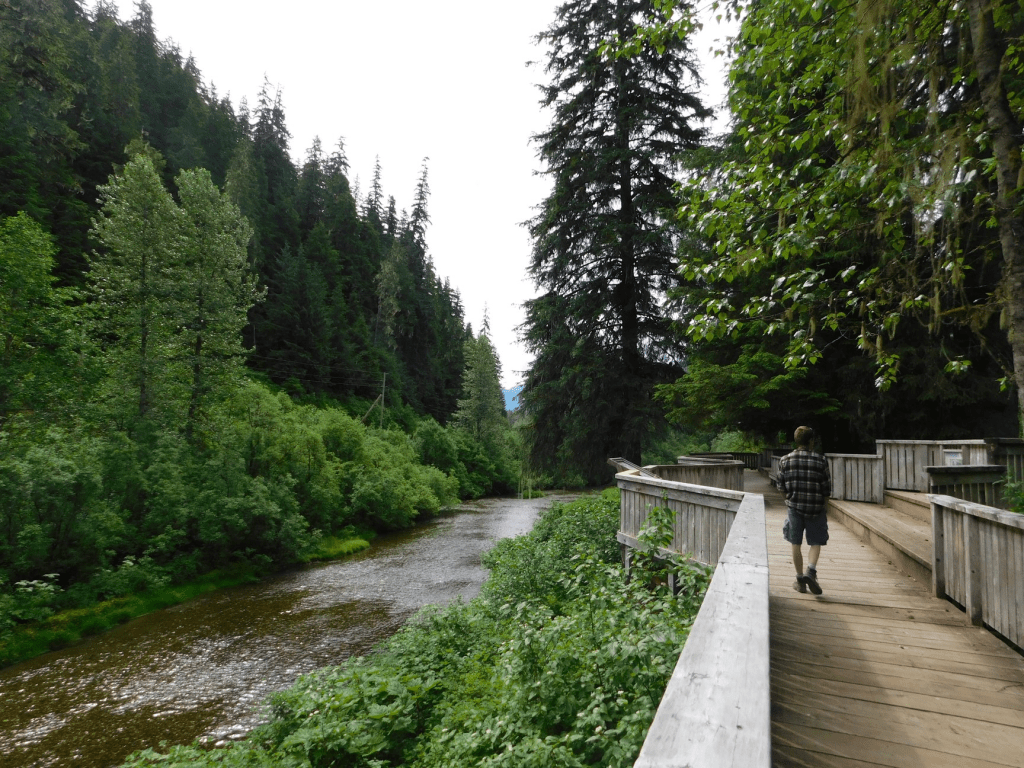
    Then came Hyder, Alaska, on our honeymoon. We walked a boardwalk beside a still river, two weeks too early to watch bears catching salmon. But the air smelled of ocean and pine, and the stillness felt earned. There, I realized peace is less a destination than a rhythm you carry home.

    All those places remain with me—freedom, quiet, joy, peace—woven into the life my husband and I have built. Our home hums with life: a garden bursting with vegetables, pigs rooting in the dirt, chickens scattering across the yard, our children’s laughter rolling through the air. The world feels small here, in the best way, and full of meaning.

    Sometimes, as evening settles in, I imagine a fireplace flickering in the corner—an extra measure of warmth for all that already glows. Because here, in this home stitched together from every place I’ve loved, every sunset feels both familiar and new, as if the journey never really ended—it just found its hearth.

    If these words made you think about your own favorite place—or what “home” truly means—share them with someone who might need the reminder. If you’d like to read more reflections like this, remember to like and share. Subscribe for future stories about finding beauty in the everyday.

    Related Posts

    My Most Beautiful Place in the World

    If you could live anywhere in the world, where would it be? Before dawn, I awoke to toddler kisses on my cheeks and the faint crow of a rooster calling the day to begin. The scent of coffee drifted through the kitchen as my husband and I eased into the morning. Our six-year-old son stirred…

    Keep reading

    Where the Red Fern Grows and the Sprinkler Flows

    The moment I stepped outside in the morning, sweat prickled down my back:  a warning that today would be a scorcher. The thermometer already hovered above 90 degrees, and the rest of the day promised no relief. My husband would be gone this afternoon, off helping family with farm chores, leaving me alone with our…

    Keep reading

    The Quiet Wealth of These Fields

    Welcome to the rural economy—where value isn’t counted in cash but in connections. Beneath the wide-open sky, where grain silos and fence posts stitch the land into neat parcels, the real currency is not minted or printed. It’s grown and built, raised and traded. Trust, hard work, the barter of honest services and handmade goods.…

    Keep reading
  • Curiosity in Motion

    Curiosity in Motion

    Share five things you’re good at.

    When I pull a forgotten vegetable from the back of the fridge and turn it into lunch, I’m reminded of something deeper about myself. I love the challenge of making something worthwhile out of what might otherwise go to waste. That instinct—to look, think, and try again—connects many of the things I do well. My strengths don’t always fit neatly together, and each carries its complications. However, they shape how I learn, love, and live.

    Self-Reflection
    I’ve always been good at analyzing my actions. After any conversation or decision, my mind replays each detail. What did I say? How did people react? What could I have done differently? Self-reflection helps me grow and maintain harmony with others. The downside? I sometimes lie awake at night, stuck in loops of overthinking. But I’d rather wrestle with too much awareness than drift through life without it. Reflection keeps me grounded and connected—to myself and to the people I care about.

    Making the Most of Resources
    I take real pride in making something out of nothing. Whether it’s stretching a budget or reinventing leftovers, I see potential where others might see waste. Just recently, I rescued leftover turkey bound for the garbage. I turned it into turkey dumpling soup—comforting and thrifty all at once. There’s joy in transforming scraps into sustenance. Sure, a few experiments have gone sideways over the years, but most end up nourishing both body and spirit.

    Love of Learning
    Books have always been my favorite adventure. I devour all kinds—self-improvement, history, fiction, science—and never tire of discovering something new. My husband and I trade recommendations, and our six-year-old son has caught the curiosity bug too. Right now, he’s fascinated by the Titanic and Nova. Our living room is often alive with questions, research, and excitement. Occasionally, I crave a low-effort evening in front of a screen. However, learning rarely feels like work—it feels like fuel for my mind and heart.

    Acting Quickly to Solve Problems
    When a problem pops up, I seldom stay frozen. I research fast, decide fast, and act even faster. It’s a trait that propels me forward but sometimes frustrates my husband, who prefers more deliberation. One October, tired of waiting for him to pick a spot to plant garlic, I finally chose one myself. My decision complicated his spring tilling. Looking back, I smile at the reminder that progress sometimes grows out of impatience. Action, even imperfect, has its rewards.

    Experimentation
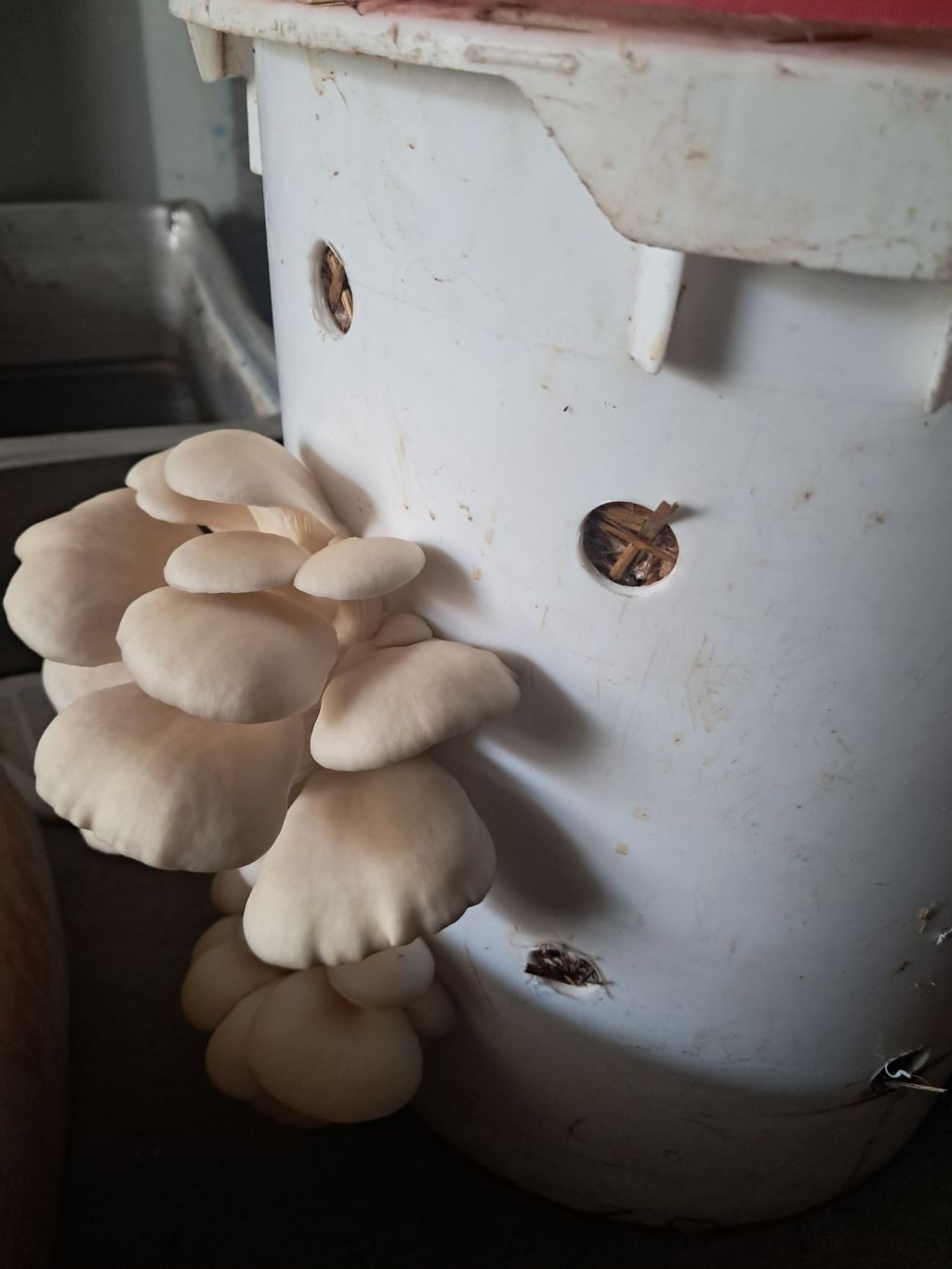
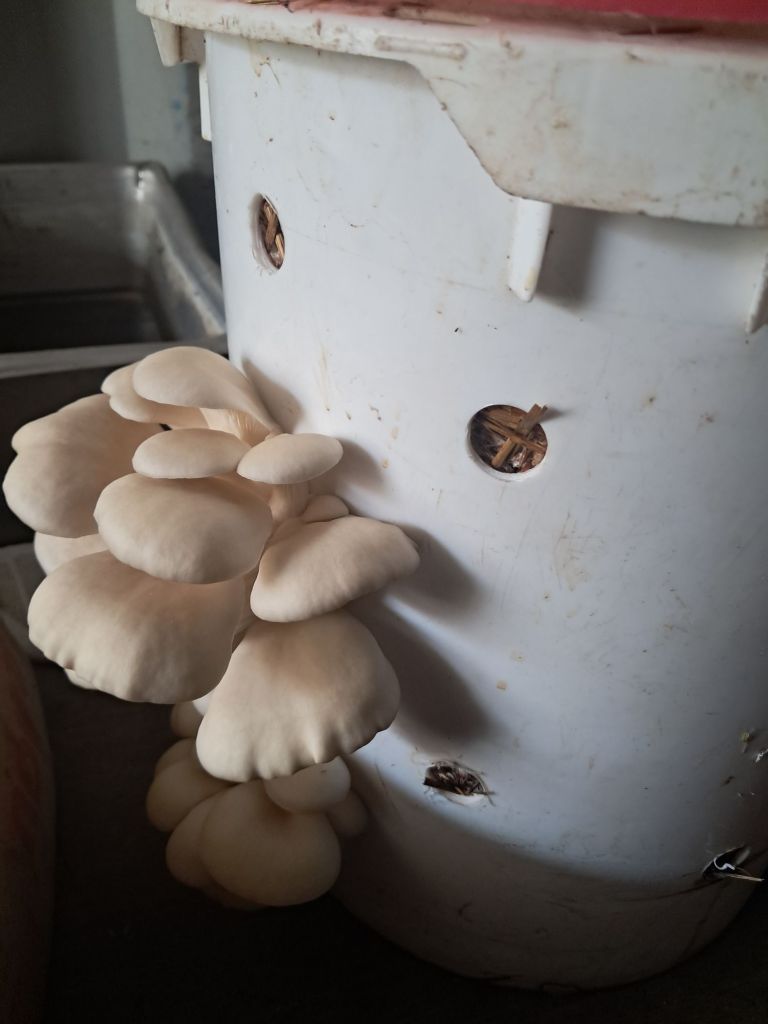
    Above all, I’m an experimenter. I believe life is meant to be touched, tested, and transformed. This year, I took on mushroom cultivation—because starting with one variety felt too cautious. I grew oyster, wine cap, and shiitake mushrooms. The oysters thrived, the wine caps refused to fruit, and the shiitakes are still waiting for spring. Whether something succeeds or fails, I find meaning in the process. Curiosity keeps my world growing in unexpected directions.

    Bringing It All Together
    Reflection, resourcefulness, learning, decisiveness, and experimentation—each one fuels the others in its own looping rhythm. Reflection deepens learning; learning sparks curiosity; curiosity invites action; and every action offers new insight to reflect upon. Being good at many things isn’t about mastering them all. It’s about staying open to possibility, allowing skill and spirit to evolve side by side.

    I’d like to pass on a willingness to think, try, and turn even life’s leftovers into something worth savoring. Perhaps my greatest experiment of all is unfolding every day. I’m raising two children who see the world as one big opportunity to learn, question, and grow.

    If this post resonated with you, don’t forget to like and share it. Please subscribe for more reflections on creativity, learning, and everyday life’s quiet experiments.

    Related Posts

    The Forgotten Resource

    Every homestead has secrets, but sometimes you uncover far more than you had expected. On the day we officially moved onto our new property, I thought I knew what sustainability looked like:  careful choices, eco-friendly habits, mindful living. Yet, as we settled into our new land, the barns and outbuildings became a sort of blind…

    Keep reading

    Fifty Lemons and a Lesson in Waste

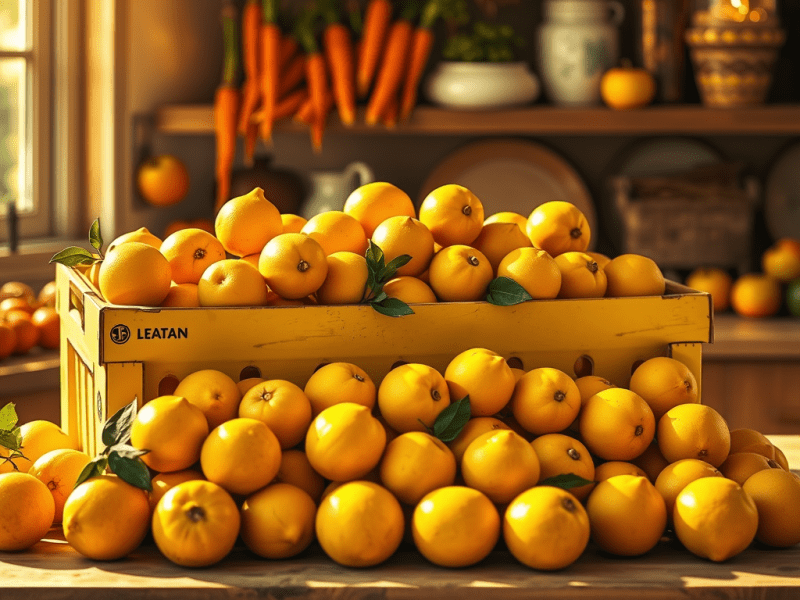
    A reflective homesteading essay about turning fifty rescued lemons into food and connection. Learn how small choices and mindful reuse can reduce the 40% of food wasted in America every year.

    Keep reading

    Learning from the Three Sisters

    Ancient Wisdom, Modern Lessons The “Three Sisters” — corn, beans, and squash — show what true collaboration looks like. Rooted in ancient Indigenous wisdom, this companion-planting method isn’t just sustainable; it’s a living model of balance. Corn stands tall and strong, offering the beans a natural trellis. The beans return the favor, fixing nitrogen that…

    Keep reading
  • Breaking the Yell: Mastering My Temper

    What is one thing you would change about yourself?

    I used to think changing my looks—maybe my hair or my nose—would fix everything and make me happier. But life taught me otherwise. The one thing I’d truly change is how quickly stress hijacks my emotions. Overwhelm turns into impulsive anger when my perfectionism meets chaos. That’s when I feel out of control.

    Growing up, I watched a loved one explode over little things like a misplaced tool, a late dinner. He would yell until the air felt thick with tension. I remember my stomach twisting in knots, so tight that I couldn’t eat. I swore I’d never damage my own kids that way, but without tools, I repeated the pattern.

    One evening after a brutal workday, my husband mentioned the dishes in the sink. My pulse hammered, chest tightened, and my voice sliced through the quiet kitchen with unfair frustrations. Silence fell heavy; his hurt eyes met mine, regret burning like acid in my throat. We talked it through later, but the sting lingered, echoing that childhood fear of becoming the yeller.

    Having children gave me endless chances—both challenges and opportunities—to practice controlling that fire. Their small mistakes and big emotions test my patience constantly. Each time I slip up, I try harder the next day. I use tools like deep breathing to catch my rising anger. Exercising keeps stress in check. I also maintain healthy habits to keep my resilience strong. More than anything, I am learning to stay curious about my own flaws. I keep open, listening carefully to feedback. I try not to shut down or get defensive. It’s slow work, but progress is real.

    Yesterday, my 6-year-old came home crabby, slamming his backpack down; I felt my own irritation rising, matching his sharp tone. But I paused—chest rising and falling with deep breaths—while my 2-year-old daughter watched wide-eyed. Kneeling down, I asked what he needed, validating his grouchiness but setting a calm boundary: no yelling. Knowing he craves sensory squeezes, we launched the “burrito game”. I took turns rolling them tight in blanket burritos on the couch, “baked” them with goofy warmth, then “ate” them with tickles. For 15 minutes, their giggles echoed as growls turned to belly laughs, stress melting into connection. The warmth of their laughter filled the room, a vivid contrast to the tension that once dominated these moments. This is what modeling patience looks like—turning tension into play, teaching them emotions don’t have to erupt.

    What I’ve realized—and it’s changing everything—is that emotional regulation isn’t about never feeling mad. It’s catching those perfectionist triggers early, breathing through the old patterns instead of exploding. Now, instead of that youthful belief in superficial fixes, I’m building control from within. That shift mends my relationships, breaks my family’s cycle of outbursts, and lets me like the steady parent—and partner—I’m becoming. It’s a gift to my children, showing them that even strong feelings can be met with calm and love, not yelling.

    If this story of breaking anger cycles resonates with you, like it. Share it with someone who needs emotional tools. Subscribe for more real-talk on personal growth!

    Related Posts

    Pet Peeves Can Teach Us More Than We Think

    Name your top three pet peeves. Everyone has pet peeves—those small irritations that can silently gnaw at our patience. For me, they reveal more than just frustration; they mark my journey toward empathy and self-awareness. I try hard not to complain because I know I am truly fortunate. I have a life filled with comfort…

    Keep reading

    Growing Together in Small Moments

    It had already been a week that stretched me thin. One of those weeks where fatigue doesn’t just live in your body—it seeps into your spirit. Each day stacked heavier than the last. Even small inconveniences pressed harder than they should have, like tiny weights layered until my shoulders ached. By Thursday, I was frayed…

    Keep reading
    The Morning I Chose Connection Over Correction

    My mom was in the hospital, I wasn’t sleeping, and the stress had nowhere to go. So I poured it onto my five-year-old son. Every morning before preschool, I’d launch into lectures from the driver’s seat—how he should control his feelings, how he should handle surprises better, how he needed to “do better today.” He…

    Keep reading
  • Dawn Squats: From Midnight Cravings to Morning Magic

    Dawn Squats: From Midnight Cravings to Morning Magic

    Are you more of a night or morning person?

    I slumped against the cold brick wall on State Street at midnight. My eyes were burning from the fight against sleep. The Insomnia Cookie truck’s lights taunted me from afar—unreachable, like the night-owl life I chased in college. That defeat hit hard: forcing the night never worked. Mornings claimed me instead, through the quiet magic of family and focus.

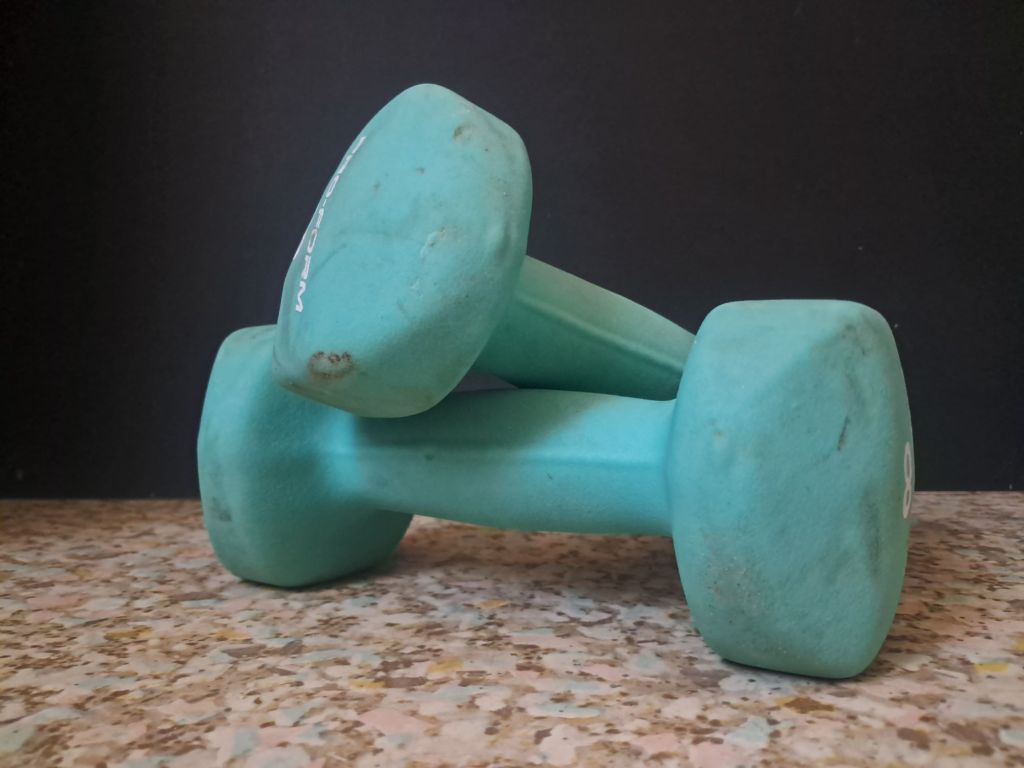
    These days, I rise before dawn into our toy-strewn living room. My gym is here amid scattered blocks that anchor me in joy like tiny talismans. My toddler daughter barrels in, giggling through wobbly squats. Her warm breath touches my knee. Chubby hands clutch a pink dumbbell toy as she beams up. It’s pure connection. Her morning spark echoes mine. My six-year-old son might stumble in yawning, like his night-owl dad, before retreating—reminding me how our family’s rhythms blend dawn and dusk in their own gentle harmony.

    This ritual stirs more than muscle: in the hush afterward, thoughts spill onto the page, freer than any evening haze. Mornings sharpen my edge, as studies show with brighter moods and steady productivity. Yet it’s those vulnerable dawn bonds that truly sustain, weaving my renewal into family threads.

    In this rhythm, I’ve found a profound fit: mornings honor my nature while those playful squats bridge our differences. As my daughter grows and my son claims the nights, these shared sunrises whisper that true vitality blooms where we stop resisting—inviting us each to meet the light our way.

    If this resonates with your own dawn (or dusk) vibe, hit like. Share with your fellow early birds or night owls, and subscribe for more slices of real-life rhythm. What’s your morning ritual? Drop it below!

    Related Posts

    The Part I Always Want to Skip

    What part of your routine do you always try to skip if you can? Most mornings start with a quiet choice—whether to honor my intentions or give in to my excuses. My routine isn’t rigid; it shifts with the rhythm of life at home. But on the best days, I carve out a few minutes…

    Keep reading

    My Most Beautiful Place in the World

    If you could live anywhere in the world, where would it be? Before dawn, I awoke to toddler kisses on my cheeks and the faint crow of a rooster calling the day to begin. The scent of coffee drifted through the kitchen as my husband and I eased into the morning. Our six-year-old son stirred…

    Keep reading

    Life by Stratigraphy

    The first sound I remember from that trip wasn’t birdsong or the crackle of firewood—it was my professor’s baritone voice drifting through a soft Michigan mist. Waking to that unlikely serenade, I understood for the first time that geology wasn’t only about rocks. It was about connection. I was a sophomore then, half-frozen in an…

    Keep reading
  • Named and Nourished: Living Honestly with Meat

    Named and Nourished: Living Honestly with Meat

    What are your feelings about eating meat?

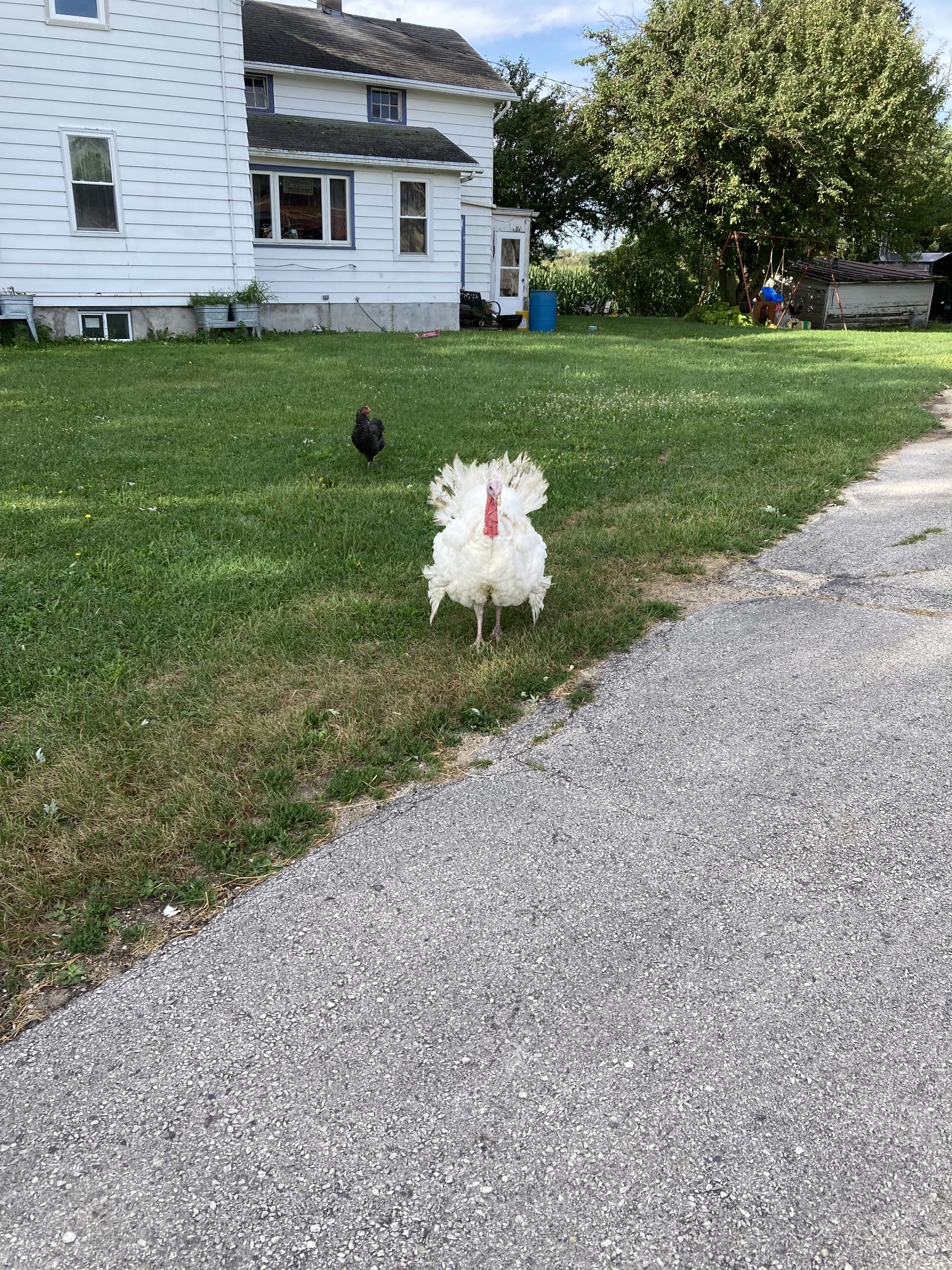
    I sometimes grapple with eating animals I’ve raised and named. Pigs like Spotty loved to root in the muddy corners. The turkey Gobbles strutted proudly in the sunshine. The chickens clucked softly in the evening. I never take it lightly. There is an ache in my chest that tightens when I carry out the hard work of ending their lives. But I would rather face that ache honestly than be complicit in a system that strips animals of dignity, treating them as mere commodities instead of beings. For me, this tension is the price of eating meat with eyes wide open.

    Growing up on my family’s dairy farm, caring for animals was part of my daily rhythm. I remember scratching the ear of a steer. He leaned into my touch with surprising gentleness while I broke ice on water troughs in the biting cold. However, even as a kid, we didn’t always eat meat from our own animals. We bought beef from the store, packaged and removed from the lives—or deaths—that put it on the table. That detachment was normal in my world, a quiet dissonance between nurturing life and consuming it anonymously.

    It wasn’t until I learned about the horrors of industrial agriculture that my perspective began to shift. Chickens are crammed into tiny cages, cattle are confined in waste-filled feedlots, and pigs are subjected to painful tail docking. The animals I knew from childhood sparked a deep yearning to reclaim a meat-eating ethic rooted in respect and care. Where animals could express their natural behaviors under open skies.

    Now, I raise pigs, turkeys, and chickens that roam freely, living full lives before their humane end. Spotty’s joyful mud rooting, Gobbles’s proud displays, and the quiet clucks of layers settling at dusk—all these moments remind me of the life behind the meat. After every harvest, I pause to thank them, honoring their sacrifice and the circle of life in a way that industrial meat production never allows. This act of gratitude is both a balm and a reminder of the weight carried in each bite.

    Eating meat remains a negotiation between love and loss, tenderness and necessity. Naming my animals and seeing their personalities has made me confront discomfort rather than avoid it. It’s deepened my gratitude and underscored my responsibility. Though I sometimes wish I could spare each life, I have chosen this path over indifference. In this way, I believe that conscious stewardship is the only ethical way to continue eating meat.

    In this balance, I find a measure of peace. I carry my sorrow alongside my meals, never forgetting the lives that nourish me. The choice is not easy, but it is honest. And in that honesty, I find a deeper respect—for the animals, for the earth, and for the tradition of living with awareness rather than denial.

    If this essay resonates with your own thoughts on ethical eating, food sourcing, or the farm-to-table life, like it to show support. Share it with fellow homesteaders or omnivores questioning the system. Subscribe for more raw reflections on living intentionally with animals and land.

    Related Posts

    More Than a Meal: Raising Our Own Thanksgiving Turkeys

    Discover the joys and challenges of raising backyard turkeys in this heartfelt story about patience, humor, and the journey from fluffy poults to Thanksgiving centerpiece. Learn personal lessons and practical insights from a family’s wild turkey-raising adventure.

    Keep reading

    The Choreography of Cattle and Grass

    Experience a vivid farm story about rotational grazing, resilience, and regenerative land stewardship through the eyes of a family and their Red Angus herd. Discover how cattle, people, and pasture move together in balance

    Keep reading

    Between Joy and Heartbreak: Lessons from Life with Animals

    If you care for animals, you soon learn that joy and heartbreak are neighbors—arriving together, sometimes within the span of a single sunrise. I didn’t set out to be a caretaker, but each creature has reshaped me, leaving lessons that linger long after the shed doors close. Learning Detachment My childhood on a dairy farm…

    Keep reading
  • Snow Boots and Soul: Loving the Real You

    What are your two favorite things to wear?

    If clothes could talk, mine would whisper, “Keep it simple, keep it real.” I’ve never dressed to dazzle; I’d like to think my wit and thoughtfulness handle that. My two favorites—leggings and slip-on shoes—form my daily uniform, a quiet stand against pretense that champions ease and presence.

    Leggings are my unshakable foundation. No zippers pinching, no seams chafing—they stretch through curled-up reading marathons or frantic errand dashes. Years ago on a snowy first date, my breath fogging the crisp air, I pulled on jeggings to meet the man who’d someday become my husband. Snow boots crunched softly as I crossed the driveway to his truck. We’d known each other for years, but this felt electric. He laughed with me, saw the real me, and fell harder. While others chased one-shoulder dresses that year, my practicality carved space for unfiltered connection.

    My slip-on shoes share this no-nonsense vibe. One slide, and I’m out the door: ready for park strolls, meetings, or walking outside during that snowy date, no lace-tying delays. Their worn soles have hugged my steps through decades—unflappable, like the reliability that let our spark endure.

    I’ve learned the hard way sometimes that style does have its place. At my bridal shower, I underdressed in leggings and slip-ons. What had felt “nice enough” to me upset a loved one important to the bridal party, who saw rebellion where I saw comfort. That clash reaffirmed why these pieces endure: true style balances self with sensitivity, letting mind and heart lead without alienating.

    In the end, these favorites aren’t mere picks; they’re my vote for authenticity. They strip distractions, letting me show up kind, thoughtful, wholly myself. They also prove, as my husband’s grin confirmed back then, the right person always loves the real you, snow boots and all.

    What’s your go-to outfit for showing up as your authentic self?

    Like if this resonates, share this with others who can relate, and subscribe for more on living unfiltered.

    Related Posts

    Learning to Be Seen: Redefining My First Impression

    What’s the first impression you want to give people? When I think about the first impression I want to give people now, it connects closely to how much I’ve learned about myself. In my 30-something years, I’ve spent a lot of time shrinking into the background—speaking softly, standing at the edges of rooms, and convincing…

    Keep reading

    Missed Opportunities

    Who is the most famous or infamous person you have ever met? It’s funny how one small moment can stick with you for years—the conversation you didn’t have, the voice you didn’t use. Some might say I live a quiet, even isolated life. The most well-known person I’ve met—depending on your politics—is Representative Glenn Grothman,…

    Keep reading

    Unfolding the Woman Within

    When I pulled open the long-forgotten box of clothes, I expected nothing more than sweaters and dresses that hadn’t seen daylight since before we moved. Instead, I uncovered an archive of myself—fabric woven with memory and identity, versions of me I thought I’d misplaced in the blur of motherhood, upheaval, and quiet reinvention. Threads I…

    Keep reading
  • The Farmstead Paradox: How Technology Frees Us and Challenges Us

    What technology would you be better off without, why?

    What if I unplugged everything—just one day—and watched my farmstead world grind back to its raw roots?


    Sun crests the barn at 5:45 am. No alarm jolts me; instinct pulls me up. We feed the animals, hauling water, grinding feed. We dress kids by fading lantern glow. Husband carries our daughter down the grassy footworn path to Grandma’s. I hitch the old wagon, walking our son two miles to school through dust and dawn chatter—no 10-minute car hum.


    Home, I’d scrub laundry in the tub, no machine whirl. Meals bubble over wood fire, not Crock-Pot ease. Bread dough yields to muscle on the oak table, sans Kitchen Aid. No working outside the home for me. Husband swings scythe and shovel where tractors rule now; breakdowns mean hammer, anvil, firelight fixes. We could do it all—generations did. But tasks balloon from minutes to hours, bones aching, daylight devoured.


    Reality snaps back: technology saves my soul. Remote work keeps me here for first words, bus arrivals, story hours no commute steals. Farm machines turn brutality into rhythm, sustaining us without wrecking backs. Humans thrived millennia hauling water, grinding grain by hand. Yet why suffer when tools free us for laughter, learning, presence?


    Smartphones, though—these pocket tyrants I’d temper first. Last week, a ping ripped me from our son’s magnatile tower mid-build. “Just one email,” I thought. Half an hour vanished, his glee stolen.

    Notifications shred focus; feeds erode dinner talk; blue light robs sleep. We’d survive without them, grit conquering all. But boundaries—silent family hours, apps locked post-8—restore what tech should amplify.

    No full unplugging for us. We’ve glimpsed the raw possible, but embracing tools with fierce reins honors ingenuity and roots. Here on the farmstead, kids’ laughter rises under starlit skies: progress, bounded, yields the richest harvest.

    Like this glimpse into farm life? Hit subscribe for more raw stories on tech, family, and finding balance—never miss the next harvest of thoughts. Share with a friend wrestling their own screen habits, and drop a comment: What’s your pocket tyrant?

    Related Posts

    Bridging Time: Meeting the Courage of My Ancestors

    If you could meet a historical figure, who would it be and why? If given the chance to meet any historical figure, I would choose not a famous leader or thinker. I’d choose to meet my own ancestors in both Germany and Austria between the 1850s and 1870s. These were ordinary people facing an extraordinary…

    Keep reading

    Stone by Stone

    Stone by stone, a farmer’s patient craft built more than a wall – it built a legacy. Discover a story of endurance, purpose, and quiet strength that still stands a century later.

    Keep reading