Describe an item you were incredibly attached to as a youth. What became of it?
What small object survived your worst day—but vanished from a Super 8 nightstand?
Mine was a simple wooden cross necklace—lacquer-coated wood, brass eye screw at the top, black cord. I received it at a Catholic Confirmation retreat my junior year of high school. Surrounded by teens from other schools, I fell inexplicably in love with it. Wore it constantly, except when bathing.
The Fire That Almost Took It Two weeks after Confirmation—May 28, 2007—I sustained serious burn injuries to my arms and chest. My shirt collar burned away. The black cord was destroyed in the chaos. In the hospital, as I faced blood loss and skin grafts, I assumed the cross was gone forever.
Then my sister found it—miraculously intact in our driveway. She brought it to me while nurses changed dressings. I was at my lowest point physically and emotionally. That wooden cross became proof of rescue when I needed a miracle most.
My Anchor Through a Decade of Motion I restrung it as soon as healing skin allowed. For the next 10 years, it never left my neck, carrying me through: • High school graduation • College finals when I doubted everything • Early days knowing my now-husband (we got together at 19) • Hotel stays traveling with him, friends, family • Road trips, work trips, and my first attempts at bread in the breadmaker
Through hotel check-ins, late-night talks, suitcase unpacking—the cross stayed steady. My talisman during that season of motion, before marriage and kids.
The Super 8 Loss Then one careless moment at a Super 8 in Fresno, California. Forgot it on the nightstand. Realized at the next hotel. Called back. Nothing.
Ten years of survival—gone. I was devastated.
What I Carry Now That cross wasn’t jewelry. It carried a decade’s worth of rescue: • The driveway miracle my sister handed me • Hospital reassurance when nurses changed dressings • Steady presence from teenage faith to breadmaker experiments with my future husband
Looking Back: Attachment’s Double Edge Losing it taught me objects anchor but don’t last. Their power lives in what they witness, not what they are. That cross saw me from scarred teenager to traveling 20-something experimenting with breadmaker loaves. It helped shape the woman who now kneads bread by hand with her kids’ sticky fingers on our homestead.
Its lessons remain. Some fires burn cords but not meaning. Some things leave nightstands but not memory.
What object got you through your 20s transitions—college chaos, early love, pre-kids road trips? Did you keep it? Lose it?
Share below—I want to hear your stories.
This story hit close to home? Help it reach someone who needs it: ❤️ Like if you’ve lost something irreplaceable 📤 Share with a friend who gets “talisman” stories 📧 Subscribe for more Practical Homesteading memories
Our century farm renovation near Horicon Marsh: DIY homestead projects while pregnant + newborn care. From dumpsters to Victorian farmhouse ceilings, ambitious DIY lessons after 3 years. Family teamwork transforms fixer-upper. Our most ambitious DIY project ever! 🛠️
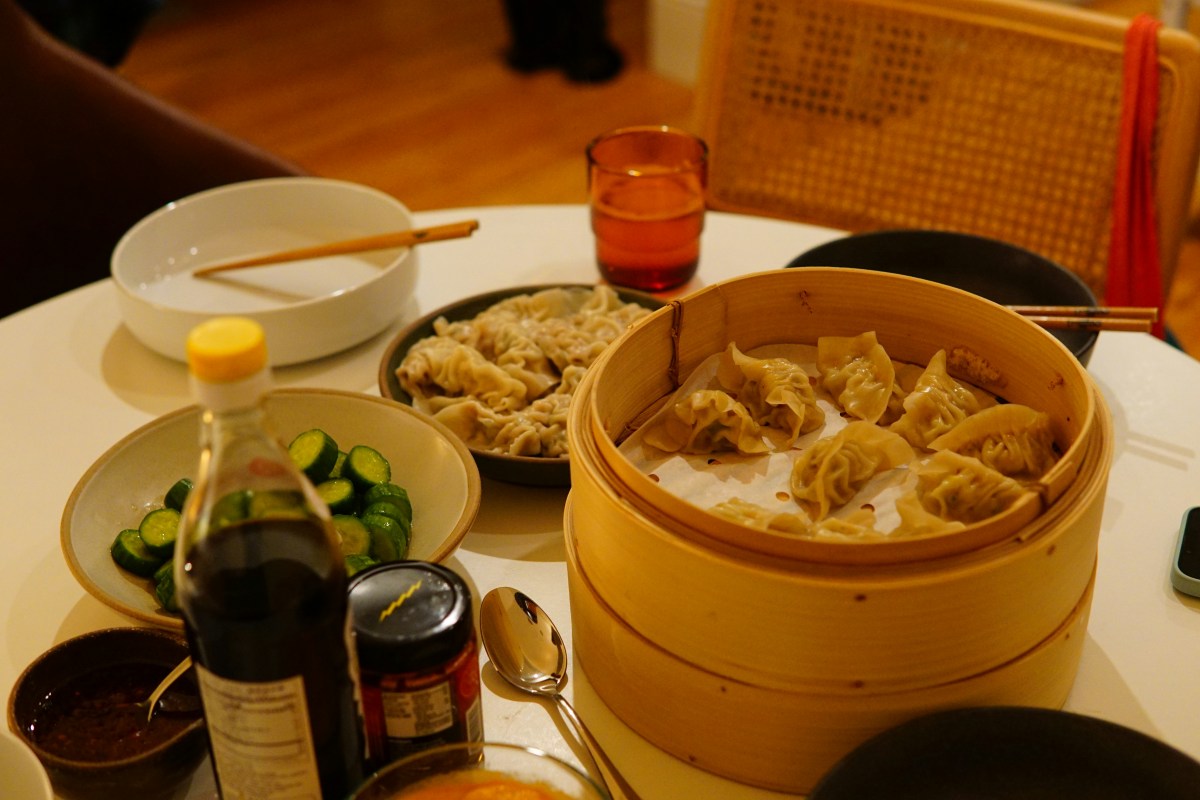
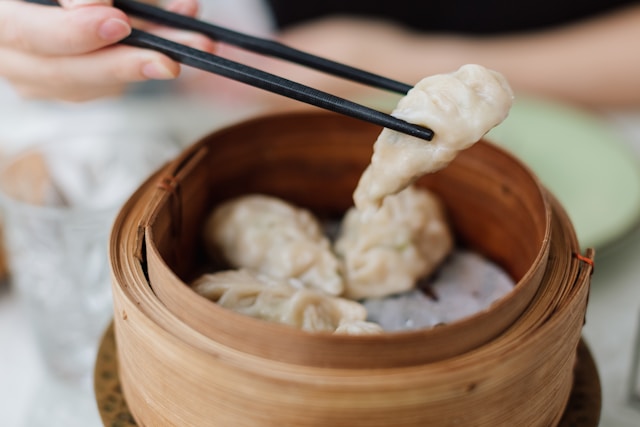
Make homemade dumplings the easy, kid‑friendly way! A warm, family‑tested recipe using garden‑fresh veggies, simple dough, and lots of laughter around the table.
“We’re stronger together.” — A lesson from the land, the past, and the heart.
Some days, I find myself wondering why I share so much of my messy, joyful, back-to-the-land life. Then I remember—it’s not just a blog; it’s a declaration of purpose. I’m not just learning to grow food or raise livestock. I’m learning to build a life rooted in connection, resilience, and love—the kind of life that feels increasingly rare in our modern world.
Growing Food
My mission comes back to the words that guide everything I do: “Growing food, raising kids, building community.”
Growing food isn’t just about self-sufficiency; it’s about slowing down and remembering that life takes time. Whether it’s a full garden, a few backyard hens, or a pot of herbs on a sunny windowsill, each act connects us to the earth and to the generations who worked it before us.
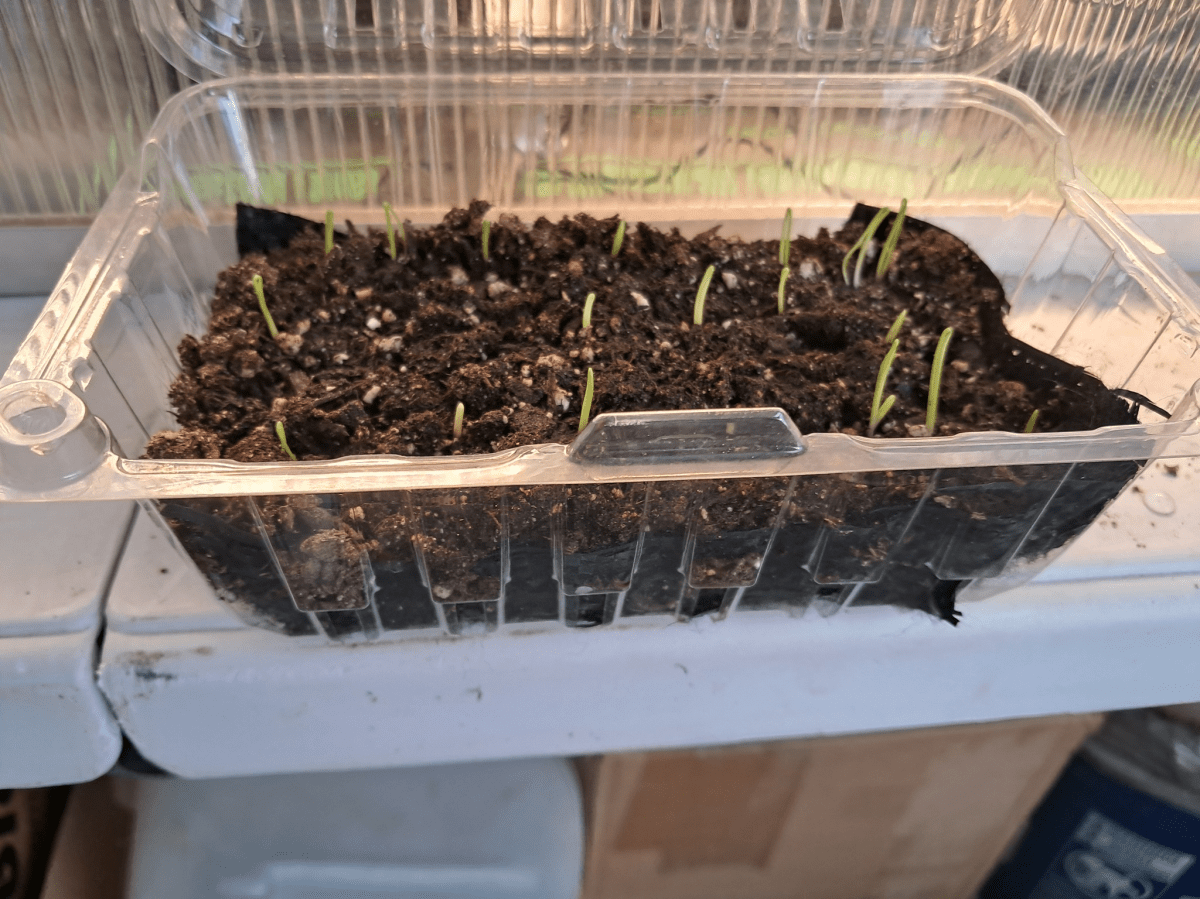
You don’t need acres to begin—just a seed, a container, and a little sunlight.
Even one small step can be the beginning of a more grounded life. Each seed planted is a reminder that we can create abundance with our own hands.
Raising Kids
Just as tending the garden teaches patience, so does parenting. Homesteading is a classroom like no other—muddy, humbling, and full of wonder.
It teaches our children what no textbook can: that hard work matters, that life is cyclical, and that family is their safe harbor in a sometimes harsh world.
My hope is that my kids grow up knowing home isn’t merely a place—it’s a legacy we build with care and intention. Whether they keep chickens, plant tomatoes, or simply carry these values forward, I want them to understand where they come from and who they are.
Building Community
And then there’s community—the heartbeat of homesteading and, I believe, our survival as humans.
American society often tells us that strength comes from independence—that we should manage everything ourselves, and outsource what we can’t, because we’re too exhausted to do it all. But that version of “strength” leaves us burned out and disconnected.
True strength doesn’t grow in isolation—it blossoms in interdependence.
Sometimes that means swapping seeds or recipes; other times, it’s checking on a neighbor or being brave enough to ask for help. We were never meant to do this alone.
Lessons from the Past
When I think about how far we’ve drifted from those roots, I can’t help but look back with respect. Our great-grandparents understood community in ways we’ve forgotten.
Their lives weren’t easy—many faced relentless hardship. I once read about children in rural Wisconsin in the 1930s who walked miles to town barefoot, carrying their shoes so they wouldn’t wear them out. They’d put them on only once they reached town, because those shoes had to last—and often be passed down to the next child.
Those stories remind me that while the past wasn’t perfect, it carried wisdom worth keeping. People ate real food, raised resilient children, and looked out for their neighbors. They knew that survival wasn’t just about grit—it was about connection and care.
Planting Hope
In the end, that’s what I want my life—and this blog—to reflect. I want to inspire others to live intentionally, grow their own food, raise their families with love, and reconnect with the people around them.
Because when we nurture the soil, our children, and each other, we’re planting more than gardens—we’re planting hope. And in that hope, we rediscover a simple truth our ancestors never forgot:
We are always stronger together.
Now it’s your turn. How do you balance modern life’s demands with a desire to live more simply? Tell me about it in the comments. Let’s start a conversation!
If this post spoke to you, I’d love for you to help the message spread:
💬 Share your thoughts in the comments — I truly enjoy hearing your stories.
💚 Share this post with a friend who believes we’re stronger together.
🌾 Subscribe to the blog for more reflections on growing food, raising kids, and building community—one season at a time.
If you ever want to understand what makes someone tick, ask them about their first car. Mine wasn’t glamorous or fast, but it carried more freedom and memories than any fancy model ever could.
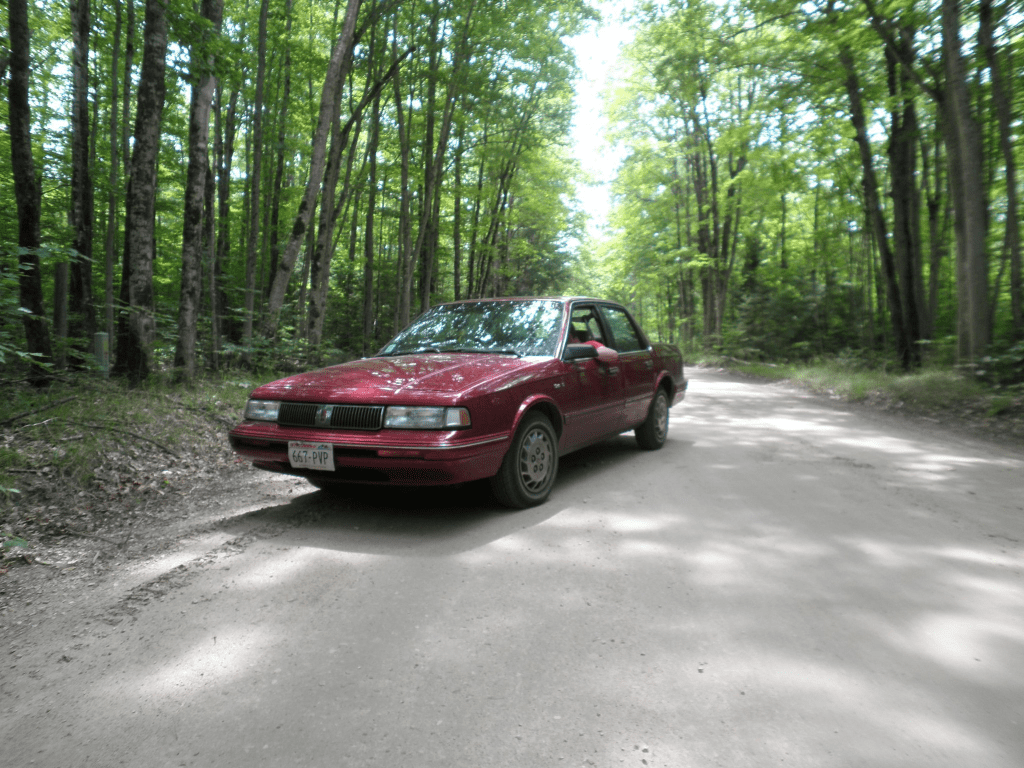
My all-time favorite automobile was the first one I ever owned—a maroon 1996 Oldsmobile Ciera. My dad found it sitting in a driveway after its elderly owner had passed away. It hadn’t moved in two years, and when he got a deal on it, we discovered why: the engine seals had failed, and gasoline had leaked into the oil. Once repaired, though, that stubborn old thing came to life—and stayed that way for years.
We called it the Red Chariot, and in time, the name fit perfectly. That car saw me through the end of high school, college, and most of grad school—about an hour’s drive away. I learned responsibility with every commute: how to check oil, how to handle Wisconsin winters, and how to hear when something “just didn’t sound right.” It carried me into adulthood one modest mile at a time.
The Red Chariot also became part of my love story. My boyfriend (now husband) and I drove it on little adventures whenever life allowed—from southeastern Wisconsin to the Upper Peninsula of Michigan and all the way down to the Great Smoky Mountains. The brakes whined on long descents, the air conditioner worked only half the time, but we didn’t care. Those drives were full of laughter, music, and cheap motel coffee—memories that still smell faintly like gasoline and pine trees.
Then came The Event. A couple of weeks before, I noticed the steering wheel sitting just slightly off-center. I brushed it off as nothing serious. A week later, I parked by a friend’s house, grabbed my bags, and joined my parents and boyfriend for a long-planned road trip out west. We returned sunburned, travel-tired, and happy. I slid back into the driver’s seat of my car, turned the key, and immediately noticed it—an odd, “extra bouncy” feeling as the road hummed beneath me.
So I called my boyfriend, the trained mechanic, and asked, “How do I tell if a tire’s flat while I’m driving?”
Without missing a beat, he chuckled, “Easy. You pull over, get out, and if it’s flat—you’ll know.”
Classic him. I pulled over anyway, checked all four tires, and found them just fine. Satisfied, I merged back onto the highway and carried on.
The next day, he slid under the car to replace the shocks. That’s when he found it: rust had eaten clean through part of the frame, separating it from the rear axle. The Red Chariot had given everything it had. There was no fixing it this time.
We didn’t send it off with fanfare, just a quiet goodbye. Still, I couldn’t help running my hand along its faded maroon hood one last time. That car had carried me through some of the most formative years of my life—independence, love, responsibility, and grown-up laughter. It had been my safe space, my escape, and sometimes, my therapy room on wheels.
The Red Chariot was never showy or high-tech, but it was steady. It started most mornings, forgave my mistakes, and brought me home, every time. In a world obsessed with upgrades and flash, that simple dependability feels almost sacred.
I’ve driven newer cars since then, ones with sleeker paint and better gas mileage. But none have had quite the same heartbeat. Because some vehicles don’t just drive you to places—they carry you through chapters of your life.
So yes, my favorite car was an old, rusty Oldsmobile. It taught me that what matters isn’t horsepower or luxury—it’s heart, loyalty, and the quiet comfort of something that keeps showing up, mile after mile.
That little maroon Ciera might be gone, but in some small way, it’s still driving with me.
Your turn—what was your first car? Did it have a name, quirks, or memories that still make you smile? Share your first-car stories in the comments below. I’d love to hear them!
If this story brought back a memory or made you smile, please take a moment to like, share, or subscribe. Every bit of connection helps build this little community where we honor stories of family, growth, and life’s simple joys.
Get weekly reflections on life’s simple lessons—from old cars to fresh garden mornings. Subscribe below to add a touch of nostalgia and gratitude to your week.
Toward the edge of town, amongst beeping car horns and humming engines, a road trip fight started because of hot dogs, of all things. “Let’s just grab dinner ingredients here,” I said, glancing nervously at the fluorescent-lit refrigerator shelves of the gas station convenience store. “We will cook them at the campsite.” My husband frowned,…
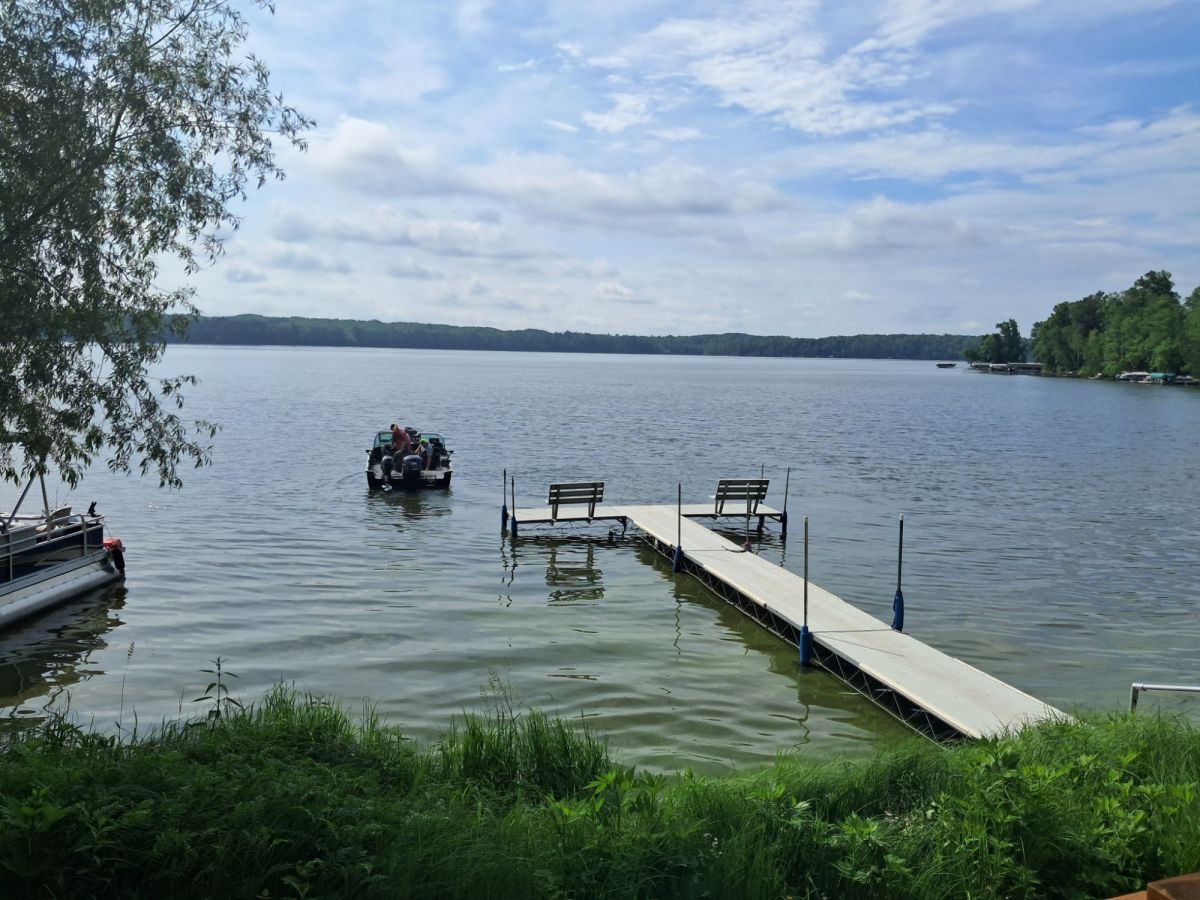
My family recently went on a road trip to a lake cabin in the northern part of the state for a fishing getaway. Anyone who’s traveled with a five year old boy and a 1.5 year old girl knows the unique blend of excitement and chaos that comes with such an undertaking. Our teal 1997…
Stepping into the Elmhurst Historical Museum, I expected a simple, quiet detour after work. Instead, I found myself opening a vivid doorway to a nearly forgotten world, where sun-beaten hands and worn-out boots still echo the rhythms of a farming life almost erased by time. Housed in an elegant Victorian building, the main exhibit—“Acre by…
Describe a man who has positively impacted your life.
When I’m kneeling in the garden with my hands in the soil, I often think about how deeply the men in my life have shaped the person I’ve become. From the way I plant a seed to how I nurture my family, their lessons live everywhere in our homestead. Each one taught me something about hard work, humor, grace, and love that now guides how I grow both our garden and our life together.
My dad, for all his imperfections, taught me that steady work and community build both fences and character. His lessons come to mind whenever I face a task that takes time, patience, and persistence. It could be when I’m tending a sick animal or planting a new garden bed.
My high school choir and creative writing teachers showed me that beauty lives in both sound and language. From them I learned that creativity, like gardening, flourishes slowly, needing room, courage, and care. Later, my university professor proved that intelligence doesn’t have to stand apart from humor. The best minds often laugh easily and love deeply.
My past and present work mentors each modeled different kinds of strength and leadership. They also remind me that passion means little without purpose. And my father‑in‑law has quietly taught me the power of service. The quiet, steadfast kind that grounds a family and gives meaning to the work of each day.
Still, if I had to choose just one man who has most profoundly shaped my life, it would be my husband — my companion through every season. We started out as naive teenagers, knowing little about love and even less about life. Over the years, we’ve built something sturdy and honest: a relationship rooted in communication, respect, and shared goals. We’ve learned to disagree without tearing at the foundation, celebrate without comparison, and choose each other even when life feels heavy.
Together, we also learned how to be parents — fumbling through the sleepless nights and uncertain firsts. Parenthood stretched us, revealing both our flaws and our capacity for grace. It taught us that raising children isn’t just about shaping them. It’s about allowing them to shape us too.
When I look around at the life we’ve built, I see our home standing steady on its foundation. The garden is growing richer each year. I see traces of every lesson those men passed along. Most of all, I see the love my husband and I have tended through each season, like the soil beneath our feet. It’s worked by hand, fed by patience, and full of promise.
If this story speaks to your heart, I’d love for you to join our growing homestead community. Like, share, or subscribe to follow along. We share our lessons about family life, personal growth, and the beauty of building something lasting — one season and one story at a time.
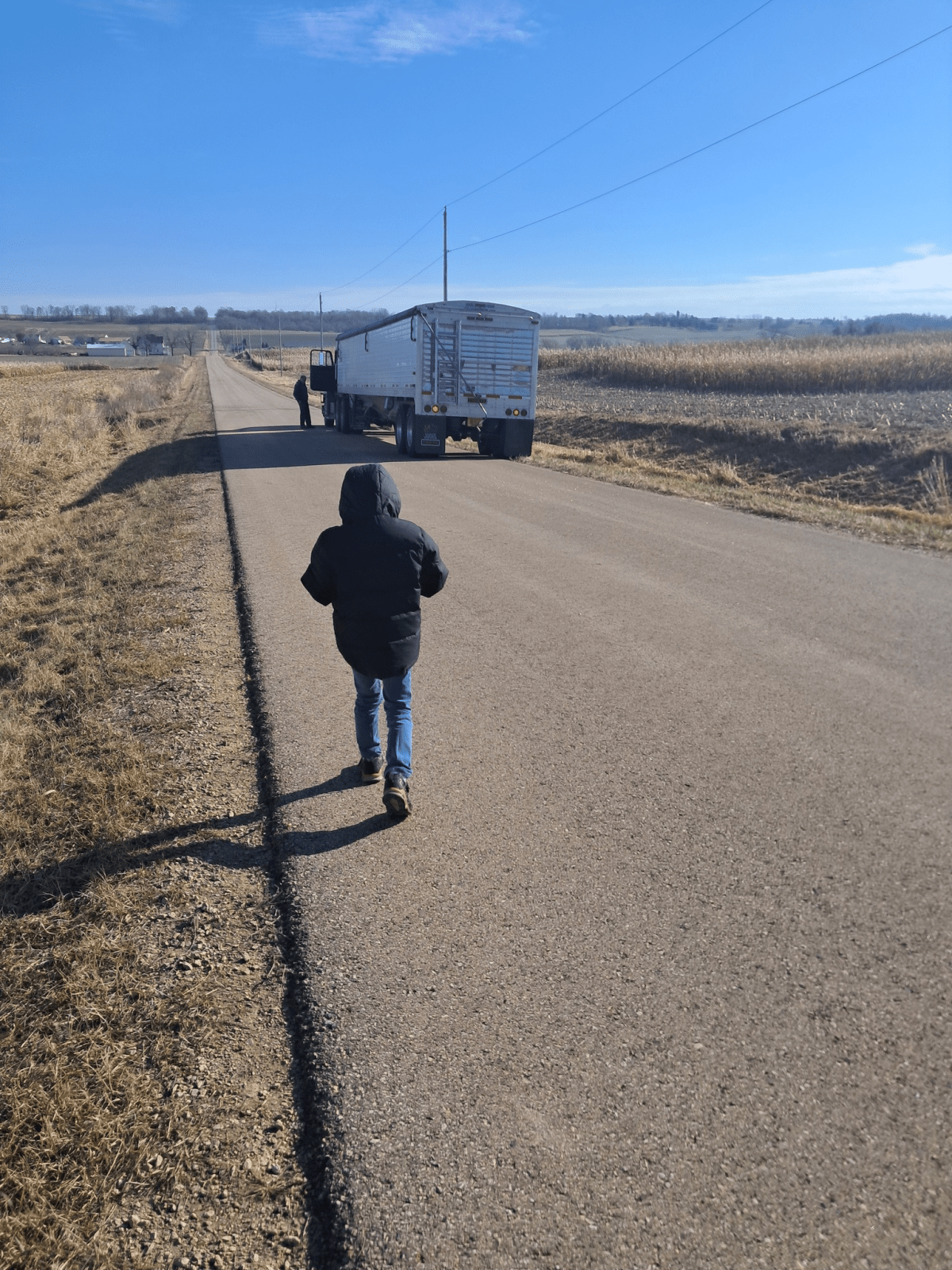
The hum of diesel engines and the scent of dusty corn fill the air every fall, signaling harvest season and long days ahead. For the local farmers, this time of year brings both relief and pressure—hundreds of acres to harvest before rain or early snow set in. My dad is always there to help, his…
If you care for animals, you soon learn that joy and heartbreak are neighbors—arriving together, sometimes within the span of a single sunrise. I didn’t set out to be a caretaker, but each creature has reshaped me, leaving lessons that linger long after the shed doors close. Learning Detachment My childhood on a dairy farm…
It started as a flicker, barely noticeable at first. Each time I passed the faulty bedroom light switch, I felt a spark of frustration. It seemed like such a simple fix, the kind of five-minute job you knocked out after dinner. But every time I mentioned it, my husband would say, “I’ll get to it…
Tell us about your first day at something — school, work, as a parent, etc.
If homesteading (and parenting) has taught me anything, it’s that sometimes you have to take the wrong path before you find the right one. Today’s daily prompt reminded me of a story from my very first day of kindergarten when I quite literally got lost before I’d even learned how to spell the word. Funny how those early misadventures can shape the way we guide our kids years later.
You know that feeling when you’re five years old, wearing brand-new white tennis shoes, and suddenly realize you have absolutely no idea where you’re supposed to be? That was me on my very first day of kindergarten in 1995 — tiny, determined, and totally lost.
I was trailing behind my five older sisters, trying to look like I belonged there. They were seasoned pros of the school bus world; I was just thrilled to be tagging along with my pink backpack bouncing against my back. When we reached the bus transfer station, they pointed to a spot like little generals giving orders.
“Wait right here. Your bus will come for you.”
So I did. For about five minutes — though it felt much longer.
When the crowd started thinning out and my bus still hadn’t arrived, I asked a few kids if I was in the right spot. But, for reasons only a five-year-old can explain, I decided I couldn’t trust them. So naturally, I did the logical thing: I got on a bus. Not my bus — just a bus.
For about ten glorious minutes, I felt like I had solved all of life’s transportation problems. And then I realized… nothing outside the window looked familiar. By the time the bus doors opened, my confidence evaporated into pure panic.
Thankfully, a kind teacher noticed the look on my face — equal parts terror and regret — and asked what was wrong.
“Um,” I whispered, “I’m supposed to go to the other school in town.”
The words worked like magic. Within minutes, I was in the principal’s office, then riding across town in the principal’s personal car. Nothing says “first day of kindergarten” quite like accidentally securing a chauffeured ride before lunch. I was fashionably late, but I made it.
Fast forward thirty years, and it was my son’s turn to start kindergarten. Naturally, I had flashbacks to my five-year-old self making bold (if ill-informed) transportation choices. But his situation was a little trickier. He only rode the bus home in the afternoons — when there were multiple routes running and plenty of room for confusion.
The thought of him ending up on a different route and getting home an hour late brought back that same pit-in-the-stomach feeling. So, I called the school ahead of time, explained my 1995 misadventure, and said, as calmly as possible, “I just want to make sure my kid doesn’t pull a ‘me’.”
The staff, bless them, took me seriously. For the first eight weeks of school, they made sure he wore a big sticker on his shirt every afternoon with all the important details. He even had a “bus buddy,” an older kid assigned to get on the same bus. (I liked to think of it as his small-town security detail.)
He never got on the wrong bus, though he did manage to forget his backpack once. Progress, right?
Looking back, I realize that first day taught me more than just the importance of knowing your bus number. Getting lost, it turns out, isn’t the worst thing that can happen — it’s just part of finding your way.
Whether it’s school buses, parenting, or life on the homestead, we’re all bound to take the scenic route now and then. And honestly, those are the best stories to tell later. Especially if you can laugh about them once you’re home safe.
Have you ever ended up “on the wrong bus” — literally or figuratively? I’d love to hear your story in the comments! If you enjoyed this post, go ahead and give it a like. Share it with a friend who needs a smile today. Subscribe to the blog for more real-life stories about family, growth, and finding your way — one misstep at a time. 🌾
My family recently went on a road trip to a lake cabin in the northern part of the state for a fishing getaway. Anyone who’s traveled with a five year old boy and a 1.5 year old girl knows the unique blend of excitement and chaos that comes with such an undertaking. Our teal 1997…
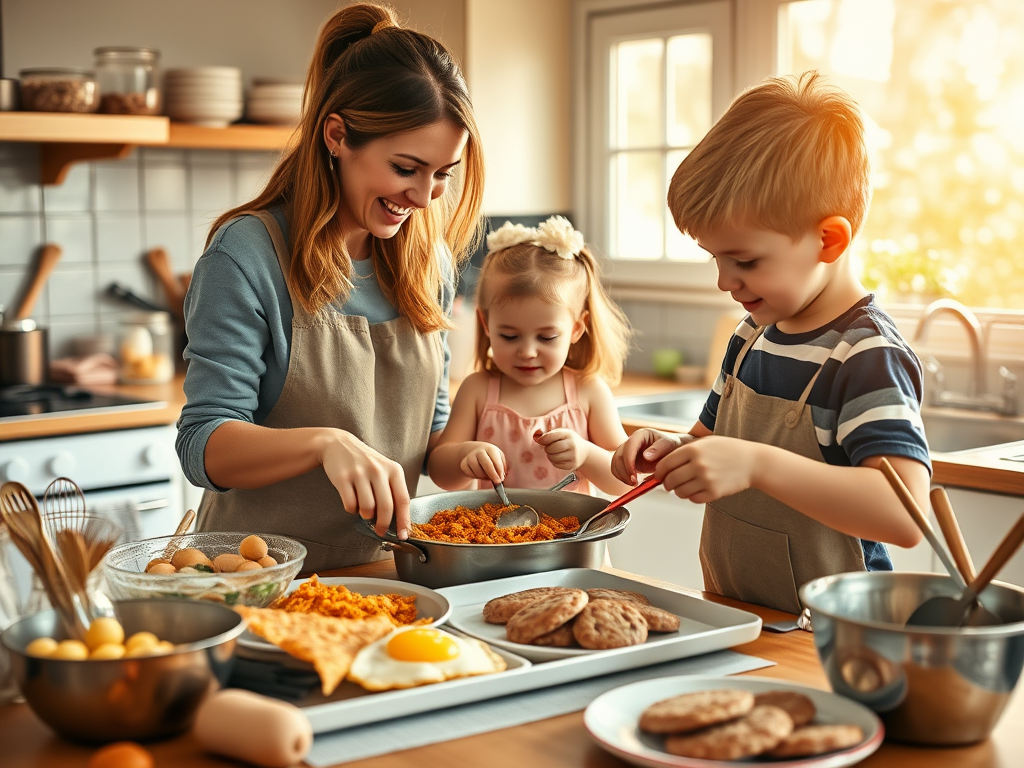
Cooking with children makes the best family breakfast recipes! Homemade sausage patties, hashbrowns, perfect scrambled eggs. Real child kitchen helpers story + weekend breakfast chaos and joy.
The moment I stepped outside in the morning, sweat prickled down my back: a warning that today would be a scorcher. The thermometer already hovered above 90 degrees, and the rest of the day promised no relief. My husband would be gone this afternoon, off helping family with farm chores, leaving me alone with our…
Disclosure: This post contains affiliate links. As an Amazon Associate, I earn from qualifying purchases. Thanks for supporting Practical Homesteading!
There’s something special about meals that tell a story. The kind of food that’s more than a recipe — but part of life. For us, that story came together in one simple dish: a homemade venison stir fry. It started months ago in the garden, wound through a winter greenhouse, and ended at a table surrounded by six hungry, happy faces. This wasn’t only food, but it a reminder of why we homestead in the first place.
A Stir Fry That Tells a Story
We had venison stir fry for dinner recently, a meal that smells like effort and tastes like reward. Stir fry always means chopping, sizzling, and a little chaos in the kitchen, but every bite feels like celebration. The dish is never quite the same for us. It shifts with the seasons and whatever our garden and freezer produce. That’s part of its beauty — it’s a living reflection of our homestead.
From Seed to Skillet
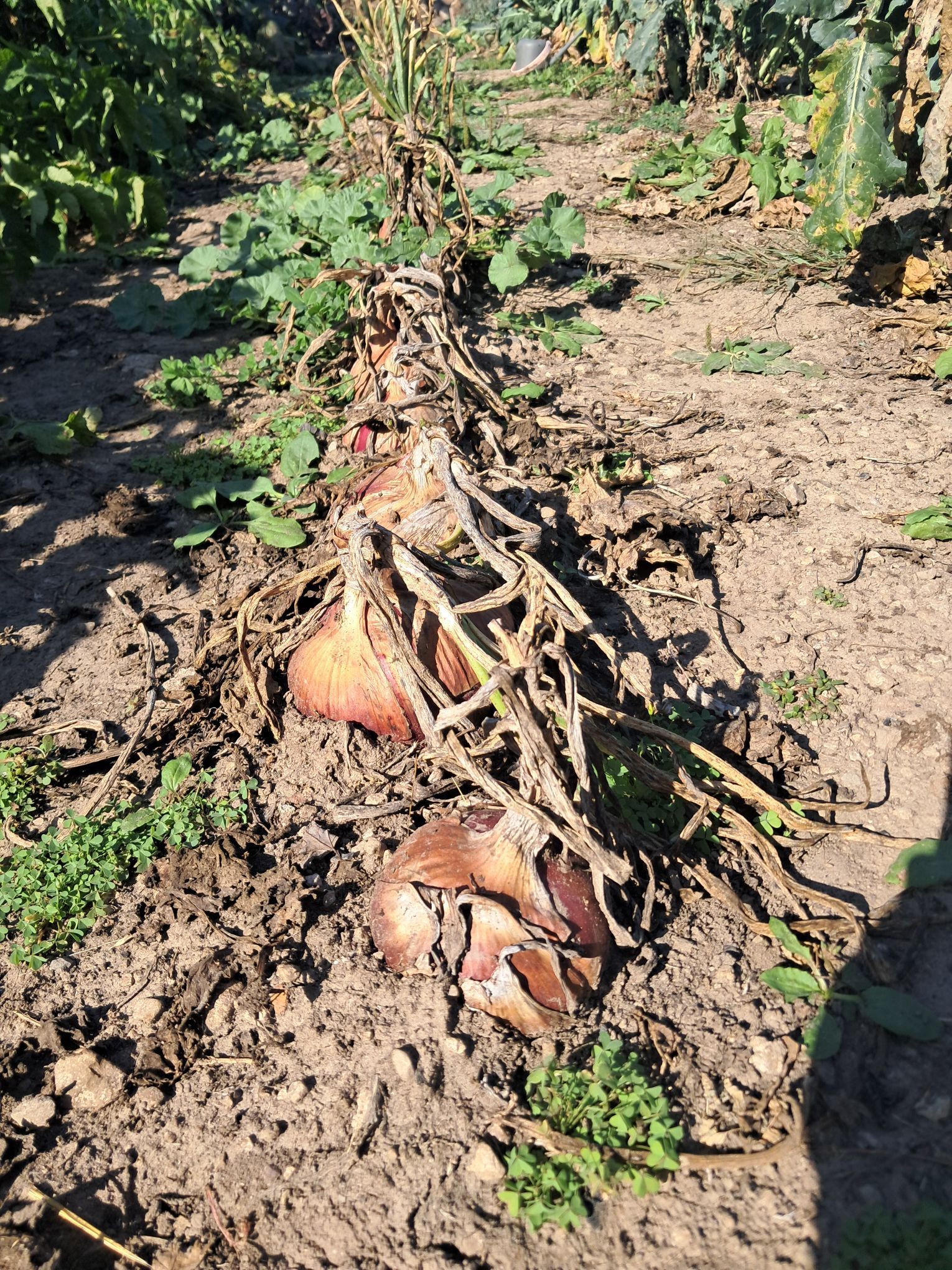
The story of this particular stir fry starts late last winter when we started onion and pepper seeds inside. We watched them grow, and my son delighted in trimming the onion shoots to give more life to the roots. Come spring, we pressed carrot seeds into the earth and transplanted our onions and bell peppers. By summer, our days smelled sweet and green. My kids loved pulling up carrots, brushing off dirt, and biting in right there in the garden. Their juice was sweeter than candy. The onions swelled to the size of softballs. When their stalks dried, we cured them in the basement. Then we set them inside old fruit crates beside jars of last year’s preserves. Peppers overflowed in waves of green, so I bagged and froze them for colder days.
Onions as they first sprouted from the ground.Mature onion, ready for harvestPeppers galore!
Homesteading tip: Frozen bell peppers don’t need blanching. To preserve, just slice, seed, and freeze them raw for perfect stir fry texture later. Onions can be cured and placed in a cool dark place to keep over winter.
By November, we tucked our last carrots under straw, the soil still holding its warmth like a secret.
Winter’s Sweetest Harvest
In December, I scraped away snow and straw with my bare hands to dig some carrots. (A mistake I won’t repeat — frostbite nearly earned an invitation to dinner.) My son peeled them eagerly, and when we tasted the first one raw, its sweetness floored us. Cold turns carrots into sugar. They’re winter candy disguised as vegetables.
Homesteading note: A thick straw mulch keeps carrots from freezing and lets you harvest them into early winter.
Winter carrots
Greenhouse Gold
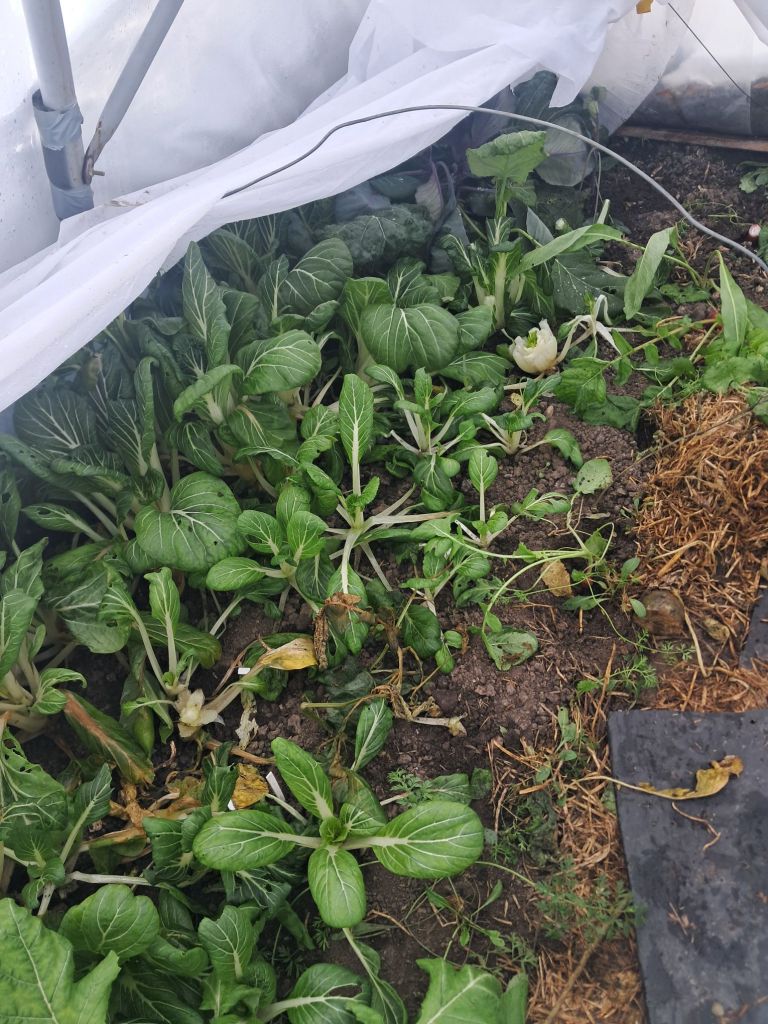
The bok choy came from a new experiment. I helped my experienced friend start a winter garden. I still remember stepping into her small greenhouse surrounded by snow. The chill outside vanished into crisp air that smelled of soil and life. Beneath soft covers, green leaves glowed faintly in the filtered light. Harvesting bok choy in December felt like a small miracle.
Winter gardening tip: A simple plastic-covered hoop house and landscape fabric over each row can extend your growing season by months. The flavor difference in fresh winter greens is unbelievable.
Bok choy harvested in December
Family in the Kitchen
Cooking became a family affair. My daughter stood at my side, eyes watering over the cutting board, proudly dropping onion slices into the container as I sliced them with this knife (affiliate link). My six-year-old son learned how to make rice that night — a big responsibility. We’d bought the rice from our local scratch-and-dent store for much less than retail. It wasn’t something we grew ourselves, but it was another way to live intentionally, supporting local businesses and stretching our budget.
He measured the rice, water, and bouillon with quiet focus, stirring carefully to break up every clump in the pressure cooker (affiliate link). Watching his concentration, I realized that learning to cook simple staples might be one of the best skills a homesteader’s child can develop.
Parenting philosophy: Give your children small but meaningful jobs in the kitchen as you cook. It takes the burden from you to endlessly entertain them, and they learn real life skills.
Wild Meat, Real Gratitude
The venison came from the road. This deer was recently hit by a car, and my husband found it on his way to town one chilly fall day. He hauled it home, and that night he and his dad processed every usable piece. We made jerky from some and froze the rest for meals like this. There’s a quiet satisfaction in knowing exactly where your food came from, in salvaging instead of wasting.
Homesteading philosophy: Nothing should go to waste. This includes an animal, harvest, and opportunity to teach your children how to create value from what’s available.
From Skillet to Supper Table
When it was time to cook, I sliced the venison thin while half-frozen and marinated it overnight. The next day, the meat hit the hot skillet (affiliate link)— hissing, sizzling — browning into tender, caramelized pieces. My kids stole bites faster than I could cook them.
Cooking tip: Slice meat against the grain while it’s half-frozen for cleaner cuts and more tender results. This small trick makes all the difference with lean game meat like venison.
The vegetables followed: frozen peppers releasing water that deglazed the pan. The onions soaked up the sauce until they were golden brown. The carrots softened just a bit. The bok choy folded gently into the mix. The whole kitchen filled with the earthy perfume of garlic, soy, and family.
Six Around the Table
By dinner, the six of us — our little family and my husband’s parents — gathered around a steaming pot of rice and a glossy pot of stir fry. It wasn’t just delicious; it was ours — every part grown, harvested, found, or crafted by hand. That’s the heart of homesteading for me. It’s not simply saving money or knowing what’s in your food. It’s seeing how the garden dirt beneath your nails, a salvaged deer, and a child’s curiosity can all end up in the same bowl. It’s nourishment that carries the story of your family’s seasons.
Homestead Notes
Preserve what you grow: Freeze peppers raw and store onions in breathable boxes.
Extend your harvest: Straw-mulched carrots and cold-frame greens can provide fresh food even in winter.
Use what you have: Venison, garden vegetables, and discounted pantry staples can turn a simple meal into a story.
Teach through involvement: Kids remember the meals they helped make far more than the food they simply ate.
If our venison stir fry story stirred something in you — a memory, a craving, or just a bit of inspiration to slow down and cook what you grow — we’d love for you to join our little homestead circle.
Click like if you enjoyed this story. Share it with someone who’d appreciate the journey from seed to supper. Subscribe to follow along as we grow, cook, and live season by season.
If you love making your own food from scratch, this homemade venison jerky recipe is a must-try. Whether you’re a hunter processing your latest deer or simply someone looking for a leaner, high-protein alternative to beef jerky, this step-by-step guide walks you through every stage: from processing and seasoning to smoking and dehydrating. We even…
A 2025 garden reflection full of lessons, surprises, and laughter—one-pound onions, overflowing basil, hybrid watermelon mishaps, and happy pigs. Discover the stories and takeaways from our most rewarding gardening season yet.
The soil was cooler than I expected when I slipped a broccoli seedling into the ground. September isn’t when I usually think about planting—it’s when I imagine gardens winding down, not continuing. For me, gardening has always belonged to summer: long days of pulling weeds at dusk, arms full of cucumbers, nights spent rushing to…
What are your favorite physical activities or exercises?
Growing Up Active Growing up on the farm, movement wasn’t something we planned, but a way of life. We spent our days feeding animals, keeping them clean, stacking hay bales, and pulling weeds in the garden. It was tough work. But it taught me early on that using your body is purposeful, satisfying, and good for the soul. Even now, when I feel that pleasing ache in my muscles after a workout, I’m reminded of those crisp mornings when effort came as naturally as breathing.
Finding Balance in Movement That active foundation stuck with me. Today, I still crave that connection between effort and reward — walking, gardening, or tackling a tough workout. I love almost every exercise, especially when it challenges me. During a workout, I might grumble through the final reps, but afterward, I always feel lighter, stronger, and proud. That post-exercise glow makes every drop of sweat worthwhile.
The Simple Power of Walking If I had to choose one favorite way to move, it would be walking. It’s simple, grounding, and fits into every season of life. Sometimes I listen to music or take a phone call. More often though, I walk while letting my mind steady to the rhythm of my steps and talking to myself. Walking clears my head. It reconnects me with gratitude — for my body, the air around me, and the life I’m privileged to live.
Living an Active Lifestyle Our lifestyle naturally keeps us moving. We still raise pigs, chickens, and turkeys, and every season brings new chores and outdoor projects. I also make a lot of our food from scratch — stirring, kneading, chopping, and gathering ingredients from our garden. Those small, steady movements fill my days with a rhythm that feels both productive and peaceful.
Family Fun in Motion The best movement, though, happens with my kids. Whether we’re sledding down snowy hills, digging in the sand, or playing our beloved “burrito game,” we’re laughing, racing, and making memories. My husband and I stay active both for ourselves and to show our kids how important it is to move. Activity isn’t only a chore, but a celebration of life and health.
Joy in Motion Movement shaped my childhood, sustains my adulthood, and strengthens our family bond. It’s not only about fitness or strength; it’s about gratitude, connection, and joy. Walking — the simplest movement of all — ties it together. Each step reminds me where I came from, grounds me in the present, and carries me toward every new chapter ahead.
If this journey from muddy boots to family moments warmed your heart, give it a like, share it with a friend, and subscribe for more stories that celebrate the beauty of everyday life.
What is your favorite place to go in your city? There’s a park by the river on the edge of my city—and it’s my favorite place to go. I visit as often as possible, drawn by the winding trails that twist through the woods, trace the water’s edge, and climb the hills overlooking the quiet…
Pike Lake State Park in southeastern Wisconsin turned out to be one of the most beautiful and memorable places I’ve ever explored with my kids. Nestled in the heart of the Kettle Moraine, this hidden gem is shaped by ancient glaciers that sculpted the land into rolling mounds, kettle lakes, and forested ridges. Pike Lake…
I didn’t pack bathing suits, beach toys, or even chairs. Just me, two kids—almost six and almost two—and enough curiosity to see what might happen. Some might call it unwise to bring children to the beach without all the usual gear. I half expected chaos myself. But what unfolded that day at Lake Michigan wasn’t…
What is something others do that sparks your admiration?
I’m about to describe every parent’s nightmare.
A few months ago, I was in a busy parking lot. I was coaxing my five-year-old to move quickly through the crosswalk while balancing my toddler on one hip. I had a diaper bag on my shoulder and a plastic bag of groceries in my other hand. It was one of those parenting moments that are public, stressful, and hard to manage gracefully.
Then a woman stopped, met my eyes, and said, “You’re doing a good job.” She took my bags and placed them in the car so I could focus on my kids. Her kindness caught me off guard. It didn’t need to be grand—just genuine.
Mr. Rogers once said to “look for the helpers,” and that day, I truly understood what he meant. I admire people who notice when someone is struggling and choose compassion over indifference, or worse, judgment. There’s quiet courage in stepping forward when others might look away. That woman’s small act reminded me that empathy doesn’t need an audience to matter, and even brief kindness can leave a lasting mark on someone’s heart.
As humans just trying our best, we spend a lot of time caring for others. But sometimes, we’re the ones in need of a small kindness. Let her reminder echo for all of us: a simple, sincere act can change the tone of someone’s entire day.
If this story resonated with you, please like, share, and subscribe for more reflections on homesteading, personal growth, and the messy, beautiful work of parenting. Let’s keep spreading compassion—one small act at a time.
Name your top three pet peeves. Everyone has pet peeves—those small irritations that can silently gnaw at our patience. For me, they reveal more than just frustration; they mark my journey toward empathy and self-awareness. I try hard not to complain because I know I am truly fortunate. I have a life filled with comfort…
Welcome to the rural economy—where value isn’t counted in cash but in connections. Beneath the wide-open sky, where grain silos and fence posts stitch the land into neat parcels, the real currency is not minted or printed. It’s grown and built, raised and traded. Trust, hard work, the barter of honest services and handmade goods.…
It rained all day, the steady drizzle blurring the view until the house itself seemed to shrink under the low sky. Inside, cabin fever crept in, making the kitchen feel tight. My husband and I worked quietly together, turning weekend cherries into wine. The air was thick—crushed fruit, sugar, and the steam hissed from the…
If you ask about my favorite cartoon, the answer really depends. Am I the kid clutching a bowl of cereal on Saturday morning, the teenager staying up too late, or the adult sneaking in a few episodes after work? Each stage of life came with its own favorite, and each one reflects who I was then.
The Wonder Years: Rugrats When I was little, nothing beat Rugrats. Seeing the world through the eyes of babies who treated every space as a wild frontier was magic. The show had a goofy charm, but it also carried surprising emotional weight. Especially the episodes about Chuckie’s mom hit harder as I got older. Watching it now, I catch jokes clearly written for parents and subtle messages about friendship and family that completely flew past me as a kid. It’s rare for a show to hold up that well. If it came on today, I’d still stop and watch.
The Growing Years: Avatar: The Last Airbender As a teenager, I graduated to Avatar: The Last Airbender. From the moment Aang soared into the sky, I was hooked. The world-building was meticulous; each bending style felt organic and real, every nation’s culture fully realized. The series tackled identity, loss, and destiny without ever condescending to its audience—it was thoughtful, funny, and deeply human. Now my son watches it with his grandma (for the fifth time, I think), and sometimes I’ll join them. It’s remarkable how the same show can feel brand-new again when seen through the eyes of another generation.
The Adult Years: Archer and Futurama These days, my favorite cartoons lean a little darker and sharper—Archer and Futurama. Before either one “jumped the shark,” both managed something rare: they found humor in cynicism without losing heart. Archer’s biting wit and absurd espionage antics always deliver, while Futurama mixes outrageous sci-fi comedy with devastatingly human moments.
The final episode of Futurama remains a standout for me. Watching Fry and Leela spend their lives adventuring together—and then getting the chance to do it all again—was a beautiful, fitting conclusion. That full-circle ending reminded me why the show resonated so deeply. Even in its later seasons, Futurama still produced episodes packed with creative energy and emotional honesty. Few comedies could match that.
Full Circle I don’t watch many cartoons right now unless you count the ones I end up seeing with my kids. But those old shows stay with me. Each captured a different stage of life: wonder, discovery, and reflection. Maybe my favorite cartoon isn’t just one series. Maybe it’s whichever one reminds me who I was when I first pressed “play.”
Did you grow up watching any of these shows too? I’d love to hear what stories shaped your childhood or what you enjoy revisiting with your own kids. Share your thoughts in the comments. If you enjoy reflections on family life, homesteading, and finding joy in the ordinary—please like, share, and subscribe so you don’t miss the next post.
What book are you reading right now? Some of my earliest memories are of getting lost in a book. I read on the school bus until the motion made me queasy but I never quite wanted to stop. Books have always been my favorite escape into bigger worlds. That love of stories has shaped much…
The first sound I remember from that trip wasn’t birdsong or the crackle of firewood—it was my professor’s baritone voice drifting through a soft Michigan mist. Waking to that unlikely serenade, I understood for the first time that geology wasn’t only about rocks. It was about connection. I was a sophomore then, half-frozen in an…
When I pulled open the long-forgotten box of clothes, I expected nothing more than sweaters and dresses that hadn’t seen daylight since before we moved. Instead, I uncovered an archive of myself—fabric woven with memory and identity, versions of me I thought I’d misplaced in the blur of motherhood, upheaval, and quiet reinvention. Threads I…
For much of my life, I treated every perceived slight as a call to arms — as if every misunderstanding demanded an immediate defense. But I’m learning that not everything needs my reaction. Some moments only ask for my attention.
When I feel wronged, my body responds before my mind catches up. My heart races, my jaw tightens, my breath shortens. The instinct to protect myself flares fast and fierce.
Lately, I’ve been practicing the pause — noticing the sensations instead of obeying them, letting the surge of emotion roll through before deciding what to do next. That pause has become sacred space — small, but expansive enough for clarity to enter.
I ask myself: Did they mean to hurt me? Do I really need to defend myself here? Will reacting make anything better?
Most often, the answer is no. And honestly, reacting rarely makes me feel better anyway. It usually leaves me drained, guilty, or frustrated — the kind of heaviness that lingers long after the heat of the situation fades.
Still, this is very much a work in progress. I can — and do — get swept up sometimes, especially when my basic needs aren’t met. When I’m tired, hungry, or stretched too thin, that low, buzzy restlessness takes over and patience slips away faster than I’d like. In those moments, old instincts roar back to life. The difference now is that I notice sooner. I recover faster.
Recognizing my own patterns — especially when I’m depleted — has made me more compassionate with my kids when they’re overwhelmed too.
When they hit their own emotional storms — those tearful, trembling tempests that feel larger than life — I try to steady myself first. I hold them close, breathe with them, and search for what might help: a hug, a quiet corner, a change in tone.
Sometimes I get it right. Sometimes I don’t. But every time, the goal is the same — to model calm before correction, connection before control.
So I breathe. I soften. I let the first wave of reaction pass, both theirs and mine. What remains feels powerful — not because it conquers emotion, but because it transforms it.
Doing less reacting isn’t passivity. It’s a practice — a daily choice to protect peace over pride, to pause long enough to hear what really matters.
Day by day, breath by breath.
If this resonates with you, take a moment today to notice your next emotional wave — big or small — and give yourself the gift of a pause. Observe before reacting. Then share your experience in the comments or pass this piece along to someone who’s also learning to slow down, breathe, and choose peace over impulse. And subscribe for more personal reflections and self-improvement.
My mom was in the hospital, I wasn’t sleeping, and the stress had nowhere to go. So I poured it onto my five-year-old son. Every morning before preschool, I’d launch into lectures from the driver’s seat—how he should control his feelings, how he should handle surprises better, how he needed to “do better today.” He…
What is one thing you would change about yourself? I used to think changing my looks—maybe my hair or my nose—would fix everything and make me happier. But life taught me otherwise. The one thing I’d truly change is how quickly stress hijacks my emotions. Overwhelm turns into impulsive anger when my perfectionism meets chaos.…
It had already been a week that stretched me thin. One of those weeks where fatigue doesn’t just live in your body—it seeps into your spirit. Each day stacked heavier than the last. Even small inconveniences pressed harder than they should have, like tiny weights layered until my shoulders ached. By Thursday, I was frayed…











 Practical Homesteading