The most important invention of my lifetime? The smartphone—my love-hate lifeline that keeps my homestead, work, and kids from spinning apart.
Some mornings, I gather eggs between work calls just to catch my breath. By bedtime, the glow of a screen competes with story time and the sound of rain outside our farmhouse window. Some days, the constant ping of notifications makes me want to toss the thing straight into the compost pile.
But here’s the truth: that little screen helps me grow food, raise kids, and build community in ways younger me couldn’t have imagined. That connection keeps the loneliness of rural life at bay.
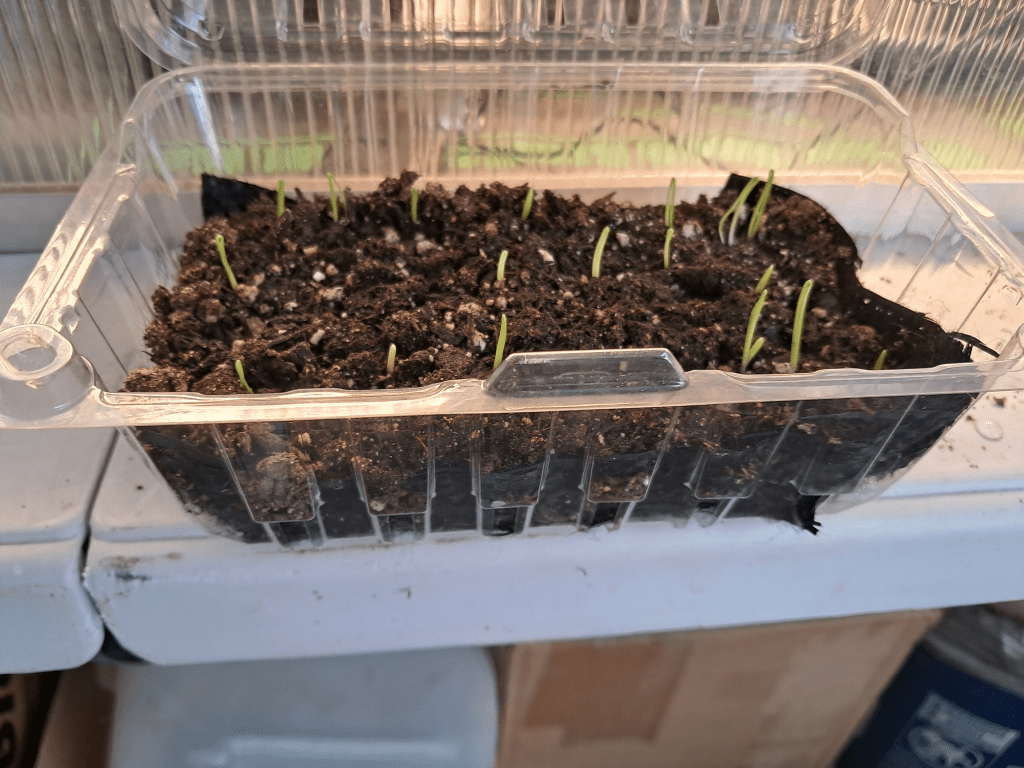
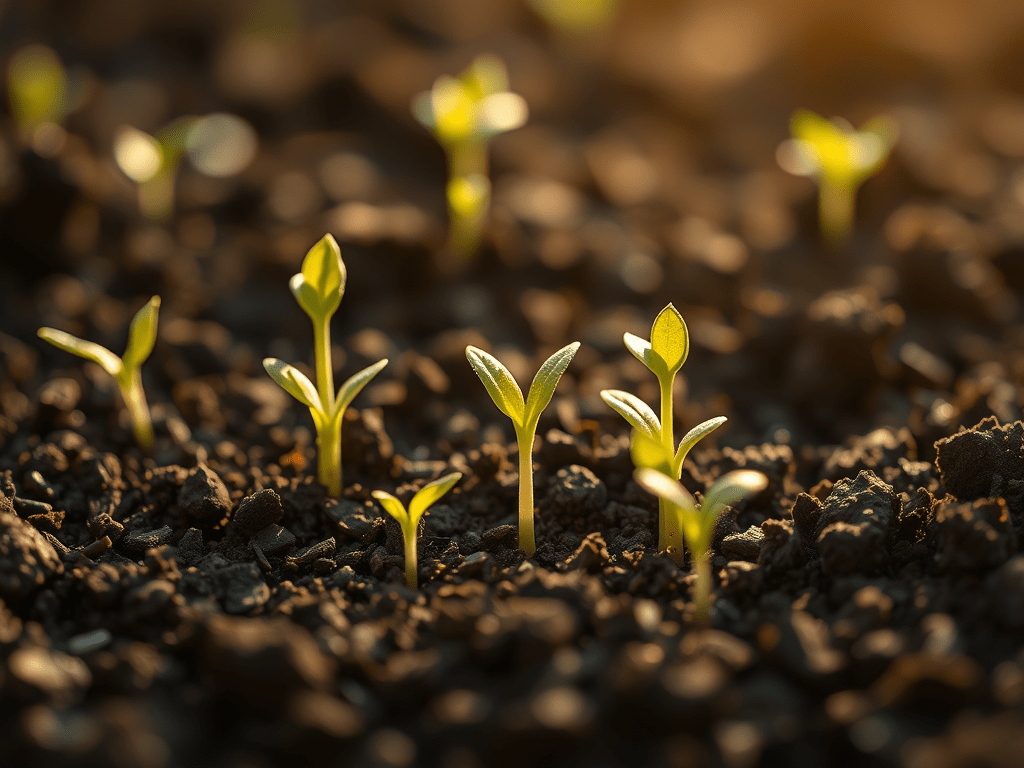
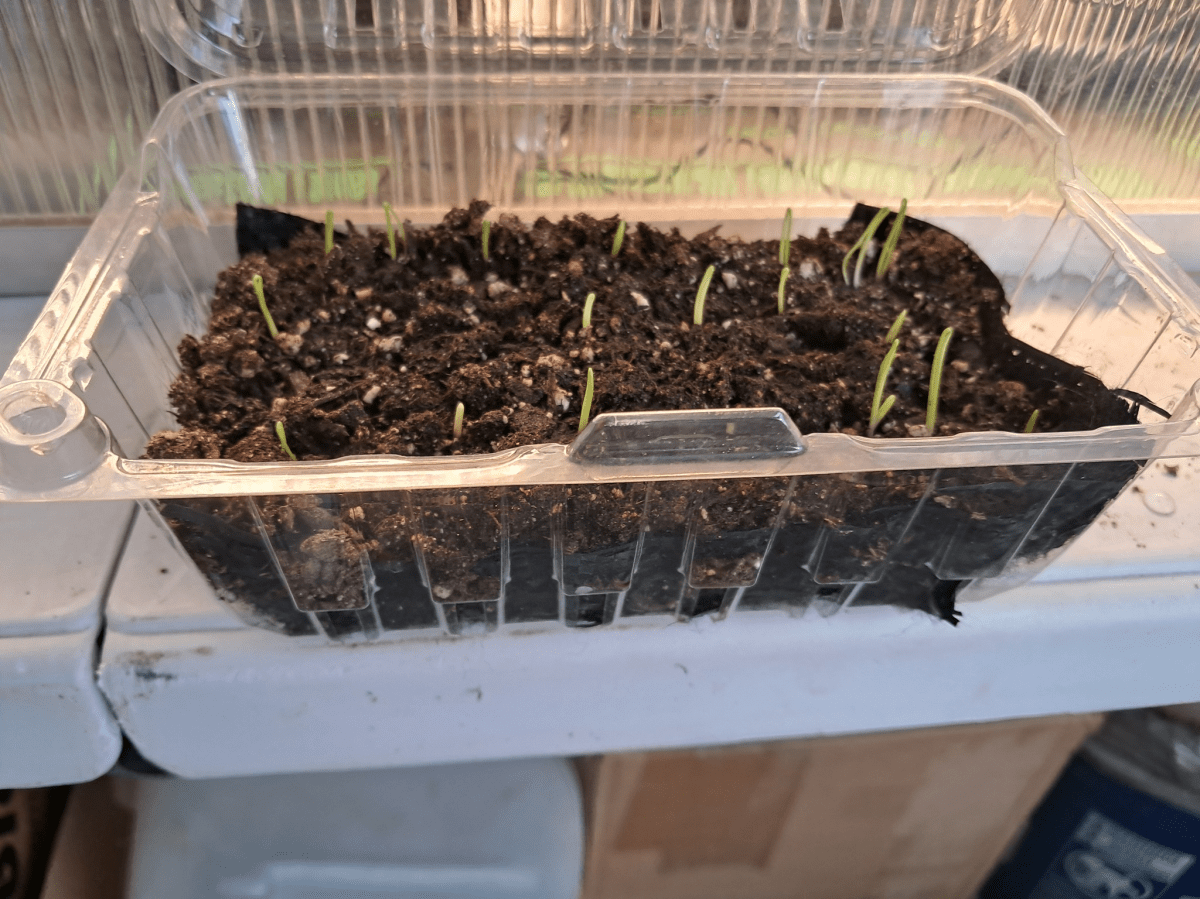
I hunt for fresh ways to use up garden produce, share turkey videos with faraway friends, and text neighbors to swap garden tips or photos of the first spring seedlings. After sharing my post on how to plant onion seeds, it’s been fun seeing those early sprouts push through the soil. It’s the perfect reminder that growth takes time. When our chicks struggled to hatch last year, a quick YouTube search saved both the day—and the chicks.
Digital tools blur the line between work and home—but that overlap keeps me grounded. In this modern era of homesteading and family life, connection is survival—it’s how we share ideas, find support, and remind each other that the mess and magic of everyday life are worth it.
What invention helps you juggle the chaos of working motherhood and homesteading life? Share your must-have tool or favorite homestead app in the comments below!
If this resonated with your own mix of work calls, garden chores, and bedtime stories, please like this post. Share it with another mom trying to balance homesteading and real life.
Loved this? Subscribe for weekly homesteading tips:
Something on your “to-do list” that never gets done.
There’s one item that’s been living rent-free on my to-do list for what feels like forever: deep-clean the house. Every week I write it down with the best intentions, and every week it stares back at me, smug and unchecked.
Sure, I’m great at the daily tidy-ups—the quick resets, leaping over toys, and keeping countertops visible (mostly). But the real deep clean? Scrubbing baseboards, washing curtains, or tackling the mystery stuff in the back of the cabinets? Somehow that always gets bumped down the list by, well… just about everything else.
Part of the problem is our ongoing upstairs renovation. Two years in, and we’re still coaxing this old house back to life—tearing out lath and plaster, sealing drywall, trying to keep ahead of the dusty evidence. That fine gray film drifts through the house like snow that overstays its welcome. Add two little kids who turn any clean surface into an art project within minutes, and—let’s be honest—deep cleaning doesn’t stand a chance.
By the time evening rolls around, my energy’s long gone. I look around, spot another trail of cracker crumbs, and think, good enough till tomorrow. Honestly, I’ll take progress over perfection any day.
My (Somewhat Hopeful) Game Plan
I keep telling myself there has to be a way to outsmart this never-ending chore. Maybe it’s not about a single heroic cleaning day but smaller, practical wins.
Fifteen-minute power bursts. Pick one room, one task, one playlist. Quick sweep, easy win.
Recruit the tiny troops. The kids love joining in—with spray bottles and rags, no less. Sure, it takes longer, but at least we laugh through it.
Wait for calmer seasons. Once the last coat of paint dries and the drywall dust clears, I’ll finally give this place a top-to-bottom refresh.
Keep the dream in mind. A calm, clean space where we can all exhale—that’s the goal. Future me will be thrilled.
Until then, I’m embracing the real version of home: a little messy, a lot loved, always humming with life. Between raising kids, growing things outside, and building something meaningful in our community, there’s bound to be dust somewhere—and that’s okay.
So tell me—what’s the chore that never quite leaves your list? Let’s swap confessions in the comments and remind each other that perfect isn’t the point—living fully is.
If you enjoyed this peek into our real-life chaos, give this post a little love. Like it, share it with a friend, or subscribe for more stories about growing food, raising kids, and building community one messy day at a time.
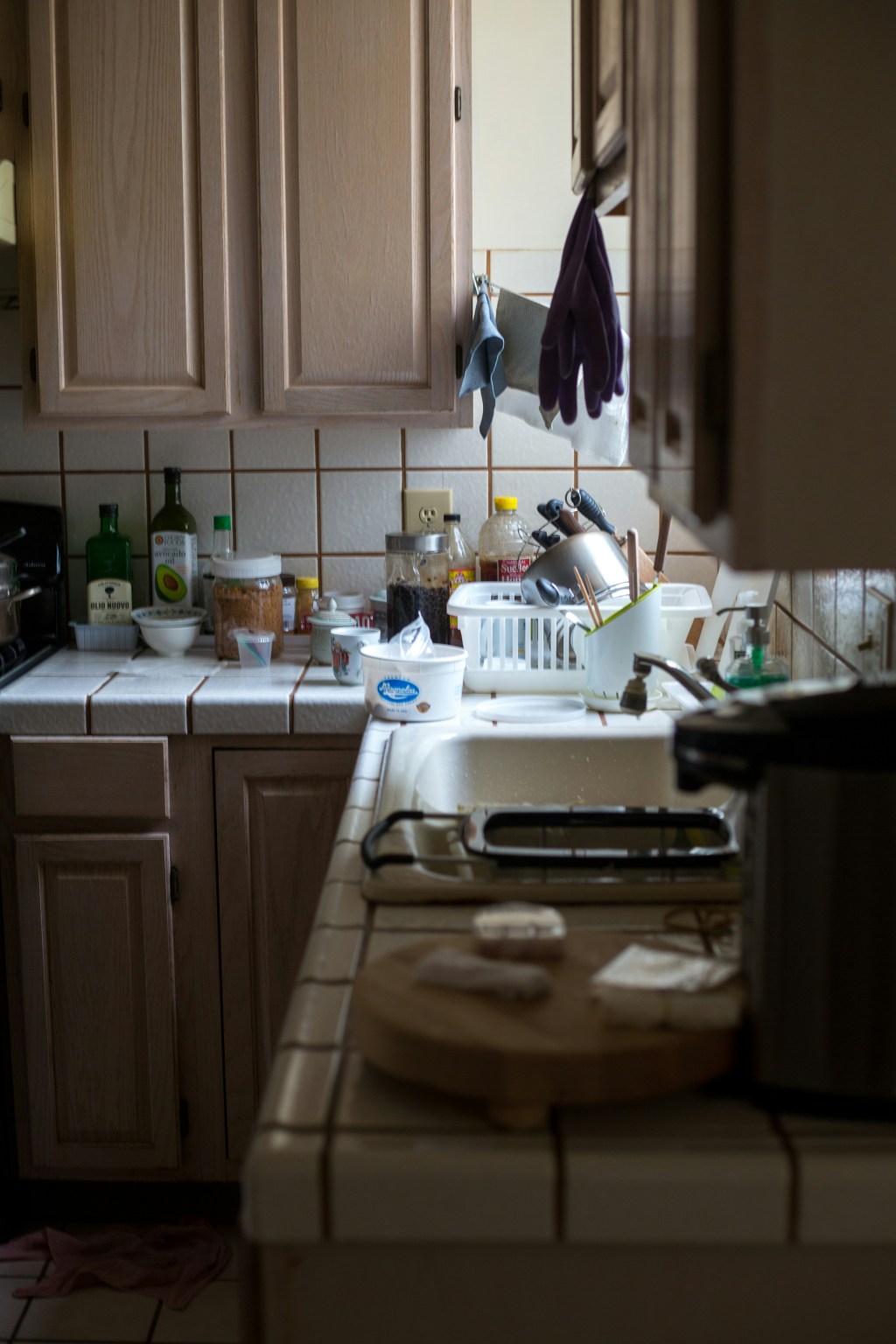
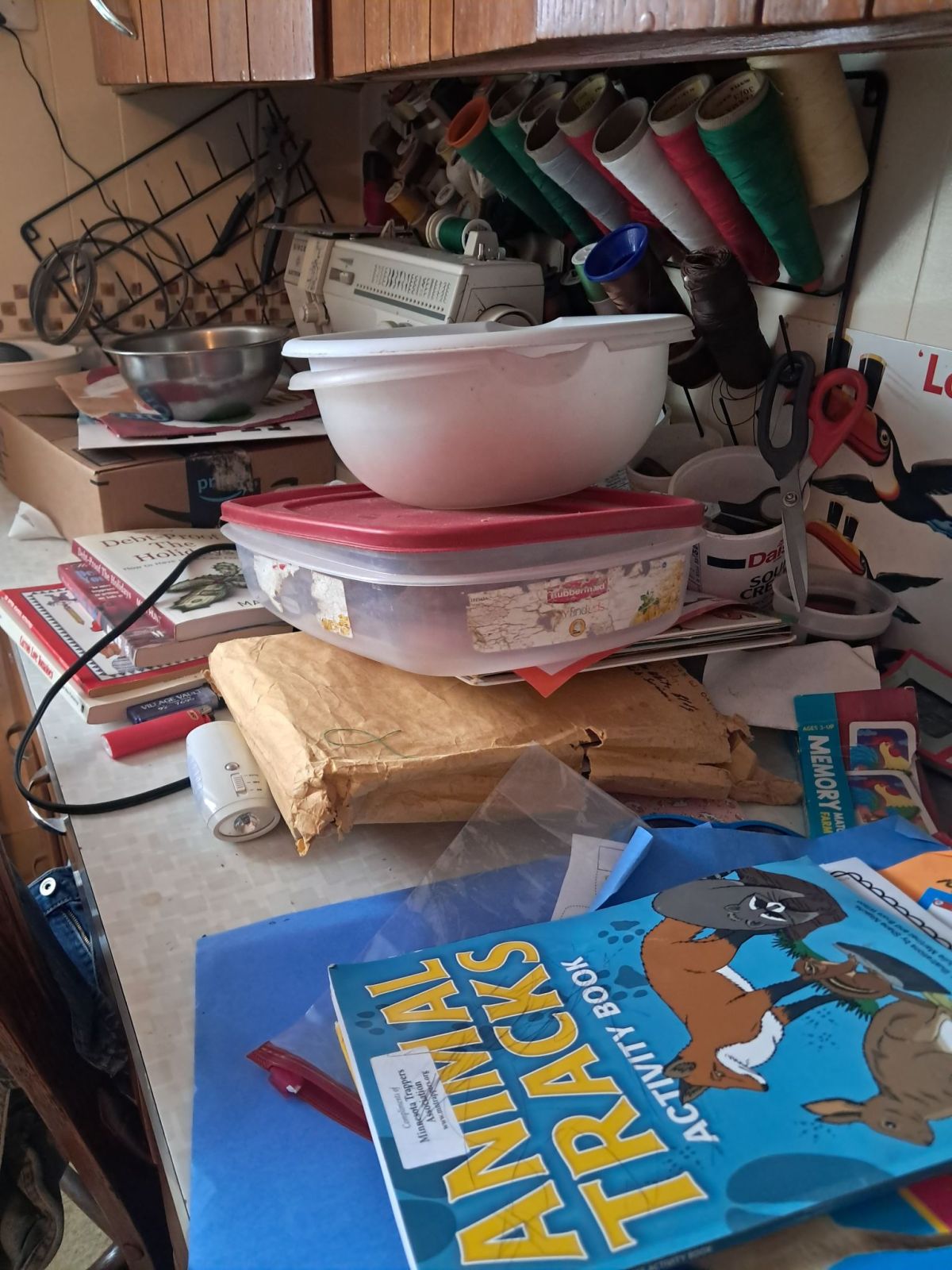
Counter chaos? Working mom of 2 shares her monthly garbage-can blitz to tame kitchen clutter. Husband sews on grandma’s machine. Real homesteading progress over Pinterest perfection.
Between work, family, and home life, finding balance and patience is an ongoing challenge. Here’s how I’m learning to slow down, give myself grace, and grow through it all.
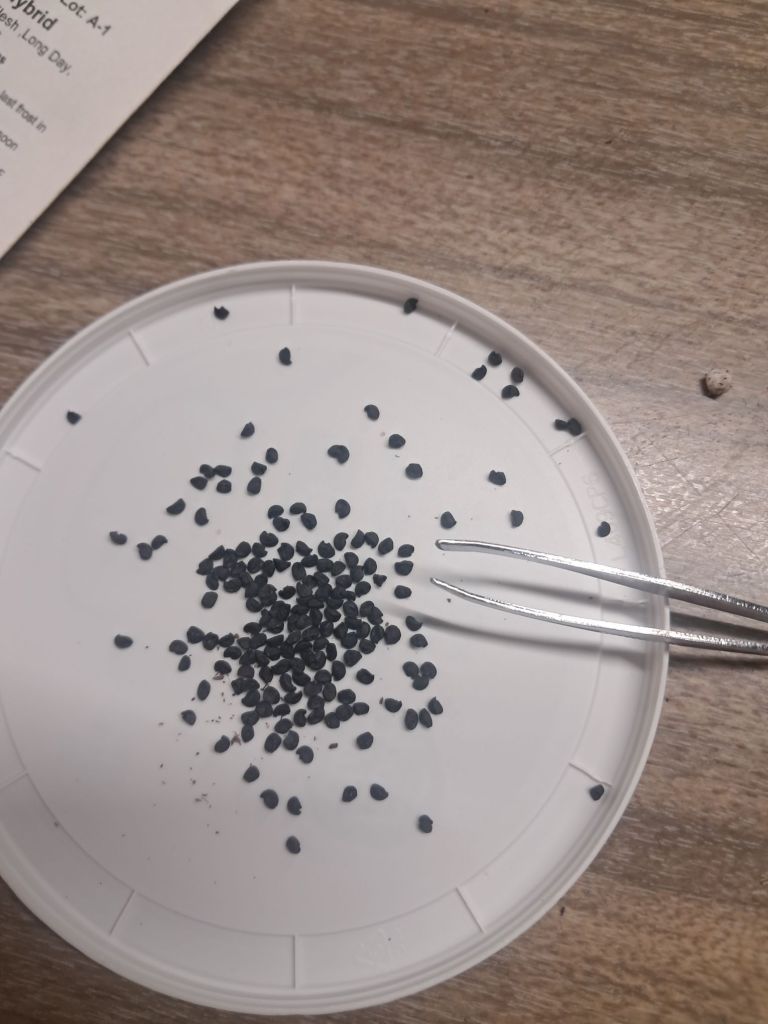
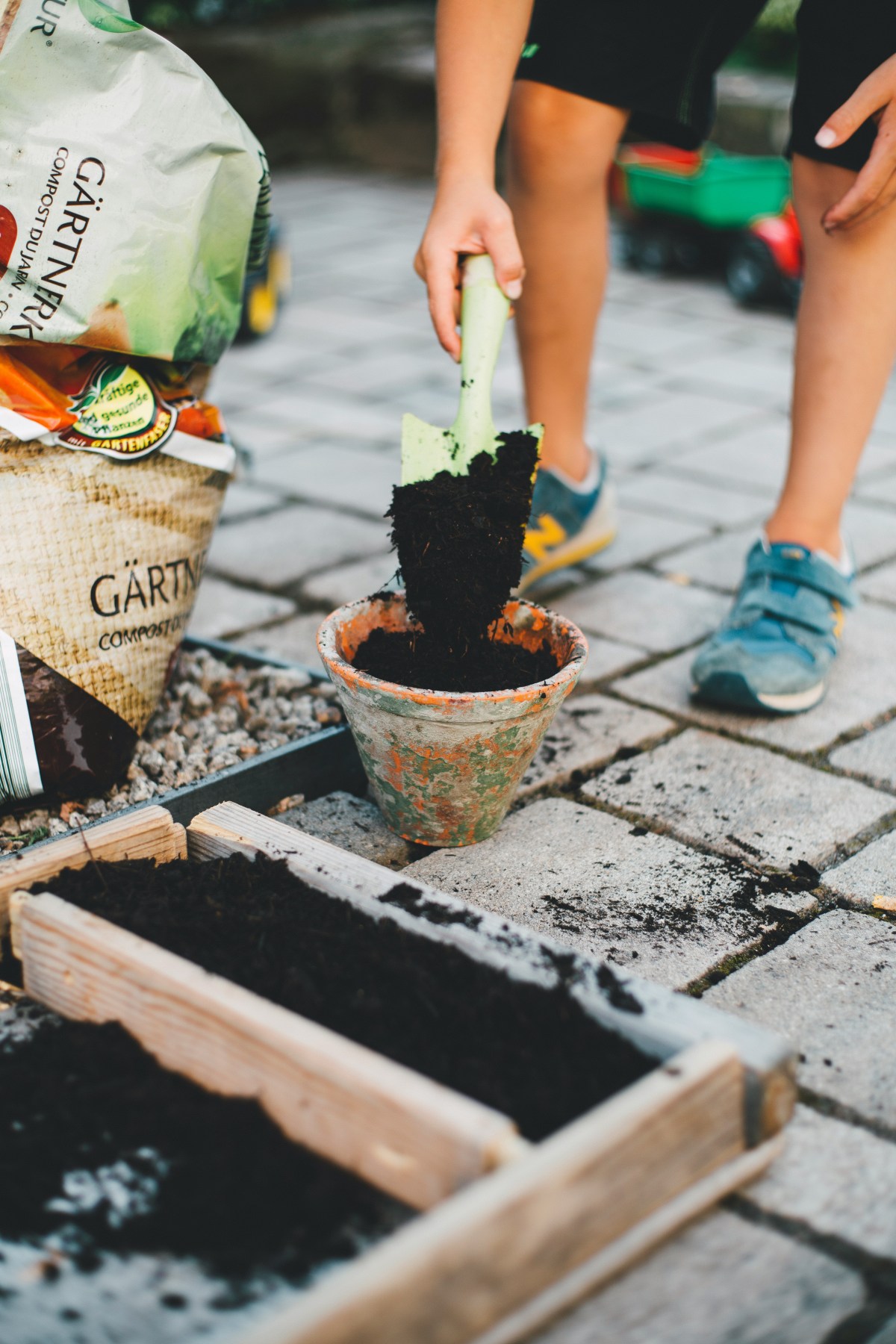
My six‑year‑old son and I stand together in the soft, golden light of a winter morning. Outside, the world lies quiet under a thin layer of snow. Inside, our kitchen hums with gentle purpose. On an old sour cream container cover, tiny onion seeds rest—black flecks of promise. The soil waits to cradle them in recycled strawberry cartons. My son points to the sunbeam and whispers that the floating dust looks like magic. I smile and agree.
With tweezers in hand, I show him how to lift each seed and drop it into place. He tries once, twice, and then finds his rhythm. We do this a hundred times—two sets of hands planting quiet hope in the soil. The air smells of earth and possibility. Even in midwinter, there’s life brewing under our fingertips.
I am struck by how vulnerable each seed is—relying entirely on us for warmth, water, and light. They hold the potential to feed our family, just as my son holds his own potential, waiting for the right care to help him thrive. I can give him a home, guidance, and love, but not control what takes root or how quickly it grows. All I can do is nurture and trust.
Each morning, we peek into the trays. Nothing happens—until, suddenly, everything does. A thin green shoot bends toward the light, impossibly fragile yet fierce in its will to live. I feel that same thrill watching my son master something new. The patience, the waiting, the joy of discovery—all unfolds in its own time.
Over the weeks, we’ll water carefully, clip the tops, and ready the seedlings for their place in the garden. By summer, they’ll feed us, just as these shared moments feed me in ways I never expected. It feels good to know that something small, started with care, can ripple outward into community.
Gardening keeps teaching me that growth—whether in a seed, a child, or a neighborhood—comes from the same things: attention, patience, and faith in what we cannot yet see. Maybe that’s why tending these small beginnings feels so deeply hopeful.
In my next post, I’ll share exactly how we start our onions indoors each January, in case you’d like to bring a little green magic into your own winter days.
🌱 Did this story resonate with you? Tell me about a moment when gardening taught you something unexpected. 💬 Know someone who’d enjoy this reflection? Please share it! ❤️ Subscribe for more stories about growing food, raising kids, and building community.
Discover why growing food, raising children, and building community are at the heart of my homesteading mission. Together, we can return to the roots of connection, resilience, and hope.
This morning I realized that for the first time in nearly six years, my son will spend more waking hours away from me than with me. Tomorrow, he starts Kindergarten—8 am to 3 pm, five days a week. That single fact tightens my chest with a swirl of emotions: pride at the boy he’s becoming, excitement…
Sometimes the most important thing we build isn’t made of cardboard. A Big Idea (and a Bigger Mess) My 5-year-old son was determined to build a fort, though he pronounced it “for-et,” which made it even more endearing. I try hard to encourage his creative play, if it doesn’t involve wrecking things, so I said,…
If I won the lottery, I wouldn’t change much about my life—just the pace of it. The truth is, my dream life already unfolds in a kitchen filled with vegetables, laughter, and flour‑dusted hands.
I don’t often buy lottery tickets myself; they usually show up as small, easy gifts tucked into birthdays or holiday exchanges. Last Christmas, I received a couple of scratch‑offs and quickly realized I had no idea what I was doing. (Is there a secret club for people who actually understand those rules?) Somehow, by sheer guessing or luck, I ended up winning $25. A fun surprise, sure, but not what this prompt is really about.
The real question, I think, is this: What would you do if money were no longer a stressor?
Buying Back Time
For me, the answer is simple—I’d buy back more time. My husband and I have already been working toward that goal. We’re shaping a life that values time over convenience and connection over consumption. Not time to sit idly, but time to live more fully: to raise our children, grow our food, and slow down enough to notice the beauty in ordinary days.
We’ve traded convenience for satisfaction. I would much rather spend an hour chopping vegetables and stirring a pot beside my kids than spend that same hour working to afford a restaurant meal I didn’t make. There’s something grounding about cooking dinner on our stove while twilight settles outside the window, the kids laughing nearby as the kitchen fills with warmth and good smells. The meal may take longer, but the value of it lingers long after the dishes are done.
If Money Were No Object
If I suddenly didn’t have to think about money, I wouldn’t move away from this life—I’d sink deeper into it. I’d build a larger greenhouse to grow more food, not just for our family but to share seedlings and knowledge with neighbors. I’d host more community meals—the kind where tables are lined with mason jars of flowers, kids are chasing chickens through the yard, and conversations stretch long into the evening.
My husband would spend more time perfecting his model engines, patiently shaping each piece until it fits with quiet precision. And I’d write more—stories, reflections, maybe even a book about how cultivating food and family can teach us nearly everything we need to know about patience and abundance.
Real Wealth
We didn’t choose this way of living because it’s easier. We chose it because it reminds us what’s real: the joy of working with our hands, of hearing laughter drift through the kitchen, of eating something we grew from the soil beneath our feet.
Maybe the real prize isn’t a winning ticket—it’s the quiet wealth of growing food, raising kids, and building community.
If this story resonated with you, I’d love for you to join the conversation!
💬 Tell me in the comments—what would you do if money were no longer a worry?
💚 If you enjoyed this reflection, tap the ❤️, share it with a friend, and subscribe for new posts about growing food, raising kids, and building community.
Discover why growing food, raising children, and building community are at the heart of my homesteading mission. Together, we can return to the roots of connection, resilience, and hope.
Working mom of 2 shares her homesteading origin story – from Wisconsin dairy farm rebel to choosing chickens, gardening and bread making. Environmental professional finds freedom in practical homesteading.
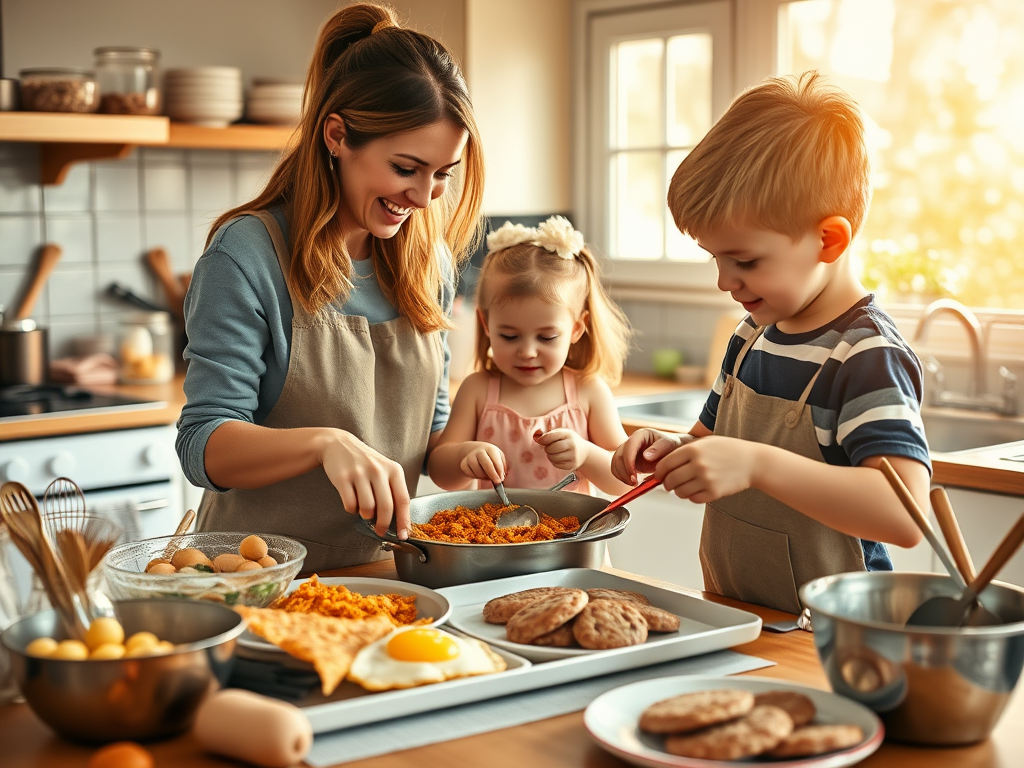
Cooking with children makes the best family breakfast recipes! Homemade sausage patties, hashbrowns, perfect scrambled eggs. Real child kitchen helpers story + weekend breakfast chaos and joy.
I catch myself asking this while scrubbing potatoes at the sink, weeding garden rows, or picking up blocks for the tenth time.
On our homestead, the work never stops. But lately, I’ve seen a few clear ways to shift — not for perfection, but for more peace, presence, and real connection with the people who matter most.
Slow My Yes. Guard My Rest. Here’s one big change: I’d say yes more slowly. And treat rest like a non-negotiable chore.
Extra commitments sneak in easily — kid activities, one more property project, favors for friends. They’re good things. Until they blur our days into exhaustion.
Rest isn’t optional. It’s fuel.
What that looks like for us: – One protected family evening weekly. No plans. No screens. – A slower morning after big days, even if dishes wait. – Sometimes my best “yes” is actually no — leaving margin for what refills us.
Pull the Kids Closer (Mess and All) When I’m tired, my instinct is “just do it myself.” That’s changing.
We’ve asked our six-year-old to help clean and put clothes away. He sighs. Drags his feet through the laundry pile. Grumbles. But he does it. And when he does, my load lightens. We talk about his day while he folds socks and I straighten up the living room. We laugh when a shirt lands inside-out.
Kids helping isn’t efficient. It’s essential.
Those small chores build something bigger: his sense of belonging, our family rhythm, moments to actually connect instead of just managing the house around him.
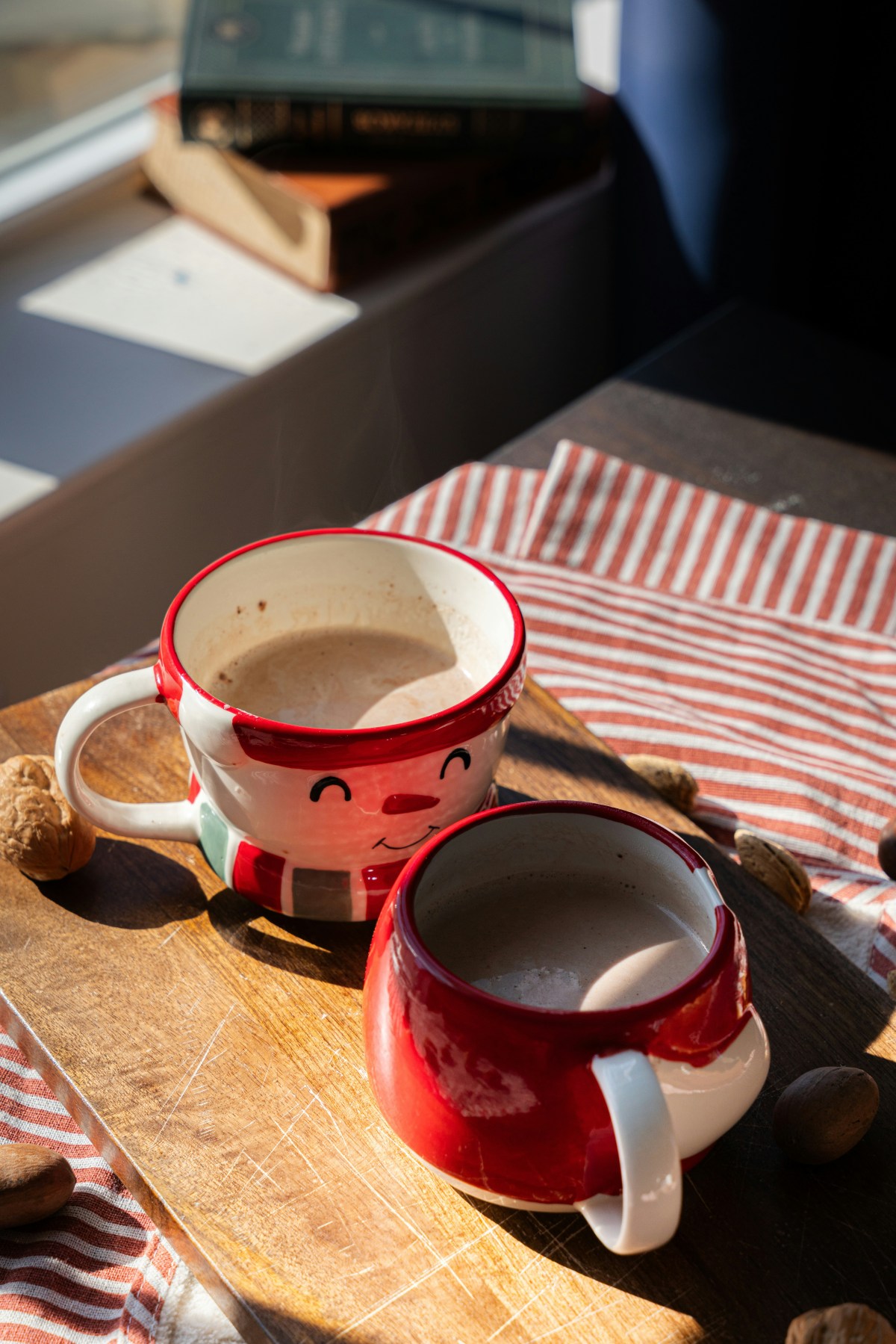
Make Space for Neighbors Right now, we’re looking for more neighbor friends — the kind who stop by with garden produce or help with a project. Lately, I’ve been carving out time for one friend, helping her keep up with a winter garden. We talk animals, plot cold frames, and hope for a game night soon under blankets with hot cocoa.
That’s the kind of margin I want more of. Not just for projects, but people. The garden beds matter. But so do late talks about goats versus chickens, shared labor on a neighbor’s shed, or laughter over cards with new friends nearby.
Real community doesn’t form on a schedule. It grows.
What I could do differently: protect one flexible afternoon weekly for whoever shows up — the neighbor with a question about crop rotation, or someone new walking up the drive. Our homestead thrives when the people around it do, too.
The Change That Stays These shifts aren’t a checklist to conquer. They’re small turns toward what matters:
– Saying yes slower. – Resting on purpose. – Inviting kids into real chores like cleaning and clothes. – Making room for neighbors, not just garden rows.
The weeds won’t stop growing. The laundry won’t vanish. But with these changes, our home could become what I picture most:
A place where garden beds, kids folding tiny clothes, and neighbors’ boots on the porch all thrive side by side.
What’s one thing you could do differently this week? Share your thoughts in the comments!
If this post sparked a moment of thought or connection for you, please take a moment to like, share, or subscribe. Your support helps this little space of reflection and growth keep blossoming.
Love real-life stories from the homestead? Practical Homesteading: growing food, raising kids, building community. Get honest reflections like this in your inbox.
Our century farm renovation near Horicon Marsh: DIY homestead projects while pregnant + newborn care. From dumpsters to Victorian farmhouse ceilings, ambitious DIY lessons after 3 years. Family teamwork transforms fixer-upper. Our most ambitious DIY project ever! 🛠️
Make homemade dumplings the easy, kid‑friendly way! A warm, family‑tested recipe using garden‑fresh veggies, simple dough, and lots of laughter around the table.
If you had a freeway billboard, what would it say?
“Real life — the good kind — isn’t a solo project. It’s meant to be shared.”
If I Had a Freeway Billboard, It Would Say: “We’re Stronger Together.” Simple. Short. True.
That phrase might only take a second to read, but it’s something I’ve come to believe deeply over time. Homesteading, parenting, and everyday life keep reminding me that none of us truly thrive in isolation. We can’t — and we’re not meant to.
The Myth of “Doing It All” I’ve tried to “do it all” before. Maybe you have, too.
I remember one quiet afternoon watching our toddler play alone in the wide stretch of our backyard. Sunlight shone on his light blonde hair. Chickens were clucking somewhere behind him. The smell of wet grass lingered after the rain. My husband and I had been talking about having another child, but the thought brought a flood of questions. Could we manage it all — raising little ones, keeping the homestead going, working — without losing our minds or each other?
That moment planted a seed. I didn’t know it then, but it would change how we lived. Even though we were proud of our self-sufficiency, trying to do everything alone left us stretched thin and quietly disconnected.
Real life — the good kind — isn’t a solo project. It’s meant to be shared.
In the four years since that afternoon, so much has changed. We moved closer to family and, not long after, welcomed our daughter — another beautiful whirlwind of toddler energy. Now we have more of a village to help raise her. And in turn, we can show up for others.
That web of giving and receiving has made all the difference. It’s turned our days into something more sustainable, more joyful, and far more connected.
Why “Together” Matters It’s easy to imagine strength as something proven alone. But real strength is interwoven — built through connection, trust, and shared effort.
It’s the kind that shows up when neighbors help fix our house, when friends drop off soup unasked, or when laughter spills out during chores that would otherwise feel endless.
On the homestead, togetherness looks like shared harvests and muddy boots side by side. The garden gets weeded faster when more than one person is pulling. The work lightens, and the smiles come easier.
That’s the kind of strength that fills the spaces where frustration or loneliness might otherwise take root.
And that same truth guides the way we’re raising our kids.
Building “Together” at Home In our family, we talk a lot about contributing to the household — because this home’s success belongs to all of us.
Since I started giving our six-year-old a daily job, he’s made it clear he doesn’t always love it. He sighs, he drags his feet, and he grumbles his way through — but he does it.
And afterward, something shifts. My load feels lighter, our days run smoother, and I have more time to simply be with him — to laugh, to listen, to connect.
The lesson is simple but powerful: we build strength, resilience, and belonging not by doing everything ourselves, but by doing our part together.
What That Billboard Really Means So if someone sped past my billboard and read the words “We’re stronger together,” I’d hope it would land right when they needed it most — in a moment of overwhelm, or when they’re trying to carry too much alone.
Because strength doesn’t have to mean solitude. Sometimes the bravest thing we can do is reach out a hand — or take one that’s being offered.
After all, the strongest gardens — like families — grow best when many hands tend them.
And that truth keeps my feet steady, season after season.
We’re stronger. Together.
What’s one way someone has shown up for you recently? Please share your stories in the comments.
If this post sparked a moment of thought or connection for you, please take a moment to like, share, or subscribe. Your support helps this little space of reflection and growth keep blossoming.
Love real-life stories from the homestead? Join the Practical Homesteading email list for new posts on growing food, raising kids, and building community, plus seasonal updates and simple, practical ideas for home.
Keywords simple living inspiration, homesteading lifestyle, family-centered life, personal growth journey, rural living values, community and connection, self-sufficiency and family, gratitude and intention
Influence comes in many forms—some quiet and steady, others bold and life-changing. Lately, I’ve been reflecting on who’s helped shape my journey toward simple living, family-centered growth, and self-sufficiency.
Books That Shape My Thinking Books have always been my greatest teachers. I can spend hours tucked into a good nonfiction guide—whether it’s about self-improvement, gardening, or preserving old homestead traditions. The works of Midwestern authors like Jerry Apps hold a special place in my heart. His book about rural school life reminded me of the values that built strong communities: honesty, grit, and compassion. Reading it inspired me to start writing again and to live more intentionally.
Another influential book is Ben Logan’s The Land Remembers. His stories of growing up in Wisconsin capture what I love most about rural living. He talks about connection to the land, rhythm of the seasons, and the quiet lessons found in hard work. These authors remind me that storytelling preserves the values and wisdom worth passing on.
Just as books have shaped how I think about simple living, the people around me continue to shape how I live it each day.
Community That Inspires Me Social media has become a surprisingly powerful influence in my life. My Facebook followers bring so much joy, encouragement, and creativity. We swap garden tips, share family stories, and remind each other that we’re not alone in pursuing intentional living.
What’s even more special is how online connections can grow into real friendships. Just last week, a friend from high school reached out after reading one of my posts. We met for coffee and had a wonderful conversation. It’s one that bridged years and reminded me how connection can start anywhere, even with a simple post. Platforms like YouTube have also become part of my daily rhythm.
Watching fellow homesteaders and lifestyle creators encourages me to keep learning new skills and to approach life’s routines with curiosity and gratitude.
Family That Grounds Me At the heart of my life is family. My parents and in-laws are always ready to help. Sometimes, it’s lending a hand with a project. Other times, it’s offering wisdom when I need it most. My husband is my constant partner—steadfast, kind, and right beside me whether we’re tending the garden or tackling challenges together.
My children have become my best teachers. They remind me to slow down, play, and find joy in the small things. Through them, I’ve learned patience, creativity, and how to truly appreciate everyday blessings.
And my sisters hold a special place in my heart. We share humor, sorrow, and plenty of homesteading projects. Their support and laughter keep me rooted, even when life feels hectic.
Living and Learning Together Every influence—books, community, and family—forms part of the foundation that supports my growth. They motivate me to write, to homestead with purpose, and to live each day with gratitude. Growth doesn’t happen in isolation; it blossoms through shared stories, nurturing relationships, and open hearts.
Now it’s your turn. Who or what have you found to be influential in your life?
If this journey speaks to you, I’d love to have you join this community. We discuss simple living, homesteading, and personal growth through family life. Subscribe to my blog for weekly reflections, practical tips, and heartfelt stories about building a life rooted in intention and simplicity. Let’s keep growing and creating something meaningful together.
A heartfelt reflection on love, marriage, and family life on the homestead — exploring how the men who shaped me taught lessons of hard work, faith, and growth across every season.
A thoughtful parenting moment inspires reflections on curiosity, learning, and adventure from home. Discover how one mom connects travel dreams, homesteading life, and the wonder of raising endlessly curious kids.
What positive events have taken place in your life over the past year? When my mom called her three-week hospital stay “the worst resort ever,” we laughed—a little nervously, but genuinely. That’s just who she is: tough as nails with humor for armor. The “resort” came with a 24-hour staff, questionable cuisine, and, as she…
Disclosure: This post contains affiliate links. As an Amazon Associate, I earn from qualifying purchases. Thanks for supporting Practical Homesteading!
If you walked down a typical grocery store aisle with me, you might think I’m lost. While most American shoppers reach for convenience, I’m the one squinting at sacks of flour, jars of yeast, and tubs of coconut oil — the same staples my great-grandmother probably chose 75 years ago. I don’t shop for ready-made meals; I shop for possibility.
At home, those bulk ingredients become whatever we need — bread, tortillas, sauces, or even snacks. If I don’t know how to make something, I learn. A simple search and a quiet evening in the kitchen have taught me more than any cookbook could. This hands-on, old-fashioned approach has saved us thousands over the years, but more importantly, it’s built confidence, patience, and gratitude for every meal we share.
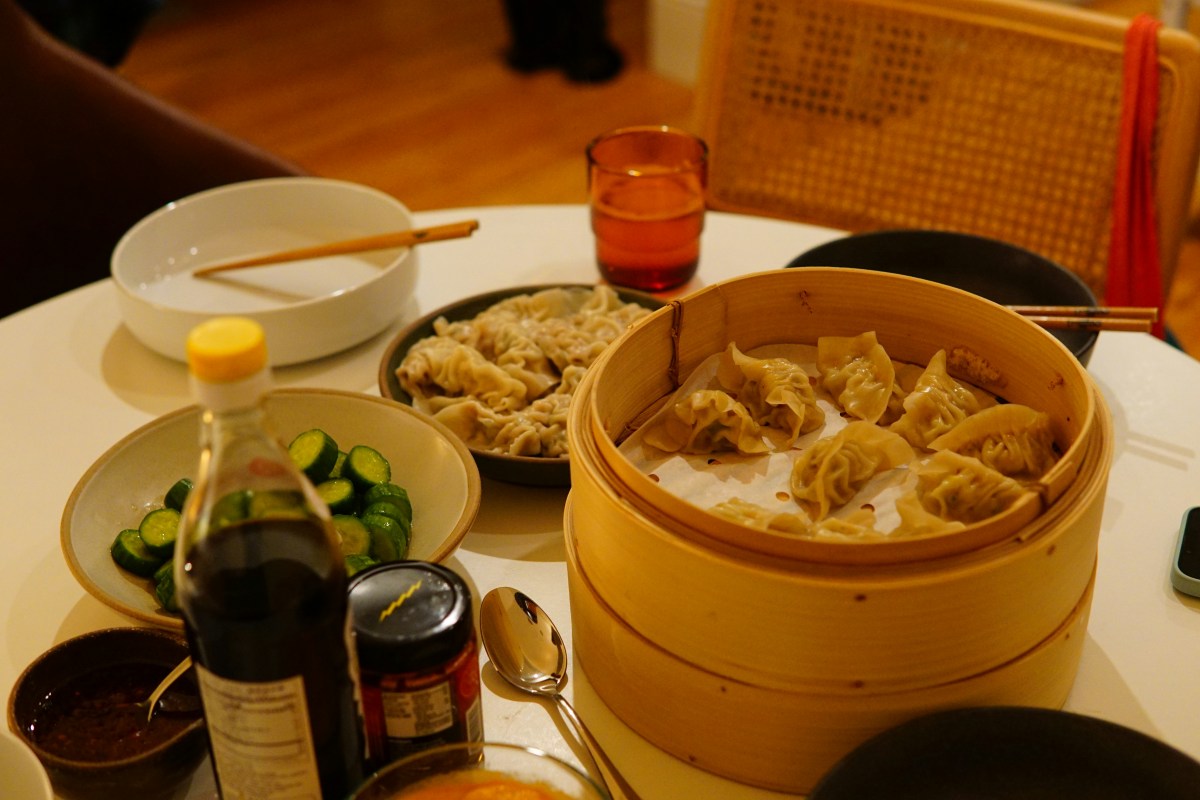
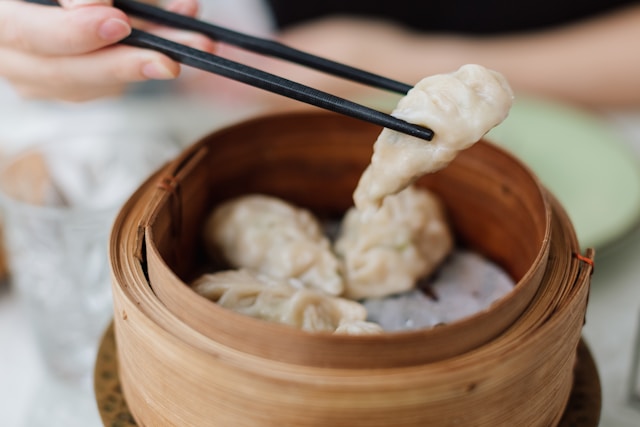
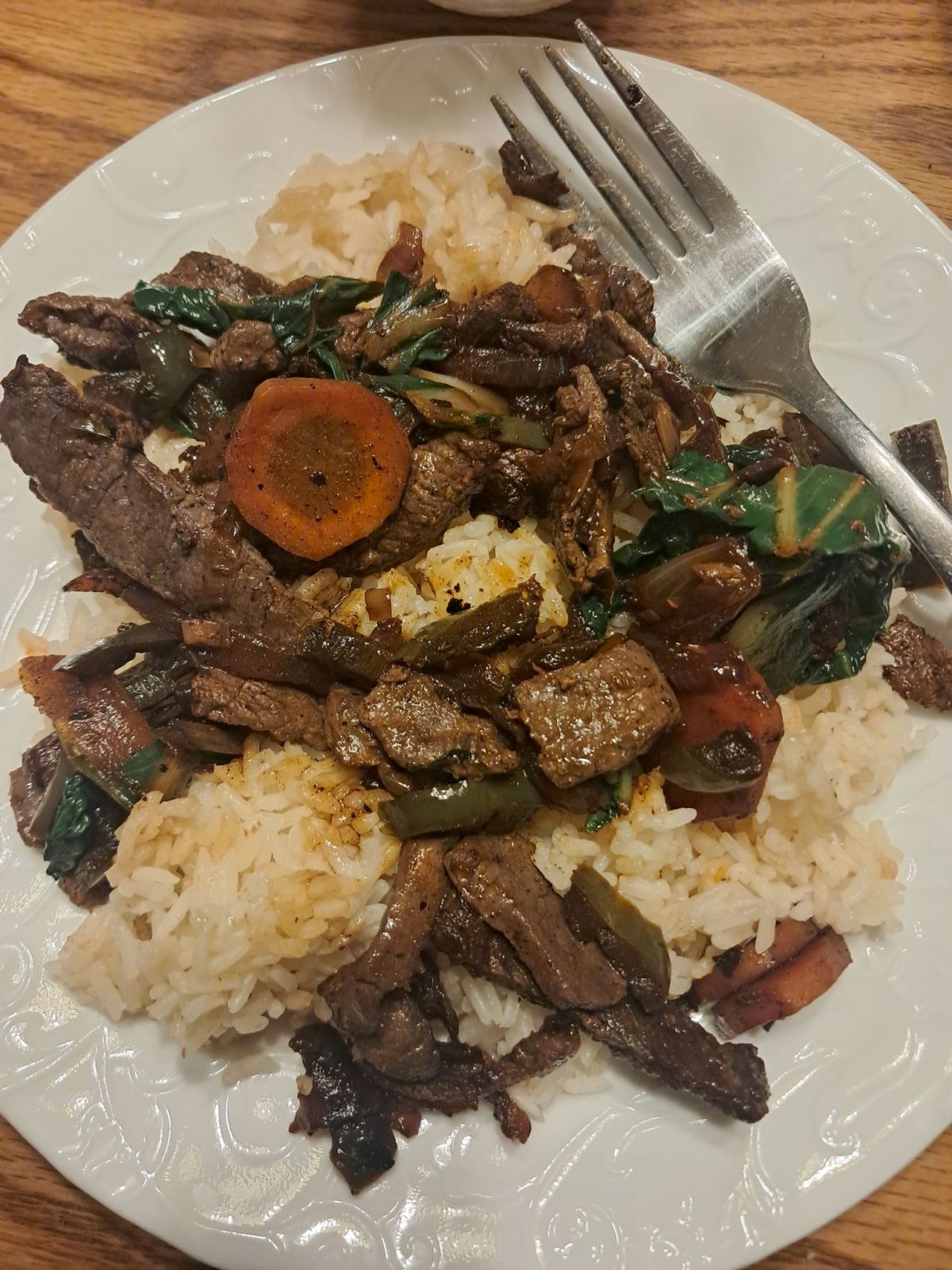
Now, that doesn’t mean I don’t enjoy Chinese takeout once in a while! I’ve learned to make my own dumpling and stir-fry recipes — they’re delicious when they turn out, and hilarious when they don’t. (One of my most epic flops was a lemon pepper chicken so salty it could’ve been used as a salt lick.) Mistakes keep me humble, and in a way, they’re the best ingredient for growth.
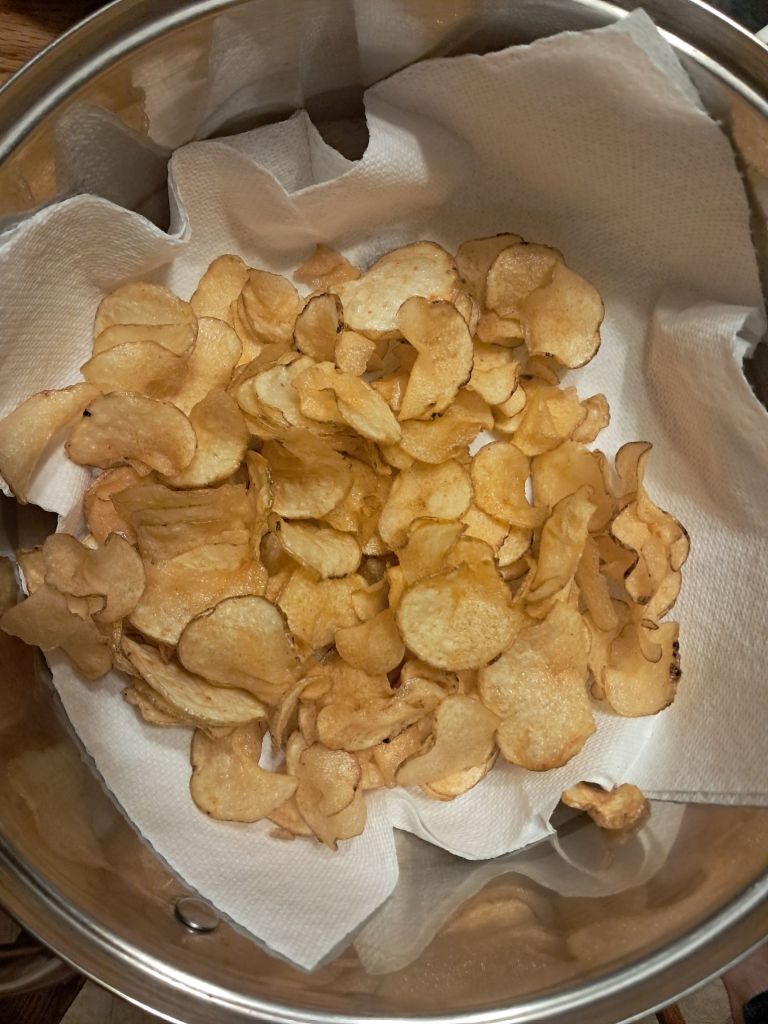
Homemade potato chipsBloody Mary with mostly homegrown ingredients
So with gratitude — and a dash of humility — here are my five most essential grocery items and how they shape my kitchen life on the homestead.
5. Coconut Oil
Coconut oil (affiliate link) is my go-to multipurpose fat. It melts like butter and works wonders in place of lard or shortening. I use it to pop popcorn, bake desserts, and even blend it into homemade flour tortillas.
Its aroma — faintly sweet and buttery — adds a subtle depth you can’t quite place but always appreciate.
Tip: For tender baked goods, replace half the butter or shortening in your recipe with coconut oil, then reduce liquid slightly. It gives just enough chew without the greasy feel.
4. Active Dry Yeast
Yeast (affiliate link) is the quiet hero of my kitchen — small, simple, and full of potential. Watching dough rise never loses its magic, especially when the kitchen smells of warm, sweet yeast and anticipation.
It symbolizes self-reliance: turning flour, water, and salt into something living, breathing, and nourishing.
Tip: Always proof yeast with a pinch of sugar in warm water (around 110°F). If it bubbles within 10 minutes, your dough is ready to rise.
3. Chicken and Beef Bouillon Powder
I lean on chicken (affiliate link) and beef (affiliate link) bouillon powders for soups, gravies, and especially rice. Cooking rice in chicken or beef stock instead of water transforms it from plain to crave-worthy.
I also mix beef bouillon into my homemade onion soup powder — it adds warmth and richness that store mixes can’t match.
Tip: Swap half the water for stock when cooking noodles, grains, or vegetables. It’s the fastest way to round out flavor without extra sauces or salt.
2. Plain White Sugar
Plain old white sugar earns a spot near the top because it does so much more than sweeten desserts. It wakes up yeast, balances tomato acidity, and — lately — fuels our lemonade habit.
My sister keeps me well-supplied with lemons, so I make fresh lemonade weekly. When the kids come in sun-dusted and thirsty, that chilled pitcher waiting in the fridge makes them light up.
Tip: Add a teaspoon of sugar to tomato sauces or soups to tame acidity without losing depth of flavor.
1. Flour
If coconut oil is the heart of my pantry, flour is its backbone. I buy high-gluten flour for breadmaking (affiliate link), but I’m excited to experiment more with ancient grains soon.
The feel of dough under my hands, the smell of a fresh loaf cooling on the counter, and the crackle as it’s sliced — it’s the rhythm that grounds my kitchen.
Flour builds loaves, tortillas, focaccia, and even desserts. It’s humble, forgiving, and powerful — no one in my house has ever once complained about home-baked anything.
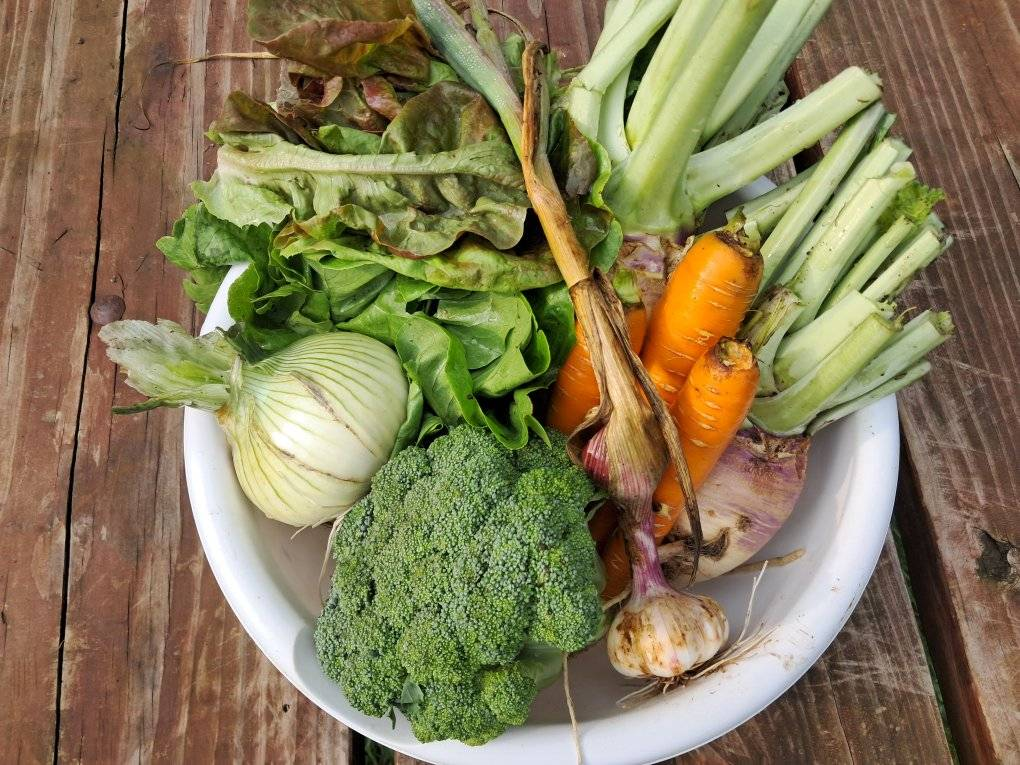
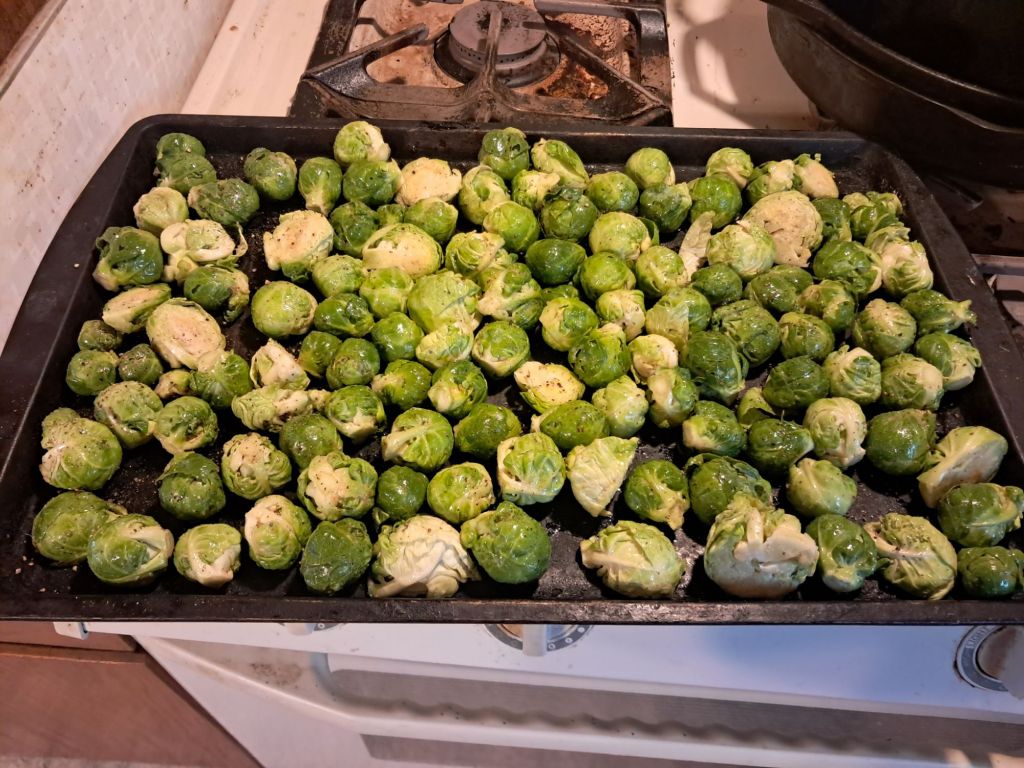
We rarely buy vegetables from the store, relying instead on what we’ve grown and preserved — jars of tomatoes, beans, and pickles lining the pantry. They remind me that what we grow in summer sustains us long after the frost sets in.
Our winter meals center around potatoes, onions, and frozen vegetables like broccoli and bell peppers. We’ve experimented with extending our garden season using a small greenhouse and straw. There’s something deeply satisfying about pulling greens or a carrot from a garden while snow still glitters outside.
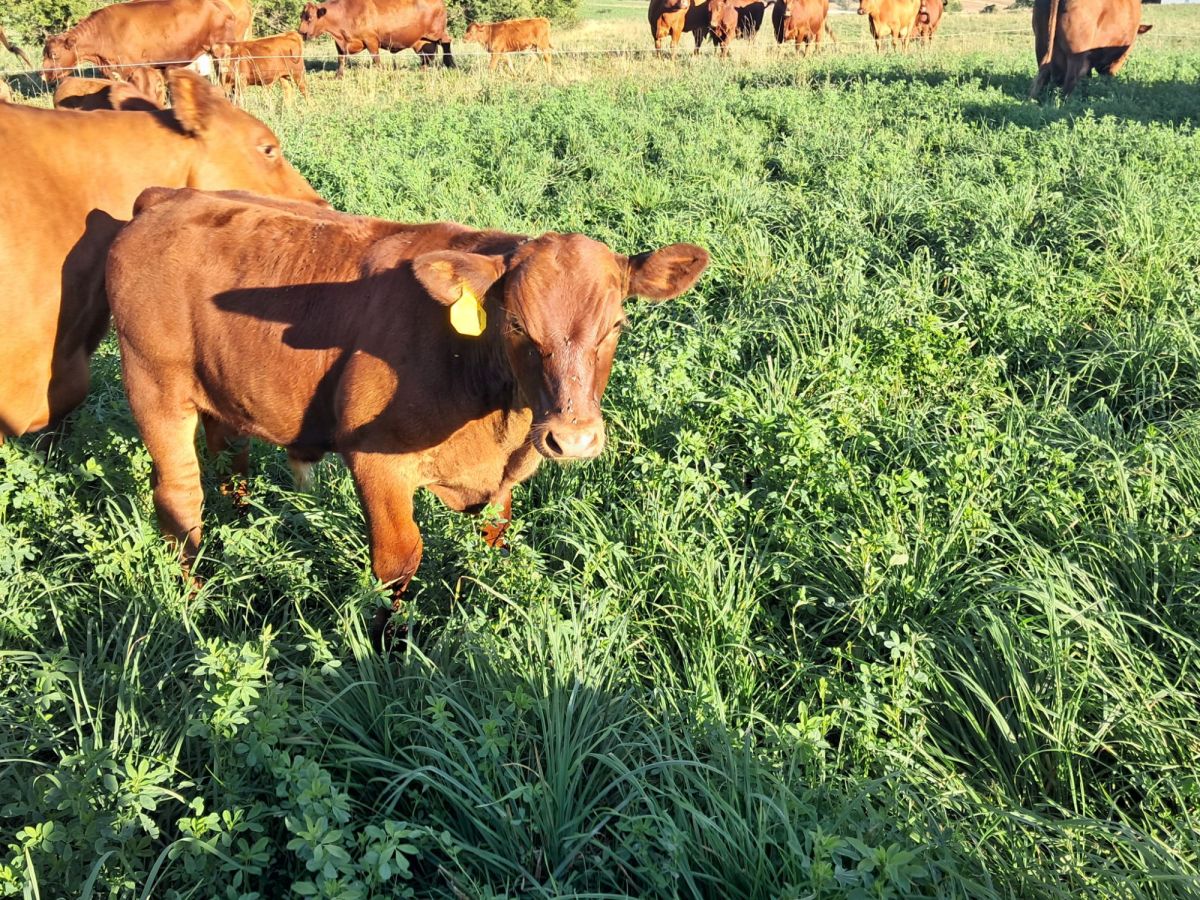
As for meat, we’re still building toward full independence. We raise our own pork, purchase beef from my sister’s grass-fed herd, and still buy chicken from the store — for now. One day soon, meat birds will join the homestead lineup, and the circle will feel more complete.
Each grocery item on this list earns its place not for novelty but for versatility. They remind me that eating well doesn’t require endless ingredients — just a few solid building blocks and the creativity to make them shine.
This slower, more deliberate approach to cooking has taught me creativity, patience, and gratitude — lessons that spill over into every other area of life.
Homesteading has shown me that ingredients matter less than the care and love you pour into them. Every loaf, jar, and meal built from raw goods feels like an act of heritage — and hope — in a world that moves too fast.
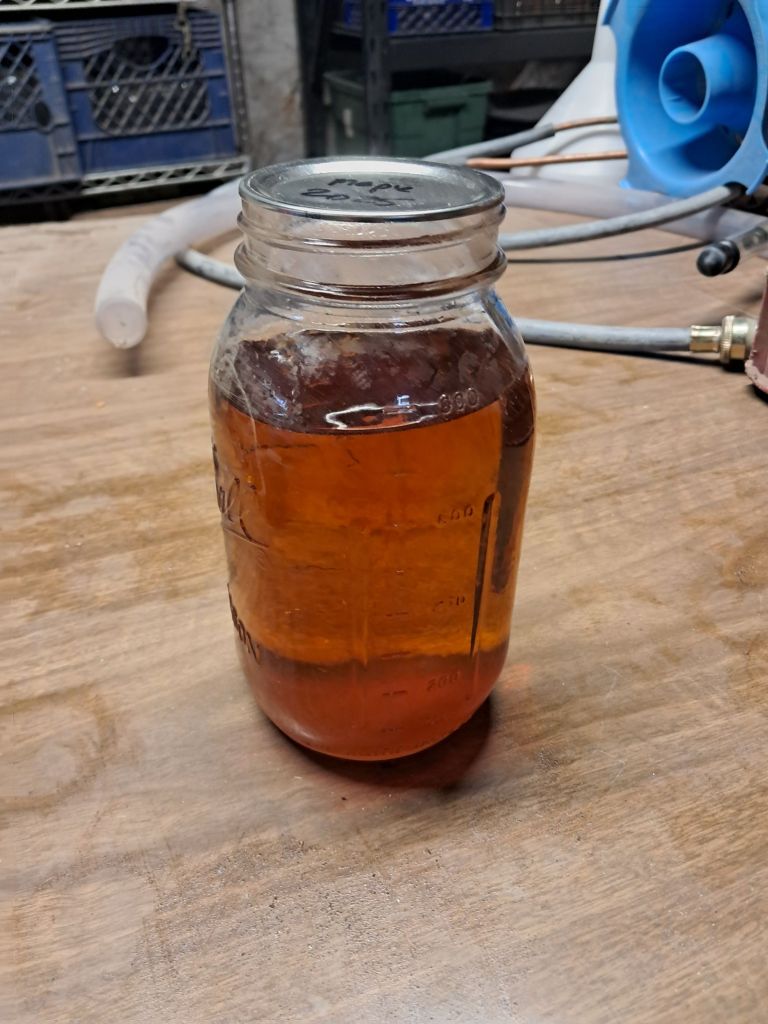
Homestead maple syrup
What five grocery staples would make your list? Please share them in the comments. And if this post inspired you, please like, share, or subscribe to follow more homesteading stories, seasonal recipes, and simple living tips.
Experience a vivid farm story about rotational grazing, resilience, and regenerative land stewardship through the eyes of a family and their Red Angus herd. Discover how cattle, people, and pasture move together in balance
Disclosure: This post contains affiliate links. As an Amazon Associate, I earn from qualifying purchases. Thanks for supporting Practical Homesteading! There’s something special about meals that tell a story. The kind of food that’s more than a recipe — but part of life. For us, that story came together in one simple dish: a homemade…
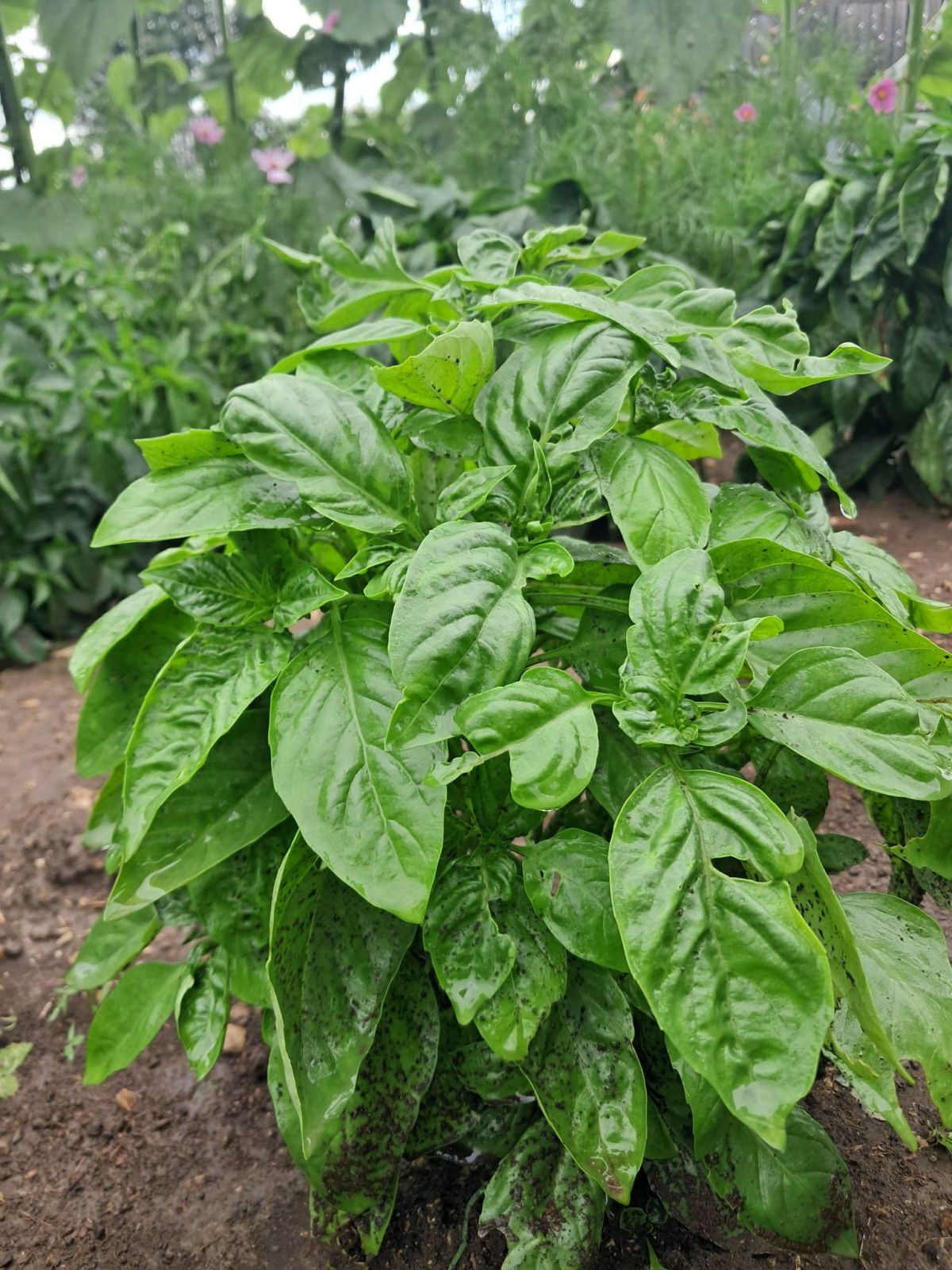
A 2025 garden reflection full of lessons, surprises, and laughter—one-pound onions, overflowing basil, hybrid watermelon mishaps, and happy pigs. Discover the stories and takeaways from our most rewarding gardening season yet.
I get a little thrill every time someone says I have a great memory. To me, it means they felt remembered—seen in some small but meaningful way. Remembering a friend’s child’s name, a neighbor’s birthday, or a detail from a conversation months ago is my way of saying, “You matter to me.”
Over the years, through college, grad school, and now in my work and home life, I’ve been lucky to cross paths with so many different people. I’ve learned that connection rarely comes from big, dramatic moments. It usually comes from the quiet things. I listen closely, ask follow-up questions, and circle back to the small details someone trusted me with.
When I ask about a new baby, check in on a big project, or remember to follow up on a hard week someone mentioned, it doesn’t feel like a task on a to-do list. It feels like a privilege. I love learning about people’s families, work, and hopes and letting them know their stories didn’t just pass through my mind and disappear.
That same mindset is woven into how I think about family and homesteading. Both require paying attention. You learn the rhythms of your people, your animals, your garden, your land. You notice when something is off, when something is thriving, when something needs a little extra care. It’s a slower pace, but it’s richer because you’re actually present enough to see what’s happening.
In a world that moves fast and often skims the surface, I hope people say that I slowed down and truly paid attention. That I listened well, cared deeply, and made even ordinary conversations feel like reminders that they mattered. Whether it’s tending relationships or tending a garden, it’s the small, consistent acts of care that make a life feel full.
If this resonated with you, it would mean a lot if you liked this post. Share it with a friend who values meaningful connection. Subscribe to the blog so you don’t miss future reflections on family, homesteading, and intentional living.
The first time I heard, “Good morning, men!” echo off the beige cubicle walls, I felt invisible, a ghost in a room full of voices. Fresh out of grad school and just one of two professional women in the office, I was convinced someone would soon discover the imposter I believed myself to be: a…
They say food is a universal language, but sometimes, it also has a quiet legacy. Eleven years ago, I was on a road trip with my mom, aunt, and sister when we stopped at a small restaurant and ordered Swedish meatballs. I still remember how delicious they were: comforting, perfectly spiced, and unforgettable. That afternoon,…
Struggling with fear of judgment? How silence creates isolation, why authentic self-expression feels dangerous, and 3 small steps to overcome rejection anxiety and build real connections.
Sometimes the most important thing we build isn’t made of cardboard.
A Big Idea (and a Bigger Mess)
My 5-year-old son was determined to build a fort, though he pronounced it “for-et,” which made it even more endearing. I try hard to encourage his creative play, if it doesn’t involve wrecking things, so I said, “Of course, go ahead!”
He began his mission by gathering the many cardboard boxes we had stacked in our basement waiting to be cleared. Soon, these became a haphazard fortress-in-progress outside our back door. It quickly turned into a cluttered obstacle course we had to navigate. My husband was less than thrilled.
The Deal
The next morning before leaving for work, my husband struck a deal with our fort architect:
If he could move all the basement boxes for disposal and clear a large new box we’d just acquired, he could use that big box as the foundation of his fort.
Simple enough.
So before breakfast, my son excitedly dragged everything out of the biggest box and scattered its contents across the driveway, completely ignoring the deal. Then he bounded in, wide-eyed, asking me to help cut a door into the fort.
One Box, Infinite Overwhelm
I stepped outside and surveyed the scene. None of the other boxes had moved. And now, there was a fresh mess on top of the old one.
When I gently reminded him of the first part of his task, his smile drooped. He looked at the towering stack of boxes and sighed.
“There are so many,” he said. “It will take 100 years to move them all!”
At first, I wanted to say what I usually say: It’s not that many. Or: If you’d started earlier, you’d be almost done by now.
But I caught myself.
Would those words help him—or just shame him?
Choosing Empathy
Instead, I sat down, pulled him into my lap, and gave him a squeeze.
“Sounds like you’re feeling overwhelmed,” I said.
He nodded, eyes watery.
“You know, I feel that way sometimes too. When I have so much to do, I don’t even know where to start.”
“You do?” he asked, brightening.
“Of course,” I smiled. “When that happens, I take a deep breath.”
I took an exaggerated inhale and exhale, which made him giggle. Then I added:
“And I try to do just one thing at a time for half an hour. You’d be surprised how much you can get done that way.”
“Okay!” he said.
Momentum (and Breakfast)
“But first,” I said, “you need breakfast. You’ll have more energy after eating.”
“I’m already strong enough,” he insisted.
“I know,” I smiled. “But strong people get hungry too.”
After breakfast, he set to work. Later, he proudly announced:
“Mom! I stacked some boxes inside others. It made moving them faster!”
“Genius!” I said. “What about the other pile?”
“Huh?!”
A short follow-up pep talk was in order, and before long, he had moved all the boxes.
It didn’t even take 100 years.
Somewhere along the way, the project transformed from a for-et into a clubhouse (don’t ask me how).
The Clubhouse Reveal
Next came door-cutting. He wanted it done immediately. I made him wait until I finished a task of my own.
Then, I carefully helped carve a doorway into the giant box to his exacting specifications.
After lunch, armed with a black Sharpie, he decorated the clubhouse with the enthusiasm that only kids can generate. He led me out for the grand tour:
“See the man on the door? He’s inviting everyone inside. Here’s a sign that shows who can come in, even old people. What do these letters spell?” (They were random, adorable runes.) “There’s a whale… and another whale… and my name. And these are solar panels to power the clubhouse. Come inside!“
I squeezed through the narrow doorway. He followed.
“Turn on the light, Mom!” he said. “The switch is right behind you.”
Of course it was.
What His Fort Taught Me
Watching my son struggle reminded me how easy it is to feel overwhelmed when faced with a big, messy task.
His honest frustration echoed feelings I often hide behind adult composure. And instead of rushing to correct him, I chose empathy, and it changed everything.
Helping him break the job into tiny steps, encouraging him to breathe through the hard parts, taught both of us that real progress doesn’t come from powering through: it comes from pausing, noticing, and taking the next small step.
Final Thoughts
I still lose my patience more often than I’d like to admit. But in moments like these, I’m reminded that the real “for-et” we build each day isn’t made of cardboard at all: it’s built of patience, understanding, and kindness.
And just like my son’s fort, it might not look perfect.
But it stands strong: messy, magical, and full of love.💬 Got your own “clubhouse moment” or parenting win (or fail)? I’d love to hear it in the comments. Don’t forget to share and subscribe if this resonated with you.












 Practical Homesteading