Tag: farm life

  • The Chore That Never Gets Done (and Why That’s Okay)

    The Chore That Never Gets Done (and Why That’s Okay)

    Something on your “to-do list” that never gets done.

    There’s one item that’s been living rent-free on my to-do list for what feels like forever: deep-clean the house. Every week I write it down with the best intentions, and every week it stares back at me, smug and unchecked.

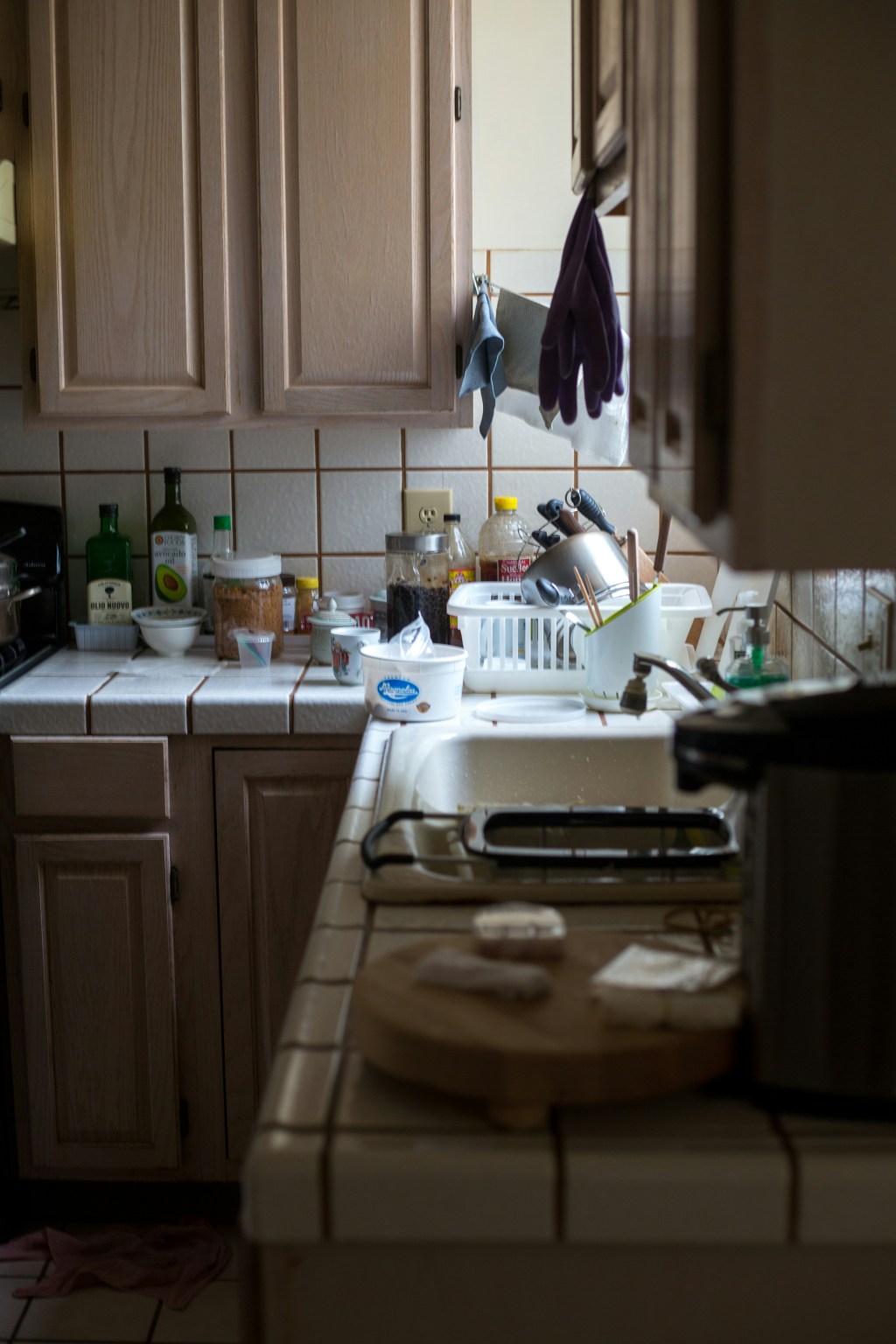
    Sure, I’m great at the daily tidy-ups—the quick resets, leaping over toys, and keeping countertops visible (mostly). But the real deep clean? Scrubbing baseboards, washing curtains, or tackling the mystery stuff in the back of the cabinets? Somehow that always gets bumped down the list by, well… just about everything else.

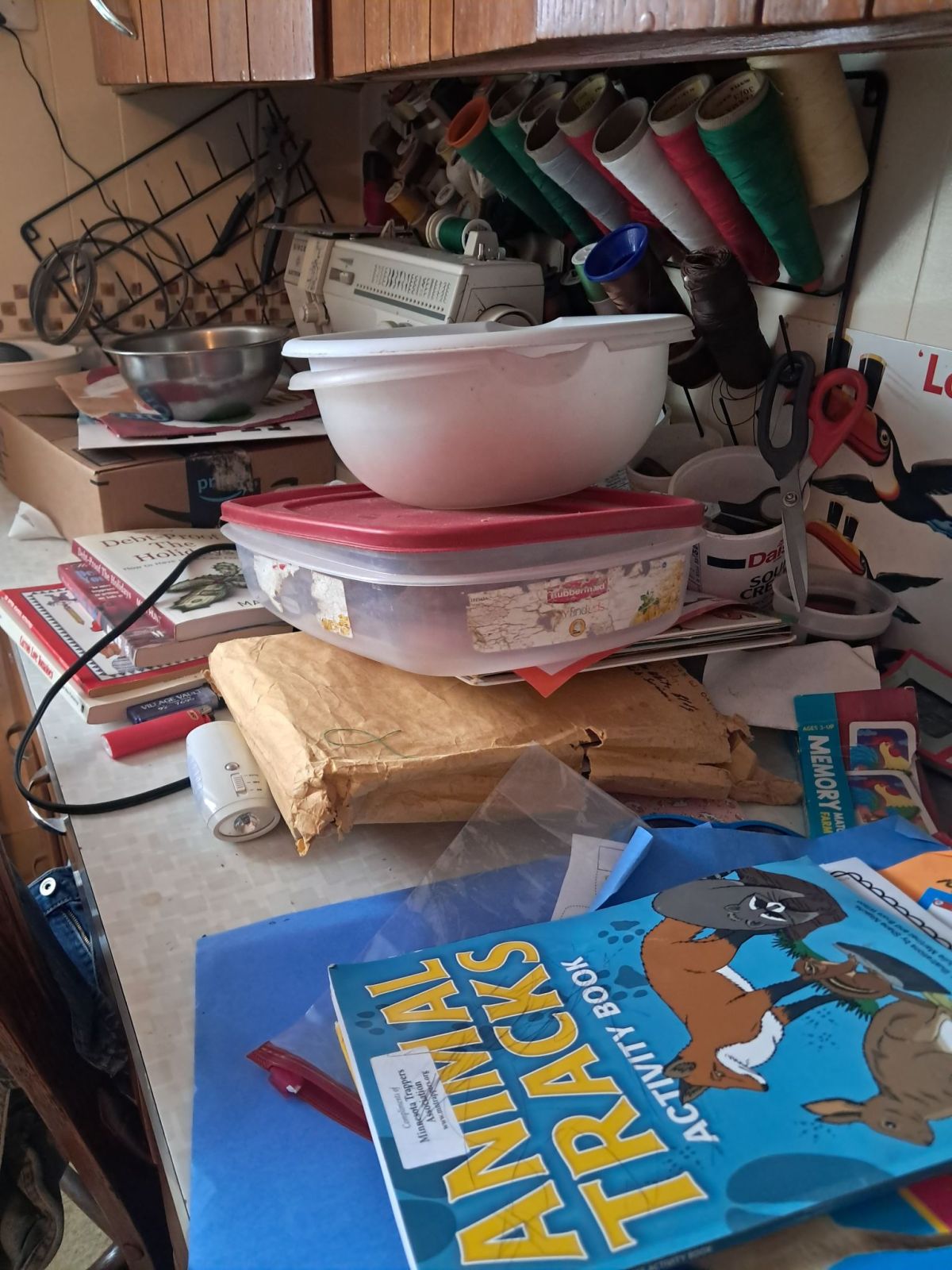
    Part of the problem is our ongoing upstairs renovation. Two years in, and we’re still coaxing this old house back to life—tearing out lath and plaster, sealing drywall, trying to keep ahead of the dusty evidence. That fine gray film drifts through the house like snow that overstays its welcome. Add two little kids who turn any clean surface into an art project within minutes, and—let’s be honest—deep cleaning doesn’t stand a chance.

    By the time evening rolls around, my energy’s long gone. I look around, spot another trail of cracker crumbs, and think, good enough till tomorrow. Honestly, I’ll take progress over perfection any day.

    My (Somewhat Hopeful) Game Plan

    I keep telling myself there has to be a way to outsmart this never-ending chore. Maybe it’s not about a single heroic cleaning day but smaller, practical wins.

    • Fifteen-minute power bursts. Pick one room, one task, one playlist. Quick sweep, easy win.
    • Recruit the tiny troops. The kids love joining in—with spray bottles and rags, no less. Sure, it takes longer, but at least we laugh through it.
    • Wait for calmer seasons. Once the last coat of paint dries and the drywall dust clears, I’ll finally give this place a top-to-bottom refresh.
    • Keep the dream in mind. A calm, clean space where we can all exhale—that’s the goal. Future me will be thrilled.

    Until then, I’m embracing the real version of home: a little messy, a lot loved, always humming with life. Between raising kids, growing things outside, and building something meaningful in our community, there’s bound to be dust somewhere—and that’s okay.

    Feature Photo by Jason Leung on Unsplash


    So tell me—what’s the chore that never quite leaves your list? Let’s swap confessions in the comments and remind each other that perfect isn’t the point—living fully is.

    If you enjoyed this peek into our real-life chaos, give this post a little love. Like it, share it with a friend, or subscribe for more stories about growing food, raising kids, and building community one messy day at a time.

    Related Posts
  • What I Complain About Most: Why Farmers Deserve More Appreciation (And How We’re Reconnecting)

    What I Complain About Most: Why Farmers Deserve More Appreciation (And How We’re Reconnecting)

    Daily writing prompt
    What do you complain about the most?

    I used to be a champion complainer—until I realized it never planted a single seed worth growing.


    I try not to complain too much. It’s a nasty habit that usually leaves me feeling worse than before I started. Instead, I try to live by the words of the Serenity Prayer:

    “God, grant me the serenity to accept the things I cannot change,
    The courage to change the things I can,
    And the wisdom to know the difference.”

    When I catch myself slipping into that spiral of frustration, I remind myself of those lines. If there’s something I can fix, I get to work on it. If there isn’t, I try to shift my perspective. Some days, that works beautifully. Other days, not so much—but it’s a practice, and a worthwhile one.


    When Passion Comes from Frustration

    Still, there are some things bigger than myself that I can’t quite let go of—issues that deserve our collective attention. That’s where my frustration tends to turn into passion.

    If you really want to know what gets me on my soapbox, it’s this: how undervalued the foundation of our society has become—the farmer.


    Lessons from the Milking Barn

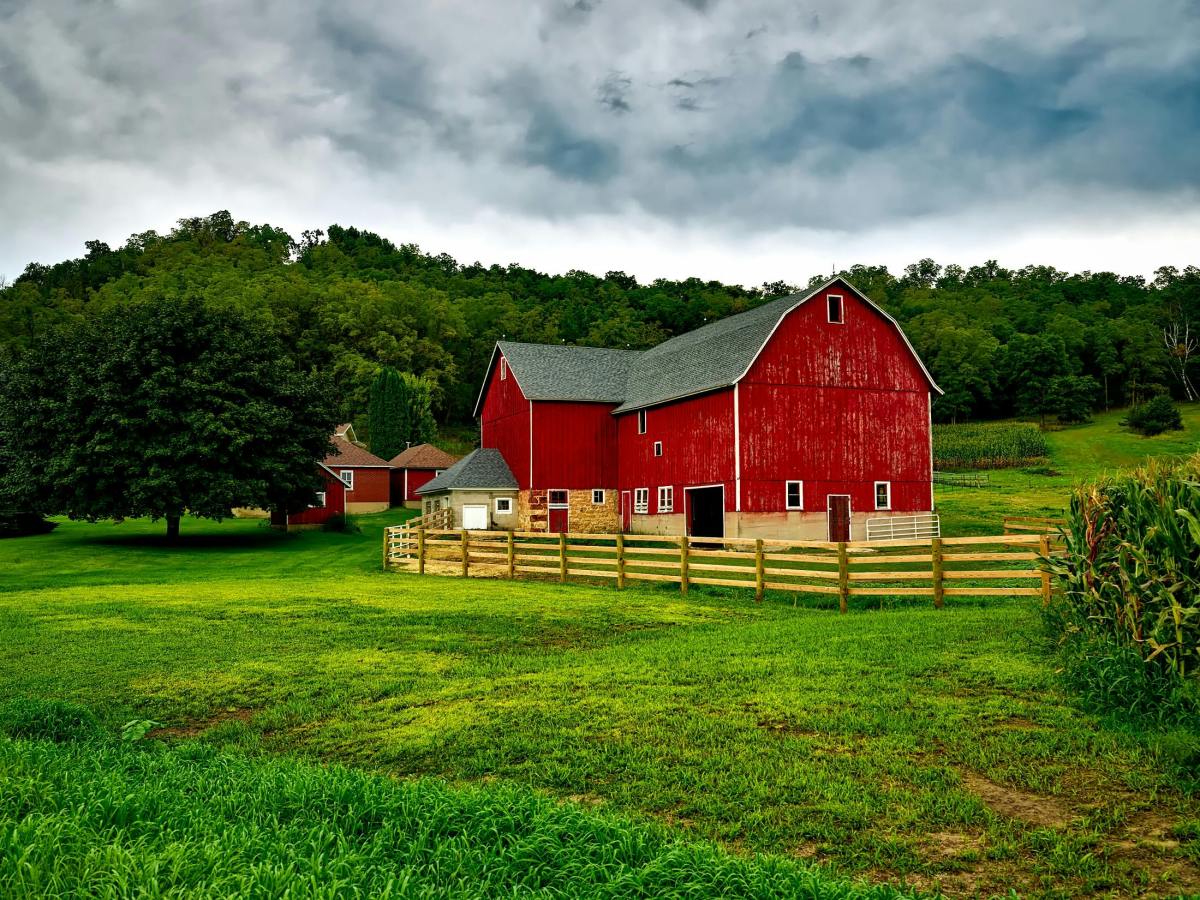
    I grew up on a dairy farm surrounded by fields, animals, and five hardworking older sisters. My dad, like many farmers, cautioned us not to follow in his footsteps. He didn’t say that out of bitterness; he said it out of love.

    He knew farming demanded endless hours, uncertain pay, and a body that rarely got a day off. The cows still needed milking before dawn, even after a night of broken sleep or if you were sick. The hay still needed to come in, even if rain clouds were gathering on the horizon. And no matter how hard you worked, the weather or the market could undo it all in a single season. With today’s global markets, that uncertainty feels even sharper than it did thirty years ago.


    The Great Disconnect

    Despite all that labor, society often treats farmers as an afterthought. We depend on them for our most basic need: food. Yet we seem disconnected from what it truly takes to put dinner on the table. It’s astonishing how quickly that disconnect happened. In just two or three generations, we’ve gone from home gardens, backyard chickens, and canning jars in the pantry to drive‑thru dinners and foods that travel thousands of miles before reaching us.

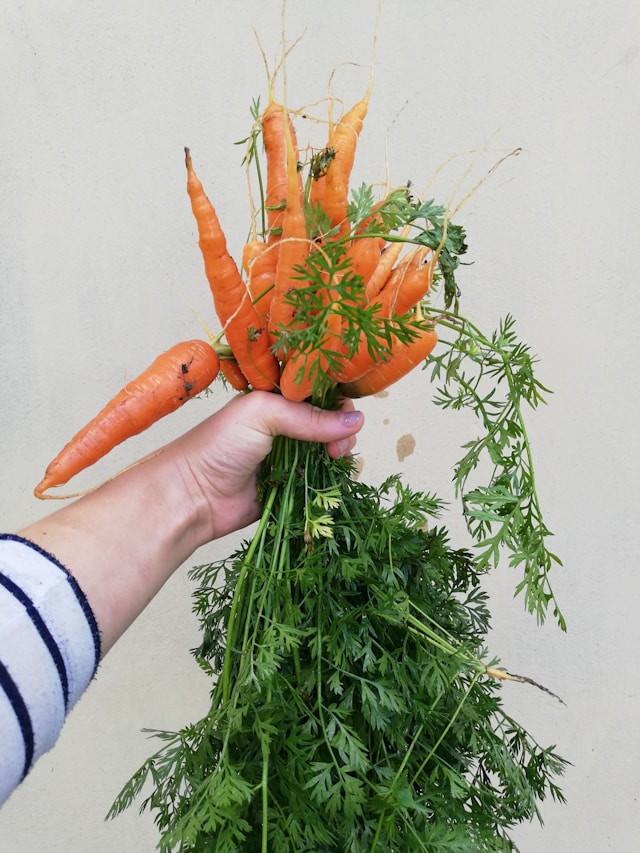
    Our modern food system is complicated. We’ve gained convenience but lost some wisdom along the way—wisdom about soil, seasons, and self‑sufficiency. Many children have never pulled a carrot from the ground or gathered a fresh egg. Even adults often feel surprised to learn where their food comes from.


    Marketing Replaces Memory

    Not long ago, I saw a potato chip bag proudly labeled “Made with Real Potatoes,” as if that were some sort of revelation. It made me laugh—and then it made me sad.

    Somewhere along the way, marketing replaced knowledge. We began trusting brands more than the soil, and food became a product instead of a shared experience. When I mentioned it on my Facebook page, people chimed in from everywhere. It turns out, so many of us feel the same way—grateful for convenience, but yearning to reconnect.


    Growing, Raising, and Reconnecting

    That little moment reminded me why I care so deeply about growing food, raising kids, and building community. These things are intertwined. When children understand where their meals come from, when we grow even a small piece of what we eat, when neighbors come together to share skills, seeds, and harvests—we start to rebuild that lost connection. Even something as simple as buying from a local farmers market, planting herbs on a windowsill, or teaching a child how to cook can make a difference.

    So maybe I don’t really complain all that much anymore. Maybe what I’m doing is something better: advocating, educating, and planting small seeds of change and connection in my backyard and in my community. Because while I can’t change the world overnight, I can nurture the soil right in front of me. And that feels like a pretty good start.


    Resources I Recommend

    Disclosure: This section contains Amazon affiliate links. If you purchase through them, I may earn a small commission at no extra cost to you. Thank you for supporting Practical Homesteading!

    If this post stirred something in you, here are a few places to start learning, growing, and preserving more of your own food. I only share resources I truly find useful.

    • Read and reflect: One book that has deeply shaped how I think about food and farming is The Omnivore’s Dilemma by Michael Pollan. It follows several different meals from source to table and invites you to really consider where your food comes from and who grows it. You can buy it in my link or borrow it from your local library.
    • Learn the basics of preserving: The Ball Book of Preserving is a solid, economical place to start if you’re new to canning. It covers the fundamentals clearly without feeling overwhelming, and it’s a great first step into safe home food preservation.
    • Go deeper with more recipes: The Ball Complete Book of Home Preserving is a much more comprehensive resource, with many more recipes and techniques. It’s a bigger investment, but worth it if you discover that preserving is something you love and want to keep expanding.
    • My home preservation essentials: I’ve put together an Amazon list of tools and books I use or recommend for dehydrating, canning, and freezing food at home. You can find it here: Home Preservation Essentials.

    If you have favorite books, tools, or simple tips for beginners who want to grow or preserve their own food, please share them in the comments—I’d love to learn from you, too!


    Loved this? Hit that ❤️ if it resonated. Share with a friend who needs to hear it. Subscribe for more real talk about growing food and building community. Your support means everything!

    Related Posts

    Why I Chose Homesteading

    Working mom of 2 shares her homesteading origin story – from Wisconsin dairy farm rebel to choosing chickens, gardening and bread making. Environmental professional finds freedom in practical homesteading.

    Keep reading
  • Why I Chose Homesteading

    Why I Chose Homesteading

    Disclosure: This post contains affiliate links. As an Amazon Associate, I earn from qualifying purchases. Thanks for supporting Practical Homesteading!


    I turn 36 this week, and it feels like as good a time as any to tell you who I am.

    I am

    • a wife
    • a working mother of 2 beautiful children
    • an environmental professional
    • a homesteader
    • a gardener
    • a reader
    • an animal caretaker
    • an aspiring writer (the blog you’re reading is me practicing)
    • an amateur historian
    • a perfectionist
    • a ruminator
    • a friend
    • a daughter
    • a sister

    Growing Up on a Wisconsin Dairy Farm
    I grew up on a dairy farm in Southeastern Wisconsin during the 1990s. It was a tumultuous time in farming—small family-run dairy farms were rapidly disappearing into larger, consolidated operations.

    My dad secretly never wanted to be a farmer. Born an only child into a multigenerational operation, he inherited the responsibility anyway. Despite that, he managed to hold onto his land and his 60-cow herd through years of stress and hardship. All the while, there was this undercurrent—he’d tell us kids, “Don’t farm. There’s no money in it.” That story deserves its own post someday.

    In 2001, my dad sold the herd and rented the land to a nearby large farm. By that point, my five older sisters had mostly graduated high school and left to make their own way. My parents took “city jobs”—Ma at the local grocery store, my dad first as a farmhand, then for a local horizontal drilling company. They bought beef cattle for me to care for during my teenage years.

    The Teenage Rebel Who Wanted Out
    Before my dad took over from his father, farmers traveled no more than a mile to access all their land. By the time he changed careers 25 years later, some had to drive an hour or more to reach the farthest corners of their acreage. The world I grew up in was already shifting fast beneath my feet.

    But as a teenager, I couldn’t have cared less about the cattle I was entrusted with. Farming felt pointless. I was determined to “get out of Dodge County” and go to college in nearby Madison. Books came easily to me, and I wore that like armor. I had a chip on my shoulder—I thought I was smarter than the farm life, better than staying put, that I had everything figured out.

    Pride, Pain, and Coming Back to Earth
    Pride comes before a fall, as they say. I never had one dramatic crash, but I had low moments that humbled me.

    When I was 17, I sustained serious burn injuries on my arms and chest. I received skin grafts on my arms. I spent a long season wrestling with shame and the fact that I was marked by scars. When I finally reached Madison—the dream I’d chased—I felt small next to high achievers who hadn’t come from farms and had flawless skin.

    Even after landing a job as an environmental professional, I stood in rooms feeling inadequate beside people who seemed to know so much more. It took years to accept I wasn’t the smartest person in the room—but I still had something valuable to offer.

    Love, Long Courtship, and Hotel-Hopping 20s
    I started dating my now-husband at 19. We’d known each other longer, but that’s when our story began. He didn’t grow up on a farm but found agriculture fascinating. He thought it was neat that I’d spent my childhood around cows, even as I ran away from that identity.

    After a long courtship, we married when I was 27. We loved each other deeply, but finding our rhythm took time. Through trial and error, we landed on shared ground: children, homesteading, and country living.

    All along, I’d quietly loved making things from scratch, even if I didn’t call it homesteading. Freshman year of college, I made pizza entirely from scratch (except the cheese). It took three times longer than it should have. I ruined zucchini bread by confusing tablespoons for teaspoons of salt. Junior year, I bought a crockpot (affiliate link) that made my dorm floor jealous of the dinner smells wafting from my room.

    Motherhood Opened My Eyes
    I graduated grad school at 24 and we moved near Green Bay for my job. For the next six years—my freewheeling late 20s—we traveled heavily—for work and fun—with each other, family, and friends. Hotels became our second home. It was a wonderful season of freedom I hated to see end.

    Then I had my son just before turning 30. Motherhood was like someone handing me color television after a lifetime of black-and-white. The challenges were endless—physical, emotional, exhausting. But when he smiled and grabbed my finger with his tiny, chunky hand, everything faded. I wanted to be better for him.

    That first year coincided with Covid. No village. Husband working a lot. Our beautiful house on 18 acres of “dream land” suddenly felt hollow. Land doesn’t raise children. Pride in property lines doesn’t fill the gaps. As we talked about baby number two, we made a deliberate choice: we moved back to our hometown near Mayville, Wisconsin.

    Photo by Markus Spiske on Unsplash

    Dad Endured. I’m Choosing.
    Dad held onto that farm through brutal years—not because he loved it, but because he was born into it as the only child carrying a multigenerational legacy. He’d tell us, “Don’t farm—there’s no money in it.” Now I’m choosing this life freely—not out of obligation, but because it fits who I’m becoming. We’re gardening, raising chickens, baking bread, and raising two children. The girl who couldn’t wait to escape Dodge County came back on her own terms.

    At 36, I’m still a perfectionist and a ruminator. Still learning that I don’t need to be the smartest to serve well—I just need to show up, learn, and share what I find.

    This blog is me doing that. Someone standing in the middle of her story. Rooted, growing, still in progress.

    Practical Homesteading: growing food, raising kids, building community.


    If you enjoyed reading this post, please like it. Share with an interested friend. And subscribe for more reflections on the messiness of life (and a couple recipes too). Thank you for reading.

    Related Posts