Preparing for our first-time pig farrowing feels a bit like bracing for a homestead hurricane. We’ve pored over library books, talked with several experienced pig farmers, and built out our setup—all in anticipation of our first gilt farrowing on Mother’s Day weekend, with the second following about a week later.
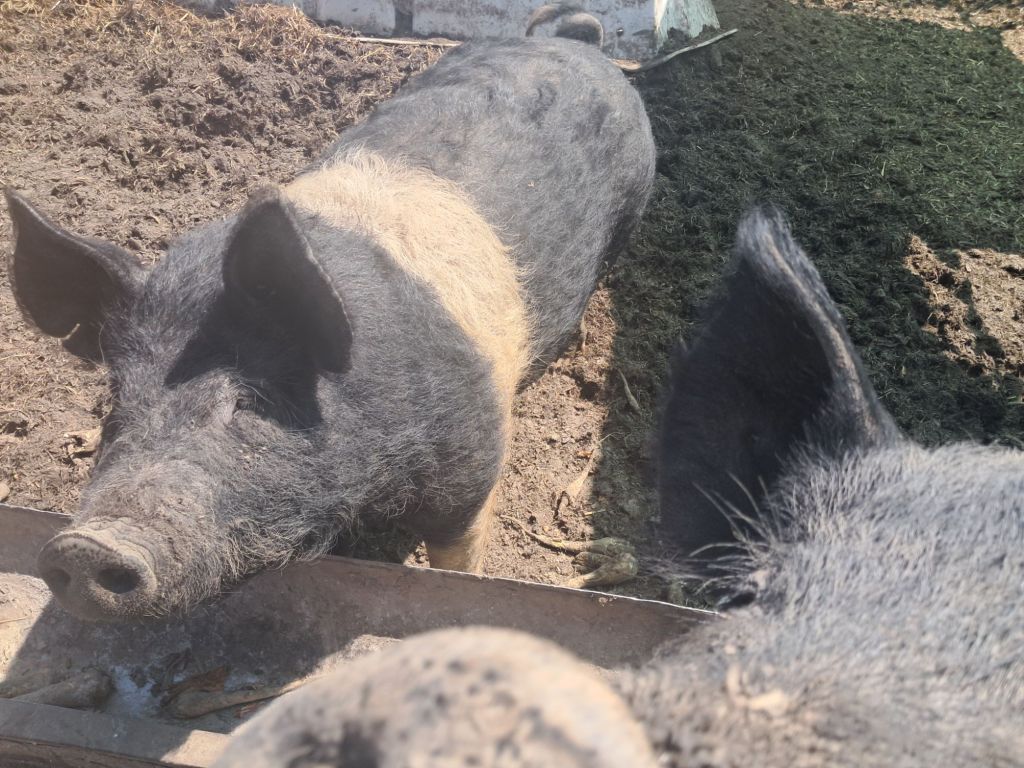
Here’s how we’re getting ready to welcome these piglets.
Research Meets Real Talk
We’ve devoured books on pig reproduction—favorites include Storey’s Guide to Raising Pigs and various university extension guides—while my husband has gathered insight from a couple of experienced local pig farmers.
The most memorable advice? “Make sure the piglets have a place to get away from their mom if her hormones kick in and she starts stomping around.” It’s the kind of practical wisdom that no book quite captures.
Building Farrowing Infrastructure
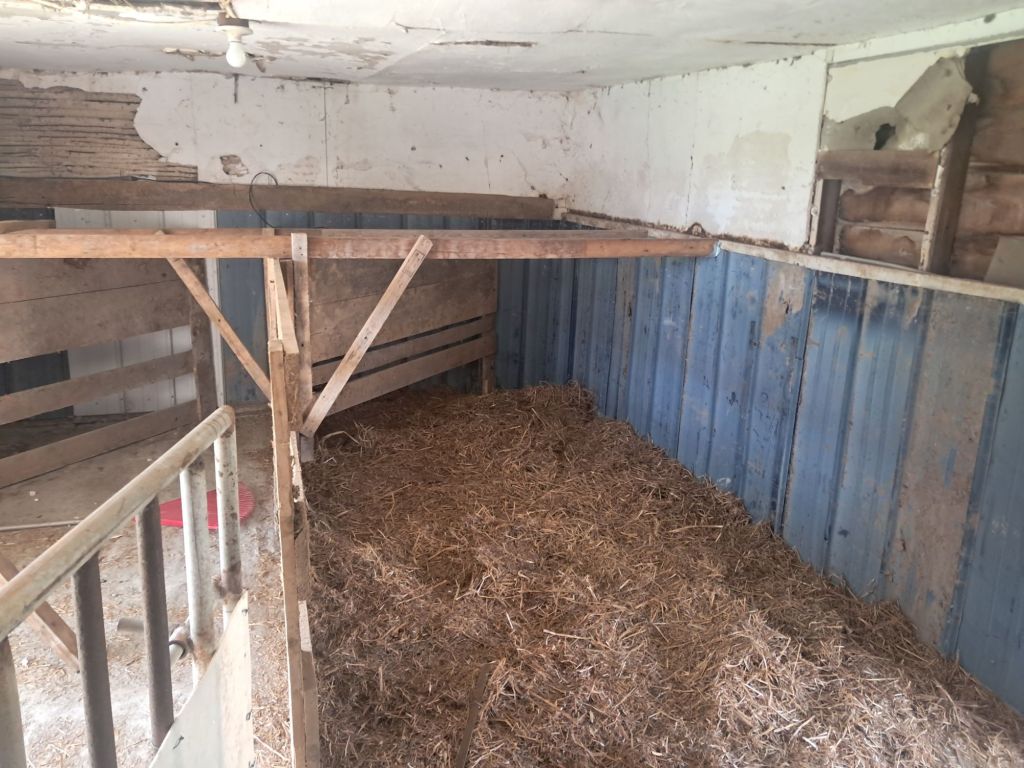
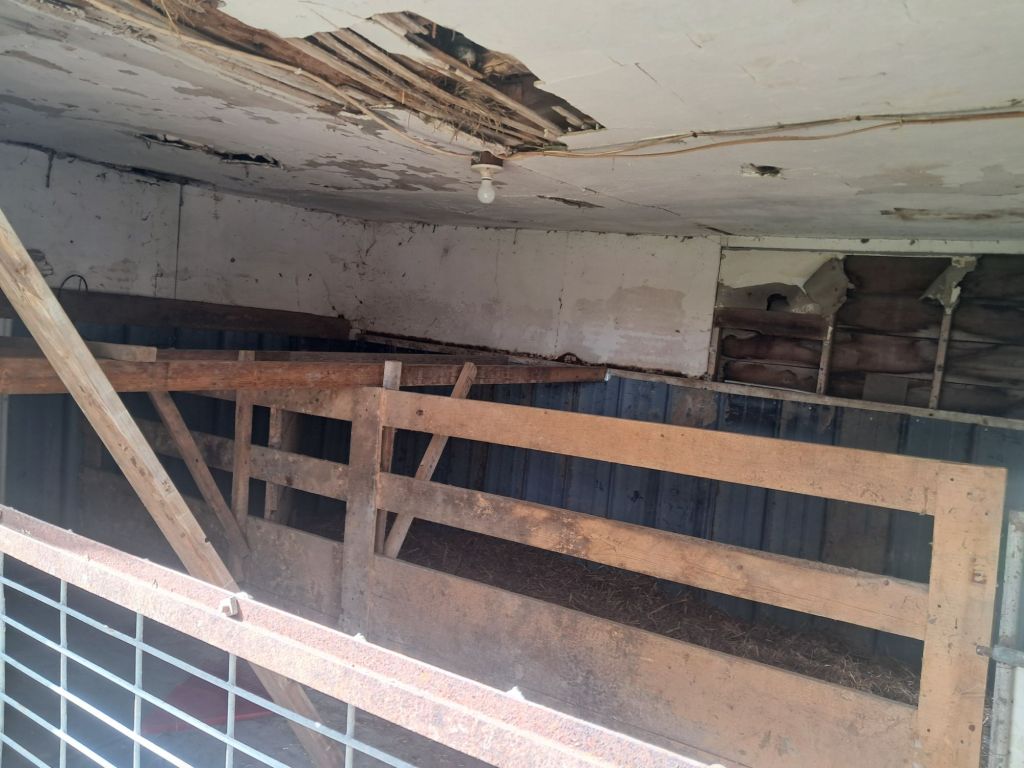
My husband jumped into a crash course on setup, spending about two weeks transforming a dilapidated shed into a functional farrowing space.
We poured a concrete floor using old silo staves set in mortar, framed the interior with reclaimed barn tin, added electricity and a small light, and built a piglet-only area where mom can’t reach. A heat lamp hangs over that space to keep them warm and safe.
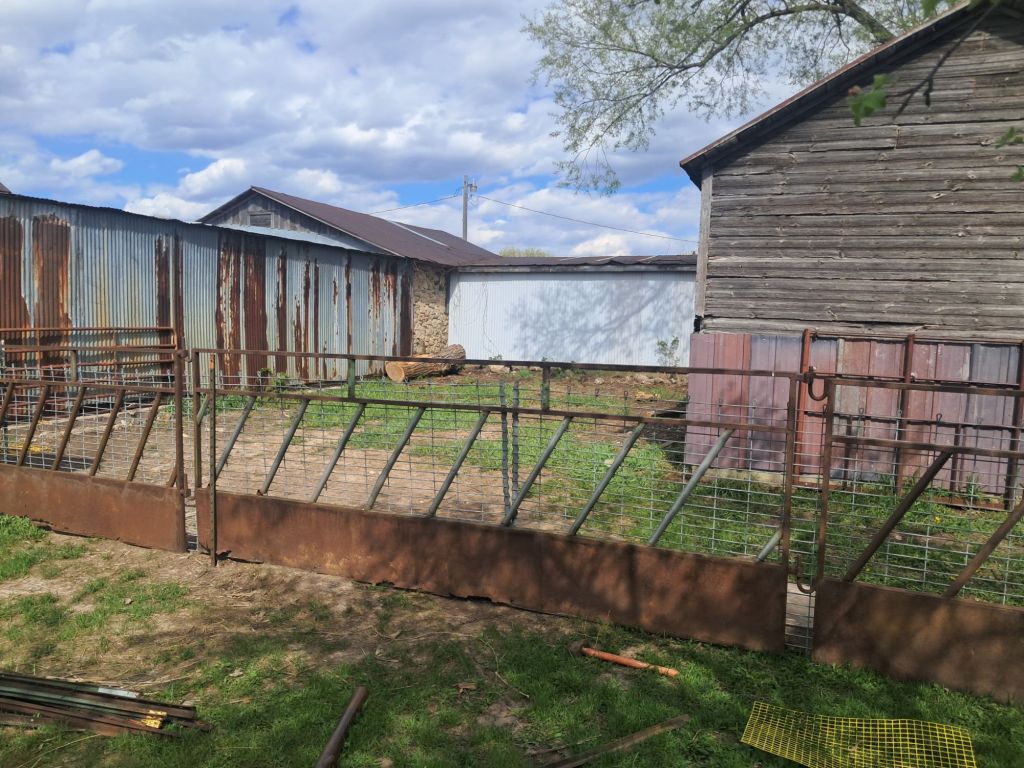
The piglets will stay inside for 30–60 days depending on the weather, but since they’re arriving in mid-May, we’re hopeful it will be closer to 30 before they can start venturing out. In the meantime, we’ve also reinforced a space between several of our outbuildings so they’ll eventually be able to enjoy the outdoors. The front is framed with reclaimed bunk pieces—nothing fancy, but solid and functional.
Vaccination and Nutrition Boost
We administered the FarrowSure vaccine before conception to help prevent scours and erysipelas.
We’re also adjusting their feed after realizing we let them overeat for a bit too long. They’re now on controlled portions of about four pounds per gilt each day, which they’re not exactly thrilled about. Most nights, they root their straw bedding into chaos, but scattering corn kernels around the pen has helped redirect that energy into foraging instead of destruction.
Spotting Mama’s Behavior Cues
As the due dates get closer, we’re watching carefully for signs. Their udders began swelling about 3–5 weeks ahead of time, and we’re told that nesting and restlessness usually mean we’re within 24 hours. When that’s paired with grunting and constant lying down and getting back up, it’s likely go time.
What Could Go Wrong—and How We’re Preparing
The risks feel big right now, especially going into our first litter. There’s overlay—a 400-pound gilt rolling onto 2-pound piglets—as well as the chance a first-time mom might reject her litter or that weaker piglets will need help getting colostrum.
As one farmer told us, “Your first litter teaches you more than all the books.” With that in mind, we’re relying on our crate setup and rails to reduce the biggest risks while staying realistic about the learning curve ahead.
What’s Next for Us
About a week out, we’ll move the gilts into their farrowing space, begin daily udder checks, reinforce anything that looks questionable, and give the FarrowSure booster.
We’re expecting somewhere between 10–16 piglets and feeling equal parts nervous and excited. The plan, at least for now, is to sell about half and raise the rest for pork—but we’ll see what kind of interest there is.
Have you ever gone through a first farrowing? What caught you off guard—or what would you do differently next time?
If you’re raising pigs—or thinking about it—tap like and share this with someone who’s in the thick of homestead life too. It helps more than you know 🤍
Subscribe for weekly homesteading tips:
Read Next: Our Biggest Homesteading Challenge: First-Time Pig Farrowing
 Practical Homesteading