Beef prices are higher than ever, and it’s hard not to flinch when you see the total at the checkout. But there’s a bigger story behind that price tag. It’s a story of weather, supply, and the everyday people who make your meals possible.

The Shrinking Herd
Across the country, the U.S. cattle herd is the smallest it’s been since 1951. Years of drought have dried up pastures. Rising feed and fuel costs have forced many families to sell breeding cows just to hold on.
With fewer calves entering the pipeline and beef taking about two years to raise from birth to butcher, this shortage doesn’t rebound quickly. Meanwhile, Americans still love their beef—consuming around 57 pounds per person each year, according to USDA estimates.
When demand stays strong and supply runs short, prices naturally climb.
Family Farms Under Pressure
But economics only tell half the story. On my sister’s small farm, she and her husband raise beef—a side project that grew out of their love for good food and good land. Like many small producers, they both work jobs outside the home to keep their operation going.
What started as a passion for raising healthy animals and feeding their neighbors has become a delicate balance between purpose and practicality. For them, and countless others, farming isn’t just about income—it’s about identity, family, and stewardship of the land.
Their experience isn’t unique. The average farmer in the U.S. is now around 58 years old, and for younger generations, getting started can feel impossible. Land, equipment, and livestock cost hundreds of thousands of dollars before the first calf is ever born.
On top of that, just a handful of large companies control most of the nation’s beef processing. That means family farms earn less, even as consumers pay more at the store. It’s a painful disconnect that continues to squeeze rural families across the country.
Watching my sister pour her time and heart into those cattle reminds me of something deeper. Homesteading—like life—rarely offers shortcuts. The work is long, often quiet, but filled with meaning that doesn’t show up on a price tag.
The Cost of Keeping Food Safe
Processing adds another layer of expense. Federal law requires a USDA inspector to be on-site during every moment of slaughter and processing. Their presence ensures animal health, cleanliness, and safety—vital safeguards that protect us all—but compliance adds time, labor, and cost.
Some experts believe these inspections could be modernized and streamlined to preserve safety while easing financial pressure on small processors. For now, those costs carry through the system, one steak at a time.
Beyond the Farm Gate
Every link in the supply chain—from pastures and processors to packaging and transport—feels the strain of rising fuel prices, labor shortages, and inflation. And behind that rising price tag are families working early mornings and late nights to keep barns running, pastures green, and herds healthy.
For many, it’s more than work—it’s a calling built on resilience and pride.
And for those of us on the other end, part of honoring that work is learning to value the whole animal. Beef isn’t just ribeyes and tenderloins. It’s also the flavorful roasts, shanks, and stewing cuts that take time, effort, and patience to cook.
When we learn to use every cut—every bit of what an animal gives—we stretch our dollar, reduce waste, and show respect for the life and effort behind our food. In a way, that practice is at the very heart of homesteading: using wisely, wasting little, and cooking with gratitude.
What You Can Do
Understanding the system is a great first step. Visit your local butcher or farmers’ market. Ask where your beef comes from. Learn from small farmers who raise animals with care and integrity—and don’t be afraid to try new cuts or cooking methods.
If you have the freezer space, consider buying a quarter beef directly from a local farmer. It’s roughly 200 pounds of meat—everything from premium steaks and roasts to ground beef and lesser cuts. Buying this way often saves money per pound, puts more of your dollars directly into the farmer’s pocket, and helps keep local processors and butchers in business.

Supporting local producers and cooking with intention helps preserve the values that built rural communities: thrift, respect, and connection to the land. When you approach food with awareness, every meal becomes an act of gratitude.
If you try a new cut or buy in bulk from a local farm, share your experience in the comments. I’d love to hear how you’re honoring the hands and hearts behind your food.
A Final Thought
The next time you pick up a steak—or a simple pack of stew meat—remember the weather, markets, and families who make it possible. Every mindful purchase helps sustain not just a food system, but a tradition of stewardship that keeps families—and their farms—going strong.
If this story resonated with you, give it a like. Share it with a friend or pass it along to someone who loves good food and community.
Your support helps this blog keep shining a light on local farmers, homesteading life, and the values that keep our tables full of meaning.
Subscribe for more stories—and practical tips—on living simply, eating well, and staying connected to the land.
Related Posts
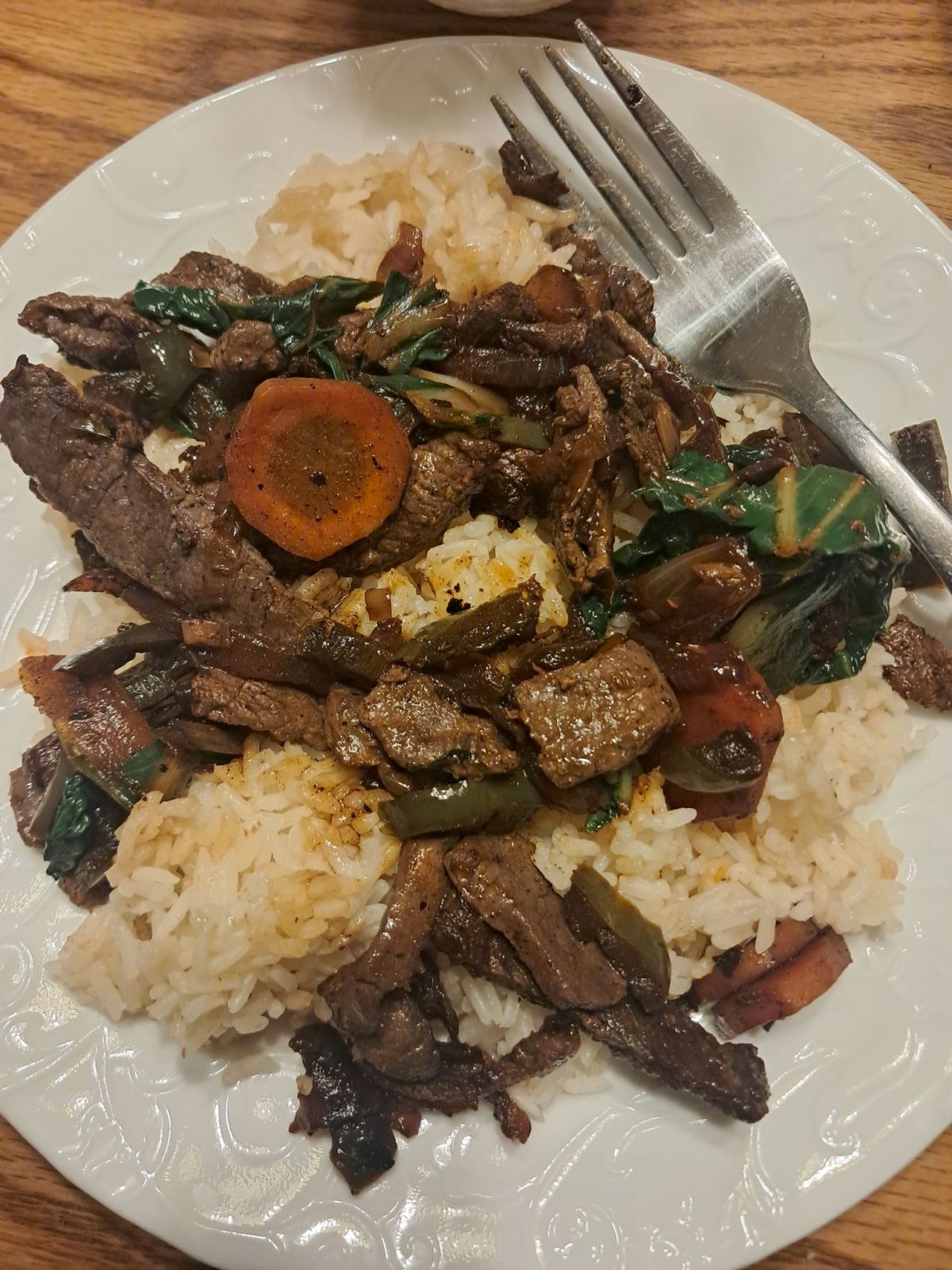
From Field to Skillet: How I Learned to Make Venison Tender and Delicious
Learn how to turn wild venison into a tender, flavorful stir fry with simple slicing tricks, an overnight marinade, and a hot skillet. A homesteader’s guide to cooking with heart — from field to family table.
Keep reading
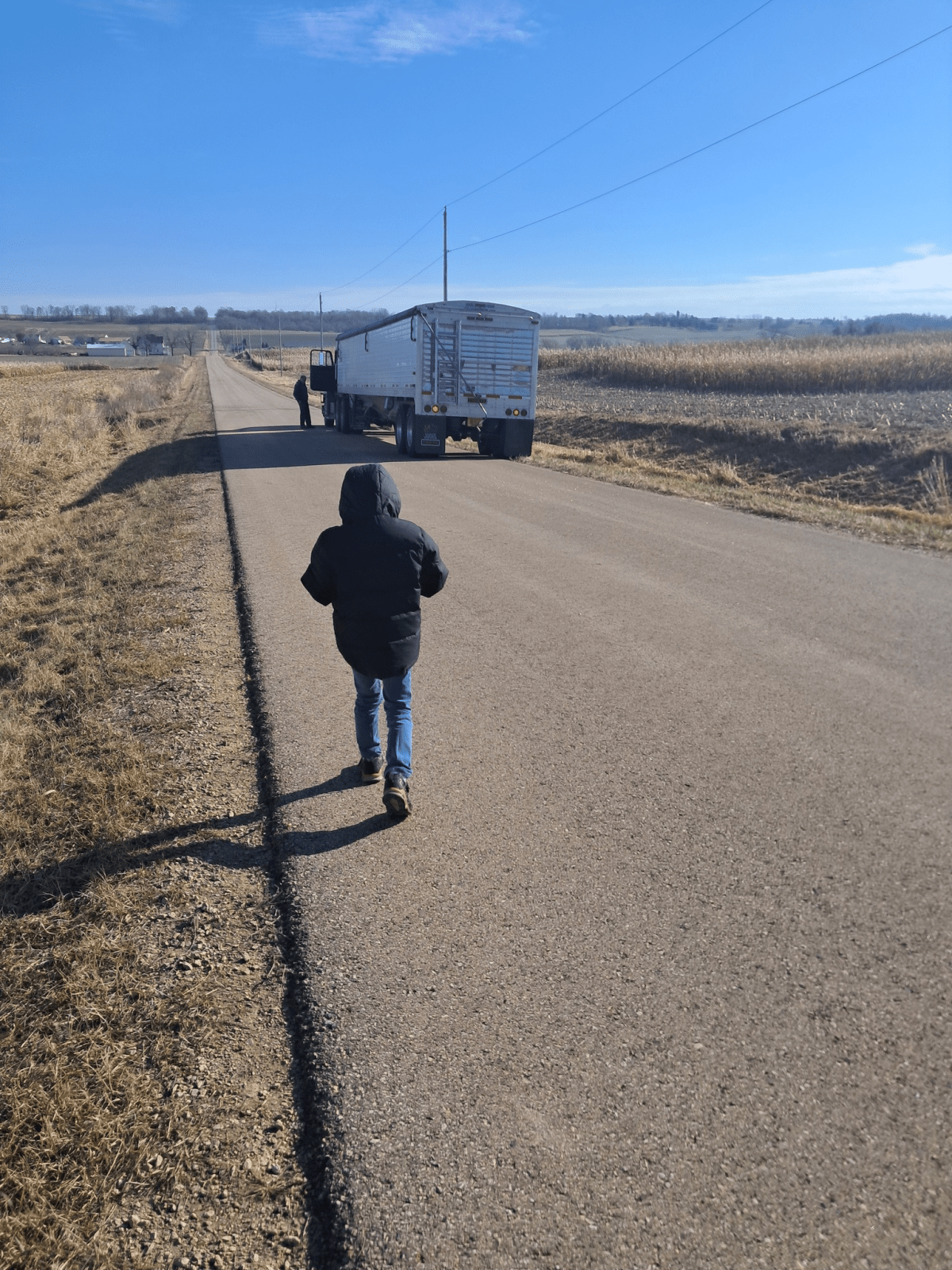
Harvesting Traditions
The hum of diesel engines and the scent of dusty corn fill the air every fall, signaling harvest season and long days ahead. For the local farmers, this time of year brings both relief and pressure—hundreds of acres to harvest before rain or early snow set in. My dad is always there to help, his…
Keep reading
Beyond the Plate: Cooking with Heart, Seasonality, and Family in Mind
What are your family’s top 3 favorite meals? Disclosure: This post contains affiliate links. As an Amazon Associate, I earn from qualifying purchases. Thanks for supporting Practical Homesteading! Imagine standing in your kitchen after a long day, staring into the fridge and pantry. Hungry family members are standing by waiting not-so-patiently. You juggle not only…
Keep reading
 Practical Homesteading