Tag: Food

  • How to Make Homemade Venison Jerky: Smoked vs Dehydrated

    Looking for a way to turn fresh venison into something truly delicious and shelf-stable? You’re in the right place! In this post, we’re walking through how we took a deer we recently processed and transformed it into mouthwatering homemade venison jerky—a high-protein, low-fat snack that’s perfect for hunters, hikers, and anyone who loves wholesome, from-scratch food.
    If you’ve ever wondered what goes into making jerky from scratch or whether smoking or dehydrating tastes better, read on—because we tested both methods side by side and have the results for you!

    Processing the Venison
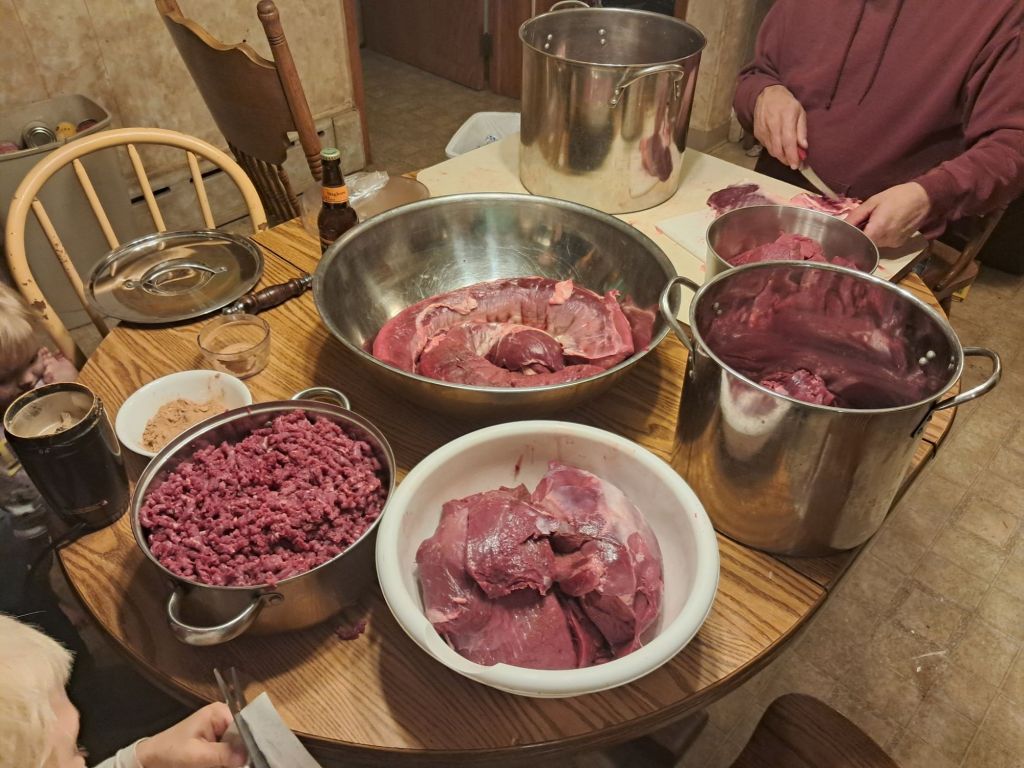
    After harvesting the deer, my husband handled the messy part—removing the hide and quartering the meat. While I didn’t snap photos of this step, it’s essential for breaking the animal down into workable portions. Once the meat was ready, we began deboning—a labor-intensive process!
    But here’s the payoff: processing your own game ensures quality and freshness with the satisfaction of providing your own food. Plus, venison is leaner and lower in fat than beef, while being packed with protein, iron, and essential nutrients. It’s an excellent, heart-healthy meat to keep in rotation alongside veggies, fruits, and other proteins.

    Grinding and Seasoning the Meat
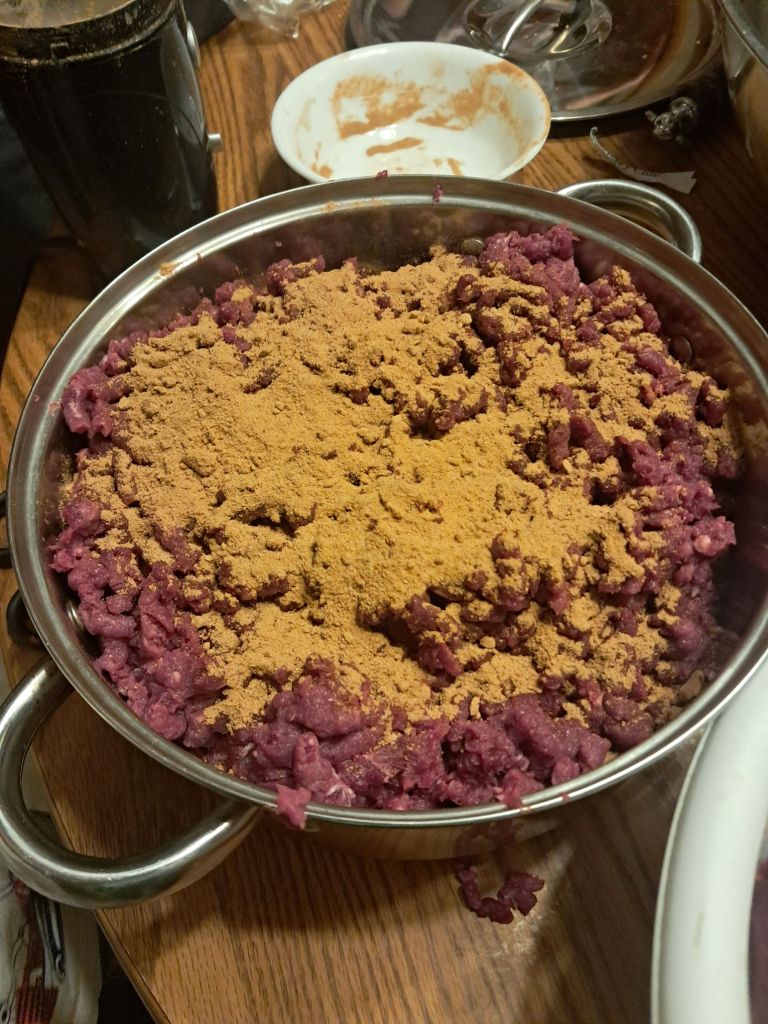
    Once the bones were removed, we ground the tougher cuts and trimmings using our trusty meat grinder. (Ours has been a solid investment—it’s strong, doesn’t clog easily, and is simple to clean. If you’d like a product recommendation, drop a comment below!)

    For seasoning, we used a Fleet Farm Original Flavor jerky seasoning mix, which offers a balanced blend of savory and slight sweetness—perfect for venison’s natural richness. We mixed the seasoning thoroughly, ensuring every bite would be flavorful, then refrigerated the seasoned meat overnight to let all those seasonings work their magic.
    Shaping and Drying the Jerky
    The next day, we got creative with our setup. Instead of a dedicated jerky gun, we improvised with our meat grinder using a sausage tube narrowed down with a vice grip. Sometimes, homesteading means working with what you have, and this hack worked beautifully!

    After shaping the jerky strips, we placed them on racks and divided our batch in two for a taste test: smoked vs dehydrated.

    • Smoker: Applewood chips, 160°F, for 6 hours
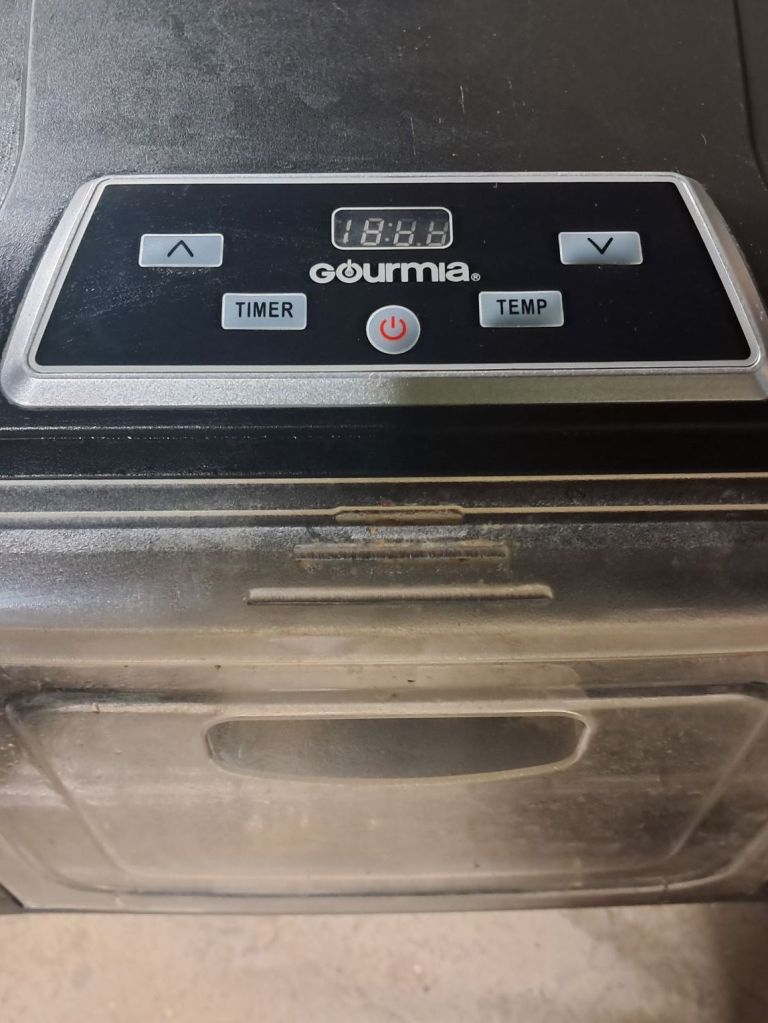
    • Dehydrator: 160°F, for 12 hours
    The Verdict: Smoked vs. Dehydrated Venison Jerky
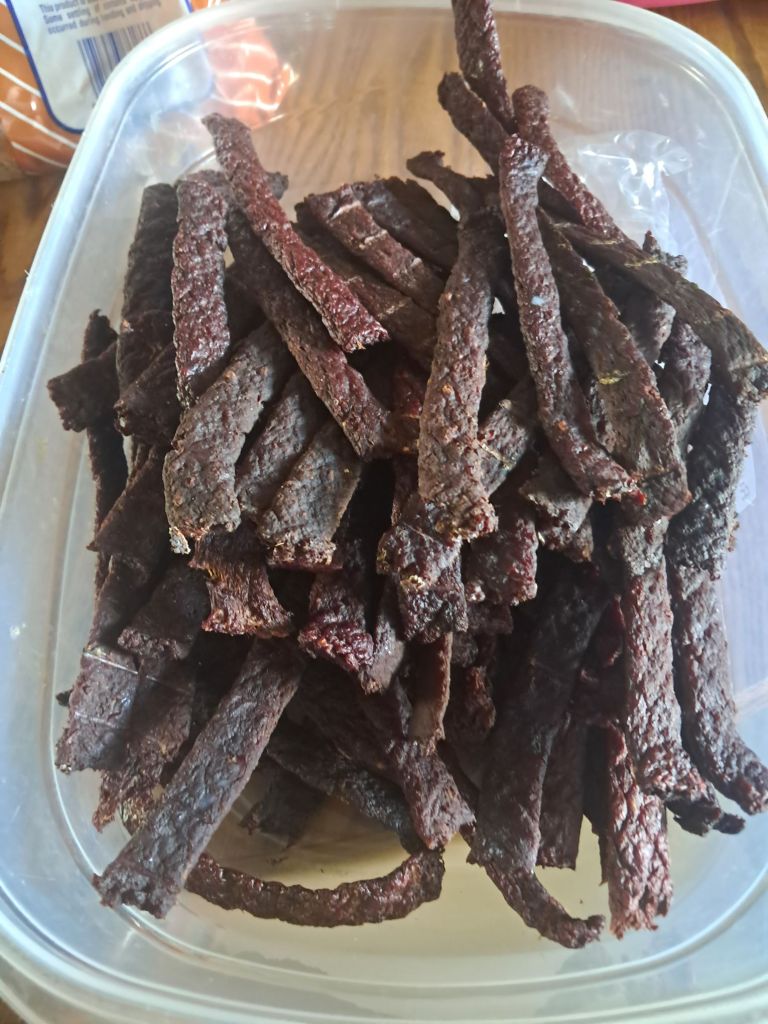
    Both batches turned out delicious, but slightly on the dry side—a note for next time!

    The applewood smoked jerky, however, stole the show. The smoky aroma, subtle sweetness, and depth of flavor make it hard to beat. If you’re on the fence about getting out the smoker, trust me—it’s worth it.
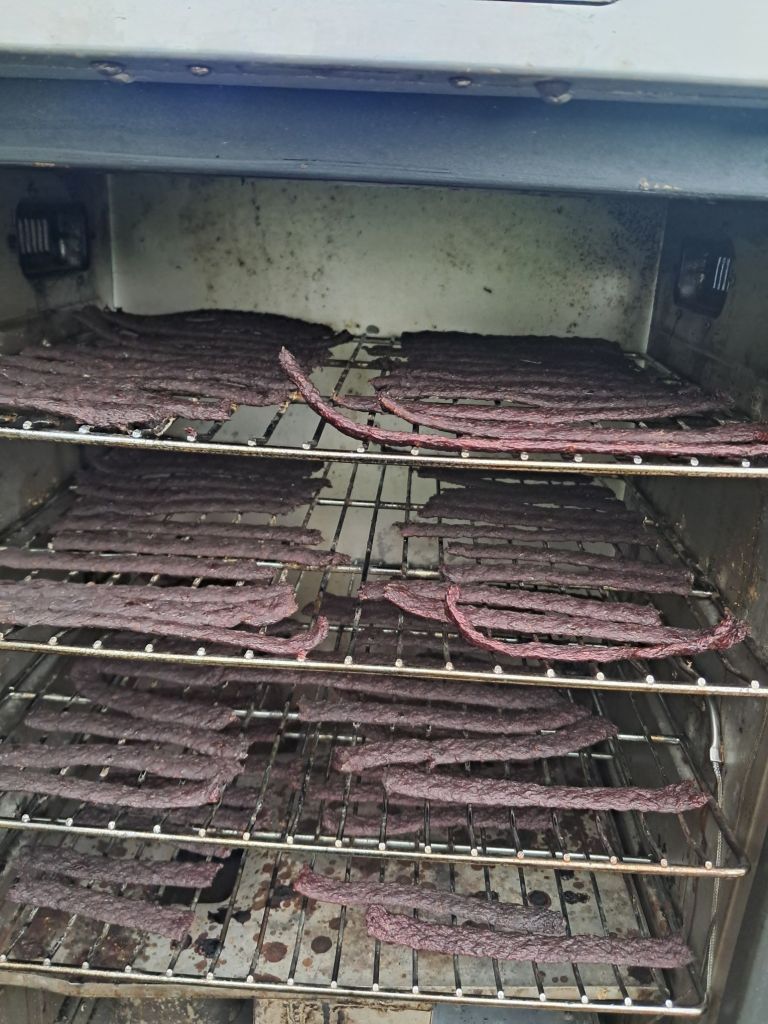
    Smoked or dehydrated, homemade venison jerky tastes incredible, packs well for adventures, and gives you that satisfying “I made this!” pride every time you open a bag.

    Final Thoughts and Tips
    Making homemade venison jerky takes time, but it’s incredibly rewarding. You know exactly what’s going into your food, it’s healthier than store-bought, and it captures the true flavor of the hunt.


    If you’re new to jerky-making, I recommend experimenting with both smoking and dehydrating to see which method suits your taste best. Adjust drying time slightly to achieve your ideal texture.

    Join the Conversation!
    Have you made venison jerky before? What seasoning blend or wood smoke do you swear by? Comment below—I’d love to hear your tips! And if you enjoyed this post:
    👉 Like, share, and subscribe for more homesteading, cooking, and DIY food adventures. Your support helps us keep creating helpful content for folks like you!

    Follow us on social for daily kitchen and homestead inspo.

    #VenisonJerky #HomemadeJerky #WildGameCooking #HomesteadingLife #DIYFood #JerkyRecipes #SmokedJerky #DehydratorRecipes #FoodPreservation #FromFieldToTable
  • Generations on the Land: Reflections for June Dairy Month

    Generations on the Land: Reflections for June Dairy Month

    Growing up on a dairy farm in Wisconsin, my days were shaped by the rhythm of the cows and the turning of the seasons.  Each morning began before sunrise, the air crisp with the scent of damp earth as my family and I made our way to the barn.  The gentle lowing of the cows was our alarm clock, their needs dictating every hour.  Summers meant long days baling hay and tending fields; winters brought the challenge of breaking ice in water troughs and cleaning icy yards.  Even now, years after leaving the farm, that heritage remains woven into who I am.  The values of hard work, responsibility, and respect for the land and animals continue to guide me, especially as June Dairy Month arrives each year.

    June Dairy Month always brings a sense of pride and community across Wisconsin.  As families gather for breakfasts on the farm and other celebrations, I’m reminded of the camaraderie that comes from being part of such a vital tradition.  It’s a time to reflect on my roots, appreciate the dedication of today’s dairy farmers, and feel connected to the land and lifestyle that shaped my upbringing.

    As a child, I didn’t fully grasp the significance of June Dairy Month. I simply felt the special energy it brought:  early mornings in the barn, the mingled scents of fresh hay and silage, the gentle clatter of milk pails, and the creamy taste of fresh milk.  My parents stressed that cows don’t wait, and chores don’t take vacations.  I learned this during many summer afternoons as I missed parties and other gatherings to clean the cow yard.  The cows needed tending, indifferent to my disappointment and frustration.  In those moments, responsibility became more than a lesson, but a way of life.

    Looking back, I see how my family’s story is part of a much larger one.  Wisconsin’s identity as “America’s Dairyland” began with a dramatic transformation in the late-19th century, when wheat fields gave way to pastures and dairy barns.  Innovations like the refrigerated rail car and the Babcock butterfat tester, along with the support of the University of Wisconsin, helped turn the state into a national leader in milk and cheese production.  June Dairy Month, which began in 1937, celebrates the contributions of dairy farmers to our nutrition, agriculture, and economy.

    What stands out most from those years is the sense of community.  Our work mattered, not just to us, but to neighbors and friends who relied on us for fresh dairy, and to the local businesses that depended financially on our success.  June Dairy Month specifically meant hearty breakfasts on the farm, farm tours, and the joy of sharing what we produced.  These traditions instilled in me a deep appreciation for collaboration and generosity.

    Though I no longer live on a dairy farm, those values guide how I raise my own family.  We keep a small garden and some poultry, and I make sure my kids know where their food is sourced.  Every June, we attend the local Breakfast on the Farm, reconnecting with my roots and supporting our neighbors.  We make homemade ice cream and talk about the farmers who make it possible.  These experiences help my family feel connected not only to our food, but to the people who produce it.

    Today’s dairy farmers face unprecedented challenges: rising costs, unpredictable weather, ever-evolving pests and diseases, emotional strain, and the pressures of a global market, among many other worries.  The long hours and physical demands deter many from continuing the legacy.  And yet, every day, farmers rise before dawn, meeting each obstacle with grit and creativity.  Their perseverance sustains not only their families, but our communities and traditions. Recently, I attended a June Dairy Breakfast with my parents and children. The aroma of fresh pancakes mingled nicely with the scent of blooming lilacs, and my kids’ eyes lit up at the sights and sounds.  Watching my kids and my parents interacting together on the farm, I felt the invisible threads of community and legacy binding us together, a living tapestry woven from shared labor and respect.  The future of farming depends on all of us: supporting local farms, honoring the land, and teaching the next generation about where food is sourced.  In every glass of milk, every slice of cheese, and every community breakfast, the story of perseverance and pride continues.  It’s up to us to ensure this heritage thrives for generations to come.

    Do you celebrate June Dairy Month? Share your thoughts below, and subscribe to join a group of like-minded people.

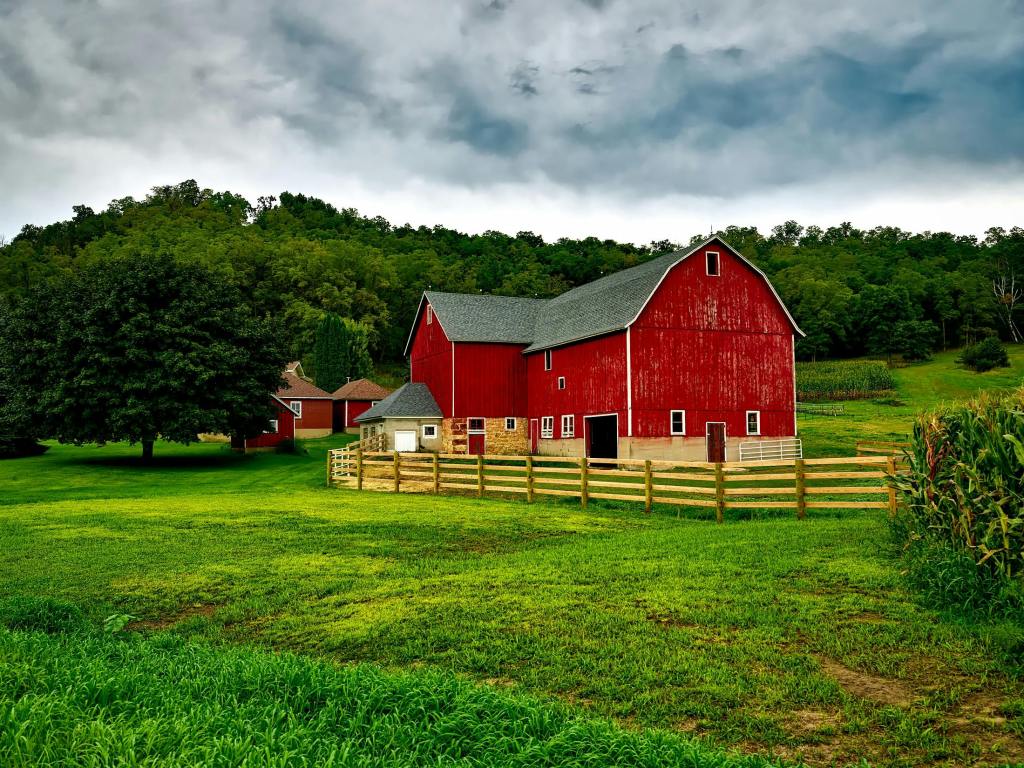
    Photo by Pixabay: https://www.pexels.com/photo/red-barn-235725/

    #JuneDairyMonth

  • Saturday Morning Family Breakfast: A Recipe for Togetherness

    It’s a bright morning, the kind of day that feels full of promise and potential.  My husband Mitchel and I are sitting in the living room with our two children, a toddler girl named Olivia and a 5-year-old boy named Andrew.  Sunlight casts a warm glow over the carpet where toys, books, and a blanket fort are staged.  The television is broadcasting Saturday morning cartoons, and we discuss our dreams from the night before.  The gurgling of the coffeepot can be heard from the kitchen and the smell of coffee wafts into the room.  The day stretches ahead invitingly with no work or school obligations pressing, a perfect opportunity for family bonding and completing homestead tasks.  The pace is unhurried and the mood is light as the cartoons end and I shepherd my family into the kitchen to prepare breakfast. 

    Weekend breakfasts are a big deal in our household, and I pride myself in making a meal you could order in a greasy spoon diner.  I open the refrigerator to discover leftover boiled potatoes, fresh eggs, and the pound of ground pork that defrosted from last night.  Based on the contents of the refrigerator, I decide that we will prepare hashbrowns, eggs, and sausage.  I have two sous chefs and an assistant who will help me prepare the food.

    I locate the box grater and ask Andrew to help grate potatoes.  He excitedly pushes a chair over to the counter where the potatoes, grater, and cutting board are staged.  As he begins to grate potatoes, I hear Olivia screeching in protest as she toddles over to the chair, climbs up, and uses all her strength to push Andrew off the chair.  Andrew grunts in frustration as he struggles to maintain his position, gripping both hands on the counter.  Sensing a conflict, I push a second chair over to the counter and place Olivia there.  Olivia then contents herself with eating cold potatoes while Andrew continues his task.

    I proceed to my next job, preparing the seasoning for the pork sausage.  I slide past my son and daughter to gain access to the spice cabinet.  After spinning the lazy Susan a couple of times, I extract brown sugar, sage, paprika, salt, and pepper, then mix these spices in the proper ratio before adding the ground pork.  I squeeze the pork/spice mixture, trying to ignore the discomfort from cold exposure.  After the sausage is properly mixed, I divide it into 4 uneven balls:  a small one for Olivia, a medium one for Andrew, a large one for me, and an extra-large one for Mitchel.  Mitchel then stages two plates and two pieces of saran wrap, positioning the two plastic pieces between the plates.  He places the pork balls one by one between the two plastic pieces, using his weight to flatten the balls into sausage patties.

    While Mitchel is preparing the sausage patties, the cast iron skillet is preheating.  As the patties are formed, I place them into the skillet and hear the characteristic sizzle.  The kitchen begins to fill with the smell of rendering fat and toasting spices, blending well with the nutty coffee undertones.  After the sausage bottoms are properly browned, they release easily from the pan as I flip them.

    By this time, Andrew has grated most of the potatoes, and I place them into a bowl.  I also add dehydrated onion, celery, garlic, and green pepper, salt, and black pepper.  The sausage patties are removed from the pan and placed on a plate.  The rendered sausage fat is used to flavor and brown the grated potatoes.  In this way, nothing is wasted.

    As the hash browns cook in the pan, I remove the eggs from the refrigerator.  I crack the eggs, and Olivia insists on crushing the eggs to release the yolk and white.  Some eggshells inevitably find their way into the clear and marigold-colored mixture, but I do not mind expending extra effort to extract them.  I add a splash of milk, a few shakes of salt, and freshly cracked pepper.  I then pass the scrambling fork to Olivia.  She beams with pride as she blends the ingredients.  I am close by with a rag to wipe up spills.

    The smell of browned potatoes intermingles with the pork sausage, making my mouth water.  I flip the potatoes, remove a stainless-steel pan from my kitchen drawer, place it on the stove, and turn the dial to high heat.  The stove clicks to life, and blue flames emanate from the burner.  I point out the hot stove, then show Olivia and Andrew how a stainless-steel pan can be made non-stick by heating the pan hot enough for the water to dance rather than instantly evaporate.

    Once the pan is ready, I add oil, then ask Andrew to add the scrambled egg mixture.  Steam rises from the pan as the eggs rapidly cook.  I trust Andrew to stir the eggs until they are mostly cooked while remaining close by in case I am needed.  When the eggs are ready, they slide effortlessly from the pan onto a plate.  I remove the hashbrown skillet from the stove and place it in the middle of the table. 

    I thank my family for their help with preparing the meal.  Olivia has already climbed onto her dining chair booster seat in anticipation.  While I finish prepping, Mitchel places appropriate amounts of eggs, hashbrowns, and sausage on her plate, cuts the food, and allows her to eat.  She squeals in approval as she dives into the sausage, then asks for a cup of milk.  Andrew also starts with the sausage, then the eggs, then the hashbrowns. 

    Mitchel and I discuss our plans for the day as we savor our meal and our time together.  Andrew shares interesting facts about his newest fascination, the Titanic. The eggs are creamy and rich with a velvety texture.  The pork imparts an earthy, well-rounded taste that pairs well with the crispy exterior and juicy interior.  The hashbrowns offer a pleasant balance of saltiness and a satisfying crunch.  The trio together makes for an excellent meal, and a great way for me to bond with my family.

    After breakfast, I collect the dishes to wash.  Olivia and Andrew push chairs to the sink and play in the water while I wash the dishes.  As I dip my hands in the warm soapy water, I feel a deep sense of pride in their burgeoning skills.  Each small success, whether it’s a perfectly cracked egg or a well-seasoned hashbrown, sparks a gleam of confidence that I know will serve them far beyond the kitchen.

    The warmth of these moments lingers long after the plates are cleared and the dishes are washed.  We share stories, swap jokes, and sometimes, simply enjoy the quiet comfort of working side by side.  These are the moments when our bond grows stronger, forged in the gentle rhythm of morning routines and the shared satisfaction of a meal made together. I treasure these simple rituals, knowing they nourish more than just our bodies. They plant seeds of independence, resilience, and togetherness in my children and our family.  Years from now, I hope they will remember not just the taste of homemade sausage, but the feeling of belonging, capability, and love that filled our kitchen these mornings.  These memories, built one breakfast at a time, are the true sustenance of our family.

    Do you have a beloved tradition in your family? Share your experiences below, and subscribe to join a group of like-minded people.

  • The Power of Local Food: Lessons from Ethnic Cooking

    Until I attended college, I believed that cultural influences on food were largely a thing of the past.  I grew up in a part of small-town Wisconsin where the cultural influence of my German dairy farming heritage had diminished over the years.  Regional dishes, while still present, were largely nationalized.  Food was sourced from boxes at the grocery store in the wintertime.  Even in summer, the food from gardens supplemented our dishes, but were never the bulk source of our food.  Farmers’ markets were present, but we did not patronize them.  I thought this was how everyone lived.

    The first chance I had to learn about different culinary experiences was after I started college in Madison, a nearby city.  From childhood on, I had always wanted to learn how other people lived, and suddenly I was surrounded by many different cultures.  European, Asian, and African cultures all coexisted together on campus, practically begging for me to observe their customs.  During my 6-year undergrad and graduate school tenure, I made Asian dumplings, drank Turkish coffee, watched African dance, and had hot pot many times with such great company.

    Towards the end of undergrad, I began working in a soils lab, performing experiments to better understand the swelling properties of bentonite clay.  For a person who majored in geological engineering, it was a dream come true and my first real job in my chosen industry.  Although the work was tedious and painstaking, I felt like I was finally flourishing as a professional.  And it beat one of my previous jobs of counting corn kernels.

    During this time, I frequently ate lunch with my Chinese coworker, whose parents had recently immigrated to Madison from China. I was always fascinated with his lunches.  Every day, he ensured he ate every morsel of food on his plate, saying “Every grain of rice is a drop of sweat from a farmer’s brow.”  His sautéed wood ear mushrooms looked delicious every time he brought them, which was frequently.  In turn, he seemed fascinated with my own solo culinary exploits during “spaghetti week”, the time I inadvertently made a pot of spaghetti so large it lasted for a whole week’s worth of lunches and dinners.  I was only too happy to share some with him, as anyone who has made too much spaghetti knows.  We became such good friends that he gladly accommodated me at his parents’ house during “Homeless Night”, the one night every year when the apartments near campus are prepared for next year’s leasers, and I needed a place to stay.

    That night, I was excited to ask how I could help him prepare supper.  The rice cooker was already humming as he grabbed a knife and basket and gestured me to follow him to his back yard.  Just outside the door was a green grass carpet about 6 inches tall and the footprint of a child’s backyard swing set.  These were Chinese chives, also known as garlic chives.  The patch was (and still is) the largest I had ever seen.  Using the knife, he carefully severed handfuls of chives at the base, leaving an inch for the stubs to regrow.  He slowly filled his basket, then proceeded to lead me back to the house.

    I kept him company that night as he prepared the most delicious sauteed Chinese chives over a bed of rice.  The wok sizzled as he poured in the oil then added the chives.  A faint allium smell wafted over to me as he added salt and pepper to taste.  Dinner was on the table in short order.  The chives were garlicky, salty, and chewy.  The rice was fluffy and perfect.  He prepared another dish, but for the life of me I cannot remember what it was.

    Ethnic traditions and edible landscaping were not completely new concepts at the time.  My family grew asparagus, horseradish, and rhubarb, perennial plants that were beautiful as well as being edible.  But it always seemed that these foods augmented a grocery store-sourced meal, not the other way around.  That simple dinner that my friend prepared was the first time I truly observed the power of the “outdoor pantry” in action.  Fresh, local food that comprises much of your dinner can be as close as your backyard and eaten within an hour of harvesting.  That meal made an indelible mark on me, and I’ve strived to source the bulk of my meals from local sources ever since.

    I’ve lost contact with this friend in the intervening years.  I moved several times, got married, and had 2 wonderful children.  Last I heard from him, he was still in Madison and enjoying himself.  If he’s reading this, I wish him well as he’s moving through life.  Your humble meal inspired me to prepare many simple delicious meals from my backyard.

    My personal priorities have changed over time, but my feelings about food remain unchanged.  I have been successful in expanding my food preparation skills over the years, learning to bake bread, preserve vegetables, and ferment cabbage into sauerkraut, a practice in line with my cultural heritage.  I have even started growing mushrooms for our table.  I still remember my friend from time to time as I establish and expand my chives patch or harvest an especially large bounty of food to share with family and friends.

    Did you learn something valuable from another culture? Share your stories below, and subscribe to join a community of like-minded people.