Tag: Gardening

  • Easy Homemade Dumplings: A Kid‑Friendly Family Recipe with Garden Fresh Veggies

    Easy Homemade Dumplings: A Kid‑Friendly Family Recipe with Garden Fresh Veggies

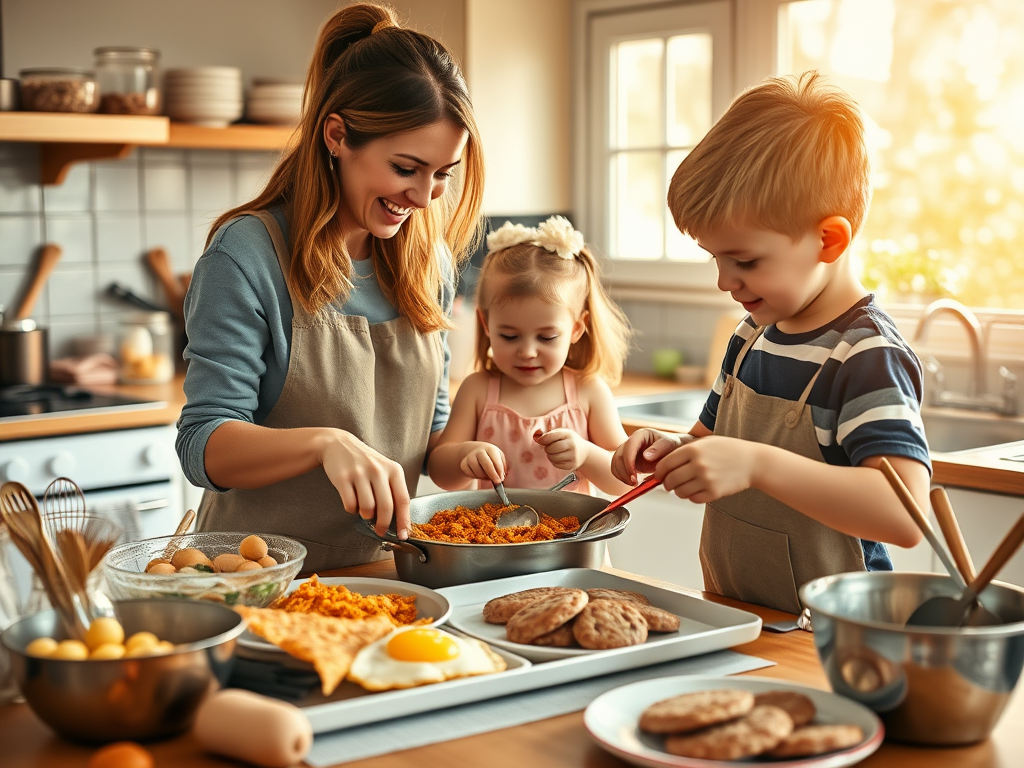
    Earlier this week, I shared how Chinese‑inspired dumplings have become one of our family’s favorite dishes to make together.

    Today, I’m sharing the practical side—the ingredients, the process, and a few kid‑friendly tips that keep it fun instead of fussy.

    These dumplings aren’t about perfection or authenticity. They’re about slowing down, folding stories into dough, and turning a simple meal into a memory.


    The Dough

    Simple on purpose. This is a forgiving dough—perfect for little helpers.

    You’ll need:

    • 2⅓ cups all‑purpose flour
    • ¾ cup hot water

    How we do it:

    1. Mix flour and water until the dough looks shaggy.
    2. Let it rest 5 minutes so the flour can hydrate.
    3. Knead until tacky but not sticky—about 10 minutes—then cover and let rest for 30–60 minutes.

    Tip: Let kids feel the dough at each stage—it teaches patience and awareness in the kitchen.


    The Filling

    Flexible and flavorful. We rarely make the same mix twice!

    Base recipe:

    • ½ lb ground beef (or pork, turkey, or tofu—whatever’s handy)
    • ¼ cup chicken stock (adds moisture and creaminess to the mixture)
    • 1 Tbsp soy sauce
    • 1 Tbsp dry sherry or rice wine
    • 2 tsp powdered or 1 Tbsp fresh ginger
    • 1 tsp salt
    • ¼ tsp black pepper
    • About 2 cups finely chopped vegetables (onion, bok choy, cabbage, carrot, or mushrooms)

    Combine everything in a food processor or large bowl. Cover and refrigerate until ready to use.


    Shaping the Dumplings

    Divide the dough into thirds. Roll each third into a thin sheet—about ⅛ inch (3 mm) thick. Use a round cutter (or the top of a cup) to stamp circles.

    Add a spoonful of filling to the center of each, fold, and pinch to seal.

    We use a handheld crimper that seals on one side while cutting on the other—perfect for small hands.

    The folds may look rustic, but that’s part of their charm.


    Steaming

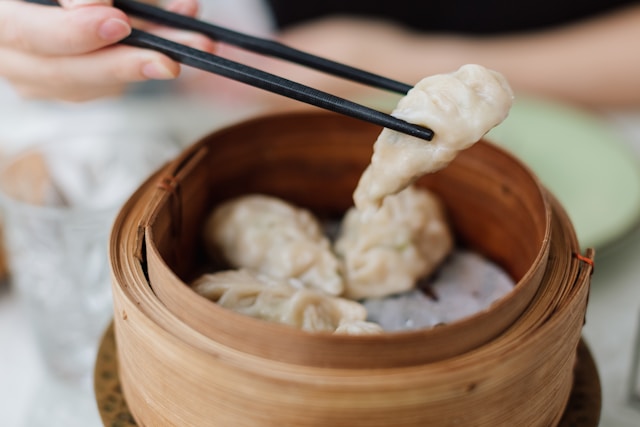
    Line a bamboo steamer with cabbage leaves or perforated parchment paper. Place dumplings about an inch apart so they don’t stick together.

    Set the steamer over a skillet or wok with about a quart (1 L) of boiling water. Steam 8–10 minutes, until the wrappers turn slightly translucent.

    Your kitchen will smell wonderfully savory—earthy, gingery, and faintly sweet.


    The Sauce

    Minimal effort, maximum flavor.

    Our usual combo:

    • 2 Tbsp soy sauce
    • 2 Tbsp black vinegar
    • 1 tsp sesame oil
    • A pinch of toasted sesame seeds

    Mix and serve in small bowls for dipping.


    Kid‑Friendly and Community‑Friendly Tips

    • Make it social. Invite a neighbor or friend to join the folding line; conversations rise like steam.
    • Keep it relaxed. Expect sticky fingers and imperfect folds—they’re evidence of fun, not failure.
    • Garden‑to‑table joy. Use homegrown bok choy or green onions if you can—they add freshness and pride.
    • Double the batch. Cooked leftovers freeze perfectly, and neighbors never say no to take‑home dumplings.

    Serving

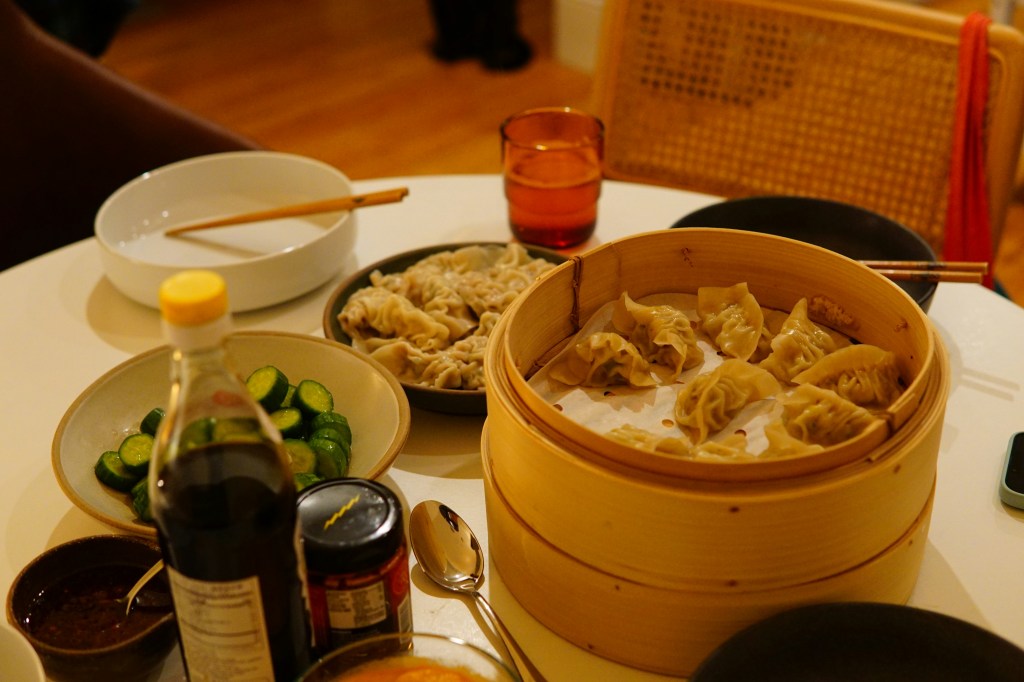
    Serve the dumplings hot with dipping sauces and steamed vegetables on the side. We usually eat them family‑style, with the bamboo steamer set in the middle of the table while someone inevitably steals the last one.

    Enjoy with people who understand that food, like love, multiplies when it’s shared. Every fold and laugh at the table keeps us growing—food, kids, and community all together.


    FTC Affiliate Disclosure

    This post contains affiliate links, which means I may earn a small commission—at no extra cost to you—if you purchase through those links. I only share tools and products that we actually use and love in our kitchen.


    Gentle Call to Action

    💚 If this recipe made you hungry (or inspired you to try folding a few of your own), share this post with a friend who loves to cook, or subscribe below so you don’t miss more community‑minded recipes straight from our kitchen and garden.

    Feature Photo by Sam Lu on Unsplash


    💚 If you loved this recipe, share it with friends or family who love cooking together.

    Subscribe below for more garden‑to‑table recipes and community‑building ideas straight from our kitchen.

    👉 Missed the story behind these dumplings? Read Folding Dumplings, Building Connection here.
  • Life Lessons from Hard Seasons: Motherhood, Drought, and Growing Community

    Life Lessons from Hard Seasons: Motherhood, Drought, and Growing Community

    Daily writing prompt
    How do significant life events or the passage of time influence your perspective on life?

    Life Lessons from Seasons of Change

    Life’s big shifts and slow seasons have humbled me more than I ever expected. These hard seasons have become some of my deepest life lessons.

    When I was younger, I believed effort alone could fix anything. If plans fell apart, I figured someone just wasn’t trying hard enough—or doing things the right way—maybe even me. There was real arrogance in that. I thought sheer willpower could bend the world to my plans.

    What a Drought Taught Me About Letting Go

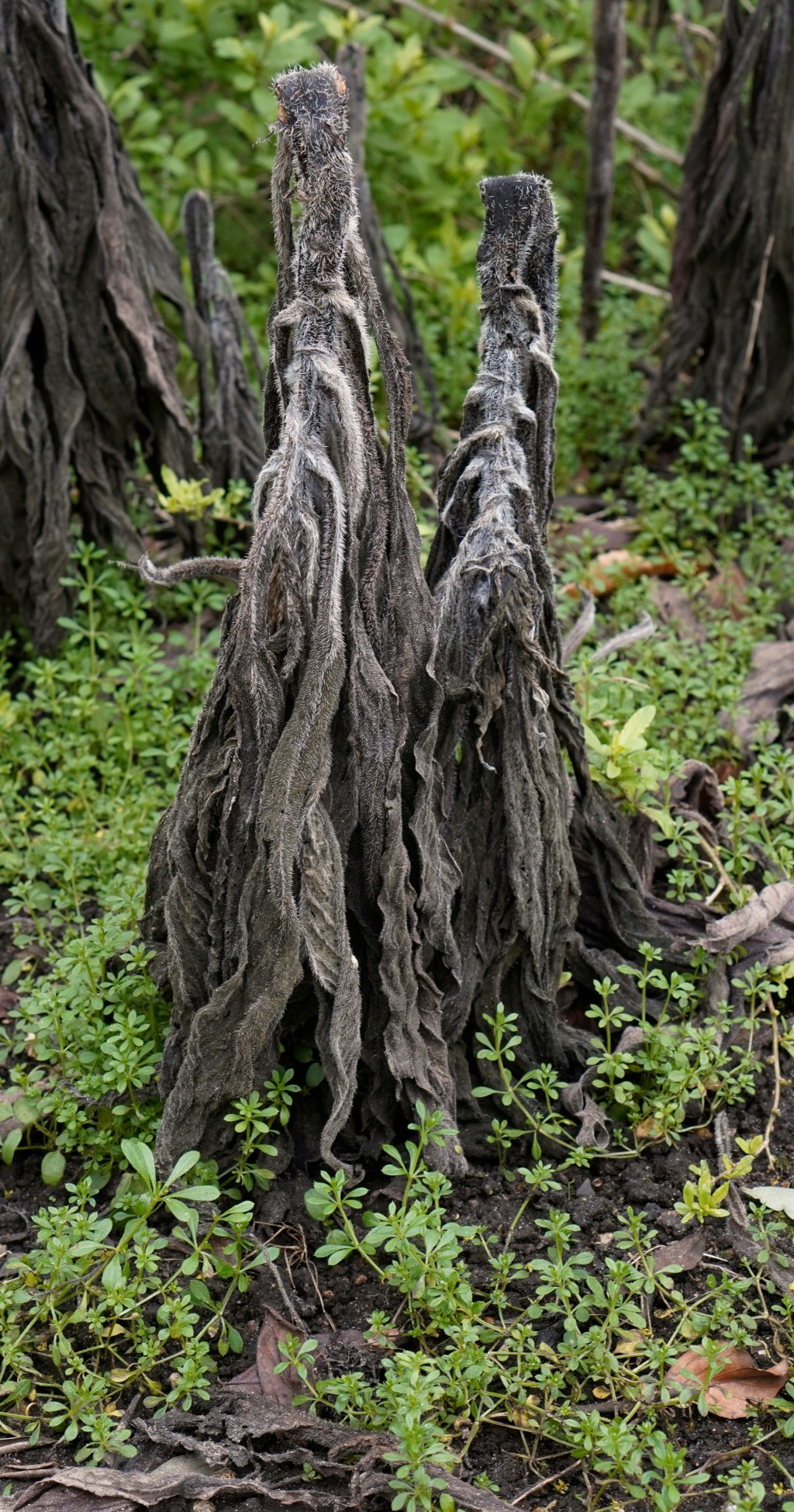
    Then came the hard stops: moments no amount of grit could move. A garden lost to drought after I had my first child taught me that lesson faster than any sermon.

    No extra watering, no wishing, no late-night worrying brought back the harvest. That loss showed me surrender—not as giving up, but as meeting reality honestly and carrying only what’s mine. I still remember the cracked soil under my hands and the quiet ache of knowing this hard season of motherhood wasn’t mine to fix with effort alone.

    Finding Balance in Parenting and Daily Chaos

    These days, when chaos and noise fill the house or the coop, I pause instead of pushing harder. “What’s mine to carry?” has become a quiet mantra in these hard seasons of parenting.

    Boundaries, deep breaths, even tears—they build me back stronger. And honestly, I need those reminders often. These everyday moments are teaching me life lessons from the garden and the home, one small surrender at a time.

    Building Community Through Grace and Compassion

    Love feels different now, too. Gentler. I see the hidden weight in others—a neighbor worn thin, another parent stretching through a long week—and grace comes quicker.

    Community grows in those moments when compassion replaces judgment. Some days that looks like sharing a meal. Other days, it’s just listening without trying to fix. In their own way, these conversations are building community in hard times, one honest story at a time.

    Growing Through Time, Trust, and Faith

    Time weaves it all together—naivety to trust, effort to faith. The seasons remind me that everything sprouts, fades, and returns in its own time, even in our hard seasons of life.

    My job is to show up faithfully—to tend what I can, raise my kids with patience, and keep building a life that roots deeply in love and community. These are the life lessons from hard seasons that shape how I move through the world now.

    Feature Photo by Natalia Gasiorowska on Unsplash


    How have your hard seasons changed you? I’d love to hear how time has softened or strengthened your own soil—share in the comments below.

    If this resonated with you, please like and share this post so it can reach another tired parent or neighbor who needs a gentler story today.

    Loved this? Subscribe for weekly homesteading tips:

    Next Read: “The chore that never gets done (and Why that’s ok)” → https://homesteadsustainably.com/the-chore-that-never-gets-done

  • What Making Dumplings with My Son Taught Me About Food, Family, and Connection

    What Making Dumplings with My Son Taught Me About Food, Family, and Connection

    Daily writing prompt
    What’s your favorite thing to cook?

    When You Ask a Six‑Year‑Old for Help

    This prompt stumped me at first. I love cooking most things, especially when I get to share the meal with people I love. So I took the easy route and invited my six‑year‑old son into the kitchen to help me decide.

    His first instinct was “cookie bars,” which is adorable and perfectly on brand for him—but for me? That’s too easy a win. So we pivoted, and his second answer surprised me: my Chinese‑inspired dumplings—proof he’s been paying attention.


    A Learner in the Kitchen

    I call them “Chinese‑inspired” because I’m not Chinese, and I’ve never been to China. That disclaimer isn’t an apology—it’s a reminder that I’m always learning in the kitchen.

    These dumplings are the kind you steam rather than fry: thin flour wrappers cradling a savory mix of meat and vegetables. I fold them with a rhythm that often makes it look like my son did the work, which feels exactly right—dumplings should look handled, not manufactured. Every crimped edge reminds me that cooking is more about process than perfection.


    A College Detour in Mandarin

    My dumpling story began long before the dough hit the counter. In college, I took three semesters of Chinese on a whim—Spanish was full, and Chinese looked interesting.

    I learned how a stray tone could turn “mother” into “horse,” a lesson that stuck far beyond the classroom. On Friday nights, a Chinese roundtable met on campus. We practiced speaking—and sometimes, we shared steamed dumplings.

    I can still taste that first one, dipped in soy sauce, black vinegar, and sesame oil: warm, tender, and endlessly comforting. It tasted like a small passport stamp on my college life.


    The Janky Restaurant Valentine

    Months later, early in our relationship, my now‑husband and I found ourselves in a tiny, sticky‑floored Chinese restaurant on State Street in Madison. It was Valentine’s Day. The décor was questionable, the menu unpredictable, but the dumplings? Pure joy.

    We ate until we were full and a little giddy. That meal wasn’t about romance; it was about finding comfort in something humble and good—a truth the sticky floor couldn’t ruin.


    Bringing Dumplings Home

    As I started cooking more at home, I wanted to recreate that feeling. I planted bok choy in the garden—there’s something deeply satisfying about pulling a crisp green leaf from soil you’ve nurtured.

    I experimented with what I had: powdered ginger instead of fresh, onions for sweetness, ground beef for substance. A simple bamboo steamer lined with cabbage leaves kept the dumplings from sticking to the rack.

    The dumplings weren’t authentic, but they were ours. And authenticity, for me, isn’t a destination—it’s a doorway to learning and connection.


    Learning Together, One Mess at a Time

    Now, when my son and I roll dough together, the process has turned into a ritual. We talk, we laugh, we listen to a podcast, and flour drifts across the counter (and occasionally, Black Cat).

    We’re not just making food—we’re making memories that stick, as any good dumpling does. And honestly, we laugh more over flour than over finished meals.


    What It All Comes Back To

    Food weaves together people, places, and time. These dumplings hold it all—college curiosity, early love, homegrown bok choy, and the joyful chaos of raising a child.

    Growing food, raising kids, building community—it all finds its way back to the kitchen.

    Feature Photo by Janesca on Unsplash


    What’s your favorite dish to make and share with the people you love?

    💚 If this story made you smile, share it with a friend who loves food and family as much as you do!

    Subscribe below so you don’t miss the post featuring my Simple Chinese Dumpling Guidelines—and more recipes that grow from the garden to the table.

    Related Posts

    The Power of Local Food: Lessons from Ethnic Cooking

    Until I attended college, I believed that cultural influences on food were largely a thing of the past.  I grew up in a part of small-town Wisconsin where the cultural influence of my German dairy farming heritage had diminished over the years.  Regional dishes, while still present, were largely nationalized.  Food was sourced from boxes…

    Keep reading

    Unfolding the Woman Within

    When I pulled open the long-forgotten box of clothes, I expected nothing more than sweaters and dresses that hadn’t seen daylight since before we moved. Instead, I uncovered an archive of myself—fabric woven with memory and identity, versions of me I thought I’d misplaced in the blur of motherhood, upheaval, and quiet reinvention. Threads I…

    Keep reading
  • How to Start Onion Seeds Indoors: Easy Winter Gardening for a Strong Spring Harvest

    How to Start Onion Seeds Indoors: Easy Winter Gardening for a Strong Spring Harvest

    Disclosure: This post contains Amazon affiliate links. If you purchase through these links, I may receive a small commission at no additional cost to you. I only recommend products our family actually uses and finds helpful in the garden or kitchen. Thank you for supporting Practical Homesteading—it helps me keep sharing our stories of growing food, raising kids, and building community.


    In my last post, I wrote about planting onions with my son—the quiet winter ritual that reminds me how growth begins long before it’s visible. Today, I’m sharing our simple process so you can start your own onion seeds, too. It’s an easy, rewarding way to bring some green life into the cold months.

    1. Start early.
      Begin about 10–12 weeks before your last expected frost. Here in the Midwest, that usually means late January or early February.
    2. Choose the right varieties.
      Long‑day onions, such as ‘Yellow Ebenezer’ or ‘Red Wing’, do best in northern climates where summer days are long. Southern gardeners should look for short‑day types like ‘Texas Early Grano’.
    3. Prepare containers and soil.
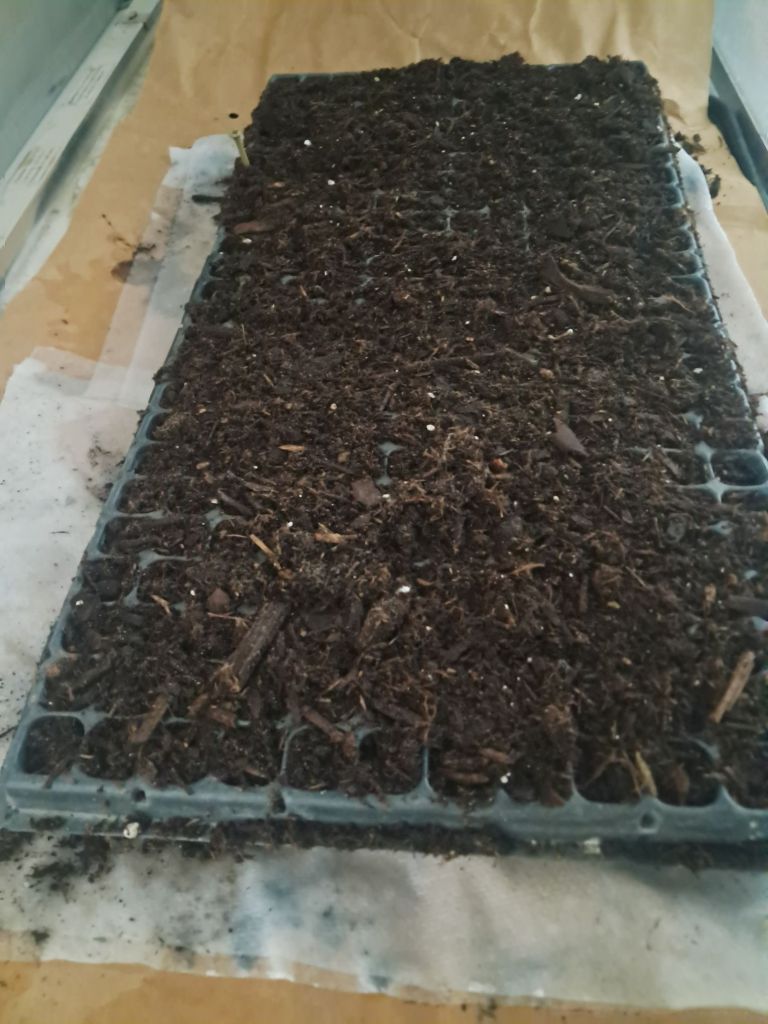
      Reuse shallow berry cartons or seed trays (Amazon affiliate link)—just make sure they have drainage holes. Fill them with a light, fine seed‑starting mix about two inches deep. Place the tray on a cookie sheet or shallow pan to catch water.

      Lay a paper towel underneath the tray and moisten it. The towel helps distribute water evenly so moisture wicks up through the soil. Repeat until the mix feels uniformly damp but not soggy.
    4. Sow the seeds.
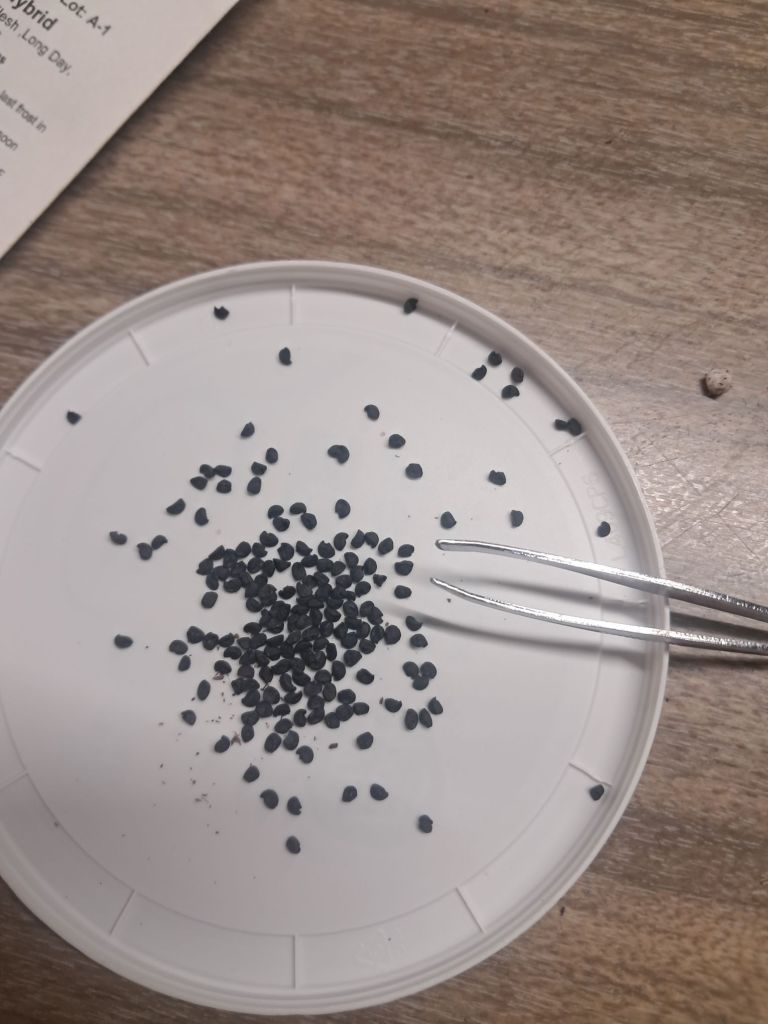
      Sprinkle seeds evenly across the surface. If you prefer precise spacing—and an easier time separating seedlings later—use tweezers to place them individually.
    5. Provide warmth and cover.
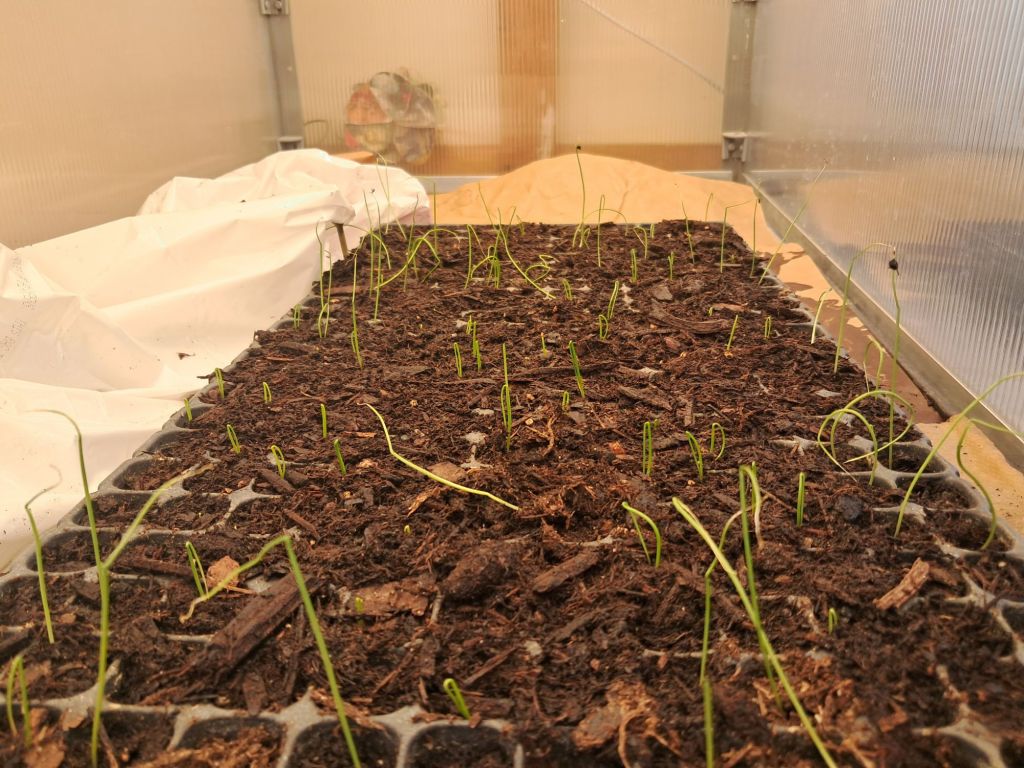
      Cover the tray with cling wrap or a clear plastic bag to retain moisture. Keep the setup warm, around 65–70°F, until you see seedlings poking through. A seed‑starting heat mat (Amazon affiliate link) helps maintain steady warmth.
      Once germination begins (after 7–10 days), remove the cover and move the tray beneath a grow light (Amazon affiliate link) or into a sunny south‑facing window for 12–14 hours per day.
    6. Water and trim.
      Continue watering from below using the same paper‑towel technique. When the soil surface begins to dry, add a bit of water to the tray. Trim tops to about three inches once a week—this strengthens the stems and encourages root growth. Bonus: the cuttings are delicious! My son loves snacking on them fresh.
    7. Harden off and transplant.
      When seedlings reach 6–8 inches tall and the soil outdoors can be worked, begin hardening them off. Gradually expose them to outdoor conditions for about a week, then plant them four inches apart in rows.

    The seeds are small. I used a tweezers to carefully place each one.
    Planted, with the paper towel trick underneath to wick the excess water evenly throughout the bottom.
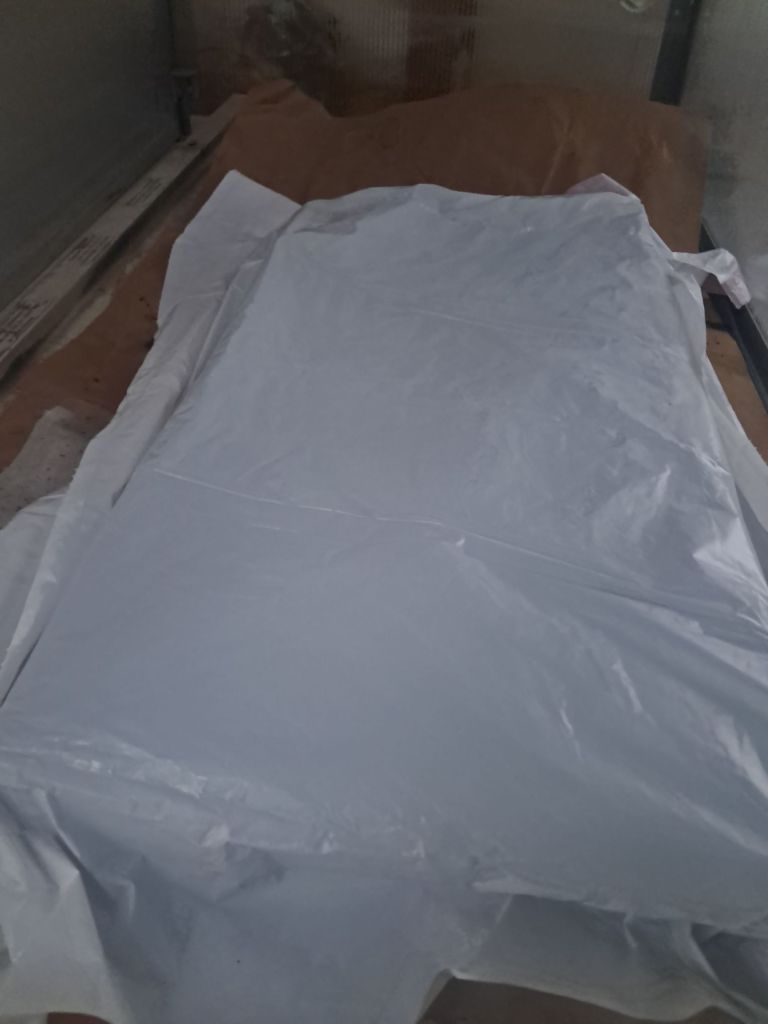
    I used a plastic garbage bag as a moisture trap until the sprouts started poking through.
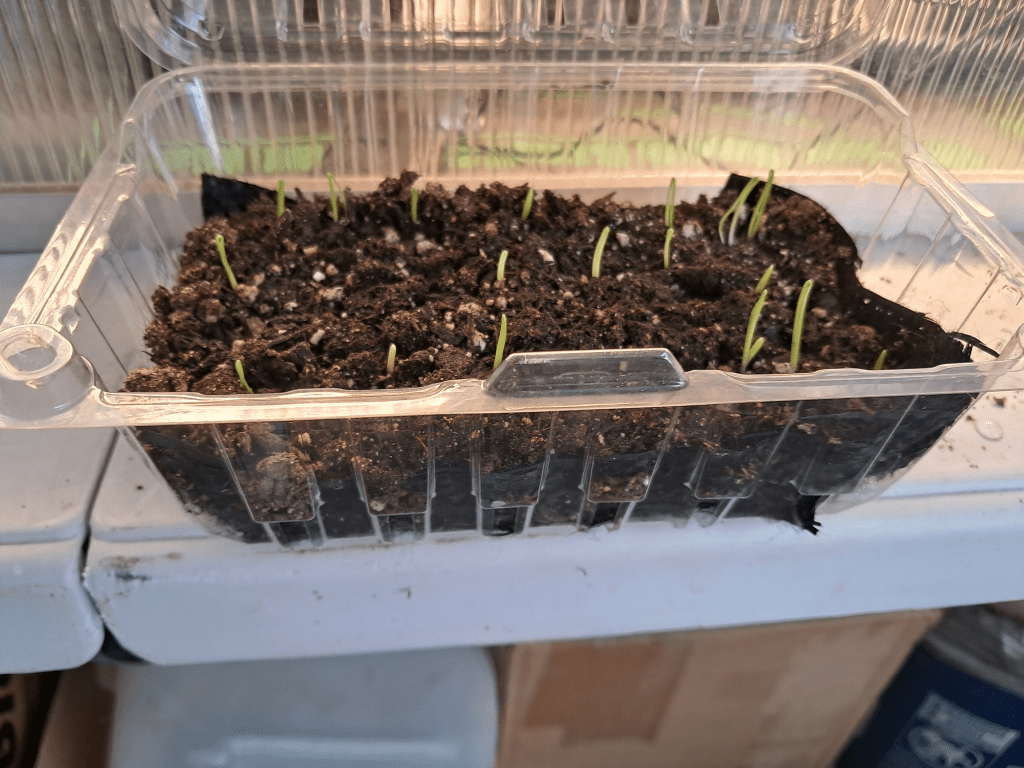
    You can use old strawberry containers to plant in too, I have a layer of fabric on the bottom so the soil didn’t fall through.

    By late spring, those tiny green shoots will have grown into sturdy plants ready to feed your family—and perhaps your neighbors, too. Sharing a meal of homemade French onion soup with loved ones is one of my favorite ways to grow community as well as food.

    Here’s to green shoots, patience, and the small beginnings that nourish far more than we expect.


    🌱 Enjoyed this guide? Let me know how your onion seedlings are coming along in the comments below!
    💬 Share this post with a friend who’s dreaming of spring gardening.
    ❤️ Subscribe to get my newest posts on growing food, raising kids, and building community—straight to your inbox every Thursday and Sunday.

    Related Posts

  • Finding Real Wealth: Why I’d Buy Back Time, Not Things, If I Won the Lottery

    Finding Real Wealth: Why I’d Buy Back Time, Not Things, If I Won the Lottery

    Daily writing prompt
    What would you do if you won the lottery?

    If I won the lottery, I wouldn’t change much about my life—just the pace of it. The truth is, my dream life already unfolds in a kitchen filled with vegetables, laughter, and flour‑dusted hands.

    I don’t often buy lottery tickets myself; they usually show up as small, easy gifts tucked into birthdays or holiday exchanges. Last Christmas, I received a couple of scratch‑offs and quickly realized I had no idea what I was doing. (Is there a secret club for people who actually understand those rules?) Somehow, by sheer guessing or luck, I ended up winning $25. A fun surprise, sure, but not what this prompt is really about.

    The real question, I think, is this: What would you do if money were no longer a stressor?


    Buying Back Time

    For me, the answer is simple—I’d buy back more time. My husband and I have already been working toward that goal. We’re shaping a life that values time over convenience and connection over consumption. Not time to sit idly, but time to live more fully: to raise our children, grow our food, and slow down enough to notice the beauty in ordinary days.

    We’ve traded convenience for satisfaction. I would much rather spend an hour chopping vegetables and stirring a pot beside my kids than spend that same hour working to afford a restaurant meal I didn’t make. There’s something grounding about cooking dinner on our stove while twilight settles outside the window, the kids laughing nearby as the kitchen fills with warmth and good smells. The meal may take longer, but the value of it lingers long after the dishes are done.


    If Money Were No Object

    If I suddenly didn’t have to think about money, I wouldn’t move away from this life—I’d sink deeper into it. I’d build a larger greenhouse to grow more food, not just for our family but to share seedlings and knowledge with neighbors. I’d host more community meals—the kind where tables are lined with mason jars of flowers, kids are chasing chickens through the yard, and conversations stretch long into the evening.

    My husband would spend more time perfecting his model engines, patiently shaping each piece until it fits with quiet precision. And I’d write more—stories, reflections, maybe even a book about how cultivating food and family can teach us nearly everything we need to know about patience and abundance.


    Real Wealth

    We didn’t choose this way of living because it’s easier. We chose it because it reminds us what’s real: the joy of working with our hands, of hearing laughter drift through the kitchen, of eating something we grew from the soil beneath our feet.

    Maybe the real prize isn’t a winning ticket—it’s the quiet wealth of growing food, raising kids, and building community.


    If this story resonated with you, I’d love for you to join the conversation!

    💬 Tell me in the comments—what would you do if money were no longer a worry?

    💚 If you enjoyed this reflection, tap the ❤️, share it with a friend, and subscribe for new posts about growing food, raising kids, and building community.

    Related Posts

    Why I Chose Homesteading

    Working mom of 2 shares her homesteading origin story – from Wisconsin dairy farm rebel to choosing chickens, gardening and bread making. Environmental professional finds freedom in practical homesteading.

    Keep reading
  • Why I Chose Homesteading

    Why I Chose Homesteading

    Disclosure: This post contains affiliate links. As an Amazon Associate, I earn from qualifying purchases. Thanks for supporting Practical Homesteading!


    I turn 36 this week, and it feels like as good a time as any to tell you who I am.

    I am

    • a wife
    • a working mother of 2 beautiful children
    • an environmental professional
    • a homesteader
    • a gardener
    • a reader
    • an animal caretaker
    • an aspiring writer (the blog you’re reading is me practicing)
    • an amateur historian
    • a perfectionist
    • a ruminator
    • a friend
    • a daughter
    • a sister

    Growing Up on a Wisconsin Dairy Farm
    I grew up on a dairy farm in Southeastern Wisconsin during the 1990s. It was a tumultuous time in farming—small family-run dairy farms were rapidly disappearing into larger, consolidated operations.

    My dad secretly never wanted to be a farmer. Born an only child into a multigenerational operation, he inherited the responsibility anyway. Despite that, he managed to hold onto his land and his 60-cow herd through years of stress and hardship. All the while, there was this undercurrent—he’d tell us kids, “Don’t farm. There’s no money in it.” That story deserves its own post someday.

    In 2001, my dad sold the herd and rented the land to a nearby large farm. By that point, my five older sisters had mostly graduated high school and left to make their own way. My parents took “city jobs”—Ma at the local grocery store, my dad first as a farmhand, then for a local horizontal drilling company. They bought beef cattle for me to care for during my teenage years.

    The Teenage Rebel Who Wanted Out
    Before my dad took over from his father, farmers traveled no more than a mile to access all their land. By the time he changed careers 25 years later, some had to drive an hour or more to reach the farthest corners of their acreage. The world I grew up in was already shifting fast beneath my feet.

    But as a teenager, I couldn’t have cared less about the cattle I was entrusted with. Farming felt pointless. I was determined to “get out of Dodge County” and go to college in nearby Madison. Books came easily to me, and I wore that like armor. I had a chip on my shoulder—I thought I was smarter than the farm life, better than staying put, that I had everything figured out.

    Pride, Pain, and Coming Back to Earth
    Pride comes before a fall, as they say. I never had one dramatic crash, but I had low moments that humbled me.

    When I was 17, I sustained serious burn injuries on my arms and chest. I received skin grafts on my arms. I spent a long season wrestling with shame and the fact that I was marked by scars. When I finally reached Madison—the dream I’d chased—I felt small next to high achievers who hadn’t come from farms and had flawless skin.

    Even after landing a job as an environmental professional, I stood in rooms feeling inadequate beside people who seemed to know so much more. It took years to accept I wasn’t the smartest person in the room—but I still had something valuable to offer.

    Love, Long Courtship, and Hotel-Hopping 20s
    I started dating my now-husband at 19. We’d known each other longer, but that’s when our story began. He didn’t grow up on a farm but found agriculture fascinating. He thought it was neat that I’d spent my childhood around cows, even as I ran away from that identity.

    After a long courtship, we married when I was 27. We loved each other deeply, but finding our rhythm took time. Through trial and error, we landed on shared ground: children, homesteading, and country living.

    All along, I’d quietly loved making things from scratch, even if I didn’t call it homesteading. Freshman year of college, I made pizza entirely from scratch (except the cheese). It took three times longer than it should have. I ruined zucchini bread by confusing tablespoons for teaspoons of salt. Junior year, I bought a crockpot (affiliate link) that made my dorm floor jealous of the dinner smells wafting from my room.

    Motherhood Opened My Eyes
    I graduated grad school at 24 and we moved near Green Bay for my job. For the next six years—my freewheeling late 20s—we traveled heavily—for work and fun—with each other, family, and friends. Hotels became our second home. It was a wonderful season of freedom I hated to see end.

    Then I had my son just before turning 30. Motherhood was like someone handing me color television after a lifetime of black-and-white. The challenges were endless—physical, emotional, exhausting. But when he smiled and grabbed my finger with his tiny, chunky hand, everything faded. I wanted to be better for him.

    That first year coincided with Covid. No village. Husband working a lot. Our beautiful house on 18 acres of “dream land” suddenly felt hollow. Land doesn’t raise children. Pride in property lines doesn’t fill the gaps. As we talked about baby number two, we made a deliberate choice: we moved back to our hometown near Mayville, Wisconsin.

    Photo by Markus Spiske on Unsplash

    Dad Endured. I’m Choosing.
    Dad held onto that farm through brutal years—not because he loved it, but because he was born into it as the only child carrying a multigenerational legacy. He’d tell us, “Don’t farm—there’s no money in it.” Now I’m choosing this life freely—not out of obligation, but because it fits who I’m becoming. We’re gardening, raising chickens, baking bread, and raising two children. The girl who couldn’t wait to escape Dodge County came back on her own terms.

    At 36, I’m still a perfectionist and a ruminator. Still learning that I don’t need to be the smartest to serve well—I just need to show up, learn, and share what I find.

    This blog is me doing that. Someone standing in the middle of her story. Rooted, growing, still in progress.

    Practical Homesteading: growing food, raising kids, building community.


    If you enjoyed reading this post, please like it. Share with an interested friend. And subscribe for more reflections on the messiness of life (and a couple recipes too). Thank you for reading.

    Related Posts

  • My Mission: Growing Food, Raising Kids, and Building Community — A Path Back to Connection

    My Mission: Growing Food, Raising Kids, and Building Community — A Path Back to Connection

    Daily writing prompt
    What is your mission?

    “We’re stronger together.”
    — A lesson from the land, the past, and the heart.

    Some days, I find myself wondering why I share so much of my messy, joyful, back-to-the-land life. Then I remember—it’s not just a blog; it’s a declaration of purpose. I’m not just learning to grow food or raise livestock. I’m learning to build a life rooted in connection, resilience, and love—the kind of life that feels increasingly rare in our modern world.


    Growing Food

    My mission comes back to the words that guide everything I do: “Growing food, raising kids, building community.”

    Growing food isn’t just about self-sufficiency; it’s about slowing down and remembering that life takes time. Whether it’s a full garden, a few backyard hens, or a pot of herbs on a sunny windowsill, each act connects us to the earth and to the generations who worked it before us.

    You don’t need acres to begin—just a seed, a container, and a little sunlight.

    Even one small step can be the beginning of a more grounded life. Each seed planted is a reminder that we can create abundance with our own hands.


    Raising Kids

    Just as tending the garden teaches patience, so does parenting. Homesteading is a classroom like no other—muddy, humbling, and full of wonder.

    It teaches our children what no textbook can: that hard work matters, that life is cyclical, and that family is their safe harbor in a sometimes harsh world.

    My hope is that my kids grow up knowing home isn’t merely a place—it’s a legacy we build with care and intention. Whether they keep chickens, plant tomatoes, or simply carry these values forward, I want them to understand where they come from and who they are.


    Building Community

    And then there’s community—the heartbeat of homesteading and, I believe, our survival as humans.

    American society often tells us that strength comes from independence—that we should manage everything ourselves, and outsource what we can’t, because we’re too exhausted to do it all. But that version of “strength” leaves us burned out and disconnected.

    True strength doesn’t grow in isolation—it blossoms in interdependence.

    Sometimes that means swapping seeds or recipes; other times, it’s checking on a neighbor or being brave enough to ask for help. We were never meant to do this alone.


    Lessons from the Past

    When I think about how far we’ve drifted from those roots, I can’t help but look back with respect. Our great-grandparents understood community in ways we’ve forgotten.

    Their lives weren’t easy—many faced relentless hardship. I once read about children in rural Wisconsin in the 1930s who walked miles to town barefoot, carrying their shoes so they wouldn’t wear them out. They’d put them on only once they reached town, because those shoes had to last—and often be passed down to the next child.

    Those stories remind me that while the past wasn’t perfect, it carried wisdom worth keeping. People ate real food, raised resilient children, and looked out for their neighbors. They knew that survival wasn’t just about grit—it was about connection and care.


    Planting Hope

    In the end, that’s what I want my life—and this blog—to reflect. I want to inspire others to live intentionally, grow their own food, raise their families with love, and reconnect with the people around them.

    Because when we nurture the soil, our children, and each other, we’re planting more than gardens—we’re planting hope. And in that hope, we rediscover a simple truth our ancestors never forgot:

    We are always stronger together.


    Now it’s your turn. How do you balance modern life’s demands with a desire to live more simply? Tell me about it in the comments. Let’s start a conversation!

    If this post spoke to you, I’d love for you to help the message spread:

    💬 Share your thoughts in the comments — I truly enjoy hearing your stories.

    💚 Share this post with a friend who believes we’re stronger together.

    🌾 Subscribe to the blog for more reflections on growing food, raising kids, and building community—one season at a time.

    Related Posts