Tag: homemade reuben

  • Homemade Reuben from Scratch: Sauerkraut to Success

    Homemade Reuben from Scratch: Sauerkraut to Success

    Daily writing prompt
    What is the last thing you learned?

    Mastering a homemade Reuben sandwich from scratch taught me that real learning comes through patient layers—sauerkraut, rye bread, corned beef. Each step built skills I didn’t know I needed.

    From Garden to Ferment

    It started last fall with Megaton hybrid cabbages from our garden. Shredded fine, salted at 2% by weight, packed into our antique Red Wing crock with a water-filled garbage bag seal. Three and a half months later in the basement, it emerged tangy, crisp, golden—pure magic. This homemade sauerkraut became the tangy heart of every bite.

    Curing Corned Beef at Home

    Winter freed up freezer space for a 4-lb sirloin tip roast from Gruenberger Farms. Brined 5-7 days in kosher salt, pink curing salt, brown sugar, and pickling spices (ground + whole), flipped daily at first. Slow-cooked 6 hours low in the crock pot, finished high for tenderness at 195-205°F. Sliced thin against the grain, it was pink, flavorful—worked as well as a brisket for this homestead experiment.

    Rye Bread Reality Check

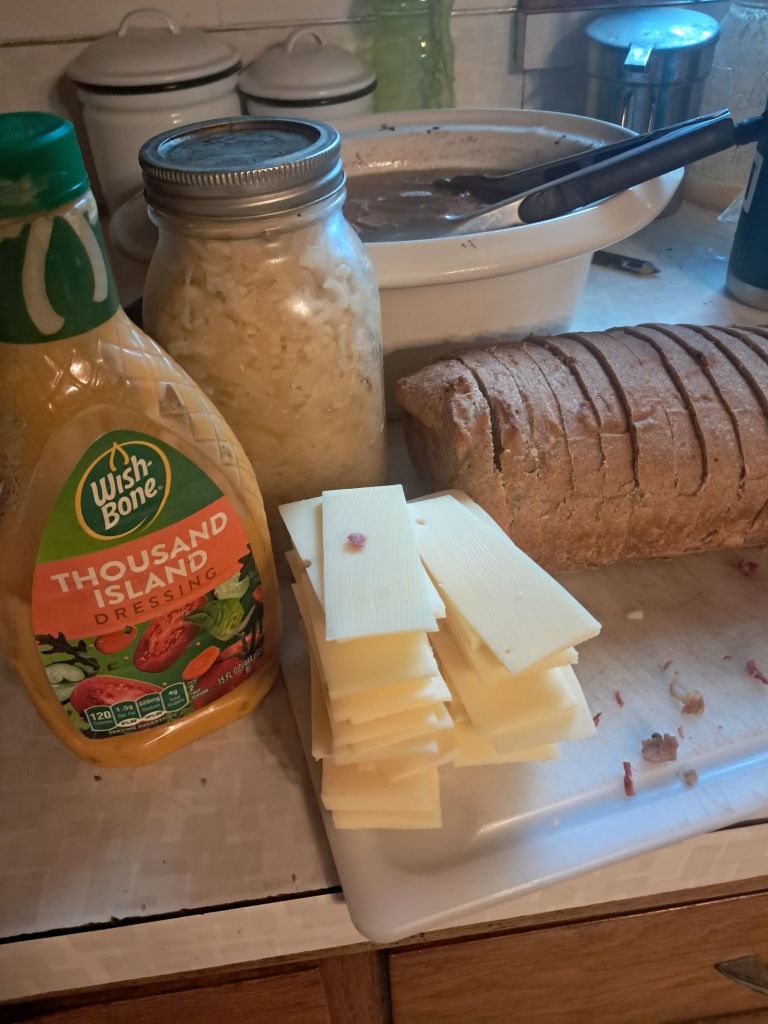
    Rye dough is sticky and stubborn—no big lift like wheat. Mixed bread flour, rye flour, honey, yeast, olive oil; proofed twice, baked in a steam-trapped roasting pan setup at 425°F. Flatter than ideal, but the hearty tang paired perfectly with no caraway on hand. Homemade rye bread held up under melty Swiss and Thousand Island (store-bought, no shame).

    Reuben Night Triumph

    Twelve sandwiches baked golden on sheet trays: rye, corned beef, sauerkraut, cheese, dressing. Family devoured 10 immediately—only two leftovers by lunch. The kitchen smelled like a deli dream.

    The Real Lesson Learned

    This homemade Reuben quest showed me iteration through failure—soggy ferments avoided, lean cuts perfected, stubborn dough humbled. Homesteading scratches teach that last lesson sticks deepest when you taste the payoff. Garden to plate, one sandwich at a time.


    What’s the last thing you learned making food from scratch? Share below!

    Loved this Reuben quest? Like + share so fellow homesteaders can taste the scratch-made magic! 💚 What’s your latest kitchen win?

    Loved this? Subscribe for more homestead reflections:

    Read Next: Our Biggest Homesteading Challenge: First-Time Pig Farrowing
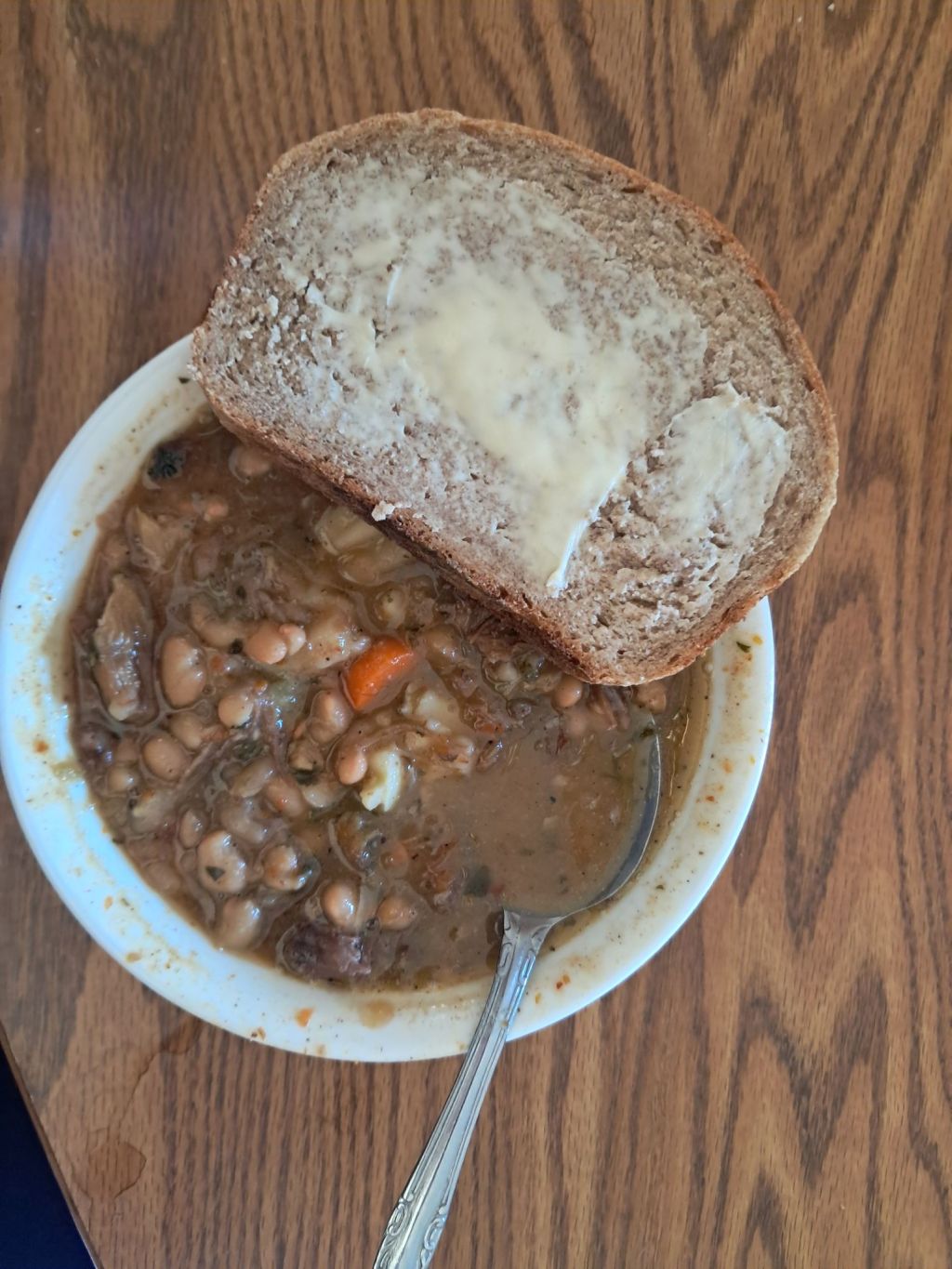
  • How to Make Homemade Rye Bread (Perfect for Reubens & Soups!)

    How to Make Homemade Rye Bread (Perfect for Reubens & Soups!)

    Disclosure: This post contains affiliate links. As an Amazon Associate, I earn from qualifying purchases. Thanks for supporting Practical Homesteading!


    Last week, we started this Homemade Reuben Quest with garden-grown sauerkraut. This week, it’s all about the loaf that holds it all together—rye bread.

    I’ll be honest: rye baking isn’t my strong suit. I’ve made plenty of bread over the years, but rye feels like a different animal. It’s sticky, heavy, and doesn’t spring up quite like a soft wheat loaf. Still, homesteading is about learning as you go, so I decided to give it another honest try.


    The Recipe

    Here’s what went into my loaf:

    • 1½ cups warm water
    • 2 tablespoons honey
    • 2 teaspoons active dry yeast (affiliate link)
    • 2¾ cups bread flour (affiliate link)
    • 1½ cups rye flour (affiliate link)
    • 1 tablespoon vegetable oil (I used olive oil instead)
    • 1 tablespoon caraway seeds (I didn’t have any on hand, but they really do make a difference.)
    • 1¾ teaspoons salt

    The Process

    I started by mixing the warm water, honey, and yeast, letting it proof until bubbly and alive. Then in went the flours, olive oil, and salt—all combined using the stand mixer’s dough hook.

    The dough was wetter than what I’m used to, almost too soft to handle, but I resisted the urge to fix it. Bread teaches patience if you let it. I covered the bowl, set it aside, and gave the yeast time to do its work.

    Once the dough had doubled, I turned it out onto the counter, flattened it into a rectangle, and rolled it up like a cigar, pinching the ends to seal. For the second rise, I nestled the loaf into a bread pan (affiliate link) and set the pan inside a larger roasting pan (affiliate link)—a quick Dutch oven substitute that traps steam and builds a crisp crust.

    The bread baked at 425°F (220°C) for 20 minutes covered, then 10 minutes uncovered to finish.


    The Results

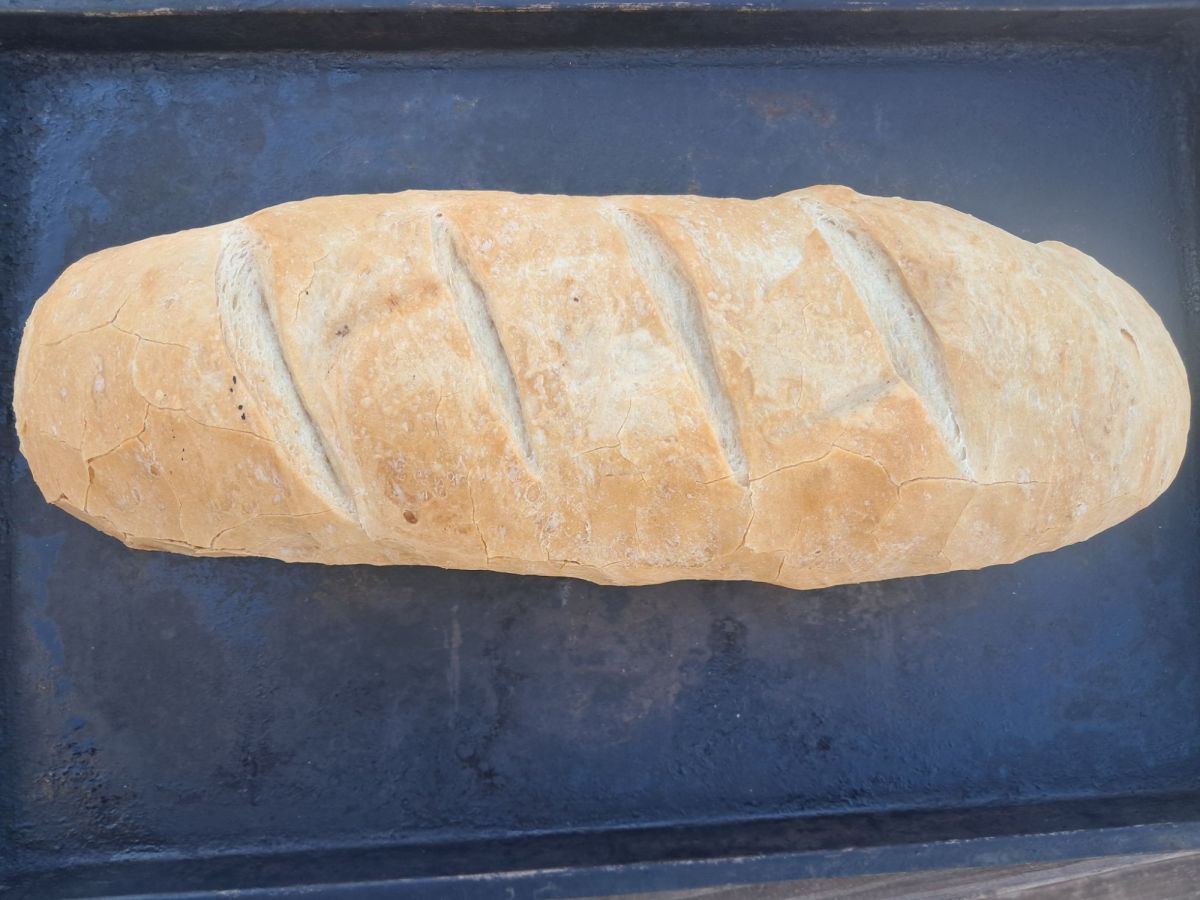
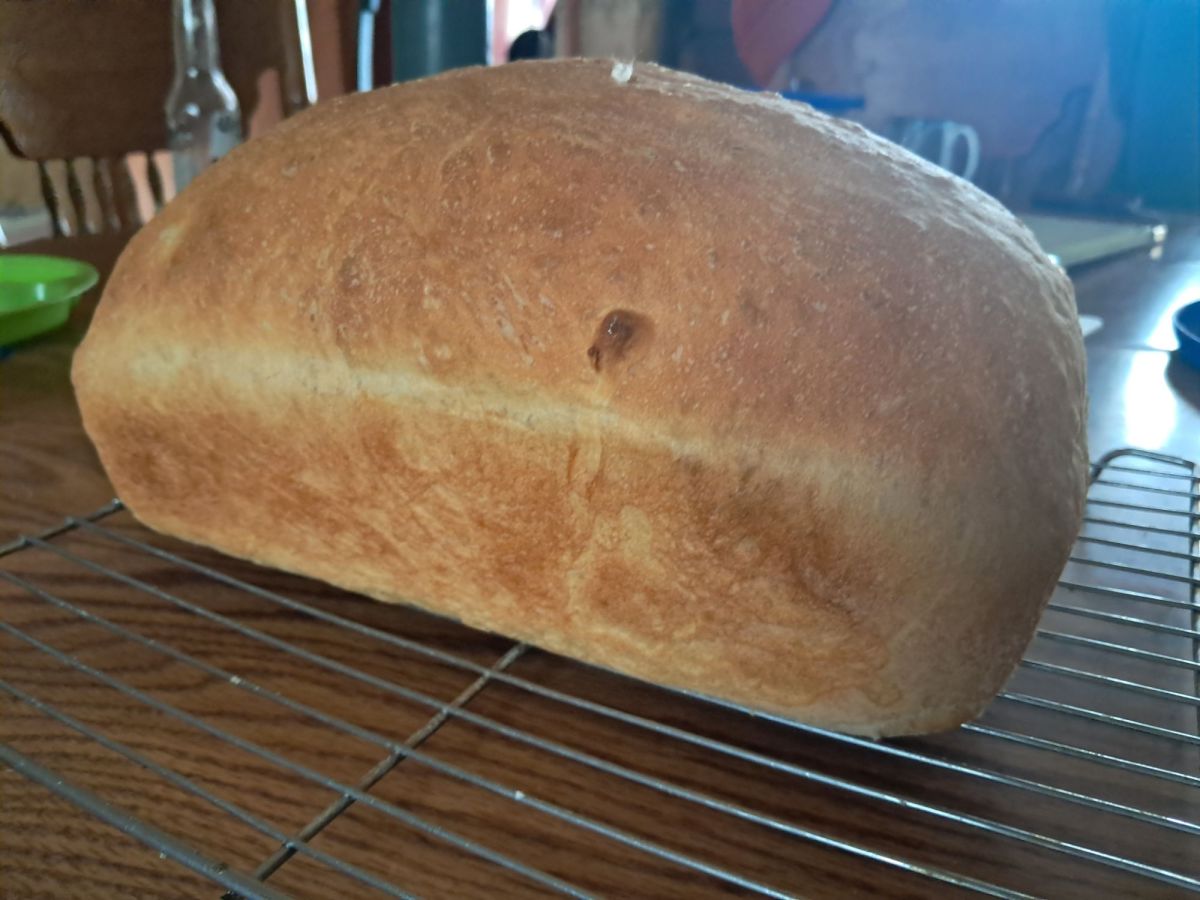
    The finished loaf came out a bit flatter than my usual bakes—rye just doesn’t have the lift of wheat—but the flavor made up for it. Deep and hearty, with a touch of tang and sweetness from the honey. The crust was firm but not tough, and the scent when I sliced into it… earthy, warm, and comforting.

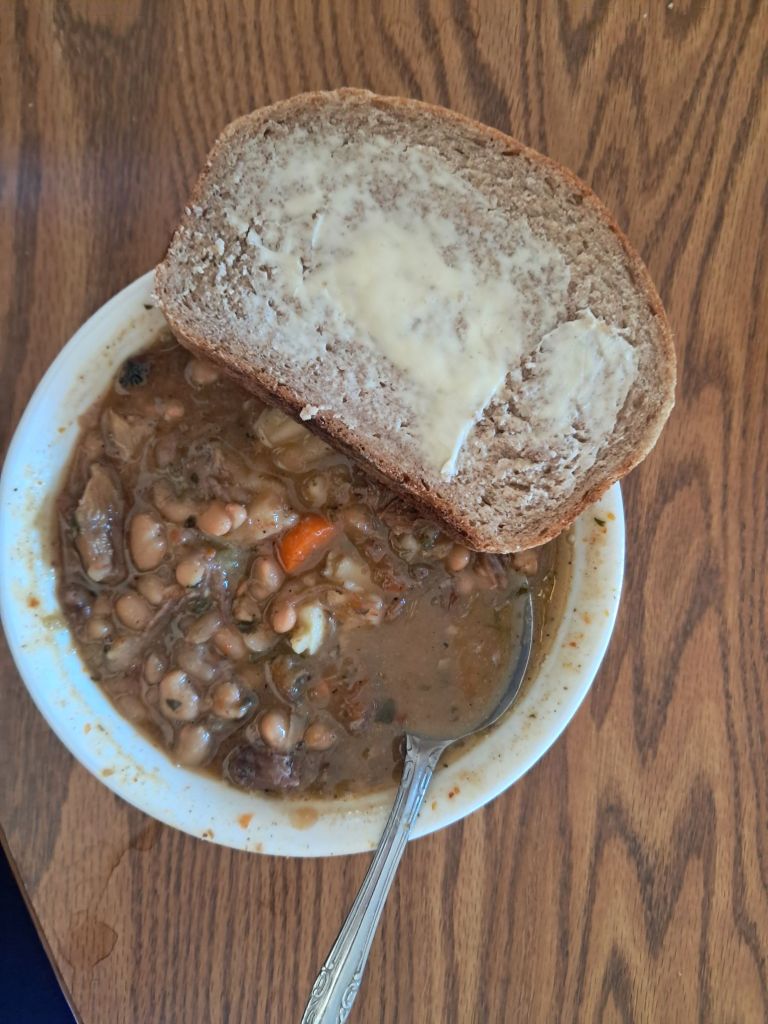
    Even without the caraway seeds, it paired beautifully with my homemade sauerkraut and corned beef (coming next week!). The truth is, sometimes the less-than-perfect loaves are the ones that teach us most.

    Homesteading has a way of humbling you in all the best ways—it’s not about reaching perfection but trusting the process, one loaf at a time.


    Have you ever baked rye bread before? Did you use caraway seeds, or leave them out like I did? I’d love to hear your favorite blends, flours, or fermentation tricks in the comments.

    🥖 If you enjoyed this post, please take a moment to like, share, or subscribe!
    Every share helps our little homestead community grow. Subscribe to get next week’s post in your inbox—Part 3: home‑cured corned beef—and finish the ultimate homemade Reuben!

    Related Posts

    Sourdough Bread

    To me, sourdough is both fascinating and frustrating.  How can something based only on simple pantry staples:  flour, water, and salt, result in such a delicious cornerstone food of society?  Once you attempt your first few loaves, you begin to understand.  There’s a certain alchemy in the starter, the captured yeast on which the success…

    Keep reading