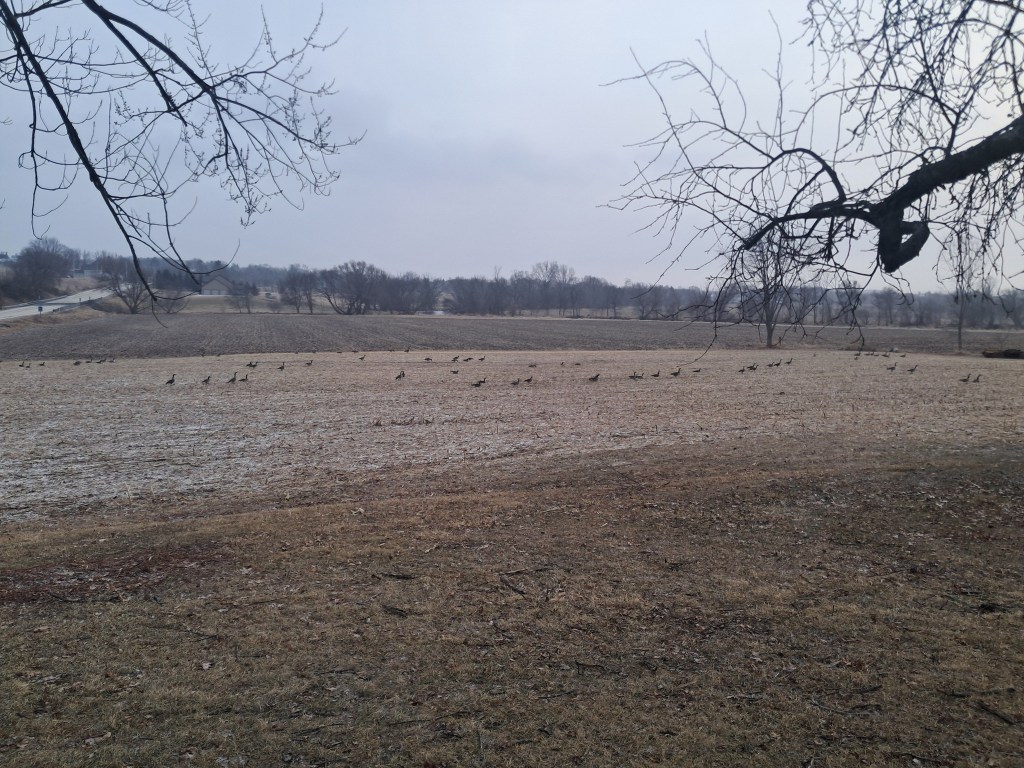
Spring is on the move! The geese are back in our corn field, snacking on the kernels we missed last fall as they make their way north. During the day they feast here, and at night they head back to the Horicon Marsh—just two miles west of us. It’s a rhythm we’ve come to count on, almost like the turning of a calendar page that only nature can read.
Early Spring Signs: From Geese to Goslings
Soon the quiet honks in the distance will give way to a full chorus overhead. As their numbers grow, they become our entertainment—chasing each other away from the best spots, flapping their wings and honking aggressively. Then they will begin to form pairs.
It won’t be long before we’re seeing those fuzzy little goslings wobbling around on unsure legs. I always smile at how they’re both awkward and perfectly at home in the world at the same time. They don’t rush their growing, they just…are. There’s a lesson in that for the rest of us, I think.
Subtle Signs of Spring You Might Miss
Around here, early signs of spring start small if you’re paying attention:
The snow melts back from the south-facing sides of buildings first, leaving little ribbons of bare ground.
Puddles form in the ruts of the driveway, full of reflected sky.
The air still has a bite to it, but every now and then, in the afternoon, there’s a softness you can feel on your cheeks. The kind of air that makes you stop and think, “Oh. It’s changing.” It’s when you know it’s time to tap the trees for maple syrup. Sap flows best at days above freezing, and nights below freezing.
The soil starts to loosen its grip, too. Boots sink a little deeper, and you can smell that rich, damp scent of earth waking up. The barn cats linger longer in patches of sun. The chickens get a bit braver, scratching farther from the coop, as if they also sense that winter’s hold is slipping.
The Magic of Longer Days
I always notice the light first. The sun sets 2 minutes later each day now, stretching out the day bit by bit. Supper dishes are ready to serve while there’s still a faint glow in the west.
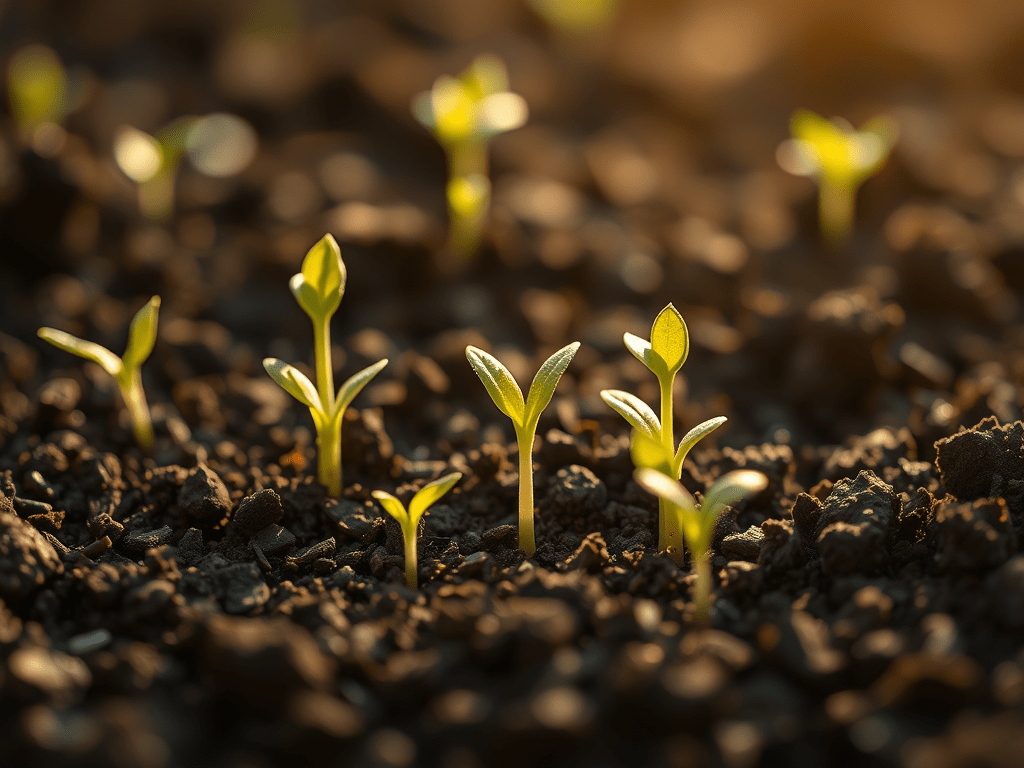
That extra light brings with it a quiet invitation: to dream about the garden, to flip through seed packets, to imagine rows of green where right now there’s only brown and grey.
First Signs of Spring in Everyday Life
Spring on the homestead, in this in-between time, is easy to miss if you’re only looking for flowers and green grass. But if you look closer, it’s there in the geese in the field, the drip of melting snow, the mud on the boots piled by the door.
It shows up in the way we start talking about “when it warms up” instead of “if it ever warms up.”
What Are Your Early Signs of Spring?
What early signs of spring are showing up where you are? Maybe it’s a certain bird call you only hear this time of year, or the first brave shoots pushing up through the cold ground.
Maybe it’s kids trading snow pants for lighter jackets, or the way your houseplants suddenly seem a little happier near the windows.
What’s your first sign of spring? Drop it in the comments—we’re all watching for those first hints together! 🌱
Early signs of spring are HERE! Geese honking, sap flowing, sun lingering longer. Which first sign of spring did you notice today? LIKE + SHARE if you’re feeling that seasonal shift! 🌿
Favorite Shoes: My Alaska-to-Homestead Life Journey
I’d have to say my favorite pair of shoes was a pair of really comfortable sandals. They weren’t fancy, but they were perfect. They were waterproof enough for wet grass and surprise puddles (though they’d get slippery when truly soaked), durable, and so comfortable they practically disappeared on my feet. I bought them the year we got married. As soon as weather warmed, they became my summer uniform—tucked away only when socks and sandals crossed the line.
Alaska Honeymoon Adventure Shoes
Those sandals carried me through epic travel adventures. I wore them hiking on our road trip honeymoon to Alaska, when endless roads met impossibly big skies. They took me down trails in Denali National Park and Kenai Fjords National Park, where crisp air made me feel gloriously small.
I had them on gold panning outside Anchorage (real prospecting is unglamorous!), watching the sun barely dip at 3 a.m. in that surreal twilight, and waiting for grizzlies at Fish Creek Wildlife Observation Site near Hyder. They climbed me to Salmon Glacier’s overlook, where I captured a magical shot—the straps already molded perfectly to my feet by then.
Homestead Life + Pregnancy Companion
Then life shifted from road maps to roots. Several months post-honeymoon, those same sandals walked our first homestead property. I squished through soft ground, stepped over pasture patches, and imagined gardens and animal pens. Soon after, pregnant with our son, they carried my slight waddle across that future home—trading Alaskan rivers for tall grass and fence lines.
Shoes That Lived My Story
They lasted several more seasons through new-mom routines—feedings, chores, sunset walks on our land. When frayed straps finally gave out, letting go felt like closing a chapter: newlywed adventures, homestead dreams, pregnancy possibility.
Replacements looked similar but lasted one season, not four. They didn’t live the same story.
When I think of my favorite travel shoes, they’re about transformation—from glacier overlooks to growing our family and homestead. They carried newly married me toward the life I’d only dreamed of.
Do your favorite shoes have a story? Let me know in the comments!
What’s YOUR favorite shoes story? ❤️ Like if sandals = life chapters 👶 Share with someone who loves Alaska travel stories 💬 Drop below: Hiking boots? Wedding shoes? Pregnancy sneakers?
Loved this? Subscribe for weekly homesteading tips:
I lived in my dream home once. Five perfect years on eighteen acres that felt more like a nature preserve than a homestead.
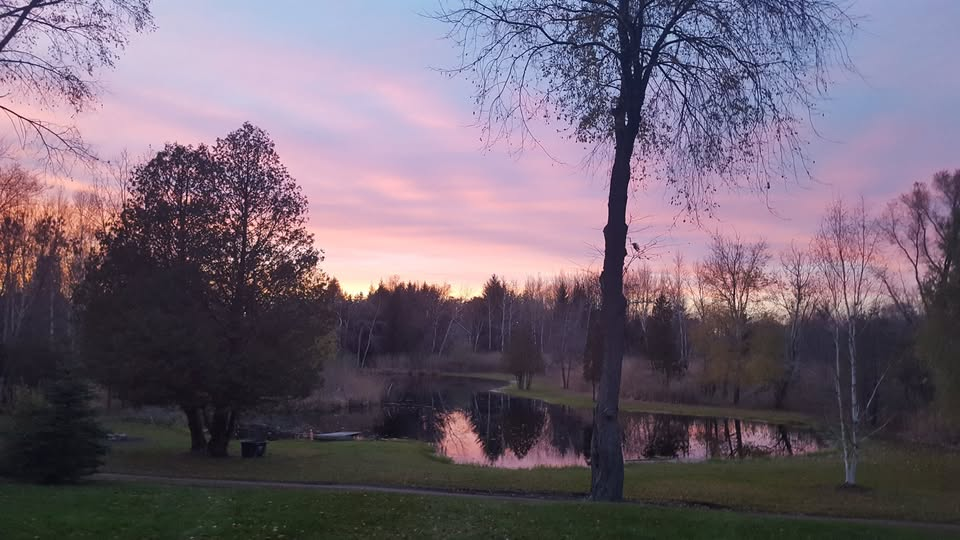
The property sat so far back from a quiet road you could barely hear traffic. Wetlands hugged the front entrance, a half-acre pond sparkled right outside my kitchen window, and open fields rolled out behind the house. My husband and I would wander at dusk, holding hands, and catch our breath watching deer bound through the brush or minks slip through the water. Early spring mornings, we’d sip coffee at that kitchen window watching territorial geese squabble fiercely over pond space, then just weeks later cheer as fluffy goslings bobbed behind their parents. Our three-year-old thought he’d discovered paradise—he’d spend hours crouched in mud, catching frogs and running them up to the house like Olympic gold medals, muddy hands and all.
View of our pond outside the kitchen window.
Inside felt just as special. The split-level house sat partially underground, which kept temperatures steady through brutal summers and icy winters. Downstairs, a stone fireplace became our winter sanctuary. We’d lose entire evenings to its crackle and glow, or turn Sunday afternoons into smoky feasts—grilling chicken right there over a makeshift setup, eating straight off paper plates while the fire warmed our backs.
Upstairs opened into something magical. Reclaimed board ceilings gave it soul. A balcony hung right over the pond view, helping me transition to work from home as I took phone calls while watching hummingbirds dart past. And the south wall? Pure windows. We called that space the plant room. On the grayest February days, I’d stand barefoot in that flood of sunlight and swear spring had snuck in early. That light. I still miss that light.
But even dream homes come with strings attached.
Spring rains turned our long driveway into a lake because of those front wetlands. The previous owners built it themselves, and you could tell—endless quirks and half-finished details everywhere. I called it our “teenage house.” Thirty years old. Just old enough for all the newer systems to start failing, but not old enough to have the solid bones of those century farmhouses I love.
We stretched our budget to buy it, paying more than we planned. The shed out back could barely fit my husband’s equipment, and there wasn’t realistic room to expand. Slowly but surely, our days shrank down to just three things: parenting, working, fixing. We were running on a treadmill to justify living in paradise, too exhausted for the actual living part.
After five unforgettable years, we made the hard call. Sold it all. Downsized to a fixer-upper we could actually afford and breathe in. Do I miss that house? Every single day. The pond at sunset. The plant room light. Our son’s frog-hunting grin.
But here’s what we gained: homestead life with breathing room. This smaller homestead now keeps more animals than those 18 acres ever dreamed of. Our homestead garden produces more than double what we grew back then. Now, we’re outside together—hands in the dirt, teaching kids to plant, actually enjoying the slow rhythm we moved here for.
My definition of dream homestead changed. It used to be postcard-perfect acreage and a house that bathed you in light. Now? It’s a place that fits how we actually live—room for animals, kids, projects, rest, and each other. Sometimes you walk away from your first dream home to build the homestead life that lets you actually live the dream.
Have you ever left a “dream” situation for something better? What’s YOUR dream homestead?
Like + share if this resonates—I’d love to hear your story below!
Loved this? Subscribe for weekly homesteading tips:
By evening, the noise of the day hums in my head — messages blinking, dinner half‑done, kids calling, and tomorrow’s to‑do list lingering in the back of my mind. It’s a good life, full of motion and purpose. But even within this homestead rhythm, I sometimes forget to pause and simply breathe. Between work deadlines and the steady beat of feeding, teaching, and tending, it’s easy to lose sight of how beautiful this busy season really is.
The Craving for Quiet
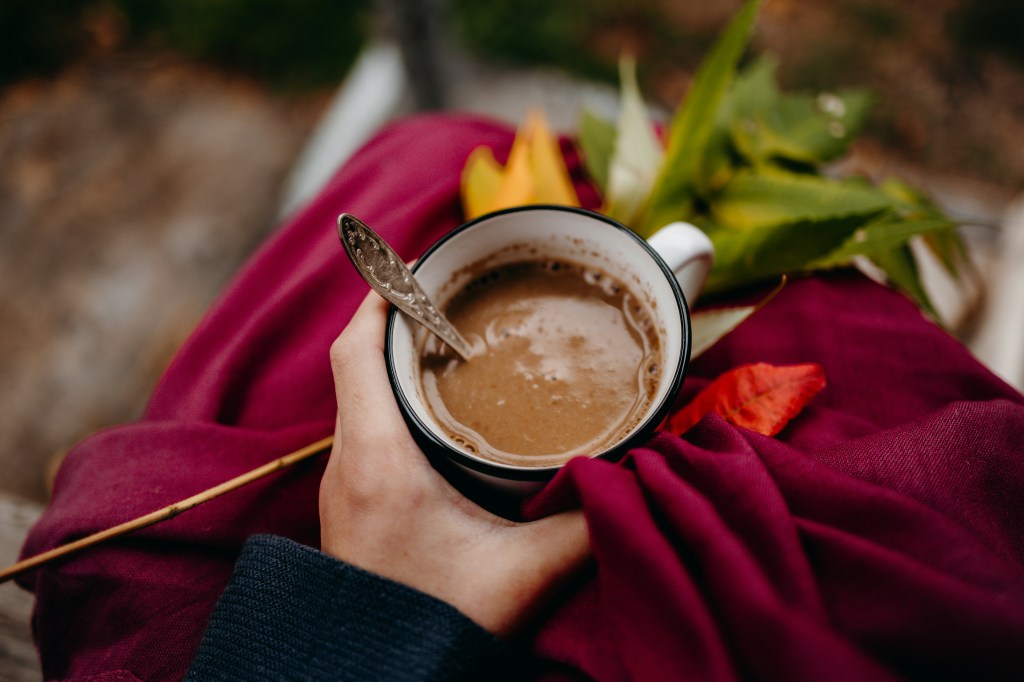
And when that fullness finally catches up with me, this is what I long for: thirty quiet minutes under the stars, cocoa in hand, snow crunching softly under my boots. No phone. No decisions. No “what’s next?”—just breath and stillness.
That kind of homestead self‑care isn’t an escape; it’s a reset. One restful hour a week—phone down, chores paused—restores me far more than any screen time ever could. Sometimes it happens after puzzle night with the kids or a cozy movie evening. Other times, I slip outside once the house quiets and the moonlight hits the frost just right.
These small, sacred moments remind me why I chose a slow-living, family-centered life: growing our own food, raising our kids close to nature, and building community grounded in simplicity and care. Starting seeds for spring, gathering eggs in the cold, kneading bread for the week ahead—each task becomes a gift when I remember to slow down and notice it.
Gratitude in the Pause
When I take that pause, I notice things otherwise overlooked: the rhythm of my breath, the faint scent of woodsmoke, the gratitude warming my chest. This is the balance I crave as a working mom—not perfection, but presence. Simple living teaches me that rest and gratitude feed each other.
It’s not really a break from my life that I need; it’s a breath within it. I don’t want to wish the busy days away. I want to celebrate them—the laughter around the puzzle table, the smell of soup simmering, the promise that the seeds I plant now will nourish us months from now.
Make Space for Your Own Pause
If you’re walking a similar path, try setting aside just 30 minutes this week for yourself—a short walk, a deep breath, or a quiet cup of tea. See how the noise fades when you let the earth steady you.
The most important invention of my lifetime? The smartphone—my love-hate lifeline that keeps my homestead, work, and kids from spinning apart.
Some mornings, I gather eggs between work calls just to catch my breath. By bedtime, the glow of a screen competes with story time and the sound of rain outside our farmhouse window. Some days, the constant ping of notifications makes me want to toss the thing straight into the compost pile.
But here’s the truth: that little screen helps me grow food, raise kids, and build community in ways younger me couldn’t have imagined. That connection keeps the loneliness of rural life at bay.
I hunt for fresh ways to use up garden produce, share turkey videos with faraway friends, and text neighbors to swap garden tips or photos of the first spring seedlings. After sharing my post on how to plant onion seeds, it’s been fun seeing those early sprouts push through the soil. It’s the perfect reminder that growth takes time. When our chicks struggled to hatch last year, a quick YouTube search saved both the day—and the chicks.
Digital tools blur the line between work and home—but that overlap keeps me grounded. In this modern era of homesteading and family life, connection is survival—it’s how we share ideas, find support, and remind each other that the mess and magic of everyday life are worth it.
What invention helps you juggle the chaos of working motherhood and homesteading life? Share your must-have tool or favorite homestead app in the comments below!
If this resonated with your own mix of work calls, garden chores, and bedtime stories, please like this post. Share it with another mom trying to balance homesteading and real life.
Loved this? Subscribe for weekly homesteading tips:
Disclosure: This post contains affiliate links. As an Amazon Associate, I earn from qualifying purchases. Thanks for supporting Practical Homesteading!
Sometimes the best fun isn’t found in grand adventures—it’s tucked right into our everyday rhythms. Between planting seeds, raising small humans, and building community here in Wisconsin, I’ve learned that joy often hides in the ordinary moments we choose to notice.
When the WordPress prompt asked me to list five things I do for fun, I realized how naturally my favorite pastimes reflect the life I’m trying to build: creative, connected, and full of good food and laughter.
Reading: Pages That Connect Us
I love to read—both to my kids and for myself. There’s something magical about those bedtime moments when little voices beg for “just one more chapter,” and I happily oblige because I want to know what happens next too. Right now, we’re working through a beloved chapter book series, and I think I’m enjoying it as much as they are.
For my own reading, I recently joined a women’s book club here in town. It’s been such a gift—hearing other interpretations reminds me how stories have the power to connect us. One person reads about history; another sees deep family themes. That diversity of thought is what builds true community.
When I’m curled up with a good book, a cozy blanket, and a small light that doesn’t wake the kids, it feels like a quiet luxury. A few of my current favorites (plus the book light I love) are on my Book Club Reads (and Reading Essentials) list. As an Amazon Associate, I earn from qualifying purchases at no extra cost to you.
Writing: Turning the Ordinary Into Art
In the same way, I love to write. Writing helps me slow down and see the beauty in the everyday—the way morning light hits a mixing bowl, the satisfaction of flour-dusted hands, the chaos and grace of raising small humans.
My goal through this blog is to encourage others to find meaning in the daily work of nurturing families, cooking homemade meals, and building connection. Writing also helps me process this season of life and celebrate imperfect progress—both mine and others’.
Cooking: Where Chemistry Meets Creativity
Cooking is my happy place. I’m not a fancy baker (my pies are usually more “rustic” than refined), but I love experimenting in the kitchen. Cooking feels like both art and chemistry—mixing what’s in season or what’s grown in the garden, testing new flavors, and seeing what happens.
Recently I brined a sirloin tip roast to make homemade corned beef, and it turned out phenomenal. Watching everyday ingredients transform into something delicious always fills me with joy. Whether I’m simmering soup from scratch or roasting vegetables from the garden, cooking feels like a conversation between the land, my hands, and the people I love.
Having the right tools makes all the difference—I’ve gathered my go-to cookware and cast-iron favorites on my Kitchen Essentials list.
Movies: Finding Magic in the Details
I also love movies. Not just watching them, but appreciating the creative effort behind them—the lighting, music, and editing choices that tell the story even without words.
I once toured the Warner Brothers studio in California, and seeing behind the scenes gave me a deep respect for the teamwork and imagination required to create movie magic. Now, when I watch films with my family, I see them differently. Add a bowl of homemade popcorn (made with our trusty popcorn maker!) and it’s one of our favorite cozy-night traditions.
Playing and Exploring: Getting Down to Their Level
And finally, I play—and explore—with my kids. We build towering pillow forts, race toy cars, and make snow angels when Wisconsin winter delivers a fresh blanket.
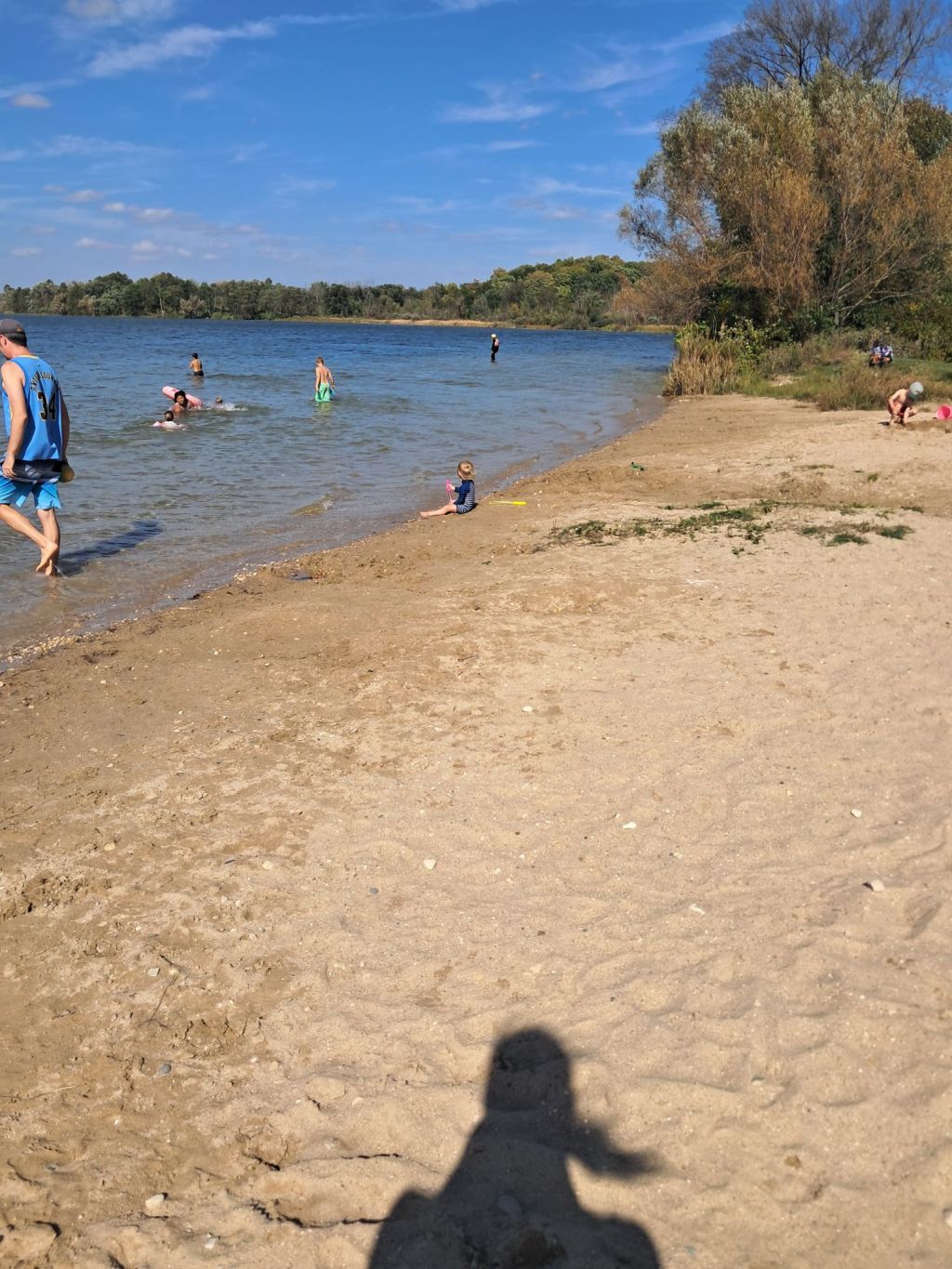
I also make it a point to keep exploring myself. We visit the beach in summer, wander through new museums nearby, and plan one or two short trips a year. Those small adventures keep us curious and connected, reminding me that fun doesn’t have to be far away. It just has to be intentional.
There’s something humbling and wonderful about getting down to their level, whether that means chasing waves or lying in the snow laughing. When we share those moments, I’m reminded that joy grows in the same soil as gratitude.
These five (and a half!) things might seem simple. But reading, writing, cooking, movies, playing, and exploring together they create a life rooted in creativity, connection, and care. Whether I’m turning pages, turning phrases, or turning ingredients into dinner, every moment adds to the bigger picture. Growing food, raising kids, and building community here at home.
What are your favorite small pleasures that make everyday life feel fun? I’d love to hear what fills your family’s days with laughter and joy.
❤️ Enjoyed this post?
If you love finding beauty in everyday homestead life, make sure to like, share, and subscribe for fresh posts on growing food, raising kids, and building community. Your support helps our little online homestead grow!
Discover why growing food, raising children, and building community are at the heart of my homesteading mission. Together, we can return to the roots of connection, resilience, and hope.
Beach or mountains? Which do you prefer? Why? The crunch of gravel echoes under the car tires as I set out for what has become a cherished ritual: a short drive to the nearest beach. It’s funny. When people ask me if I prefer the beach or the mountains, the answer isn’t as simple as…
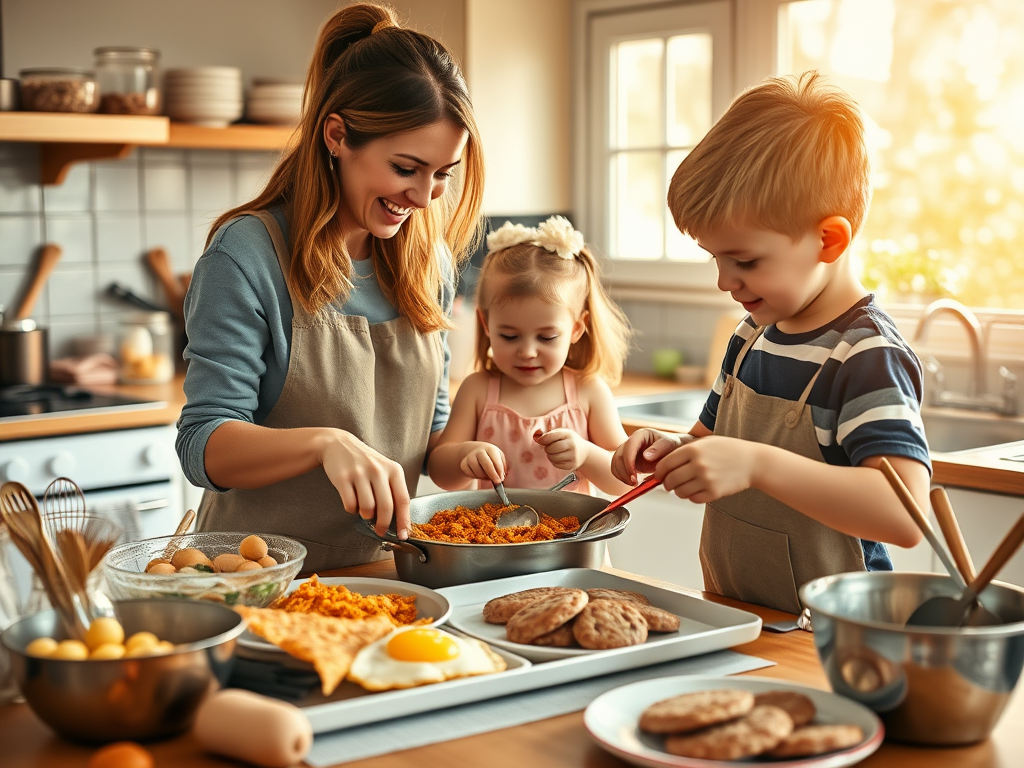
Cooking with children makes the best family breakfast recipes! Homemade sausage patties, hashbrowns, perfect scrambled eggs. Real child kitchen helpers story + weekend breakfast chaos and joy.
What the seasons can teach us about slowing down, finding balance, and belonging A version of this essay appears in the January 8, 2026 edition of the Dodge County Pionier.
Ask most people how they measure time today, and the answers sound familiar: alarms, deadlines, color‑coded calendars, the endless scroll of days on a glowing screen. Phone notifications cut across dinner, school schedules slice afternoons into drop‑offs and pickups, and the next bill due date is never far from mind.
Where I live, time follows a different rhythm—guided not by screens but by the soil itself.
My family keeps time by the signals nature gives: sap rising in March, turtles crossing the road in May, fireflies at dusk in June, corn drying into gold by October. A cold north wind can say “November” more clearly than any app. These cycles remind us that time isn’t a race toward exhaustion; it’s a loop—a pattern of effort, rest, and return.
In a world obsessed with productivity, the land offers a quiet lesson: slowing down isn’t falling behind. It’s catching up to what matters.
Winter: the radical act of rest
When the holidays end and snow hushes the fields, stillness takes hold. The world outside the window turns soft and muted, as if someone turned down the volume. Days stretch long. Nights invite reading, conversation, and quiet.
In modern life, that slowness often gets labeled “unproductive.” Inbox counters climb even as the sun sets before dinner. But in the rural calendar, winter is preparation—the season the earth itself uses to heal. Under the frozen top layer, roots are resting, waiting for their cue.
Inside, a different kind of work takes over: soup on the stove, a deck of cards on the table, a cat snoring near the heat register. There’s no badge for this kind of work, but the house feels fuller for it.
Winter offers permission to pause. Even without a farm or a woodstove, anyone can claim a bit of that wisdom: choose a few evenings when nothing is scheduled, let the phone stay in another room, and let the quiet do its work.
Spring: a rehearsal for renewal
Spring announces itself quietly at first—a drip of meltwater from the eaves, the smell of mud, the first bird that sings before sunrise. One morning the snow looks tired; the next, you notice a thin green line where the lawn meets the sidewalk.
We tap trees and plant seeds, acts that serve no instant gratification. The sap runs clear and cold, one slow drop after another into plastic jugs. Seed trays sit under lights, all dirt and hope, for weeks before anything green appears. Yet when syrup warms pancakes or sprouts unfurl in a window box, you can taste reward drawn from patience.
Spring teaches urgency without panic. Ramps, asparagus, morels, and rhubarb arrive in a rush, then slip away as if they were never there. The season reminds us that beginnings are not one-time events but recurring invitations. The world doesn’t ask, “Did you start perfectly?” It asks, “Are you willing to start again?”
You don’t need a sugar bush or a greenhouse to feel this. A single pot of herbs on a balcony, or a commitment to walk the same city block once a week and notice what’s blooming, can turn spring into a ritual rather than a blur.
And after that first rush of green, the land hardly pauses—by July, it’s in full voice.
Summer: where work and joy meet
By midsummer, everything hums. In the afternoon heat, insects buzz like a low electric current in the fields. Lawnmowers start and stop up and down the street. Windows are open, and someone, somewhere, is grilling.
Gardens overflow. Tomatoes split if you don’t pick them in time. Zucchini multiplies on the counter and quietly appears on neighbors’ doorsteps. Kids shriek through sprinklers, leaving wet footprints on hot pavement. Even the air smells different: cut grass, sunscreen, diesel from a tractor on a distant road.
Like the growing season, our best days often mix effort with enjoyment. Summer’s lesson is simple: work and joy are not enemies. They often belong in the same hour. There is satisfaction in going to bed with dirt under your fingernails and the memory of a late sunset still bright in your mind.
The reward for effort can be as close as a ripe berry, a shared picnic in a city park, or a tired, happy body at the end of a long, light-filled day.
Autumn: gratitude and gathering
Autumn softens the light and sharpens the air. Mornings carry that first hint of frost, and you can see your breath if you step outside before the sun gets serious. Leaves turn from green to gold and red, then crunch underfoot in the driveway.
The season’s abundance—pumpkins on porches, apples piled in crates, shelves lined with jars and loaves—reminds us how much depends on cooperation: between people, earth, and time. No one person makes a harvest alone. There are seed savers, farm workers, truck drivers, grocers, and cooks all woven into the meal.
Gratitude, in this season, isn’t just a word reserved for a single holiday. It’s the habit of looking at an ordinary table—soup, bread, a piece of fruit—and seeing the many hands and seasons that brought it there.
Even in an apartment, autumn can become a practice of gathering: inviting friends over for a simple pot of chili, walking through a park under changing trees, or taking five extra minutes to watch the early dark settle in instead of rushing past it.
What circles can teach a linear world
When winter returns, it’s easy to see it as a setback: dark, cold, the end of something. But the more closely the seasons are watched, the clearer it becomes that time does not move in a straight line. It hums in a circle.
Each season brings another chance to begin again—not by doing more, but by noticing more. The calendar on the wall may march from one square to the next, but the world outside repeats its old, trustworthy patterns: thaw, bloom, heat, harvest, rest.
Wherever you live—city or countryside—you can keep time with the land in your own way. Let January be a little slower. Let spring mean at least one meal built around what is fresh where you are. Let summer include a night spent outdoors until it’s fully dark. Let autumn carry a moment of thanks, even if it’s just whispered over a sink full of dishes.
The land has never hurried. It always arrives where it should. Maybe we can too, if we’re willing to step out of the race now and then and walk in circles for a while instead.
How could you bring a bit of seasonal balance into your daily routine? Please let me know below in the comments.
If this reflection on seasonal living resonated with you, please take a moment to like and share it with someone who might need a gentler rhythm right now.
To receive future essays on slow, seasonal living straight to your inbox, subscribe to the blog and join this little community of people learning to keep time with the land.
Welcome to the rural economy—where value isn’t counted in cash but in connections. Beneath the wide-open sky, where grain silos and fence posts stitch the land into neat parcels, the real currency is not minted or printed. It’s grown and built, raised and traded. Trust, hard work, the barter of honest services and handmade goods.…
Happiness doesn’t come from perfect days—it grows in balance, family, friendship, and the quiet rhythm of everyday life. Here’s how I find joy in being present.
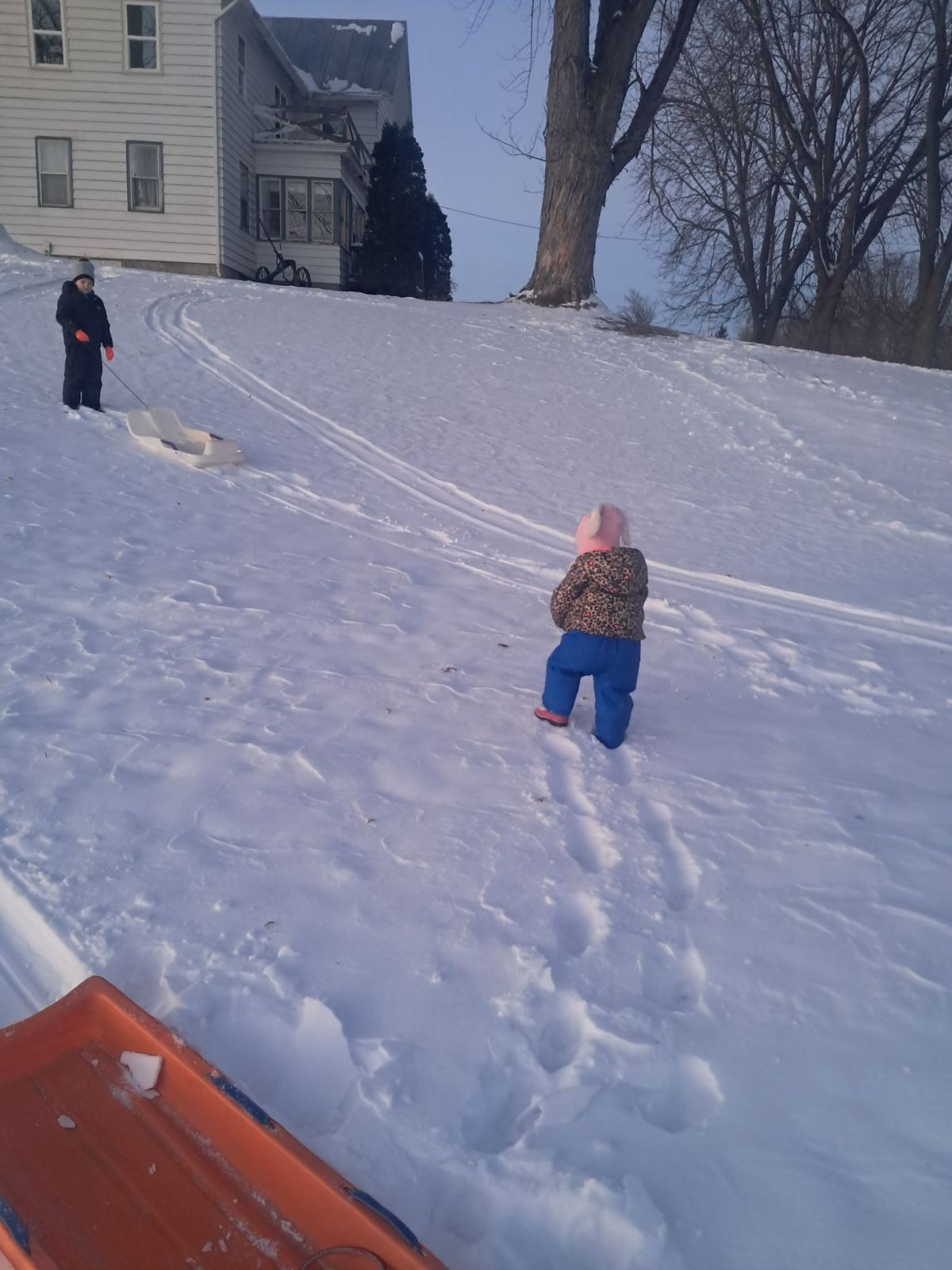
When my son asked to go sledding after a long week, my instinct was to say no. Dinner had to be made, and I was tired. But one small “yes” led to laughter, connection, and a moment that reminded me why slowing down matters most.
You get to build your perfect space for reading and writing. What’s it like?
Every writer dreams of a space that feels like home to their thoughts—a corner of the world where imagination stretches its legs and the noise of life takes a softer tone. Mine isn’t glamorous or high-tech, but it’s built for calm, comfort, and curiosity. A place where peace and creativity meet in the same breath.
I see it tucked just far enough from the heart of the house to allow quiet focus, yet still close enough that I can hear the gentle rhythm of family life in the background. The walls glow in soft, natural tones—sage, cream, or pale gold—and the space feels welcoming from the first step inside. Bookshelves line the walls, heavy with well-loved novels, gardening books, and journals. Each spine tells a piece of my story, each page holding the warmth of past inspirations.
Sunlight spills through wide windows overlooking something living—maybe the garden, trees beyond the fence, or a meadow flickering with movement. In winter, a small fireplace adds its steady crackle and a hint of wood smoke to the air.
At the center sits my workspace: an ergonomic, spacious desk with drawers neat enough to keep the chaos contained but close enough for notebooks, colorful pens, and coffee within reach. My laptop and dual monitors stand ready for writing or deep-diving into research. And, of course, high-speed internet—because a writer’s curiosity shouldn’t have to wait for a page to load.
On one wall hang a couple of maps—one of Wisconsin, another of the United States, and a third of the world. They’re conversation companions during phone calls, or quiet invitations to study how places became what they are. Sometimes, I trace borders and coastlines with my finger, thinking about history’s slow hands shaping landscapes.
Next to them, shelves hold little collections from our life together—curiosities and keepsakes, handmade pottery, carved wood, painted stones, and things our children have crafted with care and imagination. Each object holds a small story and reminds me that creativity lives in every season of life.
For reading, a deep chair near the window offers comfort for quiet afternoons. A small side table waits for tea or a candle, while a corkboard above gathers quotes, sketches, and reminders of future dreams. The air feels alive with green things: trailing pothos, small herbs by the sill, and a fiddle-leaf fig soaking in golden light. The whole space breathes, warm and alive.
What I love most about this imagined room is its balance—it’s peaceful but not sealed off, still enough for thought but close enough to feel the pulse of family. The soft overlap of connection and solitude makes it feel whole.
This is where ideas grow roots and take flight—a sanctuary that mirrors the life I’m building: curious, creative, and connected.
In the end, it’s not just a room for reading and writing; it’s a reminder of why I create at all—to notice, to cherish, and to keep learning about the world and the people who make it home. Sunlight, comfort, connection, and wonder—the timeless ingredients of a life well-lived.
Now it’s your turn. Would your ideal space look like? A window view, a favorite chair, or maybe something that inspires you every day? Let me know below in the comments, and let’s inspire each other!
If this post brought a little inspiration to your day, please take a moment to like, share, or subscribe. Every bit of support helps grow this mindful space for stories, creativity, and connection.
Get gentle reflections on creativity, homestead life, and personal growth delivered straight to your inbox. Subscribe below and join our growing circle of readers who find beauty in slow, intentional living.
Discover how remembering kids’ names, birthdays, and small life details shapes deeper relationships, family life, and homesteading rhythms in a world that often moves too fast.
Happiness doesn’t come from perfect days—it grows in balance, family, friendship, and the quiet rhythm of everyday life. Here’s how I find joy in being present.
When I stop and think about it, I realize happiness isn’t a single moment or destination. It’s a rhythm that threads quietly through daily life. I’m genuinely happy right now, and to be honest, that still scares me a little. After enough seasons of joy and hardship, I’ve learned happiness is fragile—and I hold it more gently now. Things aren’t perfect, but I’ve grown steadier, more willing to face the bumps with grace.
I’m happiest when life feels balanced—when I can handle its joys and challenges without losing my footing. Moving my body helps clear the fog; it’s how I reset my mind as much as my muscles. Eating food we’ve grown or cooked slowly pulls me back to the present—the smell of herbs, the warmth of a skillet, the satisfaction of work made real. And sleep, when I finally give myself enough of it, has a way of making everything else fall into place.
Family time fills me in a way nothing else can. The laughter around the dinner table, a quiet morning coffee before the kids wake, even teamwork in the garden with dirt under our nails—all of it reminds me why this slower, more intentional life matters.
And then there’s friendship—the kind that weaves into daily life like a second family. Friends I can call when I need help, and who know I’ll show up for them too. The ones I meet for coffee to swap stories and laughter while the kids race through the yard. Those moments—ordinary and real—anchor me in community, reminding me we’re not meant to do life alone.
Finally, happiness shows up when I allow myself to feel everything. To laugh without restraint. To cry when I need to. To be seen in all my humanness and still be loved. It’s not about perfection—it’s about presence.
So, when am I happiest? When life feels honest and steady—rooted in family, nurtured by friendship, and grounded in the quiet rhythm of being human.
Now it’s your turn—when do you feel most at peace or happiest? Is it in your family routine, shared laughter, or that first quiet sip of morning coffee? Share your thoughts in the comments below. I love hearing your stories and reflections.
If this post resonated with you, please take a moment to like, share, or subscribe. Every bit of support helps grow this small community where we celebrate family, simplicity, and the honest pursuit of happiness.
Discover the joys and challenges of raising backyard turkeys in this heartfelt story about patience, humor, and the journey from fluffy poults to Thanksgiving centerpiece. Learn personal lessons and practical insights from a family’s wild turkey-raising adventure.
Stone by stone, a farmer’s patient craft built more than a wall – it built a legacy. Discover a story of endurance, purpose, and quiet strength that still stands a century later.
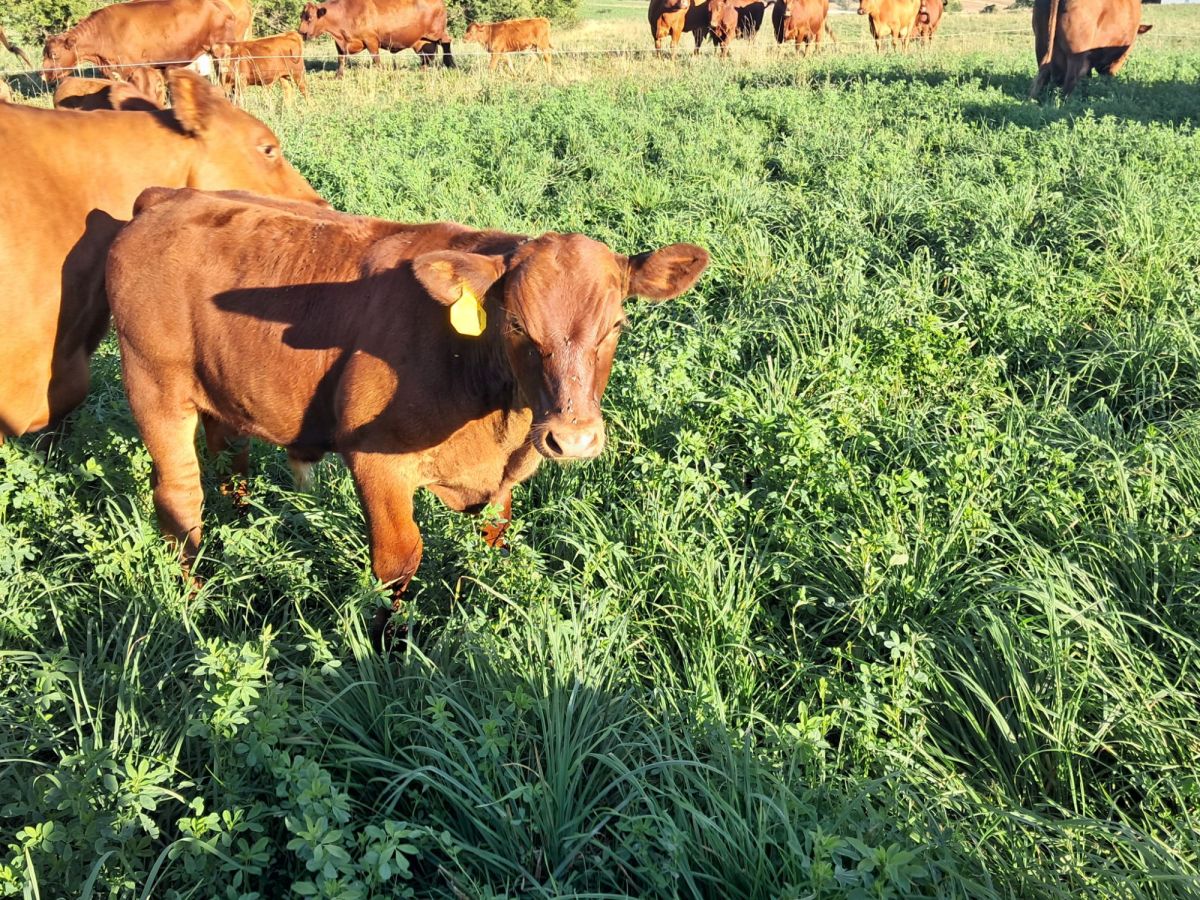
Experience a vivid farm story about rotational grazing, resilience, and regenerative land stewardship through the eyes of a family and their Red Angus herd. Discover how cattle, people, and pasture move together in balance

















 Practical Homesteading