Tag: homesteading life

  • Playing for Keeps: Cozy Winter Game Nights for Family and Friends

    Playing for Keeps: Cozy Winter Game Nights for Family and Friends

    When winter settles in on the homestead, life naturally slows down. The winter garden rests under snow, the animals huddle in the barn, and families gather indoors for cozy family nights. It’s the season for staying warm, being together, and finding joy in simple homesteading activities — like a well-loved deck of cards, a puzzle on the farmhouse dining table, or family laughter echoing late into the night.

    There’s nothing quite like a winter game night on the homestead. When the wind howls outside the farmhouse and the snow piles high, the best warmth often comes from good company, shared family bonding, and maybe just a touch of friendly competition. Whether you’re playing cards around the kitchen table during winter homesteading, puzzling over a jigsaw masterpiece, or teaching your kids a new board game as part of raising kids on the homesteadgame night is one of those timeless family traditions that never go out of style.

    In my homesteading familywinter game nights have always been a cherished tradition. My dad’s favorite is Sheepshead — a classic Midwest card game full of strategy and bluffing — but the real magic happens in the chatter between hands, the jokes when someone misplays a trick, and the laughter that fills the room long after the cards are packed away. Now, we’re teaching our son how to play too, though at six years old, we’re still coaching with the cards face up and plenty of encouragement — perfect for raising kids amid homestead life.

    But you don’t have to be from Wisconsin — or know what Sheepshead is — to love a good winter game night. The beauty of winter family activities is that they adapt to every age, mood, and homestead household. It’s all about building community through connection.

    Here are a few ways to keep homestead game nights fresh and fun this winter homesteading season:

    1. Mix up the classics
      Rotate between familiar card games like cribbage, euchre, rummy, or Uno, and throw in board games like Ticket to Ride, Sequence, or Codenames for variety. Even favorites like Monopoly or Scrabble feel new with homestead twists, like themed snacks from the garden pantry or “winner picks the next game” rules.
    2. Make it cozy
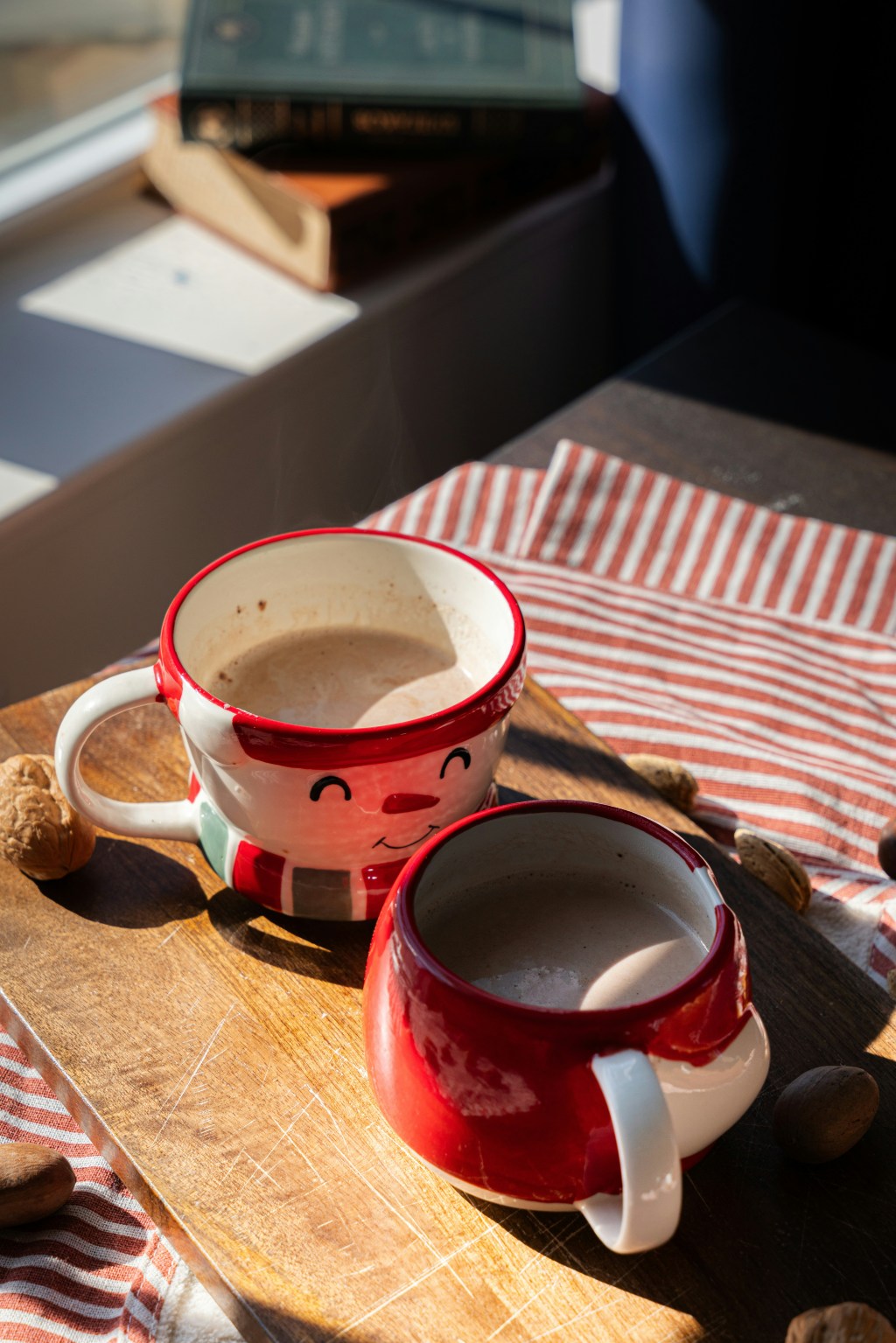
      Set the mood with soft lighting, fleece blankets, and warm drinks to turn an ordinary evening into something memorable for family game nights. There’s something magical about hot cocoa with whipped cream and cinnamon next to a flickering candle while family laughter circles the farmhouse table.
    3. Add food to the fun.
      Potluck snacks make everyone feel included. Try something hearty and low-effort like homestead chili, cheesy bread from your winter pantry, or a meat and cheese tray. Or keep it sweet with homemade cookies, popcorn, and cocoa bombs.
    4. Keep it social, not serious
      A little competition is healthy, but laughter should always win. Let kids make up house rules, play for silly prizes, or pass around a “trophy” between weeks — maybe a goofy hat or a wooden spoon with bragging rights. Game night should be about family connection and building community, not keeping score.
    5. Try something new together
      Challenge your homestead family to learn something new. Cooperative games like Pandemic or Forbidden Island encourage teamwork, while group trivia or charades gets everyone involved. For quiet winter nights, bring out dominoes or a thousand-piece puzzle and let conversation flow while hands stay busy.

    When homestead families play together, something special happens. Kids learn patience, teamwork, and good humor; adults slow down enough to really listen and laugh. It’s one of the simplest, most meaningful winter homesteading activities to build memories and family bonds — no screen required.

    Some local libraries and churches even host winter puzzle swaps or game exchanges, perfect for building community and refreshing your game shelf without spending a dime. In a world where it’s easy to feel isolated on the homestead, these gatherings remind us that friendship and fun often start at a shared farmhouse table.

    So this winter homesteading season, deal yourself in. Invite friends, make a pot of homestead cocoa, and play until the candles flicker low. Some nights, the laughter drifts out the windows into the snow, and for just a moment, winter doesn’t feel quite so long.

    Feature Photo by Nellie Adamyan on Unsplash


    What’s your go-to winter game night favorite? Do you have a family tradition or favorite way to keep homestead game nights lively?

    Share your homesteading family stories in the comments below. I’d love to hear how you’re beating cabin fever and building community this winter!

    Loved this? Subscribe for weekly homesteading tips:

    Read Next: Winter Storybook Trail Walks: Family Magic at Horicon Marsh
  • Past Lessons and Future Dreams: Learning, Growing, and Moving Forward

    Past Lessons and Future Dreams: Learning, Growing, and Moving Forward

    Do you spend more time thinking about the future or the past? Why?

    They say hindsight is 20/20, but I think it’s more like a mirror — one that reflects both who we were and who we’re becoming. And the future? That’s the canvas we’re still painting, brush in hand, deciding what colors come next.

    I spend time with both — the past and the future — but if I had to choose, I’d say I think about the future more. Still, the two aren’t separate for me. The past is where the learning happens, and the future is where I try to put that learning into action.

    Learning from the Past
    When I think about the past, it’s rarely about nostalgia. More often, it’s replaying moments that didn’t go quite right — conversations I wish I’d handled with more patience or insight. I tend to notice small things, especially how the other person responded.

    Did they look away halfway through? Did their shoulders drop, or did their voice tighten? Did they frown — or cross their arms, or become defensive? Those reactions stay with me long after the conversation ends. They’re like clues that help me understand the power of tone, timing, and empathy.

    It’s not that I’m trying to critique every interaction — I’m trying to learn from them. Reflection, for me, has become a quiet sort of self-check. I don’t want to get stuck regretting old exchanges, but I do want to notice patterns: when I get defensive, when I rush my words, when I stop truly listening.

    Sometimes, it feels like flipping through a small mental scrapbook of lessons — not to linger on the pictures, but to trace the edges and think, How can I handle this better next time?

    Dreaming Toward the Future
    When my mind turns toward the future, everything feels brighter, warmer, and more open. I think about my family — how our children might grow, who they’ll become, and what kinds of people they’ll bring into their own lives. I think about my husband, and how I hope we’ll still laugh together, still spend weekends side by side, still find joy in the simple rhythm of our days.

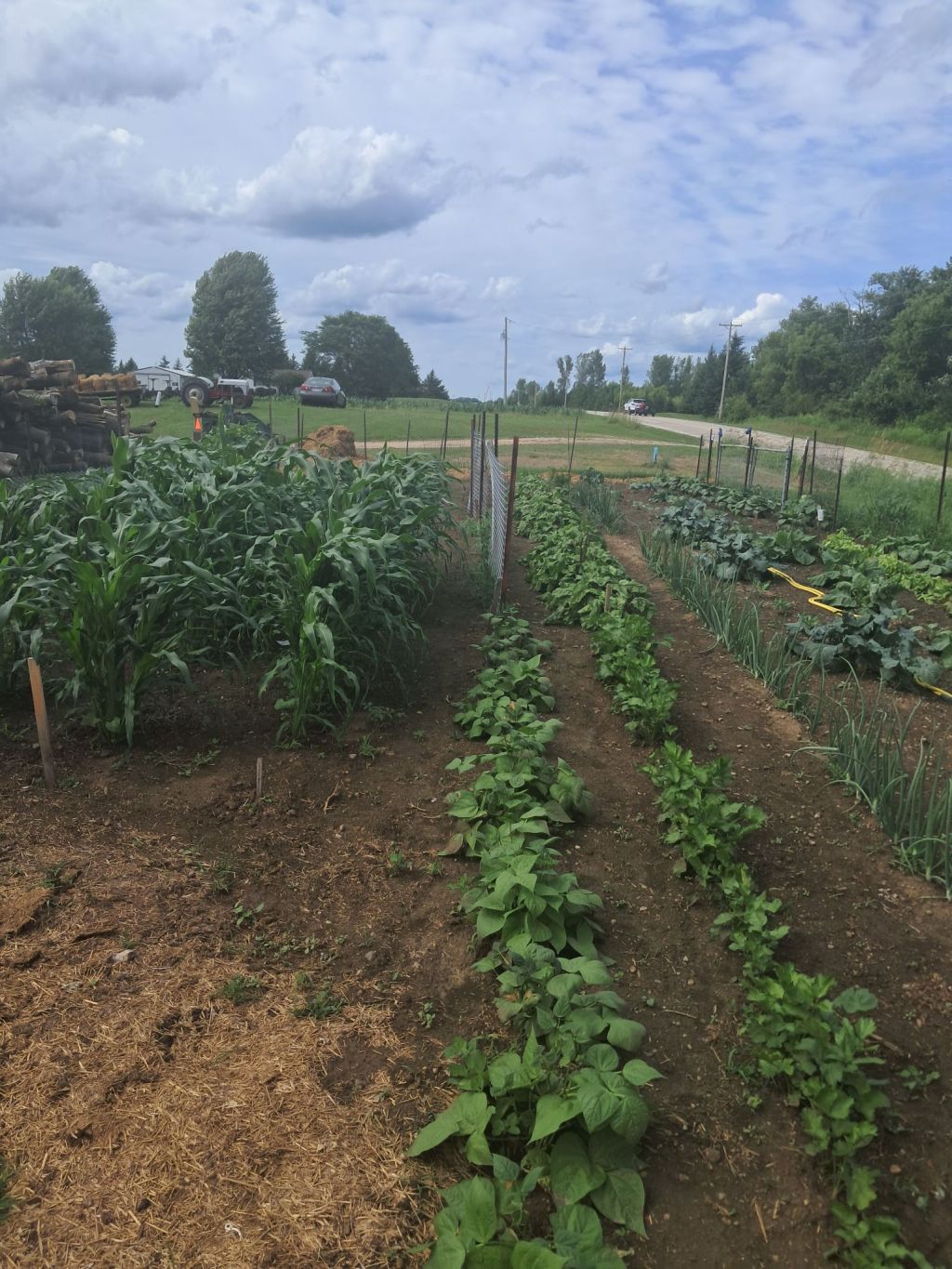
    I imagine our home, our garden, the hum of a peaceful homestead alive with everyday sounds: wind in the trees, chickens clucking, maybe the buzz of bees on summer afternoons. Sometimes I picture our future selves sitting on the porch after a long day’s work, hands tired but hearts full, reflecting on the life we built together.

    Those dreams give me motivation. They remind me that the choices I make now — how I spend my time, how I treat people, how I speak and respond — are shaping the world I’m headed toward. Thinking about the future helps me see daily life not as a checklist, but as a foundation. Every habit or conversation plants a seed for what’s still to come.

    Using the Past to Benefit the Future
    Even my backward glances at the past carry a forward focus. When I catch myself remembering a tense moment or an awkward pause, I use it as a reminder: next time, pause longer. Listen more carefully. Stay soft even when the other person isn’t.

    Learning from the past gives me tools; imagining the future gives me energy. The two often work hand in hand — one guiding, the other driving.

    Balancing Reflection and Hope
    If I had to choose between thinking about the past or the future, I’d still say the future wins. But really, they’re part of the same equation. The past reminds me where I’ve been; the future invites me to grow beyond it.

    To me, this process is a lot like gardening. Each season leaves its mark — the crops that thrived, the ones that failed, the weeds you didn’t pull soon enough. But when you plant again, you do it with all that knowledge quietly tucked into your hands. You trust that what you’ve learned will make next season stronger.

    That’s how I try to live — learning gently, dreaming boldly, and remembering that both reflection and hope have their place in growth.


    Do you find yourself thinking more about the past or the future these days?

    When you look back, do your reflections inspire you to move forward differently? I’d love to hear how you balance the two — share your thoughts in the comments below.

    If this post sparked a moment of thought or connection for you, please take a moment to like, share, or subscribe. Your support helps this little space of reflection and growth keep blossoming.

    Each week, I share new reflections about learning, living intentionally, and finding joy in both the lessons and dreams that shape us. Subscribe below to grow along with me.

    Related Posts

  • The Art of Ordinary Living: Finding Creativity in Writing, Cooking, and Parenting

    The Art of Ordinary Living: Finding Creativity in Writing, Cooking, and Parenting

    How are you creative?

    Creativity doesn’t always look like a canvas, a stage, or a masterpiece. Sometimes, it looks like a skillet full of potatoes, a bedtime routine that finally works, or a few quiet minutes spent putting messy life into words. For me, creativity lives in the everyday—in the effort, the resourcefulness, and the love poured into small things.

    Writing Creativity
    I’m creative through writing. I may not write fiction, but I write with color and heart. My words capture the hum of morning chores, the smell of bread rising on the counter, and the soft sounds of my family winding down after a long day.

    Writing helps me slow down and hold onto fleeting moments before they slip away. My hope is that when someone reads what I write, they see their own life reflected back at them. I hope they begin to look for beauty in the ordinary. Writing, to me, is storykeeping more than storytelling—a way to honor the simple rhythm of living.

    Cooking Creativity
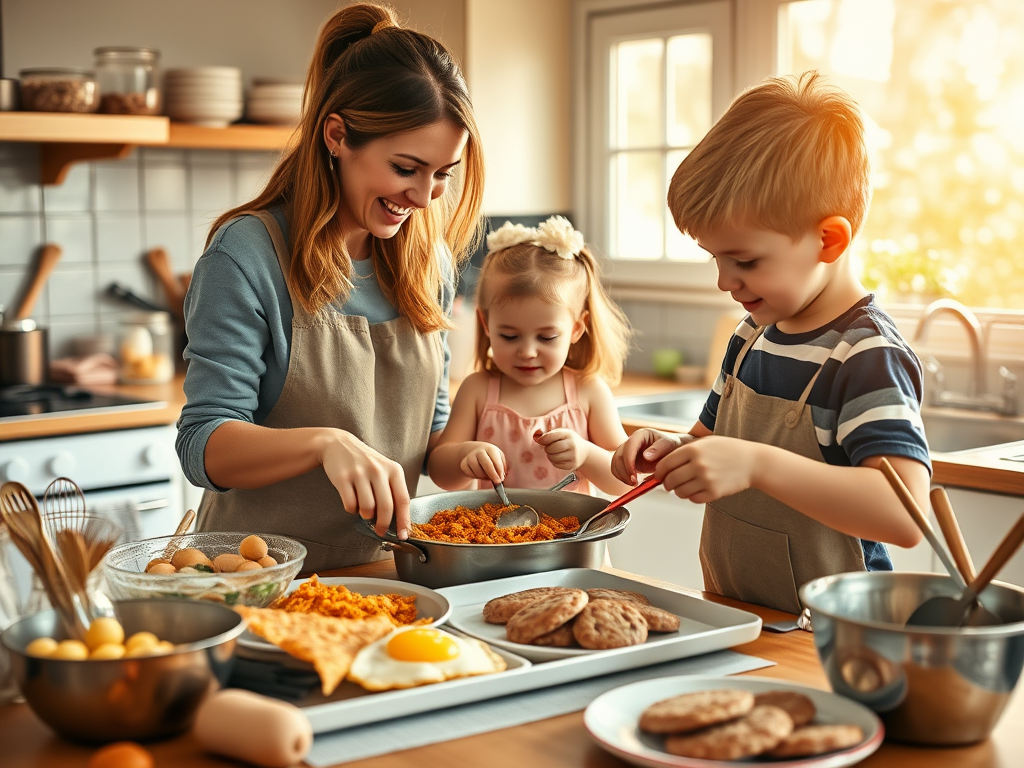
    That same creative spirit follows me into the kitchen. Few things bring more joy than opening the refrigerator with little motivation and turning almost nothing into something truly satisfying.

    My trusty skillet, a few potatoes, and some onions have saved more dinners than I can count. The sound of onions sizzling in butter and the smell that fills the house remind me that creativity often blooms from constraint. It’s about seeing what you have and imagining what it could become.

    Parenting Creativity
    I’m also creative in my parenting. I didn’t want to raise my children exactly as I was raised, so I’ve learned to improvise and adapt through plenty of trial and error.

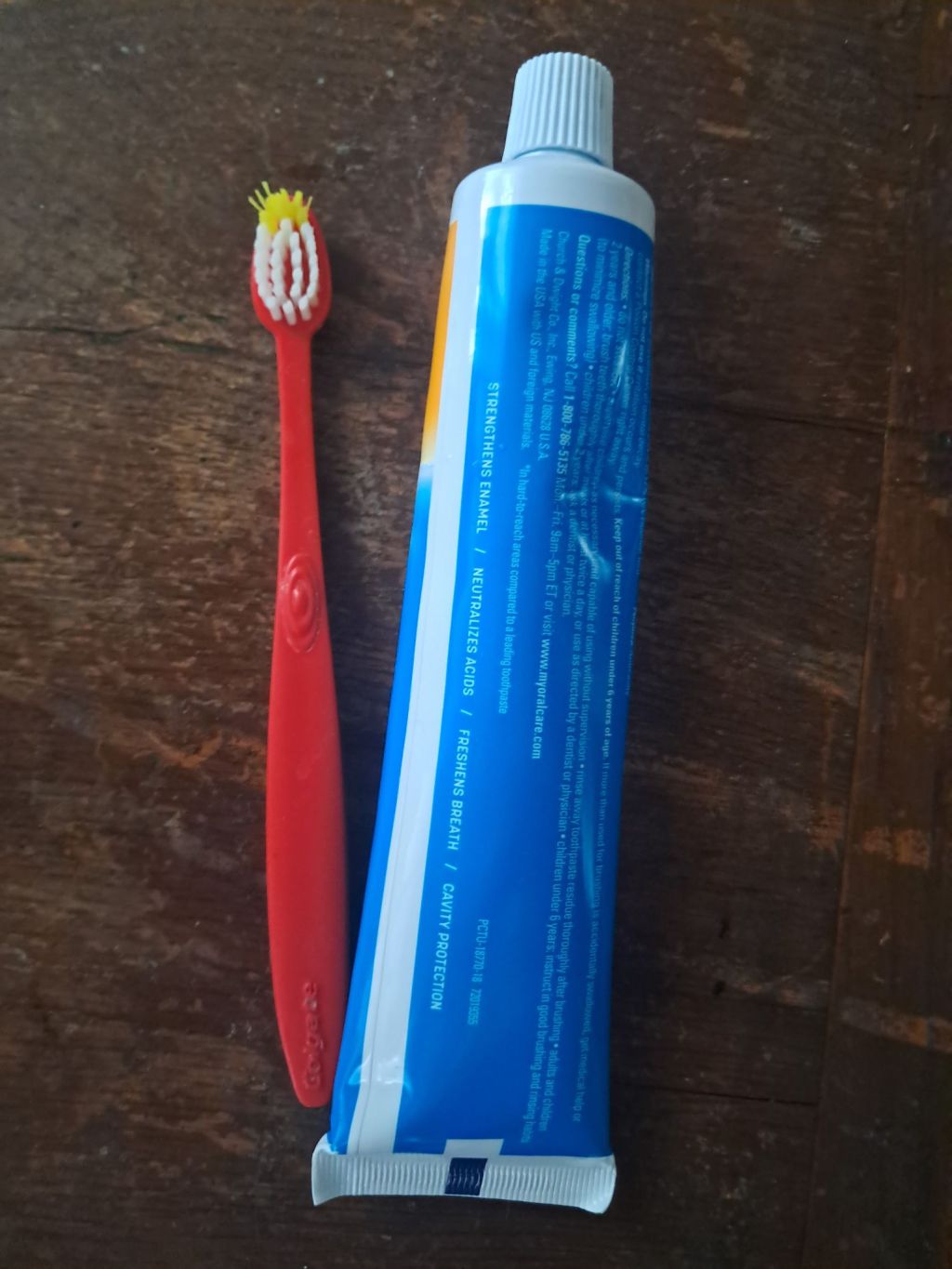
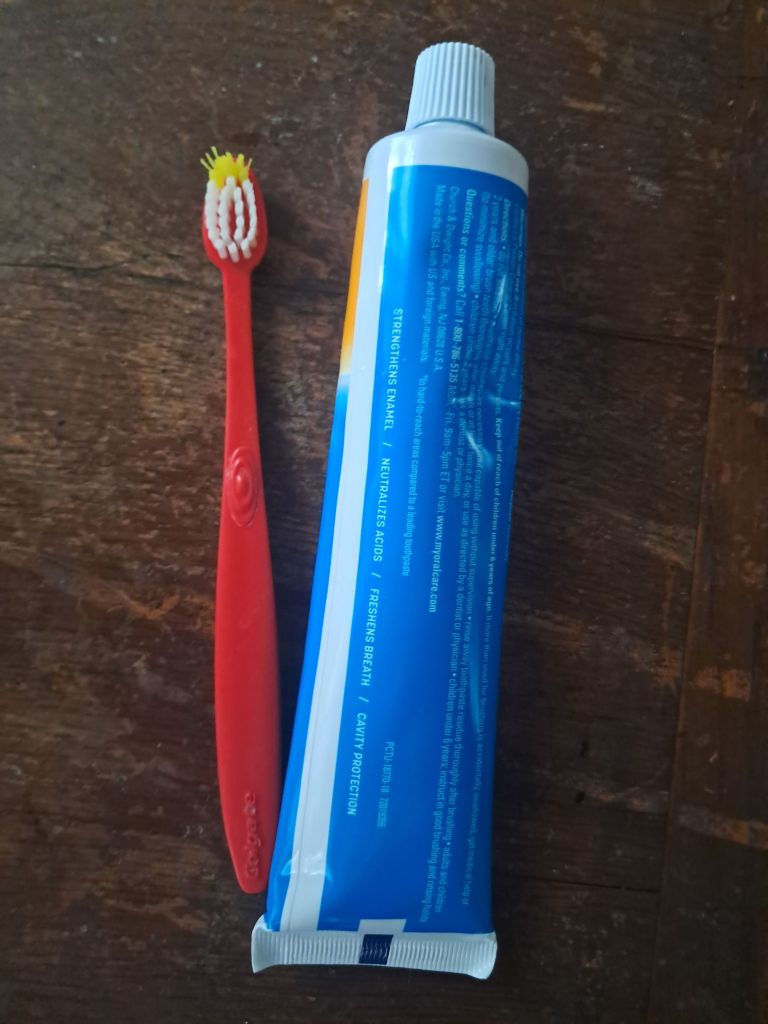
    Take my two-year-old daughter and the great toothbrushing standoff. For months, we tried everything—games, choices, even silly songs—but it always ended the same: us brushing her teeth while she screamed in protest.

    About a month ago, we took a new approach. We simply told her this was part of bedtime—non-negotiable, like pajamas and stories. To my surprise, she accepted it. Now she even reaches for the toothbrush herself.

    My son wouldn’t have responded to that method at her age, but that’s the creative dance of parenting—learning each child’s rhythm, one routine at a time.

    Reflection
    Over time, I’ve realized that creativity isn’t limited to what we make—it’s how we live. It’s the spark that turns routine into ritual, leftovers into a warm meal, and frustration into understanding. It’s what keeps a home vibrant, a family connected, and a heart grateful. Every time I face life’s little challenges and find a gentler way through, I’m reminded of how much beauty lives in simply trying.

    We are all, in one way or another, artists of ordinary life—crafting something meaningful out of the materials we’ve been given.


    Now it’s your turn. How do you bring creativity into your everyday routines?

    If this reflection resonated with you, share it with someone who finds beauty in everyday moments too. 💛 

    Like this post. Leave a comment about how you express creativity in your day-to-day life. Subscribe for more stories on homesteading, family, and mindful living. Let’s keep celebrating the art of ordinary life—together.

    #homesteadinglife #everydaycreativity #familyblogger #simpleliving #parentingtruths #mindfulliving #gratitudeinmotion #creativeparenting #findingjoyeveryday

    Related Posts

    The Road to What Matters

    Toward the edge of town, amongst beeping car horns and humming engines, a road trip fight started because of hot dogs, of all things. “Let’s just grab dinner ingredients here,” I said, glancing nervously at the fluorescent-lit refrigerator shelves of the gas station convenience store. “We will cook them at the campsite.” My husband frowned,…

    Keep reading
  • When Trust Feeds the Soul: Homesteading, Community, and the Power of Showing Up

    When Trust Feeds the Soul: Homesteading, Community, and the Power of Showing Up

    Are you a good judge of character?

    Some people guard their trust like a locked gate—but I’ve never been one of them. In homesteading and in life, I tend to meet others with open hands and an open heart. Out here, community isn’t just a pleasant idea. It’s something we build with every borrowed tool, shared chore, and kind word. I choose to believe the best of people, trusting they’re drawn by the same sense of purpose and generosity that keeps this way of life thriving.

    When we brought our daughter home after she was born, that spirit of community wrapped around us in the most tangible way. We walked into a freshly mopped home, the dishes washed, the floor gleaming, and our table covered in homemade comfort—lasagna, sloppy Joe’s, meatloaf, and warm bread just out of the oven. It wasn’t just food; it was love, poured into every bite. Those acts of kindness reminded me that trust and connection don’t just make a community—they are the community.

    Sure, now and then, I misjudge someone, and disappointment arrives like an unexpected frost. But time and again, choosing trust has brought more blessings than setbacks. It has built friendships rooted in understanding, neighbors who show up without being asked, and a shared sense that we’re stronger together than apart.

    The land teaches that same truth daily. A garden can’t thrive without care, and neither can a community. When we nurture each other—with warmth, patience, and gratitude—we all flourish. That meal train, that clean house, those helping hands—they were proof that the seeds of kindness I try to plant don’t just grow; they multiply. And for that, I’ll always be thankful.


    What’s one way your community has shown up for you when you needed it most?

    If this story touched your heart, spread the warmth! 💛 

    Like this post, share it with someone who believes in the power of community, and subscribe to follow our journey of homesteading, family life, and personal growth. Together, we keep these roots—and relationships—growing deep.

    Related Posts

    Stone by Stone

    Stone by stone, a farmer’s patient craft built more than a wall – it built a legacy. Discover a story of endurance, purpose, and quiet strength that still stands a century later.

    Keep reading

    The Quiet Wealth of These Fields

    Welcome to the rural economy—where value isn’t counted in cash but in connections. Beneath the wide-open sky, where grain silos and fence posts stitch the land into neat parcels, the real currency is not minted or printed. It’s grown and built, raised and traded. Trust, hard work, the barter of honest services and handmade goods.…

    Keep reading