What’s the first impression you want to give people?
When I think about the first impression I want to give people now, it connects closely to how much I’ve learned about myself.
In my 30-something years, I’ve spent a lot of time shrinking into the background—speaking softly, standing at the edges of rooms, and convincing myself that others didn’t really want to notice me. Somewhere along the way, I mistook invisibility for safety. That belief likely began in childhood, when being quiet felt like the right way to belong.
But with time, I began to see what that silence cost me. By keeping myself small, I limited the depth of my connections. People knew me only in fragments because I wasn’t showing them a complete person. What I thought was self-protection often turned into isolation.
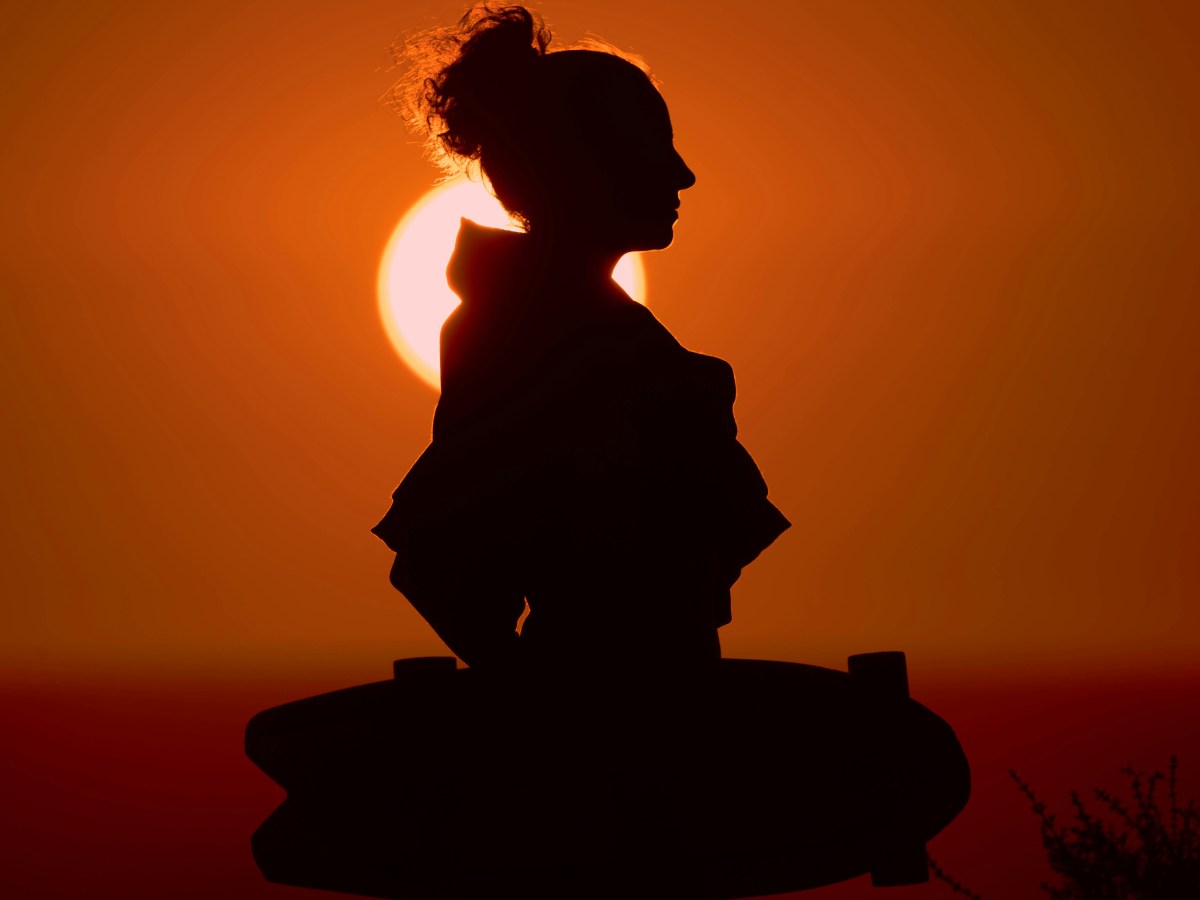
Now, I want my first impression to reflect who I’m becoming rather than who I used to be. When someone meets me, I hope they sense warmth and calm, a presence that feels both grounded and engaged. I want my voice to carry confidence without volume—a kind of steadiness that says, “I see you, and I’m here.” Maybe it shows in the way I smile when greeting someone or in how I pause to listen before responding.
More than anything, I hope to make people feel comfortable being themselves, just as I’m learning to be comfortable being myself. If my presence leaves others feeling seen, valued, and at ease, then that’s the impression I want to give. It’s the one I’ve always been reaching for, quietly, without realizing it.
Have you ever realized that the way you present yourself isn’t who you truly are inside? Share your story in the comments. What first impression do you want to give people now, and how has that changed over time?
If this reflection resonated with you, take a second to like the video. Share it with someone who might need to hear it. Subscribe for more conversations about self-growth, confidence, and showing up as your authentic self. Your engagement helps build a community where everyone feels seen and heard.
What part of your routine do you always try to skip if you can?
Most mornings start with a quiet choice—whether to honor my intentions or give in to my excuses.
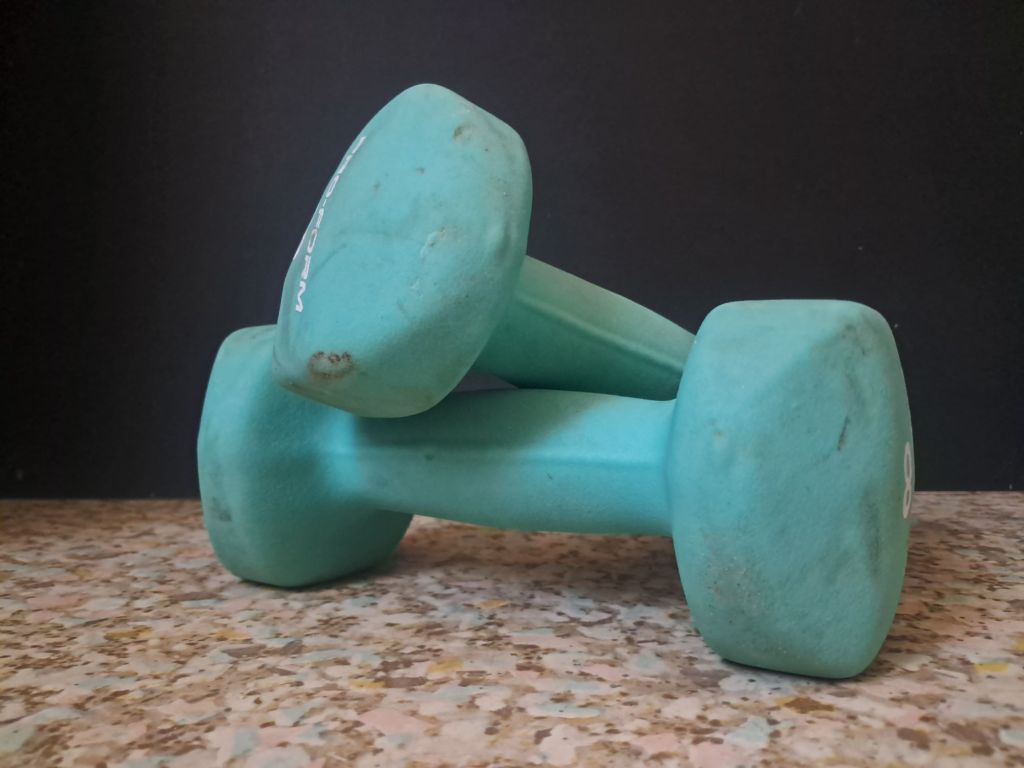
My routine isn’t rigid; it shifts with the rhythm of life at home. But on the best days, I carve out a few minutes for movement. Ten or twenty minutes of exercise to clear my head and reconnect with myself.
Still, it’s the part I’m most likely to skip. When sleep is scarce, when the kids need me, or when the day feels heavy before it even begins, it’s too easy to let it go. The promise of “later” becomes a gentle lie I tell myself, one that always fades as the hours slip by.
But when I do keep that promise, even briefly, the reward is unmistakable. My breath deepens, my pulse steadies into rhythm, and a thin sheen of sweat gathers on my forehead. In that moment of effort, I feel a quiet awareness settle in—a reminder that I’m capable, present, and alive. The energy lingers, carrying me into the rest of the day with a small spark of pride that I showed up for myself.
My kids see it too—that persistence matters more than perfection. It’s an ordinary act, but one that steadies me, a reminder that discipline often begins in the smallest, most unremarkable moments.
If reflections like this resonate with you, subscribe for more small moments of honesty and intentional living.
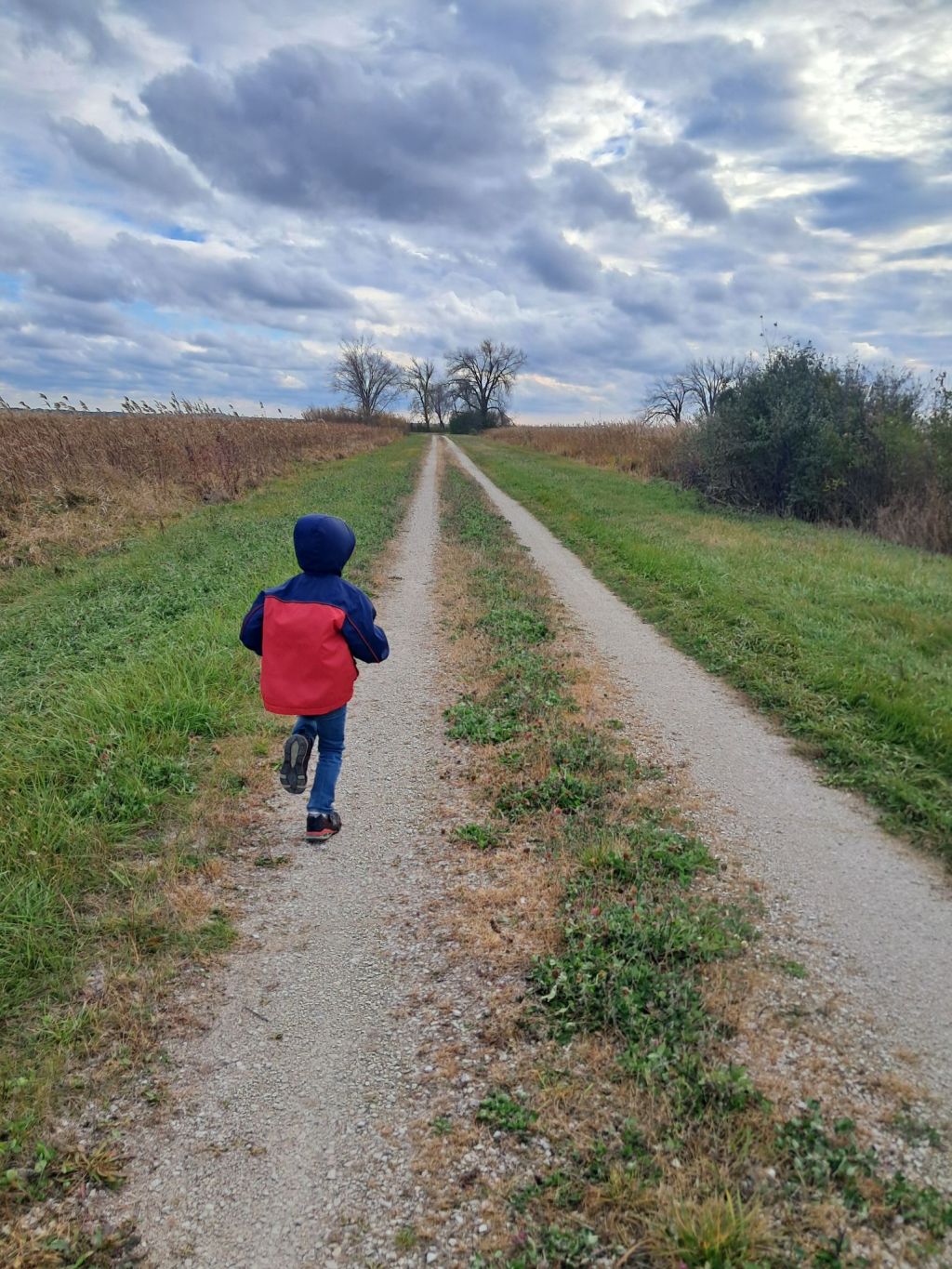
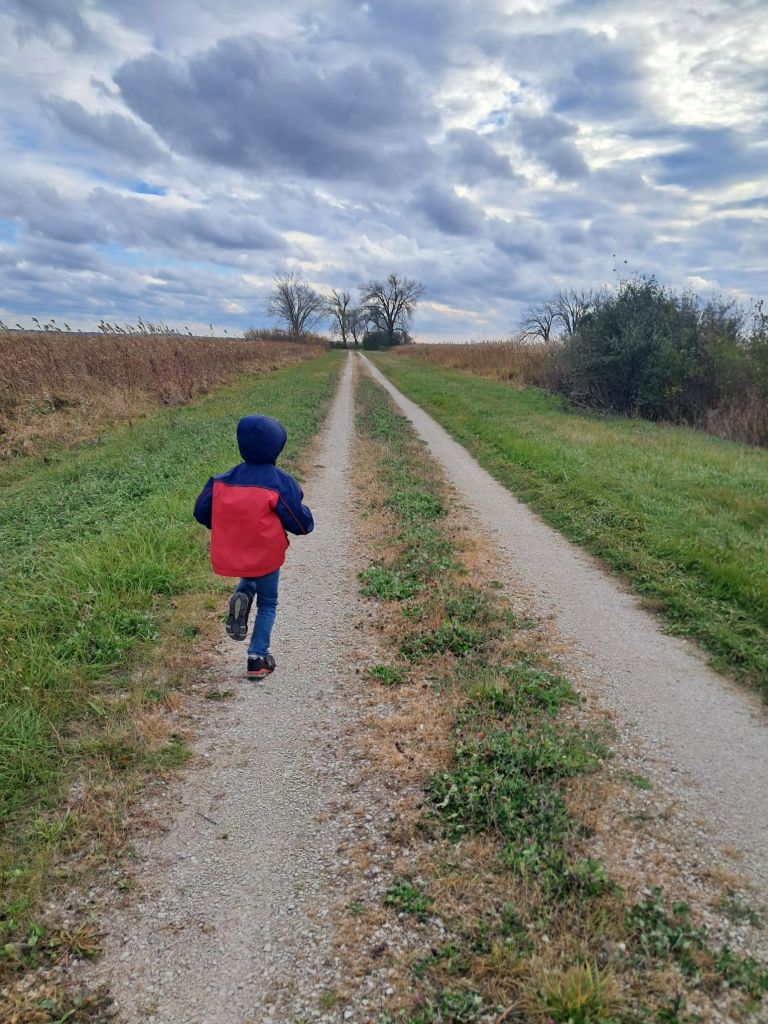
Six years. A lifetime and a blink all at once. It’s hard to imagine my tall, curious six‑year‑old as the little baby who once fit perfectly in my arms. Yet some days, it feels like only yesterday. As his birthday approaches, I find myself reflecting—not just on how much he’s grown, but on how much I’ve changed too.
Before motherhood, I was an adventurer. I loved travel, new experiences, and the freedom of not knowing what came next. My job and life took me across the country, and I chased opportunity with excitement. But as thirty approached, another kind of calling began to whisper. Parenthood. I knew that if I waited too long, it might be harder to step into that new identity. With my husband’s encouragement, we leapt into the unknown together.
The Lessons of Change
Pregnancy came easily. A touch of morning sickness, a few sleepless nights, but otherwise, it was smooth. I exercised right up until my water broke. I don’t share that to boast—only to show how everything shifted the moment he arrived. Nothing prepared me for the intensity of that change.
When labor began, I shook uncontrollably—terrified of the pain, the sleepless nights ahead, the loss of freedom I’d always cherished. That fear slowed everything down. Twenty‑one long hours passed before he was born. Later, I learned that anxiety floods the body with adrenaline, making labor harder. But in hindsight, that physical slowing mirrored something deeper: my fear of what it meant to become someone’s mother.
I was afraid of failing him, of not knowing enough, of being unequal to the task. That fear didn’t just tighten my muscles—it tightened my sense of self. It made every decision feel heavier, every moment charged with doubt. I thought “harder” meant only the literal—long labor, sleepless nights, feeding struggles—but parenting revealed its metaphorical weight too. Fear made everything take longer: the acceptance, the confidence, even the joy.
In time, I learned that fear wasn’t an enemy. It was a mirror. It showed me what mattered most, where I still needed to grow, and what I was willing to face for love. The same fear that once froze me taught me grace, patience, and surrender.
Finding Strength
Returning to work after parental leave was another reckoning. I cried every day that first week, missing him in a way that words can’t fully capture. The ache didn’t disappear—it only softened with time.
And then, just as I was finding my footing, the world changed again. Six weeks after returning to work, COVID arrived. Suddenly, I was balancing deadlines with diaper changes, spreadsheets with nap schedules. The days felt endless, looping between exhaustion and small, quiet triumphs. Yet amid the chaos, we found a rhythm—working during naps, finishing tasks after my husband got home, creating pockets of peace wherever we could.
Through it all, I discovered something unexpected: strength in letting go. Parenting isn’t meant to be done alone. It takes a village—not just helping hands, but willing hearts. When family, friends, and neighbors dropped off meals, shared advice, or simply listened, I experienced the power of community. That kind of support transforms everything. But living far from family meant we only had so much of it, and that ache for connection stayed with us.
Building Community
Perhaps that season of isolation made our next decision clear—it was time to move closer to family. We wanted the support we’d missed, not only for ourselves but for our children. It wasn’t an easy decision, and it took a couple of years, but it was the right one. By the time his little sister arrived, we were settled, and our son was starting preschool. Watching him become a big brother—gentle, silly, protective—has been one of the greatest joys of my life.
What I didn’t anticipate was how deeply our sense of belonging would bloom. For the first time, people weren’t just offering help—they were eager to be part of our world. Family members plan afternoons filled with backyard discoveries, storytelling, and unhurried laughter. Cousins race through the house, inventing games, sharing snacks, and building the kind of bonds that belong entirely to childhood. Our son now has the freedom to spend time with people who love him independently of us. He’s learned that family extends far beyond the walls of home.
For my husband and me, that has been a blessing beyond measure. We now have people we can count on—family who arrives without being asked, friends who show up simply to share time, a network that steadies us. Parenting no longer feels like a fragile balancing act. It feels shared, supported, deeply rooted. There is peace in knowing our children are surrounded by people who delight in them and find joy in being part of their story.
A New Kind of Adventure
Adventure still has a place in my life, but it looks different now. It’s not plane tickets and new cities—it’s beach trips, museum visits, and long walks through the park. It’s watching my children encounter the world: splashing in waves, chasing balls, collecting shells. The wonder on their faces brings more joy than I ever could have anticipated.
My adventures have changed, but I’ve learned this, too, is a season. The world will still be waiting, and when the time comes, new journeys will find their way to me. For now, I’m grateful to be here—growing, learning, loving, and finding beauty in this quieter kind of voyage.
My son shares my love of history and stories. He’s a curious little traveler at heart, always ready to laugh and explore. As he steps into middle childhood, I can’t wait to see where his curiosity leads him next. And maybe, if I’m lucky, he’ll still want me along for part of the ride.
Perhaps that’s what motherhood truly is—learning that the greatest adventures begin not in faraway places, but in the heartbeat of home.
Closing Note
Writing this reminded me that every stage of life carries its own kind of adventure. The early years of motherhood can feel all‑consuming, but they’re also fleeting and filled with meaning. This season—messy, joyful, exhausting, extraordinary—is one I can’t hold onto forever, and one I’ll always treasure. To any parent reading this: wherever you are in your story, remember that adventure doesn’t disappear—it simply changes shape.
Your Turn
What season of life are you in right now, and how has your idea of adventure changed along the way? I’d love to hear your thoughts and stories in the comments.
Keep the Story Going
If this story resonated with you, please take a moment to like it. Share this story as well. Subscribe for more reflections on parenthood, change, and the beauty of everyday life. Your support helps this space grow and reach others walking a similar path.
The digital clock on my nightstand glows an accusatory 2:13 AM, its red numbers burning my retinas. As I roll over for the thousandth time, the sheets tangle around my legs. My bedroom, once a sanctuary, has become a prison cell. The familiar outlines of furniture loom in the darkness, taking on sinister shapes in the shadows. The green stars of a night light cast an eerie glow on the ceiling. The curtains flutter slightly in the breeze from the fan.
This is only my most recent visit to the space between consciousness and sleep. Over the last year, my nightly dance with insomnia has left me both exhausted and wired. My mind races, a carousel of worries and regrets that won’t stop spinning. Will my mom ever feel better? Are my kids going to grow up and be decent people? Why did I say that silly thing earlier today? Will anyone ever really want to be my friend? I quickly calculate that if I fall asleep right now, I’d have exactly three hours of sleep. Anxiety coils in my stomach, a physical presence that drives sleep even further away.
I focus on my breathing. In, and out. In, and out. My body starts to feel heavy, sinking into the mattress. And yet there’s a restless energy thrumming through my veins, an incessant urge to move. I throw off the covers and head to the bathroom, my bare feet padding silently on the faded teal carpet. I focus on the floor pushing up on my feet, the smoothness of the water glass as I bring it to my lips, the car lights that shine through the picture window as they pass by. The house creaks and settles around me. I envy its ability to find peace in the night.
Back in bed, I toss and turn. My mind refuses to quiet; every position is uncomfortable. My pillow is too flat, then too puffy. The room is too warm, then too cold. My hips hurt from lying in one position too long, and my arm falls asleep. I can’t find that elusive perfect spot that will finally let me settle.
As the night continues, my thoughts take a darker turn. What if I never sleep again? How does this affect my mood and stress tolerance during the day? How can I be patient with my children or be productive at work if my physical needs are not being met? How is this shortening my lifespan? The fear of sleeplessness becomes a self-fulfilling prophecy, anxiety feeding insomnia feeding anxiety in an endless loop. I feel myself spiraling, falling into a pit of despair as black as the night around me. In a short while, my alarm will sound. The weight of the coming day presses in, squeezing my chest and shortening my breath. The thought of navigating work, social interactions, childcare, and basic tasks on another empty tank fills me with an indescribable weariness.
The first hints of dawn begin to creep around the edges of my curtains. Birds taunt me with their cheerful and energetic morning chorus. The world is awake, moving forward, while I’m stuck in this limbo between night and day. My thoughts, so sharp and insistent earlier, begin to blur. My limbs feel heavy, and I finally surrender to exhaustion.
All too soon, my alarm clock sounds. I linger between sleep and wakefulness for a little while longer before rising to start my day. I clear the crust from my eyes and stretch. As I stumble to the bathroom, catching sight of my haggard reflection, I make a silent promise to myself. Tonight, I’ll try something different. Mindfulness, writing my thoughts and feelings, no coffee past noon. Anything to break this cycle of sleepless nights.
In the meantime, I brace myself for the day ahead. Coffee will be my crutch, and sheer determination my fuel. I’ll do what I can to show up as my best self today, and then I’ll try again tonight. Because one of these nights, I will find my way back to the land of dreams and peace.
I take a deep breath, and begin my day.
Have you ever dealt with a bout of insomnia? How did you work through it? Share your thoughts below, and subscribe to join a group of like-minded people.
How to Overcome Fear of Judgment and Find Authentic Connection
Throughout adulthood, I’ve turned self-expression into a high-stakes gamble where the fear of judgment feels like a referendum on my right to exist. Here’s how overcoming fear of judgment became my path to authentic living.
The Emotional Cost of Fear of Judgment
The terror of exposing my innermost thoughts is like standing emotionally naked before a crowd. Every flaw and contradiction feels exposed to scrutiny. Alarm bells ring before I share anything meaningful, warning that my words could be dissected, dismissed, or weaponized against me.
If I bare my inner world, it becomes subject to forces beyond my control—deemed unworthy, irrational, or contemptible. This fear of being judged has led me to dilute opinions, laugh at unsettling jokes, nod along to disagreed ideologies, and stay stoic to avoid rejection anxiety.
How Withholding Creates Isolation
Every withheld thought became a self-imposed gag order. As inauthenticity became armor, my inner voice grew louder. Before speaking, I’d replay rejections: raised eyebrows dismissing ideas, nervous chuckles hollowing confessions, silence following bold statements.
This withholding ritual protected tender parts but cost me deeply—increasing emotional isolation. Trapped behind glass, I ached for connection: See me. Understand me. Yet the glass stayed cold, leaving me wondering if the fault lines were mine alone.
The Consequences of Staying Silent
To be known risks devastation, but remaining unknown is a slower death. Relationships turned transactional—trust replaced by calculation, authenticity by performance, dialogue into echo chambers.
Fear of judgment fostered social isolation. I felt truly myself only with select people or alone, alienated from communities that could affirm or challenge me healthily. This created a feedback loop where vulnerability anxiety felt ever more dangerous.
My sense of self fragmented into half-truths and omissions. Relationships anchored in politeness, not depth. The world grew colder; authenticity became liability. A quiet grief emerged for the unlived life—unspoken ideas, unmade connections.
Breaking Free: Overcoming Fear of Judgment
Yet within this grief lies liberation—not in abolishing fear, but recalibrating its power. Small acts of courage rebuild trust in my resilience:
Sharing unpopular opinions
Tolerating disagreement discomfort
Embracing that no one is universally understood
Rejection of an idea doesn’t mean total rejection of me. Authentic self-expression becomes assertion of presence, not plea for validation.
Reclaiming Your Narrative Through Vulnerability
The fear of scrutiny battles for sovereignty over my mind. To speak anyway reclaims my narrative—flawed, evolving, unapologetically human.
Overcoming fear of judgment doesn’t erase social anxiety. It transforms vulnerability from threat to strength. Emotional authenticity connects us across the glass walls we all build.


 Practical Homesteading