Tag: Parenting •

  • What Could I Do Differently?  Homesteading, Kids Chores, and Friend Connections

    What Could I Do Differently? Homesteading, Kids Chores, and Friend Connections

    What could you do differently?

    I catch myself asking this while scrubbing potatoes at the sink, weeding garden rows, or picking up blocks for the tenth time.

    On our homestead, the work never stops. But lately, I’ve seen a few clear ways to shift — not for perfection, but for more peace, presence, and real connection with the people who matter most.

    Slow My Yes. Guard My Rest.
    Here’s one big change: I’d say yes more slowly. And treat rest like a non-negotiable chore.

    Extra commitments sneak in easily — kid activities, one more property project, favors for friends. They’re good things. Until they blur our days into exhaustion.

    Rest isn’t optional. It’s fuel.

    What that looks like for us:
    – One protected family evening weekly. No plans. No screens.
    – A slower morning after big days, even if dishes wait.
    – Sometimes my best “yes” is actually no — leaving margin for what refills us.

    Pull the Kids Closer (Mess and All)
    When I’m tired, my instinct is “just do it myself.” That’s changing.

    We’ve asked our six-year-old to help clean and put clothes away. He sighs. Drags his feet through the laundry pile. Grumbles. But he does it. And when he does, my load lightens. We talk about his day while he folds socks and I straighten up the living room. We laugh when a shirt lands inside-out.

    Kids helping isn’t efficient. It’s essential.

    Those small chores build something bigger: his sense of belonging, our family rhythm, moments to actually connect instead of just managing the house around him.

    Make Space for Neighbors
    Right now, we’re looking for more neighbor friends — the kind who stop by with garden produce or help with a project. Lately, I’ve been carving out time for one friend, helping her keep up with a winter garden. We talk animals, plot cold frames, and hope for a game night soon under blankets with hot cocoa.

    That’s the kind of margin I want more of. Not just for projects, but people. The garden beds matter. But so do late talks about goats versus chickens, shared labor on a neighbor’s shed, or laughter over cards with new friends nearby.

    Real community doesn’t form on a schedule. It grows.

    What I could do differently: protect one flexible afternoon weekly for whoever shows up — the neighbor with a question about crop rotation, or someone new walking up the drive. Our homestead thrives when the people around it do, too.

    The Change That Stays
    These shifts aren’t a checklist to conquer. They’re small turns toward what matters:

    – Saying yes slower.
    – Resting on purpose.
    – Inviting kids into real chores like cleaning and clothes.
    – Making room for neighbors, not just garden rows.

    The weeds won’t stop growing. The laundry won’t vanish. But with these changes, our home could become what I picture most:

    A place where garden beds,
    kids folding tiny clothes,
    and neighbors’ boots on the porch
    all thrive side by side.


    What’s one thing you could do differently this week? Share your thoughts in the comments!

    If this post sparked a moment of thought or connection for you, please take a moment to like, share, or subscribe. Your support helps this little space of reflection and growth keep blossoming.

    Love real-life stories from the homestead? Practical Homesteading: growing food, raising kids, building community. Get honest reflections like this in your inbox.

    Related Posts

  • Roots Uprooted: Choosing Family Over Home

    Roots Uprooted: Choosing Family Over Home

    What’s the hardest decision you’ve ever had to make? Why?

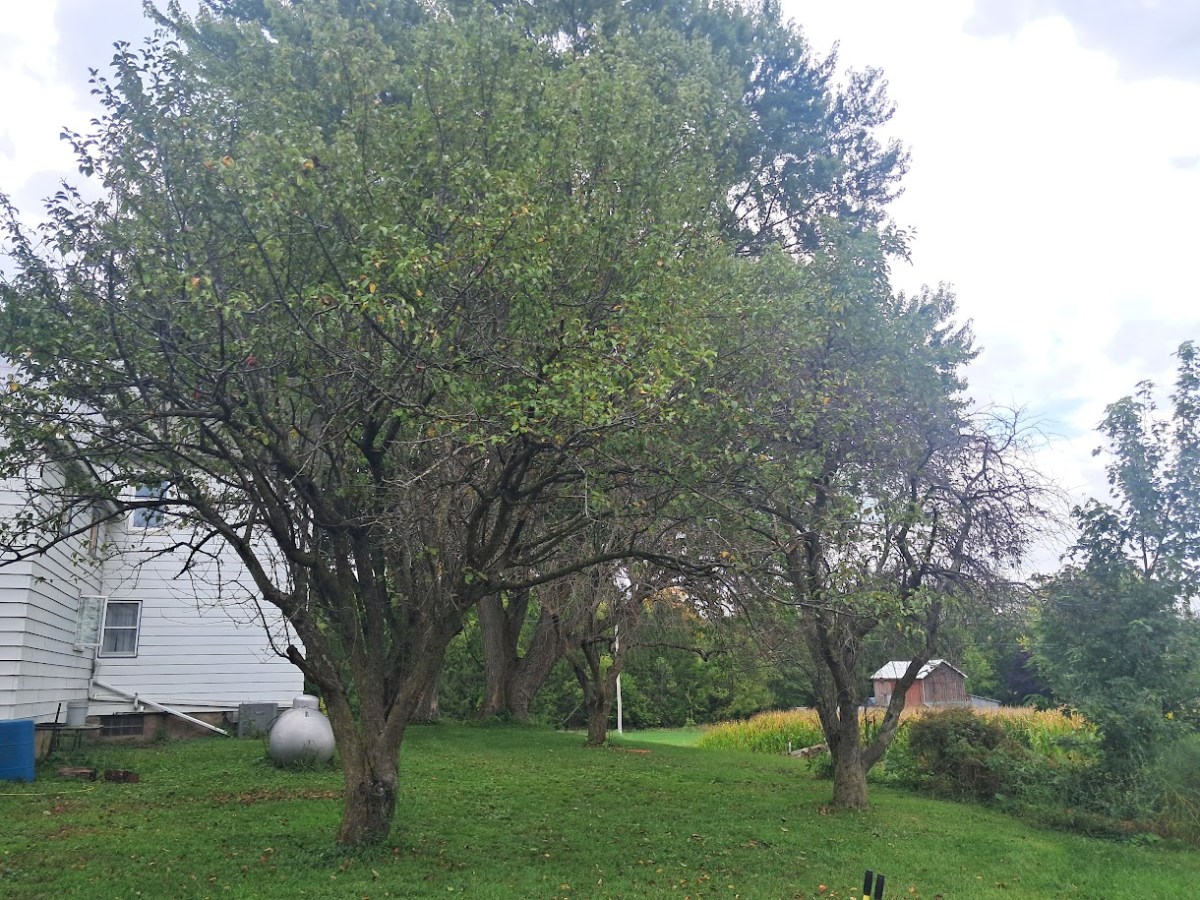
    I walked the yard one last time, tracing fences and trees like scars on a lover’s skin. It’s crazy how something that once felt so familiar can suddenly feel worlds away.

    The Drive That Broke Me
    That two-hour drive home from Christmas just dragged on. My husband kept saying, “Our son needs cousins nearby, grandparents around the corner. Your parents aren’t getting any younger. And that family diagnosis… it’s time we really thought about what matters most.”

    His words kept piling up, like snow drifting over all those years we’d spent here. I was holding tight to this quiet rural life. Meanwhile, he quietly pulled away, and the distance between us grew every year.

    Roots I Couldn’t Uproot
    I loved this land—finally had friends, a house that felt like mine after all that searching.


    He never really settled. For him, this place felt more like a cage than a home.

    The Moment Everything Changed
    That family diagnosis had been hanging over us, but what really broke me was Christmas at his parents’ house. Everything felt tight, forced—smiles stretched thin, pauses filled with unspoken tension. Our son didn’t know quite what to make of it all.

    On top of that, my parents’ health kept slipping. The spaces in our family were widening. Staying meant risking losing them all.

    The Yes That Broke Me
    We didn’t say much that night. The silence carried everything we couldn’t put into words. Finally, I just whispered, “Okay.”

    No more tears left—just that stunned quiet as I wandered the yard, trying to soak in every curve, knowing I was letting go.


    How It Changed Me
    Leaving meant giving up on solitude and peace for family and chaos—but honestly, no regrets.


    Now, I watch our son laugh and play in his grandparents’ arms. I’ve held my parents through their darker days and welcomed our daughter into this tight-knit fold.


    Sometimes love means stepping back to grow deeper roots—roots that grew stronger because I chose family over place. And yeah, I still miss the quiet sometimes. But this? This is home.

    If this story hits close to home or sparked something for you, like, share it with someone facing a tough choice, and subscribe for more real-talk reflections on life’s big turns.

    Related Posts

  • From ‘For-Et’ to Fortitude: A Story About Big Boxes and Big Feelings

    Sometimes the most important thing we build isn’t made of cardboard.

    A Big Idea (and a Bigger Mess)

    My 5-year-old son was determined to build a fort, though he pronounced it “for-et,” which made it even more endearing. I try hard to encourage his creative play, if it doesn’t involve wrecking things, so I said, “Of course, go ahead!”

    He began his mission by gathering the many cardboard boxes we had stacked in our basement waiting to be cleared. Soon, these became a haphazard fortress-in-progress outside our back door. It quickly turned into a cluttered obstacle course we had to navigate. My husband was less than thrilled.

    The Deal

    The next morning before leaving for work, my husband struck a deal with our fort architect:

    If he could move all the basement boxes for disposal and clear a large new box we’d just acquired, he could use that big box as the foundation of his fort.

    Simple enough.

    So before breakfast, my son excitedly dragged everything out of the biggest box and scattered its contents across the driveway, completely ignoring the deal. Then he bounded in, wide-eyed, asking me to help cut a door into the fort.

    One Box, Infinite Overwhelm

    I stepped outside and surveyed the scene. None of the other boxes had moved. And now, there was a fresh mess on top of the old one.

    When I gently reminded him of the first part of his task, his smile drooped. He looked at the towering stack of boxes and sighed.

    “There are so many,” he said. “It will take 100 years to move them all!”

    At first, I wanted to say what I usually say: It’s not that many. Or: If you’d started earlier, you’d be almost done by now.

    But I caught myself.

    Would those words help him—or just shame him?

    Choosing Empathy

    Instead, I sat down, pulled him into my lap, and gave him a squeeze.

    “Sounds like you’re feeling overwhelmed,” I said.

    He nodded, eyes watery.

    “You know, I feel that way sometimes too. When I have so much to do, I don’t even know where to start.”

    “You do?” he asked, brightening.

    “Of course,” I smiled. “When that happens, I take a deep breath.”

    I took an exaggerated inhale and exhale, which made him giggle. Then I added:

    “And I try to do just one thing at a time for half an hour. You’d be surprised how much you can get done that way.”

    “Okay!” he said.

    Momentum (and Breakfast)

    “But first,” I said, “you need breakfast. You’ll have more energy after eating.”

    “I’m already strong enough,” he insisted.

    “I know,” I smiled. “But strong people get hungry too.”

    After breakfast, he set to work. Later, he proudly announced:

    “Mom! I stacked some boxes inside others. It made moving them faster!”

    “Genius!” I said. “What about the other pile?”

    “Huh?!”

    A short follow-up pep talk was in order, and before long, he had moved all the boxes.

    It didn’t even take 100 years.

    Somewhere along the way, the project transformed from a for-et into a clubhouse (don’t ask me how).

    The Clubhouse Reveal

    Next came door-cutting. He wanted it done immediately.  I made him wait until I finished a task of my own.

    Then, I carefully helped carve a doorway into the giant box to his exacting specifications.

    After lunch, armed with a black Sharpie, he decorated the clubhouse with the enthusiasm that only kids can generate. He led me out for the grand tour:

    “See the man on the door? He’s inviting everyone inside.
    Here’s a sign that shows who can come in, even old people.
    What do these letters spell?” (They were random, adorable runes.)
    “There’s a whale… and another whale… and my name.
    And these are solar panels to power the clubhouse. Come inside!

    I squeezed through the narrow doorway. He followed.

    “Turn on the light, Mom!” he said. “The switch is right behind you.”

    Of course it was.

    What His Fort Taught Me

    Watching my son struggle reminded me how easy it is to feel overwhelmed when faced with a big, messy task.

    His honest frustration echoed feelings I often hide behind adult composure.
    And instead of rushing to correct him, I chose empathy, and it changed everything.

    Helping him break the job into tiny steps, encouraging him to breathe through the hard parts, taught both of us that real progress doesn’t come from powering through:  it comes from pausing, noticing, and taking the next small step.

    Final Thoughts

    I still lose my patience more often than I’d like to admit. But in moments like these, I’m reminded that the real “for-et” we build each day isn’t made of cardboard at all:
    it’s built of patienceunderstanding, and kindness.

    And just like my son’s fort, it might not look perfect.

    But it stands strong:  messy, magical, and full of love.💬 Got your own “clubhouse moment” or parenting win (or fail)? I’d love to hear it in the comments. Don’t forget to share and subscribe if this resonated with you.