Tag: practical homesteading

  • Why I Chose Homesteading

    Why I Chose Homesteading

    Disclosure: This post contains affiliate links. As an Amazon Associate, I earn from qualifying purchases. Thanks for supporting Practical Homesteading!


    I turn 36 this week, and it feels like as good a time as any to tell you who I am.

    I am

    • a wife
    • a working mother of 2 beautiful children
    • an environmental professional
    • a homesteader
    • a gardener
    • a reader
    • an animal caretaker
    • an aspiring writer (the blog you’re reading is me practicing)
    • an amateur historian
    • a perfectionist
    • a ruminator
    • a friend
    • a daughter
    • a sister

    Growing Up on a Wisconsin Dairy Farm
    I grew up on a dairy farm in Southeastern Wisconsin during the 1990s. It was a tumultuous time in farming—small family-run dairy farms were rapidly disappearing into larger, consolidated operations.

    My dad secretly never wanted to be a farmer. Born an only child into a multigenerational operation, he inherited the responsibility anyway. Despite that, he managed to hold onto his land and his 60-cow herd through years of stress and hardship. All the while, there was this undercurrent—he’d tell us kids, “Don’t farm. There’s no money in it.” That story deserves its own post someday.

    In 2001, my dad sold the herd and rented the land to a nearby large farm. By that point, my five older sisters had mostly graduated high school and left to make their own way. My parents took “city jobs”—Ma at the local grocery store, my dad first as a farmhand, then for a local horizontal drilling company. They bought beef cattle for me to care for during my teenage years.

    The Teenage Rebel Who Wanted Out
    Before my dad took over from his father, farmers traveled no more than a mile to access all their land. By the time he changed careers 25 years later, some had to drive an hour or more to reach the farthest corners of their acreage. The world I grew up in was already shifting fast beneath my feet.

    But as a teenager, I couldn’t have cared less about the cattle I was entrusted with. Farming felt pointless. I was determined to “get out of Dodge County” and go to college in nearby Madison. Books came easily to me, and I wore that like armor. I had a chip on my shoulder—I thought I was smarter than the farm life, better than staying put, that I had everything figured out.

    Pride, Pain, and Coming Back to Earth
    Pride comes before a fall, as they say. I never had one dramatic crash, but I had low moments that humbled me.

    When I was 17, I sustained serious burn injuries on my arms and chest. I received skin grafts on my arms. I spent a long season wrestling with shame and the fact that I was marked by scars. When I finally reached Madison—the dream I’d chased—I felt small next to high achievers who hadn’t come from farms and had flawless skin.

    Even after landing a job as an environmental professional, I stood in rooms feeling inadequate beside people who seemed to know so much more. It took years to accept I wasn’t the smartest person in the room—but I still had something valuable to offer.

    Love, Long Courtship, and Hotel-Hopping 20s
    I started dating my now-husband at 19. We’d known each other longer, but that’s when our story began. He didn’t grow up on a farm but found agriculture fascinating. He thought it was neat that I’d spent my childhood around cows, even as I ran away from that identity.

    After a long courtship, we married when I was 27. We loved each other deeply, but finding our rhythm took time. Through trial and error, we landed on shared ground: children, homesteading, and country living.

    All along, I’d quietly loved making things from scratch, even if I didn’t call it homesteading. Freshman year of college, I made pizza entirely from scratch (except the cheese). It took three times longer than it should have. I ruined zucchini bread by confusing tablespoons for teaspoons of salt. Junior year, I bought a crockpot (affiliate link) that made my dorm floor jealous of the dinner smells wafting from my room.

    Motherhood Opened My Eyes
    I graduated grad school at 24 and we moved near Green Bay for my job. For the next six years—my freewheeling late 20s—we traveled heavily—for work and fun—with each other, family, and friends. Hotels became our second home. It was a wonderful season of freedom I hated to see end.

    Then I had my son just before turning 30. Motherhood was like someone handing me color television after a lifetime of black-and-white. The challenges were endless—physical, emotional, exhausting. But when he smiled and grabbed my finger with his tiny, chunky hand, everything faded. I wanted to be better for him.

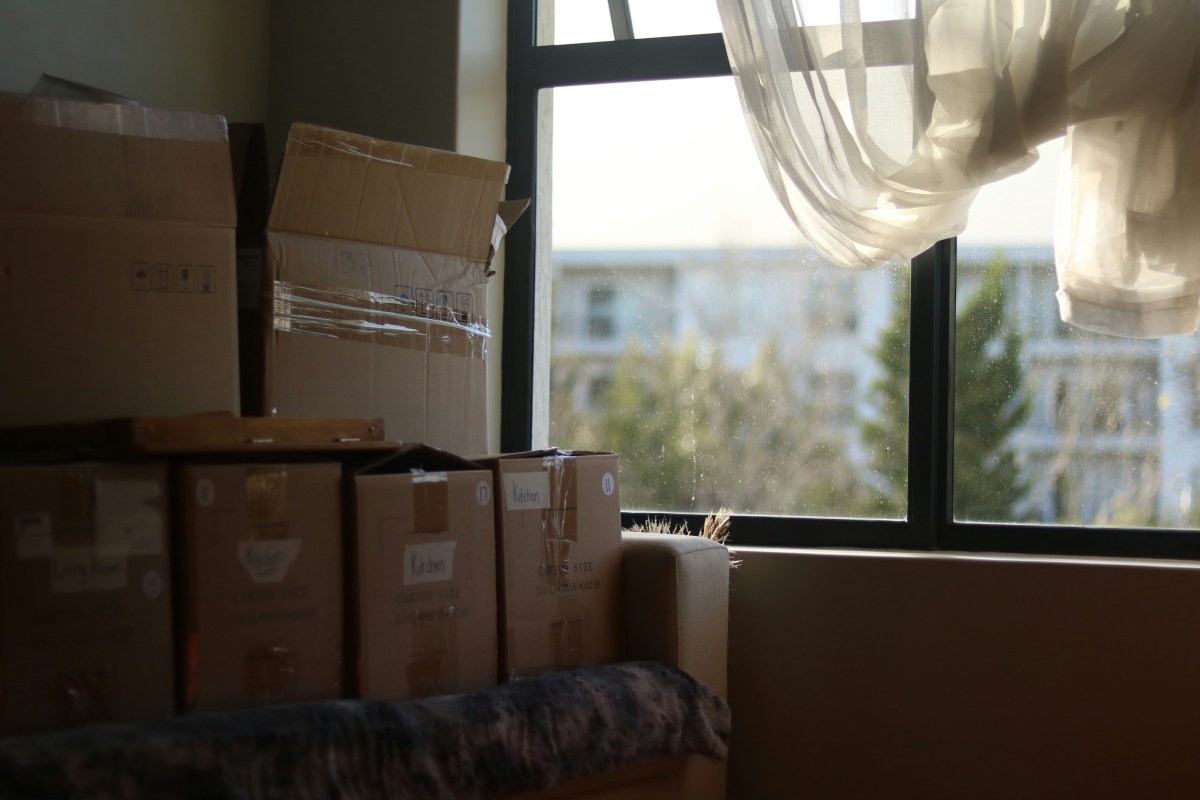
    That first year coincided with Covid. No village. Husband working a lot. Our beautiful house on 18 acres of “dream land” suddenly felt hollow. Land doesn’t raise children. Pride in property lines doesn’t fill the gaps. As we talked about baby number two, we made a deliberate choice: we moved back to our hometown near Mayville, Wisconsin.
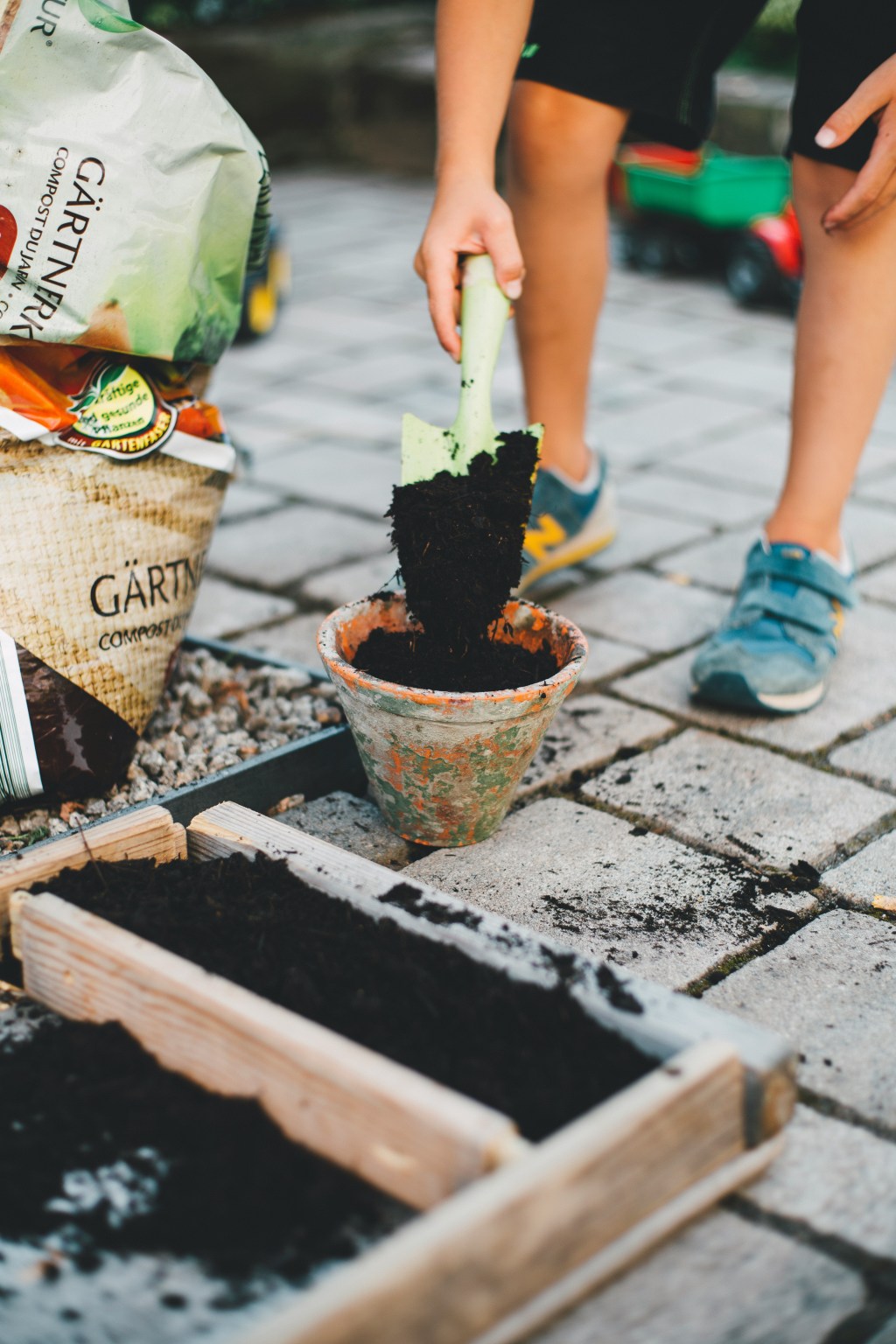
    Photo by Markus Spiske on Unsplash

    Dad Endured. I’m Choosing.
    Dad held onto that farm through brutal years—not because he loved it, but because he was born into it as the only child carrying a multigenerational legacy. He’d tell us, “Don’t farm—there’s no money in it.” Now I’m choosing this life freely—not out of obligation, but because it fits who I’m becoming. We’re gardening, raising chickens, baking bread, and raising two children. The girl who couldn’t wait to escape Dodge County came back on her own terms.

    At 36, I’m still a perfectionist and a ruminator. Still learning that I don’t need to be the smartest to serve well—I just need to show up, learn, and share what I find.

    This blog is me doing that. Someone standing in the middle of her story. Rooted, growing, still in progress.

    Practical Homesteading: growing food, raising kids, building community.


    If you enjoyed reading this post, please like it. Share with an interested friend. And subscribe for more reflections on the messiness of life (and a couple recipes too). Thank you for reading.

    Related Posts
  • Homesteading Fails School: Practice Mistakes Before Buying Chickens

    Come up with a crazy business idea.

    My Crazy Homesteading Business Idea: The Fails-First Farm School

    Today’s WordPress prompt asked for a crazy business idea. Mine? A homesteading school that teaches you how to fail on purpose—before you waste money on chickens that fly away or bread dense enough to break a brick wall.

    I Grew Up on a Farm But Still Don’t Know How to Homestead

    Here’s the irony: I grew up on a Wisconsin dairy farm, surrounded by cattle and hay bales. But when I wanted to start homesteading—gardening, chickens, bread baking—I had no clue. Why? Because as a kid, I steered toward book learning and school, not the daily farm rhythm. So when I started, I was buying homesteading books, watching YouTube videos, and Googling recipes (and honestly, I often still do).

    If society functioned like it should, we’d learn these skills at home. Anthropological records show traditional societies taught this way. Kids watch parents garden, tend animals, preserve food, then gradually practice under supervision—making mistakes, getting guidance, building proficiency over years. That’s how you end up with adults who can butcher a chicken or predict the weather by cloud shapes.

    Modern Parents Can’t Teach Like This

    But modern working parents? We’re supposed to clock 40+ hours, chase carpools, and collapse before ordering takeout. No time or patience left to let kids fail at kneading dough a hundred times. So we hit 30, feel the pull toward growing food and raising kids closer to the land, and… Google “how to backyard chickens.” Then panic when they escape.

    Enter: Fails-First Farm School. A place to safely mess up before you invest in your own setup.

    The Weekend Curriculum: Practice Failing Safely

    Spend 48 hours doing what parents used to teach over childhood:

    • Bread Track: Intentionally overproof one loaf, underproof another, nail the third. Learn by comparing failures side-by-side.
    • Chicken Track: Chase, catch, trim nails, clean coop—with someone saying, “Yup, we all look ridiculous first time.”
    • Garden Track: Plant mini plots showing overwatering, underwatering, crowding—then fix them.

    No perfection pretense. Just realistic practice for working parents craving growing food, raising kids, building community—but starting from zero hands-on knowledge.

    Who Needs This

    • Farm kids like me who chose books over barn chores
    • City parents feeling the homesteading pull
    • Working moms who want chickens but fear failure
    • Anyone missing the apprenticeship their grandparents got naturally

    Why This Fits My Homestead

    Growing food, raising kids, building community isn’t learned from screens. It’s watching, failing, practicing under kind eyes. Modern life stole that apprenticeship. Fails-First Farm School gives it back to adults who need it now.

    Would I Actually Do It?

    Right now, this is just a coffee-fueled “what if.” I’m still the woman who periodically produces a brick of sandwich bread. But watching working parents like me Google “chicken won’t lay,” I keep thinking: someone should build this.

    What if we let working parents fail forward instead of faking perfection?

    What’s your biggest homesteading fail? Drop it below—I bet it makes a great lesson.

    If this post spoke to you, I’d love for you to help the message spread:

    💬 Share your thoughts in the comments — I truly enjoy hearing your stories.

    💚 Share this post with a friend who also laughs at their mistakes.

    🌾 Subscribe to the blog for more reflections on growing food, raising kids, and building community—one season at a time.

    Related Posts

  • What Could I Do Differently?  Homesteading, Kids Chores, and Friend Connections

    What Could I Do Differently? Homesteading, Kids Chores, and Friend Connections

    What could you do differently?

    I catch myself asking this while scrubbing potatoes at the sink, weeding garden rows, or picking up blocks for the tenth time.

    On our homestead, the work never stops. But lately, I’ve seen a few clear ways to shift — not for perfection, but for more peace, presence, and real connection with the people who matter most.

    Slow My Yes. Guard My Rest.
    Here’s one big change: I’d say yes more slowly. And treat rest like a non-negotiable chore.

    Extra commitments sneak in easily — kid activities, one more property project, favors for friends. They’re good things. Until they blur our days into exhaustion.

    Rest isn’t optional. It’s fuel.

    What that looks like for us:
    – One protected family evening weekly. No plans. No screens.
    – A slower morning after big days, even if dishes wait.
    – Sometimes my best “yes” is actually no — leaving margin for what refills us.

    Pull the Kids Closer (Mess and All)
    When I’m tired, my instinct is “just do it myself.” That’s changing.

    We’ve asked our six-year-old to help clean and put clothes away. He sighs. Drags his feet through the laundry pile. Grumbles. But he does it. And when he does, my load lightens. We talk about his day while he folds socks and I straighten up the living room. We laugh when a shirt lands inside-out.

    Kids helping isn’t efficient. It’s essential.

    Those small chores build something bigger: his sense of belonging, our family rhythm, moments to actually connect instead of just managing the house around him.

    Make Space for Neighbors
    Right now, we’re looking for more neighbor friends — the kind who stop by with garden produce or help with a project. Lately, I’ve been carving out time for one friend, helping her keep up with a winter garden. We talk animals, plot cold frames, and hope for a game night soon under blankets with hot cocoa.

    That’s the kind of margin I want more of. Not just for projects, but people. The garden beds matter. But so do late talks about goats versus chickens, shared labor on a neighbor’s shed, or laughter over cards with new friends nearby.

    Real community doesn’t form on a schedule. It grows.

    What I could do differently: protect one flexible afternoon weekly for whoever shows up — the neighbor with a question about crop rotation, or someone new walking up the drive. Our homestead thrives when the people around it do, too.

    The Change That Stays
    These shifts aren’t a checklist to conquer. They’re small turns toward what matters:

    – Saying yes slower.
    – Resting on purpose.
    – Inviting kids into real chores like cleaning and clothes.
    – Making room for neighbors, not just garden rows.

    The weeds won’t stop growing. The laundry won’t vanish. But with these changes, our home could become what I picture most:

    A place where garden beds,
    kids folding tiny clothes,
    and neighbors’ boots on the porch
    all thrive side by side.


    What’s one thing you could do differently this week? Share your thoughts in the comments!

    If this post sparked a moment of thought or connection for you, please take a moment to like, share, or subscribe. Your support helps this little space of reflection and growth keep blossoming.

    Love real-life stories from the homestead? Practical Homesteading: growing food, raising kids, building community. Get honest reflections like this in your inbox.

    Related Posts

  • We’re Stronger Together:  Homesteading, Family, and the Power of a Village

    We’re Stronger Together: Homesteading, Family, and the Power of a Village

    If you had a freeway billboard, what would it say?

    “Real life — the good kind — isn’t a solo project. It’s meant to be shared.”

    If I Had a Freeway Billboard, It Would Say:
    “We’re Stronger Together.”
    Simple. Short. True.

    That phrase might only take a second to read, but it’s something I’ve come to believe deeply over time. Homesteading, parenting, and everyday life keep reminding me that none of us truly thrive in isolation. We can’t — and we’re not meant to.

    The Myth of “Doing It All”
    I’ve tried to “do it all” before. Maybe you have, too.

    I remember one quiet afternoon watching our toddler play alone in the wide stretch of our backyard. Sunlight shone on his light blonde hair. Chickens were clucking somewhere behind him. The smell of wet grass lingered after the rain. My husband and I had been talking about having another child, but the thought brought a flood of questions. Could we manage it all — raising little ones, keeping the homestead going, working — without losing our minds or each other?

    That moment planted a seed. I didn’t know it then, but it would change how we lived. Even though we were proud of our self-sufficiency, trying to do everything alone left us stretched thin and quietly disconnected.

    Real life — the good kind — isn’t a solo project. It’s meant to be shared.

    In the four years since that afternoon, so much has changed. We moved closer to family and, not long after, welcomed our daughter — another beautiful whirlwind of toddler energy. Now we have more of a village to help raise her. And in turn, we can show up for others.

    That web of giving and receiving has made all the difference. It’s turned our days into something more sustainable, more joyful, and far more connected.

    Why “Together” Matters
    It’s easy to imagine strength as something proven alone. But real strength is interwoven — built through connection, trust, and shared effort.

    It’s the kind that shows up when neighbors help fix our house, when friends drop off soup unasked, or when laughter spills out during chores that would otherwise feel endless.

    On the homestead, togetherness looks like shared harvests and muddy boots side by side. The garden gets weeded faster when more than one person is pulling. The work lightens, and the smiles come easier.

    That’s the kind of strength that fills the spaces where frustration or loneliness might otherwise take root.

    And that same truth guides the way we’re raising our kids.

    Building “Together” at Home
    In our family, we talk a lot about contributing to the household — because this home’s success belongs to all of us.

    Since I started giving our six-year-old a daily job, he’s made it clear he doesn’t always love it. He sighs, he drags his feet, and he grumbles his way through — but he does it.

    And afterward, something shifts. My load feels lighter, our days run smoother, and I have more time to simply be with him — to laugh, to listen, to connect.

    The lesson is simple but powerful: we build strength, resilience, and belonging not by doing everything ourselves, but by doing our part together.

    What That Billboard Really Means
    So if someone sped past my billboard and read the words “We’re stronger together,” I’d hope it would land right when they needed it most — in a moment of overwhelm, or when they’re trying to carry too much alone.

    Because strength doesn’t have to mean solitude. Sometimes the bravest thing we can do is reach out a hand — or take one that’s being offered.

    After all, the strongest gardens — like families — grow best when many hands tend them.

    And that truth keeps my feet steady, season after season.

    We’re stronger. Together.


    What’s one way someone has shown up for you recently? Please share your stories in the comments.

    If this post sparked a moment of thought or connection for you, please take a moment to like, share, or subscribe. Your support helps this little space of reflection and growth keep blossoming.

    Love real-life stories from the homestead? Join the Practical Homesteading email list for new posts on growing food, raising kids, and building community, plus seasonal updates and simple, practical ideas for home.

    Related Posts