Tag: recipe

  • My Top 5 Essential Grocery Staples for Homesteading and Scratch Cooking

    My Top 5 Essential Grocery Staples for Homesteading and Scratch Cooking

    List your top 5 grocery store items.

    If you walked down a typical grocery store aisle with me, you might think I’m lost. While most American shoppers reach for convenience, I’m the one squinting at sacks of flour, jars of yeast, and tubs of coconut oil — the same staples my great-grandmother probably chose 75 years ago. I don’t shop for ready-made meals; I shop for possibility.

    At home, those bulk ingredients become whatever we need — bread, tortillas, sauces, or even snacks. If I don’t know how to make something, I learn. A simple search and a quiet evening in the kitchen have taught me more than any cookbook could. This hands-on, old-fashioned approach has saved us thousands over the years, but more importantly, it’s built confidence, patience, and gratitude for every meal we share.

    Now, that doesn’t mean I don’t enjoy Chinese takeout once in a while! I’ve learned to make my own dumpling and stir-fry recipes — they’re delicious when they turn out, and hilarious when they don’t. (One of my most epic flops was a lemon pepper chicken so salty it could’ve been used as a salt lick.) Mistakes keep me humble, and in a way, they’re the best ingredient for growth.
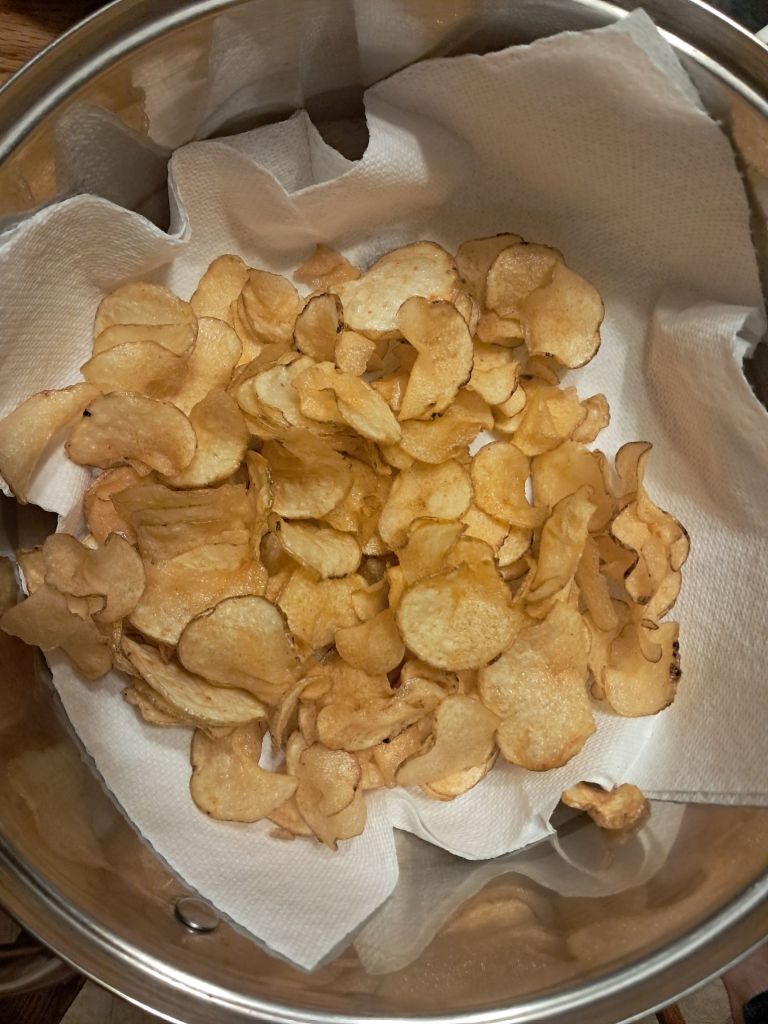
    Homemade potato chips
    Bloody Mary with mostly homegrown ingredients

    So with gratitude — and a dash of humility — here are my five most essential grocery items and how they shape my kitchen life on the homestead.


    5. Coconut Oil

    Coconut oil is my go-to multipurpose fat. It melts like butter and works wonders in place of lard or shortening. I use it to pop popcorn, bake desserts, and even blend it into homemade flour tortillas.

    Its aroma — faintly sweet and buttery — adds a subtle depth you can’t quite place but always appreciate.

    Tip: For tender baked goods, replace half the butter or shortening in your recipe with coconut oil, then reduce liquid slightly. It gives just enough chew without the greasy feel.


    4. Active Dry Yeast

    Yeast is the quiet hero of my kitchen — small, simple, and full of potential. Watching dough rise never loses its magic, especially when the kitchen smells of warm, sweet yeast and anticipation.

    It symbolizes self-reliance: turning flour, water, and salt into something living, breathing, and nourishing.

    Tip: Always proof yeast with a pinch of sugar in warm water (around 110°F). If it bubbles within 10 minutes, your dough is ready to rise.


    3. Chicken and Beef Bouillon Powder

    I lean on bouillon powders for soups, gravies, and especially rice. Cooking rice in chicken or beef stock instead of water transforms it from plain to crave-worthy.

    I also mix beef bouillon into my homemade onion soup powder — it adds warmth and richness that store mixes can’t match.

    Tip: Swap half the water for stock when cooking noodles, grains, or vegetables. It’s the fastest way to round out flavor without extra sauces or salt.


    2. Plain White Sugar

    Plain old white sugar earns a spot near the top because it does so much more than sweeten desserts. It wakes up yeast, balances tomato acidity, and — lately — fuels our lemonade habit.

    My sister keeps me well-supplied with lemons, so I make fresh lemonade weekly. When the kids come in sun-dusted and thirsty, that chilled pitcher waiting in the fridge makes them light up.

    Tip: Add a teaspoon of sugar to tomato sauces or soups to tame acidity without losing depth of flavor.


    1. Flour

    If coconut oil is the heart of my pantry, flour is its backbone. I buy high-gluten flour for breadmaking, but I’m excited to experiment more with ancient grains soon.

    The feel of dough under my hands, the smell of a fresh loaf cooling on the counter, and the crackle as it’s sliced — it’s the rhythm that grounds my kitchen.

    Flour builds loaves, tortillas, focaccia, and even desserts. It’s humble, forgiving, and powerful — no one in my house has ever once complained about home-baked anything.


    We rarely buy vegetables from the store, relying instead on what we’ve grown and preserved — jars of tomatoes, beans, and pickles lining the pantry. They remind me that what we grow in summer sustains us long after the frost sets in.

    Our winter meals center around potatoes, onions, and frozen vegetables like broccoli and bell peppers. We’ve experimented with extending our garden season using a small greenhouse and straw. There’s something deeply satisfying about pulling greens or a carrot from a garden while snow still glitters outside.
    As for meat, we’re still building toward full independence. We raise our own pork, purchase beef from my sister’s grass-fed herd, and still buy chicken from the store — for now. One day soon, meat birds will join the homestead lineup, and the circle will feel more complete.

    Each grocery item on this list earns its place not for novelty but for versatility. They remind me that eating well doesn’t require endless ingredients — just a few solid building blocks and the creativity to make them shine.

    This slower, more deliberate approach to cooking has taught me creativity, patience, and gratitude — lessons that spill over into every other area of life.

    Homesteading has shown me that ingredients matter less than the care and love you pour into them. Every loaf, jar, and meal built from raw goods feels like an act of heritage — and hope — in a world that moves too fast.
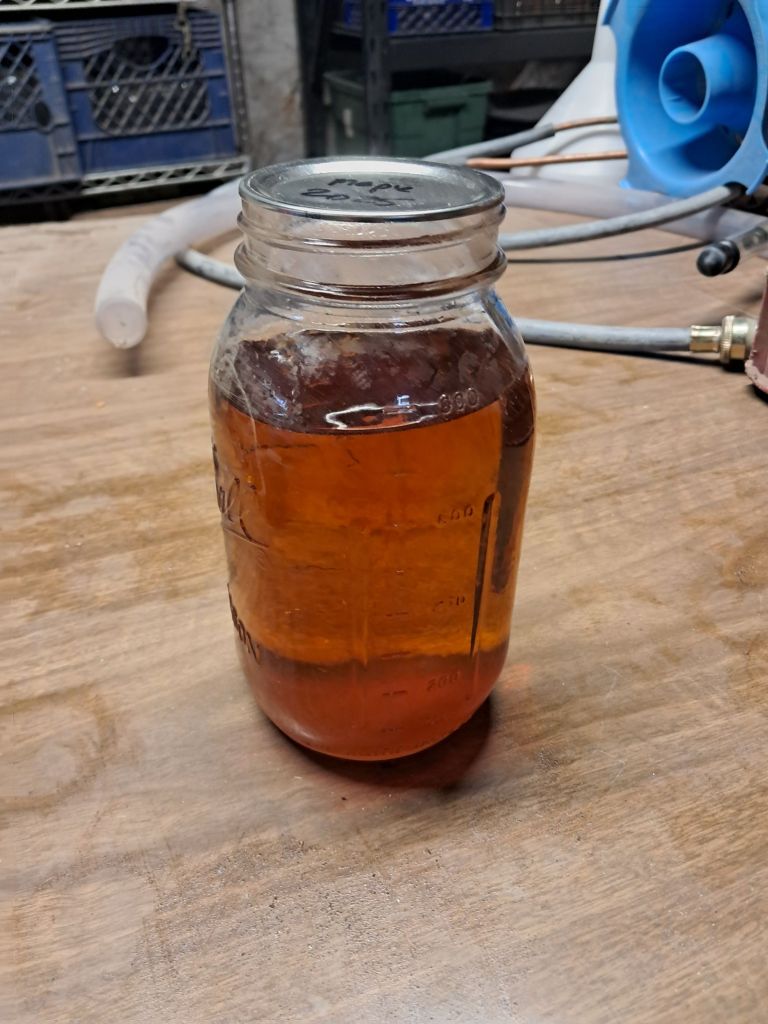
    Homestead maple syrup

    What five grocery staples would make your list? Please share them in the comments. And if this post inspired you, please likeshare, or subscribe to follow more homesteading stories, seasonal recipes, and simple living tips.

    Related Posts
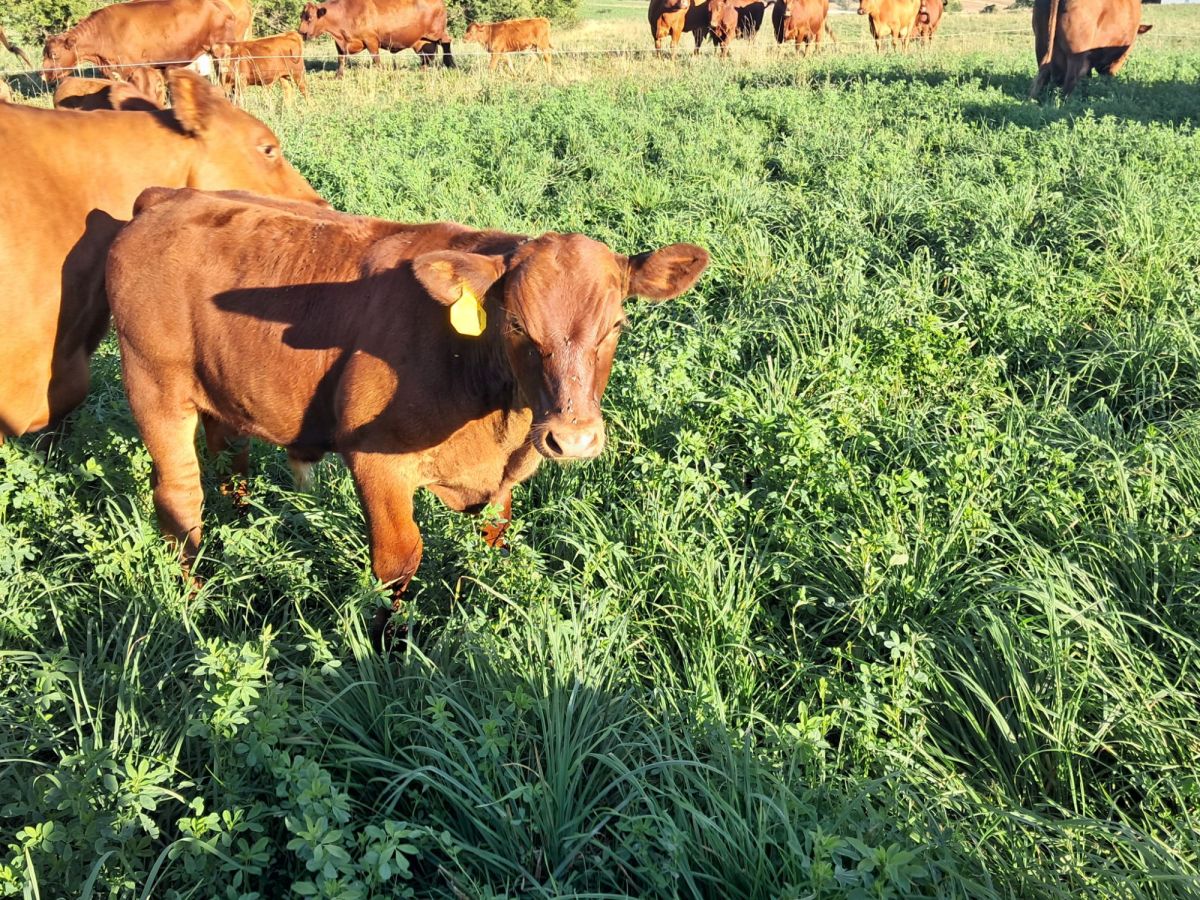
    The Choreography of Cattle and Grass

    Experience a vivid farm story about rotational grazing, resilience, and regenerative land stewardship through the eyes of a family and their Red Angus herd. Discover how cattle, people, and pasture move together in balance

    Keep reading
  • More Than a Meal: Raising Our Own Thanksgiving Turkeys

    Gobbles and the Unmowed Lawn

    Gobbles, our forty‑pound turkey, once refused to move for the lawnmower. My husband drove closer, then closer still, waiting for the bird to do the sensible thing. Gobbles didn’t budge, and that’s how we ended up with a turkey‑shaped patch of unmowed lawn—a small, stubborn monument to the wild experiment we’d started in our backyard.

    A New Chapter in Backyard Farming

    Chickens had already shown me that birds can be both hilarious and mean. Ducks had proven that cuteness and filth can happily coexist. A few years ago, after reading about a woman who raised her own Thanksgiving turkeys, I realized I wanted to go further. When our local hatchery couldn’t source ducklings one spring, it was a minor inconvenience. This became the excuse to bring home three turkey poults instead.

    From Basement Brooder to Outdoor Coop

    This time, my husband handled pickup duty. He arrived with a box of peeping chicks and poults. Their arrival turned the whole house electric with anticipation. The brooder—a repurposed water tank in our basement—waited with a heat lamp, water, feed, and a lid to contain the chaos. At first, the turkeys were only slightly larger than the chicks, all of them fluffy and awkward. Within days, though, the turkeys started to pull away. They doubled in size, then doubled again. It seemed their entire job was to eat, drink, and poop as efficiently as possible.

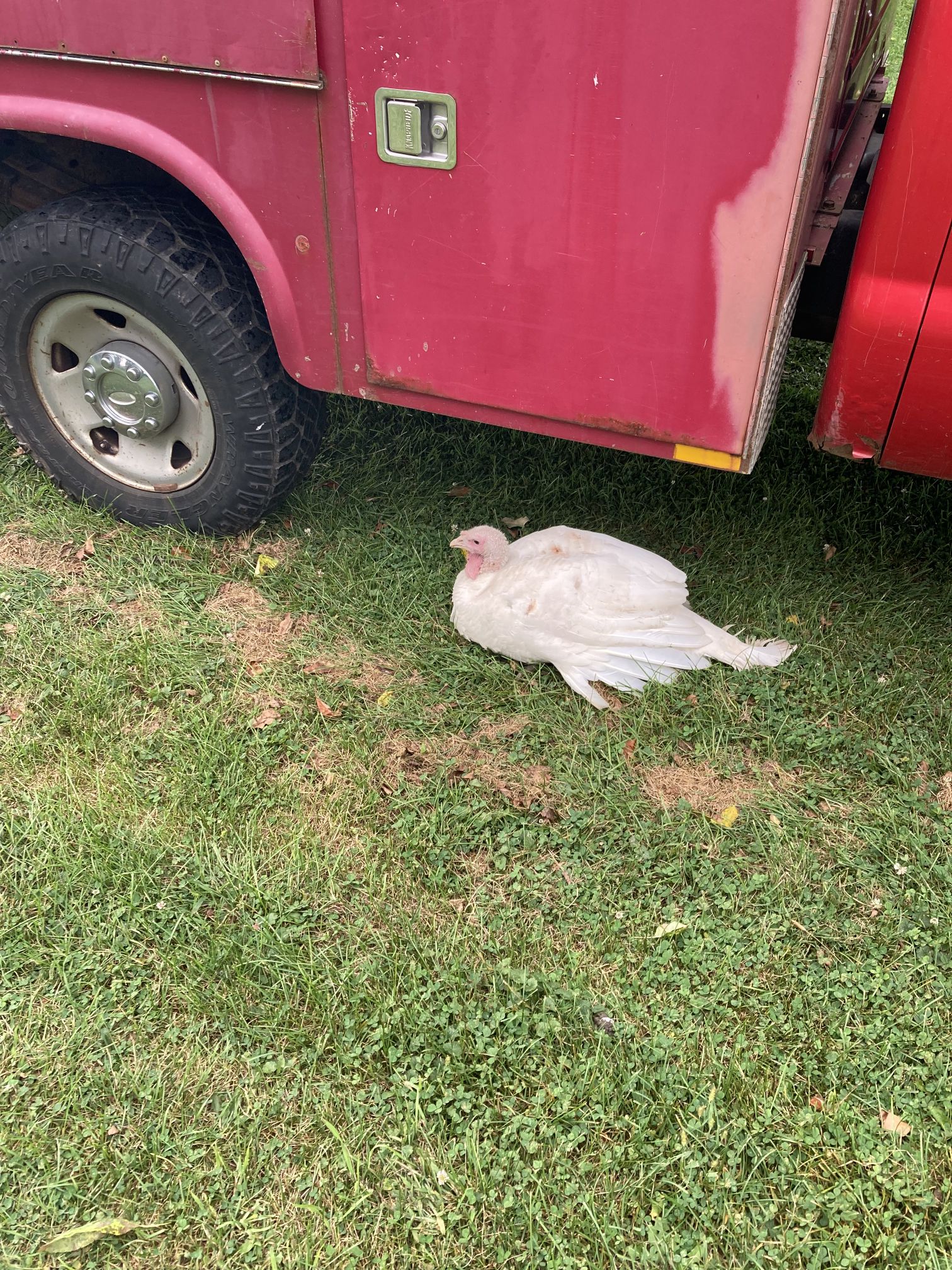
    We lost one poult early on for reasons we never understood, and the sudden shift from three to two landed harder than I expected. It was a quiet, early lesson in how fragile life on a small farm can be. Of the survivors, one always had his feathers sticking out at odd angles, so we named him Gobbles, a little wink to anyone who’d seen South Park. The smaller bird became Jennie, after the frozen turkey brand that had defined “Thanksgiving” for us before we raised our own.

    Gobbles

    By early May, the brooder was bursting, and everyone was ready for fresh air. We tried separating the turkeys from the chickens that first night outside, but the noise they made made it clear we were fighting a losing battle. After one loud, sleepless experiment, we moved everyone into our mobile chicken coop and let them sort it out. During the day, they roamed the yard as a mismatched flock, and each evening they filed back into the coop like feathered commuters, jostling for their preferred spots.

    Jennie

    Personality Plus: Turkeys vs. Chickens

    Living with both species at once made their differences obvious. The chickens were efficient, slightly tyrannical little dinosaurs. The turkeys seemed to have missed out on common sense entirely. On Memorial Day weekend, a big storm rolled in; the chickens headed straight for shelter, while the turkeys stood in the downpour, soaked and squawking as if the rain were a personal insult.

    My husband and I slogged around in the storm, alternating between laughing and swearing as we scooped them up and shoved them under cover. We were half convinced they might drown standing there or draw an eagle with all that frantic noise. By summer, their physical transformation matched their larger‑than‑life behavior. If the chickens were little dinosaurs, the turkeys were the T‑rex cousins. After about four months, Gobbles weighed around forty pounds and Jennie about twenty‑five, and both strutted like they owned the place.

    Rising Stakes: Growth and Pecking Order

    Gobbles clearly saw himself at the top of the pecking order, inserting his bulk into whatever drama unfolded among the hens. Jennie, despite her smaller size, regularly put the roosters in their place and even bloodied one during a particularly heated round of dominance negotiations. The same birds that made us laugh with their antics were always moving toward the date we’d circled on the calendar. Around the five‑month mark, butcher day arrived—never something we looked forward to, but the reason we’d brought them home.

    Butcher Day: The Hardest Part of the Journey

    My husband handled the hardest part. Once it was done, I thanked the turkeys out loud before joining the work of plucking, stepping away now and then to check on the kids. Our five‑year‑old surprised me by wanting to help, his small fingers well suited to grabbing stubborn feathers, and I felt a brief tug between pride and discomfort as I let him join in. My husband’s father arrived and the day settled into a rhythm: music playing, adults talking, drinks in hand, hands busy. The work was still heavy, but it felt shared, almost like a ritual we were inventing as we went.

    By the end, we had one dressed turkey at about thirty pounds and another around twenty, lined up for the freezer like oversized, deeply personal trophies of our effort.

    Preparing the Turkey for the Table

    I hauled Gobbles from the freezer about a week before Thanksgiving. I set him to defrost in our unheated upstairs. He loomed silently every time I walked past. Each glance reminded me of the fluffy, clumsy poult he had been. It also brought back the long, messy chain of chores that had brought him there.

    Two days before Thanksgiving, I mixed a simple brine with salt, sugar, Worcestershire, garlic, and pepper. I discovered that the only vessel big enough was our turkey fryer, minus the basket. It was a ridiculous fit, but it worked. On Thanksgiving morning, we got up early, drained the brine, patted Gobbles dry, rubbed him with salt and oil, and wedged him into a large Nesco roaster so tightly we had to shove his legs down to close the lid. Then we poured in four cans of Miller Lite and turned our attention to the rest of the meal.

    Waiting for that turkey to cook felt tense and nerve-wracking. It was like waiting for an exam grade posted in front of the entire extended family. Fifteen people, one bird, no backup plan if it turned out dry or oversalted. As the scent of beer, garlic, and roasting fat filled the house, my anxiety loosened its grip. It shifted into something closer to anticipation. Even if it wasn’t perfect, it was already unforgettable.

    Thanksgiving Dinner: More Than Just a Meal

    When we finally gathered around the table, Gobbles was as much story as food. As everyone carved off pieces, we traded memories of his lawnmower standoff. We recalled his attempts at intimidation. We laughed at the way he used to lumber after the flock like a confused bodyguard. Conversation took on the tone of a slightly irreverent eulogy as we honored his life in the most direct way possible. We ate the bird who had once stood his ground against a mower and won. It was the best turkey I’d ever tasted, not because it was flawless, but because we knew every step that had led to that plate.

    Lessons Learned and Lasting Memories

    Looking back, those turkeys demanded patience when they outgrew every space we gave them. They taught us humility when plans went sideways. We needed a sense of humor. We found ourselves sprinting through rainstorms to rescue birds that were too bewildered to seek shelter. They pulled Thanksgiving out of the grocery store freezer and dropped it squarely into our own backyard. I don’t know if I’ll raise turkeys again. Every November, when I see a frozen Jennie in the supermarket, I remember Gobbles and Jennie. I think about the stubborn patch of lawn out back. I recall the season when our holiday centerpiece had a personality—and a history—all his own.

    If you’ve raised turkeys or other backyard poultry, share your stories, challenges, or favorite moments in the comments below! What surprises did your birds bring? What tips would you pass on to someone thinking about raising their own turkeys?

    If you enjoyed this story, please like it. Share with your fellow backyard farmers. Subscribe for more honest, practical tales and tips from life on a small farm. Your support helps us keep these stories—and the learning—coming!

    #backyardfarm #homestead #farmtotable #growyourown #homegrown #backyardchickens #homesteading #farmfresh #urbanfarming #sustainablefarming #chickensofinstagram #turkeyraising #familyfarm #smallfarm #countrylife #gardeninglife #organicgardening #plantlover #animalhusbandry

  • Beyond the Plate: Cooking with Heart, Seasonality, and Family in Mind

    What are your family’s top 3 favorite meals?


    Imagine standing in your kitchen after a long day, staring into the fridge and pantry. Hungry family members are standing by waiting not-so-patiently. You juggle not only what tastes good but also what’s nutritious, budget-friendly, and available—all in one mental balancing act. As the main cook in our household, this daily challenge has encouraged me to develop a simple system. I choose meals based not just on flavor but also on their flexibility, ease, and heart.

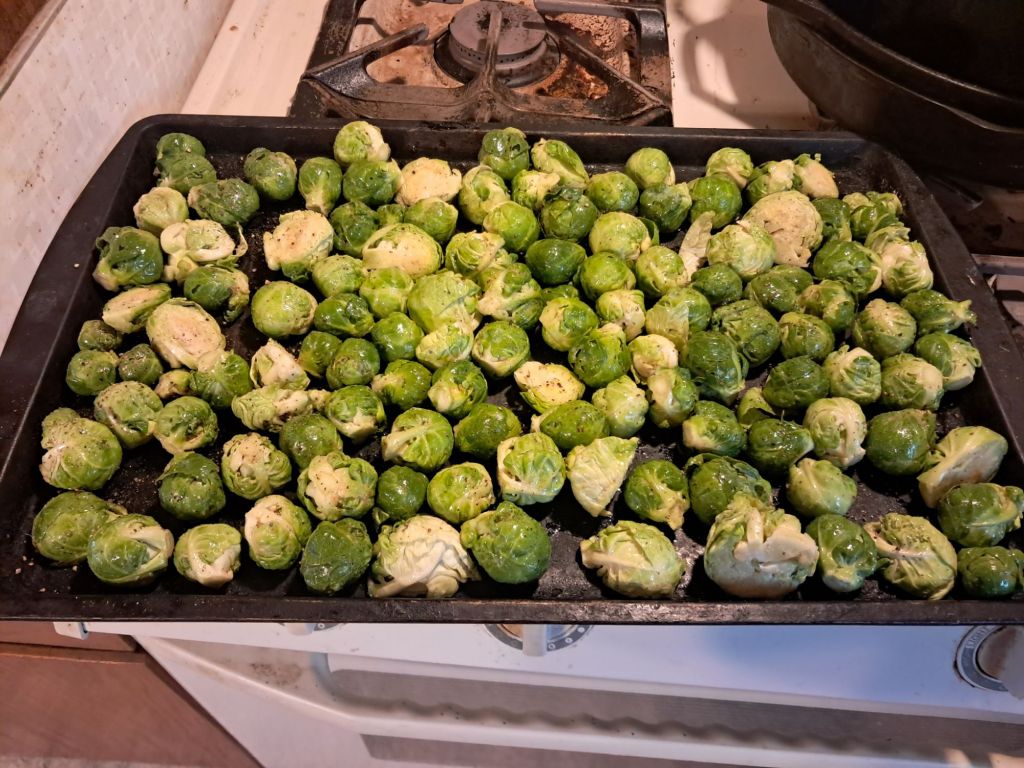
    At the core is a meal framework built around three essentials: protein, vegetables, and starch. This adaptable formula shifts with the seasons and what’s on hand. Proteins can be chicken, pork, beef, fish, or even plant-based, depending on our mood. Vegetables reflect the harvest—right now, that means home-preserved summer bounty or crisp fall favorites like cabbage, Brussels sprouts, and carrots. Starches might be boiled potatoes, rice, bread, or pasta.

    Take Swedish meatballs simmered in savory sauce, paired with boiled potatoes and roasted Brussels sprouts. The meatballs release a comforting spiced aroma, while the tender potatoes soak up the sauce’s richness. The Brussels sprouts, caramelized and slightly crisp, add a satisfying texture. Sometimes, I swap the potatoes for egg noodles or rice. Other times, I substitute veggies with whatever is fresh or frozen—perhaps roasted cabbage or steamed broccoli. That’s what makes this dish endlessly flexible and flavorful.

    Another deeply comforting meal we savor is our pork roast with baking powder dumplings and homemade sauerkraut. This dish carries the warmth of tradition—raised from hogs on our farm and fermented sauerkraut preserved each year. The dumplings, pillowy and light, take about 20 minutes to make, but their soft texture is worth the wait. On busier nights, a crusty loaf of bread stands in just fine. The tangy sauerkraut and savory pork meld beautifully. It’s a combination that our 6-year-old son eagerly requests, making it more than dinner—but a family ritual.

    When I have more time to savor cooking, I prepare roasted lemon garlic salmon with rice and roasted broccoli. The salmon, infused with bright lemon and savory garlic flavors, roasts to tender perfection with a slightly crisp edge. The roasted broccoli brings a bit of earthiness and crunch, balancing the richness of the fish. Fluffy rice accompanies the dish, soaking up any juices and tying the meal together harmoniously. This combination can easily adjust. You can swap the rice for potatoes or pasta. Or you can switch up the veggies depending on what’s fresh or frozen. As a result, this meal is both versatile and inviting.

    What unites these meals is more than just ingredients or technique. It’s the love poured into making them work for everyday life. These dishes mirror the seasons, our kitchen’s rhythm, and the joy of feeding family with less stress and fuss. They invite us to gather around the table, share stories, and create memories. Cooking, for me, is not just about sustenance; it’s an act of care and connection.

    In the end, cooking for family is a dance of practicality and pleasure, tradition and innovation. Our favorite meals teach me that the best dinners aren’t about perfection—they’re about presence: being there, nourishing those you love, and turning the ordinary into something extraordinary.

    Now it’s your turn! What are your family’s three favorite meals? Do you use a simple framework like protein-veggie-starch, or do you have a unique approach in your kitchen? Share your go-to dishes or meal hacks in the comments below. I love hearing how others bring their families together through food.

    And for more easy, adaptable recipes and home-cooking tips, please like this post. Share it with friends who might find this inspiring. Don’t forget to subscribe or follow for regular updates—you won’t want to miss what’s cooking next!

    Related Posts

  • Saturday Morning Family Breakfast: A Recipe for Togetherness

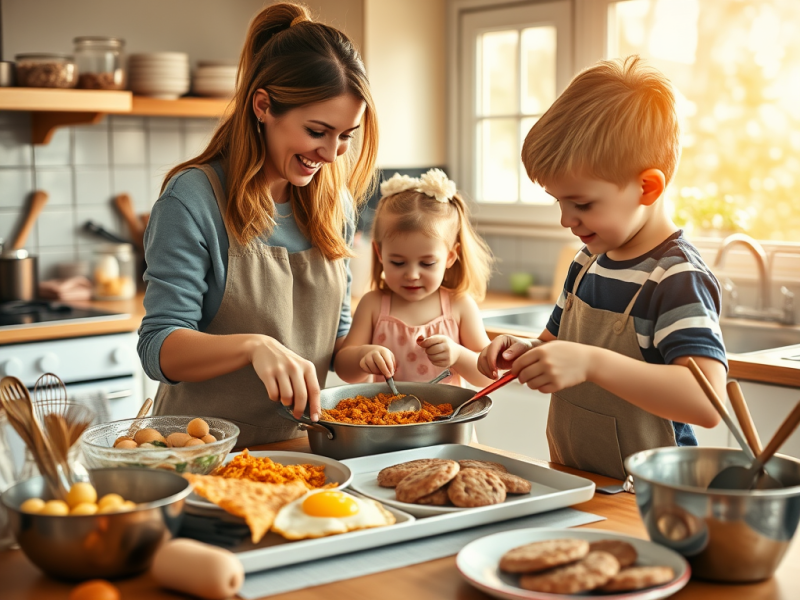
    It’s a bright morning, the kind of day that feels full of promise and potential.  My husband Mitchel and I are sitting in the living room with our two children, a toddler girl named Olivia and a 5-year-old boy named Andrew.  Sunlight casts a warm glow over the carpet where toys, books, and a blanket fort are staged.  The television is broadcasting Saturday morning cartoons, and we discuss our dreams from the night before.  The gurgling of the coffeepot can be heard from the kitchen and the smell of coffee wafts into the room.  The day stretches ahead invitingly with no work or school obligations pressing, a perfect opportunity for family bonding and completing homestead tasks.  The pace is unhurried and the mood is light as the cartoons end and I shepherd my family into the kitchen to prepare breakfast. 

    Weekend breakfasts are a big deal in our household, and I pride myself in making a meal you could order in a greasy spoon diner.  I open the refrigerator to discover leftover boiled potatoes, fresh eggs, and the pound of ground pork that defrosted from last night.  Based on the contents of the refrigerator, I decide that we will prepare hashbrowns, eggs, and sausage.  I have two sous chefs and an assistant who will help me prepare the food.

    I locate the box grater and ask Andrew to help grate potatoes.  He excitedly pushes a chair over to the counter where the potatoes, grater, and cutting board are staged.  As he begins to grate potatoes, I hear Olivia screeching in protest as she toddles over to the chair, climbs up, and uses all her strength to push Andrew off the chair.  Andrew grunts in frustration as he struggles to maintain his position, gripping both hands on the counter.  Sensing a conflict, I push a second chair over to the counter and place Olivia there.  Olivia then contents herself with eating cold potatoes while Andrew continues his task.

    I proceed to my next job, preparing the seasoning for the pork sausage.  I slide past my son and daughter to gain access to the spice cabinet.  After spinning the lazy Susan a couple of times, I extract brown sugar, sage, paprika, salt, and pepper, then mix these spices in the proper ratio before adding the ground pork.  I squeeze the pork/spice mixture, trying to ignore the discomfort from cold exposure.  After the sausage is properly mixed, I divide it into 4 uneven balls:  a small one for Olivia, a medium one for Andrew, a large one for me, and an extra-large one for Mitchel.  Mitchel then stages two plates and two pieces of saran wrap, positioning the two plastic pieces between the plates.  He places the pork balls one by one between the two plastic pieces, using his weight to flatten the balls into sausage patties.

    While Mitchel is preparing the sausage patties, the cast iron skillet is preheating.  As the patties are formed, I place them into the skillet and hear the characteristic sizzle.  The kitchen begins to fill with the smell of rendering fat and toasting spices, blending well with the nutty coffee undertones.  After the sausage bottoms are properly browned, they release easily from the pan as I flip them.

    By this time, Andrew has grated most of the potatoes, and I place them into a bowl.  I also add dehydrated onion, celery, garlic, and green pepper, salt, and black pepper.  The sausage patties are removed from the pan and placed on a plate.  The rendered sausage fat is used to flavor and brown the grated potatoes.  In this way, nothing is wasted.

    As the hash browns cook in the pan, I remove the eggs from the refrigerator.  I crack the eggs, and Olivia insists on crushing the eggs to release the yolk and white.  Some eggshells inevitably find their way into the clear and marigold-colored mixture, but I do not mind expending extra effort to extract them.  I add a splash of milk, a few shakes of salt, and freshly cracked pepper.  I then pass the scrambling fork to Olivia.  She beams with pride as she blends the ingredients.  I am close by with a rag to wipe up spills.

    The smell of browned potatoes intermingles with the pork sausage, making my mouth water.  I flip the potatoes, remove a stainless-steel pan from my kitchen drawer, place it on the stove, and turn the dial to high heat.  The stove clicks to life, and blue flames emanate from the burner.  I point out the hot stove, then show Olivia and Andrew how a stainless-steel pan can be made non-stick by heating the pan hot enough for the water to dance rather than instantly evaporate.

    Once the pan is ready, I add oil, then ask Andrew to add the scrambled egg mixture.  Steam rises from the pan as the eggs rapidly cook.  I trust Andrew to stir the eggs until they are mostly cooked while remaining close by in case I am needed.  When the eggs are ready, they slide effortlessly from the pan onto a plate.  I remove the hashbrown skillet from the stove and place it in the middle of the table. 

    I thank my family for their help with preparing the meal.  Olivia has already climbed onto her dining chair booster seat in anticipation.  While I finish prepping, Mitchel places appropriate amounts of eggs, hashbrowns, and sausage on her plate, cuts the food, and allows her to eat.  She squeals in approval as she dives into the sausage, then asks for a cup of milk.  Andrew also starts with the sausage, then the eggs, then the hashbrowns. 

    Mitchel and I discuss our plans for the day as we savor our meal and our time together.  Andrew shares interesting facts about his newest fascination, the Titanic. The eggs are creamy and rich with a velvety texture.  The pork imparts an earthy, well-rounded taste that pairs well with the crispy exterior and juicy interior.  The hashbrowns offer a pleasant balance of saltiness and a satisfying crunch.  The trio together makes for an excellent meal, and a great way for me to bond with my family.

    After breakfast, I collect the dishes to wash.  Olivia and Andrew push chairs to the sink and play in the water while I wash the dishes.  As I dip my hands in the warm soapy water, I feel a deep sense of pride in their burgeoning skills.  Each small success, whether it’s a perfectly cracked egg or a well-seasoned hashbrown, sparks a gleam of confidence that I know will serve them far beyond the kitchen.

    The warmth of these moments lingers long after the plates are cleared and the dishes are washed.  We share stories, swap jokes, and sometimes, simply enjoy the quiet comfort of working side by side.  These are the moments when our bond grows stronger, forged in the gentle rhythm of morning routines and the shared satisfaction of a meal made together. I treasure these simple rituals, knowing they nourish more than just our bodies. They plant seeds of independence, resilience, and togetherness in my children and our family.  Years from now, I hope they will remember not just the taste of homemade sausage, but the feeling of belonging, capability, and love that filled our kitchen these mornings.  These memories, built one breakfast at a time, are the true sustenance of our family.

    Do you have a beloved tradition in your family? Share your experiences below, and subscribe to join a group of like-minded people.

  • The Power of Local Food: Lessons from Ethnic Cooking

    Until I attended college, I believed that cultural influences on food were largely a thing of the past.  I grew up in a part of small-town Wisconsin where the cultural influence of my German dairy farming heritage had diminished over the years.  Regional dishes, while still present, were largely nationalized.  Food was sourced from boxes at the grocery store in the wintertime.  Even in summer, the food from gardens supplemented our dishes, but were never the bulk source of our food.  Farmers’ markets were present, but we did not patronize them.  I thought this was how everyone lived.

    The first chance I had to learn about different culinary experiences was after I started college in Madison, a nearby city.  From childhood on, I had always wanted to learn how other people lived, and suddenly I was surrounded by many different cultures.  European, Asian, and African cultures all coexisted together on campus, practically begging for me to observe their customs.  During my 6-year undergrad and graduate school tenure, I made Asian dumplings, drank Turkish coffee, watched African dance, and had hot pot many times with such great company.

    Towards the end of undergrad, I began working in a soils lab, performing experiments to better understand the swelling properties of bentonite clay.  For a person who majored in geological engineering, it was a dream come true and my first real job in my chosen industry.  Although the work was tedious and painstaking, I felt like I was finally flourishing as a professional.  And it beat one of my previous jobs of counting corn kernels.

    During this time, I frequently ate lunch with my Chinese coworker, whose parents had recently immigrated to Madison from China. I was always fascinated with his lunches.  Every day, he ensured he ate every morsel of food on his plate, saying “Every grain of rice is a drop of sweat from a farmer’s brow.”  His sautéed wood ear mushrooms looked delicious every time he brought them, which was frequently.  In turn, he seemed fascinated with my own solo culinary exploits during “spaghetti week”, the time I inadvertently made a pot of spaghetti so large it lasted for a whole week’s worth of lunches and dinners.  I was only too happy to share some with him, as anyone who has made too much spaghetti knows.  We became such good friends that he gladly accommodated me at his parents’ house during “Homeless Night”, the one night every year when the apartments near campus are prepared for next year’s leasers, and I needed a place to stay.

    That night, I was excited to ask how I could help him prepare supper.  The rice cooker was already humming as he grabbed a knife and basket and gestured me to follow him to his back yard.  Just outside the door was a green grass carpet about 6 inches tall and the footprint of a child’s backyard swing set.  These were Chinese chives, also known as garlic chives.  The patch was (and still is) the largest I had ever seen.  Using the knife, he carefully severed handfuls of chives at the base, leaving an inch for the stubs to regrow.  He slowly filled his basket, then proceeded to lead me back to the house.

    I kept him company that night as he prepared the most delicious sauteed Chinese chives over a bed of rice.  The wok sizzled as he poured in the oil then added the chives.  A faint allium smell wafted over to me as he added salt and pepper to taste.  Dinner was on the table in short order.  The chives were garlicky, salty, and chewy.  The rice was fluffy and perfect.  He prepared another dish, but for the life of me I cannot remember what it was.

    Ethnic traditions and edible landscaping were not completely new concepts at the time.  My family grew asparagus, horseradish, and rhubarb, perennial plants that were beautiful as well as being edible.  But it always seemed that these foods augmented a grocery store-sourced meal, not the other way around.  That simple dinner that my friend prepared was the first time I truly observed the power of the “outdoor pantry” in action.  Fresh, local food that comprises much of your dinner can be as close as your backyard and eaten within an hour of harvesting.  That meal made an indelible mark on me, and I’ve strived to source the bulk of my meals from local sources ever since.

    I’ve lost contact with this friend in the intervening years.  I moved several times, got married, and had 2 wonderful children.  Last I heard from him, he was still in Madison and enjoying himself.  If he’s reading this, I wish him well as he’s moving through life.  Your humble meal inspired me to prepare many simple delicious meals from my backyard.

    My personal priorities have changed over time, but my feelings about food remain unchanged.  I have been successful in expanding my food preparation skills over the years, learning to bake bread, preserve vegetables, and ferment cabbage into sauerkraut, a practice in line with my cultural heritage.  I have even started growing mushrooms for our table.  I still remember my friend from time to time as I establish and expand my chives patch or harvest an especially large bounty of food to share with family and friends.

    Did you learn something valuable from another culture? Share your stories below, and subscribe to join a community of like-minded people.