Tag: rural life

  • My Mission: Growing Food, Raising Kids, and Building Community — A Path Back to Connection

    My Mission: Growing Food, Raising Kids, and Building Community — A Path Back to Connection

    Daily writing prompt
    What is your mission?

    “We’re stronger together.”
    — A lesson from the land, the past, and the heart.

    Some days, I find myself wondering why I share so much of my messy, joyful, back-to-the-land life. Then I remember—it’s not just a blog; it’s a declaration of purpose. I’m not just learning to grow food or raise livestock. I’m learning to build a life rooted in connection, resilience, and love—the kind of life that feels increasingly rare in our modern world.
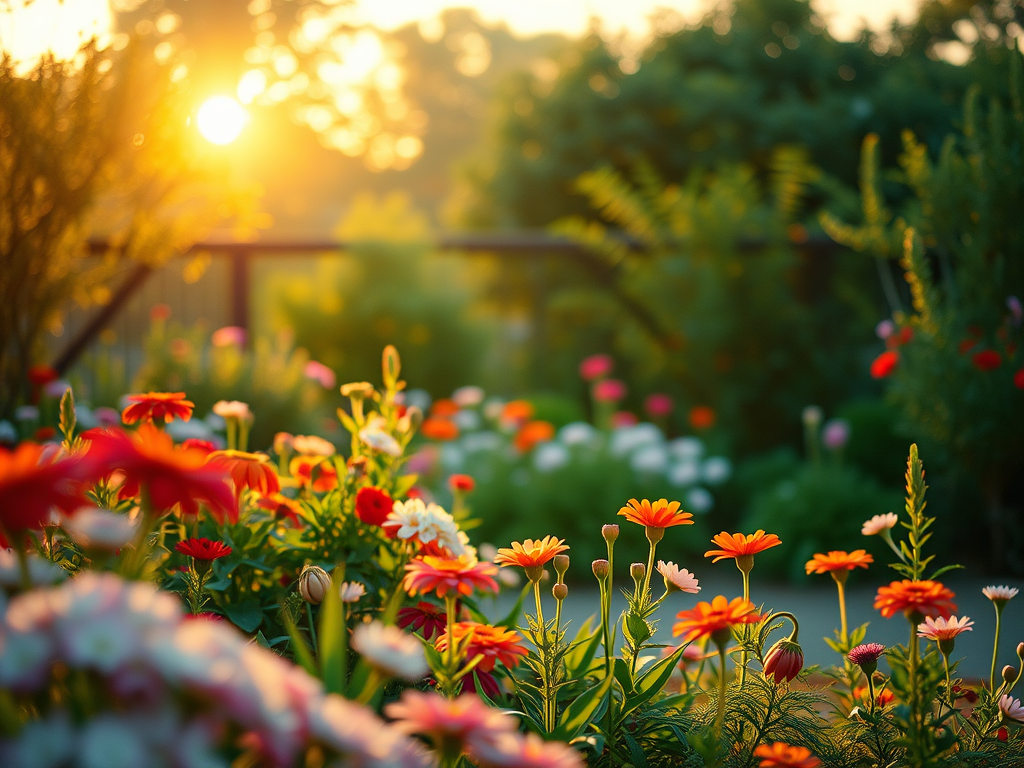

    Growing Food

    My mission comes back to the words that guide everything I do: “Growing food, raising kids, building community.”

    Growing food isn’t just about self-sufficiency; it’s about slowing down and remembering that life takes time. Whether it’s a full garden, a few backyard hens, or a pot of herbs on a sunny windowsill, each act connects us to the earth and to the generations who worked it before us.

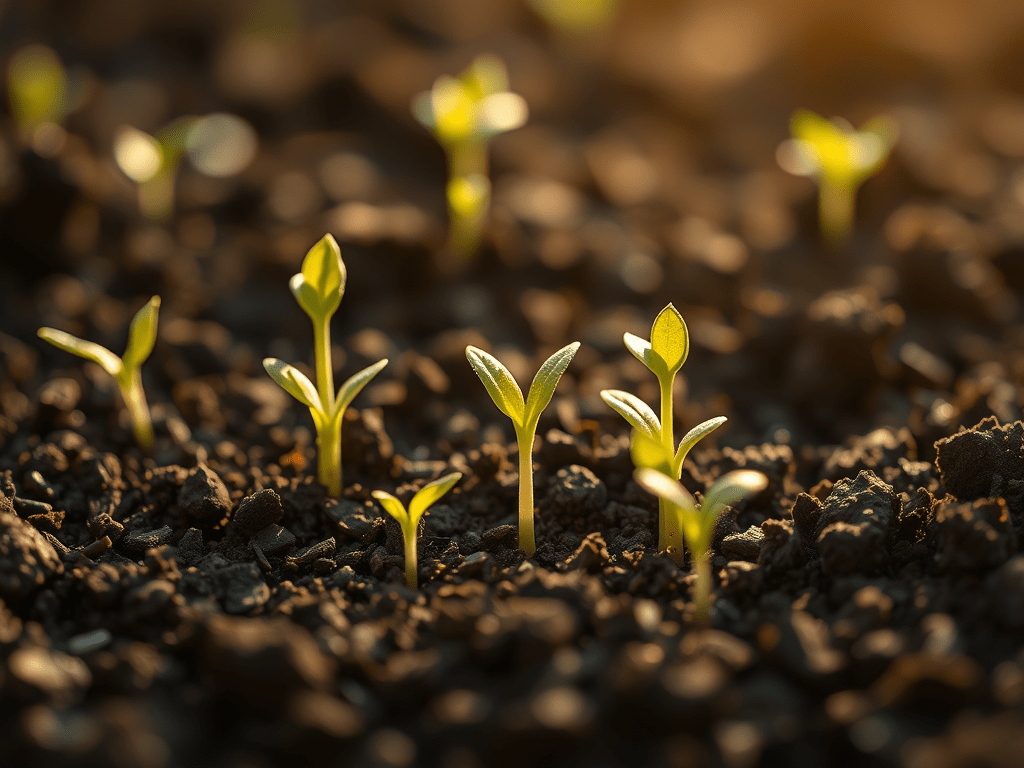
    You don’t need acres to begin—just a seed, a container, and a little sunlight.

    Even one small step can be the beginning of a more grounded life. Each seed planted is a reminder that we can create abundance with our own hands.

    Raising Kids

    Just as tending the garden teaches patience, so does parenting. Homesteading is a classroom like no other—muddy, humbling, and full of wonder.

    It teaches our children what no textbook can: that hard work matters, that life is cyclical, and that family is their safe harbor in a sometimes harsh world.

    My hope is that my kids grow up knowing home isn’t merely a place—it’s a legacy we build with care and intention. Whether they keep chickens, plant tomatoes, or simply carry these values forward, I want them to understand where they come from and who they are.


    Building Community

    And then there’s community—the heartbeat of homesteading and, I believe, our survival as humans.

    American society often tells us that strength comes from independence—that we should manage everything ourselves, and outsource what we can’t, because we’re too exhausted to do it all. But that version of “strength” leaves us burned out and disconnected.

    True strength doesn’t grow in isolation—it blossoms in interdependence.

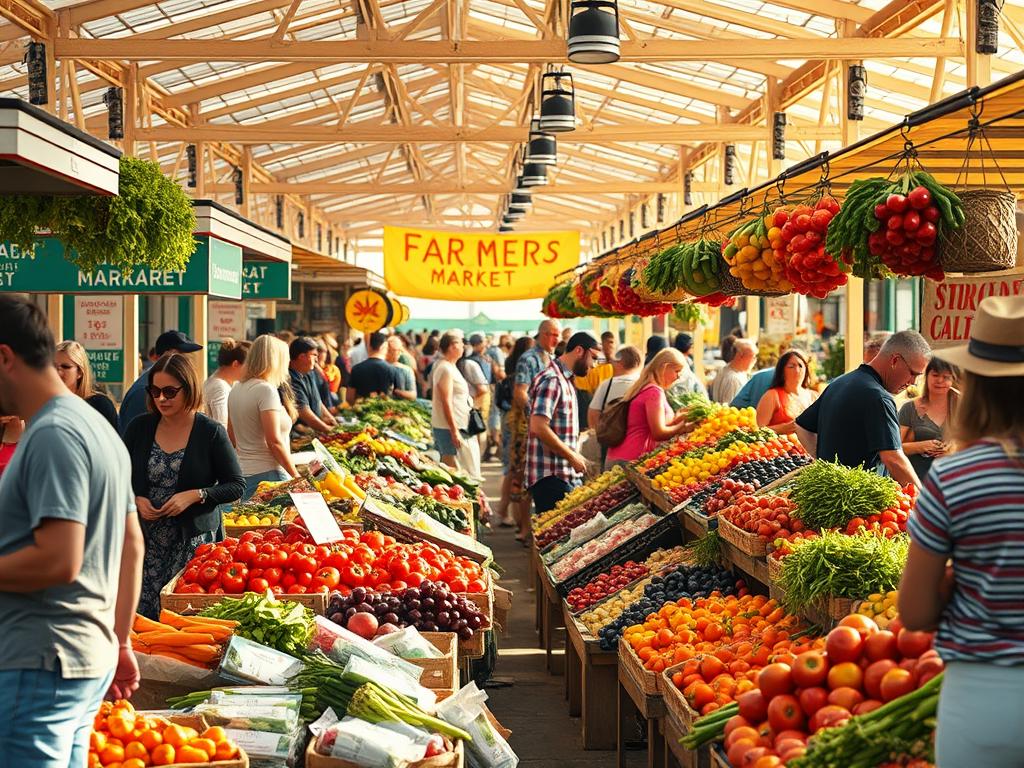
    Sometimes that means swapping seeds or recipes; other times, it’s checking on a neighbor or being brave enough to ask for help. We were never meant to do this alone.

    Lessons from the Past

    When I think about how far we’ve drifted from those roots, I can’t help but look back with respect. Our great-grandparents understood community in ways we’ve forgotten.

    Their lives weren’t easy—many faced relentless hardship. I once read about children in rural Wisconsin in the 1930s who walked miles to town barefoot, carrying their shoes so they wouldn’t wear them out. They’d put them on only once they reached town, because those shoes had to last—and often be passed down to the next child.

    Those stories remind me that while the past wasn’t perfect, it carried wisdom worth keeping. People ate real food, raised resilient children, and looked out for their neighbors. They knew that survival wasn’t just about grit—it was about connection and care.

    Planting Hope

    In the end, that’s what I want my life—and this blog—to reflect. I want to inspire others to live intentionally, grow their own food, raise their families with love, and reconnect with the people around them.

    Because when we nurture the soil, our children, and each other, we’re planting more than gardens—we’re planting hope. And in that hope, we rediscover a simple truth our ancestors never forgot:

    We are always stronger together.


    Now it’s your turn. How do you balance modern life’s demands with a desire to live more simply? Tell me about it in the comments. Let’s start a conversation!

    If this post spoke to you, I’d love for you to help the message spread:

    💬 Share your thoughts in the comments — I truly enjoy hearing your stories.

    💚 Share this post with a friend who believes we’re stronger together.

    🌾 Subscribe to the blog for more reflections on growing food, raising kids, and building community—one season at a time.

    Related Posts
  • Keeping Time With the Land: How Seasonal Living Can Help You Slow Down

    Keeping Time With the Land: How Seasonal Living Can Help You Slow Down

    What the seasons can teach us about slowing down, finding balance, and belonging
    A version of this essay appears in the January 8, 2026 edition of the Dodge County Pionier.


    Ask most people how they measure time today, and the answers sound familiar: alarms, deadlines, color‑coded calendars, the endless scroll of days on a glowing screen. Phone notifications cut across dinner, school schedules slice afternoons into drop‑offs and pickups, and the next bill due date is never far from mind.

    Where I live, time follows a different rhythm—guided not by screens but by the soil itself.

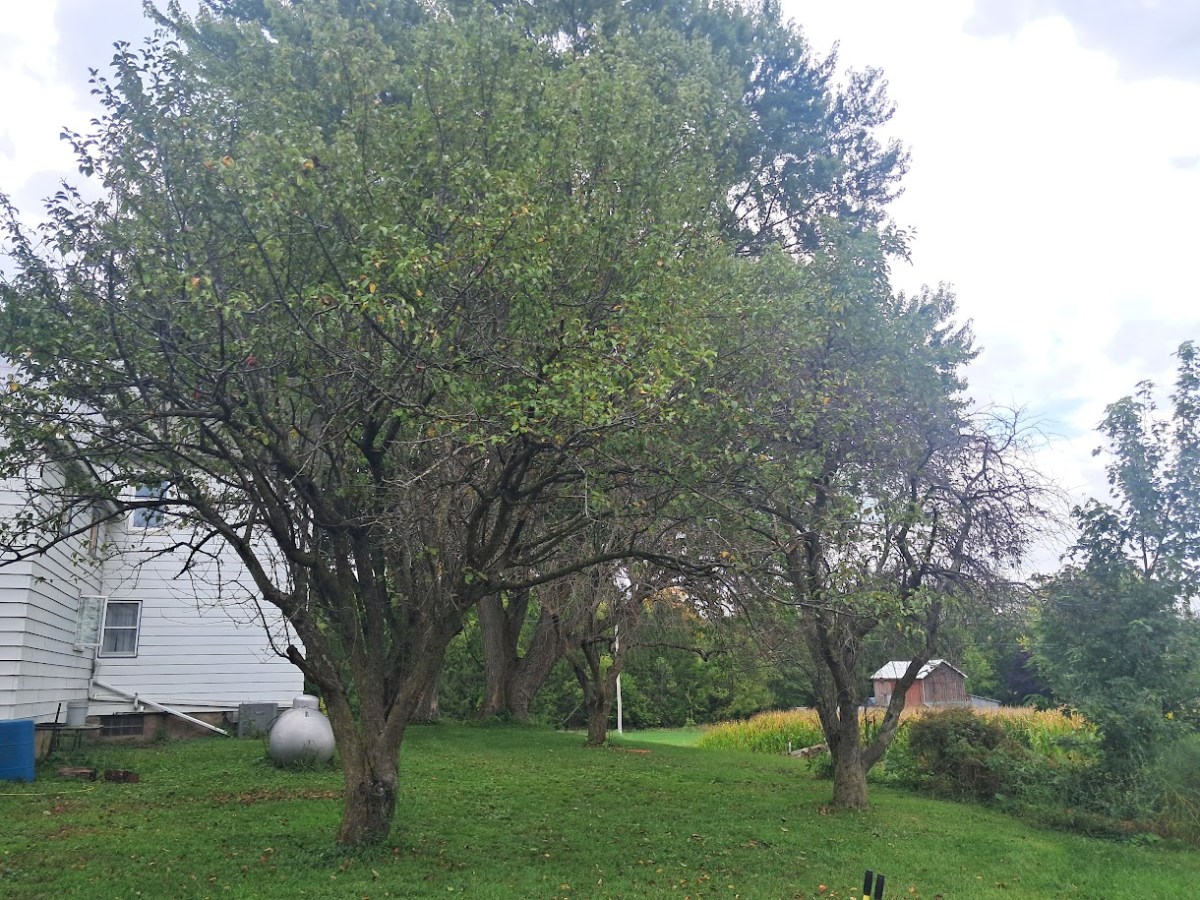
    My family keeps time by the signals nature gives: sap rising in March, turtles crossing the road in May, fireflies at dusk in June, corn drying into gold by October. A cold north wind can say “November” more clearly than any app. These cycles remind us that time isn’t a race toward exhaustion; it’s a loop—a pattern of effort, rest, and return.

    In a world obsessed with productivity, the land offers a quiet lesson: slowing down isn’t falling behind. It’s catching up to what matters.


    Winter: the radical act of rest

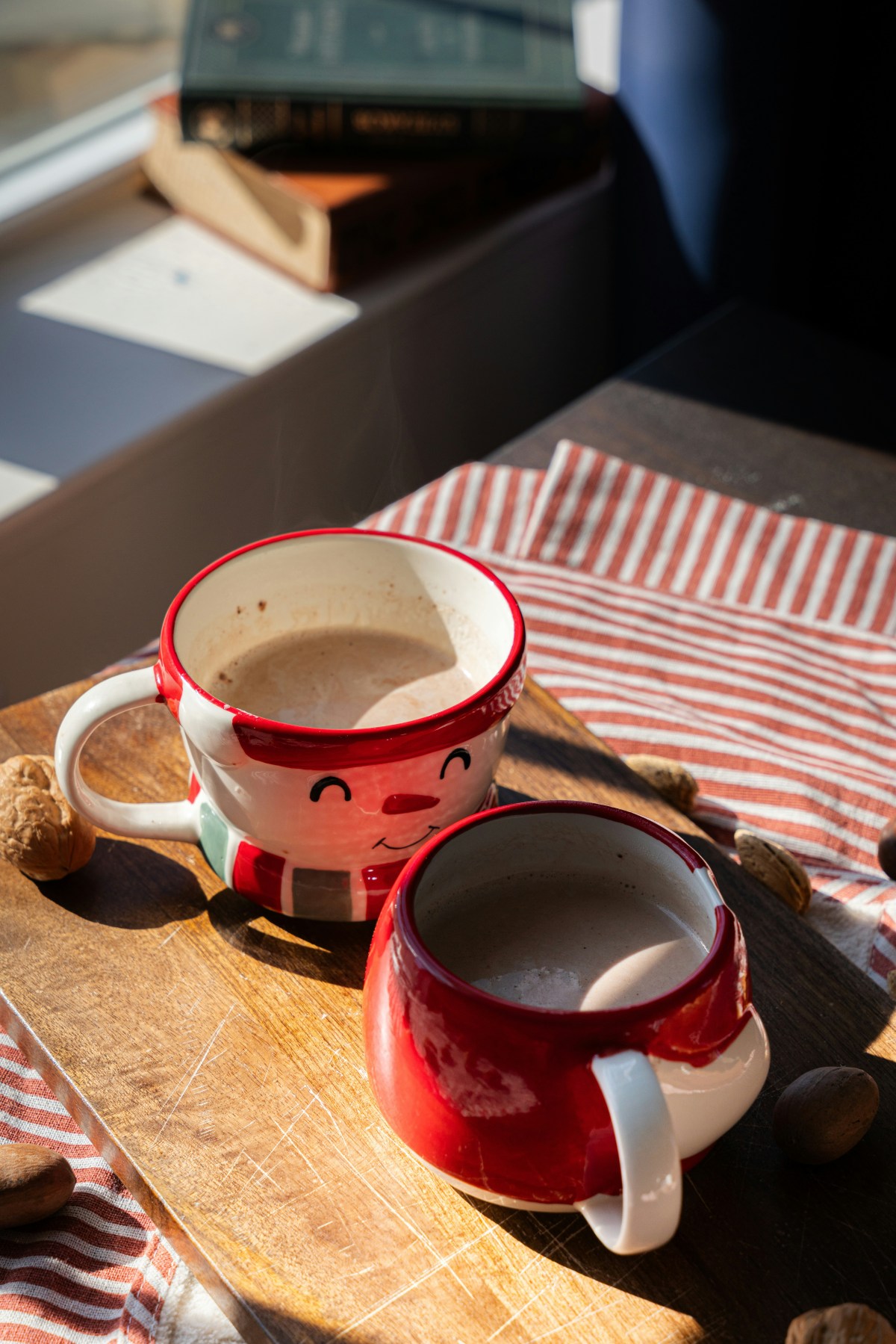
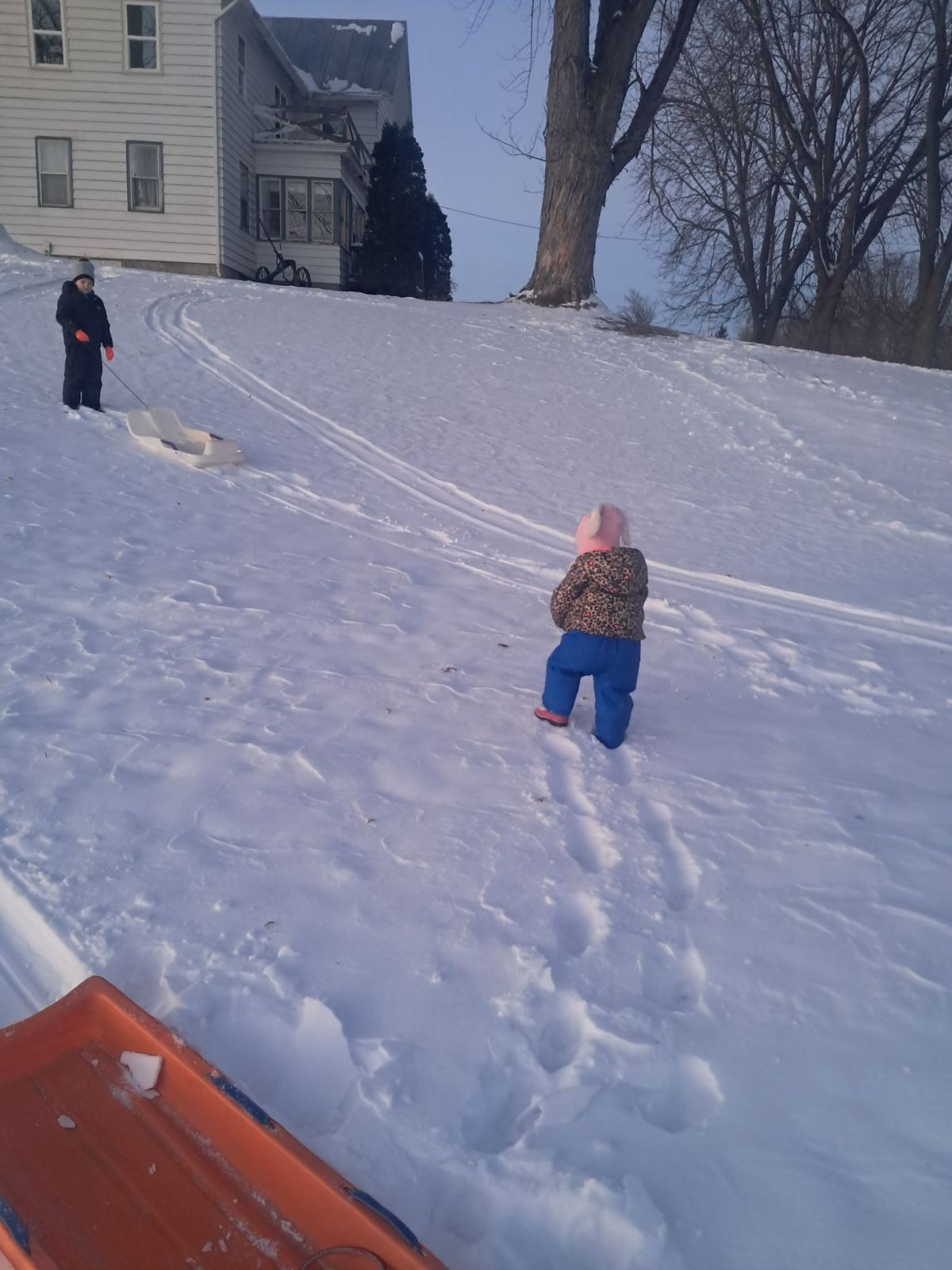
    When the holidays end and snow hushes the fields, stillness takes hold. The world outside the window turns soft and muted, as if someone turned down the volume. Days stretch long. Nights invite reading, conversation, and quiet.

    In modern life, that slowness often gets labeled “unproductive.” Inbox counters climb even as the sun sets before dinner. But in the rural calendar, winter is preparation—the season the earth itself uses to heal. Under the frozen top layer, roots are resting, waiting for their cue.

    Inside, a different kind of work takes over: soup on the stove, a deck of cards on the table, a cat snoring near the heat register. There’s no badge for this kind of work, but the house feels fuller for it.

    Winter offers permission to pause. Even without a farm or a woodstove, anyone can claim a bit of that wisdom: choose a few evenings when nothing is scheduled, let the phone stay in another room, and let the quiet do its work.


    Spring: a rehearsal for renewal

    Spring announces itself quietly at first—a drip of meltwater from the eaves, the smell of mud, the first bird that sings before sunrise. One morning the snow looks tired; the next, you notice a thin green line where the lawn meets the sidewalk.

    We tap trees and plant seeds, acts that serve no instant gratification. The sap runs clear and cold, one slow drop after another into plastic jugs. Seed trays sit under lights, all dirt and hope, for weeks before anything green appears. Yet when syrup warms pancakes or sprouts unfurl in a window box, you can taste reward drawn from patience.

    Spring teaches urgency without panic. Ramps, asparagus, morels, and rhubarb arrive in a rush, then slip away as if they were never there. The season reminds us that beginnings are not one-time events but recurring invitations. The world doesn’t ask, “Did you start perfectly?” It asks, “Are you willing to start again?”

    You don’t need a sugar bush or a greenhouse to feel this. A single pot of herbs on a balcony, or a commitment to walk the same city block once a week and notice what’s blooming, can turn spring into a ritual rather than a blur.

    And after that first rush of green, the land hardly pauses—by July, it’s in full voice.


    Summer: where work and joy meet

    By midsummer, everything hums. In the afternoon heat, insects buzz like a low electric current in the fields. Lawnmowers start and stop up and down the street. Windows are open, and someone, somewhere, is grilling.

    Gardens overflow. Tomatoes split if you don’t pick them in time. Zucchini multiplies on the counter and quietly appears on neighbors’ doorsteps. Kids shriek through sprinklers, leaving wet footprints on hot pavement. Even the air smells different: cut grass, sunscreen, diesel from a tractor on a distant road.

    Like the growing season, our best days often mix effort with enjoyment. Summer’s lesson is simple: work and joy are not enemies. They often belong in the same hour. There is satisfaction in going to bed with dirt under your fingernails and the memory of a late sunset still bright in your mind.

    The reward for effort can be as close as a ripe berry, a shared picnic in a city park, or a tired, happy body at the end of a long, light-filled day.


    Autumn: gratitude and gathering

    Autumn softens the light and sharpens the air. Mornings carry that first hint of frost, and you can see your breath if you step outside before the sun gets serious. Leaves turn from green to gold and red, then crunch underfoot in the driveway.

    The season’s abundance—pumpkins on porches, apples piled in crates, shelves lined with jars and loaves—reminds us how much depends on cooperation: between people, earth, and time. No one person makes a harvest alone. There are seed savers, farm workers, truck drivers, grocers, and cooks all woven into the meal.

    Gratitude, in this season, isn’t just a word reserved for a single holiday. It’s the habit of looking at an ordinary table—soup, bread, a piece of fruit—and seeing the many hands and seasons that brought it there.

    Even in an apartment, autumn can become a practice of gathering: inviting friends over for a simple pot of chili, walking through a park under changing trees, or taking five extra minutes to watch the early dark settle in instead of rushing past it.


    What circles can teach a linear world

    When winter returns, it’s easy to see it as a setback: dark, cold, the end of something. But the more closely the seasons are watched, the clearer it becomes that time does not move in a straight line. It hums in a circle.

    Each season brings another chance to begin again—not by doing more, but by noticing more. The calendar on the wall may march from one square to the next, but the world outside repeats its old, trustworthy patterns: thaw, bloom, heat, harvest, rest.

    Wherever you live—city or countryside—you can keep time with the land in your own way. Let January be a little slower. Let spring mean at least one meal built around what is fresh where you are. Let summer include a night spent outdoors until it’s fully dark. Let autumn carry a moment of thanks, even if it’s just whispered over a sink full of dishes.

    The land has never hurried. It always arrives where it should. Maybe we can too, if we’re willing to step out of the race now and then and walk in circles for a while instead.


    How could you bring a bit of seasonal balance into your daily routine? Please let me know below in the comments.

    If this reflection on seasonal living resonated with you, please take a moment to like and share it with someone who might need a gentler rhythm right now.

    To receive future essays on slow, seasonal living straight to your inbox, subscribe to the blog and join this little community of people learning to keep time with the land.

    Related Posts

    The Quiet Wealth of These Fields

    Welcome to the rural economy—where value isn’t counted in cash but in connections. Beneath the wide-open sky, where grain silos and fence posts stitch the land into neat parcels, the real currency is not minted or printed. It’s grown and built, raised and traded. Trust, hard work, the barter of honest services and handmade goods.…

    Keep reading