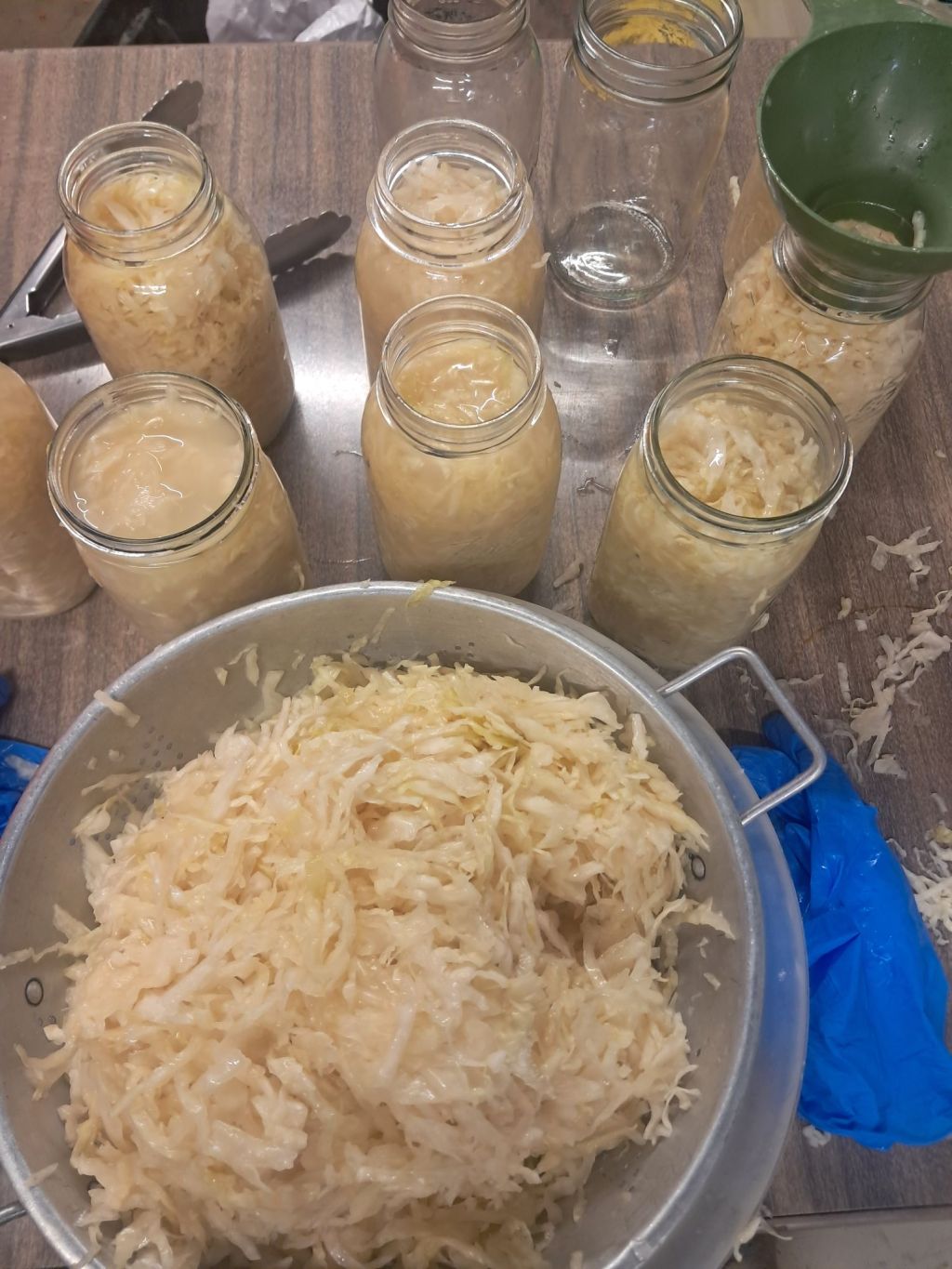
This winter, I’m on a delicious quest to make the ultimate homemade Reuben sandwich—from scratch.
It’s a three-part series:
- Sauerkraut
- Rye bread
- Home-cured corned beef
Every piece is made right here at home. Because when you love good food and the process that brings it to the plate, every step matters.
Today, we start where every great Reuben does—with sauerkraut.
Disclosure: This post contains affiliate links. As an Amazon Associate, I earn from qualifying purchases. Thanks for supporting Practical Homesteading!
From Garden to Crock
Back in September, I harvested crisp green Megaton hybrid cabbages from the garden and tucked them away for something special.
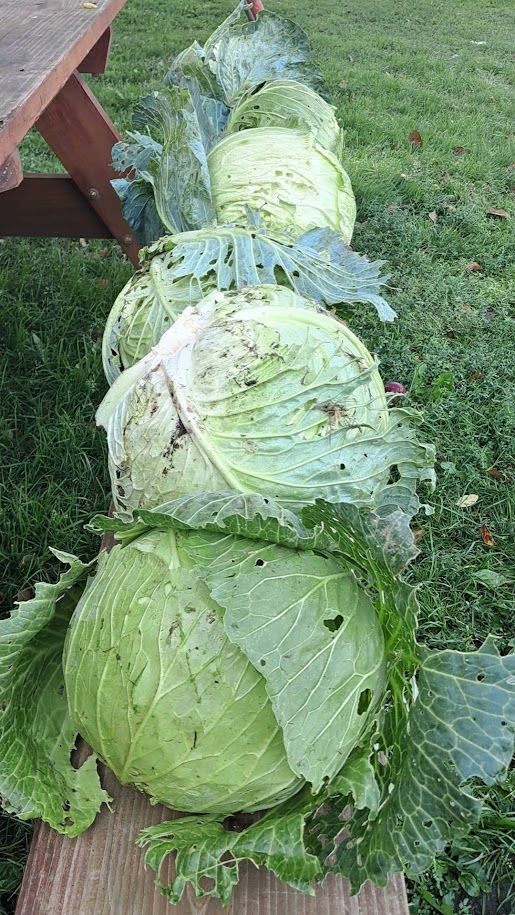
We stripped off the outer leaves, then cut the heads into manageable chunks with this knife (affiliate link) after using this honing steel (affiliate link) to sharpen the blade. My husband pulled out our meat slicer to shred the cabbage into fine ribbons—teamwork at its best!
Next, we weighed the shredded cabbage on a kitchen scale, then calculated and measured out 2% canning salt (affiliate link) by weight. After mixing the cabbage and salt together, we packed it down firmly into our antique RedWing stoneware crock using a homemade stamper (basically a broom handle fitted onto a wooden block—but it works perfectly for this purpose).
The Secret to a Clean Ferment
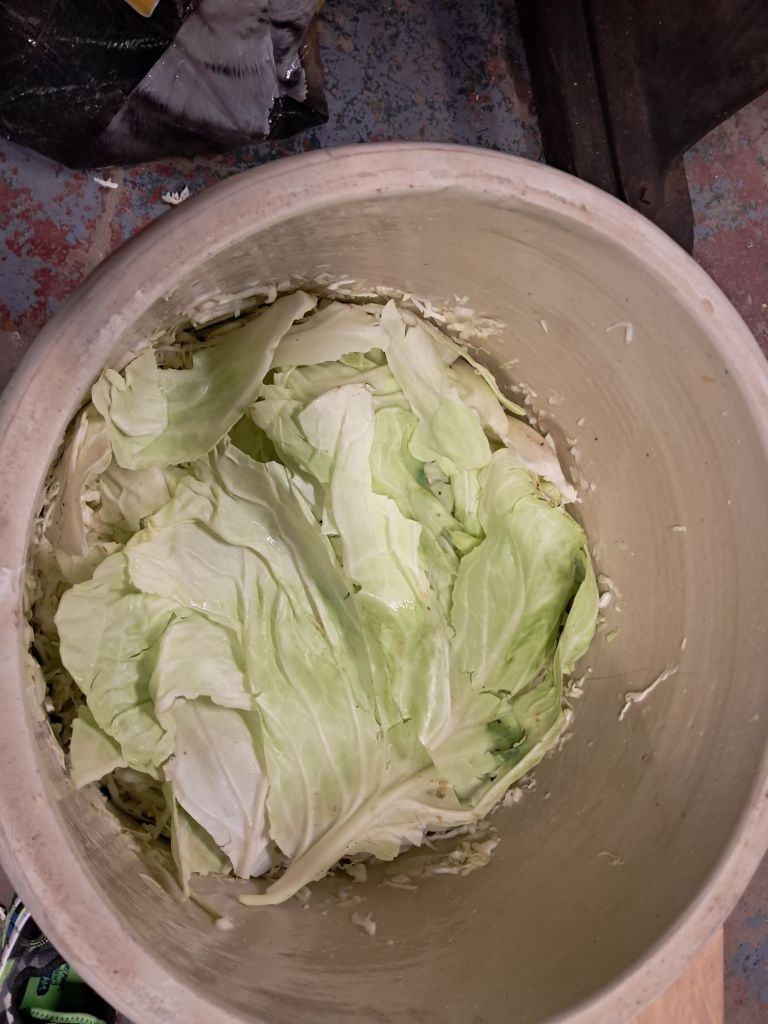
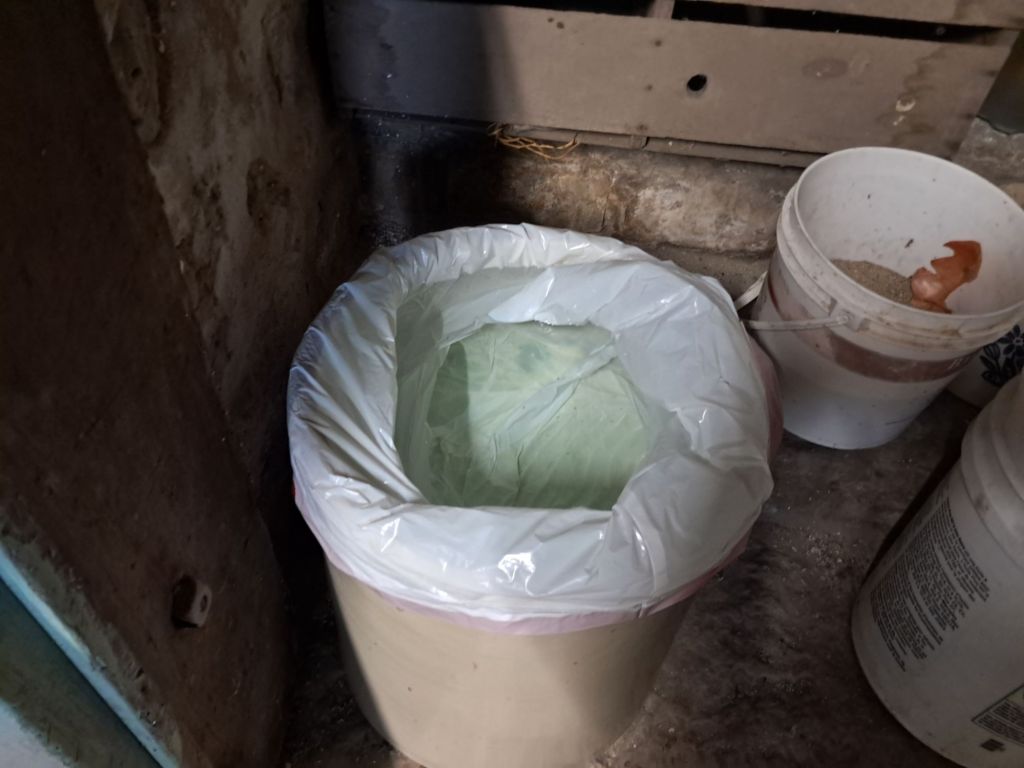
To finish, we laid a few whole cabbage leaves on top and placed a water-filled plastic garbage bag over everything. This simple trick does two things:
- The weight keeps the cabbage fully submerged in brine.
- The plastic molds to the sides of the crock, reducing airflow and spoilage.
Then the real magic began—waiting. The crock sat in a cool, dark corner of the basement for about three and a half months. Time and microbes quietly transformed that fresh cabbage into something incredible.
The Big Reveal
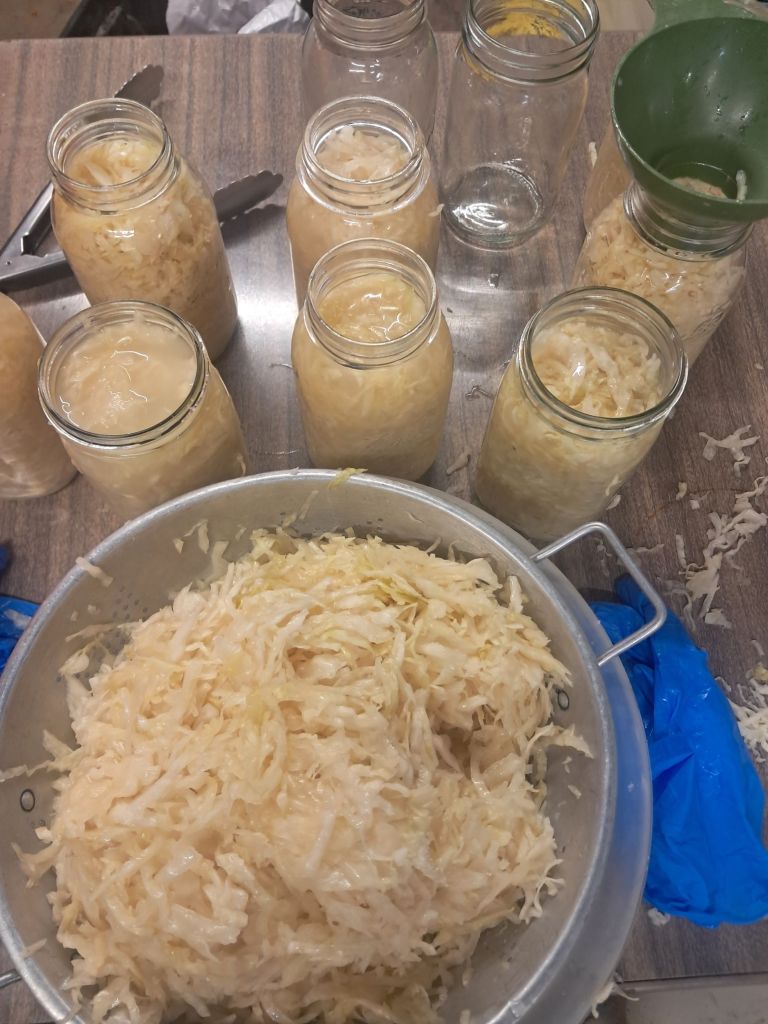
When I finally opened the lid, I was greeted by the unmistakable scent of good fermentation—earthy, tangy, and fresh. The sauerkraut was crisp, slightly golden, and bursting with flavor.
This batch is destined for homemade Reubens and maybe a pork roast or two. The wait? Absolutely worth it.
Reflections from the Crock
Homesteading has a way of teaching through food—patience, balance, and trust in nature’s quiet work. The same rhythms that shape a garden shape us, too.
Have you ever made your own sauerkraut or fermented veggies?
Homesteading is more fun when we learn together.
Tell me what’s bubbling on your countertop—or what I should try fermenting next!
💚 If you enjoyed this post, please take a moment to like, share, and subscribe!
New readers help this little homestead grow—and sharing your own food projects inspires others, too.
Subscribe to join me for the next part of this Reuben adventure: homemade rye bread!
Related Posts
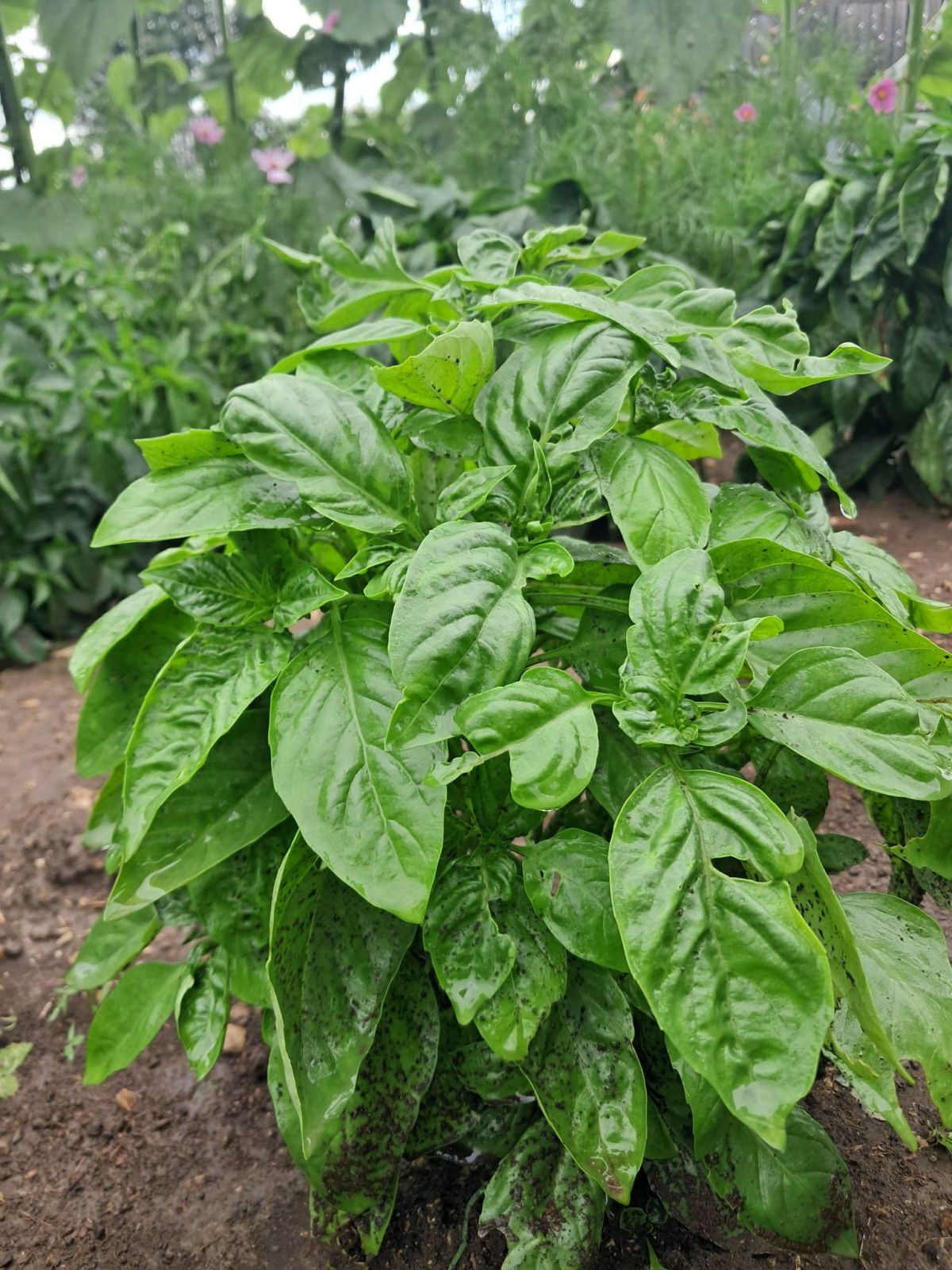
Biggest Garden Yet: Lessons, Laughs, and Pig-Approved Produce
A 2025 garden reflection full of lessons, surprises, and laughter—one-pound onions, overflowing basil, hybrid watermelon mishaps, and happy pigs. Discover the stories and takeaways from our most rewarding gardening season yet.
Keep reading
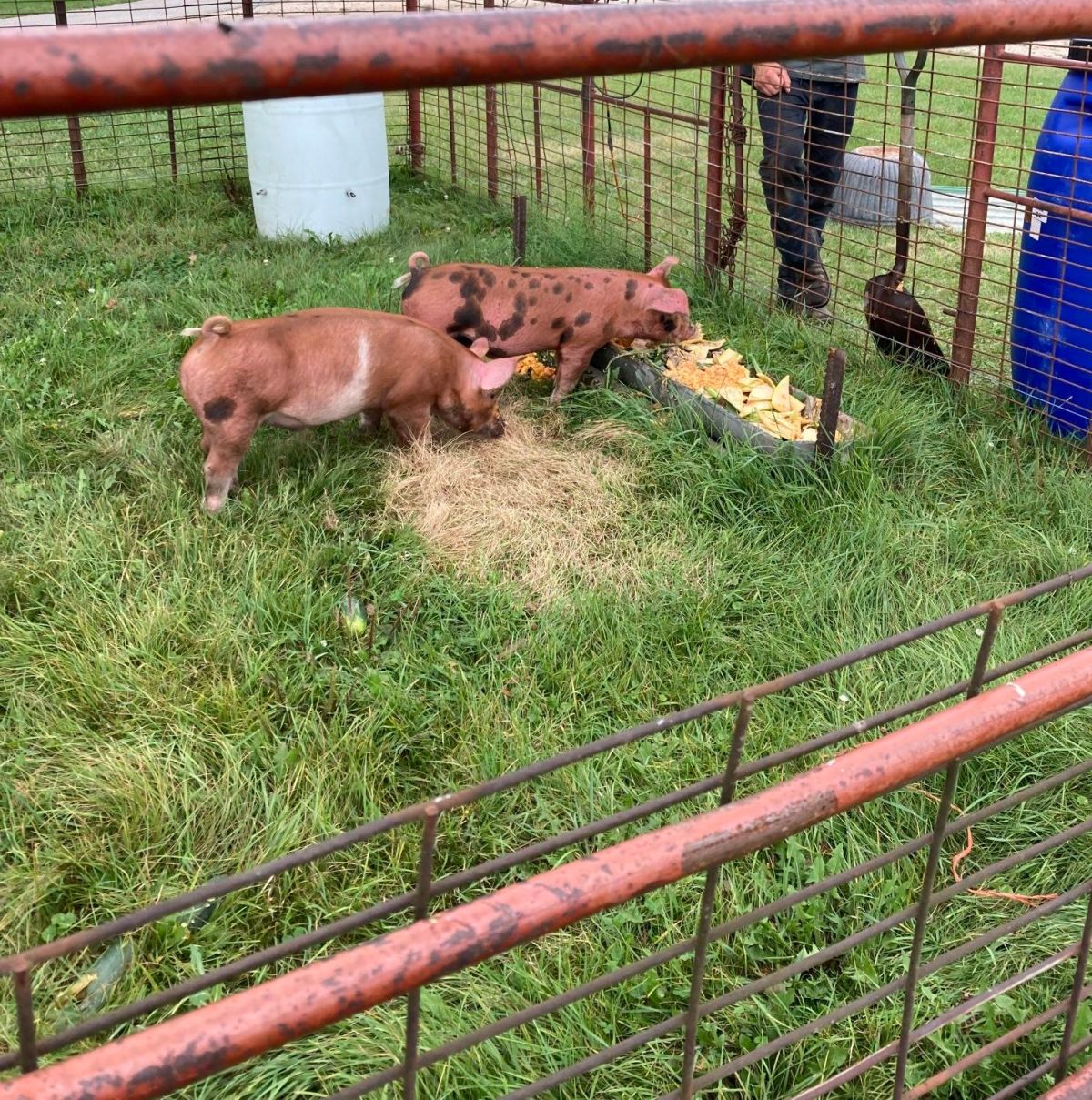
I Never Wanted Pigs Until They Changed My Homestead Life
Never wanted pigs on the homestead? How chickens → ducks → homestead pigs transformed farm life. Pig pen build, pig feed lessons, pig health scares, and why raising pigs beginners find unexpected joy. Real homesteading story.
Keep reading
My Mission: Growing Food, Raising Kids, and Building Community — A Path Back to Connection
Discover why growing food, raising children, and building community are at the heart of my homesteading mission. Together, we can return to the roots of connection, resilience, and hope.
Keep reading
 Practical Homesteading