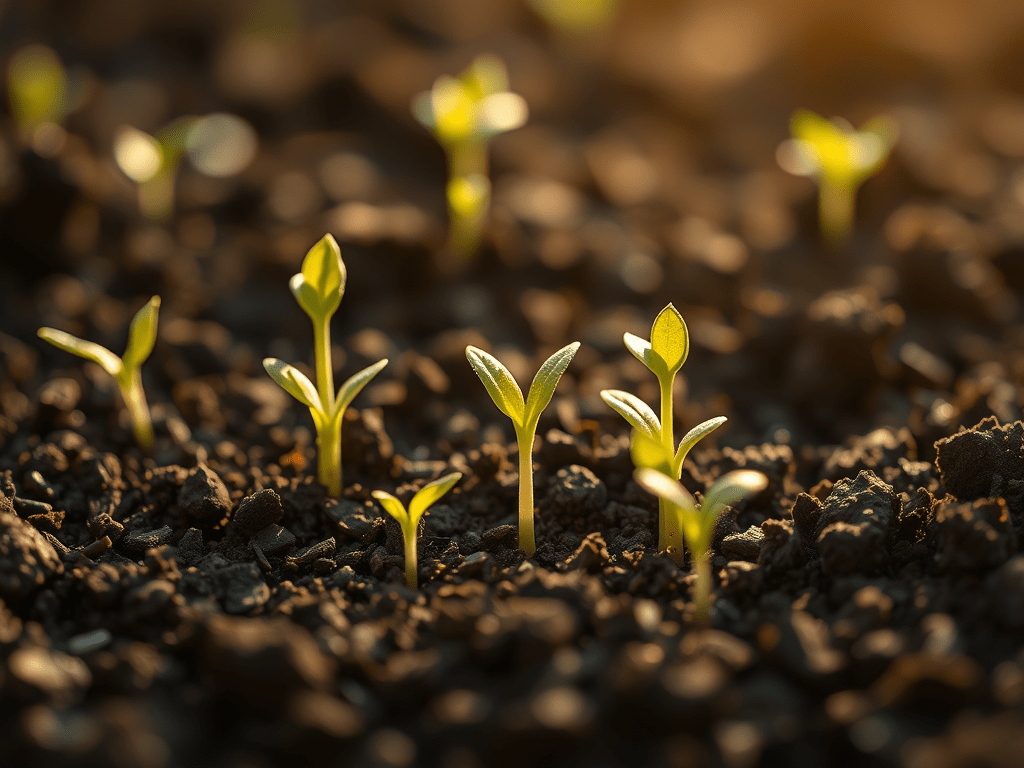


“We’re stronger together.”
— A lesson from the land, the past, and the heart.
Some days, I find myself wondering why I share so much of my messy, joyful, back-to-the-land life. Then I remember—it’s not just a blog; it’s a declaration of purpose. I’m not just learning to grow food or raise livestock. I’m learning to build a life rooted in connection, resilience, and love—the kind of life that feels increasingly rare in our modern world.
Growing Food
My mission comes back to the words that guide everything I do: “Growing food, raising kids, building community.”
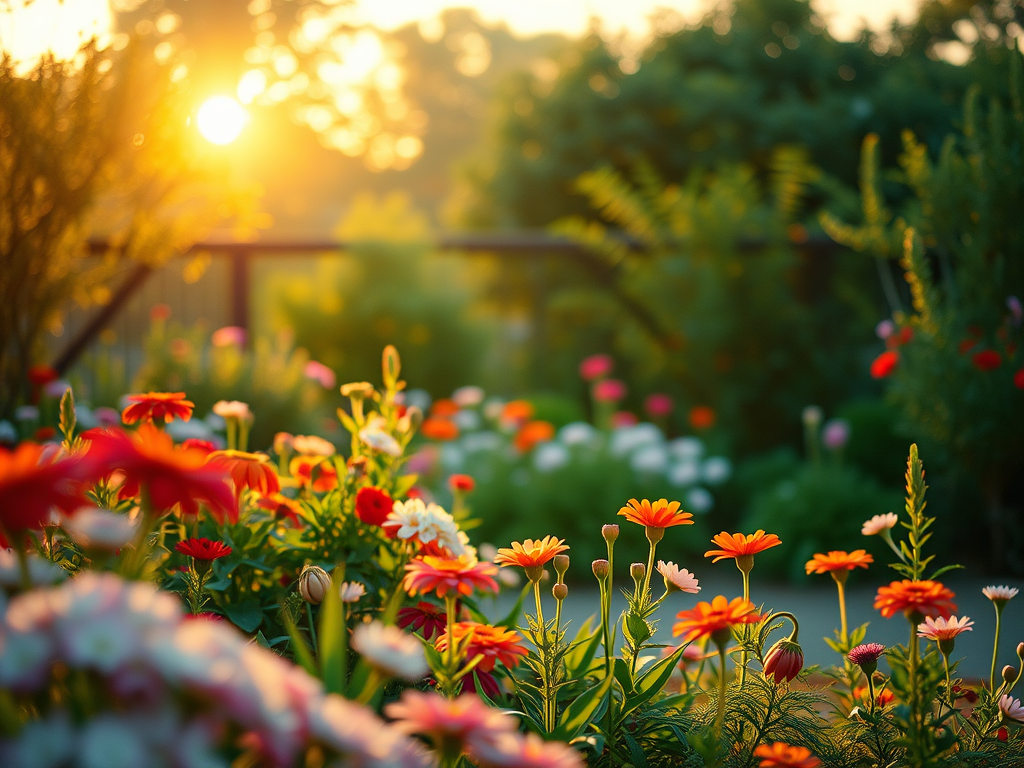
Growing food isn’t just about self-sufficiency; it’s about slowing down and remembering that life takes time. Whether it’s a full garden, a few backyard hens, or a pot of herbs on a sunny windowsill, each act connects us to the earth and to the generations who worked it before us.
You don’t need acres to begin—just a seed, a container, and a little sunlight.
Even one small step can be the beginning of a more grounded life. Each seed planted is a reminder that we can create abundance with our own hands.
Raising Kids
Just as tending the garden teaches patience, so does parenting. Homesteading is a classroom like no other—muddy, humbling, and full of wonder.
It teaches our children what no textbook can: that hard work matters, that life is cyclical, and that family is their safe harbor in a sometimes harsh world.
My hope is that my kids grow up knowing home isn’t merely a place—it’s a legacy we build with care and intention. Whether they keep chickens, plant tomatoes, or simply carry these values forward, I want them to understand where they come from and who they are.

Building Community
And then there’s community—the heartbeat of homesteading and, I believe, our survival as humans.
American society often tells us that strength comes from independence—that we should manage everything ourselves, and outsource what we can’t, because we’re too exhausted to do it all. But that version of “strength” leaves us burned out and disconnected.
True strength doesn’t grow in isolation—it blossoms in interdependence.
Sometimes that means swapping seeds or recipes; other times, it’s checking on a neighbor or being brave enough to ask for help. We were never meant to do this alone.
Lessons from the Past
When I think about how far we’ve drifted from those roots, I can’t help but look back with respect. Our great-grandparents understood community in ways we’ve forgotten.
Their lives weren’t easy—many faced relentless hardship. I once read about children in rural Wisconsin in the 1930s who walked miles to town barefoot, carrying their shoes so they wouldn’t wear them out. They’d put them on only once they reached town, because those shoes had to last—and often be passed down to the next child.
Those stories remind me that while the past wasn’t perfect, it carried wisdom worth keeping. People ate real food, raised resilient children, and looked out for their neighbors. They knew that survival wasn’t just about grit—it was about connection and care.
Planting Hope
In the end, that’s what I want my life—and this blog—to reflect. I want to inspire others to live intentionally, grow their own food, raise their families with love, and reconnect with the people around them.
Because when we nurture the soil, our children, and each other, we’re planting more than gardens—we’re planting hope. And in that hope, we rediscover a simple truth our ancestors never forgot:
We are always stronger together.
Now it’s your turn. How do you balance modern life’s demands with a desire to live more simply? Tell me about it in the comments. Let’s start a conversation!
If this post spoke to you, I’d love for you to help the message spread:
💬 Share your thoughts in the comments — I truly enjoy hearing your stories.
💚 Share this post with a friend who believes we’re stronger together.
🌾 Subscribe to the blog for more reflections on growing food, raising kids, and building community—one season at a time.
Related Posts
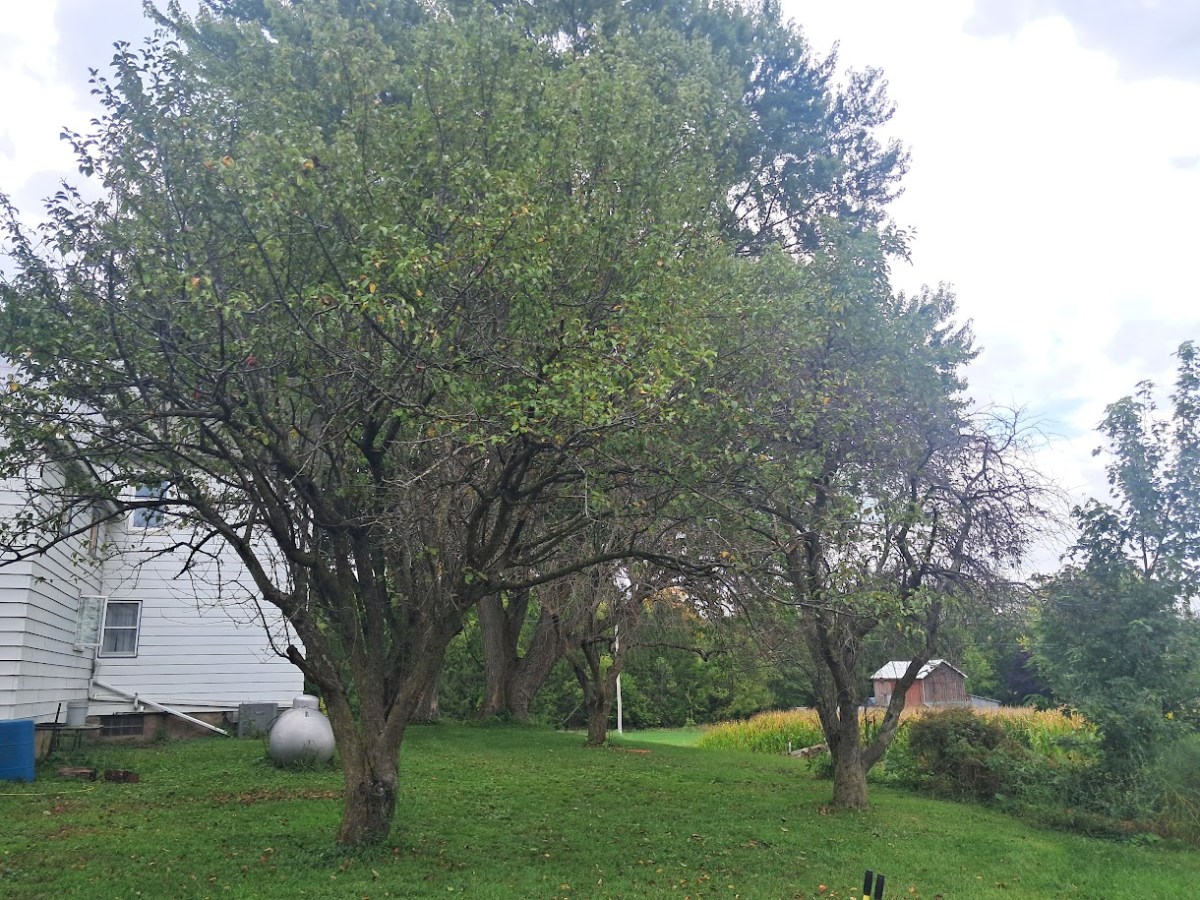
Century Farm Renovation: Most Ambitious Homestead DIY (2026)
Our century farm renovation near Horicon Marsh: DIY homestead projects while pregnant + newborn care. From dumpsters to Victorian farmhouse ceilings, ambitious DIY lessons after 3 years. Family teamwork transforms fixer-upper. Our most ambitious DIY project ever! 🛠️
Keep reading
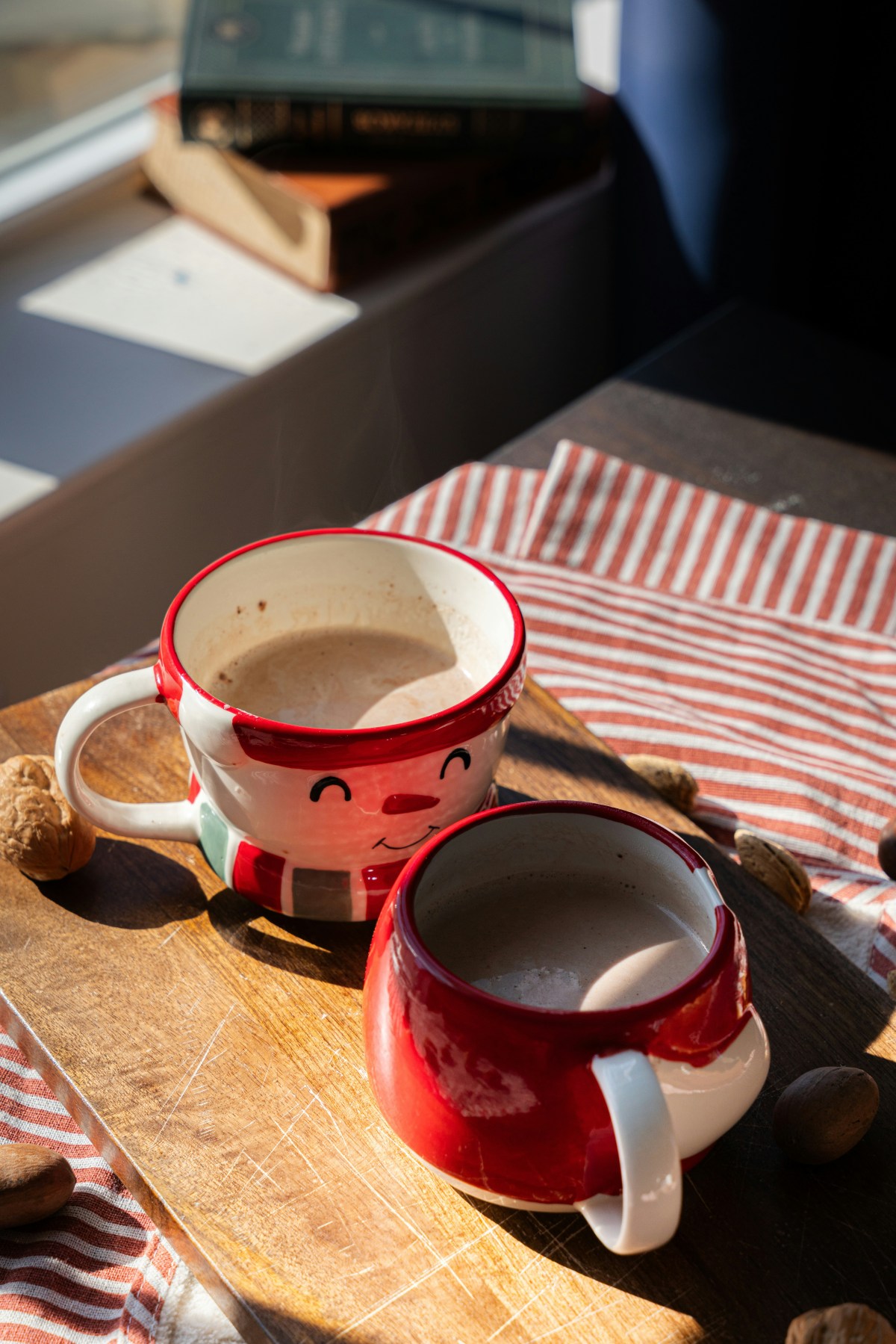
Playing for Keeps: Cozy Winter Game Nights for Family and Friends
Discover simple ways to host cozy winter game nights. Connect with family, laugh with friends, and build community through old-fashioned fun.
Keep reading
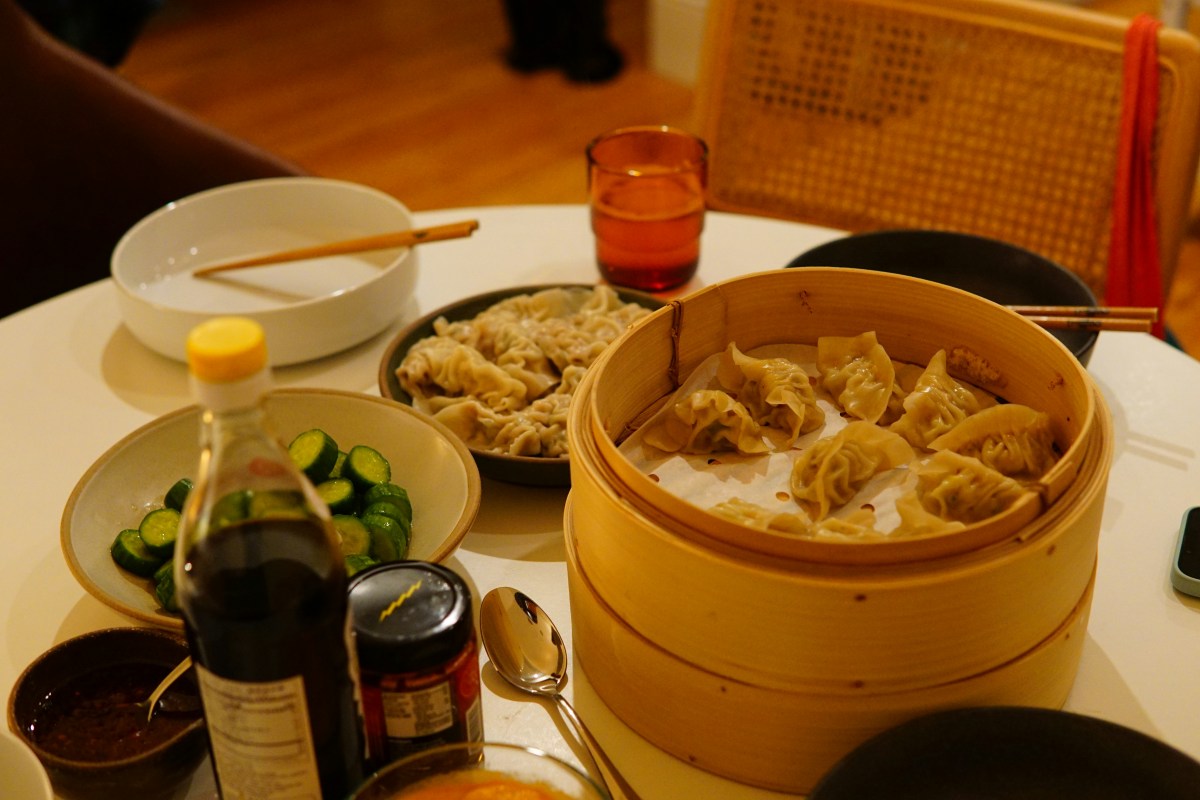
Easy Homemade Dumplings: A Kid‑Friendly Family Recipe with Garden Fresh Veggies
Make homemade dumplings the easy, kid‑friendly way! A warm, family‑tested recipe using garden‑fresh veggies, simple dough, and lots of laughter around the table.
Keep reading

 Practical Homesteading