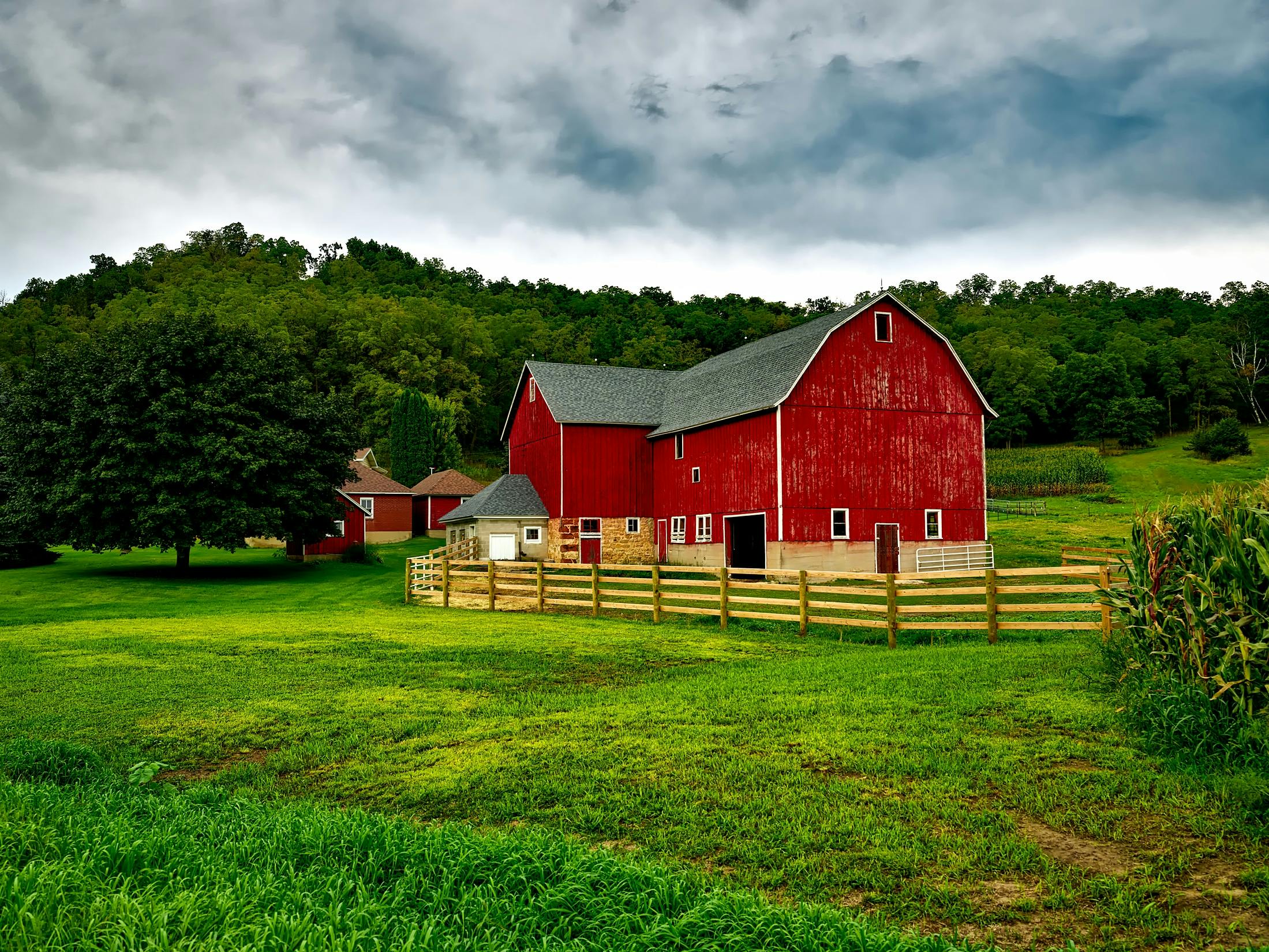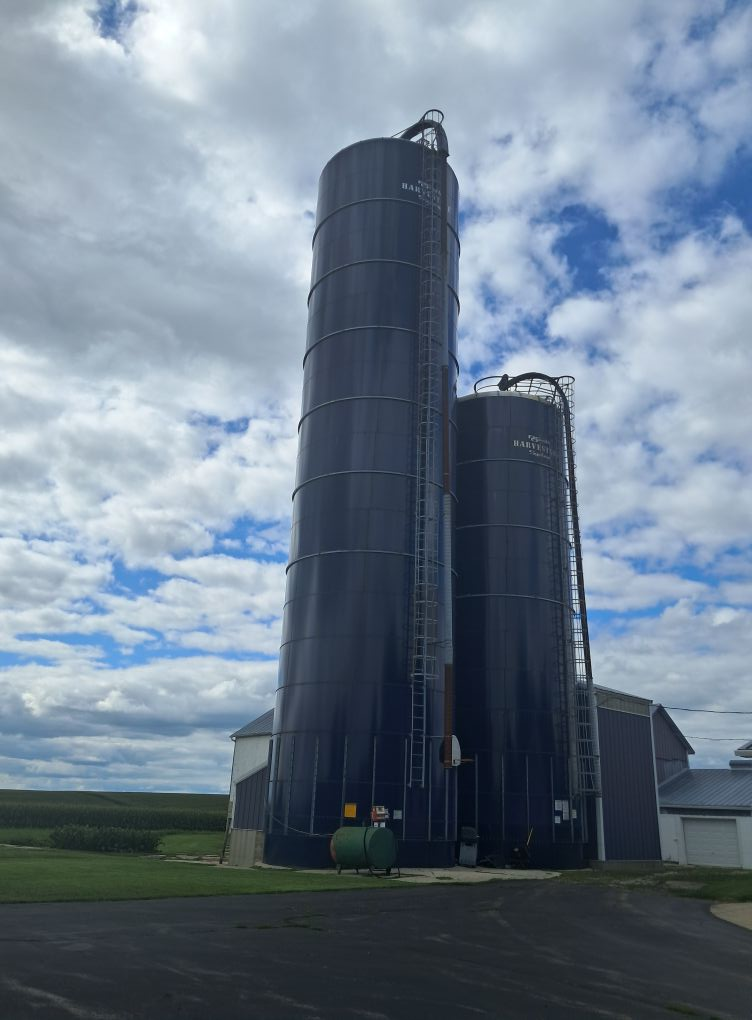
“I grew up on a farm.”
For a long time, that sentence felt like something I needed to tuck away, not lead with. In high school, I carefully sidestepped anything that might mark me as “too farm kid.” I avoided FFA and agriculture classes, choosing instead to spend time with the choir crowd—some of the kindest people you’ll ever meet (and, let’s be honest, who doesn’t love friends who can sing?).
On the surface, I was doing what a lot of teenagers do: trying to blend in. Underneath, I was quietly distancing myself from a way of life that had shaped me more than I realized.
Trying to Tuck My Farm Roots Away
Looking back, I can see how much effort I put into not looking “too farm.”
- I did the bare minimum caring for the steers assigned to me.
- I half-heartedly tended the garden that had been so generously entrusted to my “care.”
- I laughed off my farm chores as “no big deal,” even when they meant missing events or coming to school smelling faintly of silage.
I share more about the steers here, but the short version is this: I wanted the values of my upbringing (work ethic, responsibility, resourcefulness) without the label that came with them. I thought being “the farm kid” made me less interesting, less sophisticated, less…something.
Even in college, I was hesitant to share details about my rural background. I listened to friends talk about their favorite coffee shops and city neighborhoods, and I stayed quiet about gravel roads, hay balers, and cleaning cow yards.
The Homesteading Bug That Never Quite Left
And yet, there was always a part of me that genuinely enjoyed homesteading.
The summer after my freshman year of college, I found myself slipping back into familiar rhythms:
- I spent days blanching and freezing green beans.
- I asked my dad to teach me how to make sauerkraut.
- I experimented in the kitchen and failed many times at homemade pizza (a skill I’m proud to say I’ve since perfected).
It was as if my hands remembered what my pride wanted to forget. I loved the feeling of putting food by, the satisfaction of seeing freezer bags full of vegetables, and the simple rhythm of working alongside my parents.
At the time, I still didn’t connect this with identity. It just felt like “what we do in the summer”—use what we have, store what we can, waste as little as possible.
The Cucumber Story That Started to Change My Perspective
I remember clearly when my perspective started to shift.
Shortly before my junior year of college, our garden produced a glut of cucumbers. In a moment of practicality, I posted on Facebook asking if anyone wanted some. Several college friends responded enthusiastically.
I didn’t believe they were serious.
To me, cucumbers were just…there. They showed up in the garden, we ate what we wanted, and the rest sometimes ended up in the compost if we couldn’t keep up. I assumed everyone had access to as many fresh vegetables as they wanted, if they just “put in the effort.”
So I left the cucumbers at home.
When I saw my friends later, their disappointed faces told me I’d made a mistake. They had genuinely looked forward to those garden-fresh cucumbers. In that moment, it hit me: my experience of having plentiful fresh vegetables was not typical. What I saw as ordinary was, to many others, special.
That simple misunderstanding planted a metaphorical seed. Maybe my farm background wasn’t something to hide. Maybe it was something to share.
Realizing My Background Was an Asset, Not a Liability
Later, at my post-college job, that seed grew.
Coworkers would ask the usual small-talk questions: “Where did you grow up?” “What did your parents do?” When I mentioned my agricultural background—dairy cows, hay fields, chores before school—I was surprised by their reactions.
They were impressed.
They asked follow-up questions. They wanted to know what milking was like, how long haying days really were, what it meant to care for animals every single day. They didn’t hear “small town, limited experience.” They heard “work ethic,” “responsibility,” and “a perspective I don’t have.”
Slowly, I began to see that the very things I had once tried to downplay were the things that made my story unique and valuable.
What Farm Life Actually Gave Me
When I think about my farm childhood now, I don’t just see early mornings and missed parties. I see the deeper gifts standing behind them:
- A strong work ethic. You show up even when you’re tired, because the animals still need care.
- Follow-through. You don’t quit halfway through cleaning the yard or milking a herd.
- Resourcefulness. You learn to fix things, make do, and find ways to stretch what you have.
- Respect for land and animals. You see firsthand that your choices affect living creatures and the soil under your feet.
- Community awareness. You understand that your work feeds people you know by name.
Those values follow me into parenting, into how I manage our small homestead now, and into how I show up in my community.
Sharing the “Confession” with Pride
Today, I share my “confession”—that I grew up on a farm—not as something to gloss over, but as something I’m proud of.
I’m proud of:
- My parents, who modeled consistency and care when no one was watching.
- My extended family, who have been (and still are) stewards of the land.
- The countless farmers who live out the same story in their own quiet, steadfast way.
I’m also grateful for the friends and coworkers who helped me see my background differently—those who wanted the cucumbers I thought were nothing special, and those who lit up when I shared stories about dairy cows and hay fields.
A Note of Thanks for June Dairy Month
So, in the spirit of June Dairy Month, consider this post a small thank-you:
- To the farmers who are up before dawn, again.
- To the families who build their lives around the needs of animals and land.
- To the kids who might someday feel tempted to hide their farm roots, just like I did.
If you’re one of those kids, I hope you’ll come to see what I finally did: your story matters, and your background is a strength—not something to be smoothed over.
Happy June Dairy Month—to all the hardworking farmers out there, and especially to the friends and family who keep showing up, season after season.
If this story resonated with you—or reminded you of your own farm kid days—would you share it with a friend or save it for later?
I’d also love to hear from you: did you grow up on a farm, or are you just now learning where your food comes from? Your perspective matters too.
Read Next: Buying Meat from a Farmer: A Complete Guide to Bulk Meat, Freezers, and Butchers