Disclosure: This post contains affiliate links. As an Amazon Associate, I earn from qualifying purchases. Thanks for supporting Practical Homesteading!
I turn 36 this week, and it feels like as good a time as any to tell you who I am.
I am
- a wife
- a working mother of 2 beautiful children
- an environmental professional
- a homesteader
- a gardener
- a reader
- an animal caretaker
- an aspiring writer (the blog you’re reading is me practicing)
- an amateur historian
- a perfectionist
- a ruminator
- a friend
- a daughter
- a sister
Growing Up on a Wisconsin Dairy Farm
I grew up on a dairy farm in Southeastern Wisconsin during the 1990s. It was a tumultuous time in farming—small family-run dairy farms were rapidly disappearing into larger, consolidated operations.
My dad secretly never wanted to be a farmer. Born an only child into a multigenerational operation, he inherited the responsibility anyway. Despite that, he managed to hold onto his land and his 60-cow herd through years of stress and hardship. All the while, there was this undercurrent—he’d tell us kids, “Don’t farm. There’s no money in it.” That story deserves its own post someday.
In 2001, my dad sold the herd and rented the land to a nearby large farm. By that point, my five older sisters had mostly graduated high school and left to make their own way. My parents took “city jobs”—Ma at the local grocery store, my dad first as a farmhand, then for a local horizontal drilling company. They bought beef cattle for me to care for during my teenage years.
The Teenage Rebel Who Wanted Out
Before my dad took over from his father, farmers traveled no more than a mile to access all their land. By the time he changed careers 25 years later, some had to drive an hour or more to reach the farthest corners of their acreage. The world I grew up in was already shifting fast beneath my feet.
But as a teenager, I couldn’t have cared less about the cattle I was entrusted with. Farming felt pointless. I was determined to “get out of Dodge County” and go to college in nearby Madison. Books came easily to me, and I wore that like armor. I had a chip on my shoulder—I thought I was smarter than the farm life, better than staying put, that I had everything figured out.
Pride, Pain, and Coming Back to Earth
Pride comes before a fall, as they say. I never had one dramatic crash, but I had low moments that humbled me.
When I was 17, I sustained serious burn injuries on my arms and chest. I received skin grafts on my arms. I spent a long season wrestling with shame and the fact that I was marked by scars. When I finally reached Madison—the dream I’d chased—I felt small next to high achievers who hadn’t come from farms and had flawless skin.
Even after landing a job as an environmental professional, I stood in rooms feeling inadequate beside people who seemed to know so much more. It took years to accept I wasn’t the smartest person in the room—but I still had something valuable to offer.
Love, Long Courtship, and Hotel-Hopping 20s
I started dating my now-husband at 19. We’d known each other longer, but that’s when our story began. He didn’t grow up on a farm but found agriculture fascinating. He thought it was neat that I’d spent my childhood around cows, even as I ran away from that identity.
After a long courtship, we married when I was 27. We loved each other deeply, but finding our rhythm took time. Through trial and error, we landed on shared ground: children, homesteading, and country living.
All along, I’d quietly loved making things from scratch, even if I didn’t call it homesteading. Freshman year of college, I made pizza entirely from scratch (except the cheese). It took three times longer than it should have. I ruined zucchini bread by confusing tablespoons for teaspoons of salt. Junior year, I bought a crockpot (affiliate link) that made my dorm floor jealous of the dinner smells wafting from my room.
Motherhood Opened My Eyes
I graduated grad school at 24 and we moved near Green Bay for my job. For the next six years—my freewheeling late 20s—we traveled heavily—for work and fun—with each other, family, and friends. Hotels became our second home. It was a wonderful season of freedom I hated to see end.
Then I had my son just before turning 30. Motherhood was like someone handing me color television after a lifetime of black-and-white. The challenges were endless—physical, emotional, exhausting. But when he smiled and grabbed my finger with his tiny, chunky hand, everything faded. I wanted to be better for him.
That first year coincided with Covid. No village. Husband working a lot. Our beautiful house on 18 acres of “dream land” suddenly felt hollow. Land doesn’t raise children. Pride in property lines doesn’t fill the gaps. As we talked about baby number two, we made a deliberate choice: we moved back to our hometown near Mayville, Wisconsin.
Dad Endured. I’m Choosing.
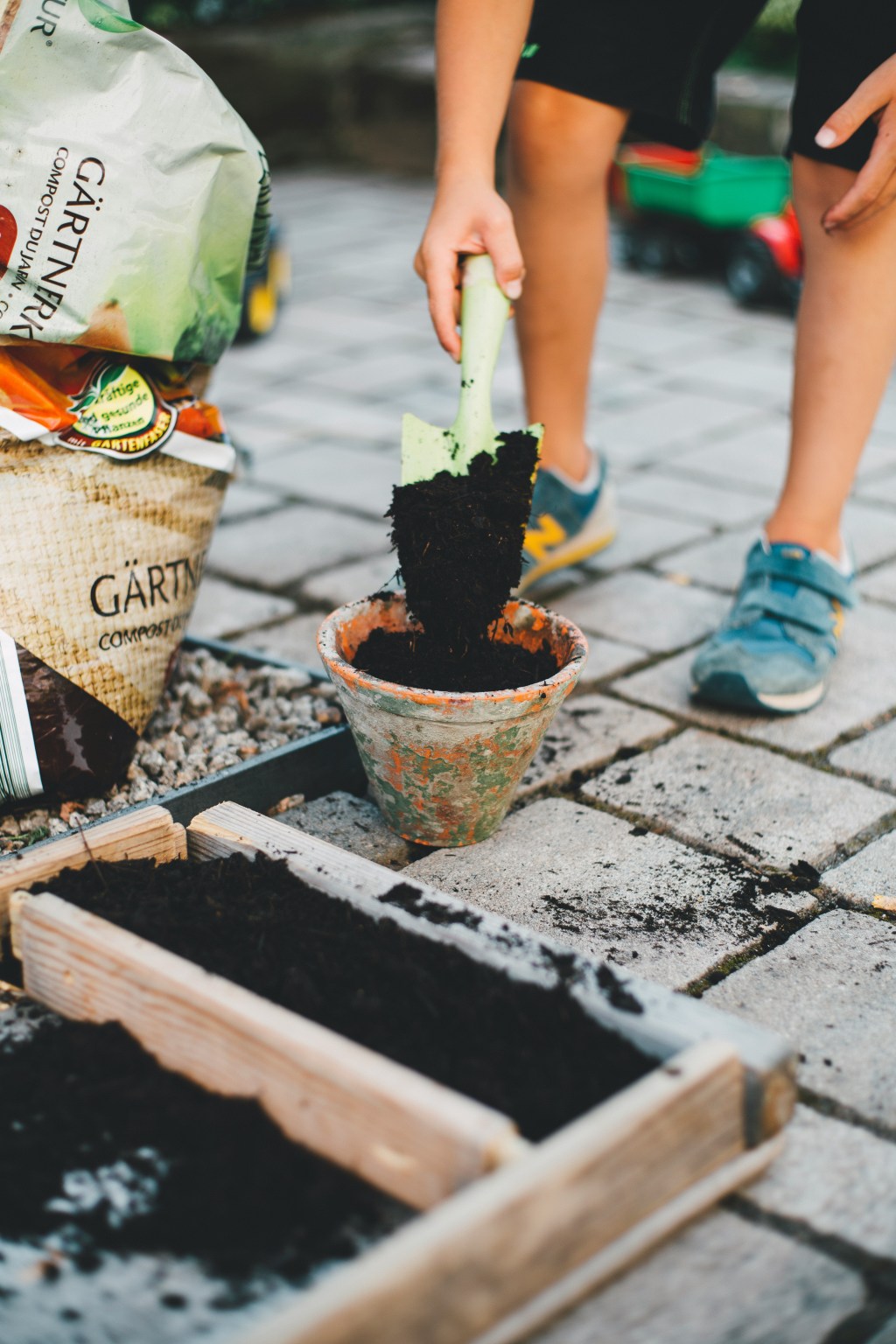
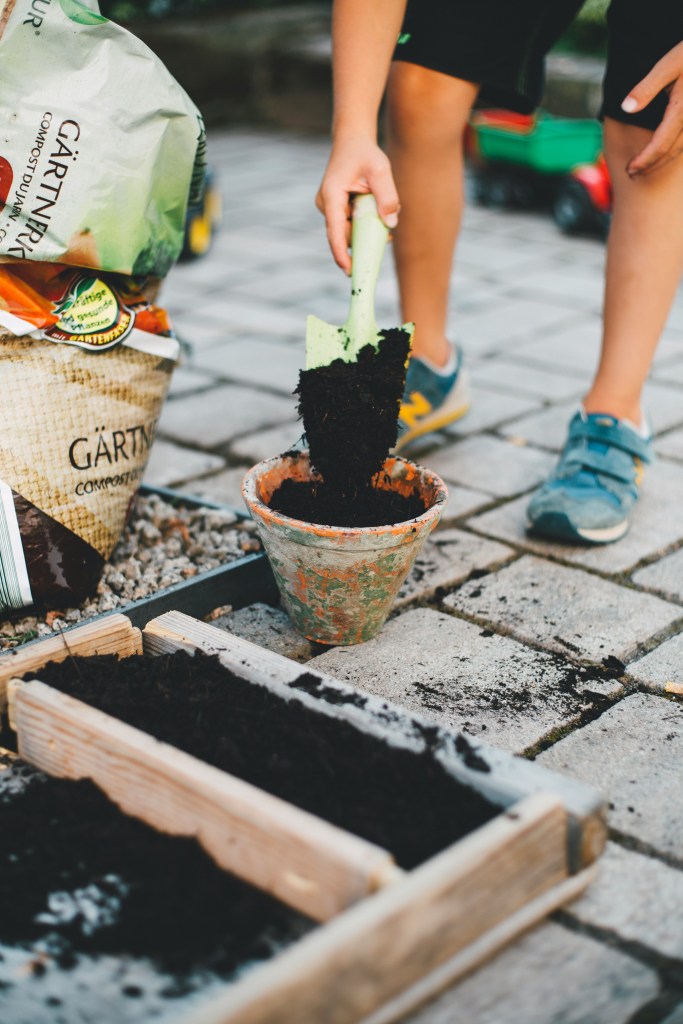
Dad held onto that farm through brutal years—not because he loved it, but because he was born into it as the only child carrying a multigenerational legacy. He’d tell us, “Don’t farm—there’s no money in it.” Now I’m choosing this life freely—not out of obligation, but because it fits who I’m becoming. We’re gardening, raising chickens, baking bread, and raising two children. The girl who couldn’t wait to escape Dodge County came back on her own terms.
At 36, I’m still a perfectionist and a ruminator. Still learning that I don’t need to be the smartest to serve well—I just need to show up, learn, and share what I find.
This blog is me doing that. Someone standing in the middle of her story. Rooted, growing, still in progress.
Practical Homesteading: growing food, raising kids, building community.
If you enjoyed reading this post, please like it. Share with an interested friend. And subscribe for more reflections on the messiness of life (and a couple recipes too). Thank you for reading.
Related Posts
Perfect Pan-Fried Fish Recipe | Ice Fishing Family Time
Simple 20-min pan-fried fish recipe for ice fishing catch. Cast iron, cornmeal dredge, homestead lard. Family bonding stories included.
Keep reading
Growing Where We’re Planted: Moving Closer to Family and Letting Go of Fate
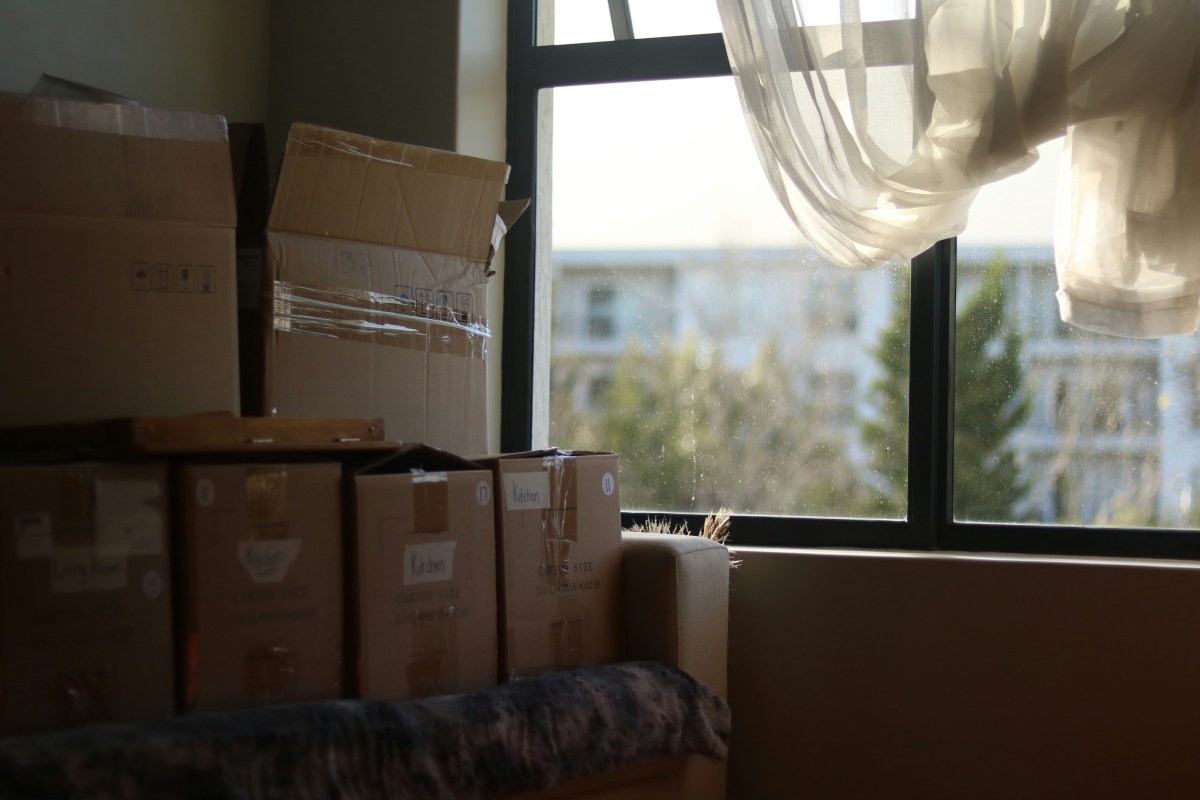
When my husband and I left our 18-acre homestead to move closer to family, pregnancy, exhaustion, and logistics forced me to rethink fate, free will, and the serenity prayer. A story about choosing change with support.
Keep reading
First Time Mom Nerves + Joy: Life Before Kids Trade-Offs
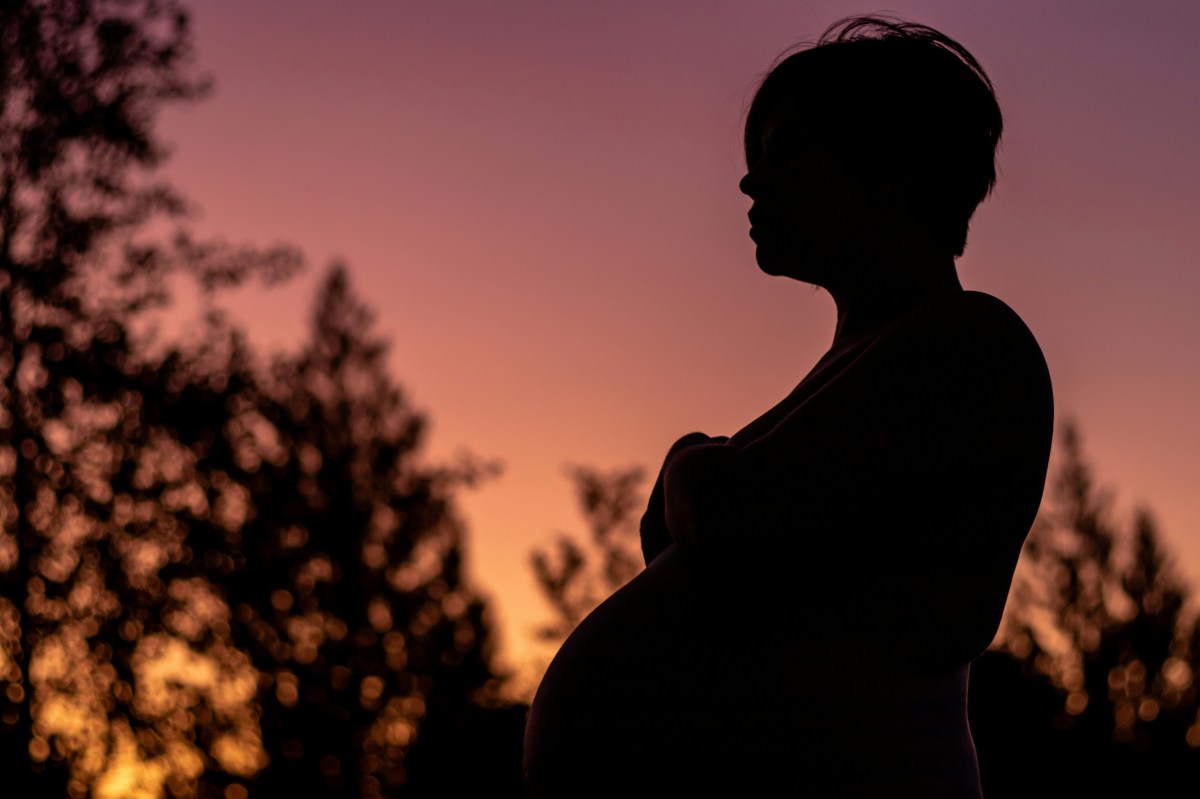
First time mom nerves about motherhood + pregnancy joy (belly talks, flutters). Honest story of life before kids freedom → Lake Michigan beach adventures with 6yo + 2yo sister. Motherhood trade-offs worth every goodbye.
Keep reading
 Practical Homesteading