Yes, I’ve outgrown my pre-kids habit of Gilmore Girls marathons on quiet evenings.
My Pre-Kids Gilmore Girls Habit Back then, entire Saturdays disappeared into couch time with coffee and comfort shows. It filled the silence when my days felt empty. But I’d always surface feeling guilty—wanting more from my time but stuck in the cycle of TV marathons to beach days.
Motherhood’s Homestead Mom Journey My son (and later daughter) arrived and rewrote my busy mom routine. Beach walks replaced Netflix queues—we’d chase waves and hunt seashells, sandy toes and all. Late-night binging became kitchen nights—flour-dusted noses, kneading pasta dough together while singing silly songs. Quiet alone time transformed into side-by-side seed starting, their tiny fingers pushing basil seeds into soil, then cheering their first sprouts.
Seed Starting with Kids Changed Everything Now our homestead garden feeds us—those basil pots grew into tomatoes, beans, onions. This motherhood shift brought fresh air through beach walks, creative connection through cooking together, and patience through gardening my children can touch.
No guilt now—just full days growing food, making memories, building our slow living mom rhythm. My pre-kids evenings served their purpose. This hands-on homestead chapter? It’s what my heart was made for.
If you could un-invent something, what would it be?
Those addictive convenience food ads haunt every tired mom—here’s what I’d uninvent instead.
Disclosure: This post contains affiliate links. As an Amazon Associate, I earn from qualifying purchases. Thanks for supporting Practical Homesteading!
Why I’d Uninvent Ultra-Processed Foods as a Busy Homesteading Mom
If I could wave a magic wand and make something disappear, I’d choose the ultra-processed foods that pretend to take care of us while quietly making us sick. Not every packaged shortcut is evil—there’s a place for frozen vegetables and canned beans. But the engineered, addictive ultra-processed foods that hijack our taste buds and leave our bodies exhausted? Those are the ones I’d gladly uninvent.
How Ultra-Processed Foods Target Tired Parents
Just this morning, I scrolled past an ad for a “new, one-of-a-kind food,” all bright colors and bold promises. It didn’t need to list ingredients; the script writes itself: salt to keep you reaching back, sugar to spike then crash your blood, industrial oils, artificial flavors, lab-designed textures ensuring you can’t eat just one.
These products come from test kitchens with tech-gadget precision—except the goal isn’t nourishment, it’s consumption. And most of us, especially tired parents, are the target market.
The Hidden Cost of “Convenience” Foods
What bothers me most is how ultra-processed foods dress up as help. Labels like “fun,” “easy,” “family-sized,” or “better for you” slide into our overfull lives. No time to cook? No energy to plan? Here’s something tasting like comfort for less than good groceries.
The bill comes later: health costs of processed foods show in obesity, type 2 diabetes, chronic disease rates rising alongside ultra-processed food consumption. As a homesteading mom, this hits close—5:30 p.m. with hungry kids orbiting while my brain feels like an empty pantry.
Real Food Parenting: Energy for Family Life
On those nights, ads for magic ready-to-eat solutions feel like mercy. But I know how ultra-processed foods leave me: foggy, irritable, hungrier despite eating more. Real food parenting takes time—chopping vegetables with this knife (affiliate) after using this honing steel (affiliate) to sharpen it, storing ingredients in these glass Pyrex containers (affiliate).
The difference? Energy to play with kids, meaningful talks with my husband. Whole food meals over processed products.
What I’d Replace Ultra-Processed Foods With
If I could uninvent anything, it wouldn’t be every packaged shortcut. I’d erase food-like products designed irresistible first, nourishing last (if at all). I’d trade “new, one-of-a-kind” snacks for old foods our bodies recognize—homestead cooking prioritizing ingredients over inventions.
Until that wand appears, I opt out where possible. I choose real food parenting and whole food meals. I teach my kids food helps us live well—not just keeps us reaching back into the bag.
Discover the five grocery staples that power my homestead kitchen — from flour and coconut oil to yeast and bouillon. Learn how old-fashioned ingredients build modern self-reliance, flavor, and family connection.
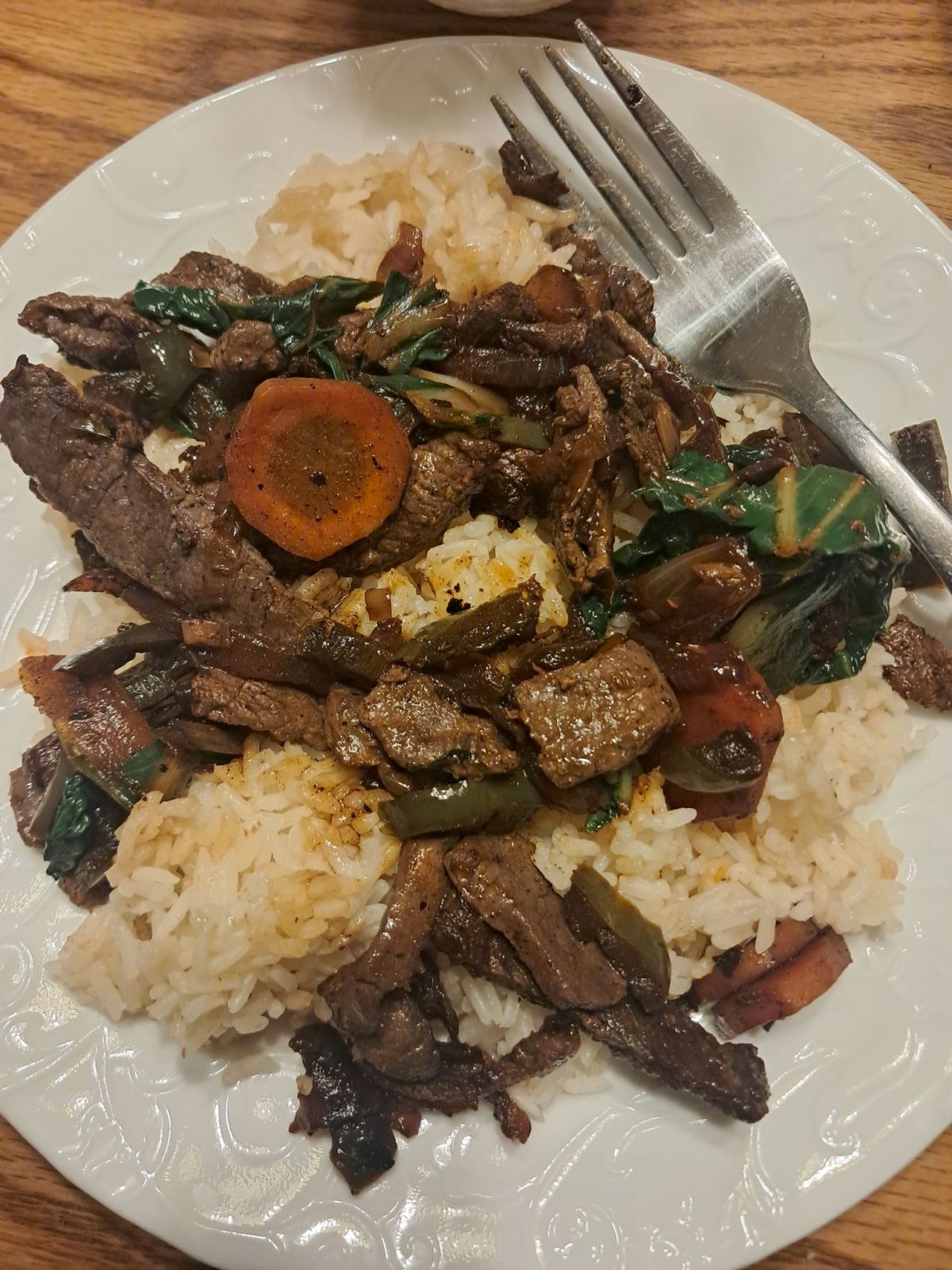
Learn how to turn wild venison into a tender, flavorful stir fry with simple slicing tricks, an overnight marinade, and a hot skillet. A homesteader’s guide to cooking with heart — from field to family table.
Can you share a positive example of where you’ve felt loved?
Disclosure: This post contains affiliate links. As an Amazon Associate, I earn from qualifying purchases. Thanks for supporting Practical Homesteading!
Ever feel like love keeps reaching for you, but some old instinct makes you duck away?
That’s been my story for most of my life, a quiet belief that something was fundamentally wrong with me—something that disqualified me from being truly, deeply loved. When people went out of their way with kindness, whether it was a thoughtful gesture or words meant to affirm me, I found myself almost unable to bear it. I’d deflect with a joke, change the subject, or pull back to what felt like a safer distance, convincing myself I didn’t really need anyone after all. And yet, from that very distance, I’d ache and complain that no one truly cared.
Where the Pattern Began Looking back, I can trace much of this to childhood on our Wisconsin dairy farm. Farming carried relentless stress—long days in the fields, milking cows, haying season pressures that stretched my parents thin. The farm always came first, and while they poured everything into keeping it alive, we six girls learned to need less, do more, and stay out of the way. We never needed words to feel the pressure, but children read rooms like seismographs, absorbing every sigh, every moment of bone-deep tiredness. I internalized that needing anything made me a burden. So I shrank myself: good student, low-maintenance helper, hyper-independent. Better to be useful than to be needy.
That pattern wove into adulthood. My love language became acts of service—cooking, cleaning, organizing, stepping in quietly. It became both how I loved and my shield. Always doing meant never done for, staying safely in control as the helper, never the helped.
When My Children Started to Change Everything Motherhood began unraveling this through hundreds of small moments. When my babies nestled against me, their complete trust felt like a start. But deeper change came as they grew, each finding ways to love me back through acts of service—their tiny mirror of what I’d modeled for them.
My two-year-old adores doing the dishes. She drags a chair to the sink, climbs up purposefully, rag in hand, and tackles plastic bowls and spoons. Counters grow wetter, floor becomes a puddle, but her earnest eyes shine with pride. The old me wants to take over. Instead, I hand her another bowl and say softly, “You’re such a good helper. Thank you.”
My six-year-old is mastering the art of folding laundry. When our daughter arrived, survival mode hit hard. For a while it was simply faster to do everything ourselves. Now that we’re coming out of that season, we’re intentionally pulling him into family contributions, even though it takes more effort and patience from us. He folds t-shirts into neat squares, pairs up socks as best he can. Sometimes I open my drawer to discover one of dad’s underwear tucked in with my things. I gently correct him as I place it in dad’s drawer. Now he proudly asks first, “Mom, is this yours or Dad’s?” Him learning to be involved feels worth it for his well-being in the long run.
Then there are the rocks. He loves bringing me stones that he finds: smooth pebbles, bits of quartz, sometimes just muddy treasures he knows I’ll appreciate. As an environmental professional with a geology background, his rocks land right in the center of my heart. He’ll run up, eyes shining, holding out his find: “Mom, I found this special rock just for you!” I take time to study each one with him, turning it over in my hands before placing it in this clear container where his rock collection resides.
The Moment Love Finally Landed These imperfect acts were their love language, mirroring mine. Rejecting them would mean rejecting their hearts. So I’m practicing receiving: drying toddler plates, keeping laundry stacks as-is, treasuring every rock.
One overwhelmed day, I found my two-year-old at the sink, surrounded by suds and her pile of “clean” bowls. Water dripped from her elbows, face earnest, clearly seeing my exhaustion. No words needed—her effort said, “Mommy’s tired. I’m helping.”
That cracked me open. All my life avoiding burdenhood, here was my toddler seeing me and choosing to lighten my load anyway.
The Homesteading Lesson Love Teaches Love arrived not as overwhelming force, but through soggy dishes, earnest laundry folds, rocks gathered for Mommy—humble acts from small hands noticing my need. My lived-in home holds these lessons.
My children teach me love shows in ordinary service. When I receive without fixing, I rewrite “burden” as “belonging.” They prove I’m not too much—I’m exactly right for their help, their effort, their love. And teaching my son to contribute builds his confidence for life ahead.
👉 **What’s YOUR love language struggle?** Drop it below! ❤️ Like if toddler “help” melts you too 📲 Share with your fellow working mom **Subscribe for weekly real homesteading + mom life**
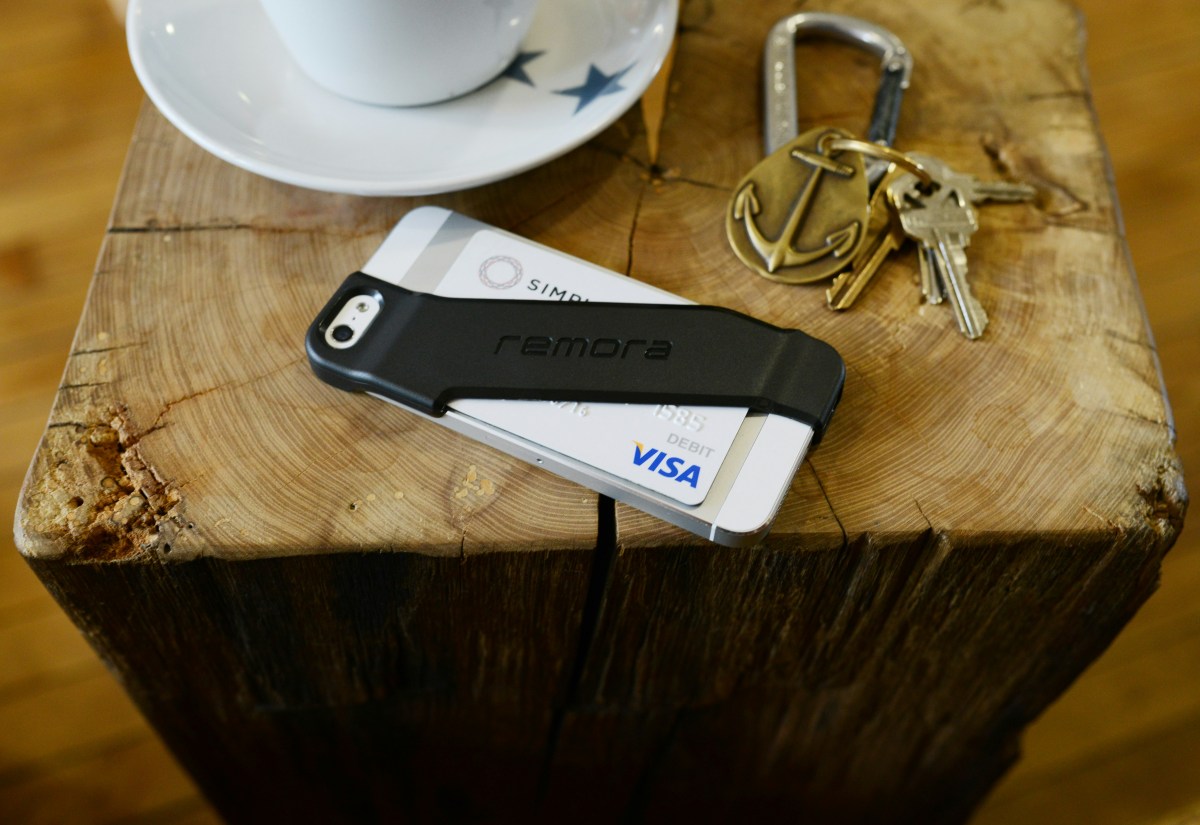
Cell phone, wallet (Kwik Trip 15th visit reward), keys: unglamorous must-haves keeping this rural working mom’s parenting, work, and community life running smoothly.
Motherhood rewired my reactivity into patience and self-awareness. From tough mornings with my 6-year-old to breathing through dysregulation, here’s how it drives real personal growth for busy moms.



 Practical Homesteading