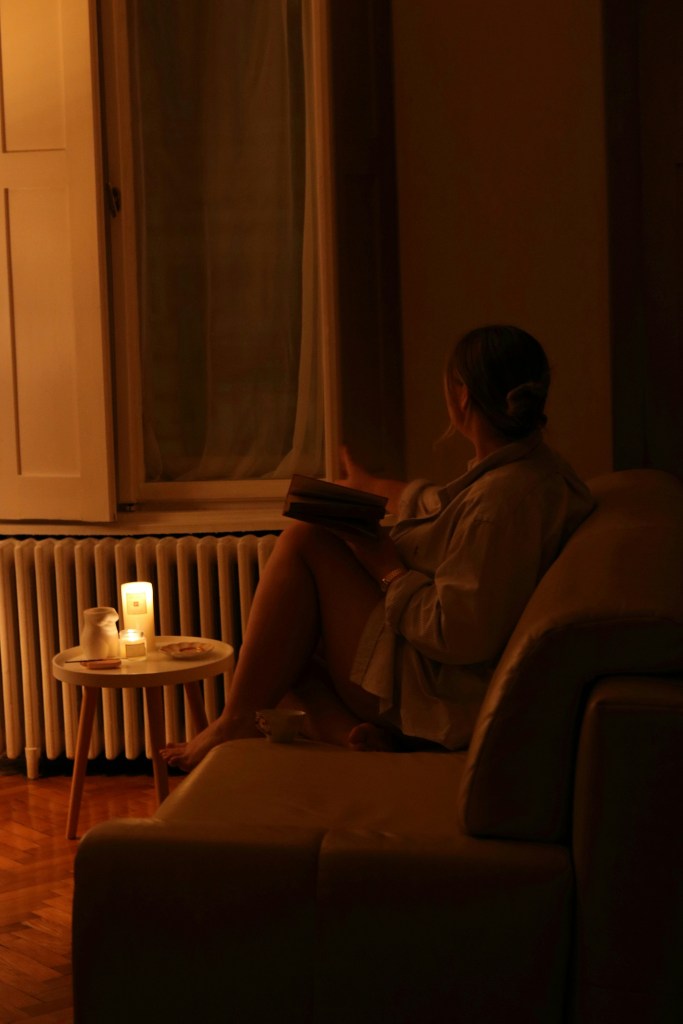
If I could redo college today as a 35‑year‑old woman, I’d walk onto campus with an entirely different posture. At eighteen, I arrived dragging oversized duffel bags and underfed confidence, convinced everyone else had already cracked the code. Their confidence looked natural. Their social circles seemed impenetrable. Their futures felt mapped out while mine was a messy question mark.
Back then, most of my energy went into comparison. I ranked myself on an invisible ladder—grades, clothes, friendships, social ease—and always landed near the bottom. I believed belonging had to be earned through achievement, so I shrank, keeping myself half‑invisible until I felt “good enough.” That mindset left me fragile: a casual comment, a professor’s red pen, even a raised eyebrow could rattle me for weeks.
When stacks of unread textbooks loomed, I froze. Instead of tackling the work, I’d retreat: shutting myself in a dark dorm room, numbing the panic with boxed pizza and back‑to‑back episodes of Law & Order: SVU. What I didn’t understand was that avoidance doesn’t make fear smaller; it makes fear grow. I was too busy surviving to enjoy the very experience I had worked so hard to reach.
It took years—and the perspective of adulthood—to see that nearly everyone was winging it. Even the confident ones had doubts, failures, lonely nights. People are usually too consumed by their own struggles to keep score of mine. Even when they do notice, it’s rarely as deeply as I feared. Realizing that was liberating: I didn’t need to perform for an invisible panel of judges.
I’m also less reactive now. In college, I let my emotions take the wheel—anger when ignored, shame when corrected, hurt when overlooked. I thought every slight needed defense. Life since—jobs, relationships, children—has taught me something quieter: not every battle calls for a rebuttal. Sometimes the strongest response is no response. Space gives perspective, and perspective softens storms. I can see how much peace my younger self might have found if she had just paused to breathe first.
If I had the chance to do those years again, I would build them differently. I’d value connection over perfection: raising my hand, showing up at office hours, lingering at geology field‑trip campfires. I’d take risks—go on the trip, speak up even when my voice shook, walk into friendships with curiosity instead of fear. I would see grades as just a sliver of the picture. The real education hides in courage, in the people you meet, and in the person you slowly become.
The past isn’t rewritable, but hindsight isn’t wasted—it translates forward. What I couldn’t practice at eighteen, I practice now: breaking work into steps instead of freezing, savoring learning for its own sake, pausing before reacting, asking questions without apology. The lessons I missed then return in other classrooms: my workplace, friendships, my failures, and the quiet recoveries after them.
Sometimes I imagine sitting on that dorm floor again, beside my younger self. I’d hand her a slice of cold pizza and say, gently: You’re fine. You belong here. Stop trying to earn permission. Speak up, stumble a little, say yes. This is not about proving yourself; it’s about becoming yourself.
What I know now is this: school never really ends. We keep learning—resilience, patience, love, and the shape of who we are becoming. That’s the lesson I wish I had known then: growth doesn’t wait for degrees. It happens every day, if you let it.
If you could sit beside your younger self in their most vulnerable moment, what’s the one piece of advice you’d whisper to them? Share your thoughts below, and subscribe to join a group of people who love personal development.
#LifeLessons #CollegeReflections #GrowthMindset #IfIKnewThen #WisdomInHindsight #BecomingYourself
Photo by Christina Bozh on Unsplash
 Practical Homesteading
Leave a comment