If you care for animals, you soon learn that joy and heartbreak are neighbors—arriving together, sometimes within the span of a single sunrise. I didn’t set out to be a caretaker, but each creature has reshaped me, leaving lessons that linger long after the shed doors close.
Learning Detachment
My childhood on a dairy farm should have prepared me. At thirteen, my dad put me in charge of forty steers: mixing feed, cleaning manure, hauling hay, filling troughs before and after school. But my attention drifted to academic decathlons and late-night phone calls—not the hushed coughs that warned of pneumonia. When a steer faltered, a flicker of shame brushed me, but I turned away. I told myself I didn’t care. Only later did I understand that indifference can mask inexperience, and neglect leaves its own quiet scars.
Striving for Connection
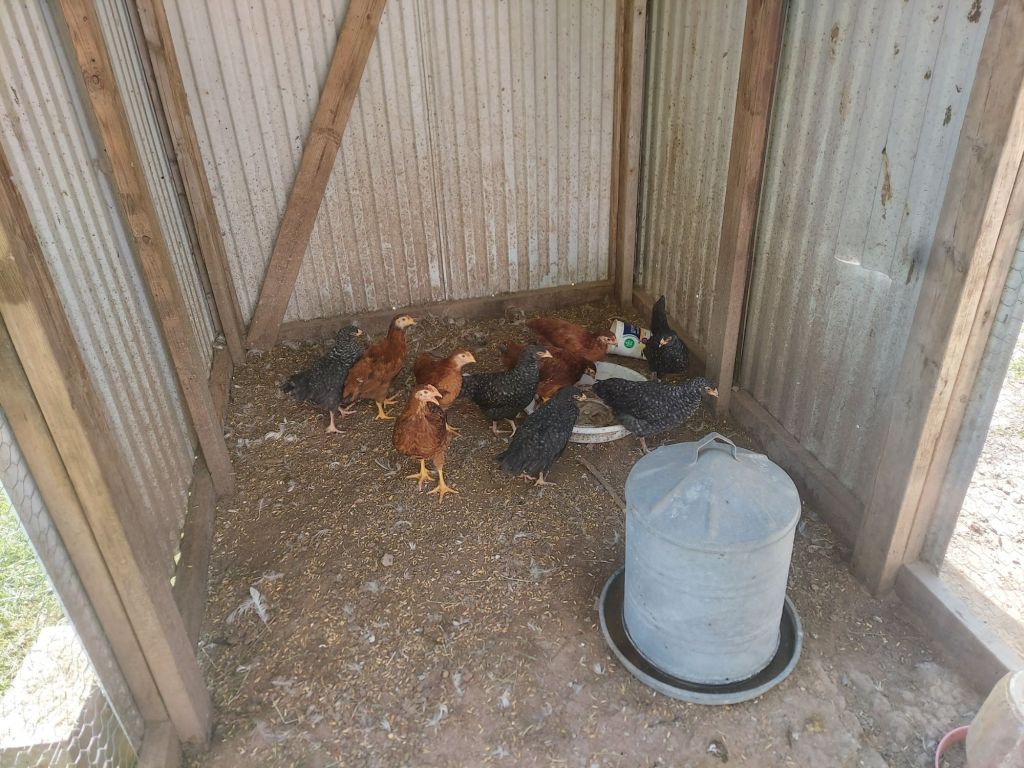
Years later, with my own patch of land and a child tugging at my pant leg, I longed for a different kind of stewardship. We began with nine day-old chicks, their peeps filling our spare room like tiny bells. My toddler giggled at the flurry of wings; for the first time, joy in its most fragile form perched in my hands. When we moved them outdoors—my husband hammering an old wagon into a coop—the morning sun felt like a promise.
Heartbreak Arrives
One promise quickly broke. Eight chicks bounded out of the coop one morning; the ninth staggered on a bloody stump. A predator had found us. We patched the gap too late. I tried: sugar water, bandages, gentle vigil. She died three days later. This time, I grieved without defense. Care had asked much, but no effort could close the wound carved by nature’s merciless hand.
Unintended Consequences
Later, we raised ducks for meat. They foraged happily, splashing in a kiddie pool, while we admired their industry. But their feed in the garage invited rats. In panic, we set poison—quick, thoughtless. The rats vanished. Then the ducklings began to die: one by one, limp in the grass, until only half remained. It took a week before we understood the chain of blame. The poison had claimed what we had sworn to protect. The guilt pressed heavy, undeniable.
Lessons in Vigilance
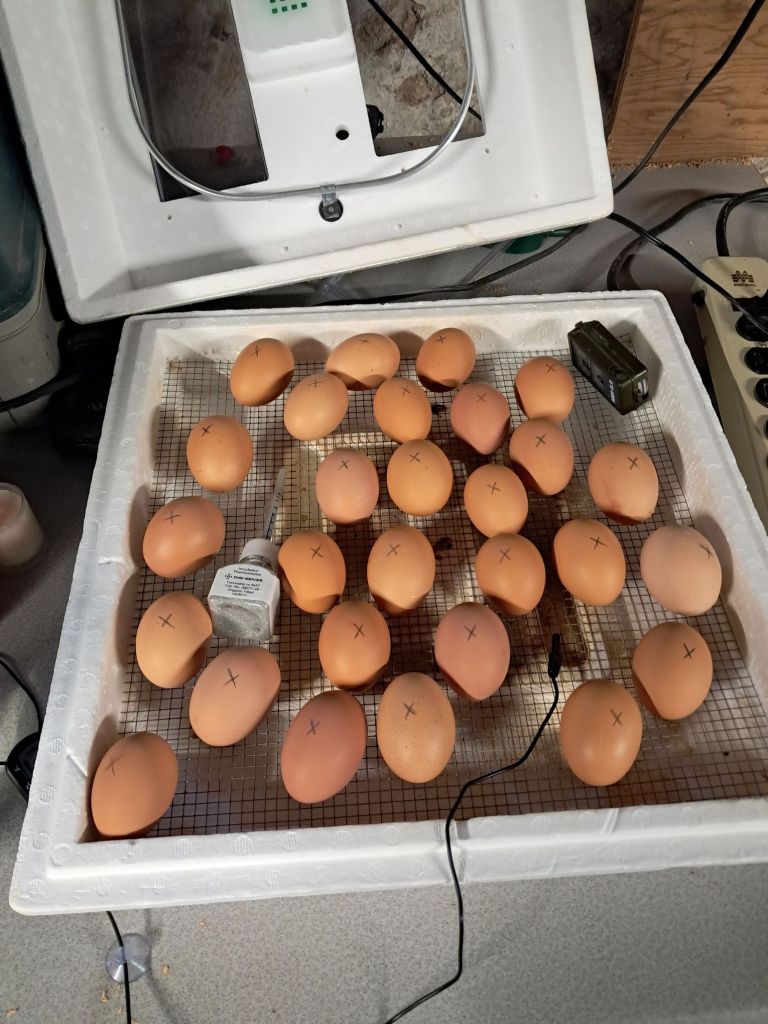
Determined to do better, we tried hatching chicks ourselves. I turned eggs, monitored humidity, listened for those first faint peeps. Watching a shell give way to life felt astonishing. We raised ten. Hope rose again—but fell fast. When we introduced them to the older hens, the flock turned violent. Two chicks dead, others maimed. Predators stole more through the brooder’s too-wide gaps. In the end, only three remained. Each loss was a lesson etched sharper: the wrong introduction, an unchecked rooster, the overlooked design flaw, the midnight raccoon. Vigilance must live in the smallest details.
Reflection and Resolve
After each loss, I replayed choices like a failing reel. Yet the grief, sharp as it was, carved space for humility. I began to see that husbandry is not just routine—it is vigilance, patience, compassion measured against inevitability.
To live with animals is to embrace risk, but also the hope pulsing in each fragile beginning. A chick’s determined cheep. My son’s laughter as wings brush his fingertips. The hush of dusk settling over a flock, the soft shuffle of life carried forward another day.
In those everyday moments, resilience grows—not pristine, not perfect, but alive, despite it all.
Have you ever cared for an animal and found yourself transformed by both the joy and the heartbreak that came with it? Share your story below, and subscribe to join a group of like-minded people.
#AnimalCare #FarmLife #LessonsInResilience #LifeWithAnimals #HeartbreakAndHope #Stewardship #GrowthThroughLoss #RuralReflections
 Practical Homesteading
Leave a comment