
I live just a couple of miles from the largest freshwater cattail marsh in the United States. It’s a vast expanse that shifts with the weather, the seasons, and sometimes, by design. In the mornings and evenings, I hear the call of geese and cranes as they migrate to and from the marsh.
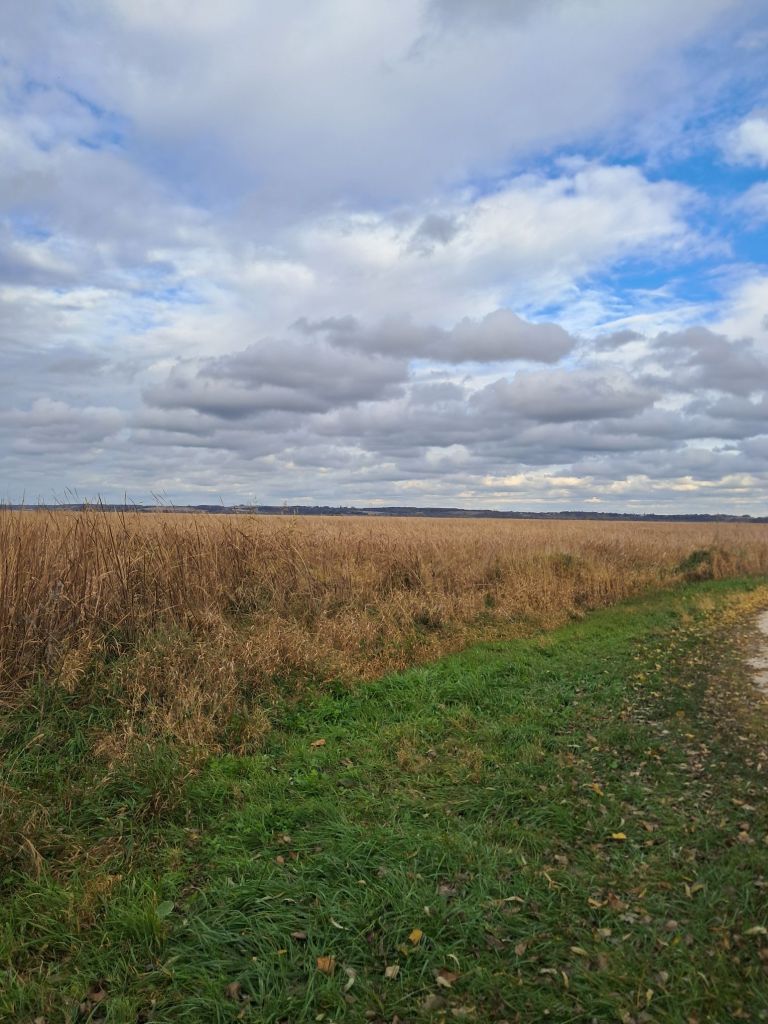

A Living Landscape Shaped by Water and Time
Those voices mark the edge of a world shaped as much by intention as by instinct. This wetland lives by the rhythm of weather and season, and at times, by the gentle design of those who tend it. The water level here is not entirely left to nature. State and federal agencies jointly oversee its management, adjusting the flow through a network of old dikes and channels that date back more than a century.
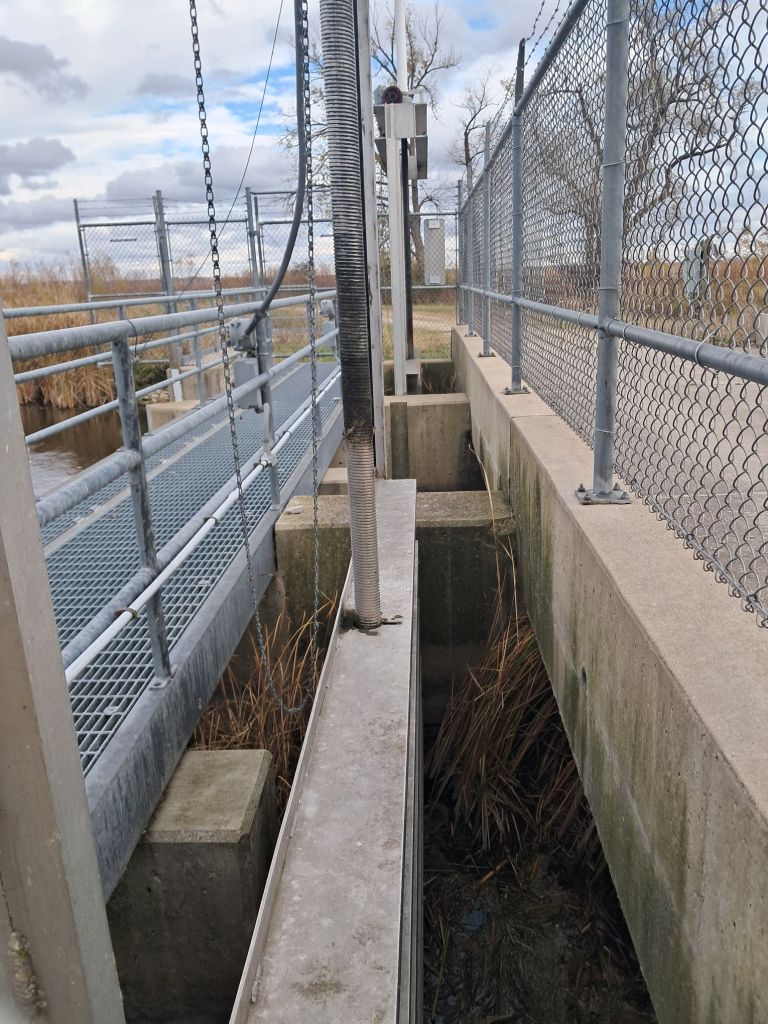
Those structures, once built to drain and reclaim the land for farmland, are now used to preserve it. By opening or closing sluice gates and culverts, managers can mimic the natural rhythm of flooding and retreat. Those small adjustments shape everything from fish spawning to the growth of cattails along the shallows.
The result is a dynamic landscape, alive with movement and sound. In spring, meltwater floods the pools, drawing thousands of migrating waterfowl. Terns, teal, and cranes return to the shallow stretches that glimmer in the sunlight.
By midsummer, the cattails thicken into dense green walls, sheltering red-winged blackbirds, marsh wrens, and bitterns. Autumn brings a shift to rust and ochre. The drying stalks rattle in the wind and the air smells faintly of peat and decay.
When winter comes, ice seals the pools and the marsh rests under a crust of snow, waiting to breathe again when the thaw returns.
When Marshland Was “Wasted Land”
More than a hundred years ago, settlers and local developers viewed these wetlands through a different lens—as wasted land that could be reclaimed. During the early 1900s, drainage projects swept across Wisconsin, promising to turn marshland into productive farmland. They labored through the muck with horse-drawn dredges. Gravel and timbers followed, forming thin roads and channels raised above the water. Their intent was to tame the water—to make way for crops, pasture, and easier travel. But the marsh resisted. Water seeped back through the cracks in their work, reclaiming what it could. Over time, as floods persisted and wildlife declined, attitudes shifted. People began to see that the marsh’s value lay not in what it could yield, but in what it preserved—water, soil, and life.
The Quiet Return of Balance
Today, those old dike roads form the spine of the refuge. They still divide the cattail stands. They also serve as passageways for biologists, birdwatchers, and anyone curious enough to walk into the heart of the wetlands. Driving slowly along them, you can see decades of restoration at work. This is where human effort meets natural rhythm, each shaping the other in quiet negotiation. Each culvert, each measured release of water, is part of a broader effort to keep the ecosystem healthy amid pressures beyond its borders.
Walking the Edge of Intention and Instinct
When I walk those trails, the marsh feels both engineered and wild. The red-winged blackbirds still call from the reeds as they have for generations. Their songs rise over the damp, earthy scent of mud and decaying stems. The cranes drift across the horizon, their calls echoing over the water that now moves by both gravity and intent. It’s a place shaped by design but ruled by natural law—a reminder that stewardship is participation, not control. Living beside this marsh means keeping pace with its rhythm, in a landscape that remembers and endures.
Your Turn
Have you ever visited a place that felt both wild and human-shaped? I’d love to hear about your experiences in the comments.
Keep the Story Going
If places like this move you, please click the like button. Share your own story of restoration. Subscribe for more reflections on the ways nature and people shape each other. Your support helps this space grow and reach others with similar interests.
#CattailMarsh #NatureRestored #WisconsinWildlife #EnvironmentalHistory #MarshlandMagic #EcoStories #BirdWatchingWisconsin #HoriconMarsh
 Practical Homesteading
Leave a comment