The Waste We Don’t See
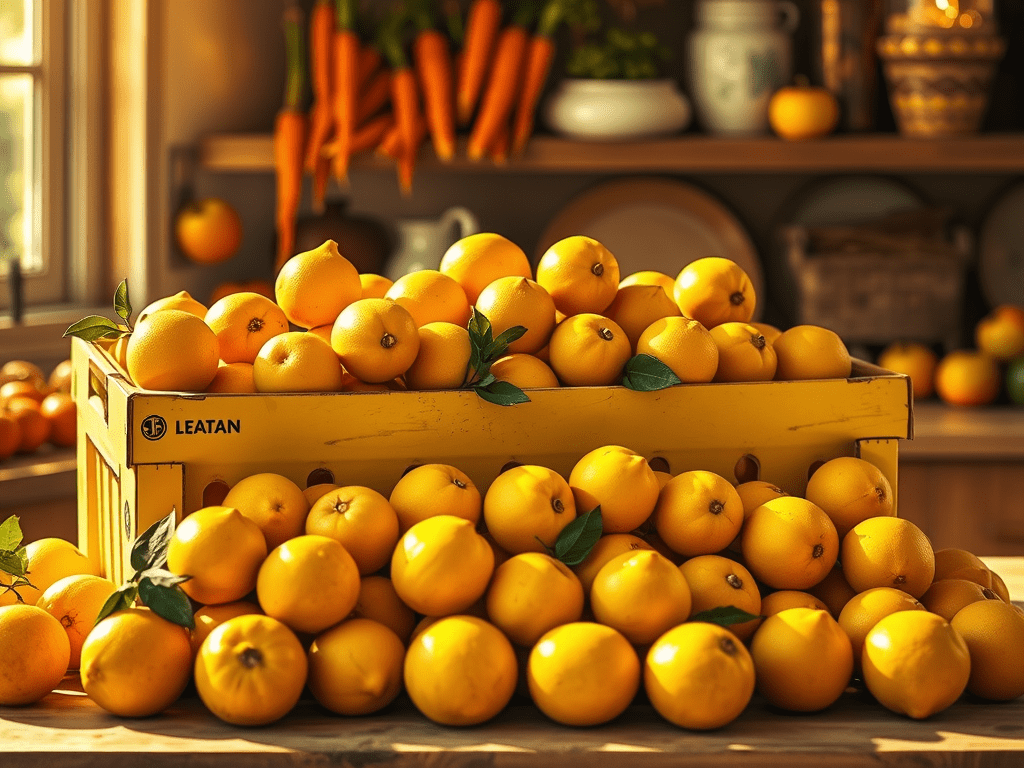
The banana box sat on the counter—fifty lemons, bright as sunrise. Perfectly good fruit headed for the trash. It’s hard to take in the scale of it, but nearly 40 percent of all food in the United States ends up discarded. Almost half of what’s grown, shipped, and stocked here never feeds anyone at all, but instead clogs up landfills.
A Small Farm That Says “No” to Waste
My sister sees boxes like this every week. They’re packed with produce grocery stores can’t sell—carrots too crooked for the shelf, apples with a harmless bruise, greens that wilted before they were bought. So instead of going to a landfill, the food comes to her small farm.
There, everything serves a purpose. Chickens peck at the soft tomatoes. Pigs enjoy the bruised peaches. The things that can’t be eaten become rich compost for next season’s gardens. Watching her sort through those boxes makes you realize how easily abundance can be mistaken for excess. Nothing is truly wasted unless we give up on finding a use for it.
Transforming Lemons into Possibility
Those fifty lemons turned into their own little project for us. We juiced most of them and stored the concentrate in jars for lemonade and marinades. Some zest went into a bright lemon sauce for pasta. The rest became loaves of lemon poppy seed bread, wrapped up and shared with family. What might have been waste became food, memory, and connection.
The Homestead Mindset
That’s one of the quiet lessons of homesteading: learning to see potential where others see loss. A tired head of lettuce is chicken feed. Stale bread becomes breadcrumbs or croutons. Overripe bananas transform into breakfast. Once you find that rhythm of reuse, it stops feeling like work and starts feeling like gratitude.
The best part? You don’t need a farm to think this way. A small compost bin, a backyard garden, or simply paying attention to what’s in your fridge can shift how you handle food. Every time you find a way to reuse, share, or return something to the soil, you chip away at that staggering 40 percent—one meal at a time.
The Bigger Picture
Maybe your fifty lemons look a little different. Maybe they’re cucumbers softening in the crisper or a few jars tucked away and forgotten. Whatever form they take, they’re an invitation to look closer before you throw something away.
Homesteading, at its heart, isn’t about perfection or isolation. It’s about paying attention—seeing worth in what we already have and finding new life in what might have been lost.
So here’s my question to you: What could your fifty lemons become?
Join the Conversation
What’s one way you’ve learned to reduce waste or give new life to something others might discard? Share your ideas in the comments below—I’d love to hear them.
If you enjoyed this story, don’t forget to like, share, and subscribe for more simple living and homesteading reflections.
#HomesteadLiving #ReduceFoodWaste #SustainableLiving #SimpleLife #FromWasteToWorth #ZeroWasteKitchen #MindfulHomestead
 Practical Homesteading
Leave a comment