Category: Food

  • Letter to My 100-Year-Old Self: Homestead + Kids Dreams

    Letter to My 100-Year-Old Self: Homestead + Kids Dreams

    Daily writing prompt
    Write a letter to your 100-year-old self.

    Dear 100-year-old self,

    Right now, our days overflow with three big works. I’m writing this when I’m 36 years old. I hope you’re looking back on this time fondly, with a loving husband, two beautiful young children, and a growing homestead and writing hobby that is starting to bear some fruit.

    Raising Emotionally Intelligent Kids

    I’m working hard to help my children grow into emotionally intelligent, successful people who can easily integrate into society. I’m working internally on myself before I radiate love out to them. All while making sure they pick up their socks and eat their dinner. Will my work be worth it, and will they look back on their childhood fondly?

    Building Our Homestead

    My husband and I are also working on building our homestead. Last year, I learned how to grow mushrooms (the logs are colonized!), and this year we’re learning how to farrow pigs (first litter due Mother’s Day). Things don’t always go smoothly, but every homestead lesson learned is one that we can apply to the next set of skills. Will we continue to build and expand our homestead?

    Growing My Writing Community

    I’m also working hard on a writing hobby. Ever since I was a little girl, I loved to write. My first short story was about a herd of cows that escaped and exacted revenge on their owner (I was 8, and I grew up on a farm). And now I’m sharing homestead stories about my family and my hobbies. And people are listening and writing back! It is amazing to find kindred spirits out in the world. I hope we meet in person someday. Will I become a successful writer and continue building this community?

    Only you can tell me.


    Feature Photo by Saif Taee on Unsplash


    Which of these three works feels hardest right now—kids, homestead, or writing community? Be honest below!

    Loved this letter to my future self? Like + share if you’re wondering about your own 100-year-old dreams! 💌 Tag your homestead bestie below.

    Loved this? Subscribe for weekly homesteading thoughts:

    Read Next: Signed House Contract at Used Car Lot-On our Honeymoon Trip to Alaska

  • Homemade Reuben from Scratch: Sauerkraut to Success

    Homemade Reuben from Scratch: Sauerkraut to Success

    Daily writing prompt
    What is the last thing you learned?

    Mastering a homemade Reuben sandwich from scratch taught me that real learning comes through patient layers—sauerkraut, rye bread, corned beef. Each step built skills I didn’t know I needed.

    From Garden to Ferment

    It started last fall with Megaton hybrid cabbages from our garden. Shredded fine, salted at 2% by weight, packed into our antique Red Wing crock with a water-filled garbage bag seal. Three and a half months later in the basement, it emerged tangy, crisp, golden—pure magic. This homemade sauerkraut became the tangy heart of every bite.

    Curing Corned Beef at Home

    Winter freed up freezer space for a 4-lb sirloin tip roast from Gruenberger Farms. Brined 5-7 days in kosher salt, pink curing salt, brown sugar, and pickling spices (ground + whole), flipped daily at first. Slow-cooked 6 hours low in the crock pot, finished high for tenderness at 195-205°F. Sliced thin against the grain, it was pink, flavorful—worked as well as a brisket for this homestead experiment.

    Rye Bread Reality Check

    Rye dough is sticky and stubborn—no big lift like wheat. Mixed bread flour, rye flour, honey, yeast, olive oil; proofed twice, baked in a steam-trapped roasting pan setup at 425°F. Flatter than ideal, but the hearty tang paired perfectly with no caraway on hand. Homemade rye bread held up under melty Swiss and Thousand Island (store-bought, no shame).

    Reuben Night Triumph

    Twelve sandwiches baked golden on sheet trays: rye, corned beef, sauerkraut, cheese, dressing. Family devoured 10 immediately—only two leftovers by lunch. The kitchen smelled like a deli dream.

    The Real Lesson Learned

    This homemade Reuben quest showed me iteration through failure—soggy ferments avoided, lean cuts perfected, stubborn dough humbled. Homesteading scratches teach that last lesson sticks deepest when you taste the payoff. Garden to plate, one sandwich at a time.


    What’s the last thing you learned making food from scratch? Share below!

    Loved this Reuben quest? Like + share so fellow homesteaders can taste the scratch-made magic! 💚 What’s your latest kitchen win?

    Loved this? Subscribe for more homestead reflections:

    Read Next: Our Biggest Homesteading Challenge: First-Time Pig Farrowing

  • Why I Hate “What Do You Do?” – Homesteader’s Answer

    Why I Hate “What Do You Do?” – Homesteader’s Answer

    Daily writing prompt
    What is one question you hate to be asked? Explain.

    I hate the question “What do you do for a living?” because it shrinks a whole person into one job title. A single answer can’t capture the messy, beautiful layers of real life.

    Why It Feels Reducing

    People ask it as small talk icebreaker—easy, automatic. But I’ve learned the hard way that life isn’t defined by work. Take me: yes, I’m an environmental professional by trade. That’s just my 9-to-5, and I’m very passionate about what I do.

    The rest of me lives as a writer spinning homestead stories, a homesteader pulling winter carrots from frozen soil, a mom wrangling morning meltdowns, and a caretaker tending clucking chickens, strutting turkeys, and pigs rooting through the mud (who will hopefully farrow for the first time around Mother’s Day).

    These homesteading roles shape me equally—maybe more. The question pretends otherwise.

    Who It Leaves Out

    Worse, it sidelines anyone without “traditional employment.” Stay-at-home parents, caregivers, homesteaders, creators between gigs—they get frozen out. Conversation stalls: “Oh, nothing?” as if their days lack value.

    I’ve watched friends flush, stammer, or deflect. Motherhood is full-time labor. Homesteading demands innovation daily. Caretaking livestock like pigs and chickens builds worlds from scratch. Why does a paystub trump that?

    Better Questions Exist

    When cornered, I say: “I protect land by day, grow food and stories by life.” But I’d rather flip it: “What lights you up outside work?” That uncovers the human underneath.

    People are mosaics, not labels. Next time you’re tempted, ask about passions instead.

    Practical Homesteading: growing food, raising kids, building community.


    What’s YOUR most-hated question? Share below! 🔥 I bet we can rewrite the script together!

    If this resonates, like + share so other multi-role makers feel seen! 💕 Tag someone stuck in job-box conversations.

    Loved this? Subscribe for more homestead/mom reflections:

    Read Next: Our Biggest Homesteading Challenge: First-Time Pig Farrowing

  • 10 Unexpected Things I Love About Homesteading Life

    10 Unexpected Things I Love About Homesteading Life

    Before I started, I thought homesteading would mean endless chores and calloused hands. Instead, I’ve discovered these quiet joys that keep me hooked on this life.

    1. Dry toast mornings that actually work
    Recently, I started my 6-year-old son’s day by hugging him for two minutes (and telling him how great it was to see him) instead of rushing him. He ate his plain toast (despite us asking three times if he wanted butter or peanut butter—little monster), and we got to school early enough for playground time. Who knew starting slow could make us faster?

    2. Winter carrots tasting like candy
    Pulled bright orange carrots from frozen ground under snow and straw this past February. The deep cold turns their starches to sugars—they’re sweeter than anything from the store. I’m eating them in a pot roast dinner tonight. Proof that nature knows best.

    3. The taste of fresh mushrooms is incomparable
    I’ve successfully grown oyster mushrooms in a straw substrate, and they are delicious—so much tastier than the button mushrooms you get at the store (and those are good). I started shiitakes last year too, but they haven’t fruited yet (hoping they will this spring).

    4. Kids eating garden “weeds” they hate from stores
    My children turn up their noses at store kale but devour it fresh from our beds. They pull radishes straight from soil and munch like apples. Familiar dirt makes everything taste better.

    5. Fresh air fixing my mood instantly
    Ten minutes outside—picking beans, checking chickens, or just sitting—resets my whole nervous system. No therapy session beats weeding when anxiety creeps in. It’s free medicine growing right in my yard.

    6. Writing turning chaos into clarity
    Hospital stays, morning meltdowns, scar shame—scribbling it all down transforms tangle into meaning. What starts as venting becomes connection when I hit “publish.” This blog is my compost pile for hard emotions.

    7. Self-care mornings making me patient
    A quick workout and solid sleep before the kids wake up changes everything. Instead of snapping at heavy feelings, I can breathe through dysregulation and model it for my kids. The mom who shows up calm handles chaos ten times better.

    8. Crockpot smells everyone loves
    Even in my college dorm, that slow cooker made my floor smell like home. Now it draws my family to the kitchen hours before dinner’s ready. Simple food, big magic.

    9. Small wins building big confidence
    One perfect carrot harvest, one peaceful school drop-off, one good paragraph—they stack up. Each success whispers, “You can do hard things.” Homesteading proves I’m tougher than I think.

    10. Coming home to my roots wiser
    The girl who couldn’t wait to escape Dodge County returned at 33—not out of failure, but choice. I’ve circled back to gardening, animals, community with new eyes. Leaving helped me love it more.

    Practical Homesteading: growing food, raising kids, building community.


    What’s your unexpected love in this lifestyle? Share below—I’d love to hear!


    Loved these homesteading surprises? ❤️ Tap the heart, share with your farm friend, or tell me your unexpected joy below. Your support grows this community!

    Loved this? Subscribe for more homestead reflections:

    Read Next: Century Farm Renovation: Most Ambitious Homestead DIY (2026)

  • How My Pizza Fail Built Homesteading Confidence

    How My Pizza Fail Built Homesteading Confidence

    Daily writing prompt
    How has a failure, or apparent failure, set you up for later success?

    A cooking disaster in my freshman dorm set me up for homesteading success I never expected. One apparent failure became the foundation for kitchen confidence.

    Freshman Year Pizza Disaster

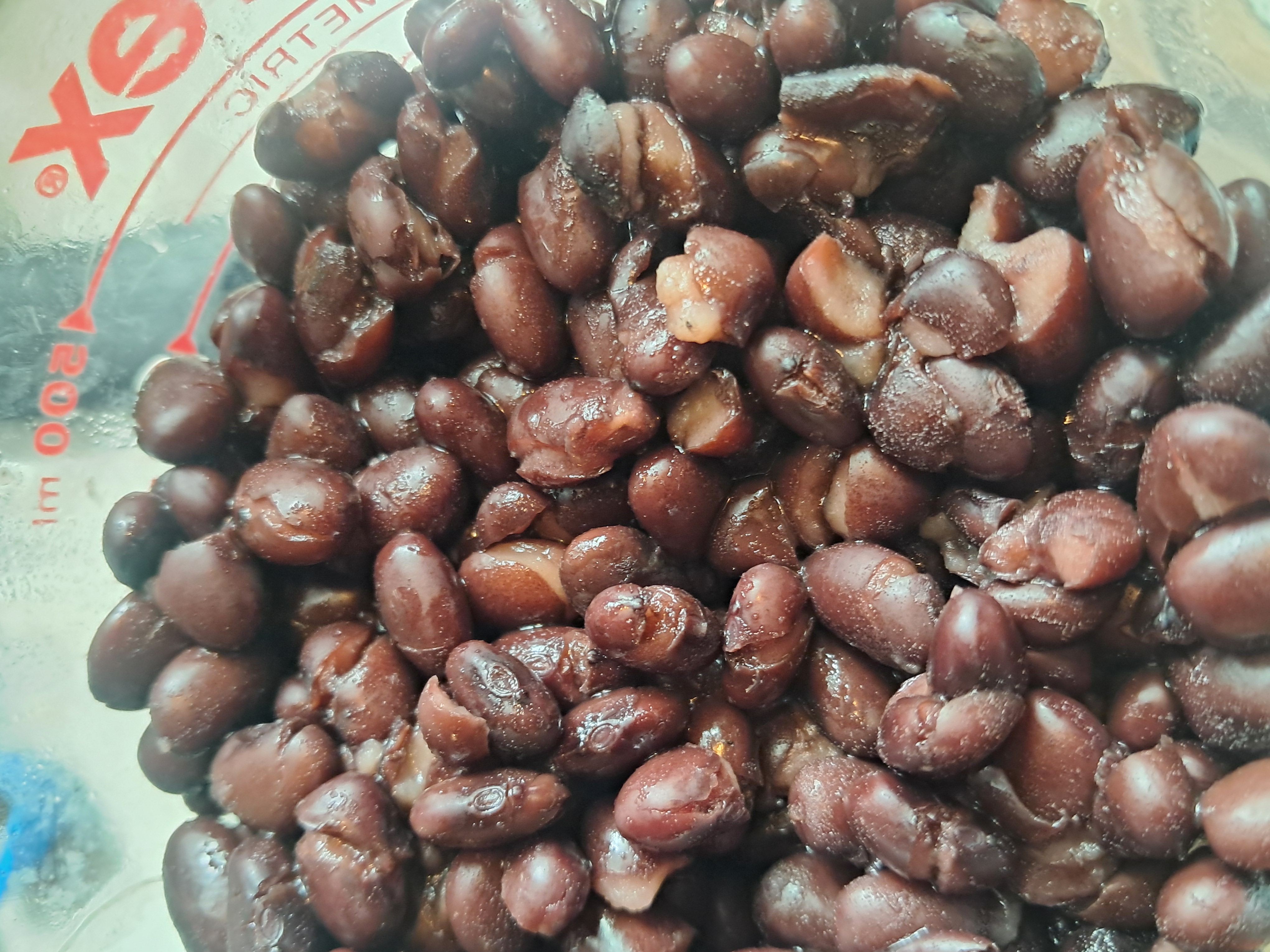
    My first “from-scratch” pizza took three times longer than delivery. The crust was a brick, sauce too acidic, toppings slid everywhere. My future husband politely choked it down. Mortifying.

    That flop taught me two things: failure stings less when shared, and every kitchen mistake teaches something concrete. I started measuring flour properly, tasting as I went. Zucchini bread followed (once ruined by tablespoons of salt instead of teaspoons—inedible).

    Homesteading Kitchen Payoff

    Fast forward to our rural homestead. Now I confidently make:

    • Pizza dough my kids beg for weekly
    • Sourdough from wild yeast I captured
    • Crockpot meals filling our home with irresistible smells
    • Garden sauces from our own tomatoes

    A couple of weeks ago, I pulled winter carrots (candy-sweet from the freeze) for pot roast. No one would guess this calm came from serving weaponized pizza.
    Failure’s Gift: Iteration Over Perfection

    Cooking disasters built my homesteading confidence through kitchen iteration:

    • Mushroom logs fruited after many soggy failures
    • Morning routines work after dozens of meltdowns
    • Patience grew through dysregulation disasters

    Apparent failure = practice reps for real skills. That freshman flop was my first composting lesson: even burnt crust feeds future growth.


    What’s a failure that set YOU up for success? Share below!

    If this pizza-to-homestead arc resonates, like + share so other makers see failure’s power!

    Loved this? Subscribe for more homestead reflections:

    Read Next: Our Biggest Homesteading Challenge: First-Time Pig Farrowing

  • 3 Everyday Essentials This Working Mom Can’t Live Without

    3 Everyday Essentials This Working Mom Can’t Live Without

    Daily writing prompt
    What are three objects you couldn’t live without?

    Honestly, the three objects I couldn’t live without are surprisingly ordinary: my cell phone, my wallet, and my keys. As a working mother in a rural area, they’re not glamorous. But they quietly hold my daily life together, from parenting to work to community.

    My Cell Phone: Brain in My Pocket

    My cell phone is how I stay organized and connected as a working mom. It holds my calendar, reminders, notes, and grocery lists—the invisible scaffolding keeping family life and work from falling apart. It’s how I juggle meetings from home, text my husband about pickup times, message teachers, and look up last-minute recipes when dinner planning slips my mind.

    Living rural, it’s also my lifeline. If the car breaks down, a kid gets sick, or something unexpected happens, that little rectangle becomes my map, flashlight, and emergency contact list all in one.

    My Wallet: Quiet Security for Daily Life

    My wallet isn’t exciting, but it represents security and flexibility for a busy mom. It holds my ID, bank card, maybe a little cash, insurance cards, and a few too many crumpled receipts—the boring but essential pieces of adulthood.

    I always keep my Kwik Rewards card tucked inside for that 15th visit reward. When someone suddenly needs snacks, school supplies, or a quick pharmacy run, my wallet means I can handle it without hesitation. It’s the difference between feeling stuck and responding smoothly to whatever the day throws at us.

    My Keys: Rural Freedom and Independence

    Because we live in a rural area, my keys are completely non-negotiable. They’re my way to get everywhere: school drop-offs, work meetings, grocery runs, appointments, visits with family and friends. No corner store walk or public transit here—if I don’t have my keys, I’m not going anywhere.

    They also symbolize independence as a working mother. Being able to load everyone in the car and just go—to town, the park, a friend’s house—makes rural life workable, even wonderful.

    Everyday Objects That Make Rural Parenting Possible

    There are plenty of sentimental objects I love, but these three form the quiet backbone of my days. Without them, the logistics of working motherhood, parenting, and building community in a rural area would get complicated fast.

    Feature Photo by Blake Wisz on Unsplash


    What’s on your can’t-live-without list? Share in the comments!


    If this rang true for you, please tap the heart ❤️ or share with a friend juggling it all. Your support keeps this community growing!

    Loved this? Subscribe for more homestead reflections:

    Read Next: How Teams + Chickens Power My Work-from-Home Mom Life

  • Perfect Pan-Fried Fish Recipe | Ice Fishing Family Time

    Ice Fishing Brothers and Perfect Pan-Fried Fish

    My husband’s been ice fishing more with his brother lately — and I love it.

    He gets fresh air, laughter, and some friendly competition. And him coming home refreshed with rosy cheeks and a bucket of perch or bluegills (he always brags about outfishing his brother, but I never know what’s true).

    Some of the perch we cook

    Here’s the recipe that makes it all worthwhile — simple homestead cooking at its best:

    Perfect Pan-Fried Fish Recipe (Serves 4)

    Prep time: 10 minutes | Cook time: 10 minutes | Total: 20 minutes

    Ingredients

    • 1–1½ lbs fish fillets (perch, walleye, tilapia, or catfish)
    • Dredge: ⅔ cup flour, ⅓ cup cornmeal, 2 tsp seasoned salt, ½ tsp pepper, ½ tsp garlic powder, ½ tsp onion powder
    • ¼–⅓ inch lard, tallow, or coconut oil (we use lard from our pigs)
    • Lemon wedges + tartar sauce for serving

    Instructions

    1. Prep fish: Cut into ⅛ inch (3mm) pieces. Drain but don’t pat dry.
    2. Mix dredge: Whisk dry ingredients. (My years of tweaking: more cornmeal = better crunch.)
    3. Heat skillet: Cast iron over medium-high until fat shimmers (350°F).
    4. Fry: Dredge fish, fry 3–4 min per side until golden.
    5. Finish: Drain on paper towels, salt while hot. Serve immediately.

    Pro Tips for Crispy Fish

    • Thickness: 3mm pieces cook evenly, never dry.
    • Cornmeal magic: Creates perfect crunch.
    • Hot oil: Sizzles immediately = crisp exterior.

    Serve with: Coleslaw + potatoes, homemade fries, or simple greens.

    Why This Works for Real Families

    Forgiving, fast, uses pantry staples. Whether ice fishing haul or store fillets, it delivers crispy, golden fish kids devour. Using our pig lard makes it true homestead cooking.


    Your Turn to Share

    Pan-fried fish in cast iron? Your dredge secrets? Ice fishing stories? Drop them in comments — and subscribe for more homestead recipes!

    ⭐ **Loved this recipe or ice fishing story?** Tap ❤️, drop a comment with your fish-fry tips, and share with your outdoorsy friends! Your support helps this little homestead kitchen grow. Thank you! 🐟🔥

    Loved this? Subscribe for more reflections on life:

    Read More: Mixtapes, Meltdowns, and Magic: A Family Road Trip to Remember

  • Homemade Bread for Busy Moms: Easy Stand Mixer Loaf

    Homemade Bread for Busy Moms: Easy Stand Mixer Loaf

    Homemade Bread Recipe: Easy Stand Mixer Loaf for Busy Moms

    Nothing beats the smell, warmth, and flavor of freshly baked bread—the perfect side for any dinner. Baking bread at home doesn’t require fancy equipment, just a bowl, measuring spoons, a stand mixer (or strong arms), a loaf pan, and a few pantry staples: flour, yeast, water, salt, and sugar.

    Proofing Yeast (5-Minute Magic)

    I start by proofing the yeast: 1¼ cups of warm water go into my stand mixer bowl with 1 tablespoon of sugar, then I sprinkle in 1 tablespoon of active dry yeast. I gently stir with a fork and wait. After about five minutes, the surface foams with that sweet, earthy yeast smell—like bread meets beer. At that point, I know the yeast is alive and ready.

    Mixing the Easiest Bread Dough

    In a separate bowl, I whisk together 3½ cups of bread flour and 1 teaspoon of salt until evenly mixed, feeling that familiar powdery texture between my fingers. I pour the foamy yeast mixture into the dry ingredients and start mixing with the dough hook on my stand mixer.

    Soon, it comes together into a sticky shaggy dough—not pretty yet, but exactly where it should be.

    I cover the bowl and let the dough rest (autolyse) for about 20 minutes. This lets the flour hydrate and makes the dough much easier to work with. When I uncover it, the transformation begins—shaggy mess to elastic dough ball. It still amazes me every time.

    Kneading + First Rise (Therapy Time)

    The kneading process is fun to watch. At first, the dough resists, but as the mixer works (or your hands knead), it slowly becomes smooth and supple, yielding to pressure and then springing back. After about 8–10 minutes of kneading, it’s ready for the first rise.

    I leave the dough in the bowl, cover it, and let it rise for about an hour, until it has doubled in size.

    While I wait, I prep my loaf pan with a thin layer of lard and flour for a natural nonstick surface—no special sprays or chemical coatings needed.

    Shaping + Final Rise (Roasting Pan Hack)

    After the first rise, I gently deflate the dough and turn it out onto a lightly floured surface. To shape the loaf, I stretch the top surface to create tension, pinch the bottom seam together, and roll it into a tight cylinder until I’m happy with the shape.

    Then I place the shaped loaf into the prepared loaf pan. Here’s my busy mom hack: I set that loaf pan inside a medium-size roasting pan with a lid. I cover the roasting pan and let the dough rise again until it just crests above the edge of the loaf pan. This setup creates a Dutch-oven-style environment without needing to preheat a heavy Dutch oven.

    Baking Perfect Bread Crumb

    While the dough finishes its second rise, I preheat the oven to 425°F.

    When the oven is ready, I slide the covered roasting pan (with the loaf pan inside) into the oven. The lid traps steam and helps the bread rise beautifully. I bake it covered for 25 minutes, then carefully remove the lid and bake for another 10 minutes, until the top is deeply golden.

    The kitchen fills with that irresistible fresh bread aroma. Through the oven window, I watch the crust caramelize as the steam inside gives the loaf that gorgeous oven spring.

    Cutting Fresh Bread (Patience Test)

    This is the hardest part: waiting. I resist cutting the bread right away. The crust crackles softly as it cools, and I take that as my signal. Cutting too soon can squish the loaf and collapse the airy interior.

    Once it’s cooled just enough, I slice into the loaf with a bread knife. Steam rushes out, and I see a soft, well-aerated crumb—those lovely little holes all the way through. A pat of butter melts on contact. Crunchy crust meets soft, tender interior. Simple, homestead perfection.


    What’s your favorite way to eat fresh bread? As a dinner side, French toast, toast with jam?
    ❤️ Like if you can almost smell it through the screen.
    📲 Share with a busy friend who’s always wanted to try baking bread.
    💬 Comment your go-to topping: butter, honey, jam, or all of the above?

  • Why I’d Change Food Safety Laws: The Homestead Pork Processing Cost Crisis

    Why I’d Change Food Safety Laws: The Homestead Pork Processing Cost Crisis

    Daily writing prompt
    If you had the power to change one law, what would it be and why?

    Why I Would Change Food Safety Laws for Homesteaders and Small Farms

    I would change food safety laws—not to make food less safe, but to make them more personal, local, and community-centered for homesteaders and small farms who want to sell direct to their neighbors.

    Current food safety regulations overwhelmingly favor industrial giants over small-scale farmers. They’re built around the assumption that all our food comes from nameless corporations and massive processing plants located hundreds of miles away, placing all trust and responsibility out there with distant regulators. The practical result? It’s dramatically easier for a huge company to manufacture and distribute shelf-stable, ultra-processed food across the entire nation than it is for the family down the road to legally sell you homegrown pork or a backyard chicken they raised themselves with care.

    The Homestead Processing Cost Barrier

    Here’s our homestead reality: My family raises our own pigs right here on our land, pouring love and quality feed into every animal. But when it comes time to process them, the USDA processing costs make our homestead pork 3x more expensive per pound than the stuff at the grocery store. Those mandatory, government-inspected facilities charge small-batch farmers like us up to 3x higher per pound because we can’t meet their high-volume minimums. Cross one state line or trigger one additional regulation, and suddenly small farms like ours simply can’t compete with factory-farmed bacon that’s been shipped cross-country. The current system prioritizes industrial food safety over practical direct-to-consumer meat options that build real relationships.

    Why Food Safety Regulations Exist

    I completely understand why these food safety regulations exist in the first place—I read The Jungle by Upton Sinclair. The book exposed absolutely horrifying conditions in early 20th-century meatpacking plants: rats running through meat, workers falling into rendering tanks, sawdust and chemicals covering everything. Those food safety laws that followed genuinely saved countless lives and cleaned up a dangerous industry. But in the century since, ordinary people have gradually offloaded personal food safety responsibility onto those same labels, USDA stamps, and distant inspectors. We’ve largely forgotten the common-sense skills our grandparents used to judge food quality ourselves—smell, sight, source.

    Modern Food Safety Failures

    Even with all these regulations, industrial food safety still fails spectacularly and regularly. Meat recalls, produce outbreaks, and contamination in shelf-stable items make headlines every single year—the CDC tracks 128,000 salmonella cases annually, with the vast majority tied to conventional industrial sources, not local farms. This proves knowing your food source matters more than ever, especially when “regulated” supply chains break down. Plus, fresher local food simply tastes better—don’t believe me? Crack open a factory-raised egg next to one from pasture-raised chickens allowed outside to eat grass and bugs. The deep orange yolk color, richer flavor, and firmer texture in the local egg will convince anyone on the spot.

    My Food Law Change for Small Farms

    If I could change one law, I’d create tiered food safety regulations: light-touch rules for small-scale direct sales (under 1,000 lbs/year, strictly on-farm or direct-to-consumer only) paired with mandatory honest labeling and full transparency, while keeping strict oversight for anything headed to commercial scale. This isn’t either/or—keep industrial options for convenience, unlock local for those ready. This would finally enable practical local meat processing, community butchering days where neighbors share skills and tools, and simple backyard chicken sales—without the slippery slope of scale creep into larger operations.

    Not reckless at allconsumer choice plus farm transparency (visit anytime, ask questions, see living conditions firsthand) beats blind trust in a logo every time. Custom-exempt processors already work extremely safely for personal use; we just need to thoughtfully extend that proven model.

    Reclaim Food Freedom and Community

    With smarter food safety laws, homesteaders could finally save real money by skipping expensive middlemen and mandatory big-facility processing. Families would reclaim food sovereignty through hands-on knowledge, kids would actually see where food comes from instead of just trusting packaging, and entire communities would grow stronger around this shared, meaningful work—swapping time-tested recipes, teaching traditional skills, and caring for the land in hands-on ways our great-grandparents took for granted.

    Safety comes from knowing your farmer personally, combined with those great-grandparents’ practical skills and smart, tiered rules. Better food regulations would deliver healthier eating, stronger communities, and the local food freedom we’ve quietly lost over generations.

    Feature Photo by engin akyurt on Unsplash


    Want to dive deeper? Read The Omnivore’s Dilemma by Michael Pollan—it brilliantly unpacks exactly these tensions in modern food systems.

    If this resonates with your homesteading journey, like + share to help other families reclaim their food freedom! What food law would YOU change? Drop it in the comments! 👇

    Loved this? Subscribe for weekly homesteading tips:

    Read Next: What I’d Uninvent: Addictive Convenience Foods Working Moms Hate

  • Easy Homemade Dumplings: A Kid‑Friendly Family Recipe with Garden Fresh Veggies

    Easy Homemade Dumplings: A Kid‑Friendly Family Recipe with Garden Fresh Veggies

    Earlier this week, I shared how Chinese‑inspired dumplings have become one of our family’s favorite dishes to make together.

    Today, I’m sharing the practical side—the ingredients, the process, and a few kid‑friendly tips that keep it fun instead of fussy.

    These dumplings aren’t about perfection or authenticity. They’re about slowing down, folding stories into dough, and turning a simple meal into a memory.


    The Dough

    Simple on purpose. This is a forgiving dough—perfect for little helpers.

    You’ll need:

    • 2⅓ cups all‑purpose flour
    • ¾ cup hot water

    How we do it:

    1. Mix flour and water until the dough looks shaggy.
    2. Let it rest 5 minutes so the flour can hydrate.
    3. Knead until tacky but not sticky—about 10 minutes—then cover and let rest for 30–60 minutes.

    Tip: Let kids feel the dough at each stage—it teaches patience and awareness in the kitchen.


    The Filling

    Flexible and flavorful. We rarely make the same mix twice!

    Base recipe:

    • ½ lb ground beef (or pork, turkey, or tofu—whatever’s handy)
    • ¼ cup chicken stock (adds moisture and creaminess to the mixture)
    • 1 Tbsp soy sauce
    • 1 Tbsp dry sherry or rice wine
    • 2 tsp powdered or 1 Tbsp fresh ginger
    • 1 tsp salt
    • ¼ tsp black pepper
    • About 2 cups finely chopped vegetables (onion, bok choy, cabbage, carrot, or mushrooms)

    Combine everything in a food processor or large bowl. Cover and refrigerate until ready to use.


    Shaping the Dumplings

    Divide the dough into thirds. Roll each third into a thin sheet—about ⅛ inch (3 mm) thick. Use a round cutter (or the top of a cup) to stamp circles.

    Add a spoonful of filling to the center of each, fold, and pinch to seal.

    We use a handheld crimper that seals on one side while cutting on the other—perfect for small hands.

    The folds may look rustic, but that’s part of their charm.


    Steaming

    Line a bamboo steamer with cabbage leaves or perforated parchment paper. Place dumplings about an inch apart so they don’t stick together.

    Set the steamer over a skillet or wok with about a quart (1 L) of boiling water. Steam 8–10 minutes, until the wrappers turn slightly translucent.

    Your kitchen will smell wonderfully savory—earthy, gingery, and faintly sweet.


    The Sauce

    Minimal effort, maximum flavor.

    Our usual combo:

    • 2 Tbsp soy sauce
    • 2 Tbsp black vinegar
    • 1 tsp sesame oil
    • A pinch of toasted sesame seeds

    Mix and serve in small bowls for dipping.


    Kid‑Friendly and Community‑Friendly Tips

    • Make it social. Invite a neighbor or friend to join the folding line; conversations rise like steam.
    • Keep it relaxed. Expect sticky fingers and imperfect folds—they’re evidence of fun, not failure.
    • Garden‑to‑table joy. Use homegrown bok choy or green onions if you can—they add freshness and pride.
    • Double the batch. Cooked leftovers freeze perfectly, and neighbors never say no to take‑home dumplings.

    Serving

    Serve the dumplings hot with dipping sauces and steamed vegetables on the side. We usually eat them family‑style, with the bamboo steamer set in the middle of the table while someone inevitably steals the last one.

    Enjoy with people who understand that food, like love, multiplies when it’s shared. Every fold and laugh at the table keeps us growing—food, kids, and community all together.


    FTC Affiliate Disclosure

    This post contains affiliate links, which means I may earn a small commission—at no extra cost to you—if you purchase through those links. I only share tools and products that we actually use and love in our kitchen.


    Gentle Call to Action

    💚 If this recipe made you hungry (or inspired you to try folding a few of your own), share this post with a friend who loves to cook, or subscribe below so you don’t miss more community‑minded recipes straight from our kitchen and garden.

    Feature Photo by Sam Lu on Unsplash


    💚 If you loved this recipe, share it with friends or family who love cooking together.

    Subscribe below for more garden‑to‑table recipes and community‑building ideas straight from our kitchen.

    👉 Missed the story behind these dumplings? Read Folding Dumplings, Building Connection here.