Month: July 2026

  • Why the Library Is One of Our Favorite Places (And Not Just for Books)

    Why the Library Is One of Our Favorite Places (And Not Just for Books)

    When I think about places that quietly shape our family life, the library is near the top of the list. It’s easy to overlook—a brick building on a corner, a place you “mean to visit more often.” But for us, it’s one of the sweetest gifts our community offers.

    It’s where we go to learn, to rest, to play, and to remember that we’re part of something bigger than our own four walls.


    More Than Shelves of Books

    On the surface, the library is about shelves: picture books, novels, cookbooks, gardening guides, and everything in between. But when you look a little closer, you realize it’s about access and abundance.

    With one library card, you can:

    • Bring home stacks of books without worrying about the price tag.
    • Try new authors and topics without committing to buying anything.
    • Follow curiosities—history, homesteading, parenting, faith, crafts—one checkout at a time.

    For families trying to live simply and steward resources well, that kind of shared abundance is a gift. For our family, the local library fits us beautifully.


    Movies, Equipment, and Children’s Toys

    Another perk of my local library (and many others) is that they offer free or very low‑cost movie rentals. They carry everything from new releases to classics to some of the best movies ever made.

    Many libraries also lend out equipment and games. At ours, we’ve:

    • Borrowed board games for family game nights.
    • Checked out a portable Bluetooth speaker I wanted to test before buying one.

    Depending on your library, you might also find:

    • Simple tools like stud finders or power meters.
    • Tech items such as hotspots, tablets, laptops, or projectors.
    • Craft or STEM kits for kids.
    • Puzzles or outdoor yard games.

    All of these can be tried without a big upfront cost, which is a huge help when you’re living on a budget or just don’t want to own everything you use occasionally.

    In addition, my children absolutely love to go to the children’s section and either play computer games (my 6‑year‑old son adores a mechanics game where he designs systems that make things work and solve problems), or play with the wooden train set and other toys we don’t have at home.


    Passes, Perks, and Everyday Adventures

    One of my favorite “hidden” features of our local library is how it opens doors around town without adding to our budget.

    Depending on where you live, your library might offer:

    • Passes to local pools and attractions you can borrow like books.
    • Discounts on souvenirs or gift shop items at partner museums or zoos.
    • Free or reduced parking when you visit certain places with a library‑issued pass.

    These little perks turn “maybe someday” outings into real possibilities. Before we buy tickets or plan a special day, we’ve learned to ask: “Does the library have a pass or a partnership for this?” Sometimes the answer is yes—and the savings are substantial.


    Lego Days, Summer Programs, and a Monthly Book Club

    Our library isn’t just about quiet reading; it’s also about community and play.

    A few favorites in our area are:

    • Lego days. Tables covered in bricks, kids of all ages building side by side, imaginations running wild. It’s simple, noisy, and wonderfully free. We walk in with empty hands and walk out with tired, happy kids and a few new book titles to explore.
    • Summer reading program, with special library events organized around a central theme. This year at my local library, they’re celebrating America’s 250th birthday with events like “Party Like It’s 1776” and “Eat Like It’s 1776,” where my son had an absolute blast making homemade butter in a plastic cup with a lid. There are prizes for meeting reading goals (free ice cream, tickets to local attractions, trinkets), and there’s even a program for the adults.
    • A monthly book club. Adults (and sometimes older teens) gather to talk about a book they’ve all read—sharing perspectives, hearing different viewpoints, and making connections across ages and backgrounds. It’s an easy way to keep reading stretching us, not just entertaining us.

    These aren’t just events; they’re regular rhythms that help us feel anchored in our community. Not every library will have these exact events, but many have their own version—craft days, story times, clubs, or seasonal celebrations.


    How the Library Supports Simple Living and Homesteading

    For those of us who garden, homestead, or love rural life, the library can quietly support that, too.

    You might find:

    • Gardening books that help you plan your beds or troubleshoot pests.
    • Cookbooks and preserving guides that walk through canning, freezing, and fermenting.
    • DIY and skills guides—sewing, carpentry, herbal remedies, simple repairs.

    Instead of buying every book you’re curious about, you can borrow, learn, and then decide which ones you truly want to own. It keeps clutter and costs down while still feeding your brain and your skills.


    Teaching Kids to Love Shared Spaces

    The library is also a gentle way to teach kids that some things belong to all of us.

    Every visit is a chance to practice:

    • Using quiet voices when needed.
    • Walking even when they’re excited.
    • Putting books and toys back where they belong.
    • Being considerate of other kids and adults who are sharing the space.

    We can explain that the books, bricks, passes, and programs don’t live at our house—they’re part of a shared resource that we help care for. When we’re done enjoying them, we send them back so someone else can enjoy them too. It’s a small but meaningful way to plant seeds of community‑mindedness and respect.


    Making the Library Part of Your Family Rhythm

    You don’t have to turn the library into a big production. Sometimes the best approach is simple and steady.

    Ideas to try:

    • A weekly “library day” with a special snack afterward.
    • Letting each child choose a set number of books—one purely for fun, one about something they’re curious about.
    • Checking the library calendar at the start of each month and circling Lego days, book clubs, and seasonal events.

    Over time, these small routines add up. The library becomes not just a place you visit, but a regular part of your family’s story.


    A Small Thank‑You to the People Behind the Desk

    Behind all the books and programs are real people: librarians and staff who know the collection, plan events, and quietly help families and individuals find what they need.

    They:

    • Recommend titles based on a few hesitant questions.
    • Register kids for Lego days and summer reading programs.
    • Help track down that one book that’s “about trees” or “had a blue cover.”

    They keep the whole operation running, often with limited budgets and a lot of heart.

    If you’re reading this and love your library too, maybe this can be a gentle nudge: the next time you’re there, consider saying a simple “thank you” to the person who helped you—or sending a short note of appreciation.


    If your family uses the library, I’d love to hear: what’s one program, perk, or little ritual that makes it special for you?


    If this post gave you new ideas or reminded you how much your own library offers, would you share it with a friend or fellow parent? Your shares and comments help these stories reach more families—and more librarians who deserve a thank you.”

    Read Next: Simple Summer Fun that Doesn’t Break the Budget

  • Simple Summer Fun That Doesn’t Break the Budget

    Simple Summer Fun That Doesn’t Break the Budget

    Summer goes fast, especially with kids. The kids are off school, the days are long, and the temptation to spend big on activities is everywhere. Big trips can be wonderful, but they’re not the only way to give kids a great summer. Some of the best memories don’t require plane tickets, pricey passes, or a suitcase—just a little creativity, some local resources, and a willingness to enjoy what you already have.

    Here are a few ways to save money while still having a genuinely fun summer with your kids.


    Turn Your Yard Into “Casa de Backyarda”

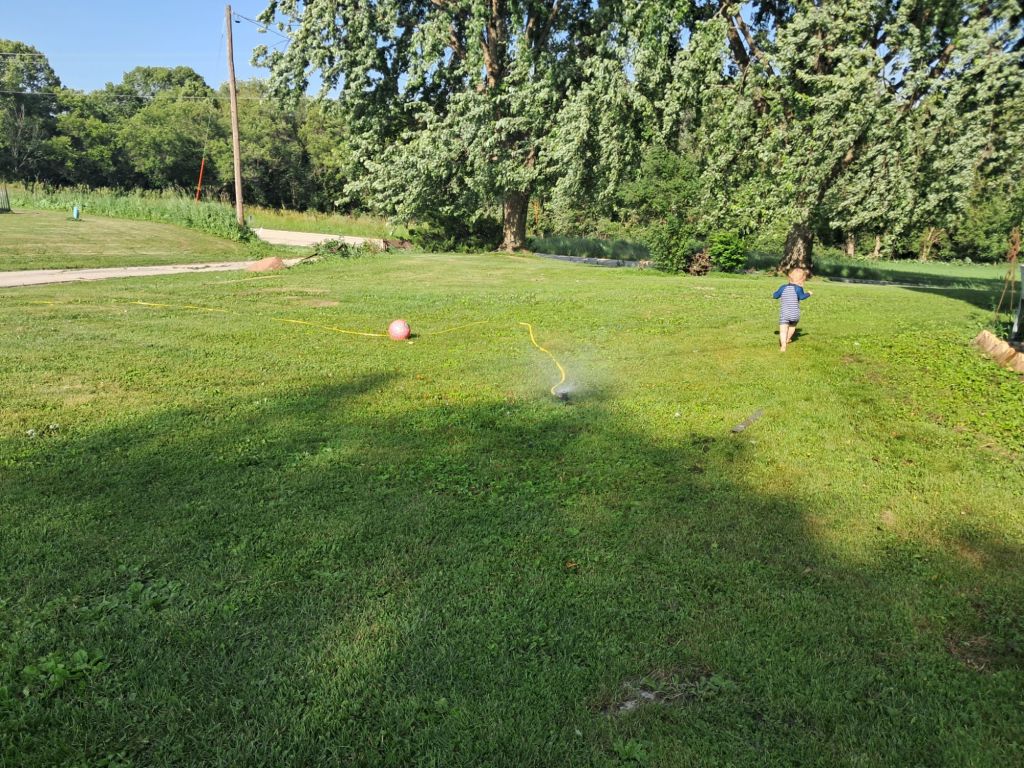
    You don’t need a fancy inflatable water park to make the backyard magical. Sometimes all it takes is a hose and a simple sprinkler.

    In our house, we call it “Casa de Backyarda.” When the weather heats up, we:

    • Set up a basic sprinkler in the yard.
    • Add a few extras—a plastic kiddie pool, buckets, or cups for pouring water.
    • Let the kids run, jump, and invent their own games.

    Pair it with popsicles, bubbles, a simple little picnic on a blanket, or a “no shoes” rule, and suddenly you’ve got a full afternoon of fun for the cost of water and whatever you already own. It’s low-stress, low-prep, and high joy.


    Make the Most of Your Local Library

    Your local library can be a quiet powerhouse for summer fun and savings. Many libraries offer far more than books and story time.

    Depending on your library system, you may find:

    • Passes you can borrow for local pools, museums, zoos, and other attractions.
    • Discounts on souvenirs or gift shop purchases at partner locations.
    • Free or reduced parking when you visit certain spots with a library‑issued pass.
    • Summer reading programs with small rewards, events, and special activity days.
    • Free equipment rentals (such as Bluetooth speakers) which really amp up the vibe of any activity.

    Not every library has every perk, but it’s worth checking what your local system offers—you might be surprised. A simple habit: before you buy tickets or plan an outing, check what your library offers. Sometimes all it takes is a library card and a bit of planning ahead to turn a “maybe too expensive” activity into something doable.


    Camping as a Main Summer Trip

    You don’t have to fly across the country to have a memorable family vacation. A simple camping trip can be both an adventure and a major cost saver.

    When camping is your main trip for the summer, you often get to:

    • Save on lodging. Campsites are usually much cheaper than hotels or rentals.
    • Spend more time outdoors—hiking, swimming, stargazing, cooking over a fire.
    • Build traditions around campfire stories, card games, and simple meals.

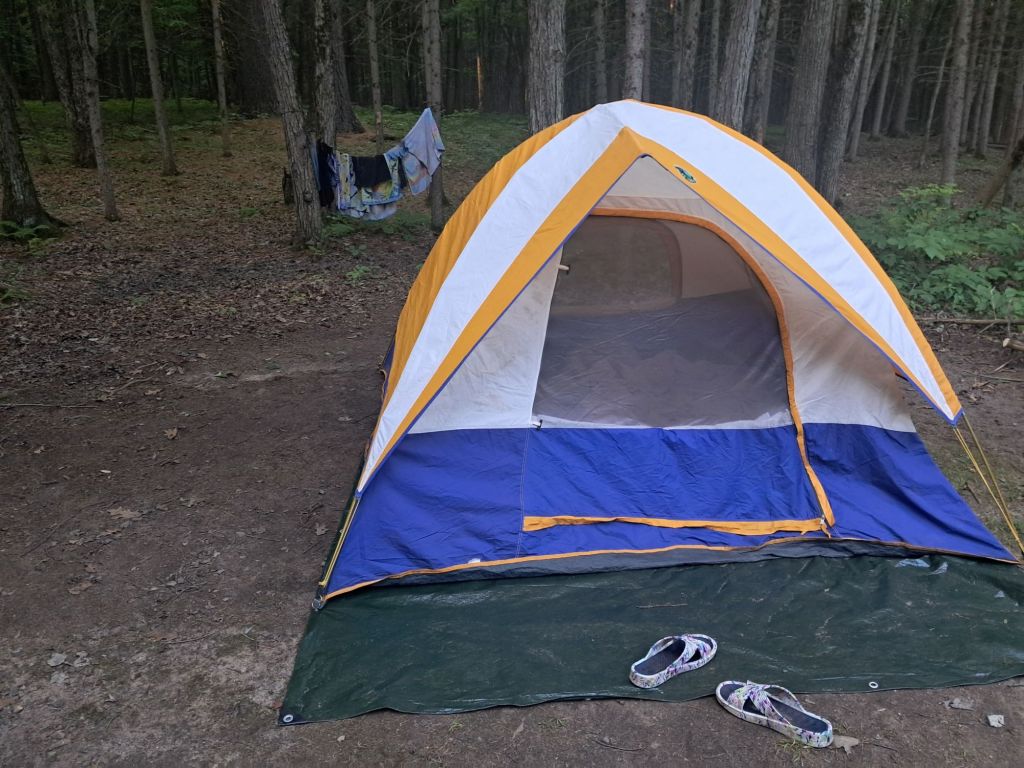
    Camping can be as rustic or “soft” as your family needs—anything from tent camping at a state park to renting a small cabin or camper. Either way, the focus shifts from expensive attractions to shared experiences: setting up camp together, exploring trails, and unplugging a bit from screens.


    Lean Into “Small Fun” That Adds Up

    Kids often remember the small, repeated joys more than the one big, expensive outing. A few “small fun” ideas that don’t cost much:

    • Weekly library visits with a special snack afterward.
    • Neighborhood walks or bike rides with a stop at a playground.
    • Walking a storybook trail at a local park.
    • Firefly chasing in the backyard.
    • Living room movie nights with blankets and popcorn.
    • Simple crafts using what you already have—chalk, cardboard, paints.

    You don’t have to fill every day with something elaborate. A few steady, simple traditions can carry a lot of weight over a whole summer.


    A Gentle Reminder for Summer Parents

    It’s easy to feel pressure to do “everything” in the summer—big trips, fancy outings, perfect memories. But your kids don’t need perfection. They need you, some time, and a few simple experiences to hang onto.

    A sprinkler in the yard. A borrowed library pass. A weekend camping trip instead of a hotel. A stack of books and a bowl of popcorn. Those can be enough.


    If you have a favorite low‑cost summer tradition, I’d love to hear: what’s one simple thing your family does every year that makes summer feel special without stretching the budget?


    If this post gave you a few ideas or reminded you of the simple things you already love, would you share it with another parent or caregiver? Your shares and comments help these budget friendly ideas reach families who might need them.

    Read Next: Where the Red Fern Grows and the Sprinkler Flows

  • Zone 4B July Garden Tour: Our 2026 Garden Updates

    Zone 4B July Garden Tour: Our 2026 Garden Updates

    Somehow, it’s already early July. How is your garden doing?

    We’re in Zone 4B, and in late May I shared what we planted in our garden this year. In this post, I’m expanding on that first update and sharing how things are going now. How much work have we done so far? What veggies have we harvested already (spoiler: not too many yet, but that’s changing fast!)?

    It’s been a fairly wet season so far (with plenty of tornado warnings), which has meant we haven’t had to start watering yet. I expect that to change as July continues and we slide into our usual hotter, drier stretch.

    Think of this as a walk-through of our garden rows, plus a few notes on what’s working, what isn’t, and what we’ve noticed already this year.


    Strawberries: The Semi-Permanent Front Row

    The first two rows of our garden are dedicated to strawberries. This is a semi-permanent location for them. Back in April, we transplanted the plants, and since then we’ve pinched off the blossoms and weeded the rows.

    We’ve been pinching blossoms to allow the plants to focus more on strong root and leaf growth, but have recently stopped. We’ve harvested a grand total of two berries so far (and they’re delicious!). Besides the berries, the plants themselves have sent off large shoots that re‑root themselves. We’ve been working to direct those so they don’t take over the middle of the row.


    Root Vegetables: Fresh Salads Now, Storage Roots Later

    The next rows are dedicated to root vegetables and salad greens. These rows have shown a rapid return, with us harvesting many salads’ worth of lettuce and spinach (my salad spinner is working overtime!), and we’ve finished harvesting radishes.

    Other veggie updates:

    • Parsnips: They didn’t come up well, so we replanted a couple of weeks ago.
    • Carrots: They’re coming up great, and we hope to harvest our first fresh carrots (nature’s candy) within the next couple of weeks. My son cannot wait.
    • Beets: We hope to harvest these soon too.

    Red and Yellow Onions

    After the root bed come two full rows of onions—both red and yellow.

    Our transplanted yellow onions have been growing vigorously; they are now about the size of baseballs. Our red onions are a little further behind, but are still quite healthy.

    We’ve started harvesting some of the larger yellow onions. Fresh onions from the garden are divine!


    Peas: Kid-Favorite Garden Candy

    Our peas are starting to blossom, which means any week now they’ll begin producing. The kids think of them as garden candy, and eat them straight from the vine.


    Cucumbers in the Middle (On Purpose) + Tomatoes and Peppers

    The cucumbers are coming up well and are starting to blossom. We’ll start getting cucumbers in just a couple of weeks. We planted them in the middle of the garden on purpose, where they’re easy to water and can climb on a trellis without taking over the edges.

    I did see my first cucumber beetles this week. Right now I’m just keeping a close eye on them; if anyone has favorite ways to manage cucumber beetles organically, I’d love to hear your advice.

    We’ve actually started harvesting some peppers already—delicious!

    We have tiny Roma tomatoes on the vine that are steadily getting bigger, and some Early Girls. I expect to get a couple of Early Girls in a couple of weeks, then the Romas and Mortgage Lifters by the end of July into early August.


    Cruciferous Row: Cauliflower, Kale, Broccoli, and Brussels Sprouts

    I’ve harvested my first kale and made my first batch of Zuppa Toscana. It was lovely—though maybe not the best meal to eat on a 90‑degree day, haha.

    Cauliflower, broccoli, and Brussels sprouts haven’t produced yet. I expect the broccoli to start producing within the next couple of weeks. The Brussels sprouts will likely be ready in about 2–3 months (they have a long growing period).


    Cabbage, Bok Choy, and Kohlrabi

    The next row is a mix of:

    • Cabbage: Destined for sauerkraut, boiled cabbage, and coleslaw. Not ready yet, but I expect smaller heads to be ready in about a month.
    • Bok choy: We harvested our first head, and it was delicious in our beef stir fry.
    • Kohlrabi: The “heads” are starting to form (they look like a little bulb with leafy hair coming out).

    Summer Squash, Rutabagas, and a Few Flowers

    In the back corner of the garden, we planted summer squash—three hills of it.

    In my unsolicited opinion, three hills is about two hills too many. If you’ve ever been buried in zucchini or summer squash, you know exactly what I mean. We also have several volunteer squash plants coming up in random spots throughout the garden. If a volunteer squash plant pops up in a really inconvenient spot (where it will interfere with my favorite veggies), I pull it out.

    The rest of that row holds garlic and rutabagas:

    • We plan to harvest the four bulbs of garlic within the next couple of weeks.
    • The interplanted rutabagas will begin to be harvested in about a week or two.

    We’ve also tucked marigolds into the garden, which I love both for their pest‑control benefits and because they’re simply beautiful. On top of that, we have a lot of volunteer sunflowers coming up throughout the garden—they add a bit of cheer and should make the bees happy later in the season.


    Sweet Corn and Cantaloupe at the Front

    The front of the garden holds our sweet corn patch. It’s doing well so far. They always say corn is doing well if it’s “knee high by the Fourth of July,” and this year it’s about waist high (I’m writing this on the Fourth). I suspect we will be battling the raccoons and possums for the crop later in the season, and I hope we win at least some this time!

    The cantaloupe patch is on the other side. So far, so good—the plants are still small, but they grow fast this time of year. I expect to harvest our first cantaloupes in about a month.


    How Much Weeding We’ve Done (So Far)

    We weed the garden the most at the beginning of the garden season. My dad has always said, “You win or lose the battle with weeds in the month of June,” and I wholeheartedly agree.

    If you catch them early and don’t let them go to seed, there are fewer by the end of the year (although you still have to do maintenance weeding after that). In June, my husband and I have spent an average of 3–4 hours per week on weeding. As the weather gets drier and the plants start to shade out more of the garden, I expect that time to be drastically reduced, down to about an hour per week.

    I’ll shift that “extra” time to harvesting and preservation as the season continues. Stay tuned for all the ways I like to preserve garden‑fresh veggies!


    Potatoes, Pumpkins, and Future Plans

    Beyond the main garden rows, we have two additional patches:

    • The potato patch has been hilled, and we’re starting to find the dastardly potato bugs (both the babies and the adults). For now we’re picking them off by hand and doing our best to stay ahead of them.
    • Behind our barn, we have established a pumpkin patch, and I’m already picturing fall—whether that means jack‑o’‑lanterns, pies, or both.

    So far, I don’t have big “lessons learned” to share this season. I’m sure they’re coming as the summer unfolds, but right now we’re mostly observing, adjusting as needed, and enjoying the early harvests.

    That’s where things stand in our Zone 4B garden this early July.

    If you’re gardening in a similar climate, I’d love to hear: what’s thriving for you right now, what pests you’re seeing, and what’s been your biggest surprise so far this season?


    If this garden tour was helpful or encouraging, would you share it with another gardener—especially someone in a colder zone? Your shares and comments help these updates reach more folks who are growing right alongside us.

    Read Next: Biggest Garden Yet: Laughs, Lessons, and Pig-Approved Produce

  • How to Be Quietly Patriotic This Fourth of July

    How to Be Quietly Patriotic This Fourth of July

    Every Fourth of July, there’s a lot of noise—fireworks, parades, red‑white‑and‑blue everything. I don’t begrudge any of it.  In fact, I embrace all of it, and these events are some of my favorite of the summer. But my own patriotism tends to show up in quieter ways, especially as we head toward America’s 250th birthday in 2026.

    This season isn’t just about looking up at the sky. It’s about looking back with gratitude, looking around with clear eyes, and asking how we can love this place well in the small, ordinary days we’ve been given.


    Remembering the People Who Got Us Here

    When I think about America 250, my mind goes first to gratitude—for the people who made it possible for me to be here at all.

    My own ancestors left Germany in the mid‑1800s, walking away from upheaval and uncertainty. They traded familiar villages and language for the unknowns of an ocean crossing and a new country. I think about what it must have taken for them to move entire families and villages to a new country. I picture them on crowded docks, clutching children and trunks.  In their arms they carried everything they owned in the world, placing a fragile hope in a place they had never seen.

    They came because they believed there might be room here to build a life, raise families, worship freely, work hard, and build a legacy. That courage—and the opportunities they found—is a gift I didn’t earn but get to receive. Remembering that fills me with humility and gratitude, not guilt.


    Learning Our History as an Act of Love

    When we love a person, we usually want to know their whole story—the good, the hard, the in‑between. I think loving a country can be similar.

    Quiet patriotism, for me, means:

    • Celebrating the ideals that shaped this place—liberty, self‑government, freedom of speech and assembly.
    • Learning more about the people who helped build those ideals into reality: farmers and factory workers, teachers and soldiers, abolitionists and suffragists, civil rights leaders and small‑town organizers.
    • Making room in my understanding for stories that aren’t just like mine, so I can better appreciate how wide and complicated “we the people” really is.

    For me, learning the harder parts of our history doesn’t lessen my love for this country; it deepens it. This isn’t about dwelling on what’s wrong. It’s about loving our country enough to know it deeply, the way you’d want to really know a friend or a spouse. The more I learn, the more amazed I am by the resilience, creativity, and everyday goodness woven through our history.


    Noticing the “Good” Right Where We Live

    It’s easy to talk about “America” in big, abstract terms. But most of the reasons I love this country show up in small, local ways:

    • The freedom to plant a garden on a little patch of ground and teach my child our core values.
    • The mix of people in even a small town—different backgrounds, different stories—finding ways to live side by side.
    • The libraries, parks, and back roads that quietly serve as the backdrop of our lives.
    • The ability to speak, write, and vote without asking permission, even when we disagree with our leaders.

    These are not small things. They’re daily gifts my ancestors hoped for and that many people in the world still long for. Part of being patriotic, to me, is pausing long enough to notice and appreciate them.


    Everyday Acts That Feel Patriotic

    Fireworks last only a few minutes. The rest of the year, love of country looks much more ordinary.

    In my own life, quiet patriotism shows up when I:

    • Tend our little homestead with care—paying attention to soil and water, making efficient use of everything we have, remembering that stewardship is part of gratitude.
    • Try to be a steady wife, mom, daughter, and friend—keeping promises, apologizing when I’m wrong, showing up as my whole self even when no one is watching.
    • Raise a child who understands both the gifts and responsibilities of living here: that others fought, marched, worked, and invented so we could enjoy things we now call “normal.”
    • Show up for neighbors—bringing casseroles, clearing brush, watching kids—because strong communities are one of the best defenses against despair and division.

    Those things may never be described as patriotic in a speech. But they are my way of saying, “I’m grateful to be here, and I want to leave this place a little better than I found it.”


    Civic Habits That Keep Hope Alive

    Beyond our own homes and neighborhoods, there are also quiet ways to care for the wider country we share.

    Love of country isn’t only a feeling; it’s also a set of habits that keep a free society going. That can sound intimidating, but it often looks quite simple:

    • Voting, even in the “small” elections (because that’s where the decisions that most affect our lives are anyway), and explaining to our kids why it matters.
    • Paying attention to what’s happening in our town, not just on national headlines.
    • Writing or calling leaders respectfully when something matters deeply to us.
    • Practicing kindness and curiosity toward people who see things differently, remembering we share more than we think.

    These habits aren’t a burden; they’re privileges. They are some of the ways we get to participate in the experiment our founders started and that many generations in between have since tried to improve.


    Letting the Fourth Be Joyful and Honest

    I don’t want a Fourth of July that’s only serious and heavy. I want room for joy too:

    • For kids waving flags at small‑town parades.
    • For families gathering around grills and picnic tables.
    • For fireworks reflected in ponds and rivers and wide‑open fields.

    At the same time, I don’t want a Fourth that’s only sentimental. I want a celebration that honors the good, acknowledges the hard, and leans toward hope.

    It’s possible to be deeply grateful for America’s gifts and still honest about its flaws. In fact, I think that combination—gratitude plus honesty—is one of the most patriotic stances we can take.


    A Gentle Invitation for America 250

    As we move toward America’s 250th birthday, you don’t have to overhaul your life to “be patriotic.” You might simply:

    • Learn one new story from America’s past that you didn’t know before—maybe from a perspective different from your own.
    • Take a moment on the Fourth to name out loud a few things you genuinely love about this country.
    • Thank someone in your life who quietly embodies the best of what you hope America can be.
    • Choose one small civic habit—registering to vote, attending a local meeting, supporting a local farm or business—and commit to it as an act of gratitude.

    My ancestors crossed an ocean so I could live here. My way of honoring that isn’t loud or flashy. It’s to keep learning, keep noticing the good, keep tending my little corner, and keep believing that our shared story can keep bending toward something truer and kinder.

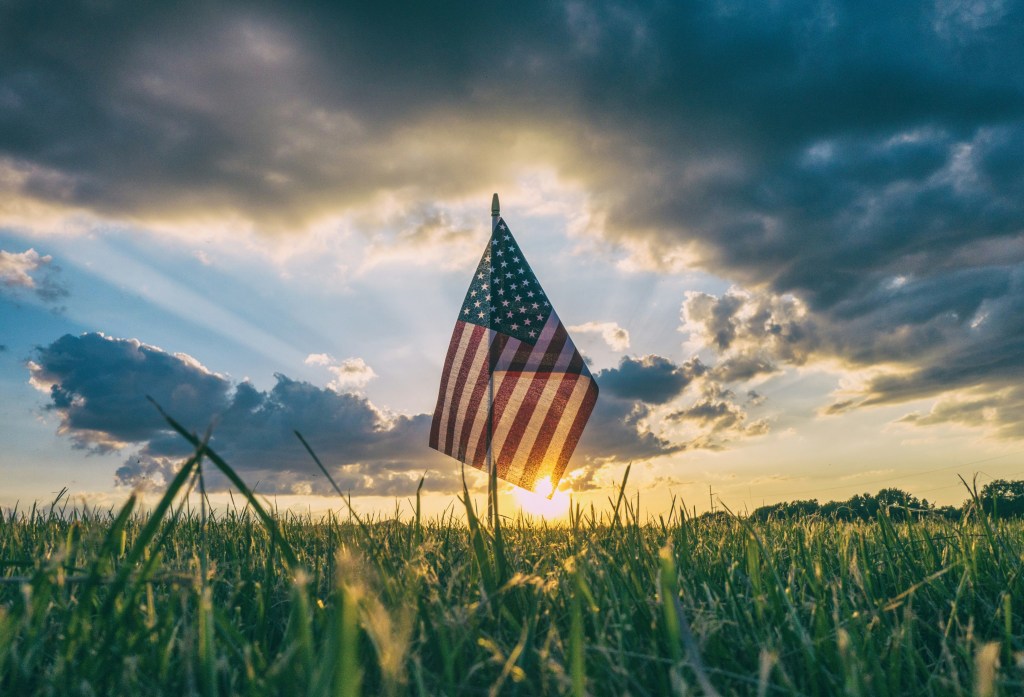
    Feature Photo by Aaron Burden on Unsplash


    If you’re willing to share, I’d love to hear: what’s one thing you’re genuinely grateful for about this country—and one small way you’d like to pass that gift on to the next generation?


    If this resonated with you, would you pass it along to a friend or family member who loves this country in a quieter way too? Your shares and comments help these reflections find the people who might need them.

    Read Next: The Heart of Knowles: Fourth of July Traditions