Author: fzangl1

  • Fifty Lemons and a Lesson in Waste

    Fifty Lemons and a Lesson in Waste

    The Waste We Don’t See

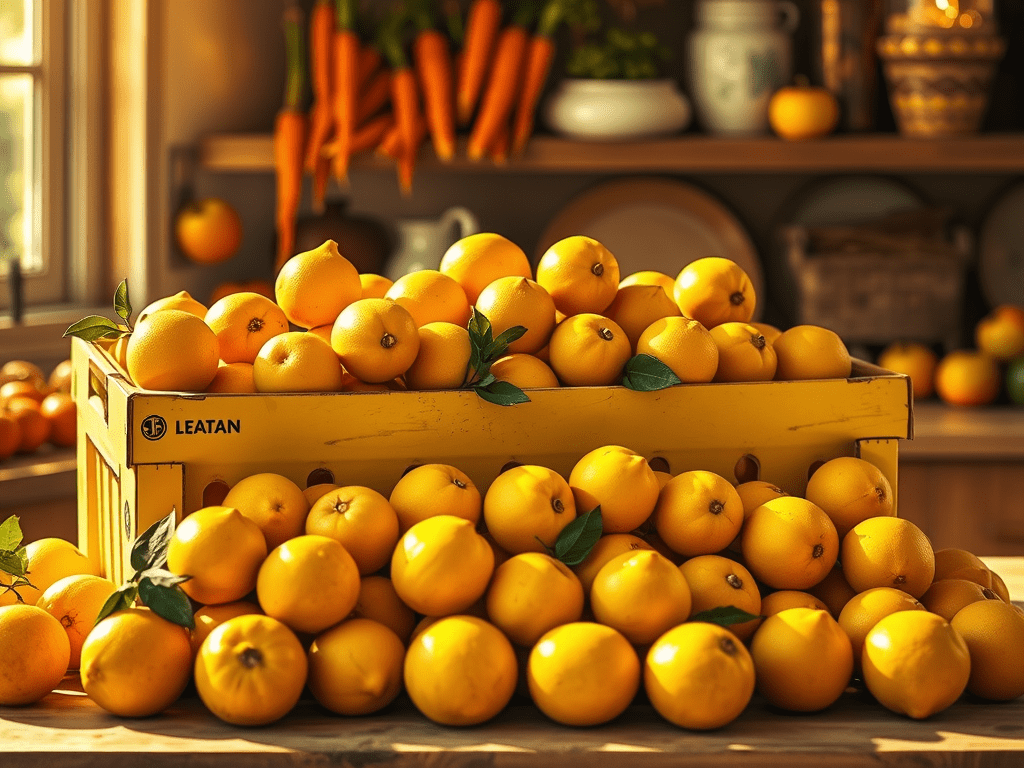
    The banana box sat on the counter—fifty lemons, bright as sunrise. Perfectly good fruit headed for the trash. It’s hard to take in the scale of it, but nearly 40 percent of all food in the United States ends up discarded. Almost half of what’s grown, shipped, and stocked here never feeds anyone at all, but instead clogs up landfills.

    A Small Farm That Says “No” to Waste

    My sister sees boxes like this every week. They’re packed with produce grocery stores can’t sell—carrots too crooked for the shelf, apples with a harmless bruise, greens that wilted before they were bought. So instead of going to a landfill, the food comes to her small farm.

    There, everything serves a purpose. Chickens peck at the soft tomatoes. Pigs enjoy the bruised peaches. The things that can’t be eaten become rich compost for next season’s gardens. Watching her sort through those boxes makes you realize how easily abundance can be mistaken for excess. Nothing is truly wasted unless we give up on finding a use for it.

    Transforming Lemons into Possibility

    Those fifty lemons turned into their own little project for us. We juiced most of them and stored the concentrate in jars for lemonade and marinades. Some zest went into a bright lemon sauce for pasta. The rest became loaves of lemon poppy seed bread, wrapped up and shared with family. What might have been waste became food, memory, and connection.

    The Homestead Mindset

    That’s one of the quiet lessons of homesteading: learning to see potential where others see loss. A tired head of lettuce is chicken feed. Stale bread becomes breadcrumbs or croutons. Overripe bananas transform into breakfast. Once you find that rhythm of reuse, it stops feeling like work and starts feeling like gratitude.

    The best part?  You don’t need a farm to think this way. A small compost bin, a backyard garden, or simply paying attention to what’s in your fridge can shift how you handle food. Every time you find a way to reuse, share, or return something to the soil, you chip away at that staggering 40 percent—one meal at a time.

    The Bigger Picture

    Maybe your fifty lemons look a little different. Maybe they’re cucumbers softening in the crisper or a few jars tucked away and forgotten. Whatever form they take, they’re an invitation to look closer before you throw something away.

    Homesteading, at its heart, isn’t about perfection or isolation. It’s about paying attention—seeing worth in what we already have and finding new life in what might have been lost.

    So here’s my question to you: What could your fifty lemons become?


    Join the Conversation

    What’s one way you’ve learned to reduce waste or give new life to something others might discard? Share your ideas in the comments below—I’d love to hear them.

    If you enjoyed this story, don’t forget to like, share, and subscribe for more simple living and homesteading reflections.


    #HomesteadLiving #ReduceFoodWaste #SustainableLiving #SimpleLife #FromWasteToWorth #ZeroWasteKitchen #MindfulHomestead
  • Bridging Time: Meeting the Courage of My Ancestors

    Bridging Time: Meeting the Courage of My Ancestors

    If you could meet a historical figure, who would it be and why?

    If given the chance to meet any historical figure, I would choose not a famous leader or thinker.

    I’d choose to meet my own ancestors in both Germany and Austria between the 1850s and 1870s. These were ordinary people facing an extraordinary choice-to leave everything familiar behind and journey into the unknown by migrating to the United States.

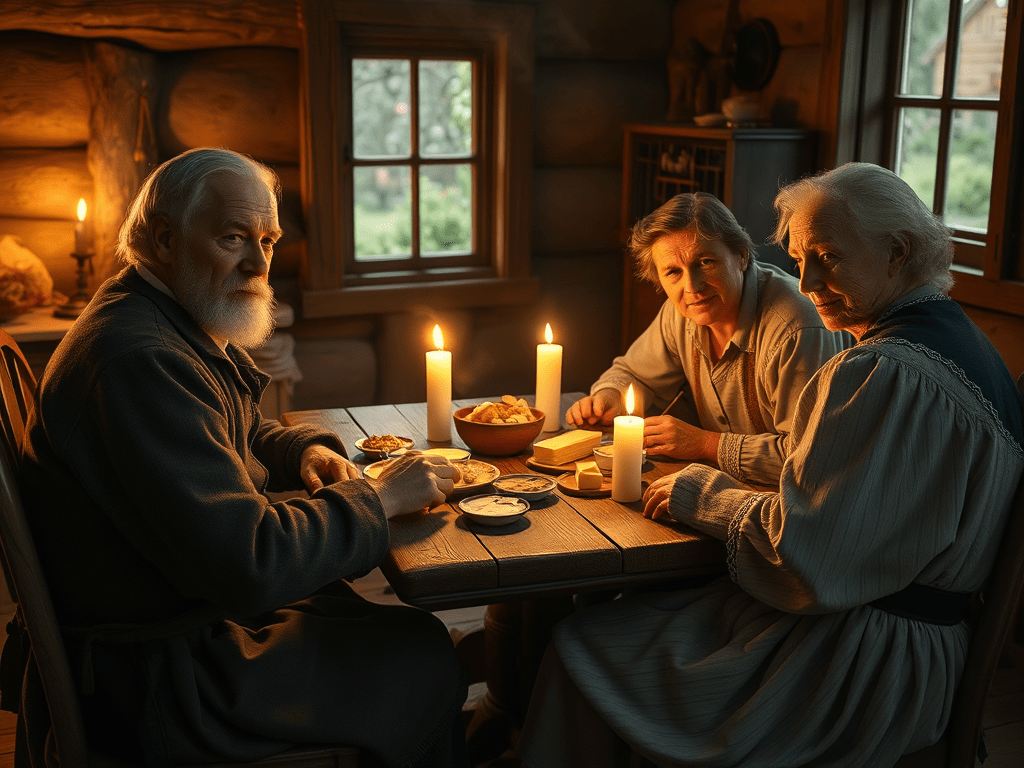
    I imagine sitting with them around a simple wooden table lit by flickering candlelight. We’d share a modest meal of bread, butter, and cheese. The scent of wood smoke would fill the room as we would gaze out at the garden beyond. In that humble setting, I would listen intently to their stories, carried across time with quiet strength.

    Their decision was not made lightly, fueled by hope yet shadowed by uncertainty. I see cold, harsh winters; backbreaking labor; and political unrest shaping their daily lives. They were bound by tradition and faced limited opportunity. They risked everything—their homes, their communities, their ways of life. They crossed a vast ocean in search of freedom and a new beginning.

    What fears kept them awake at night? What sacrifices did they endure silently? Hearing their firsthand accounts would reveal the resilience and courage that anchored their journey.

    This connection would deepen my gratitude for the life I live today. Their sacrifices laid the foundation for my family’s present and inspire me to face my own challenges with courage. Knowing they braved the unknown encourages me to take risks of my own. I dare to put my words to the page. I push forward even in moments of fear and uncertainty. My ancestors did not seek to change history; they aimed to build a future. Their journey teaches me that true growth often requires stepping boldly into the unknown.

    Meeting my ancestors would mean more than satisfying curiosity—it would strengthen my roots and nourish my spirit. Their legacy reminds me who I am and empowers me to write my own story. Hope, resilience, and gratitude will flow through every word.

    If you could meet an ancestor or historical figure from your own family history, who would it be? What would you most want to ask or learn from them? Share your thoughts and stories in the comments below.  I’d love to hear about the journeys and courage that inspire you!

    And if this story of courage, sacrifice, and connection resonated with you, please like and share it with others who appreciate the power of family history. Don’t forget to subscribe for more reflections that honor our roots and inspire us to face our own journeys with hope and resilience.

    Related Posts

  • Listening to My Inner Voice: A Story of Vulnerability and Resilience

    Do you trust your instincts?

    I didn’t expect my hardest lesson about trusting instincts to come during childbirth.

    As my water broke, my body began shaking uncontrollably. Fear surged through me. Few experiences test someone’s connection to their body like giving birth. Yet at that moment, I felt detached during a process that should have felt natural. Panic and doubt quickly took over.

    That wave of fear changed me. It became a wake-up call. Over the last six years, I’ve worked hard at tuning into my body through relaxation, meditation, and breath work. When I gave birth again four years later, the difference was striking: things moved quickly, peacefully, and with far fewer interventions.

    Looking back, I realize it wasn’t just culture urging me to ignore discomfort. A trusted adult in my life was often swept up by stress and overwhelm. In their presence, I learned to mute my own signals and silence myself to keep the peace. My world equated strength with suppressing vulnerability. I silenced my body’s warnings—hunger, exhaustion, emotional pain—hoping to avoid conflict or disappointment.

    I vividly remember one afternoon when I was a child. My body begged for rest, but fear of this person’s anger forced me to push through. Through the years, I learned to swallow discomfort and hide my feelings until they would inevitably erupt. Only later did I understand how both external pressures and witnessing this person lost in overwhelm taught me to silence my own instincts.

    Motherhood transformed this learned behavior. I wanted to show my son and daughter something better: a model of recognizing emotions and meeting my needs before they escalated. I let my inner voice soften. Strength gained a new meaning—one tied to vulnerability and presence. Slowly, my approach to my children’s emotions shifted. I now sit quietly beside my frustrated son, breathing calmly while his storm slowly fades. I practice this daily: mindfulness through challenge, for their feelings and mine.

    Today, I’m more attuned to myself, though this work is ongoing. Emotional waves still come, sometimes fierce. Recently, during a tense day at work, I paused before reacting. I closed my eyes and let my body feel the tension, watching the discomfort roll in and drift away. Breath and awareness anchor me. Trusting myself isn’t about perfection—it’s about persistence. Each mindful moment deepens my instincts. They’re quiet, but always there, guiding me through calm and chaos.

    This journey has taught me that self-trust is more complex than just “following your gut.” It calls for vulnerability, breaking old patterns, and challenging the notion that ignoring your own needs is strength. Now, I’m learning to nurture a kinder relationship with myself—body, mind, and heart.

    That’s the legacy I strive to leave for my children: the confidence to listen deeply and kindly to their own voices.

    Have you ever silenced your instincts to meet others’ expectations?

    If this story resonated with you or made you reflect on your own journey, please like, share, and subscribe—your support helps others find these reflections who might need them

    Related Posts

  • The Bridge Between Winter and Summer

    The Bridge Between Winter and Summer

    What’s your favorite month of the year? Why?

    There’s a month each year that feels like an awakening. It’s the bridge between the quiet of winter and the warmth of summer. Mornings still hold a trace of chill, but the afternoons fill with soft sunlight and the scent of growing things. Lawns turn lush almost overnight, trees leaf out in a rush, and every breeze carries life.

    It’s the season when the world feels generous. The lilacs bloom and perfume the air. The smell of freshly tilled earth lingers after rain, rich and full of promise. At local markets, the first asparagus appears, bright and green, and on weekend mornings, I wander through the woods searching for morel mushrooms hidden in the damp leaves. Each small find feels like a sign that the year is turning toward abundance.

    This is also when I start to dream about summer—camping trips, evenings outside with friends, the first meals eaten under open sky. The days grow longer, and with them, my sense of possibility swells. Even something as simple as walking outside in a T-shirt after months of layers feels like freedom.

    This month, alive with growth and memory, also carries personal meaning—it’s when I got married, surrounded by blossoms and soft light. The world seems to celebrate right alongside me each year as it blooms again.

    My favorite month is May.


    Thanks for taking a walk through my favorite time of year with me. If this story brought to mind your own favorite month or ritual of renewal, share it in the comments—I’d love to hear it.

    And if you enjoy reflections on nature, food, and the changing seasons, don’t forget to like, share, and subscribe for more.

    Related Posts

  • Stone by Stone

    Stone by Stone

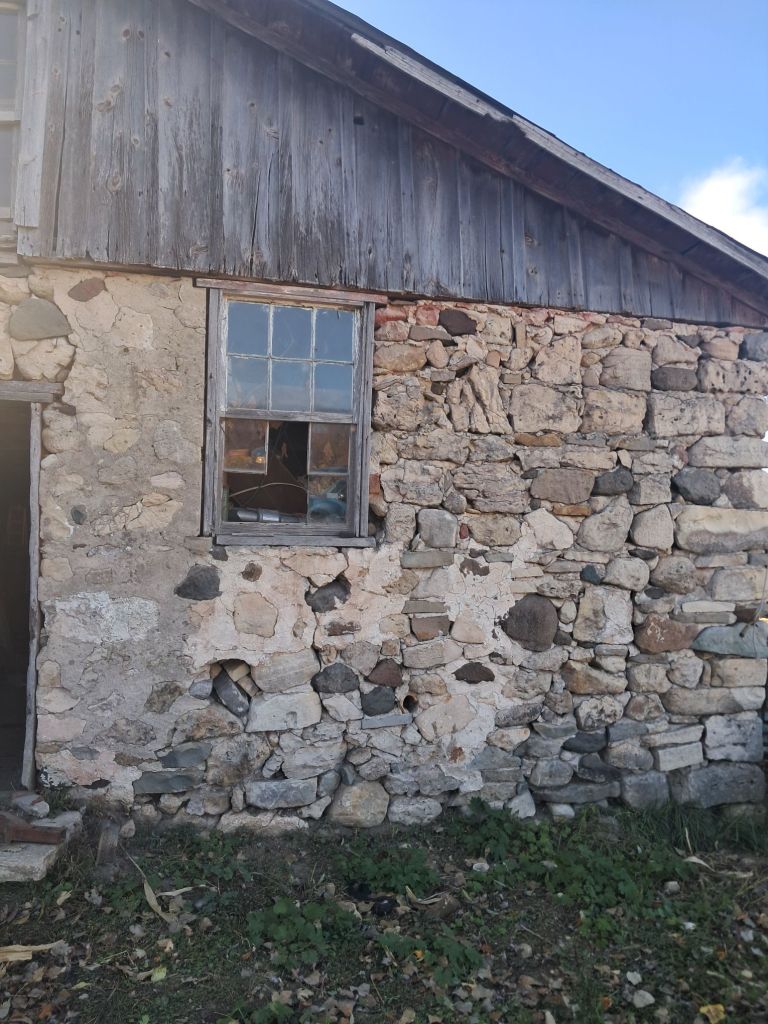
    Stone by stone, this wall was built.

    A century ago, the farmer walked his fields each spring, eyes tracing the thawing earth for the perfect stones.

    He moved slowly, letting his hand rest on each one, feeling its shape, its weight, the way it might settle among the others.

    This was not hurried work. Endurance, he knew, would make the wall stronger than haste ever could.

    When he found a stone that fit his vision, he lifted it onto his horse-drawn wagon. The steady rhythm of hooves and iron wheels carried his labor back to the barn, where rows of stone rose patiently from the dirt floor.

    As time allowed, he placed each piece with care, sweeping away soil, testing every joint, sealing the gaps with mortar and quiet pride.

    Now, more than a hundred years later, the wall still stands. Its mortar is softening, its edges worn, yet its shape endures.

    Each stone remains a record of patience laid by hand—a testament to steady work, lasting purpose, and the quiet will to build something meant to weather time itself.

    Stone by stone, this wall was built.

    What’s something in your life that was built to endure? Share below in the comments.
    If this story resonates with you, take a moment to like, share, and subscribe for more reflections on craftmanship, time, and the quiet art of enduring work.

    #storytelling#visualstorytelling#theartofstorytelling
    #farminghistory#craftsmanship#heritage#everydaystorytelling

  • Where the River Slows Down: Finding Peace at My Favorite Local Park

    Where the River Slows Down: Finding Peace at My Favorite Local Park

    What is your favorite place to go in your city?

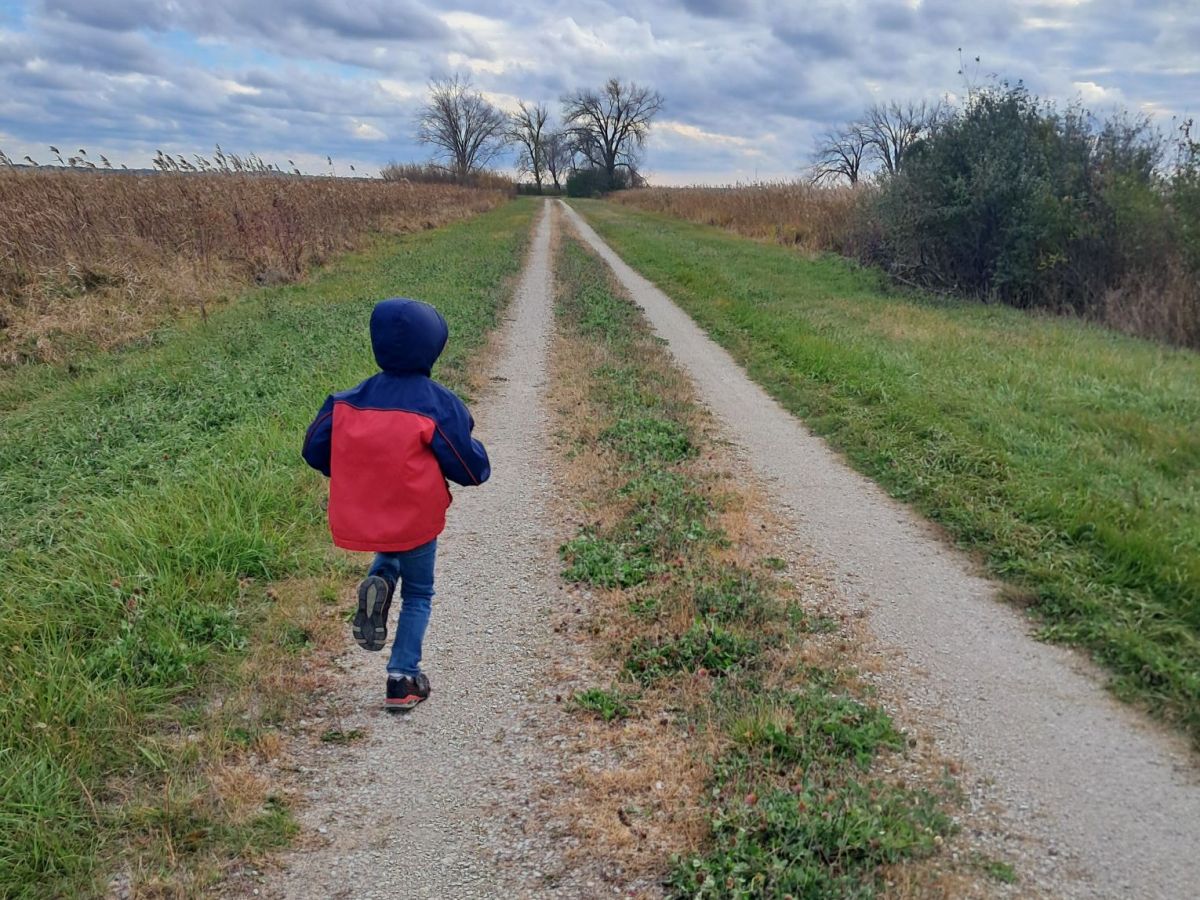
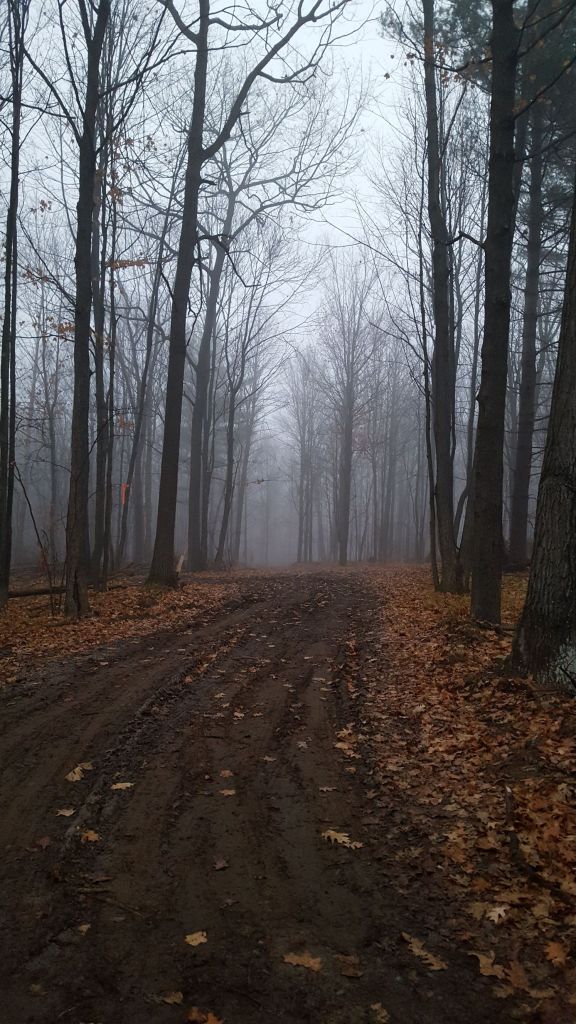
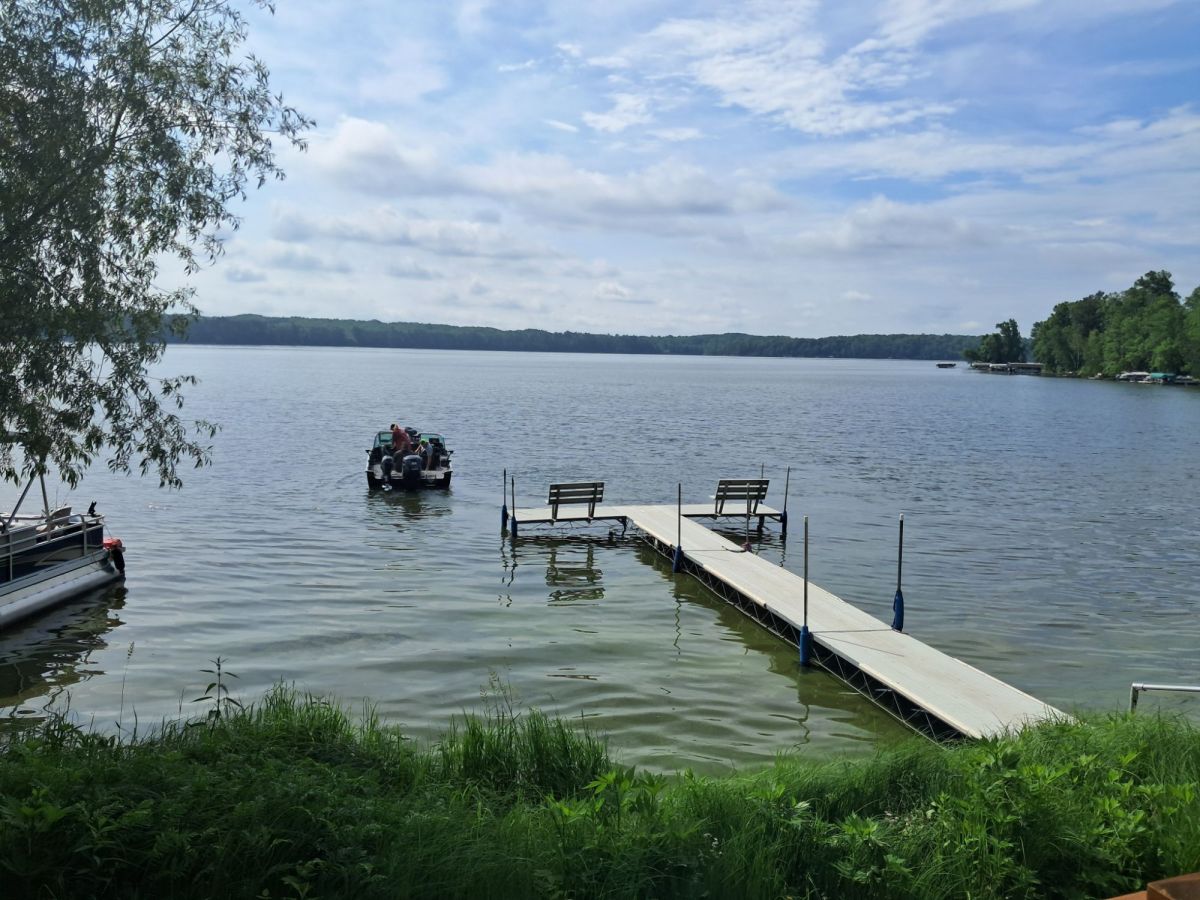
    There’s a park by the river on the edge of my city—and it’s my favorite place to go. I visit as often as possible, drawn by the winding trails that twist through the woods, trace the water’s edge, and climb the hills overlooking the quiet horizon beyond town. On most days, I pass families walking dogs, runners lost in thought, or neighbors pausing to greet one another. No matter the weather, the park always feels alive.

    Each season transforms it completely. In fall, the air carries the sweet, earthy scent of freshly fallen leaves, and the trails shimmer in gold and crimson.

    Winter hushes everything under a glittering blanket of snow, the trees turned to delicate sculptures of frost. Spring bursts with sound and energy—the maple trees drip with sap, the river swells with melting snow, and the rush of water fills the air. By summer, the forest hums with life. Sunlight filters through thick green leaves, and sometimes, if I look closely, I’ll spot clusters of wild mushrooms on a rotting tree stump.

    My kids love coming here too. There’s a short, steep hill along one of the trails that my son never tires of climbing. Every time, he races to the top, then barrels down laughing, only to turn around and do it again. Watching him, I’m reminded that this place holds something for all of us—peace for me, adventure for them, and a connection that ties us together through every season.

    The park is more than a patch of nature on the city’s edge. It’s where our family slows down, breathes together, and remembers what matters most: simple joy, shared laughter, and the quiet beauty of being present.

    Everyone has that one special place that brings them peace. Maybe it’s a park, a trail, or even your backyard. Where do you go to reconnect with yourself or your loved ones? Share your favorite spot in the comments—I’d love to hear about it.

    To see more stories about finding beauty in everyday places, don’t forget to like, share, and subscribe. It helps others discover these quiet moments of joy—and keeps this community growing.

    Related Posts

  • Learning to Be Seen: Redefining My First Impression

    What’s the first impression you want to give people?

    When I think about the first impression I want to give people now, it connects closely to how much I’ve learned about myself.

    In my 30-something years, I’ve spent a lot of time shrinking into the background—speaking softly, standing at the edges of rooms, and convincing myself that others didn’t really want to notice me. Somewhere along the way, I mistook invisibility for safety. That belief likely began in childhood, when being quiet felt like the right way to belong.

    But with time, I began to see what that silence cost me. By keeping myself small, I limited the depth of my connections. People knew me only in fragments because I wasn’t showing them a complete person. What I thought was self-protection often turned into isolation.

    Now, I want my first impression to reflect who I’m becoming rather than who I used to be. When someone meets me, I hope they sense warmth and calm, a presence that feels both grounded and engaged. I want my voice to carry confidence without volume—a kind of steadiness that says, “I see you, and I’m here.” Maybe it shows in the way I smile when greeting someone or in how I pause to listen before responding.

    More than anything, I hope to make people feel comfortable being themselves, just as I’m learning to be comfortable being myself. If my presence leaves others feeling seen, valued, and at ease, then that’s the impression I want to give. It’s the one I’ve always been reaching for, quietly, without realizing it.

    Have you ever realized that the way you present yourself isn’t who you truly are inside? Share your story in the comments. What first impression do you want to give people now, and how has that changed over time?

    If this reflection resonated with you, take a second to like the video. Share it with someone who might need to hear it. Subscribe for more conversations about self-growth, confidence, and showing up as your authentic self. Your engagement helps build a community where everyone feels seen and heard.

    Related Posts

  • From Ghost Ships to Dragons: Growing a Family of Readers

    From Ghost Ships to Dragons: Growing a Family of Readers

    What book are you reading right now?

    Some of my earliest memories are of getting lost in a book. I read on the school bus until the motion made me queasy but I never quite wanted to stop. Books have always been my favorite escape into bigger worlds. That love of stories has shaped much of who I am today.

    Now, as a parent of two—my curious six-year-old son and my energetic two-year-old daughter—reading has taken on new meaning. It’s no longer just a solitary escape; it’s a shared experience, a daily rhythm that brings us back together. Whether it’s a quiet bedtime story or an impromptu library trip on a rainy afternoon, I want them to see reading not as a chore, but as something joyful and full of possibility.

    During one of our library visits, we found Great Lakes Ghost Stories perched on top of a shelf. It felt like it had been placed there, waiting for us to grab it. Living near Lake Michigan, my son has a fascination with shipwrecks and ghost stories, so the book was an instant hit. We’ve been working our way through it a little each night. We imagine the waves, the fog, and the echoes of the past as we read. It’s a story that captures us both, which makes that time feel even more special.


    Of course, there’s still plenty of toddler-friendly reading mixed in. My daughter adores Dragons Love Tacos—especially the part where the dragons accidentally burn down the house. She throws her arms in the air and pretends to breathe fire every time, her giggles filling the room. Those moments remind me that the love of reading isn’t just about the stories themselves but about how they bring laughter, wonder, and connection into our home.

    Reading has also become my own kind of reset. After long days, there’s comfort in sitting beside my children with a book in hand, letting the day fade as we turn the pages. Books remind me that curiosity is ageless and that stories have the power to grow with us. Watching my children surrounded by them feels like passing down a quiet kind of magic—one that never loses its spark.

    What book are you reading right now? Tell me about it in the comments!

    And if reflections like this resonate with you, subscribe for more moments of intentional parenting.

  • My Most Beautiful Place in the World

    If you could live anywhere in the world, where would it be?

    Before dawn, I awoke to toddler kisses on my cheeks and the faint crow of a rooster calling the day to begin.

    The scent of coffee drifted through the kitchen as my husband and I eased into the morning. Our six-year-old son stirred under his blanket, still half-dreaming, and soon began retelling the Great Lakes ghost ship story we’d read the night before. Our two-year-old daughter tugged at my sleeve, eager to gather eggs from the chicken coop. Outside, the sky hung pale gray, the world quiet except for the rustle of animals waking.

    In that stillness, surrounded by the people I love, I felt an unshakable peace—the kind that reminds me I could never imagine living anywhere else.

    If I could live anywhere in the world, I would choose to be right here—with my family and our small but lively homestead. Together, we’ve shaped a life that’s rooted in rhythm and purpose, surrounded by gardens that feed us and animals that fill our days with energy and laughter.

    Pigs snuffle in the mud, turkeys strut proudly in their corn crib enclosure, and chickens announce each new egg as if it were an accomplishment worth celebrating. Our home isn’t grand, but it hums with life.

    Our community, too, has become an extension of that home. When we start a renovation project, chase a runaway chicken, or need an extra hand keeping the kids busy, help is never far away. Friends arrive with tools, spare time, and easy smiles. That kind of closeness doesn’t come from a picture-perfect place. It grows from shared effort, trust, and the understanding that we rise and thrive together.

    I could wake up to a mountain sunrise or fall asleep to the lull of the ocean, but it wouldn’t compare to mornings like this one. The warmth of my daughter’s tiny hands, the echo of my son’s laughter, and the smell of coffee mingling with fresh earth from the garden. For us, home isn’t measured by scenery or luxury; it lives in the laughter, labor, and love that fill each day.

    And as the first light spills across our field, I feel her tiny kiss still warm on my cheek. In this moment, I know this truly is the most beautiful place in the world.

    If reflections like this resonate with you, subscribe for more small moments of gratitude and intentional living.

  • The Choreography of Cattle and Grass

    The Choreography of Cattle and Grass

    The Cattle Knew Before I Did

    Out in the pasture, instinct moves faster than thought. The herd already knew what I hadn’t yet seen: today was a day of renewal.

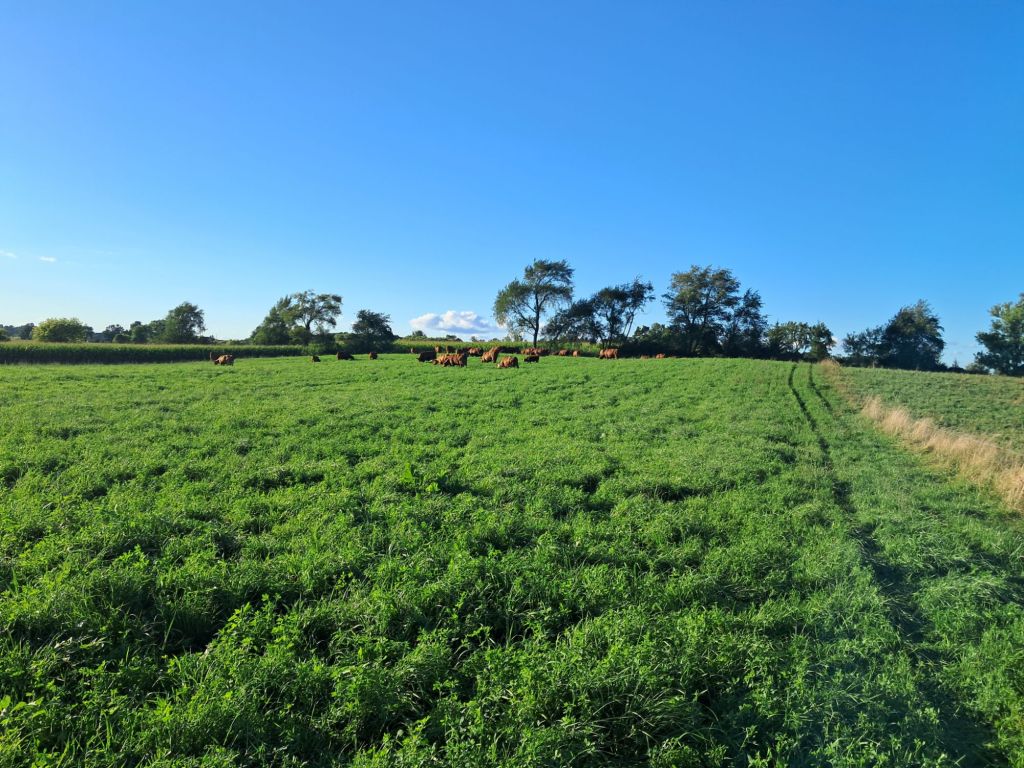
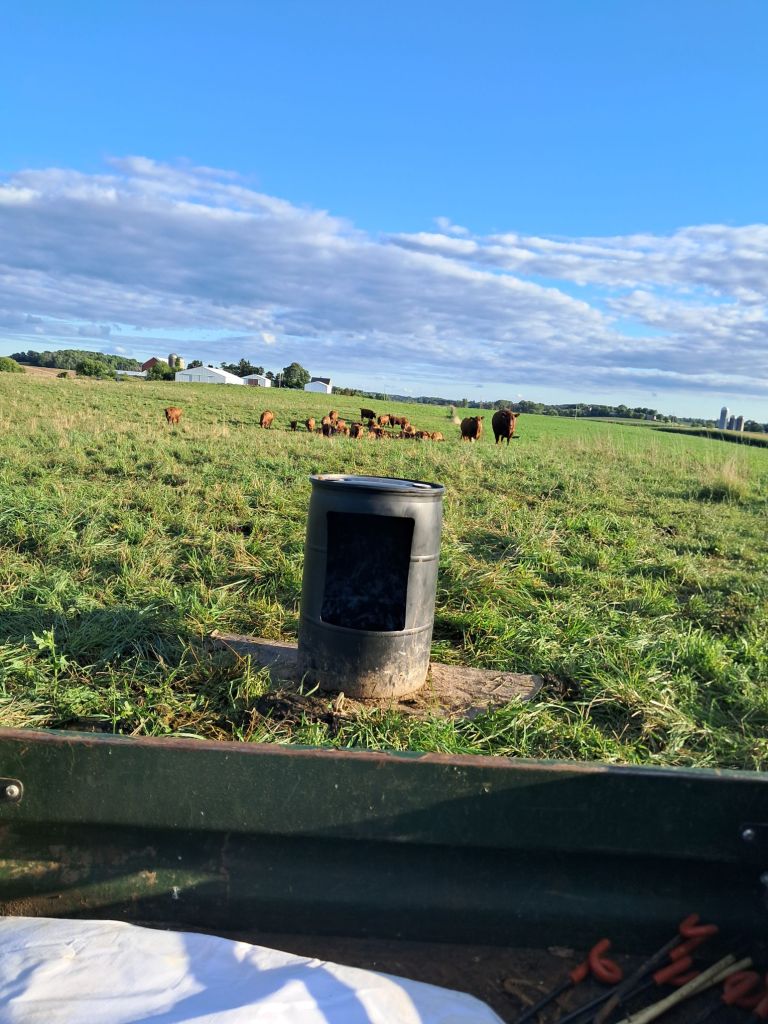
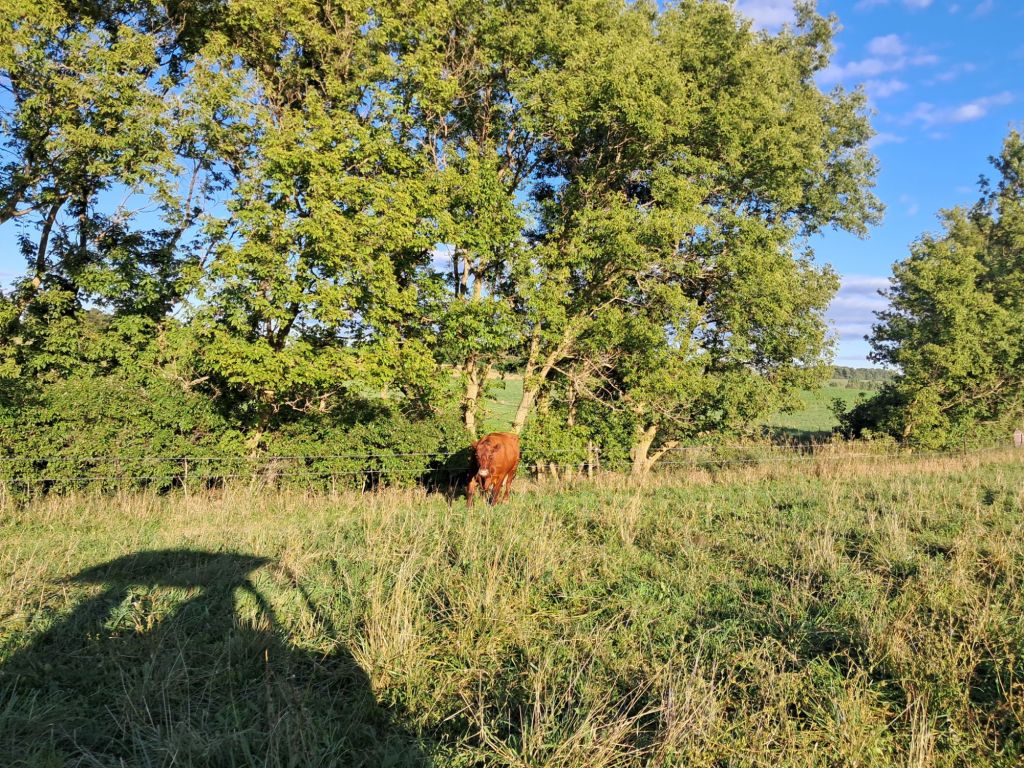
    The moment our UTV rolled across the pasture, forty Red Angus beef cattle lifted their heads in unison. Mothers stood shoulder to shoulder, calves pressed between them, and the lone bull kept watch a few steps behind. They had gathered tight against the slender electric wire that marked the edge of their world, eyes wide and ears twitching—already waiting. They sensed what I had yet to see: fresh pasture was coming.

    A Dance Between Herd, Land, and Hand

    My sister didn’t waste time with explanations. She tipped the empty water tank, wrestled it into the adjoining paddock, and clipped on the hose. With a metallic clink, she fastened the UTV to the mineral feeder and dragged it through the open gate like a sled over grass. Over the hum of the engine, her practiced voice carried, bright and firm: “Here, bahsy!”

    For a heartbeat, the herd froze. Then one bold cow stepped forward. In an instant, the rest followed like a living tide. All except one.

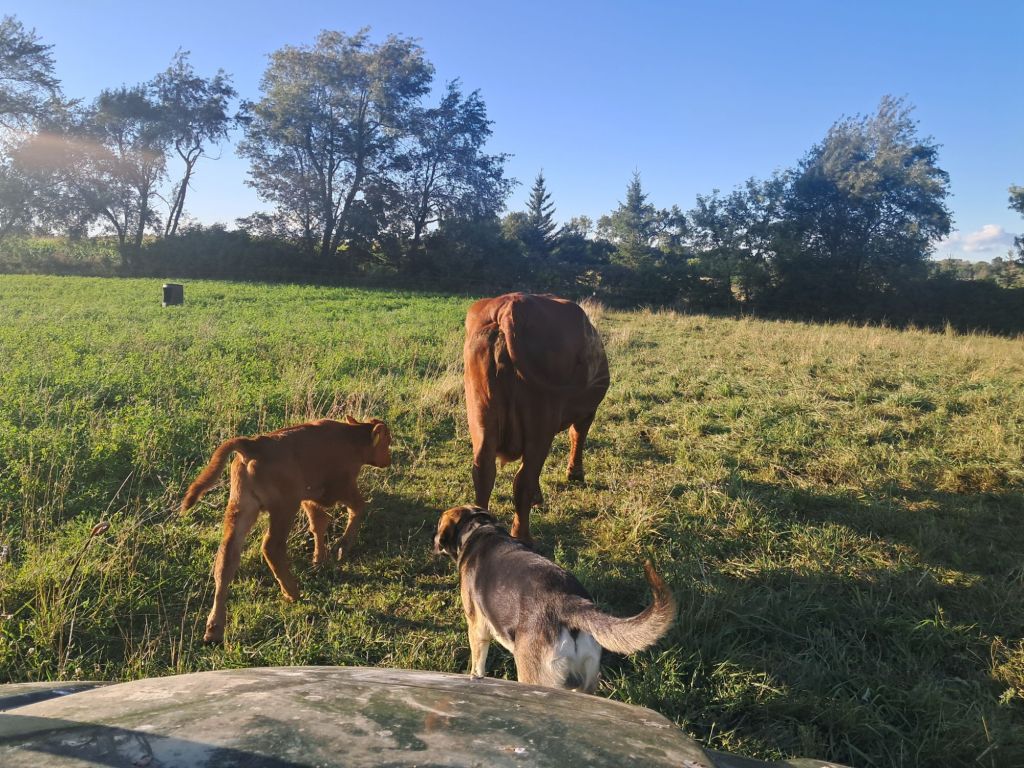
    The new mother lingered. A week ago she had calved, and her baby—small enough to slip beneath the wire—now stood stranded on the wrong side. The cow lowered her head and called, a deep-throated sound stitched with both command and worry. We had just started toward the calf when his spindly legs carried him scrambling back under on his own. The tension melted. She met him with a fierce gentleness, nosing his flank until he steadied beside her. My sister laughed, remembering a calf that roamed for three days before finally wandering home. “Guess they all want adventure,” she said,  amused, half exasperated.

    The dog launched next, circling fast and sharp to tuck mother and baby back into the surge. Together they flowed through the gate, spreading across the new paddock where muzzles dropped at once into the alfalfa. They tore off lush green mouthfuls while a few calves sprang into stiff-legged kicks, joy breaking loose through their bodies as they danced across their “salad bar.”


    Roots, Renewal, and the Rhythm of Stewardship

    What looked like routine was closer to choreography—people, animals, and land moving in time with one another. The cattle grazed, and with each mouthful they scattered fertility. The brief stress of grazing forced the plants to drive roots deeper, bringing resilience and storing carbon. Each careful rotation became a small act of renewal, stitched into a larger cycle of grass, growth, and gratitude.

    In winter, the family feeds them hay—baled and wrapped, fermenting sweet and sour until the animals nose into it gladly. Another verse in the same song. But that afternoon, under sun and grass, what struck me most was satisfaction made visible: forty animals, content and humming with life, heads bowed as if in prayer.

    The calf pressed against his mother then, reaching to nurse. And as I watched, it dawned on me—this wasn’t just work or habit. It was stewardship, connection, and gratitude rooted in motion.

    Your Turn

    What everyday work have you seen or done that revealed something deeper than ‘just a chore’?  Share your stories in the comments below!

    Read, Reflect, and Share

    If this story brought you into the pasture for a moment, tap Like. Follow for more stories of land and livestock in harmony. Share it with someone who understands the quiet art of caring for what grows. Your support helps this space grow and reach others with similar interests.

    #RegenerativeAg #GrassFedLife #FarmStewardship #PastureMoments #CattleAndLand #RanchLifeReflections #SoilToSoul #RotationGrazing #LivingChoreography #CircleOfCare