Author: fzangl1

  • The Smartphone That Keeps My Homestead and Working Mom Life Together

    The Smartphone That Keeps My Homestead and Working Mom Life Together

    The most important invention in your lifetime is…

    The most important invention of my lifetime? The smartphone—my love-hate lifeline that keeps my homestead, work, and kids from spinning apart.

    Some mornings, I gather eggs between work calls just to catch my breath. By bedtime, the glow of a screen competes with story time and the sound of rain outside our farmhouse window. Some days, the constant ping of notifications makes me want to toss the thing straight into the compost pile.

    But here’s the truth: that little screen helps me grow food, raise kids, and build community in ways younger me couldn’t have imagined. That connection keeps the loneliness of rural life at bay.

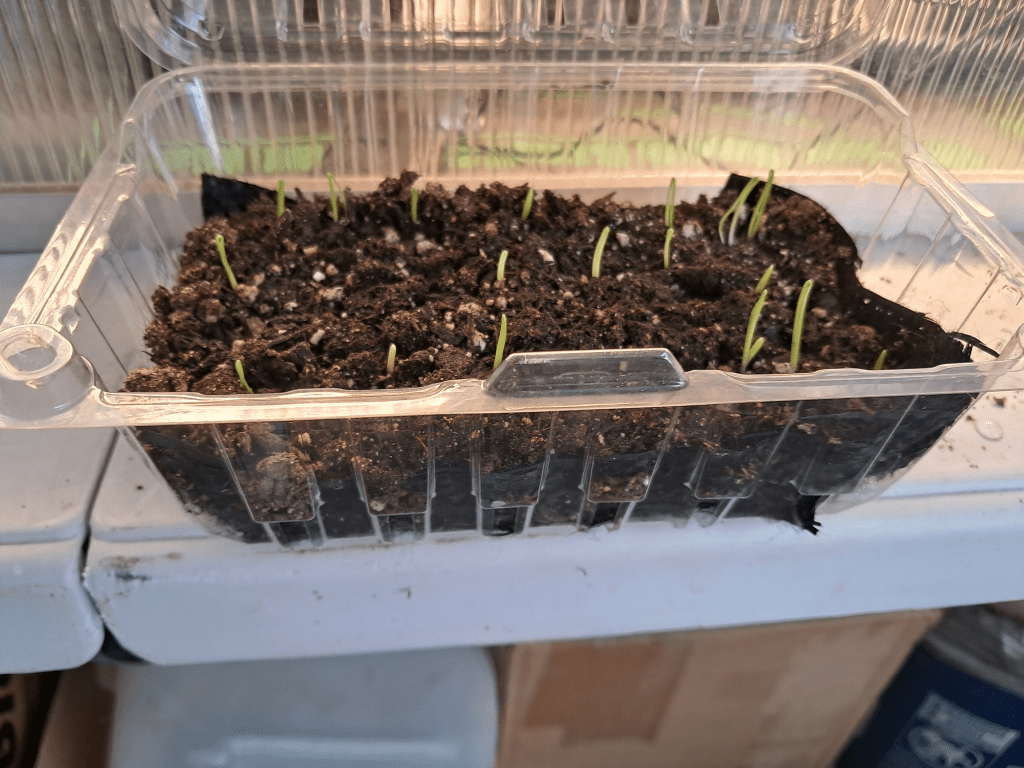
    I hunt for fresh ways to use up garden produce, share turkey videos with faraway friends, and text neighbors to swap garden tips or photos of the first spring seedlings. After sharing my post on how to plant onion seeds, it’s been fun seeing those early sprouts push through the soil. It’s the perfect reminder that growth takes time. When our chicks struggled to hatch last year, a quick YouTube search saved both the day—and the chicks.

    Digital tools blur the line between work and home—but that overlap keeps me grounded. In this modern era of homesteading and family life, connection is survival—it’s how we share ideas, find support, and remind each other that the mess and magic of everyday life are worth it.

    Feature Photo by Adrien on Unsplash


    What invention helps you juggle the chaos of working motherhood and homesteading life? Share your must-have tool or favorite homestead app in the comments below!

    If this resonated with your own mix of work calls, garden chores, and bedtime stories, please like this post. Share it with another mom trying to balance homesteading and real life.

    Loved this? Subscribe for weekly homesteading tips:

    Next Read: How Teams + Chickens Power My Work-from-Home Mom Life

  • Easy Homemade Dumplings: A Kid‑Friendly Family Recipe with Garden Fresh Veggies

    Easy Homemade Dumplings: A Kid‑Friendly Family Recipe with Garden Fresh Veggies

    Earlier this week, I shared how Chinese‑inspired dumplings have become one of our family’s favorite dishes to make together.

    Today, I’m sharing the practical side—the ingredients, the process, and a few kid‑friendly tips that keep it fun instead of fussy.

    These dumplings aren’t about perfection or authenticity. They’re about slowing down, folding stories into dough, and turning a simple meal into a memory.


    The Dough

    Simple on purpose. This is a forgiving dough—perfect for little helpers.

    You’ll need:

    • 2⅓ cups all‑purpose flour
    • ¾ cup hot water

    How we do it:

    1. Mix flour and water until the dough looks shaggy.
    2. Let it rest 5 minutes so the flour can hydrate.
    3. Knead until tacky but not sticky—about 10 minutes—then cover and let rest for 30–60 minutes.

    Tip: Let kids feel the dough at each stage—it teaches patience and awareness in the kitchen.


    The Filling

    Flexible and flavorful. We rarely make the same mix twice!

    Base recipe:

    • ½ lb ground beef (or pork, turkey, or tofu—whatever’s handy)
    • ¼ cup chicken stock (adds moisture and creaminess to the mixture)
    • 1 Tbsp soy sauce
    • 1 Tbsp dry sherry or rice wine
    • 2 tsp powdered or 1 Tbsp fresh ginger
    • 1 tsp salt
    • ¼ tsp black pepper
    • About 2 cups finely chopped vegetables (onion, bok choy, cabbage, carrot, or mushrooms)

    Combine everything in a food processor or large bowl. Cover and refrigerate until ready to use.


    Shaping the Dumplings

    Divide the dough into thirds. Roll each third into a thin sheet—about ⅛ inch (3 mm) thick. Use a round cutter (or the top of a cup) to stamp circles.

    Add a spoonful of filling to the center of each, fold, and pinch to seal.

    We use a handheld crimper that seals on one side while cutting on the other—perfect for small hands.

    The folds may look rustic, but that’s part of their charm.


    Steaming

    Line a bamboo steamer with cabbage leaves or perforated parchment paper. Place dumplings about an inch apart so they don’t stick together.

    Set the steamer over a skillet or wok with about a quart (1 L) of boiling water. Steam 8–10 minutes, until the wrappers turn slightly translucent.

    Your kitchen will smell wonderfully savory—earthy, gingery, and faintly sweet.


    The Sauce

    Minimal effort, maximum flavor.

    Our usual combo:

    • 2 Tbsp soy sauce
    • 2 Tbsp black vinegar
    • 1 tsp sesame oil
    • A pinch of toasted sesame seeds

    Mix and serve in small bowls for dipping.


    Kid‑Friendly and Community‑Friendly Tips

    • Make it social. Invite a neighbor or friend to join the folding line; conversations rise like steam.
    • Keep it relaxed. Expect sticky fingers and imperfect folds—they’re evidence of fun, not failure.
    • Garden‑to‑table joy. Use homegrown bok choy or green onions if you can—they add freshness and pride.
    • Double the batch. Cooked leftovers freeze perfectly, and neighbors never say no to take‑home dumplings.

    Serving

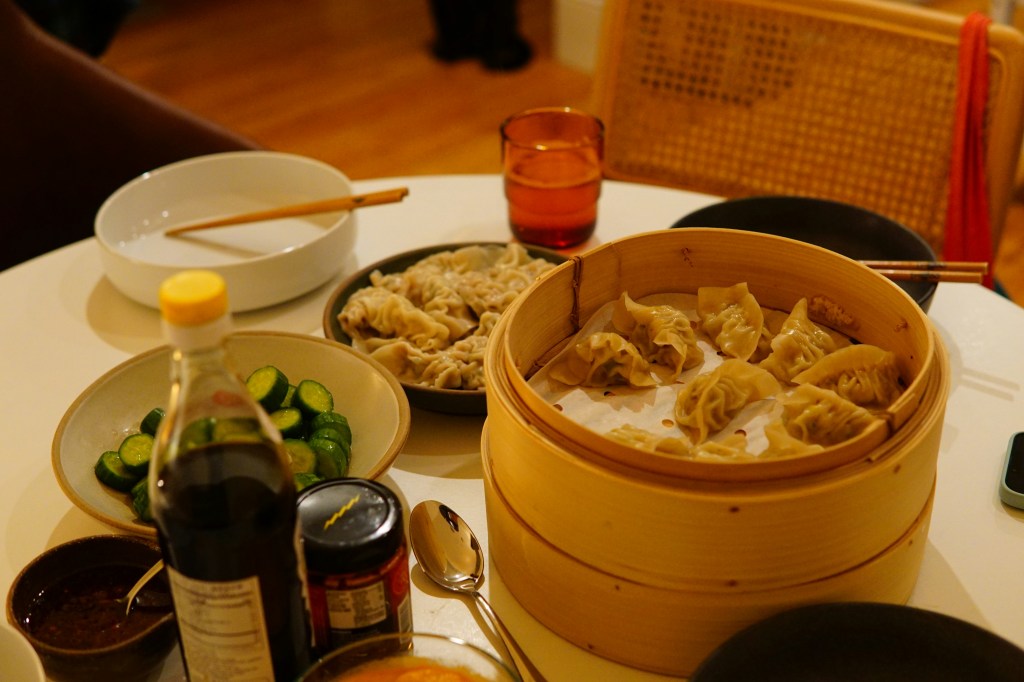
    Serve the dumplings hot with dipping sauces and steamed vegetables on the side. We usually eat them family‑style, with the bamboo steamer set in the middle of the table while someone inevitably steals the last one.

    Enjoy with people who understand that food, like love, multiplies when it’s shared. Every fold and laugh at the table keeps us growing—food, kids, and community all together.


    FTC Affiliate Disclosure

    This post contains affiliate links, which means I may earn a small commission—at no extra cost to you—if you purchase through those links. I only share tools and products that we actually use and love in our kitchen.


    Gentle Call to Action

    💚 If this recipe made you hungry (or inspired you to try folding a few of your own), share this post with a friend who loves to cook, or subscribe below so you don’t miss more community‑minded recipes straight from our kitchen and garden.

    Feature Photo by Sam Lu on Unsplash


    💚 If you loved this recipe, share it with friends or family who love cooking together.

    Subscribe below for more garden‑to‑table recipes and community‑building ideas straight from our kitchen.

    👉 Missed the story behind these dumplings? Read Folding Dumplings, Building Connection here.

  • An Ideal Summer Day of Simple Homestead Living With Family

    An Ideal Summer Day of Simple Homestead Living With Family

    Daily writing prompt
    Describe your most ideal day from beginning to end.

    Simplicity isn’t about doing less — it’s about noticing more. My ideal day on our little homestead is built around that truth. It’s a day where time stretches wide, full of laughter, sunshine, and slow, simple living.


    Morning Calm and Connection

    The day begins the way I love best — with toddler kisses, a sleepy hug from my six-year-old, and my husband beside me. Before the world fully wakes, we take a quiet moment to breathe together. There are no alarms, no emails, no errands pulling us away. The only plan is to move through the day at a gentle rhythm, enjoying each other’s company and the sweetness of home.


    Breakfast and the Beauty of Routine

    Breakfast is a family affair. My husband gathers eggs while I grind coffee beans and brew a fresh pot. The kids take their favorite jobs — cracking eggs (usually with some shell), preparing pancake batter, and frying bacon. We cook with the windows open, sunlight pouring in and the sound of birds joining our morning conversation.

    The meal is simple and colorful: fresh eggs, pancakes, and bacon from last year’s pigs. It takes longer, but it’s richer in every way because we do it together.


    Hands in the Dirt, Hearts at Ease

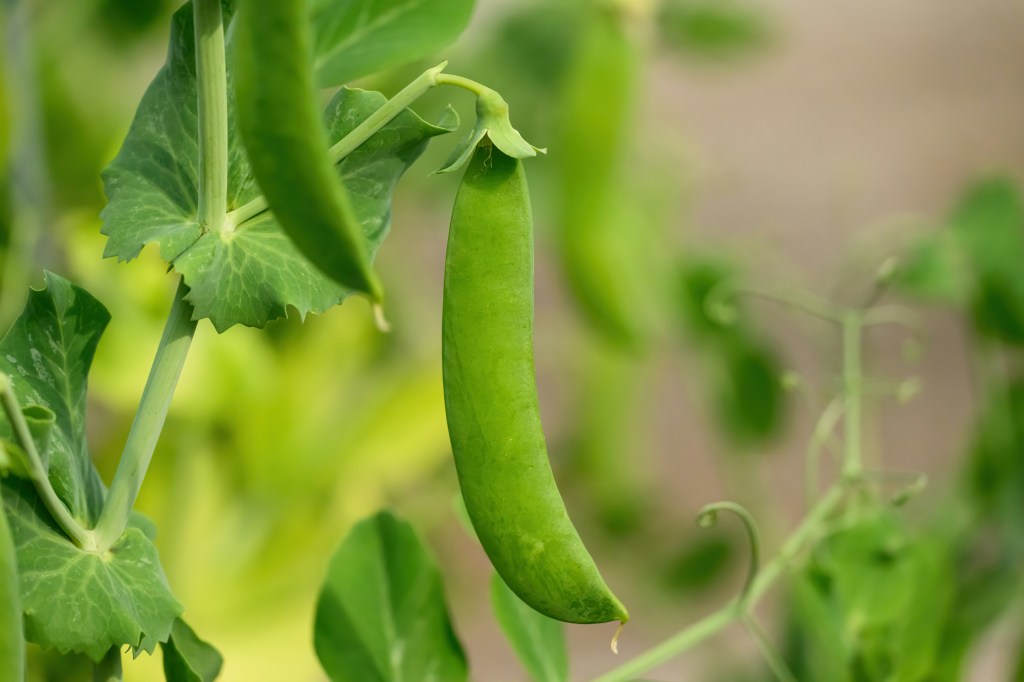
    After breakfast, my husband heads out to refill the animals’ water tanks and check the garden fences. Meanwhile, the kids and I harvest what’s ready — sun-warmed tomatoes, crisp cucumbers, and snap peas that rarely make it to the kitchen. We feed the chickens, pick up toys outside, and pause often to feel the warmth of the day settling in.

    The work hums softly in the background; it’s grounding, steady, and quietly joyful — the soundtrack of homestead life.


    Raising Kids on a Homestead

    By late morning, the chores shift to play. We might pack up for an outing — a trip to the library or a shady walk by the Horicon Marsh — or stay close to home and make our own adventure. My husband and son might build something simple, like a birdhouse or garden trellis, while my daughter and I mix water, flower petals, and herbs in the “mud kitchen.”

    These are the moments where raising kids on a homestead feels magical — learning through exploration, imagination, and plenty of sunshine.


    Building Homestead Community

    Around noon, our neighbor stops by with a bag of fresh Amish bakery treats. He stays for a half hour just to chat at the kitchen table while the kids dart in and out. We sip lemonade and trade stories about gardens, weather, and local goings-on.

    These spontaneous visits are at the heart of homestead community — the easy, come-as-you-are friendships that summer invites. When he heads out, we make a quick lunch of garden sandwiches and homemade pickles, laughing over whose plate is the messiest.


    The Rhythm of Slow Living

    The afternoon drifts by in that perfect blend of rest and play. My toddler naps, the older one curls up with a book or joins my husband hoeing the garden, and I steal a few quiet minutes with a book on the bench outside our door. Later, we cool off in the sprinkler, make homemade popsicles, or pick raspberries from the patch.

    The hours stretch unhurried — each one filled with that golden kind of peace slow living on a homestead offers.


    Simple Suppers and Summer Evenings

    As evening settles, supper becomes another shared project. My husband fires up the grill while I toss a big garden salad and slice the first broccoli of the season. The kids set the picnic table beneath the maple tree. We eat outside, barefoot and happy, surrounded by the hum of summer — crickets chirping, bees buzzing, and the sky fading into soft pink.

    After dinner, we linger. Sometimes it’s s’mores over the firepit, other nights it’s catching fireflies or telling stories under the stars.


    The Gift of Enough

    When the kids are asleep, my husband and I share a quiet moment on the park bench — two cold beers, warm night air, and a shared silence that says, “This is exactly where we’re meant to be.”

    These days remind me that simplicity isn’t a destination; it’s a daily choice — a rhythm we return to when life feels too loud. Most of us don’t get many days like this, but even small pieces of them are enough to steady the heart.

    This is my ideal summer day: no deadlines, no projects, no rush. Just the four of us growing food, raising kids, building community, and living a simple homestead life that teaches us how beautiful “enough” really is.

    Feature Photo by Michelle Tresemer on Unsplash


    💬 Tell me about your ideal summer day! What does simple living look like in your home or community? Share your thoughts or your favorite summer traditions in the comments — I love hearing how other families find joy in the everyday.

    💚 If this post resonates with you, please like and share this post to spread the message of simple, grounded living.

    Loved this? Subscribe for weekly homesteading tips:

    Next Read: Saturday Morning Family Breakfast: A Recipe for Togetherness

  • Life Lessons from Hard Seasons: Motherhood, Drought, and Growing Community

    Life Lessons from Hard Seasons: Motherhood, Drought, and Growing Community

    Daily writing prompt
    How do significant life events or the passage of time influence your perspective on life?

    Life Lessons from Seasons of Change

    Life’s big shifts and slow seasons have humbled me more than I ever expected. These hard seasons have become some of my deepest life lessons.

    When I was younger, I believed effort alone could fix anything. If plans fell apart, I figured someone just wasn’t trying hard enough—or doing things the right way—maybe even me. There was real arrogance in that. I thought sheer willpower could bend the world to my plans.

    What a Drought Taught Me About Letting Go

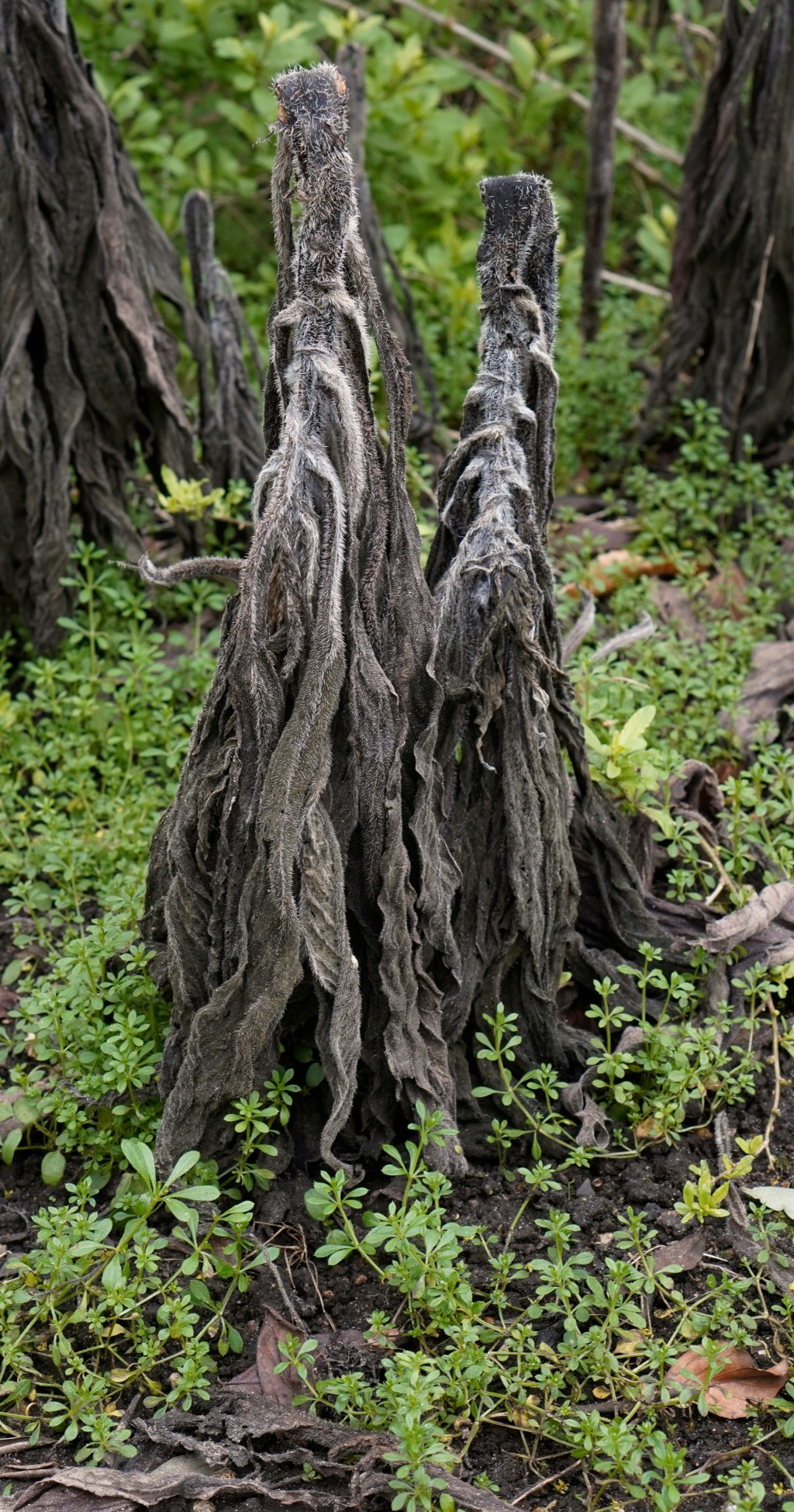
    Then came the hard stops: moments no amount of grit could move. A garden lost to drought after I had my first child taught me that lesson faster than any sermon.

    No extra watering, no wishing, no late-night worrying brought back the harvest. That loss showed me surrender—not as giving up, but as meeting reality honestly and carrying only what’s mine. I still remember the cracked soil under my hands and the quiet ache of knowing this hard season of motherhood wasn’t mine to fix with effort alone.

    Finding Balance in Parenting and Daily Chaos

    These days, when chaos and noise fill the house or the coop, I pause instead of pushing harder. “What’s mine to carry?” has become a quiet mantra in these hard seasons of parenting.

    Boundaries, deep breaths, even tears—they build me back stronger. And honestly, I need those reminders often. These everyday moments are teaching me life lessons from the garden and the home, one small surrender at a time.

    Building Community Through Grace and Compassion

    Love feels different now, too. Gentler. I see the hidden weight in others—a neighbor worn thin, another parent stretching through a long week—and grace comes quicker.

    Community grows in those moments when compassion replaces judgment. Some days that looks like sharing a meal. Other days, it’s just listening without trying to fix. In their own way, these conversations are building community in hard times, one honest story at a time.

    Growing Through Time, Trust, and Faith

    Time weaves it all together—naivety to trust, effort to faith. The seasons remind me that everything sprouts, fades, and returns in its own time, even in our hard seasons of life.

    My job is to show up faithfully—to tend what I can, raise my kids with patience, and keep building a life that roots deeply in love and community. These are the life lessons from hard seasons that shape how I move through the world now.

    Feature Photo by Natalia Gasiorowska on Unsplash


    How have your hard seasons changed you? I’d love to hear how time has softened or strengthened your own soil—share in the comments below.

    If this resonated with you, please like and share this post so it can reach another tired parent or neighbor who needs a gentler story today.

    Loved this? Subscribe for weekly homesteading tips:

    Next Read: “The chore that never gets done (and Why that’s ok)” → https://homesteadsustainably.com/the-chore-that-never-gets-done

  • The Chore That Never Gets Done (and Why That’s Okay)

    The Chore That Never Gets Done (and Why That’s Okay)

    Something on your “to-do list” that never gets done.

    There’s one item that’s been living rent-free on my to-do list for what feels like forever: deep-clean the house. Every week I write it down with the best intentions, and every week it stares back at me, smug and unchecked.

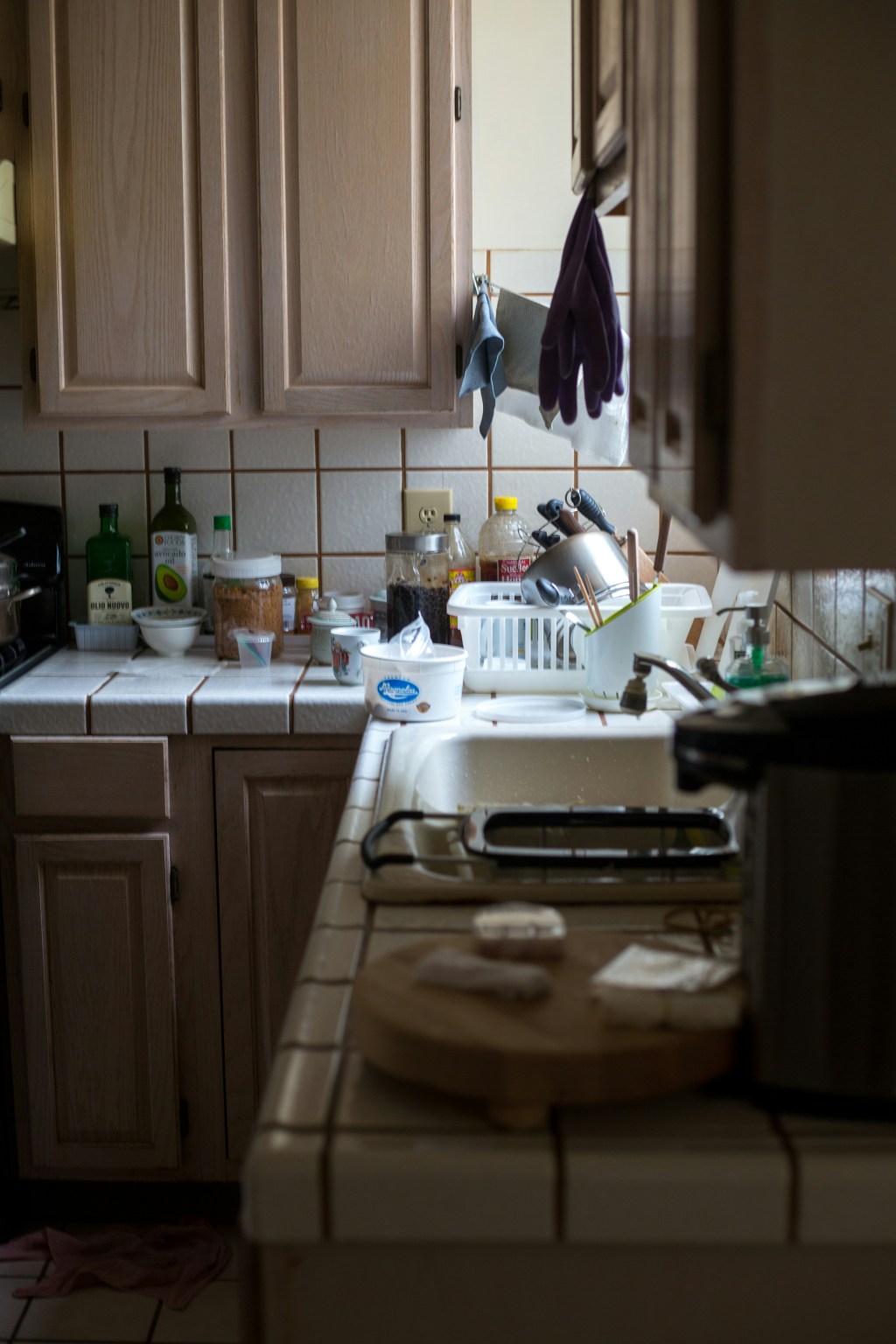
    Sure, I’m great at the daily tidy-ups—the quick resets, leaping over toys, and keeping countertops visible (mostly). But the real deep clean? Scrubbing baseboards, washing curtains, or tackling the mystery stuff in the back of the cabinets? Somehow that always gets bumped down the list by, well… just about everything else.

    Part of the problem is our ongoing upstairs renovation. Two years in, and we’re still coaxing this old house back to life—tearing out lath and plaster, sealing drywall, trying to keep ahead of the dusty evidence. That fine gray film drifts through the house like snow that overstays its welcome. Add two little kids who turn any clean surface into an art project within minutes, and—let’s be honest—deep cleaning doesn’t stand a chance.

    By the time evening rolls around, my energy’s long gone. I look around, spot another trail of cracker crumbs, and think, good enough till tomorrow. Honestly, I’ll take progress over perfection any day.

    My (Somewhat Hopeful) Game Plan

    I keep telling myself there has to be a way to outsmart this never-ending chore. Maybe it’s not about a single heroic cleaning day but smaller, practical wins.

    • Fifteen-minute power bursts. Pick one room, one task, one playlist. Quick sweep, easy win.
    • Recruit the tiny troops. The kids love joining in—with spray bottles and rags, no less. Sure, it takes longer, but at least we laugh through it.
    • Wait for calmer seasons. Once the last coat of paint dries and the drywall dust clears, I’ll finally give this place a top-to-bottom refresh.
    • Keep the dream in mind. A calm, clean space where we can all exhale—that’s the goal. Future me will be thrilled.

    Until then, I’m embracing the real version of home: a little messy, a lot loved, always humming with life. Between raising kids, growing things outside, and building something meaningful in our community, there’s bound to be dust somewhere—and that’s okay.

    Feature Photo by Jason Leung on Unsplash


    So tell me—what’s the chore that never quite leaves your list? Let’s swap confessions in the comments and remind each other that perfect isn’t the point—living fully is.

    If you enjoyed this peek into our real-life chaos, give this post a little love. Like it, share it with a friend, or subscribe for more stories about growing food, raising kids, and building community one messy day at a time.

    Related Posts

  • What Making Dumplings with My Son Taught Me About Food, Family, and Connection

    What Making Dumplings with My Son Taught Me About Food, Family, and Connection

    Daily writing prompt
    What’s your favorite thing to cook?

    When You Ask a Six‑Year‑Old for Help

    This prompt stumped me at first. I love cooking most things, especially when I get to share the meal with people I love. So I took the easy route and invited my six‑year‑old son into the kitchen to help me decide.

    His first instinct was “cookie bars,” which is adorable and perfectly on brand for him—but for me? That’s too easy a win. So we pivoted, and his second answer surprised me: my Chinese‑inspired dumplings—proof he’s been paying attention.


    A Learner in the Kitchen

    I call them “Chinese‑inspired” because I’m not Chinese, and I’ve never been to China. That disclaimer isn’t an apology—it’s a reminder that I’m always learning in the kitchen.

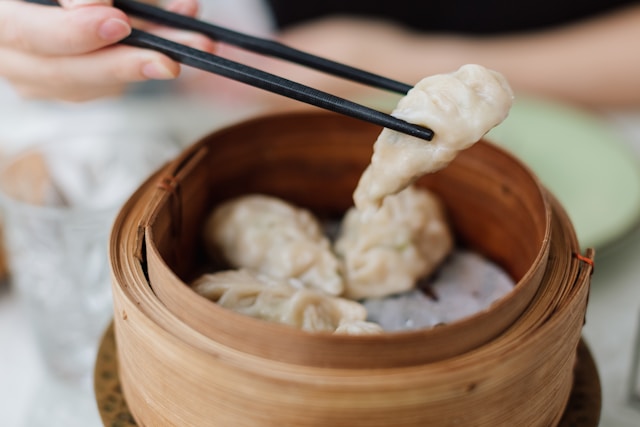
    These dumplings are the kind you steam rather than fry: thin flour wrappers cradling a savory mix of meat and vegetables. I fold them with a rhythm that often makes it look like my son did the work, which feels exactly right—dumplings should look handled, not manufactured. Every crimped edge reminds me that cooking is more about process than perfection.


    A College Detour in Mandarin

    My dumpling story began long before the dough hit the counter. In college, I took three semesters of Chinese on a whim—Spanish was full, and Chinese looked interesting.

    I learned how a stray tone could turn “mother” into “horse,” a lesson that stuck far beyond the classroom. On Friday nights, a Chinese roundtable met on campus. We practiced speaking—and sometimes, we shared steamed dumplings.

    I can still taste that first one, dipped in soy sauce, black vinegar, and sesame oil: warm, tender, and endlessly comforting. It tasted like a small passport stamp on my college life.


    The Janky Restaurant Valentine

    Months later, early in our relationship, my now‑husband and I found ourselves in a tiny, sticky‑floored Chinese restaurant on State Street in Madison. It was Valentine’s Day. The décor was questionable, the menu unpredictable, but the dumplings? Pure joy.

    We ate until we were full and a little giddy. That meal wasn’t about romance; it was about finding comfort in something humble and good—a truth the sticky floor couldn’t ruin.


    Bringing Dumplings Home

    As I started cooking more at home, I wanted to recreate that feeling. I planted bok choy in the garden—there’s something deeply satisfying about pulling a crisp green leaf from soil you’ve nurtured.

    I experimented with what I had: powdered ginger instead of fresh, onions for sweetness, ground beef for substance. A simple bamboo steamer lined with cabbage leaves kept the dumplings from sticking to the rack.

    The dumplings weren’t authentic, but they were ours. And authenticity, for me, isn’t a destination—it’s a doorway to learning and connection.


    Learning Together, One Mess at a Time

    Now, when my son and I roll dough together, the process has turned into a ritual. We talk, we laugh, we listen to a podcast, and flour drifts across the counter (and occasionally, Black Cat).

    We’re not just making food—we’re making memories that stick, as any good dumpling does. And honestly, we laugh more over flour than over finished meals.


    What It All Comes Back To

    Food weaves together people, places, and time. These dumplings hold it all—college curiosity, early love, homegrown bok choy, and the joyful chaos of raising a child.

    Growing food, raising kids, building community—it all finds its way back to the kitchen.

    Feature Photo by Janesca on Unsplash


    What’s your favorite dish to make and share with the people you love?

    💚 If this story made you smile, share it with a friend who loves food and family as much as you do!

    Subscribe below so you don’t miss the post featuring my Simple Chinese Dumpling Guidelines—and more recipes that grow from the garden to the table.

    Related Posts

    The Power of Local Food: Lessons from Ethnic Cooking

    Until I attended college, I believed that cultural influences on food were largely a thing of the past.  I grew up in a part of small-town Wisconsin where the cultural influence of my German dairy farming heritage had diminished over the years.  Regional dishes, while still present, were largely nationalized.  Food was sourced from boxes…

    Keep reading

    Unfolding the Woman Within

    When I pulled open the long-forgotten box of clothes, I expected nothing more than sweaters and dresses that hadn’t seen daylight since before we moved. Instead, I uncovered an archive of myself—fabric woven with memory and identity, versions of me I thought I’d misplaced in the blur of motherhood, upheaval, and quiet reinvention. Threads I…

    Keep reading
  • How to Start Onion Seeds Indoors: Easy Winter Gardening for a Strong Spring Harvest

    How to Start Onion Seeds Indoors: Easy Winter Gardening for a Strong Spring Harvest

    Disclosure: This post contains Amazon affiliate links. If you purchase through these links, I may receive a small commission at no additional cost to you. I only recommend products our family actually uses and finds helpful in the garden or kitchen. Thank you for supporting Practical Homesteading—it helps me keep sharing our stories of growing food, raising kids, and building community.


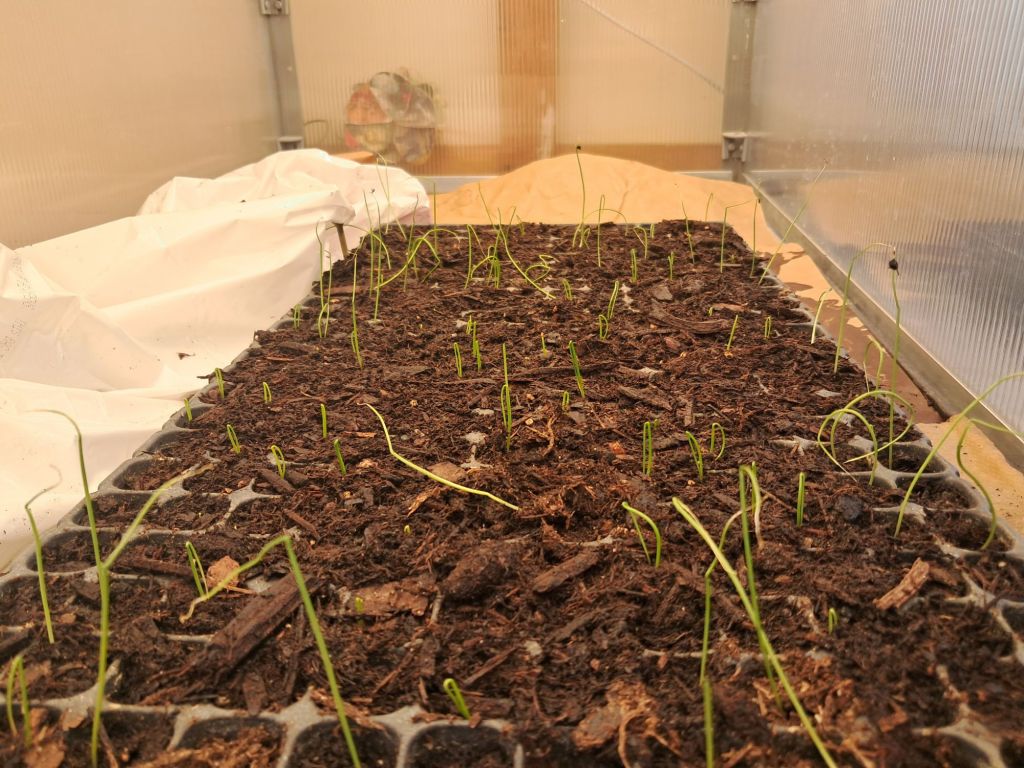
    In my last post, I wrote about planting onions with my son—the quiet winter ritual that reminds me how growth begins long before it’s visible. Today, I’m sharing our simple process so you can start your own onion seeds, too. It’s an easy, rewarding way to bring some green life into the cold months.

    1. Start early.
      Begin about 10–12 weeks before your last expected frost. Here in the Midwest, that usually means late January or early February.
    2. Choose the right varieties.
      Long‑day onions, such as ‘Yellow Ebenezer’ or ‘Red Wing’, do best in northern climates where summer days are long. Southern gardeners should look for short‑day types like ‘Texas Early Grano’.
    3. Prepare containers and soil.
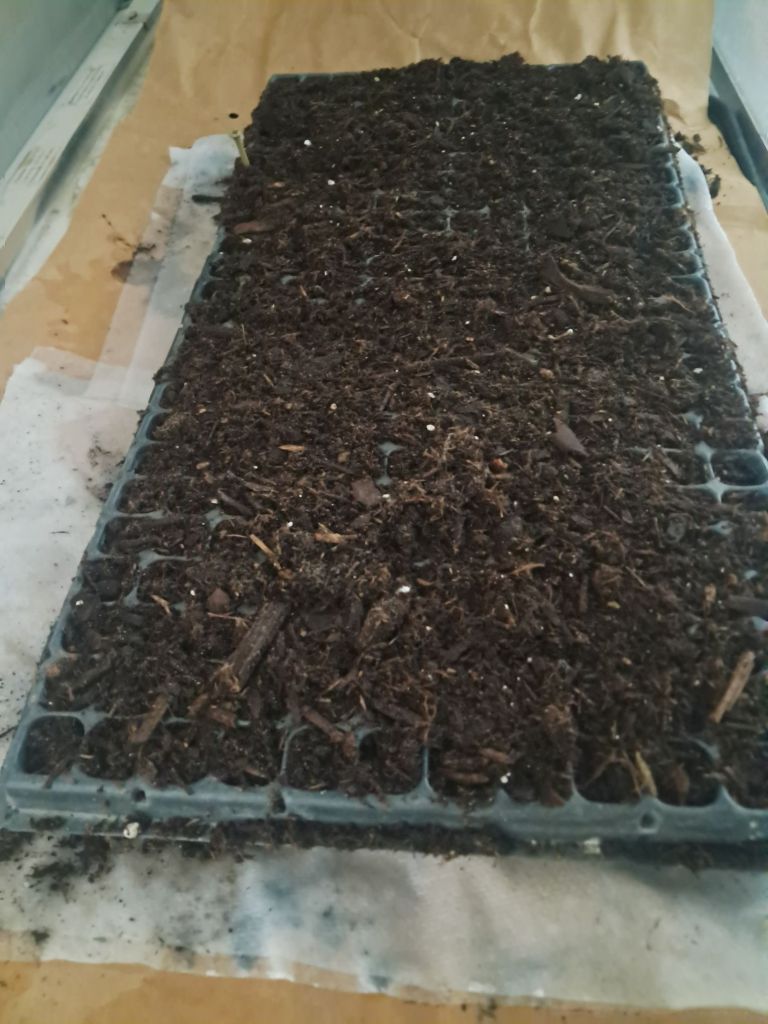
      Reuse shallow berry cartons or seed trays (Amazon affiliate link)—just make sure they have drainage holes. Fill them with a light, fine seed‑starting mix about two inches deep. Place the tray on a cookie sheet or shallow pan to catch water.

      Lay a paper towel underneath the tray and moisten it. The towel helps distribute water evenly so moisture wicks up through the soil. Repeat until the mix feels uniformly damp but not soggy.
    4. Sow the seeds.
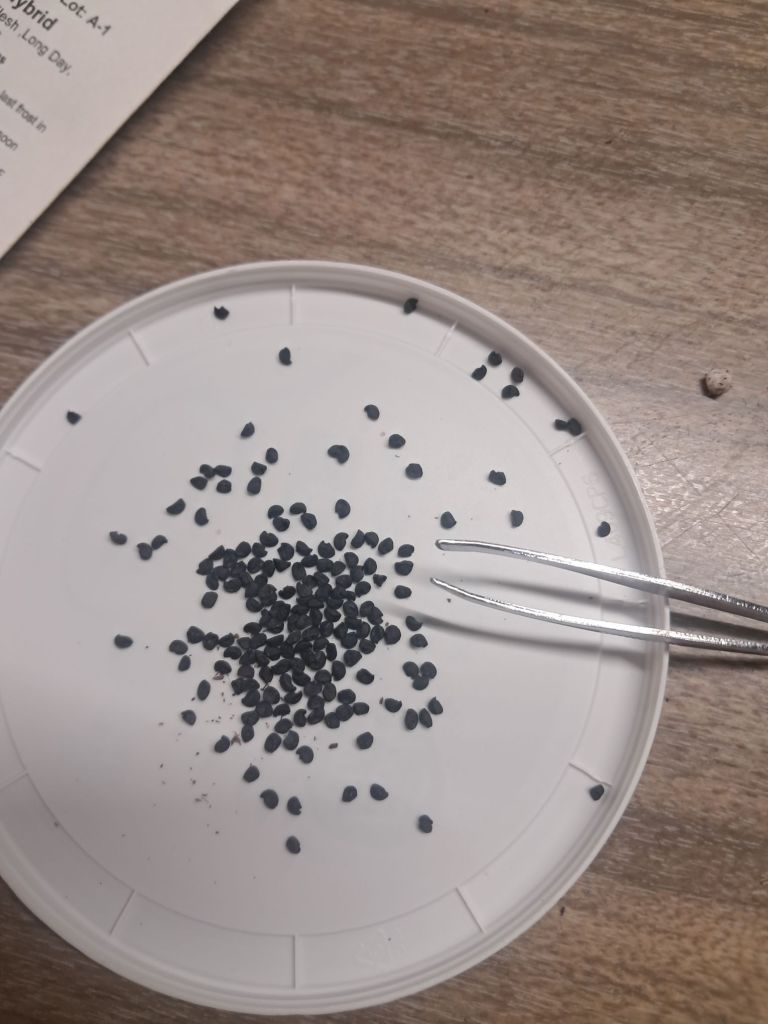
      Sprinkle seeds evenly across the surface. If you prefer precise spacing—and an easier time separating seedlings later—use tweezers to place them individually.
    5. Provide warmth and cover.
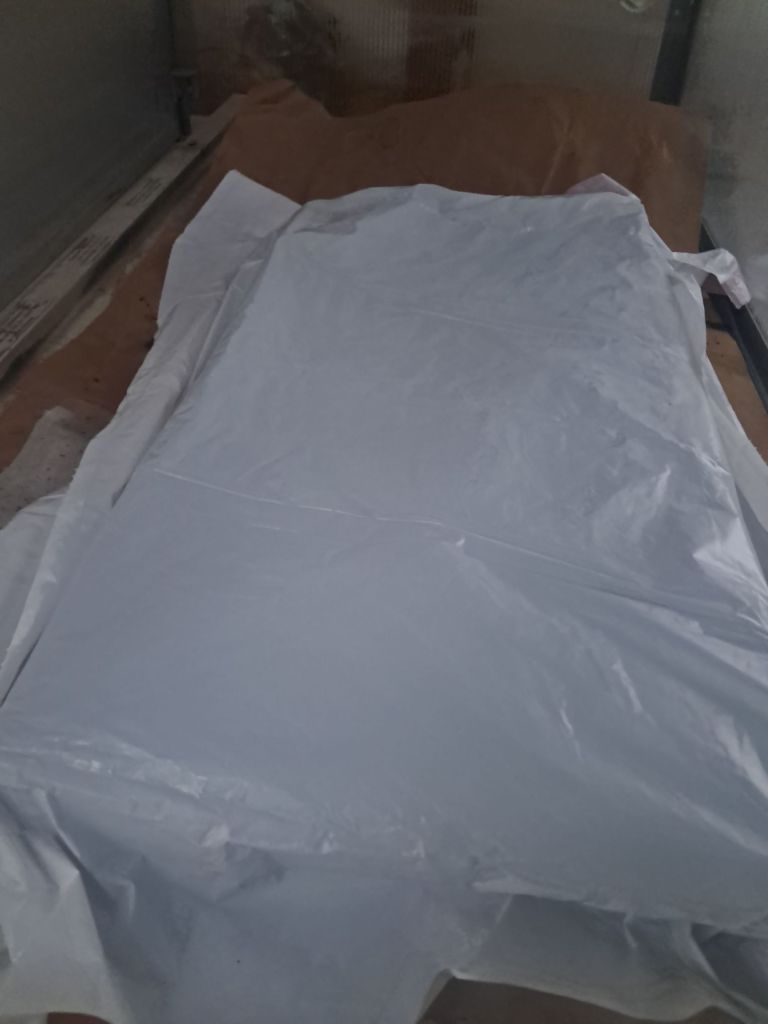
      Cover the tray with cling wrap or a clear plastic bag to retain moisture. Keep the setup warm, around 65–70°F, until you see seedlings poking through. A seed‑starting heat mat (Amazon affiliate link) helps maintain steady warmth.

      Once germination begins (after 7–10 days), remove the cover and move the tray beneath a grow light (Amazon affiliate link) or into a sunny south‑facing window for 12–14 hours per day.
    6. Water and trim.
      Continue watering from below using the same paper‑towel technique. When the soil surface begins to dry, add a bit of water to the tray. Trim tops to about three inches once a week—this strengthens the stems and encourages root growth. Bonus: the cuttings are delicious! My son loves snacking on them fresh.
    7. Harden off and transplant.
      When seedlings reach 6–8 inches tall and the soil outdoors can be worked, begin hardening them off. Gradually expose them to outdoor conditions for about a week, then plant them four inches apart in rows.

    The seeds are small. I used a tweezers to carefully place each one.
    Planted, with the paper towel trick underneath to wick the excess water evenly throughout the bottom.
    I used a plastic garbage bag as a moisture trap until the sprouts started poking through.
    You can use old strawberry containers to plant in too, I have a layer of fabric on the bottom so the soil didn’t fall through.

    By late spring, those tiny green shoots will have grown into sturdy plants ready to feed your family—and perhaps your neighbors, too. Sharing a meal of homemade French onion soup with loved ones is one of my favorite ways to grow community as well as food.

    Here’s to green shoots, patience, and the small beginnings that nourish far more than we expect.


    🌱 Enjoyed this guide? Let me know how your onion seedlings are coming along in the comments below!
    💬 Share this post with a friend who’s dreaming of spring gardening.
    ❤️ Subscribe to get my newest posts on growing food, raising kids, and building community—straight to your inbox every Thursday and Sunday.

    Related Posts

  • My First Computer: Refurbished Dell to Mac Upgrade Story

    My First Computer: Refurbished Dell to Mac Upgrade Story

    Write about your first computer.

    My first computer? A refurbished Dell that my parents gave me as an early graduation gift halfway through senior year. It felt like a quiet door swinging open to the world—no more fighting over the family desktop.

    My sister chipped in for Microsoft Office, making it feel truly official. Suddenly, I could type papers in my room, save drafts without panic, and fuss over fonts late into the night. That Dell tagged along to college for study marathons, half-finished research papers, and way too much social media through my freshman and sophomore years.

    By junior year, it was groaning and freezing at the worst times. True to my “use it up” ways, I rode it until the end instead of fixing it. One afternoon, I walked into Best Buy and came out with a Mac—a thrilling upgrade.

    That Dell still stands out, not for its power, but because it was mine. It carried me from high school awkwardness into real life.
    Feature Photo by Erick Cerritos on Unsplash


    What’s your first computer memory? Share below!

    Loved this nostalgic trip? ❤️, Like, share with a friend, and subscribe for more real-life stories from my homestead.

    Related Posts

    The Power of Local Food: Lessons from Ethnic Cooking

    Until I attended college, I believed that cultural influences on food were largely a thing of the past.  I grew up in a part of small-town Wisconsin where the cultural influence of my German dairy farming heritage had diminished over the years.  Regional dishes, while still present, were largely nationalized.  Food was sourced from boxes…

    Keep reading

    Life by Stratigraphy

    The first sound I remember from that trip wasn’t birdsong or the crackle of firewood—it was my professor’s baritone voice drifting through a soft Michigan mist. Waking to that unlikely serenade, I understood for the first time that geology wasn’t only about rocks. It was about connection. I was a sophomore then, half-frozen in an…

    Keep reading

    Unfolding the Woman Within

    When I pulled open the long-forgotten box of clothes, I expected nothing more than sweaters and dresses that hadn’t seen daylight since before we moved. Instead, I uncovered an archive of myself—fabric woven with memory and identity, versions of me I thought I’d misplaced in the blur of motherhood, upheaval, and quiet reinvention. Threads I…

    Keep reading
  • The Scariest Button I Click as a Homesteading Mom Blogger

    The Scariest Button I Click as a Homesteading Mom Blogger

    What’s the thing you’re most scared to do? What would it take to get you to do it?

    I’ve been writing online for nine months, and you’d think the fear would have faded. But every time I hover over “Publish,” my heart still skips. It’s funny — no matter how many posts I write, that little flash of fear never really goes away.

    The Scariest Button I Click

    “Publish” on my most vulnerable stories.

    I can talk all day about raising kids, growing food, and finding our rhythm in community. I’ve shared about my postpartum struggles and other tender seasons because I want other moms to know they’re not alone. That kind of openness feels easier now—but there are deeper stories I haven’t shared yet. The ones that changed me, stretched me, and still make my stomach knot when I think about putting them out there.
    The Drafts That Wait

    Some of those stories sit in my drafts folder, half‑finished, holding the hardest moments—the times that tested my faith, my patience, and my sense of self. I know sharing them might help someone else, but I still hesitate. I worry about being misunderstood, about saying too much, about people turning away. But I also know that the most meaningful connections grow when we show up honestly, even when it scares us.

    What It Would Take

    • A clear why: Remembering that if one person feels seen, the fear is worth it.
    • Gentle accountability: Friends who nudge me to keep showing up.
    • Boundaries: Knowing which parts of my story I can hold close.
    • Small practice: One honest sentence at a time, letting courage build slowly.

    Growing Braver

    The fear never really leaves. But each time I hit “publish,” I feel a little steadier, a little stronger. I see that courage isn’t a single leap—it’s the quiet, everyday choosing to keep growing, even when it’s uncomfortable. Maybe that’s what real community is built on: showing up with our full selves, mess and all, and finding we’re not alone after all.

    Feature Photo by yousef samuil on Unsplash


    If you’re comfortable, tell me one area where you’re trying to be braver this year.

    If this story made you feel a little less alone, share it with a friend who might need it too. Better yet, invite them over for coffee and a real conversation. Subscribe for more reflections on growing food, raising kids, and building community—new posts every Sunday and Thursday.

    Related Posts

    The Courage to Belong

    For as long as I can remember, I wore independence like a suit of armor: polished, impenetrable, and heavy. I believed that refusing help was a sign of strength; until, one winter night, my newborn son cracked that armor wide open. I was sitting on the cold living room floor, cradling him against my chest,…

    Keep reading
  • What I Complain About Most: Why Farmers Deserve More Appreciation (And How We’re Reconnecting)

    What I Complain About Most: Why Farmers Deserve More Appreciation (And How We’re Reconnecting)

    Daily writing prompt
    What do you complain about the most?

    I used to be a champion complainer—until I realized it never planted a single seed worth growing.


    I try not to complain too much. It’s a nasty habit that usually leaves me feeling worse than before I started. Instead, I try to live by the words of the Serenity Prayer:

    “God, grant me the serenity to accept the things I cannot change,
    The courage to change the things I can,
    And the wisdom to know the difference.”

    When I catch myself slipping into that spiral of frustration, I remind myself of those lines. If there’s something I can fix, I get to work on it. If there isn’t, I try to shift my perspective. Some days, that works beautifully. Other days, not so much—but it’s a practice, and a worthwhile one.


    When Passion Comes from Frustration

    Still, there are some things bigger than myself that I can’t quite let go of—issues that deserve our collective attention. That’s where my frustration tends to turn into passion.

    If you really want to know what gets me on my soapbox, it’s this: how undervalued the foundation of our society has become—the farmer.


    Lessons from the Milking Barn

    I grew up on a dairy farm surrounded by fields, animals, and five hardworking older sisters. My dad, like many farmers, cautioned us not to follow in his footsteps. He didn’t say that out of bitterness; he said it out of love.

    He knew farming demanded endless hours, uncertain pay, and a body that rarely got a day off. The cows still needed milking before dawn, even after a night of broken sleep or if you were sick. The hay still needed to come in, even if rain clouds were gathering on the horizon. And no matter how hard you worked, the weather or the market could undo it all in a single season. With today’s global markets, that uncertainty feels even sharper than it did thirty years ago.


    The Great Disconnect

    Despite all that labor, society often treats farmers as an afterthought. We depend on them for our most basic need: food. Yet we seem disconnected from what it truly takes to put dinner on the table. It’s astonishing how quickly that disconnect happened. In just two or three generations, we’ve gone from home gardens, backyard chickens, and canning jars in the pantry to drive‑thru dinners and foods that travel thousands of miles before reaching us.

    Our modern food system is complicated. We’ve gained convenience but lost some wisdom along the way—wisdom about soil, seasons, and self‑sufficiency. Many children have never pulled a carrot from the ground or gathered a fresh egg. Even adults often feel surprised to learn where their food comes from.


    Marketing Replaces Memory

    Not long ago, I saw a potato chip bag proudly labeled “Made with Real Potatoes,” as if that were some sort of revelation. It made me laugh—and then it made me sad.

    Somewhere along the way, marketing replaced knowledge. We began trusting brands more than the soil, and food became a product instead of a shared experience. When I mentioned it on my Facebook page, people chimed in from everywhere. It turns out, so many of us feel the same way—grateful for convenience, but yearning to reconnect.


    Growing, Raising, and Reconnecting

    That little moment reminded me why I care so deeply about growing food, raising kids, and building community. These things are intertwined. When children understand where their meals come from, when we grow even a small piece of what we eat, when neighbors come together to share skills, seeds, and harvests—we start to rebuild that lost connection. Even something as simple as buying from a local farmers market, planting herbs on a windowsill, or teaching a child how to cook can make a difference.

    So maybe I don’t really complain all that much anymore. Maybe what I’m doing is something better: advocating, educating, and planting small seeds of change and connection in my backyard and in my community. Because while I can’t change the world overnight, I can nurture the soil right in front of me. And that feels like a pretty good start.


    Resources I Recommend

    Disclosure: This section contains Amazon affiliate links. If you purchase through them, I may earn a small commission at no extra cost to you. Thank you for supporting Practical Homesteading!

    If this post stirred something in you, here are a few places to start learning, growing, and preserving more of your own food. I only share resources I truly find useful.

    • Read and reflect: One book that has deeply shaped how I think about food and farming is The Omnivore’s Dilemma by Michael Pollan. It follows several different meals from source to table and invites you to really consider where your food comes from and who grows it. You can buy it in my link or borrow it from your local library.
    • Learn the basics of preserving: The Ball Book of Preserving is a solid, economical place to start if you’re new to canning. It covers the fundamentals clearly without feeling overwhelming, and it’s a great first step into safe home food preservation.
    • Go deeper with more recipes: The Ball Complete Book of Home Preserving is a much more comprehensive resource, with many more recipes and techniques. It’s a bigger investment, but worth it if you discover that preserving is something you love and want to keep expanding.
    • My home preservation essentials: I’ve put together an Amazon list of tools and books I use or recommend for dehydrating, canning, and freezing food at home. You can find it here: Home Preservation Essentials.

    If you have favorite books, tools, or simple tips for beginners who want to grow or preserve their own food, please share them in the comments—I’d love to learn from you, too!


    Loved this? Hit that ❤️ if it resonated. Share with a friend who needs to hear it. Subscribe for more real talk about growing food and building community. Your support means everything!

    Related Posts

    Why I Chose Homesteading

    Working mom of 2 shares her homesteading origin story – from Wisconsin dairy farm rebel to choosing chickens, gardening and bread making. Environmental professional finds freedom in practical homesteading.

    Keep reading