Author: fzangl1

  • Seeds of Patience: What Planting Onions with My Child Taught Me About Growth

    Seeds of Patience: What Planting Onions with My Child Taught Me About Growth

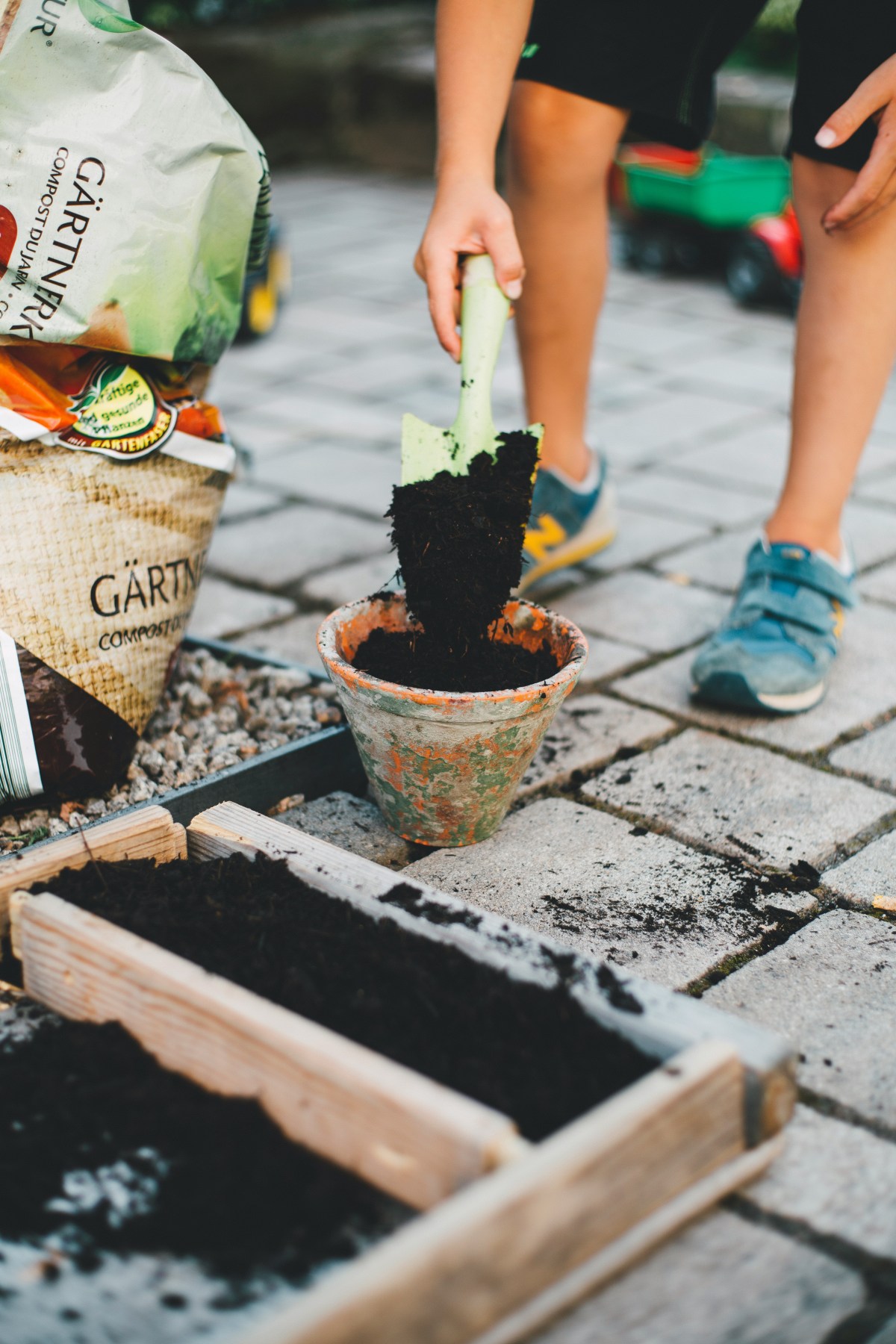
    My six‑year‑old son and I stand together in the soft, golden light of a winter morning. Outside, the world lies quiet under a thin layer of snow. Inside, our kitchen hums with gentle purpose. On an old sour cream container cover, tiny onion seeds rest—black flecks of promise. The soil waits to cradle them in recycled strawberry cartons. My son points to the sunbeam and whispers that the floating dust looks like magic. I smile and agree.
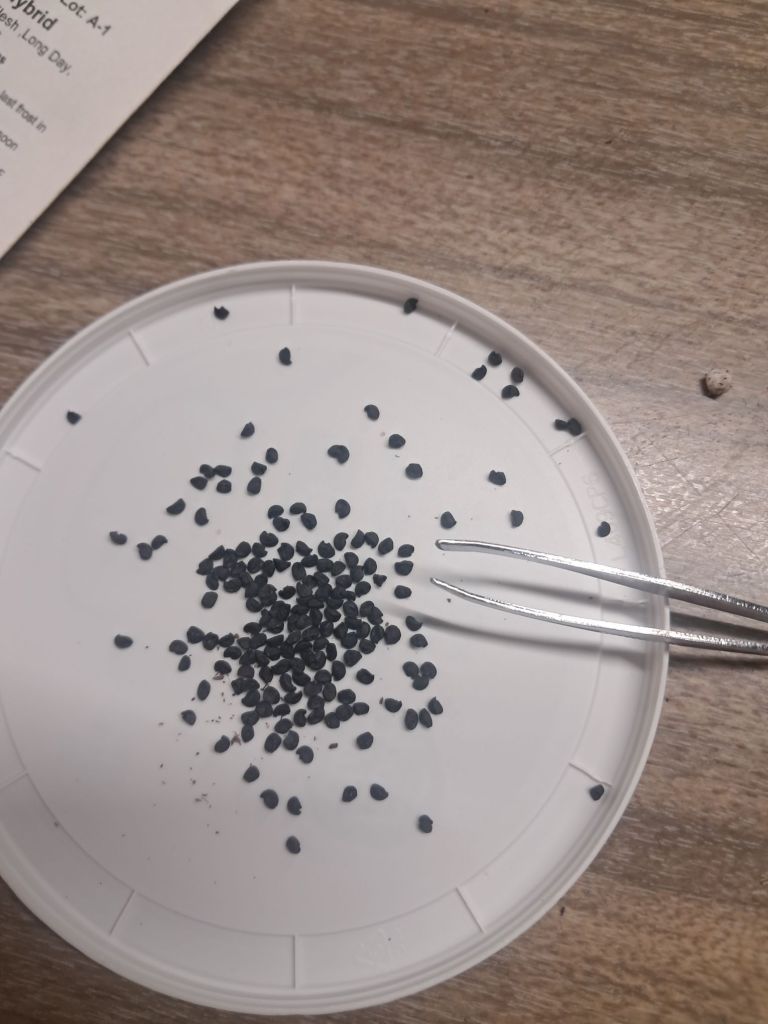
    With tweezers in hand, I show him how to lift each seed and drop it into place. He tries once, twice, and then finds his rhythm. We do this a hundred times—two sets of hands planting quiet hope in the soil. The air smells of earth and possibility. Even in midwinter, there’s life brewing under our fingertips.

    I am struck by how vulnerable each seed is—relying entirely on us for warmth, water, and light. They hold the potential to feed our family, just as my son holds his own potential, waiting for the right care to help him thrive. I can give him a home, guidance, and love, but not control what takes root or how quickly it grows. All I can do is nurture and trust.

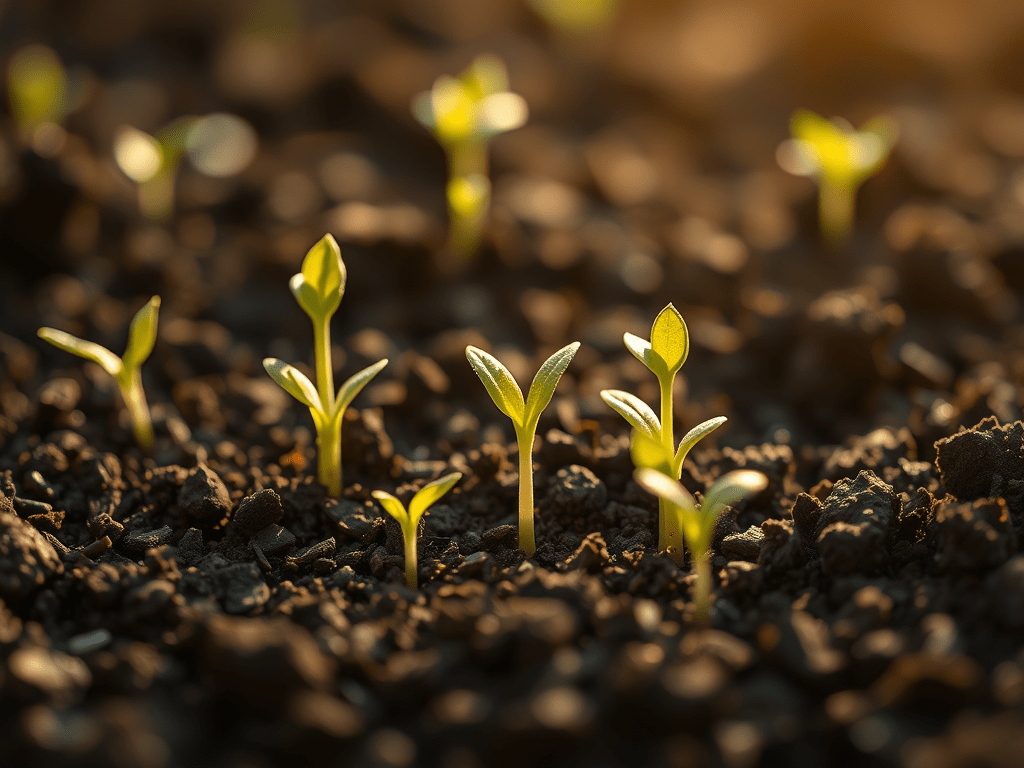
    Each morning, we peek into the trays. Nothing happens—until, suddenly, everything does. A thin green shoot bends toward the light, impossibly fragile yet fierce in its will to live. I feel that same thrill watching my son master something new. The patience, the waiting, the joy of discovery—all unfolds in its own time.
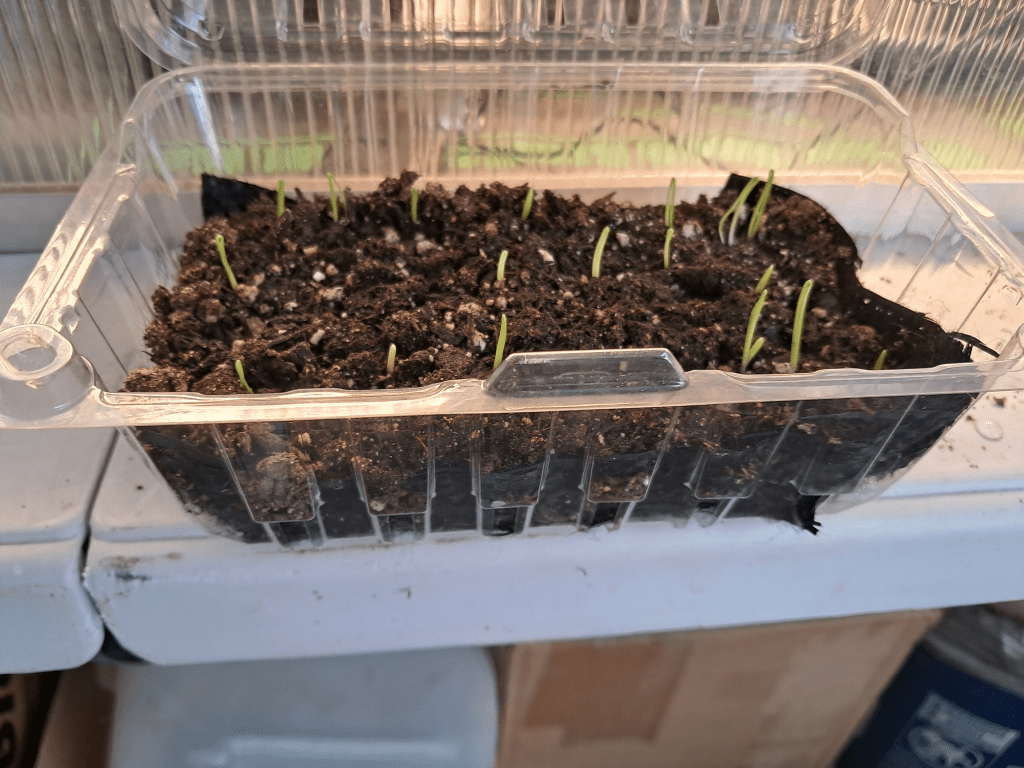
    Over the weeks, we’ll water carefully, clip the tops, and ready the seedlings for their place in the garden. By summer, they’ll feed us, just as these shared moments feed me in ways I never expected. It feels good to know that something small, started with care, can ripple outward into community.

    Gardening keeps teaching me that growth—whether in a seed, a child, or a neighborhood—comes from the same things: attention, patience, and faith in what we cannot yet see. Maybe that’s why tending these small beginnings feels so deeply hopeful.

    In my next post, I’ll share exactly how we start our onions indoors each January, in case you’d like to bring a little green magic into your own winter days.


    🌱 Did this story resonate with you? Tell me about a moment when gardening taught you something unexpected.
    💬 Know someone who’d enjoy this reflection? Please share it!
    ❤️ Subscribe for more stories about growing food, raising kids, and building community.

    Related Posts
    A First Day for Both of Us

    This morning I realized that for the first time in nearly six years, my son will spend more waking hours away from me than with me. Tomorrow, he starts Kindergarten—8 am to 3 pm, five days a week. That single fact tightens my chest with a swirl of emotions: pride at the boy he’s becoming, excitement…

    Keep reading
  • From Frisbees to Family: How Sports Taught Me the True Meaning of Community

    From Frisbees to Family: How Sports Taught Me the True Meaning of Community

    Daily writing prompt
    What are your favorite sports to watch and play?

    A Game of Connection

    Sports have never been my main passion. But they always seem to sneak back into my life — especially when community and connection are involved.

    For someone more comfortable in the garden than on the field, I’ve learned that sports aren’t really about keeping score. They’re about teamwork, laughter, and shared stories that stick with you long after the final whistle.

    Back When I Played

    Back in graduate school, a group of friends and colleagues had a standing tradition of meeting twice a week to rotate between volleyball, soccer, and ultimate frisbee. Rain or shine, homework or no, we almost always managed to get enough players for two teams. Those games were the highlight of my week — a sweaty, laughter-filled break from the grind of grad school. We learned to read each other’s signals, celebrate small victories, and laugh off missed goals. These lessons translated well both to the lab and to the classroom. And, of course, the post-game burgers and beers were every bit as important as the play itself.

    The Knee Incident (and Das Boot)

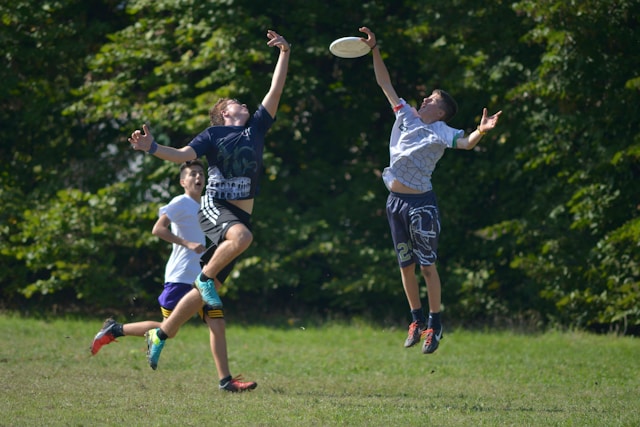
    My sports “career,” however, took a dramatic turn during one fateful ultimate frisbee game. I jumped, landed wrong, and felt that awful twist — I had dislocated my right kneecap. That injury ended my athletic adventures at the tender age of 24. I still remember that sharp pop, the scramble to the sidelines, and the next day’s slow walk to urgent care. A few weeks later, at my own going-away party and still determined to have fun, I went with my crew to the Essenhaus to dance the polka. Let’s just say: bad idea. Same knee, same problem.

    The type of jump I made when I dislocated my kneecap. I caught the frisbee too. Photo by Stefano Zocca on Unsplash

    Looking back, I can admit that drinking Das Boot probably had something to do with my decision to hit the dance floor on a bum knee. Lesson learned, but it’s still one of those stories we laugh about around the table. Now, more than a decade later, the memory makes me smile far more than it aches.

    Watching Now, Not Playing

    These days, sports play a different role in my life. I may not be on the field anymore, but I love the energy of watching a good game — especially live. There’s something about a football or baseball crowd that brings people together so naturally. Strangers high-five after a score, pass along shared cheers, or tease rival fans in good fun. Tailgates are my favorite part — not because of the game itself, but for the food and fellowship that surround them. The smoky scent of burgers, laughter spilling from nearby tents, friends swapping recipes for dips or barbecue sauces — it’s all about connection. Like sharing a dish at a potluck or passing homegrown tomatoes over the fence, sports gatherings are another way we build community one joyful moment at a time.

    From Tailgates to Home Games

    On game days at home, the living room becomes our little stadium. The kids get into the excitement (mostly for the snacks), and we all share those small, easy moments of joy — a great play, a plate of nachos disappearing too quickly, and the cat hiding under the couch, wondering why the humans are hollering again. I may not follow every stat or play, but I love how sports create reasons to pause, eat, laugh, and just be together — much like a shared meal from the garden or a neighborhood cookout.

    A Different Kind of Teamwork

    I sometimes joke that I traded my frisbee for a trowel and volleyball sand for garden soil, but the lessons stuck. Whether it’s tending tomatoes, playing pickup soccer with my kids in the yard, or cheering from the sidelines, the spirit of teamwork, joy, and shared stories keeps showing up.

    In the end, community is the real team sport — and that’s one I’ll never retire from.


    What’s one sport or shared activity that’s helped your community grow closer?

    If this story made you smile, share it with a friend. Better yet, invite them over for a game-day snack and a laugh. Subscribe for more reflections on growing food, raising kids, and building community.

    Related Posts

    The Booyah Curling Club: Finding Community in Unexpected Places

    If you started a sports team, what would the colors and mascot be? Some people dream of owning a football franchise or a professional basketball team. Me? I’d rather build something smaller—something you can actually show up for without needing a corporate sponsor or a teleprompter. Mainstream sports have their own kind of magic, sure,…

    Keep reading
  • Finding Real Wealth: Why I’d Buy Back Time, Not Things, If I Won the Lottery

    Finding Real Wealth: Why I’d Buy Back Time, Not Things, If I Won the Lottery

    Daily writing prompt
    What would you do if you won the lottery?

    If I won the lottery, I wouldn’t change much about my life—just the pace of it. The truth is, my dream life already unfolds in a kitchen filled with vegetables, laughter, and flour‑dusted hands.

    I don’t often buy lottery tickets myself; they usually show up as small, easy gifts tucked into birthdays or holiday exchanges. Last Christmas, I received a couple of scratch‑offs and quickly realized I had no idea what I was doing. (Is there a secret club for people who actually understand those rules?) Somehow, by sheer guessing or luck, I ended up winning $25. A fun surprise, sure, but not what this prompt is really about.

    The real question, I think, is this: What would you do if money were no longer a stressor?


    Buying Back Time

    For me, the answer is simple—I’d buy back more time. My husband and I have already been working toward that goal. We’re shaping a life that values time over convenience and connection over consumption. Not time to sit idly, but time to live more fully: to raise our children, grow our food, and slow down enough to notice the beauty in ordinary days.

    We’ve traded convenience for satisfaction. I would much rather spend an hour chopping vegetables and stirring a pot beside my kids than spend that same hour working to afford a restaurant meal I didn’t make. There’s something grounding about cooking dinner on our stove while twilight settles outside the window, the kids laughing nearby as the kitchen fills with warmth and good smells. The meal may take longer, but the value of it lingers long after the dishes are done.


    If Money Were No Object

    If I suddenly didn’t have to think about money, I wouldn’t move away from this life—I’d sink deeper into it. I’d build a larger greenhouse to grow more food, not just for our family but to share seedlings and knowledge with neighbors. I’d host more community meals—the kind where tables are lined with mason jars of flowers, kids are chasing chickens through the yard, and conversations stretch long into the evening.

    My husband would spend more time perfecting his model engines, patiently shaping each piece until it fits with quiet precision. And I’d write more—stories, reflections, maybe even a book about how cultivating food and family can teach us nearly everything we need to know about patience and abundance.


    Real Wealth

    We didn’t choose this way of living because it’s easier. We chose it because it reminds us what’s real: the joy of working with our hands, of hearing laughter drift through the kitchen, of eating something we grew from the soil beneath our feet.

    Maybe the real prize isn’t a winning ticket—it’s the quiet wealth of growing food, raising kids, and building community.


    If this story resonated with you, I’d love for you to join the conversation!

    💬 Tell me in the comments—what would you do if money were no longer a worry?

    💚 If you enjoyed this reflection, tap the ❤️, share it with a friend, and subscribe for new posts about growing food, raising kids, and building community.

    Related Posts

    Why I Chose Homesteading

    Working mom of 2 shares her homesteading origin story – from Wisconsin dairy farm rebel to choosing chickens, gardening and bread making. Environmental professional finds freedom in practical homesteading.

    Keep reading
  • Why I Read Survivor Stories About Strength and Hope

    Why I Read Survivor Stories About Strength and Hope

    Daily writing prompt
    What books do you want to read?

    Books shape us as much as we shape gardens or communities. They feed the mind, plant empathy, and remind us that resilience often grows in the darkest places.

    When I saw today’s prompt — “What books do you want to read?” — I realized my answer says a lot about what kind of growth I’m craving this year. Reading has always been more than a pastime; it’s how I connect. Story time with my kids is sacred — we laugh, wonder, and sometimes ask big questions together. Once, I even read The Disaster Artist aloud to my husband, and we laughed so hard we cried. That joy lives in my memory like a cherished heirloom.


    📚 Reading with the village

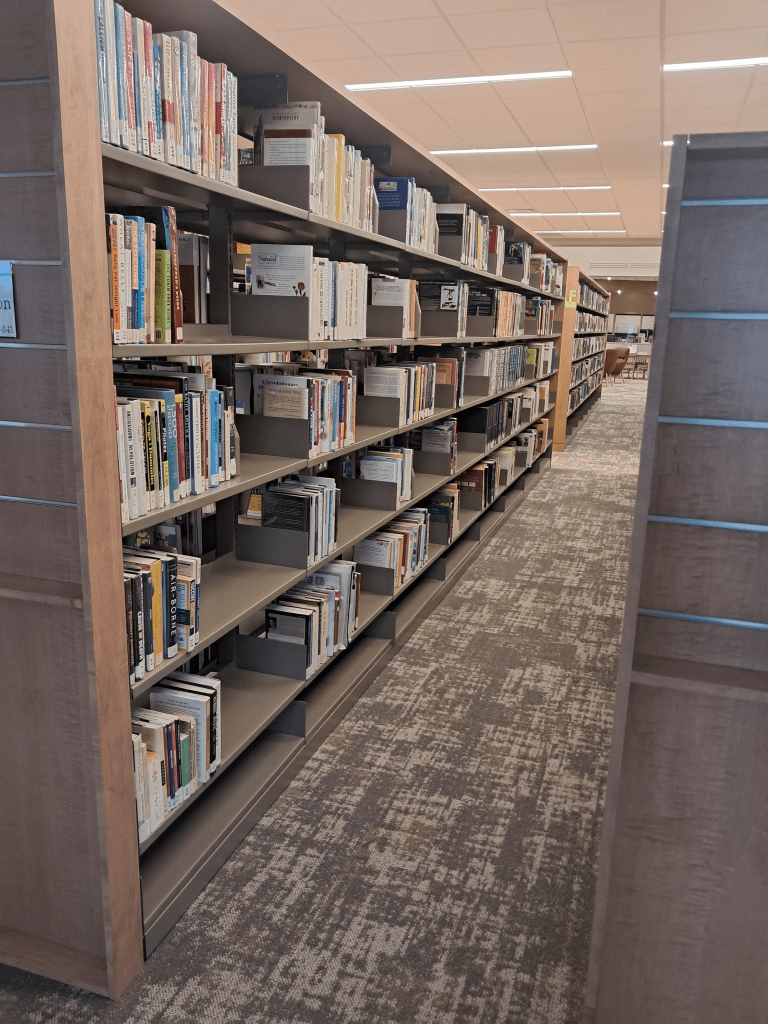
    Beyond home, I gather monthly at our local library for book club — a lively mix of neighbors and new friends united by stories and snacks. We’ve been deep in historical fiction lately, stepping into lives far from our own. These evenings remind me that community grows naturally when people come together to wonder.

    If you’re curious about what we’ve been reading together, I share highlights and reflections on my Book Club Reads page (this page contains affiliate links — I may earn a small commission, at no extra cost to you, if you decide to purchase. Thank you for supporting Practical Homesteading!).


    🌿 Why survivor stories call to me

    Recently, I’ve found myself drawn to stories of survival — real people facing impossible odds and somehow finding light. Maybe it’s because they show not only how people survive, but why they choose to keep living.

    Here are a few titles that top my list right now:

    “Man’s Search for Meaning” by Viktor Frankl
    A profound reflection on finding purpose even in suffering. Frankl’s insights from Auschwitz remind me that inner strength begins with meaning.

    “Endurance: Shackleton’s Incredible Voyage” by Alfred Lansing
    Twenty-eight men trapped on Antarctic ice for more than a year — and every one of them survives. It’s a gripping lesson in leadership, loyalty, and hope against all odds.

    “Jungle” by Yossi Ghinsberg
    Still on my to-read list, this one explores what happens when you’re alone in the Amazon and survival depends on the mind as much as the body.


    🌼 Lessons for everyday resilience

    I hope I never face what these survivors endured, yet I read their stories to understand the quiet strength that grows inside us all. I want my children to see that resilience works like a garden — cultivated through patience, weathering storms, and trusting in renewal.

    Reading reminds me that every family, every friendship, is its own kind of survival story. We move through hard seasons by leaning on one another and holding faith that winter won’t last forever.

    “Endurance isn’t about toughness — it’s about purpose, compassion, and hope taking root in the hardest soil.”

    So, as I grow food, raise kids, and build community, I’ll keep reading about people who found light when the world went dark. These stories keep me grounded — and remind me that, like a garden in spring, we can always begin again.


    What about you — which story has taught you the most about resilience? Please share your book recommendations in the comments! I love to learn and grow with you!

    🌱 If you enjoyed this reflection, don’t forget to like, share, and subscribe for more posts about growing food, raising kids, and building community — one story at a time.

    Related Posts

    From Ghost Ships to Dragons: Growing a Family of Readers

    What book are you reading right now? Some of my earliest memories are of getting lost in a book. I read on the school bus until the motion made me queasy but I never quite wanted to stop. Books have always been my favorite escape into bigger worlds. That love of stories has shaped much…

    Keep reading
  • Baking Bonds: How Family Food Traditions Keep Us Connected

    Baking Bonds: How Family Food Traditions Keep Us Connected

    Daily writing prompt
    Write about a few of your favorite family traditions.

    The smell of baking bread can stop time. When the kitchen fills with warmth, sugar, and spice, it seems the whole family moves a little slower, drawn together by something deeper than hunger. That’s what I think of when I remember my mom making kranz kuchen every Christmas—a sweet, yeasted bread she learned from her mother, who learned it from hers before that. She’d fold the dough around a mixture of hickory nuts, dates, brown sugar, and cinnamon, the air turning rich and nostalgic. It wasn’t just a dessert; it was a way of remembering who we came from.

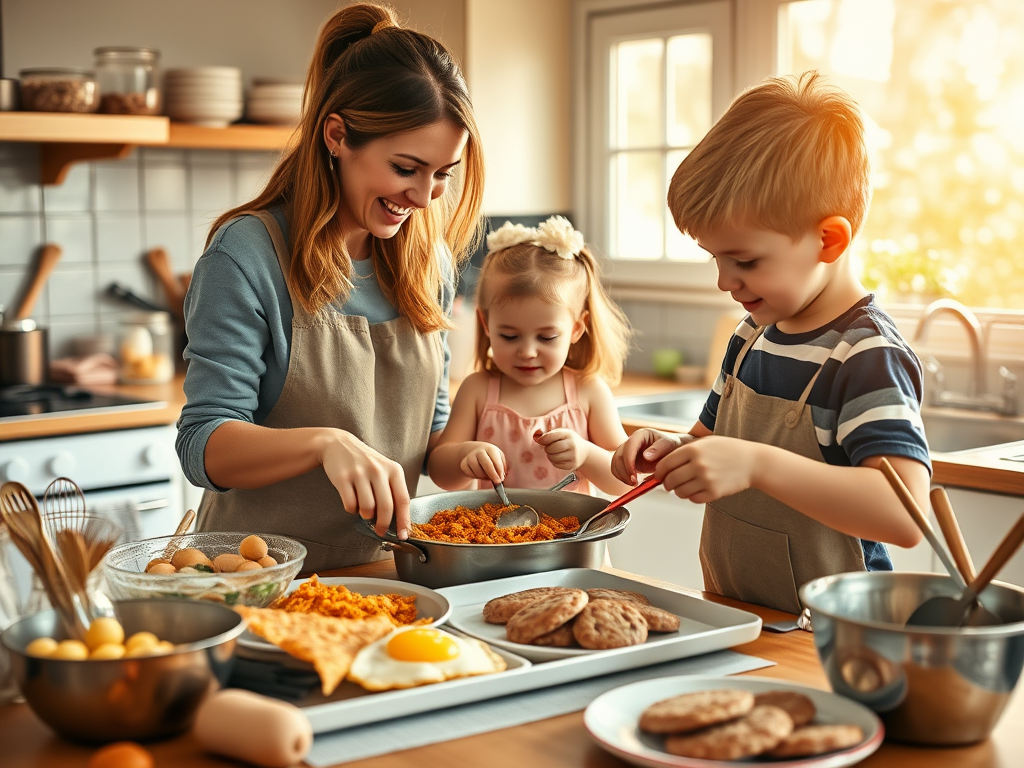
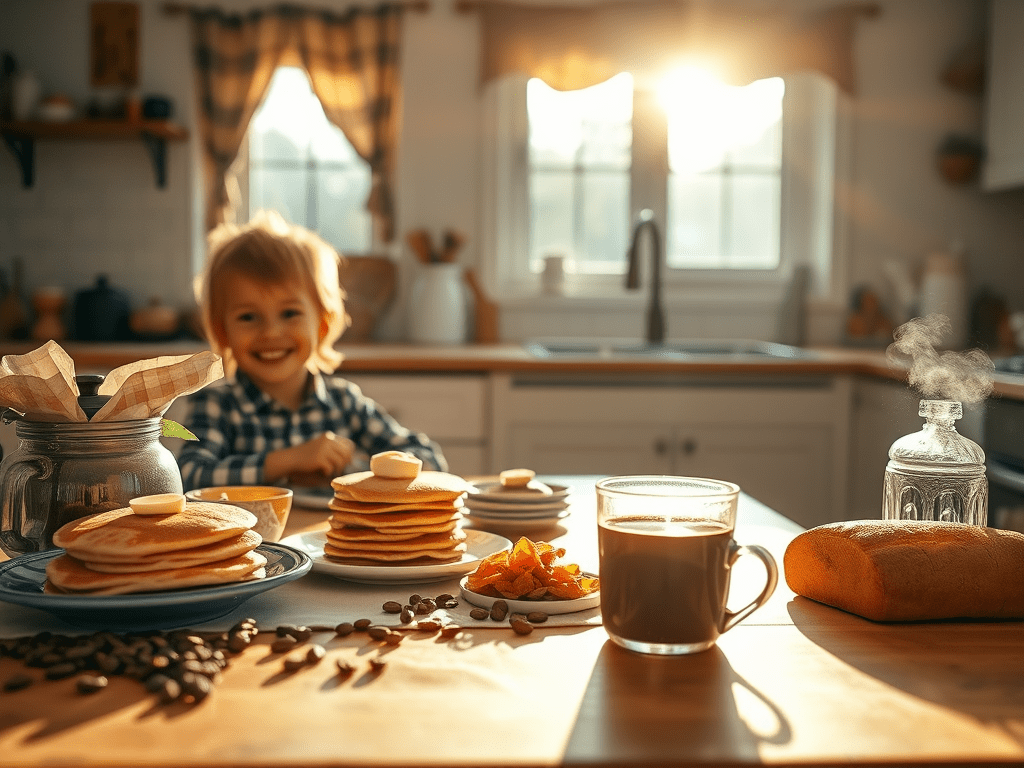
    Those same values of care and connection shape the traditions in my own household. Now, instead of waiting for the holidays, we gather around the table almost every Saturday morning. I cook breakfast using our own pork and eggs, crisp hash browns, and pancakes that usually disappear faster than I can flip them. I grind my favorite coffee beans while the kids decide whether to help in the kitchen or sneak off to watch cartoons with my husband. Either way, we all end up at the table, taking our time to eat and talk before the day pulls us in different directions.

    There’s something grounding about these small, consistent rituals. They connect us to the food we grow, to the rhythms of our home, and to the community around us. Sometimes we share extra bacon or a loaf of kranz kuchen with a neighbor, and that simple gesture feels like an extension of the same tradition—nourishing others with what we’ve made together.

    Years from now, I hope my kids will remember these slow mornings not just for the taste of pancakes or the smell of coffee, but for the feeling of belonging that hung in the air. Family traditions, after all, are less about recipes and routines and more about growing love—with every loaf baked, every breakfast shared, every story passed down.


    Do you have an heirloom recipe passed down through generations? I’d love to hear your version.

    💛 If this story warmed your heart, please like and share it with someone who loves family and food.
    🥚 Subscribe for more posts on growing food, raising kids, and building community—one meal at a time.

    Related Posts

  • From Brine to Sandwich: Homemade Corned Beef and Reubens from Scratch

    From Brine to Sandwich: Homemade Corned Beef and Reubens from Scratch

    Disclosure: This post contains affiliate links. As an Amazon Associate, I earn from qualifying purchases. Thanks for supporting Practical Homesteading!


    This post wraps up my Homemade Reuben Quest—a three-part winter food adventure that’s taken me from fermenting garden cabbage (Part 1: Sauerkraut) to baking hearty rye bread (Part 2). Now, we’re bringing it all together with the grand finale: homemade corned beef and Reubens from scratch.


    No brisket? Still making corned beef!

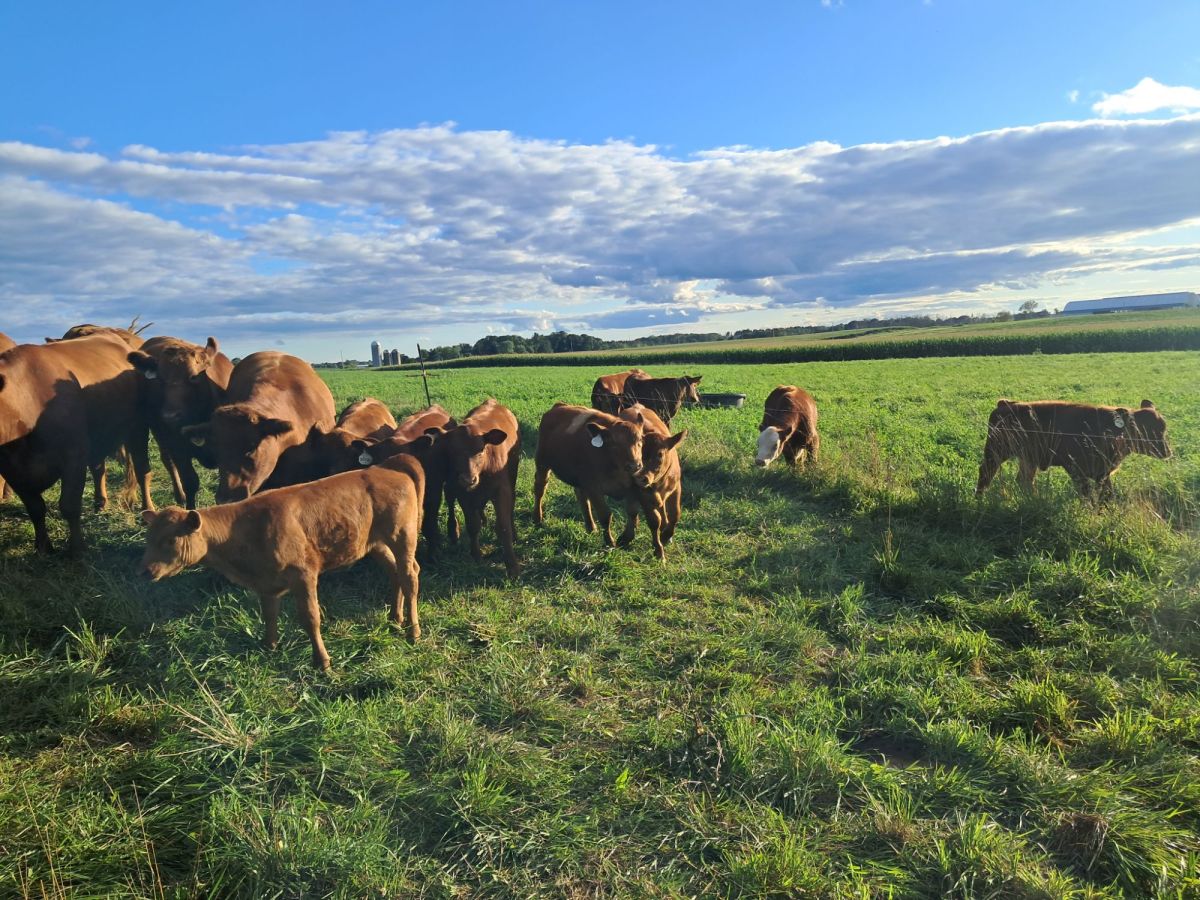
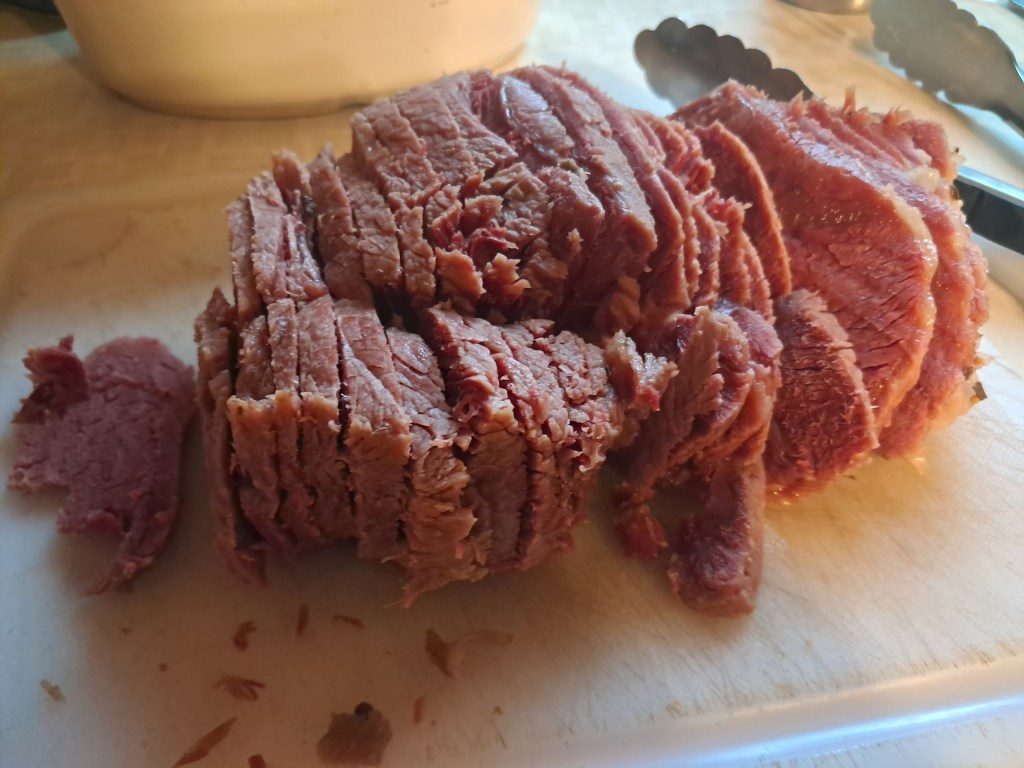
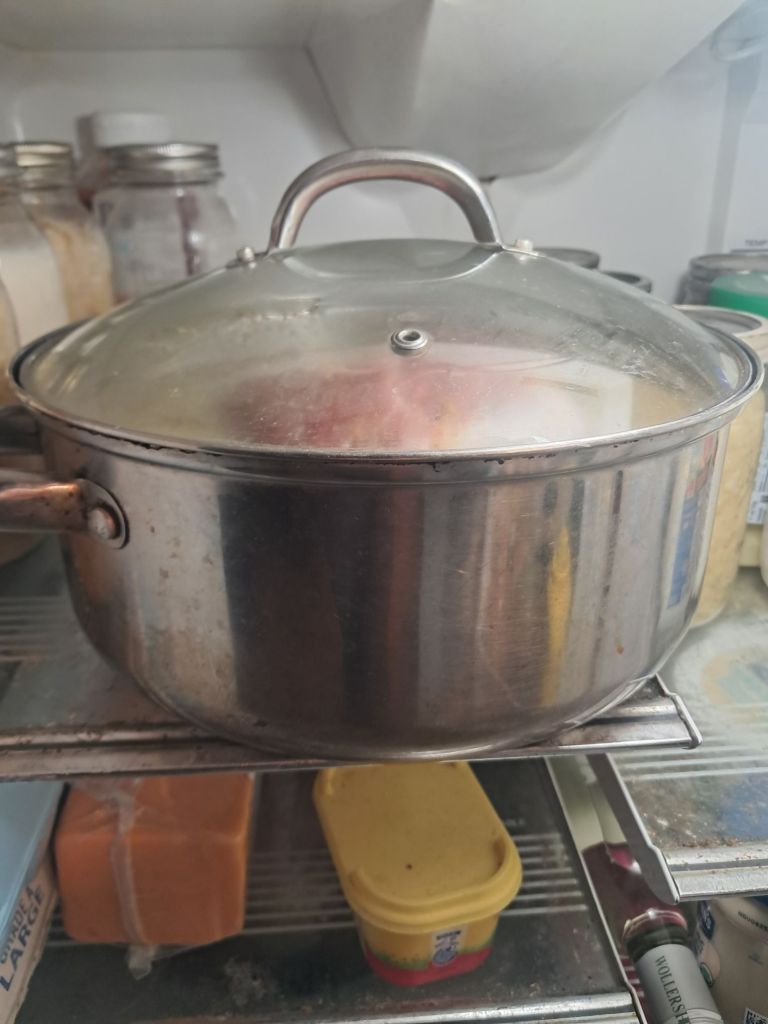
    Winter is my favorite time for kitchen experiments. With the garden resting and more time indoors, slow food projects become a kind of therapy. For this one, I started with a 4‑lb sirloin tip roast from the freezer (thank you, Gruenberger Farms). My husband cleared fridge space, my son ground the pickling spices in our old mortar and pestle, and before I knew it, we had a full-family project underway.


    The Brine Recipe

    Here’s the exact brine I used (scaled for a 4‑lb roast):

    Bring the water to a simmer, stirring until the salt and sugar dissolve. Let it cool completely before adding the ground spices. Submerge the roast, topping off with water until fully covered.

    Refrigerate for 5–7 days, flipping the meat every 12 hours for the first two days. Then just let it rest quietly, soaking up flavor while you get excited for what’s next. Meanwhile, my homemade sauerkraut (three months in the making) waited patiently in its jar, ready for sandwich day.


    Slow‑Cooking Day

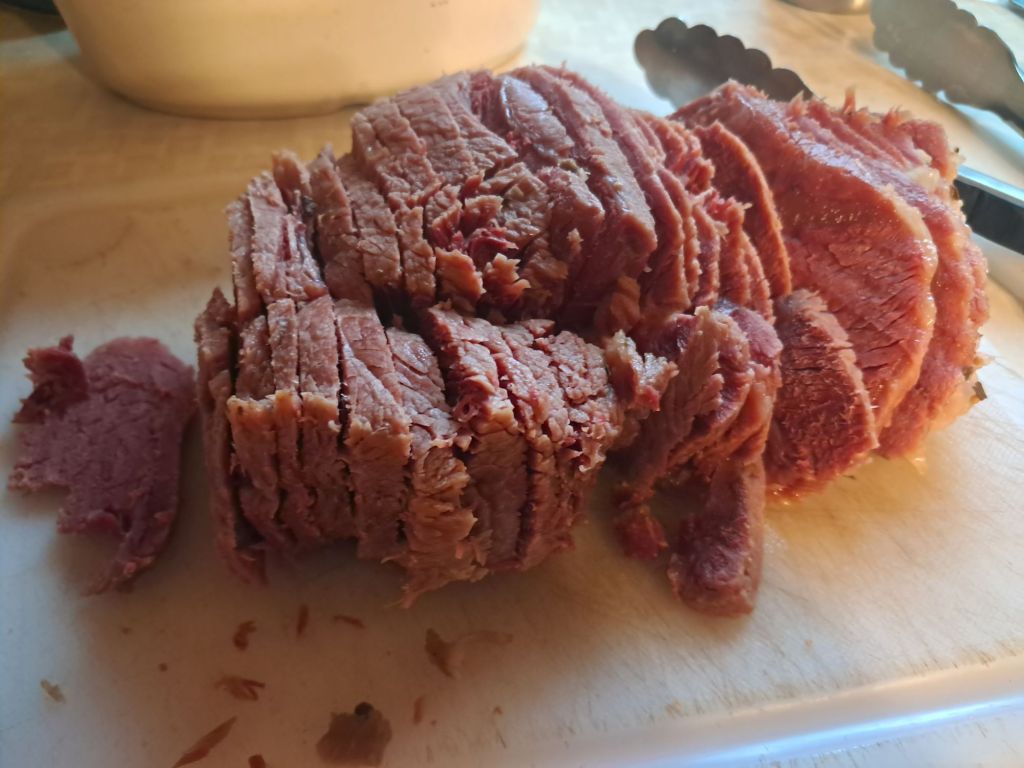
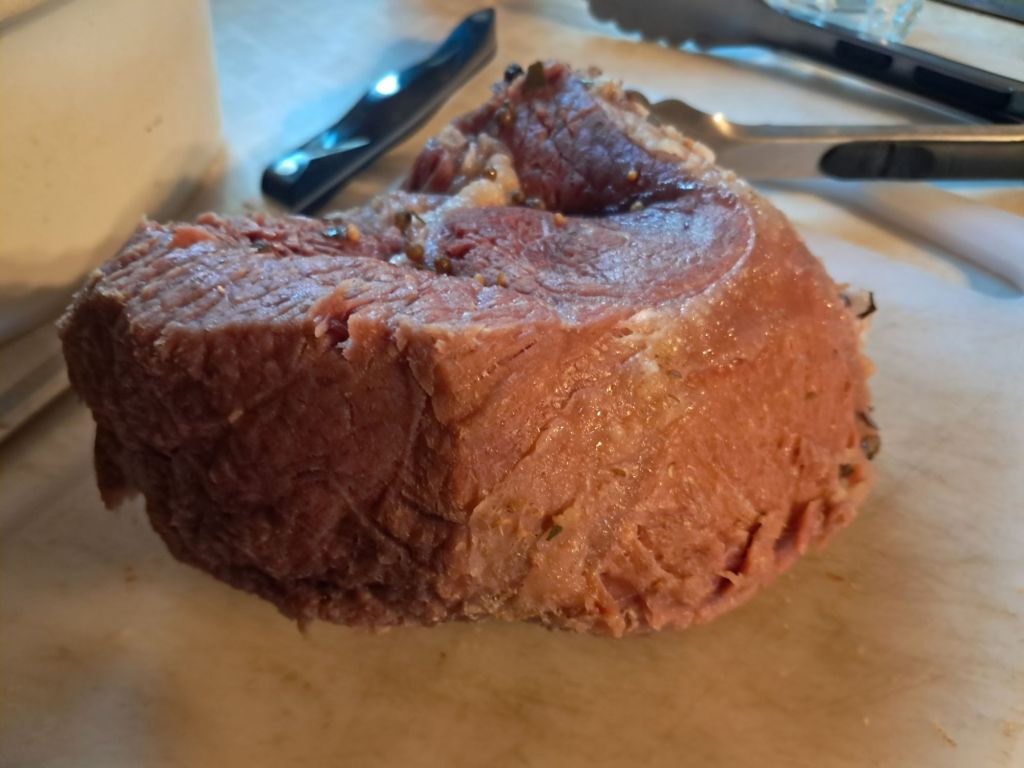
    After a week in the brine, I added 1 T of pickling spice and slow‑cooked the roast in my trusty crock pot (affiliate link) for about 6 hours on low, then—out of mild panic—bumped it to high for one more hour. The result? Perfectly pink, sliceable corned beef that made the whole kitchen smell incredible.

    A quick note on cuts: sirloin tip roasts are leaner than brisket, so they can dry out a little faster. Monitor the internal temperature and aim for 195–205°F—that’s when it turns fork‑tender and flakes apart beautifully.

    Tip: Slice thin and against the grain for tender, restaurant‑style results.


    Reuben Sandwich Night

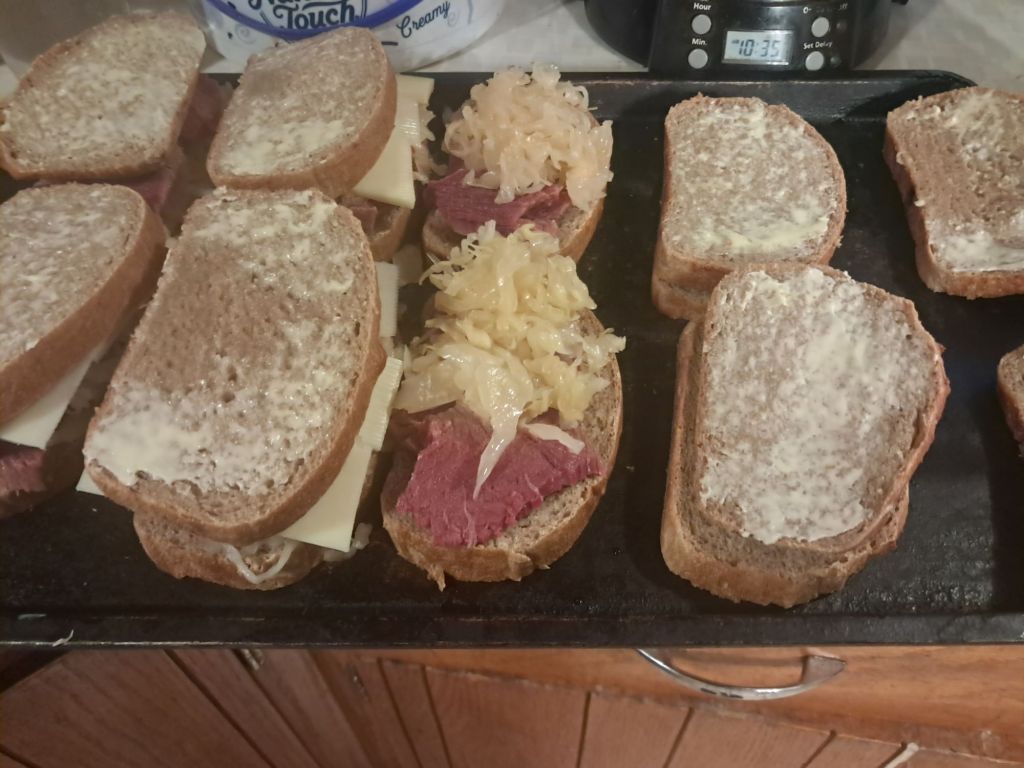
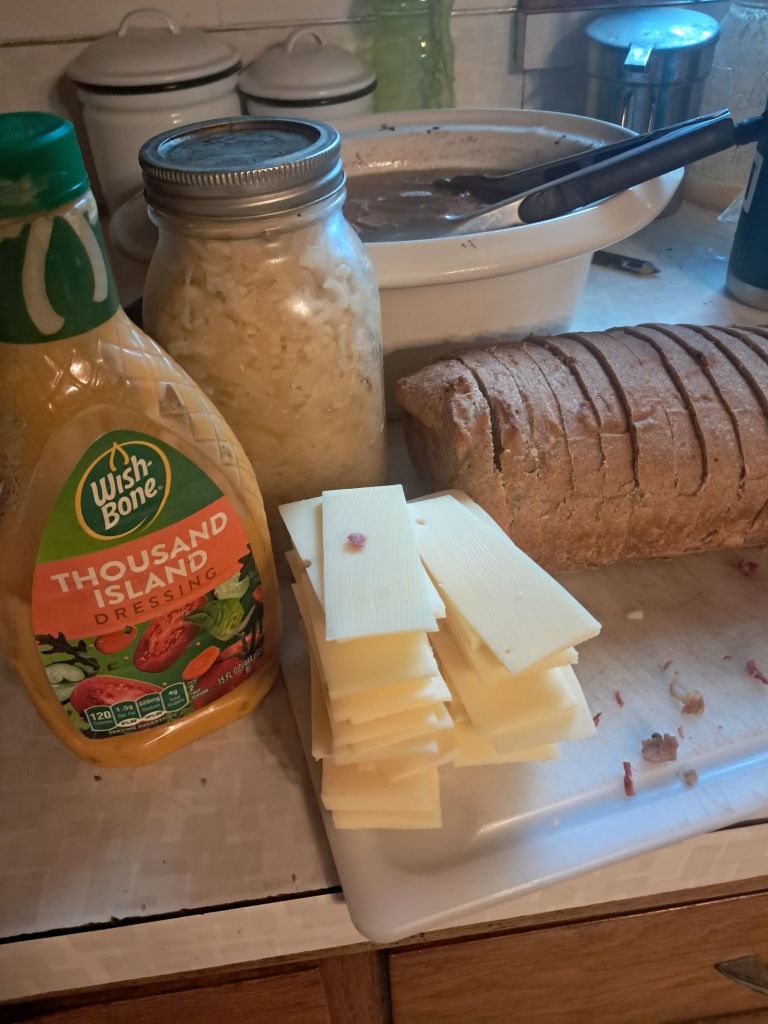
    At last, everything came together. I baked a dozen Reubens for family and friends: slices of my homemade rye bread, topped with my fermented sauerkraut, this freshly cured corned beef, Swiss cheese, and a generous spread of Thousand Island dressing.

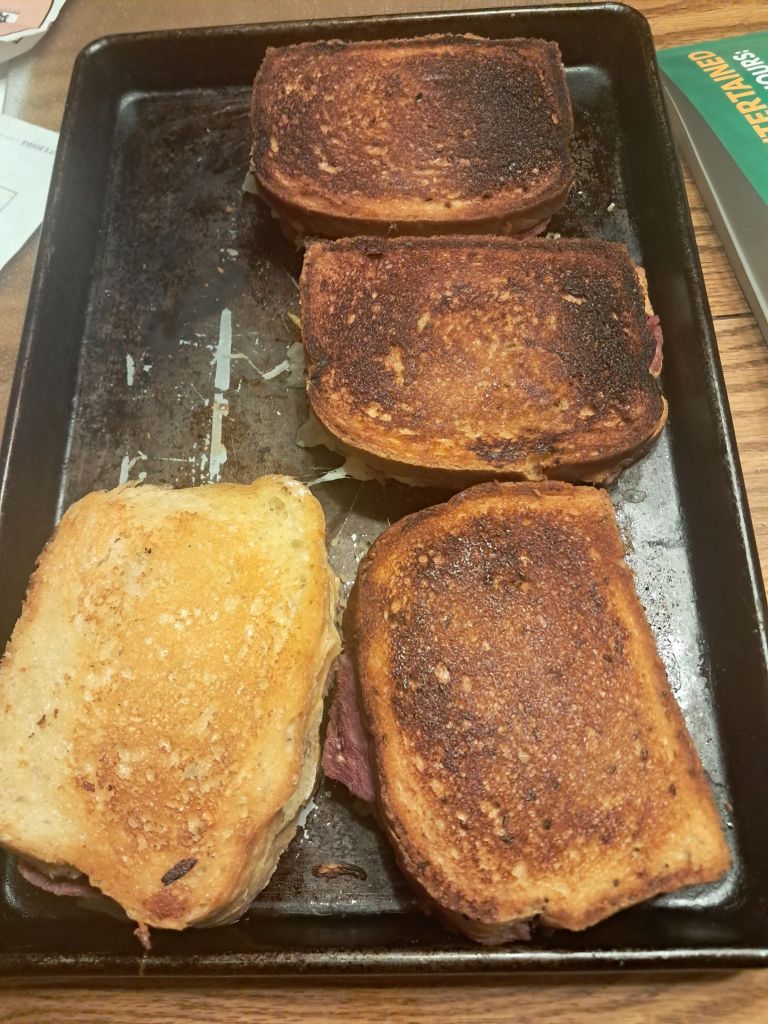
    They baked on sheet trays until golden, melty, and bubbling—comfort food perfection. Out of twelve sandwiches, only two made it to lunch the next day, and honestly, that’s the best kind of leftover.


    The Verdict

    Corned beef from a sirloin tip roast? Total success.

    It wasn’t brisket, but it was tender, flavorful, and easy enough to manage during a quiet January week. I’ll try a traditional brisket next time, but this experiment proved what homesteading always reminds me—resourcefulness beats perfection every time.

    From garden cabbage to bubbling sauerkraut, from sticky rye dough to crusty loaves, and now this hearty corned beef… this series has been such a satisfying food journey. Three homemade staples, one comforting sandwich, and plenty of lessons along the way. Have you ever tried curing your own meat or building a meal completely from scratch? I’d love to hear your most adventurous kitchen project in the comments below!


    Have you ever cured meat or tackled a big “from scratch” project? I’d love to hear what’s cooking in your winter kitchen!

    🥪 And if you’ve enjoyed my Homemade Reuben Quest, please like, share, and subscribe!

    Subscribers get first notice when the next homestead food series begins—plus practical tips for cooking, gardening, and raising kids on the homestead.


    Thanks for following along from sauerkraut to rye bread to corned beef—here’s to the next kitchen adventure!

    Related Posts

  • Winter Storybook Trail Walks: Family Magic at Horicon Marsh

    Winter Storybook Trail Walks: Family Magic at Horicon Marsh

    What do you enjoy doing most in your leisure time?

    Lately, it’s storybook trail walks with the kids under winter stars. A true heart-soother.

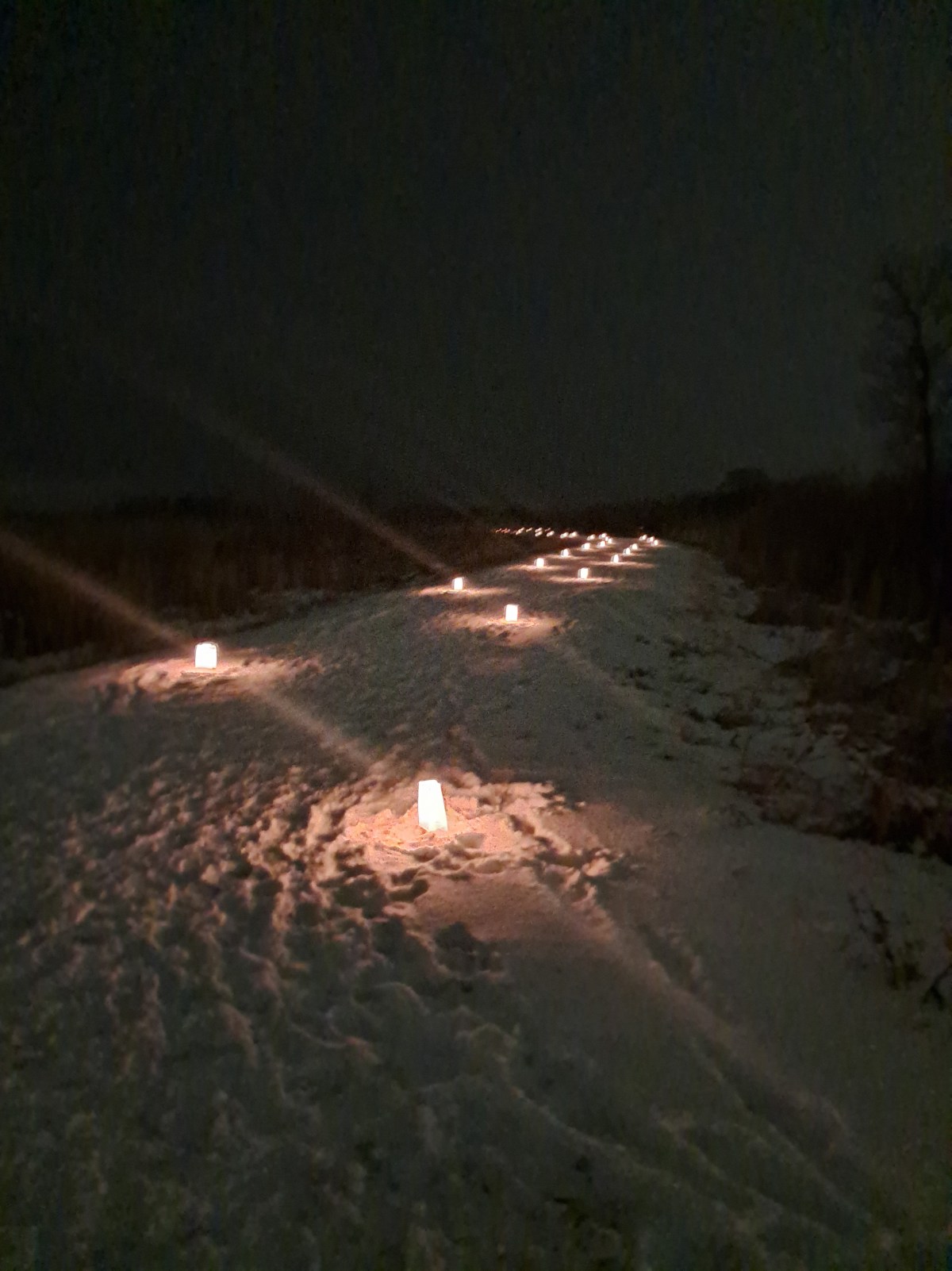
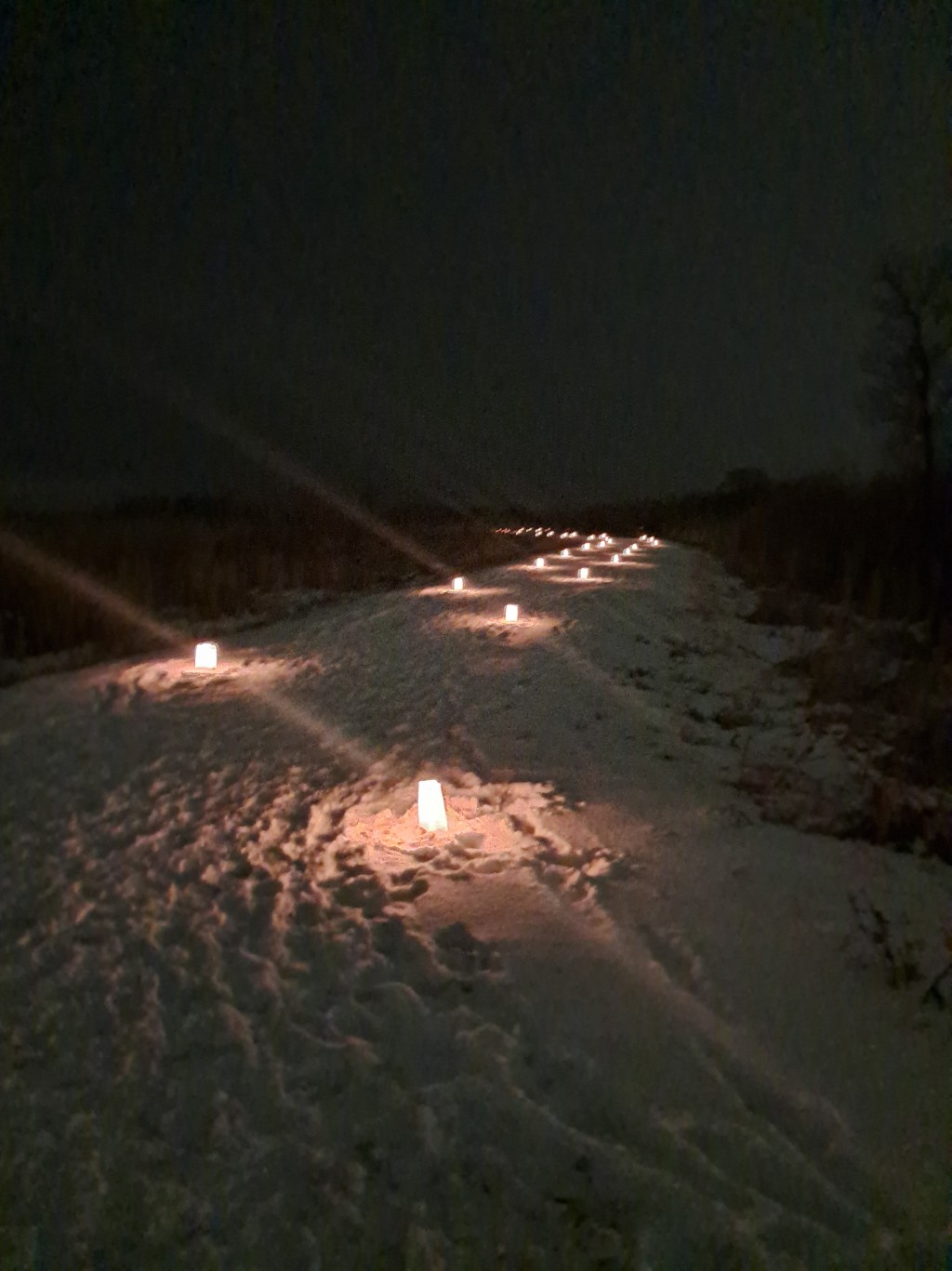
    Last week, we joined the WDNR candlelight walk at Horicon Marsh. Lanterns flickered against the frost. We crunched through chilly snow. We found laminated pages of a storybook trail. This one follows a bird-counting adventure. The kids’ eyes sparkled. They flipped each page tacked to tree stumps. Volunteers shared facts about animal furs and owls. It transformed a cold night into pure wonder.

    Our cheeks were rosy from the chill. Hot cocoa afterward made it perfect. I’m so grateful for the people who work hard on these events. The book changes monthly. I make it a priority to bring the kids often. It blends nature, stories, and family beautifully.


    What’s your favorite family free-time magic? Share below. Let’s swap winter ideas!

    Loved this? Hit ❤️ like, share with a friend, and subscribe for more family nature adventures.

  • Honey Acres: The Farm I’ve Passed But Never Visited

    Honey Acres: The Farm I’ve Passed But Never Visited

    Name an attraction or town close to home that you still haven’t got around to visiting.

    From the backseat of family car trips, there was always this one honey farm that whispered promises I couldn’t chase yet.

    That’s Honey Acres, about 60 miles northeast of Madison, Wisconsin. It’s a place with such a long, inviting driveway that had intrigued me for decades. And I’ve never paid a visit.

    Every visit to my grandma’s house took us right past there. Those drives were full of my mom’s stories, the anticipation of Grandma’s hugs, and me with my nose pressed to the window, dying to know what was down that path. But as a kid, I had no say—we just zoomed by to get where we were going.

    Then life happened. I moved away for 15 years. When I returned, I had another baby which came with endless tasks, and that familiar slide into “maybe later.” Honey Acres ended up in that sneaky category of places that feel close enough to visit anytime, which usually means they never happen. Diapers and deadlines have a way of burying those little curiosities.

    But here’s the thing—it’s more than just a farm to me now. It connects all these chapters of my life: that wide-eyed kid in the backseat, the years away building something new, and now being home with my own little ones. It’s become a symbol of those small pauses we owe ourselves, the adventures waiting just beyond our daily routines.

    So this year, I’m making it happen. We’re turning down that driveway, grabbing some jars of honey, letting the kids run around a bit, and finally answering a curiosity that’s been calling for way too long. Some places earn that time—not because they’ll be perfect, but because they’ve held space in our hearts for years.

    Feature photo by Art Rachen on Unsplash.


    What’s that one spot near you that’s been on your list forever? Share below—let’s make 2026 the year we finally go.

    Felt that pull? Like if you’ve got a spot like this, share with local friends, subscribe for more WI family finds! What’s on your list? Drop it below 👇

  • Finding Fun in Everyday Homestead Life

    Finding Fun in Everyday Homestead Life

    Daily writing prompt
    List five things you do for fun.

    Disclosure: This post contains affiliate links. As an Amazon Associate, I earn from qualifying purchases. Thanks for supporting Practical Homesteading!


    Sometimes the best fun isn’t found in grand adventures—it’s tucked right into our everyday rhythms. Between planting seeds, raising small humans, and building community here in Wisconsin, I’ve learned that joy often hides in the ordinary moments we choose to notice.

    When the WordPress prompt asked me to list five things I do for fun, I realized how naturally my favorite pastimes reflect the life I’m trying to build: creative, connected, and full of good food and laughter.

    Reading: Pages That Connect Us

    I love to read—both to my kids and for myself. There’s something magical about those bedtime moments when little voices beg for “just one more chapter,” and I happily oblige because I want to know what happens next too. Right now, we’re working through a beloved chapter book series, and I think I’m enjoying it as much as they are.

    For my own reading, I recently joined a women’s book club here in town. It’s been such a gift—hearing other interpretations reminds me how stories have the power to connect us. One person reads about history; another sees deep family themes. That diversity of thought is what builds true community.

    When I’m curled up with a good book, a cozy blanket, and a small light that doesn’t wake the kids, it feels like a quiet luxury. A few of my current favorites (plus the book light I love) are on my Book Club Reads (and Reading Essentials) listAs an Amazon Associate, I earn from qualifying purchases at no extra cost to you.

    Writing: Turning the Ordinary Into Art

    In the same way, I love to write. Writing helps me slow down and see the beauty in the everyday—the way morning light hits a mixing bowl, the satisfaction of flour-dusted hands, the chaos and grace of raising small humans.

    My goal through this blog is to encourage others to find meaning in the daily work of nurturing families, cooking homemade meals, and building connection. Writing also helps me process this season of life and celebrate imperfect progress—both mine and others’.

    Cooking: Where Chemistry Meets Creativity

    Cooking is my happy place. I’m not a fancy baker (my pies are usually more “rustic” than refined), but I love experimenting in the kitchen. Cooking feels like both art and chemistry—mixing what’s in season or what’s grown in the garden, testing new flavors, and seeing what happens.

    Recently I brined a sirloin tip roast to make homemade corned beef, and it turned out phenomenal. Watching everyday ingredients transform into something delicious always fills me with joy. Whether I’m simmering soup from scratch or roasting vegetables from the garden, cooking feels like a conversation between the land, my hands, and the people I love.

    Having the right tools makes all the difference—I’ve gathered my go-to cookware and cast-iron favorites on my Kitchen Essentials list.

    Movies: Finding Magic in the Details

    I also love movies. Not just watching them, but appreciating the creative effort behind them—the lighting, music, and editing choices that tell the story even without words.

    I once toured the Warner Brothers studio in California, and seeing behind the scenes gave me a deep respect for the teamwork and imagination required to create movie magic. Now, when I watch films with my family, I see them differently. Add a bowl of homemade popcorn (made with our trusty popcorn maker!) and it’s one of our favorite cozy-night traditions.

    Playing and Exploring: Getting Down to Their Level

    And finally, I play—and explore—with my kids. We build towering pillow forts, race toy cars, and make snow angels when Wisconsin winter delivers a fresh blanket.

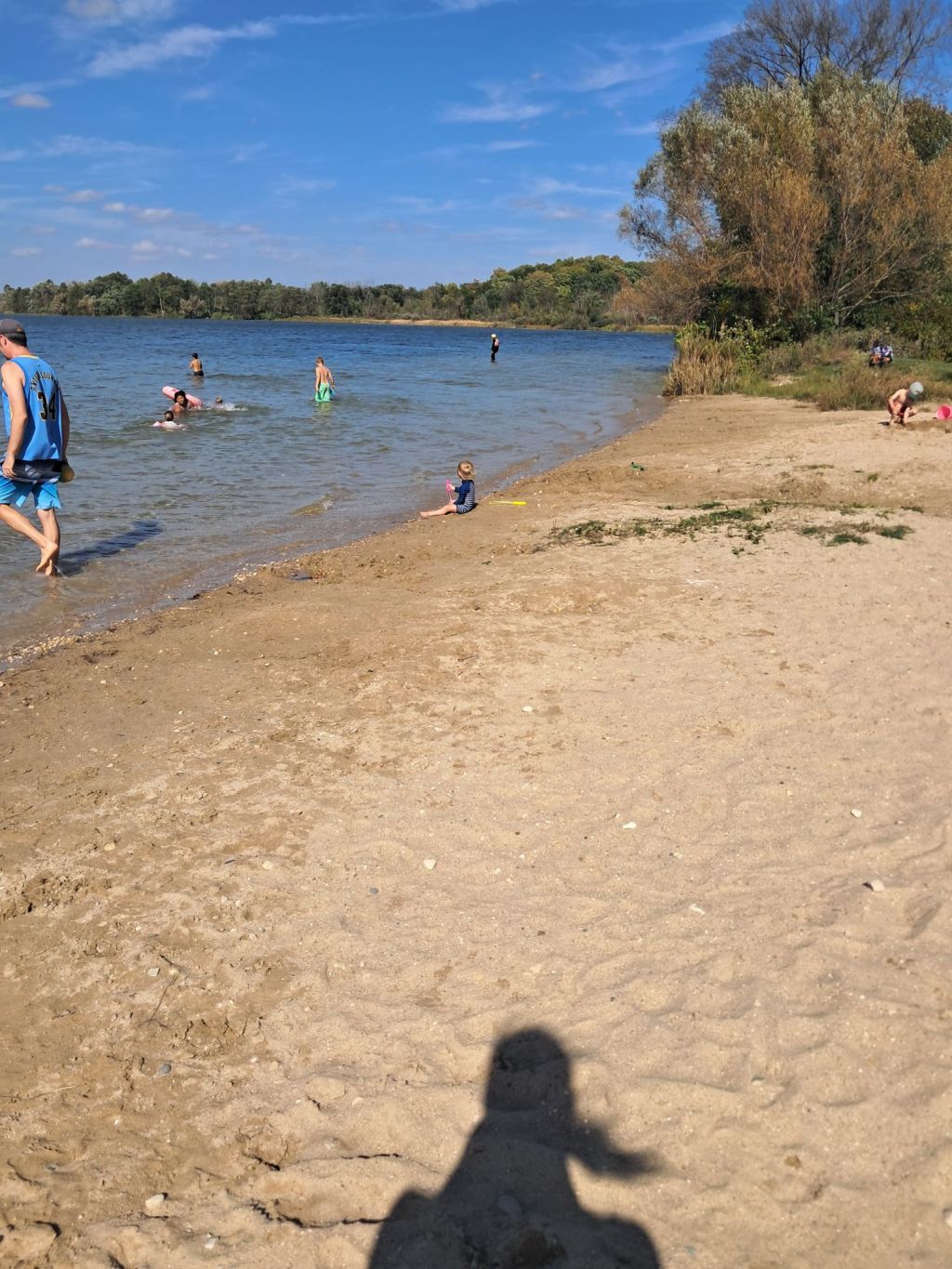
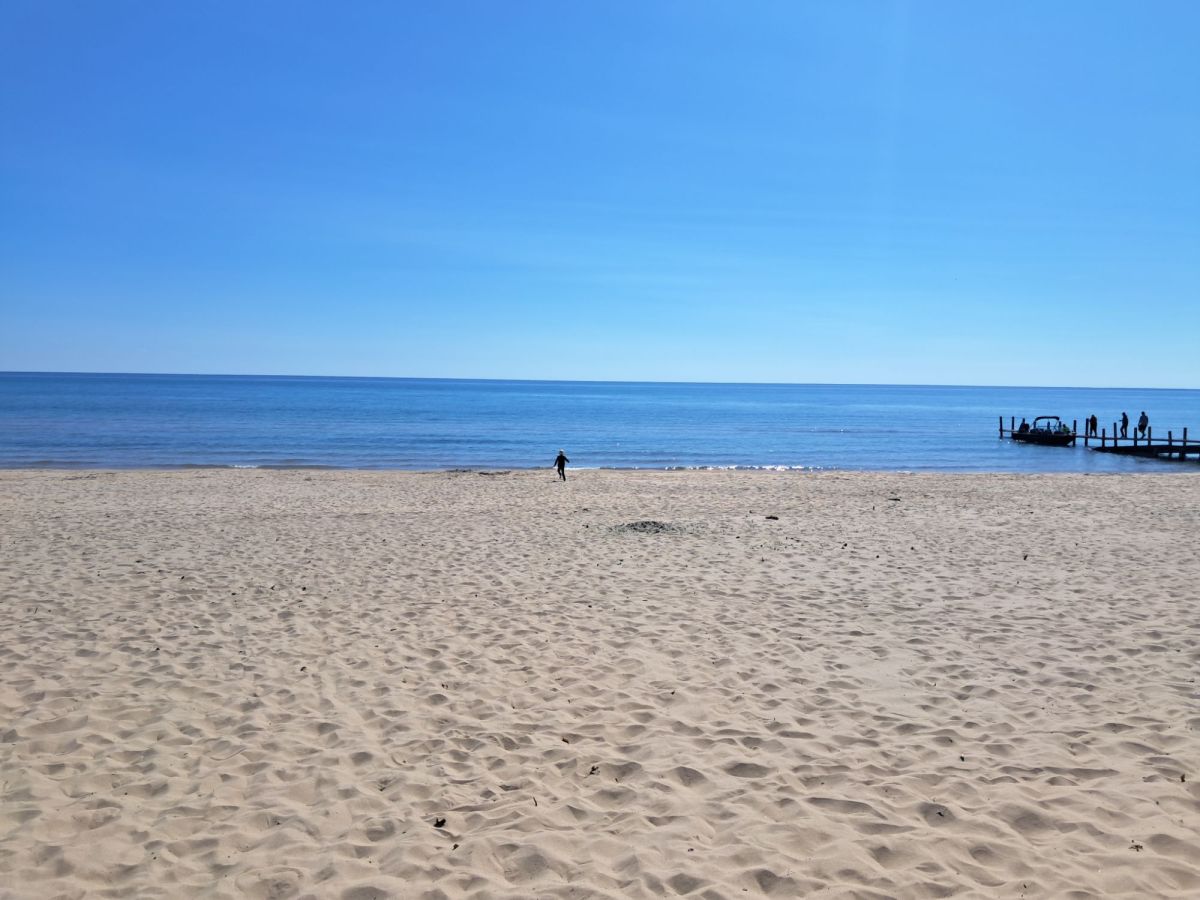
    I also make it a point to keep exploring myself. We visit the beach in summer, wander through new museums nearby, and plan one or two short trips a year. Those small adventures keep us curious and connected, reminding me that fun doesn’t have to be far away. It just has to be intentional.

    There’s something humbling and wonderful about getting down to their level, whether that means chasing waves or lying in the snow laughing. When we share those moments, I’m reminded that joy grows in the same soil as gratitude.


    These five (and a half!) things might seem simple. But reading, writing, cooking, movies, playing, and exploring together they create a life rooted in creativity, connection, and care. Whether I’m turning pages, turning phrases, or turning ingredients into dinner, every moment adds to the bigger picture. Growing food, raising kids, and building community here at home.


    What are your favorite small pleasures that make everyday life feel fun? I’d love to hear what fills your family’s days with laughter and joy.

    ❤️ Enjoyed this post?

    If you love finding beauty in everyday homestead life, make sure to like, share, and subscribe for fresh posts on growing food, raising kids, and building community. Your support helps our little online homestead grow!

    Related Posts

    A Short Drive to Heaven: Why Lake Michigan Wins for Us

    Beach or mountains? Which do you prefer? Why? The crunch of gravel echoes under the car tires as I set out for what has become a cherished ritual: a short drive to the nearest beach. It’s funny. When people ask me if I prefer the beach or the mountains, the answer isn’t as simple as…

    Keep reading
  • How to Make Homemade Rye Bread (Perfect for Reubens & Soups!)

    How to Make Homemade Rye Bread (Perfect for Reubens & Soups!)

    Disclosure: This post contains affiliate links. As an Amazon Associate, I earn from qualifying purchases. Thanks for supporting Practical Homesteading!


    Last week, we started this Homemade Reuben Quest with garden-grown sauerkraut. This week, it’s all about the loaf that holds it all together—rye bread.

    I’ll be honest: rye baking isn’t my strong suit. I’ve made plenty of bread over the years, but rye feels like a different animal. It’s sticky, heavy, and doesn’t spring up quite like a soft wheat loaf. Still, homesteading is about learning as you go, so I decided to give it another honest try.

    The Recipe

    Here’s what went into my loaf:

    • 1½ cups warm water
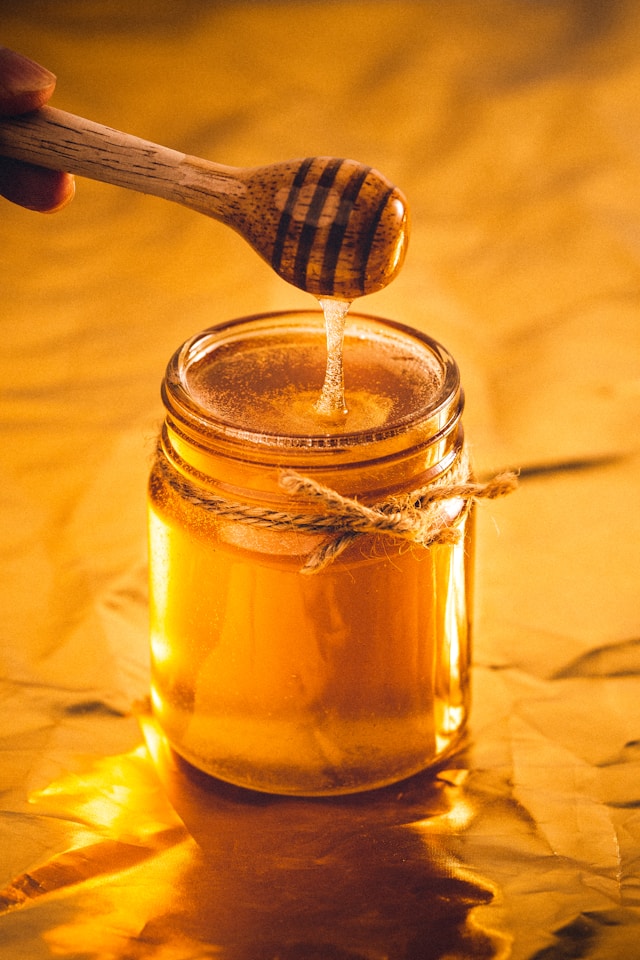
    • 2 tablespoons honey
    • 2 teaspoons active dry yeast (affiliate link)
    • 2¾ cups bread flour (affiliate link)
    • 1½ cups rye flour (affiliate link)
    • 1 tablespoon vegetable oil (I used olive oil instead)
    • 1 tablespoon caraway seeds (I didn’t have any on hand, but they really do make a difference.)
    • 1¾ teaspoons salt

    The Process

    I started by mixing the warm water, honey, and yeast, letting it proof until bubbly and alive. Then in went the flours, olive oil, and salt—all combined using the stand mixer’s dough hook.

    The dough was wetter than what I’m used to, almost too soft to handle, but I resisted the urge to fix it. Bread teaches patience if you let it. I covered the bowl, set it aside, and gave the yeast time to do its work.

    Once the dough had doubled, I turned it out onto the counter, flattened it into a rectangle, and rolled it up like a cigar, pinching the ends to seal. For the second rise, I nestled the loaf into a bread pan (affiliate link) and set the pan inside a larger roasting pan (affiliate link)—a quick Dutch oven substitute that traps steam and builds a crisp crust.

    The bread baked at 425°F (220°C) for 20 minutes covered, then 10 minutes uncovered to finish.


    The Results

    The finished loaf came out a bit flatter than my usual bakes—rye just doesn’t have the lift of wheat—but the flavor made up for it. Deep and hearty, with a touch of tang and sweetness from the honey. The crust was firm but not tough, and the scent when I sliced into it… earthy, warm, and comforting.

    Even without the caraway seeds, it paired beautifully with my homemade sauerkraut and corned beef (coming next week!). The truth is, sometimes the less-than-perfect loaves are the ones that teach us most.

    Homesteading has a way of humbling you in all the best ways—it’s not about reaching perfection but trusting the process, one loaf at a time.

    Have you ever baked rye bread before? Did you use caraway seeds, or leave them out like I did? I’d love to hear your favorite blends, flours, or fermentation tricks in the comments.

    🥖 If you enjoyed this post, please take a moment to like, share, or subscribe!
    Every share helps our little homestead community grow. Subscribe to get next week’s post in your inbox—Part 3: home‑cured corned beef—and finish the ultimate homemade Reuben!

    Related Posts

    Sourdough Bread

    To me, sourdough is both fascinating and frustrating.  How can something based only on simple pantry staples:  flour, water, and salt, result in such a delicious cornerstone food of society?  Once you attempt your first few loaves, you begin to understand.  There’s a certain alchemy in the starter, the captured yeast on which the success…

    Keep reading