Category: Agriculture

  • More Than a Meal: Raising Our Own Thanksgiving Turkeys

    Gobbles and the Unmowed Lawn

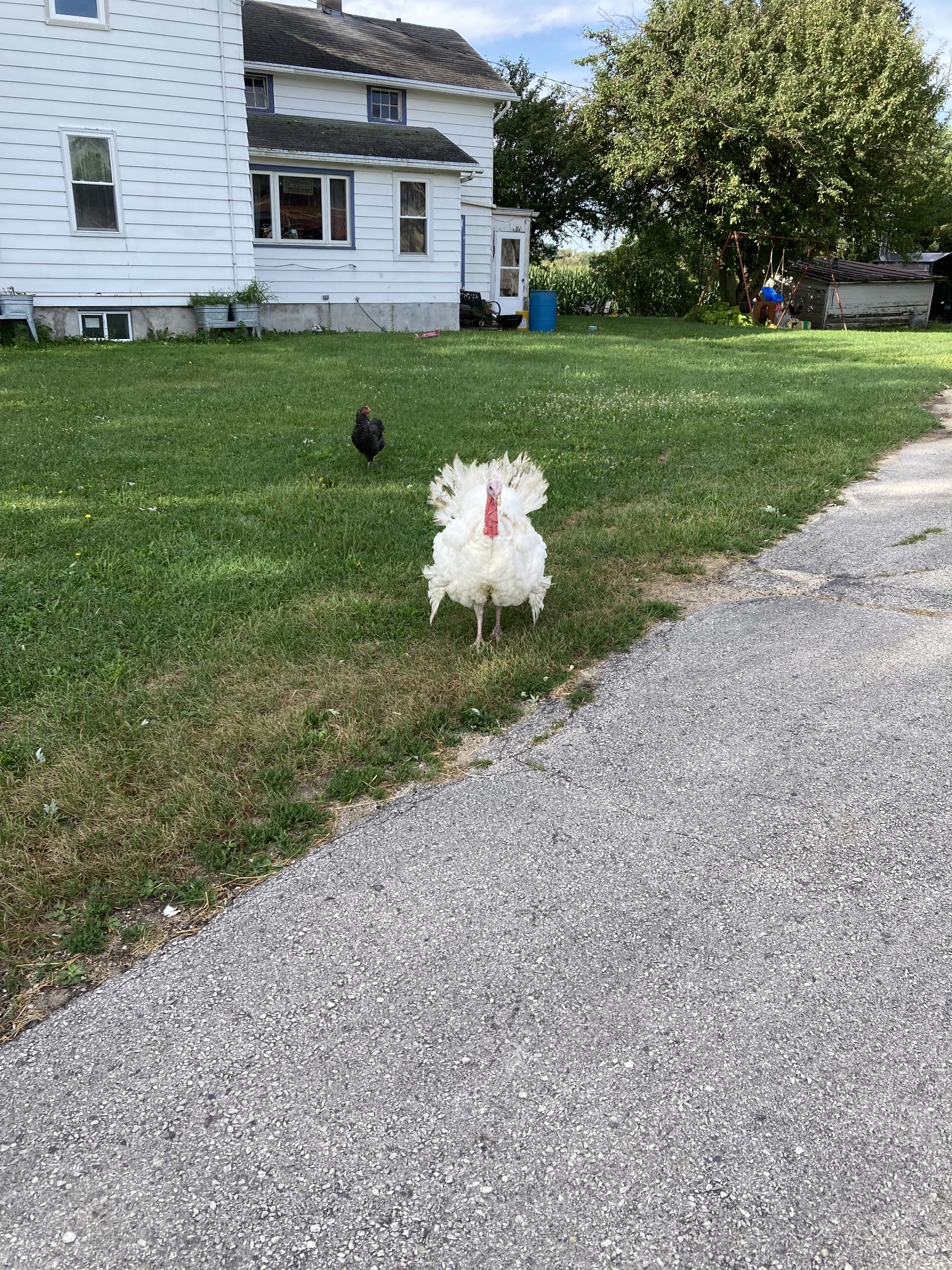
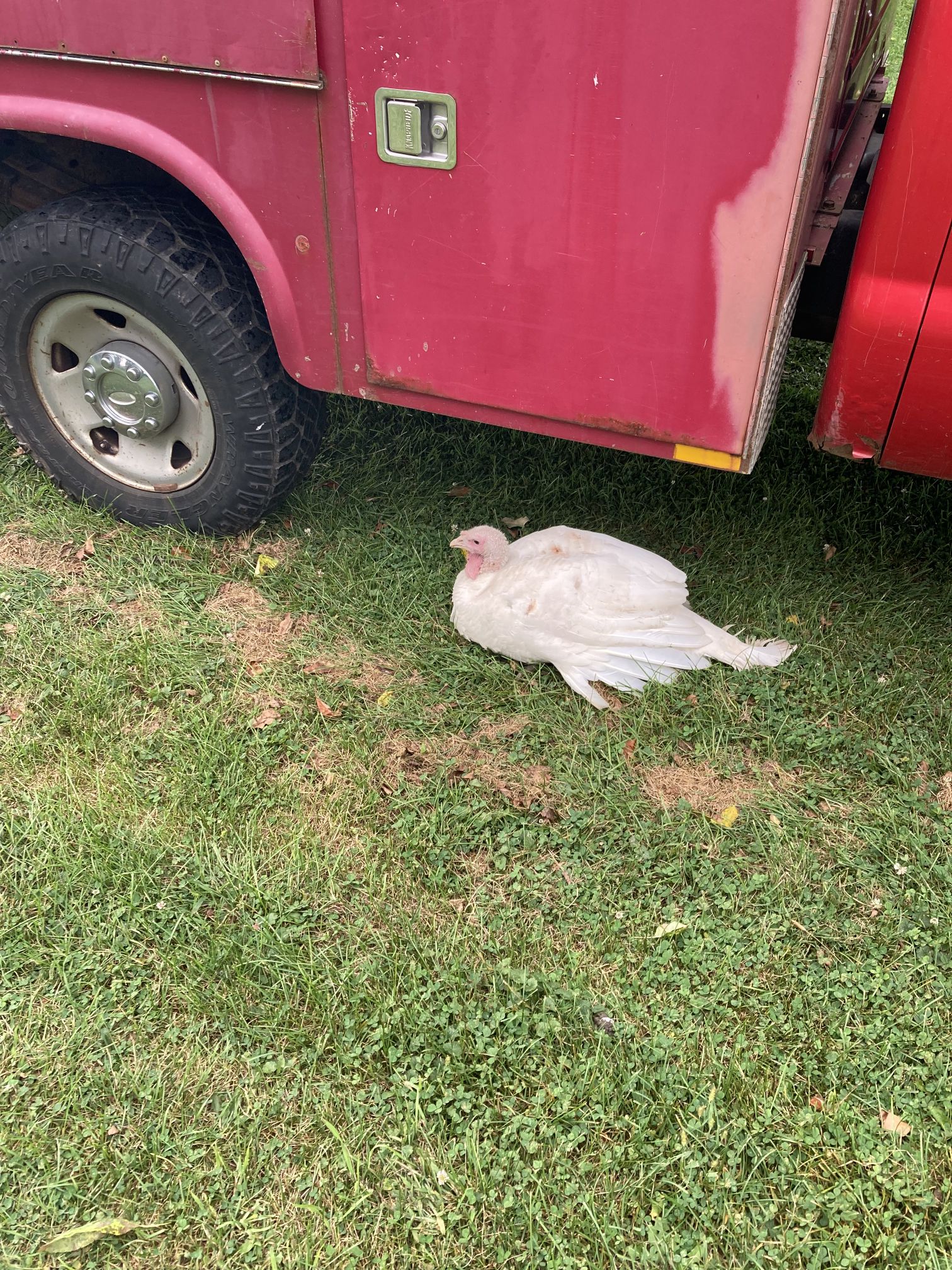
    Gobbles, our forty‑pound turkey, once refused to move for the lawnmower. My husband drove closer, then closer still, waiting for the bird to do the sensible thing. Gobbles didn’t budge, and that’s how we ended up with a turkey‑shaped patch of unmowed lawn—a small, stubborn monument to the wild experiment we’d started in our backyard.

    A New Chapter in Backyard Farming

    Chickens had already shown me that birds can be both hilarious and mean. Ducks had proven that cuteness and filth can happily coexist. A few years ago, after reading about a woman who raised her own Thanksgiving turkeys, I realized I wanted to go further. When our local hatchery couldn’t source ducklings one spring, it was a minor inconvenience. This became the excuse to bring home three turkey poults instead.

    From Basement Brooder to Outdoor Coop

    This time, my husband handled pickup duty. He arrived with a box of peeping chicks and poults. Their arrival turned the whole house electric with anticipation. The brooder—a repurposed water tank in our basement—waited with a heat lamp, water, feed, and a lid to contain the chaos. At first, the turkeys were only slightly larger than the chicks, all of them fluffy and awkward. Within days, though, the turkeys started to pull away. They doubled in size, then doubled again. It seemed their entire job was to eat, drink, and poop as efficiently as possible.

    We lost one poult early on for reasons we never understood, and the sudden shift from three to two landed harder than I expected. It was a quiet, early lesson in how fragile life on a small farm can be. Of the survivors, one always had his feathers sticking out at odd angles, so we named him Gobbles, a little wink to anyone who’d seen South Park. The smaller bird became Jennie, after the frozen turkey brand that had defined “Thanksgiving” for us before we raised our own.

    Gobbles

    By early May, the brooder was bursting, and everyone was ready for fresh air. We tried separating the turkeys from the chickens that first night outside, but the noise they made made it clear we were fighting a losing battle. After one loud, sleepless experiment, we moved everyone into our mobile chicken coop and let them sort it out. During the day, they roamed the yard as a mismatched flock, and each evening they filed back into the coop like feathered commuters, jostling for their preferred spots.

    Jennie

    Personality Plus: Turkeys vs. Chickens

    Living with both species at once made their differences obvious. The chickens were efficient, slightly tyrannical little dinosaurs. The turkeys seemed to have missed out on common sense entirely. On Memorial Day weekend, a big storm rolled in; the chickens headed straight for shelter, while the turkeys stood in the downpour, soaked and squawking as if the rain were a personal insult.

    My husband and I slogged around in the storm, alternating between laughing and swearing as we scooped them up and shoved them under cover. We were half convinced they might drown standing there or draw an eagle with all that frantic noise. By summer, their physical transformation matched their larger‑than‑life behavior. If the chickens were little dinosaurs, the turkeys were the T‑rex cousins. After about four months, Gobbles weighed around forty pounds and Jennie about twenty‑five, and both strutted like they owned the place.

    Rising Stakes: Growth and Pecking Order

    Gobbles clearly saw himself at the top of the pecking order, inserting his bulk into whatever drama unfolded among the hens. Jennie, despite her smaller size, regularly put the roosters in their place and even bloodied one during a particularly heated round of dominance negotiations. The same birds that made us laugh with their antics were always moving toward the date we’d circled on the calendar. Around the five‑month mark, butcher day arrived—never something we looked forward to, but the reason we’d brought them home.

    Butcher Day: The Hardest Part of the Journey

    My husband handled the hardest part. Once it was done, I thanked the turkeys out loud before joining the work of plucking, stepping away now and then to check on the kids. Our five‑year‑old surprised me by wanting to help, his small fingers well suited to grabbing stubborn feathers, and I felt a brief tug between pride and discomfort as I let him join in. My husband’s father arrived and the day settled into a rhythm: music playing, adults talking, drinks in hand, hands busy. The work was still heavy, but it felt shared, almost like a ritual we were inventing as we went.

    By the end, we had one dressed turkey at about thirty pounds and another around twenty, lined up for the freezer like oversized, deeply personal trophies of our effort.

    Preparing the Turkey for the Table

    I hauled Gobbles from the freezer about a week before Thanksgiving. I set him to defrost in our unheated upstairs. He loomed silently every time I walked past. Each glance reminded me of the fluffy, clumsy poult he had been. It also brought back the long, messy chain of chores that had brought him there.

    Two days before Thanksgiving, I mixed a simple brine with salt, sugar, Worcestershire, garlic, and pepper. I discovered that the only vessel big enough was our turkey fryer, minus the basket. It was a ridiculous fit, but it worked. On Thanksgiving morning, we got up early, drained the brine, patted Gobbles dry, rubbed him with salt and oil, and wedged him into a large Nesco roaster so tightly we had to shove his legs down to close the lid. Then we poured in four cans of Miller Lite and turned our attention to the rest of the meal.

    Waiting for that turkey to cook felt tense and nerve-wracking. It was like waiting for an exam grade posted in front of the entire extended family. Fifteen people, one bird, no backup plan if it turned out dry or oversalted. As the scent of beer, garlic, and roasting fat filled the house, my anxiety loosened its grip. It shifted into something closer to anticipation. Even if it wasn’t perfect, it was already unforgettable.

    Thanksgiving Dinner: More Than Just a Meal

    When we finally gathered around the table, Gobbles was as much story as food. As everyone carved off pieces, we traded memories of his lawnmower standoff. We recalled his attempts at intimidation. We laughed at the way he used to lumber after the flock like a confused bodyguard. Conversation took on the tone of a slightly irreverent eulogy as we honored his life in the most direct way possible. We ate the bird who had once stood his ground against a mower and won. It was the best turkey I’d ever tasted, not because it was flawless, but because we knew every step that had led to that plate.

    Lessons Learned and Lasting Memories

    Looking back, those turkeys demanded patience when they outgrew every space we gave them. They taught us humility when plans went sideways. We needed a sense of humor. We found ourselves sprinting through rainstorms to rescue birds that were too bewildered to seek shelter. They pulled Thanksgiving out of the grocery store freezer and dropped it squarely into our own backyard. I don’t know if I’ll raise turkeys again. Every November, when I see a frozen Jennie in the supermarket, I remember Gobbles and Jennie. I think about the stubborn patch of lawn out back. I recall the season when our holiday centerpiece had a personality—and a history—all his own.

    If you’ve raised turkeys or other backyard poultry, share your stories, challenges, or favorite moments in the comments below! What surprises did your birds bring? What tips would you pass on to someone thinking about raising their own turkeys?

    If you enjoyed this story, please like it. Share with your fellow backyard farmers. Subscribe for more honest, practical tales and tips from life on a small farm. Your support helps us keep these stories—and the learning—coming!

    #backyardfarm #homestead #farmtotable #growyourown #homegrown #backyardchickens #homesteading #farmfresh #urbanfarming #sustainablefarming #chickensofinstagram #turkeyraising #familyfarm #smallfarm #countrylife #gardeninglife #organicgardening #plantlover #animalhusbandry

  • Feathers, Frogs, and Family: Lessons from Our Chickens

    Feathers, Frogs, and Family: Lessons from Our Chickens

    What are your favorite animals?

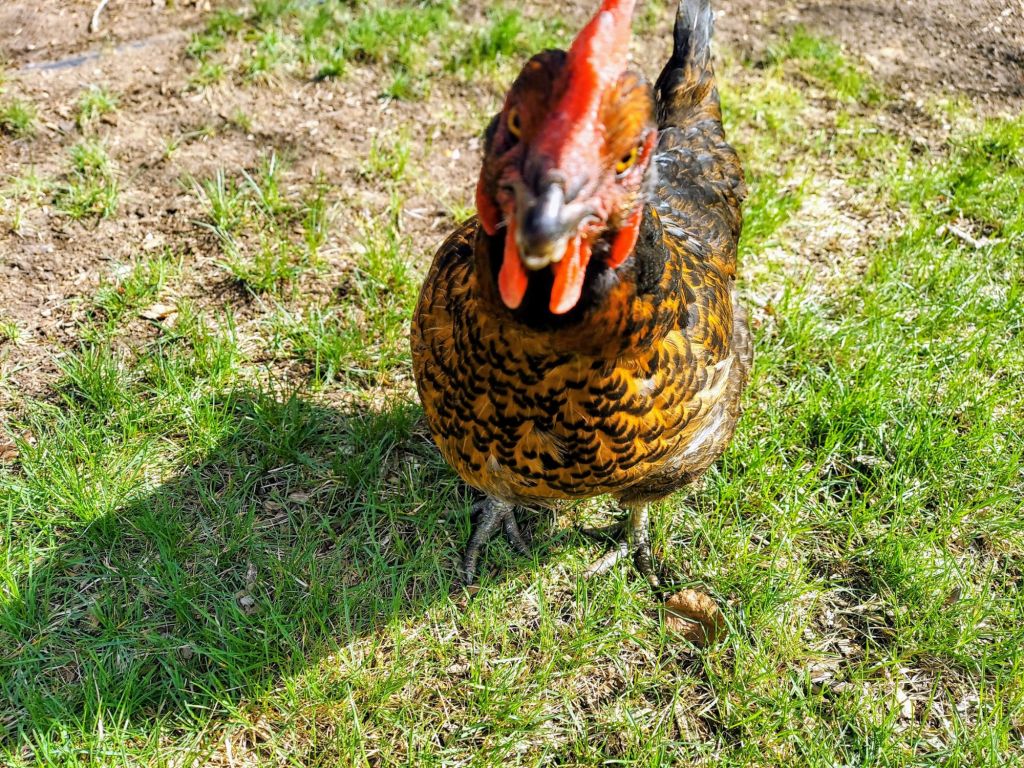
    I remember he day our delivery person lingered just to pet a chicken. It marked a quiet but unforgettable connection between humans and animals in our lives. That black hen with golden feathers wasn’t just beautiful. She was a symbol of the surprising personalities and stories hidden in every farm animal. These stories have shaped my family and me in ways I never expected.

    Farm animals have always felt special to me. More than simple creatures in a barnyard, they each hold distinct characters and life lessons. Chickens, in particular, embody a fascinating mix of contradictions: small yet bold, practical yet full of surprises. Take the first time I saw one catch and eat a frog, for example. I was both fascinated and startled. There she was, darting through the grass with sharp precision, capturing a hopping frog with a triumphant snap. This wild side of chickens revealed itself suddenly but clearly—showing me they are more than gentle garden pets. They are resourceful, lively members of the natural world.

    Equally meaningful to me has been watching my son grow alongside these animals. From tentative first touches to bursts of laughter as he ran alongside the flock, his connection with the chickens deepened steadily over time. This growing bond reached a milestone when we gathered our first pullet egg together. It was a small, warm marvel that tasted like patience and hope. Sharing that fresh egg was a celebration of both life and the quiet rituals that come from care and attentiveness.

    Beyond their intriguing personalities and practical benefits like eating food scraps and producing fertilizer, these animals have woven themselves into our daily rhythms and affections. It’s no wonder our delivery person was so drawn to that golden-feathered hen. Her presence brought him brief moments of comfort and joy. When she passed away, it marked a quiet loss that reminded me how deeply animals can touch human lives and how these bonds leave lasting marks on our hearts.

    Farm animals are, in truth, companions who teach us to slow down, observe, and connect with the cycle of life. Chickens, with their surprising mix of wildness and gentleness, stand out as providers with vibrant personalities and teachers. In their company, I have found moments of laughter, reflection, and an enduring appreciation for the simple, rich realities of living closely with nature.

    What’s your favorite farm animal or memorable moment with animals that has touched your heart? Share your stories in the comments below—I’d love to hear about the special connections you’ve had with animals!


    If you enjoyed this essay and found these stories meaningful, please like this post. Share it with fellow animal lovers. Subscribe for more heartfelt reflections and stories about life with animals. Your support means the world!

    Related Posts

  • Fifty Lemons and a Lesson in Waste

    Fifty Lemons and a Lesson in Waste

    The Waste We Don’t See

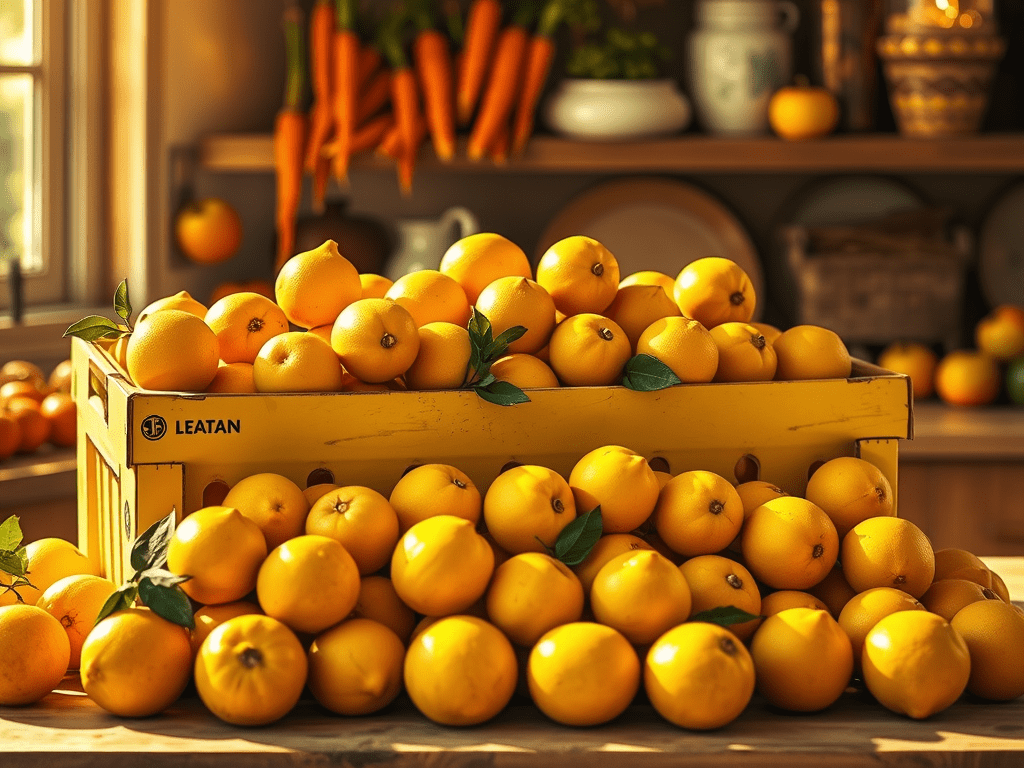
    The banana box sat on the counter—fifty lemons, bright as sunrise. Perfectly good fruit headed for the trash. It’s hard to take in the scale of it, but nearly 40 percent of all food in the United States ends up discarded. Almost half of what’s grown, shipped, and stocked here never feeds anyone at all, but instead clogs up landfills.

    A Small Farm That Says “No” to Waste

    My sister sees boxes like this every week. They’re packed with produce grocery stores can’t sell—carrots too crooked for the shelf, apples with a harmless bruise, greens that wilted before they were bought. So instead of going to a landfill, the food comes to her small farm.

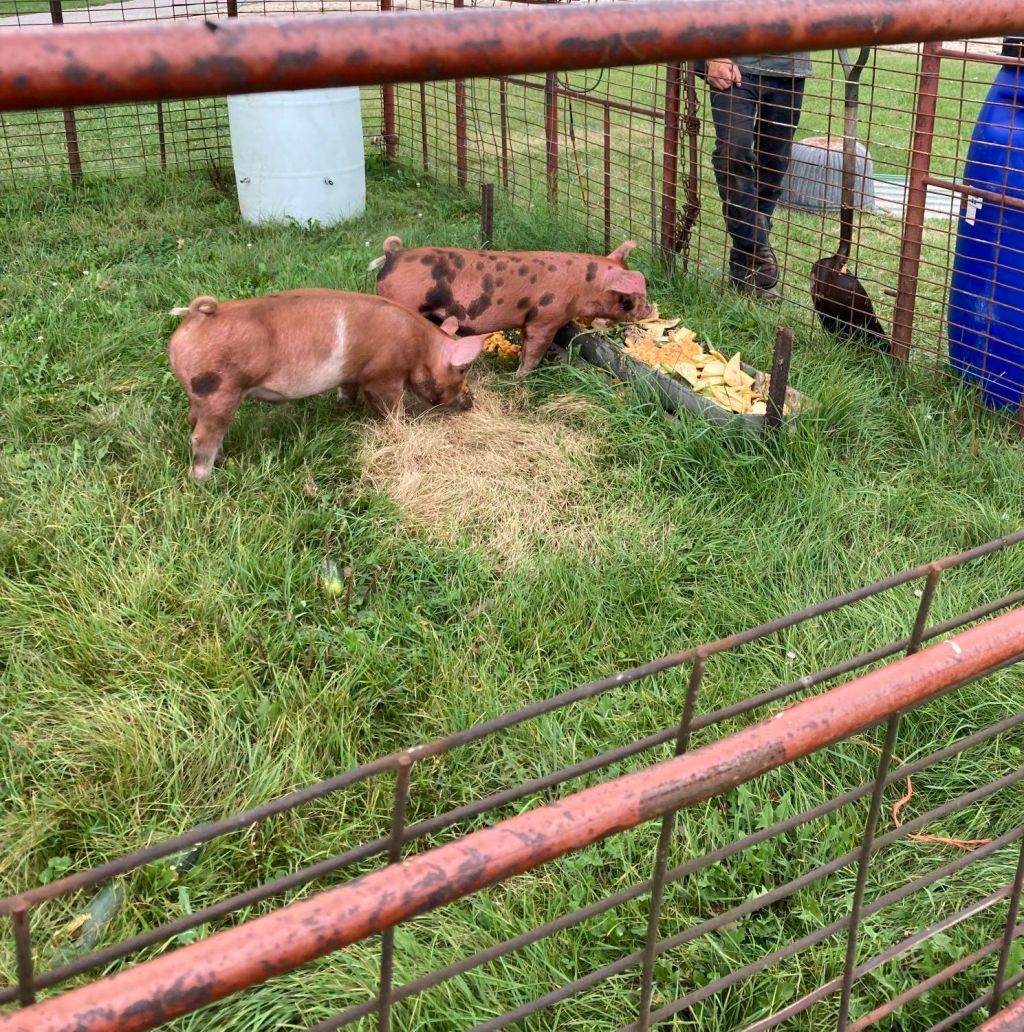
    There, everything serves a purpose. Chickens peck at the soft tomatoes. Pigs enjoy the bruised peaches. The things that can’t be eaten become rich compost for next season’s gardens. Watching her sort through those boxes makes you realize how easily abundance can be mistaken for excess. Nothing is truly wasted unless we give up on finding a use for it.

    Transforming Lemons into Possibility

    Those fifty lemons turned into their own little project for us. We juiced most of them and stored the concentrate in jars for lemonade and marinades. Some zest went into a bright lemon sauce for pasta. The rest became loaves of lemon poppy seed bread, wrapped up and shared with family. What might have been waste became food, memory, and connection.

    The Homestead Mindset

    That’s one of the quiet lessons of homesteading: learning to see potential where others see loss. A tired head of lettuce is chicken feed. Stale bread becomes breadcrumbs or croutons. Overripe bananas transform into breakfast. Once you find that rhythm of reuse, it stops feeling like work and starts feeling like gratitude.

    The best part?  You don’t need a farm to think this way. A small compost bin, a backyard garden, or simply paying attention to what’s in your fridge can shift how you handle food. Every time you find a way to reuse, share, or return something to the soil, you chip away at that staggering 40 percent—one meal at a time.

    The Bigger Picture

    Maybe your fifty lemons look a little different. Maybe they’re cucumbers softening in the crisper or a few jars tucked away and forgotten. Whatever form they take, they’re an invitation to look closer before you throw something away.

    Homesteading, at its heart, isn’t about perfection or isolation. It’s about paying attention—seeing worth in what we already have and finding new life in what might have been lost.

    So here’s my question to you: What could your fifty lemons become?


    Join the Conversation

    What’s one way you’ve learned to reduce waste or give new life to something others might discard? Share your ideas in the comments below—I’d love to hear them.

    If you enjoyed this story, don’t forget to like, share, and subscribe for more simple living and homesteading reflections.


    #HomesteadLiving #ReduceFoodWaste #SustainableLiving #SimpleLife #FromWasteToWorth #ZeroWasteKitchen #MindfulHomestead

  • Stone by Stone

    Stone by Stone

    Stone by stone, this wall was built.

    A century ago, the farmer walked his fields each spring, eyes tracing the thawing earth for the perfect stones.

    He moved slowly, letting his hand rest on each one, feeling its shape, its weight, the way it might settle among the others.

    This was not hurried work. Endurance, he knew, would make the wall stronger than haste ever could.

    When he found a stone that fit his vision, he lifted it onto his horse-drawn wagon. The steady rhythm of hooves and iron wheels carried his labor back to the barn, where rows of stone rose patiently from the dirt floor.

    As time allowed, he placed each piece with care, sweeping away soil, testing every joint, sealing the gaps with mortar and quiet pride.

    Now, more than a hundred years later, the wall still stands. Its mortar is softening, its edges worn, yet its shape endures.

    Each stone remains a record of patience laid by hand—a testament to steady work, lasting purpose, and the quiet will to build something meant to weather time itself.

    Stone by stone, this wall was built.

    What’s something in your life that was built to endure? Share below in the comments.
    If this story resonates with you, take a moment to like, share, and subscribe for more reflections on craftmanship, time, and the quiet art of enduring work.

    #storytelling#visualstorytelling#theartofstorytelling
    #farminghistory#craftsmanship#heritage#everydaystorytelling

  • The Choreography of Cattle and Grass

    The Choreography of Cattle and Grass

    The Cattle Knew Before I Did

    Out in the pasture, instinct moves faster than thought. The herd already knew what I hadn’t yet seen: today was a day of renewal.

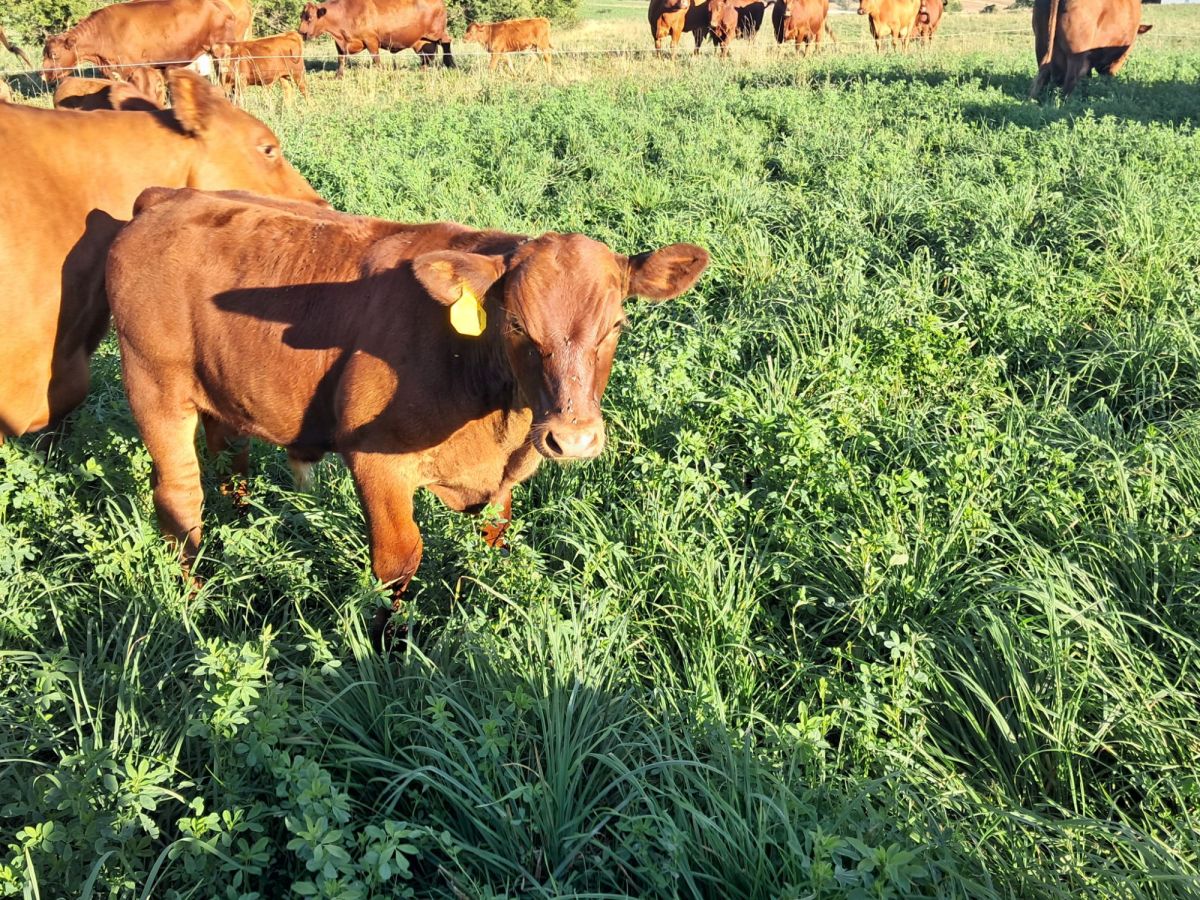
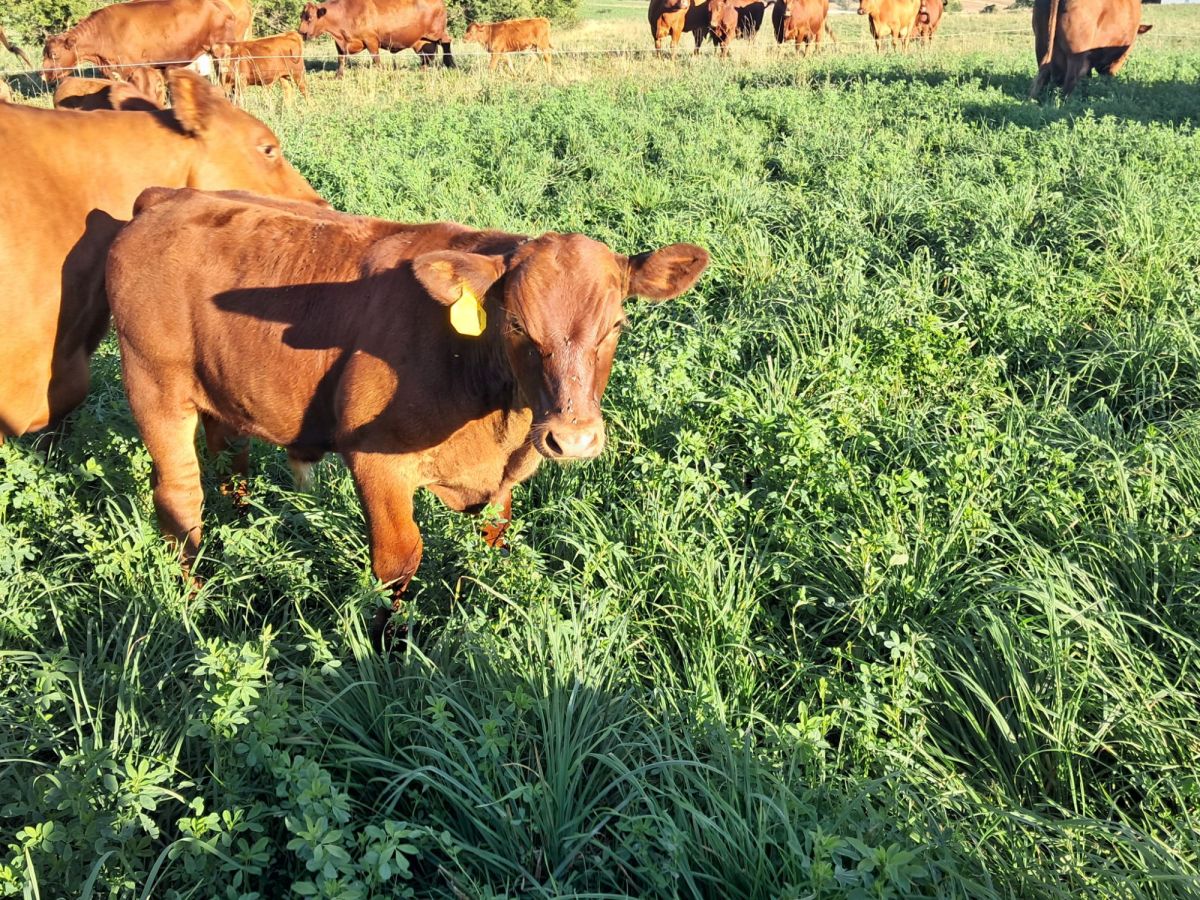
    The moment our UTV rolled across the pasture, forty Red Angus beef cattle lifted their heads in unison. Mothers stood shoulder to shoulder, calves pressed between them, and the lone bull kept watch a few steps behind. They had gathered tight against the slender electric wire that marked the edge of their world, eyes wide and ears twitching—already waiting. They sensed what I had yet to see: fresh pasture was coming.

    A Dance Between Herd, Land, and Hand

    My sister didn’t waste time with explanations. She tipped the empty water tank, wrestled it into the adjoining paddock, and clipped on the hose. With a metallic clink, she fastened the UTV to the mineral feeder and dragged it through the open gate like a sled over grass. Over the hum of the engine, her practiced voice carried, bright and firm: “Here, bahsy!”

    For a heartbeat, the herd froze. Then one bold cow stepped forward. In an instant, the rest followed like a living tide. All except one.

    The new mother lingered. A week ago she had calved, and her baby—small enough to slip beneath the wire—now stood stranded on the wrong side. The cow lowered her head and called, a deep-throated sound stitched with both command and worry. We had just started toward the calf when his spindly legs carried him scrambling back under on his own. The tension melted. She met him with a fierce gentleness, nosing his flank until he steadied beside her. My sister laughed, remembering a calf that roamed for three days before finally wandering home. “Guess they all want adventure,” she said,  amused, half exasperated.

    The dog launched next, circling fast and sharp to tuck mother and baby back into the surge. Together they flowed through the gate, spreading across the new paddock where muzzles dropped at once into the alfalfa. They tore off lush green mouthfuls while a few calves sprang into stiff-legged kicks, joy breaking loose through their bodies as they danced across their “salad bar.”


    Roots, Renewal, and the Rhythm of Stewardship

    What looked like routine was closer to choreography—people, animals, and land moving in time with one another. The cattle grazed, and with each mouthful they scattered fertility. The brief stress of grazing forced the plants to drive roots deeper, bringing resilience and storing carbon. Each careful rotation became a small act of renewal, stitched into a larger cycle of grass, growth, and gratitude.

    In winter, the family feeds them hay—baled and wrapped, fermenting sweet and sour until the animals nose into it gladly. Another verse in the same song. But that afternoon, under sun and grass, what struck me most was satisfaction made visible: forty animals, content and humming with life, heads bowed as if in prayer.

    The calf pressed against his mother then, reaching to nurse. And as I watched, it dawned on me—this wasn’t just work or habit. It was stewardship, connection, and gratitude rooted in motion.

    Your Turn

    What everyday work have you seen or done that revealed something deeper than ‘just a chore’?  Share your stories in the comments below!

    Read, Reflect, and Share

    If this story brought you into the pasture for a moment, tap Like. Follow for more stories of land and livestock in harmony. Share it with someone who understands the quiet art of caring for what grows. Your support helps this space grow and reach others with similar interests.

    #RegenerativeAg #GrassFedLife #FarmStewardship #PastureMoments #CattleAndLand #RanchLifeReflections #SoilToSoul #RotationGrazing #LivingChoreography #CircleOfCare

  • The Attic That Remembered the Harvest

    A quiet corner of the house becomes a window into the rhythm of old farm life


    The Secret History in the Rafters

    There are places in a home that carry silence differently. Our attic is one of them. The floorboards creak with memory, and dust glows like soft smoke in the afternoon sun. At first glance, it’s just old timber and rusted hardware—until you notice the nails. Thousands of them, hammered deep into the beams.

    Three thousand, give or take. They jut out like punctuation marks in a story written by hands who walked within these walls but I’ll never meet. Each nail represents a note of effort, a record of someone’s steady persistence. I remember asking my husband about them the first time I followed him upstairs. He smiled and said simply, “Corn drying nails.”

    Rediscovering an Old Tradition

    I had no idea what he meant. Then autumn arrived, and our blue dent corn ripened in our garden. We carried the harvest up the narrow attic stairs, a banana box full of bright, heavy ears. Instead of looping the husks and hanging them as I had envisioned, my husband pressed the cobs straight onto the nails.

    It was slow, almost ceremonial work. The corn slid onto the metal with a satisfying scrape. One by one, the wall filled with color—deep blue, sun-gold, and flickers of red silk. In that dim, quiet light, the attic became a mosaic of patience and practicality.

    For generations before hybridization transformed agriculture, this was how families saved their seed stock. The previous year’s corn dried high above ground, away from moisture and rodents, until it was ready to be shelled in spring and replanted. Every cob represented not just a meal, but a promise for next year’s planting—a steady thread of survival and renewal.

    The Weight of Time and Work

    Sometimes, when I’m up there alone, I imagine those who lived here before me. Maybe a farmer with calloused hands, wiping sweat from his temple as he climbed the attic stairs. Maybe a child trailing behind, helping to hold the basket. The air would have smelled like a granary, of earth, timber, and ripened grain—a hand-me-down scent that tied one harvest to the next.

    Now the nails stand empty, gleaming faintly in the warm shadows. They hold no corn, but they still anchor something larger: a memory of endurance, a rhythm of life that didn’t depend on abundance but on balance, care, and steady effort.

    Every time the wind hums through the eaves, I think of those nailed-up seasons—how work once lingered in simple materials, how love was measured in continuity, not convenience.

    What Stories Live in Your Home?

    Look around your own space. Maybe there’s a scuffed tabletop, a patch of paint that doesn’t quite match, or a worn stair tread that speaks of every footstep before yours. What places in your home hold quiet stories of labor and love?

    Keep the Story Going

    If this glimpse into an old farming tradition resonated with you, please show your support: Like, share, and subscribe for more reflections on rural living, heritage, and the small acts of abundance that fill ordinary days. Let’s keep these stories alive—because sometimes, the past is only a floorboard away.

    #FarmLife #HomesteadHeritage #RuralStories #TraditionAndCraft #CornHarvest #SustainableLiving #CountryWisdom #SlowLiving #StorytellingSunday #CountryRoots

  • Learning from the Three Sisters

    Ancient Wisdom, Modern Lessons

    The “Three Sisters” — corn, beans, and squash — show what true collaboration looks like. Rooted in ancient Indigenous wisdom, this companion-planting method isn’t just sustainable; it’s a living model of balance.

    Corn stands tall and strong, offering the beans a natural trellis. The beans return the favor, fixing nitrogen that enriches the soil. Meanwhile, squash sprawls across the ground, shading the earth to keep in moisture and crowd out weeds. Together, they form a self-sustaining ecosystem — one that thrives through cooperation and reciprocity.

    A Lesson Replanted

    I first learned about the Three Sisters in grade school, probably around Thanksgiving, during a brief mention of Indigenous agricultural knowledge. I didn’t think much of it then. But last year, while searching for more sustainable gardening methods, the lesson resurfaced. Curious and skeptical, I decided to try it myself.

    Armed with blue dent corn seeds for homemade tortillas, pinto beans for the adventure, and leftover spaghetti squash seeds (because I couldn’t justify buying more), I planted in late May. The corn went in first, followed by the beans once the stalks reached ten inches, and then the squash two weeks after that.

    A Living Experiment

    To my delight, the beans twined effortlessly up the corn, just as promised. The old squash seed lagged behind but eventually pushed through, turning what looked like a “Two Sisters” garden into a full trio. For good measure, I added spent oyster mushroom substrate from another homestead experiment. Volunteer cherry tomatoes, which I didn’t have the heart to thin, soon joined the party — a wild, happy sprawl of coexistence.

    Harvest and Harmony

    By October, our small 25×10-foot plot had given us a treasure: a banana box of blue dent corn drying in the attic, a pound of pinto beans, and two proud spaghetti squashes still ripening. Even the leftover oyster mushroom spawn revived after each rain, and cherry tomatoes kept offering up baskets of surprises — nature’s generous encore.

    Seeing this ancient partnership unfold transformed a childhood lesson into something alive and immediate. The “Three Sisters” reminded me that balance isn’t about control — it’s about trust, patience, and reciprocity.

    Looking Ahead

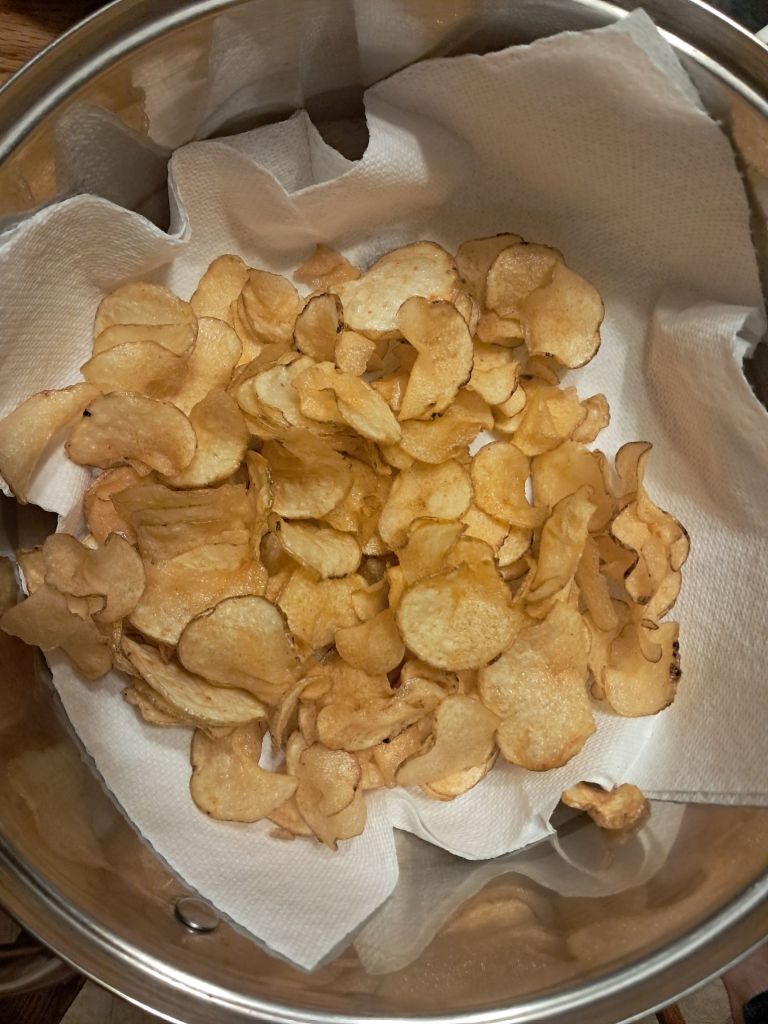
    Next spring, we’ll start earlier and use fresh squash seeds. But even now, the garden has offered more than food — it’s fed our curiosity, connection, and hope. My son’s dreaming of blue tortilla chips, and I’m dreaming of next year’s lessons, both in the soil and beyond it.

    Your Turn

    Have you ever grown something that changed how you see the world? Share your story in the comments — and if this post inspired you, give it a like, share it with a fellow grower, and subscribe for more gardening stories!

    #ThreeSistersGarden #RegenerativeGardening #IndigenousWisdom #SustainableLiving #GrowYourOwnFood #HomeGarden #NatureInspired #GreenLiving #SoilHealth #HomesteadLife #EcoFriendly

  • When Egg Prices Crack, Local Farms Hold Steady

    Just months ago, the price of eggs soared past $7 a dozen—triple what most people were used to paying. A food so ordinary it’s almost invisible suddenly looked like a luxury. Prices have since eased, but the memory lingers: how did something so basic get so expensive? And why did the shock land so unevenly—upending some farms while leaving others steady?

    On our farm, a dozen eggs still sells for $4. That number has barely budged in years. While supermarket prices swung wildly, ours held firm. The contrast is more than a curiosity. It hints at how food really travels from barnyard to breakfast table.

    The spike began with avian influenza. In 2022 and 2023, the virus swept through major poultry operations, wiping out more than 43 million egg-laying hens nationwide. When a third of the national flock disappears, supply collapses and prices shoot up. Industrial farmers also faced surging costs for feed, fuel, and transport. A production system designed for tight efficiency became brittle: when disease struck, the whole country felt it at the checkout line.

    Small farms like ours face the same threats, but the impact lands differently. Three features matter most:

    • Flock diversity. We keep mixed-breed, free-range hens. Losing a handful to illness is painful, but a single disease rarely jumps across breeds with equal force. Uniform flocks in industrial barns don’t have that buffer.
    • Local sourcing. Most of our feed comes from what we can grow or source locally. Last winter, when global grain costs spiked, our stockpile of grain grown during the previous year was still there, and the cost to produce it did not change. That insulation saved us from the roller coaster.
    • Short supply chains. Our eggs travel from our house to their house, a distance of less than ten miles, not five hundred to a distribution hub. Fuel hikes and cold-storage fees barely touch us.

    That structure explains why our price holds steady. $4 a dozen looks high when the grocery store is running specials at $2. But when shelves empty or sticker shock sets in, suddenly our carton looks like the bargain. What customers are buying isn’t just eggs—they’re buying reliability.

    Of course, small farms can’t replace industrial ones. We don’t feed cities by the million, and local food generally costs more up front. Volume and convenience still matter. But the lesson of the egg crisis isn’t that one system must win. It’s that balance matters. Industrial agriculture delivers abundance when conditions are smooth. Small farms deliver stability when they’re not. Together they form a more resilient food web than either system could alone.

    And “smooth” is becoming rare. Disease, war, fuel shocks, and extreme weather tug constantly at a tightly wound system. When that system cracks, as we saw with eggs, the cost gets passed to the consumer.

    There’s another way to measure value. It’s not the absolute lowest price when times are calm—it’s the carton that’s still there, at the same price, when times are not. In food, resilience isn’t a luxury. It may be the most essential ingredient of all.

    Next time you crack an egg into the pan, think about how far it traveled to get there. If you want your breakfast to come with stability as well as protein, consider keeping part of your food dollar close to home. The steadiness might taste better than you expect.

    What is the true cost of cheap food—and what values should guide us when something as everyday as eggs suddenly becomes a luxury? Share your thoughts below, and subscribe to join a group of like-minded people.

    #FoodSystem #LocalFood #FarmFresh #FoodResilience #EggPrices #KnowYourFarmer

  • The Place with the Two Blue Silos

    If you’ve ever driven through the Midwest, you’ve seen silos. They rise from the fields like punctuation marks in the long, flat sentences of corn and beans—periods, exclamation points, sometimes ellipses trailing off into the distance. Most people don’t think twice about them. But on my childhood farm, they weren’t just part of the scenery. They were the story.

    Our landmark was unmistakable: two midnight‑blue Harvestore silos standing side by side at the edge of the barnyard, a glacial drumlin lifting in the west behind them. You could see them from miles away, shining like church steeples in the sun. Whenever someone asked for directions, the answer was simple: the place with the two blue silos. No map required—just look for the cobalt towers breaking the horizon. That was home.

    As a child, they seemed impossibly tall, almost otherworldly. I’d tilt my head back until my eyes watered and my neck ached, trying to catch the curve of their domes. Birds wheeled around their crowns, dust curled at their bases, and summer storms lit their sides with a brilliance that made them glow as if lightning paused there on purpose. They weren’t just farm equipment; they were guardians, keeping watch over our days.

    With time, though, I learned they carried a complicated legacy. For my parents’ generation, a Harvestore wasn’t just storage—it was a pledge to the future. The glossy blue walls promised fresher feed, healthier herds, easier labor. To build one was to take a stand for progress, to believe that farming could evolve and endure.

    But by my childhood, that faith had thinned. Repairs were costly. Lawsuits and disappointment trailed the company’s once‑gleaming reputation. Neighbors grumbled about cracked panels and complicated unloaders; some tore their silos down, hauling away the dream they once anchored. Ours, though, remained. Not because they worked flawlessly, but because they had become more than machinery. They held memory as much as silage—hope, pride, stubbornness, and the refusal to let go.

    The longer I live away from that farm, the more I realize those silos were never only about feed. They were about identity—the way families pin themselves to symbols long after the shine has dulled. They remind me of the uneasy truth that progress is both promise and burden, that we measure ourselves by what rises from our yards: a new tractor, a bigger shed, two blue towers that said we belonged to an era of ambition.

    Even today, when I drive through farm country, my eyes scan the horizon for Harvestores. Some still gleam, others lean into rust, many stand abandoned. Each one is its own monument: to the optimism of a certain time, and to the hard reckoning that followed. When I spot one, I don’t just see steel and glass. I see the soft evenings of my childhood—when the setting sun stained our silos deep indigo and anchored me to a place I’ll always claim as home.

    That farm doesn’t need to be drawn on any map. For anyone driving those roads, the directions are still enough: look for the two blue silos.

    Have you ever had a landmark—on a farm, in a town, or in your neighborhood—that became more than just scenery, something that carried your family’s history or identity? Share your thoughts below, and subscribe to join a group of like-minded people.

    #FarmHeritage#RuralRoots#HarvestoreHistory#SymbolsOfHome#MidwestStories#HeartlandMemory#FarmLegacy#LandmarksOfLife

  • If You Buy Your Wife a Chicken

    If you buy your wife a chicken, she’ll inevitably need a coop.

    If you build your wife a coop, she will need some feed.

    If you think ground feed is too expensive, you need to buy a tractor, corn planter, grain drill, and combine.

    If you plant too much grain to feed the chickens, she’ll ask for some pigs.

    If you buy your wife some pigs, she’ll want a sturdy fence to keep them safe.

    If you build her a fence, she’ll need a bigger shed to shelter all the animals in winter.

    If you expand the shed, she’ll decide it’s the perfect place for a turkey.

    If you bring home a turkey, she’ll need special feed and a cozy spot for it to roost.

    If you set up the perfect roost, she’ll think a garden nearby would help with fresh veggies for the animals.

    If you help her plant a garden, she’ll ask for a greenhouse to start seeds early.

    And when the greenhouse is filled, she’ll bake you a fresh pie and bring it out to the shed—

    where you’ll both watch the chickens, pigs, and the turkey,

    and she’ll mention that what would really make it perfect is…

    another chicken.

    Have you started down the slippery slope to homesteading yet? Share your experiences, and subscribe to join a group of like-minded people.