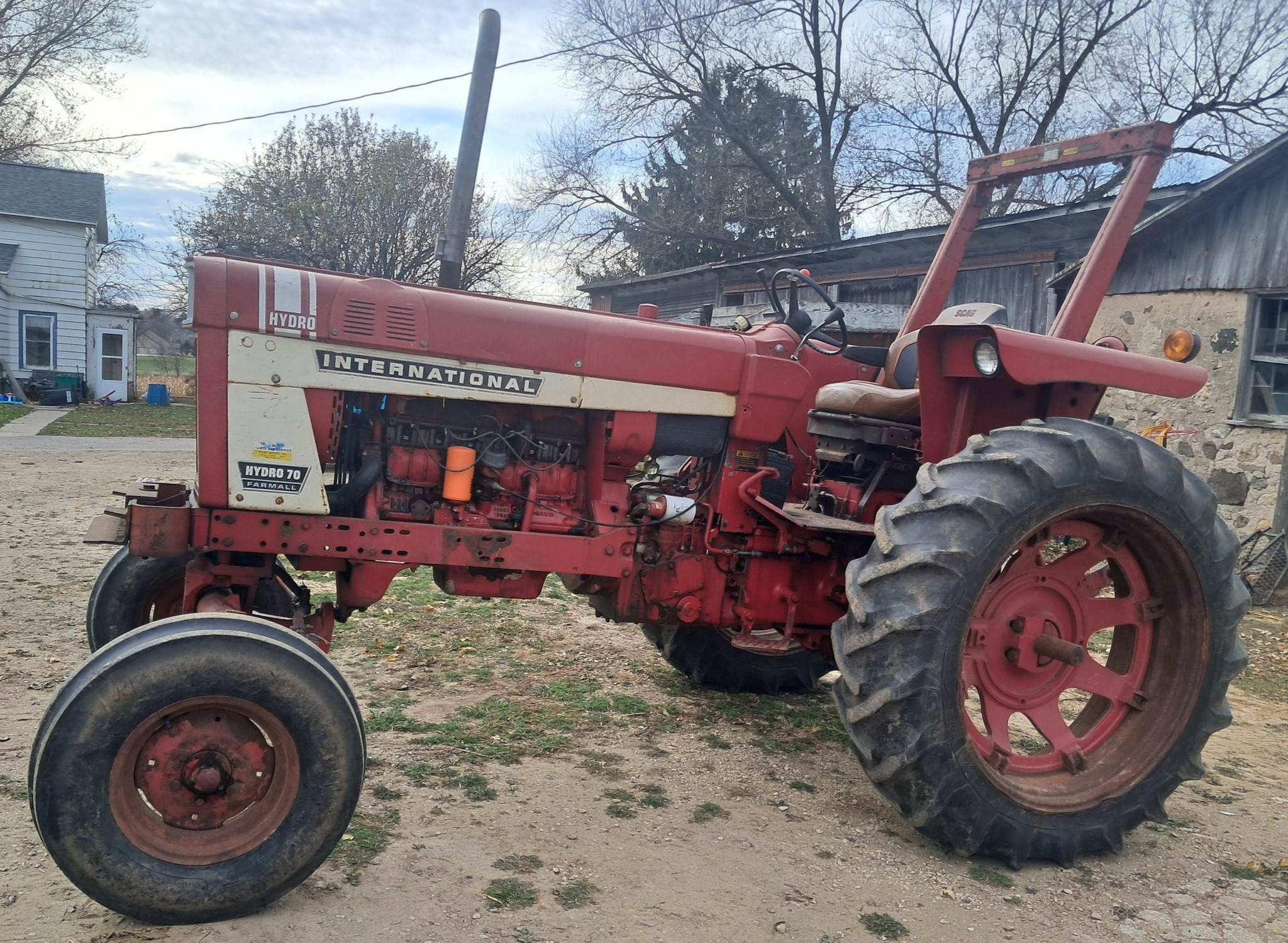
There’s something quietly magical about the sound of an old tractor rumbling across our little homestead.
That deep, earthy growl—it’s like a song I’ve known all my life. More than a machine, it feels like a heartbeat that steadies me, connecting me to something ancient and familiar.
When I was young, I spent hours riding on open-air tractors like this—sometimes with my dad, sometimes with one of my older sisters at the wheel.
I still remember the cold morning air, the scent of diesel and turned soil, the steady roar carrying across the fields. Back then, it was just life happening around me—the background music of home.
Now, when this engine comes to life, a quiet joy stirs inside me. It’s as if the girl I once was lifts her head again, smiling at something she forgot she loved. Maybe it’s nostalgia—or maybe it’s the sound of healing.
Take a late-May tour of our Zone 4B vegetable garden and see what we planted in 2026—from strawberries and root crops to kohlrabi, rutabagas, and pumpkins.
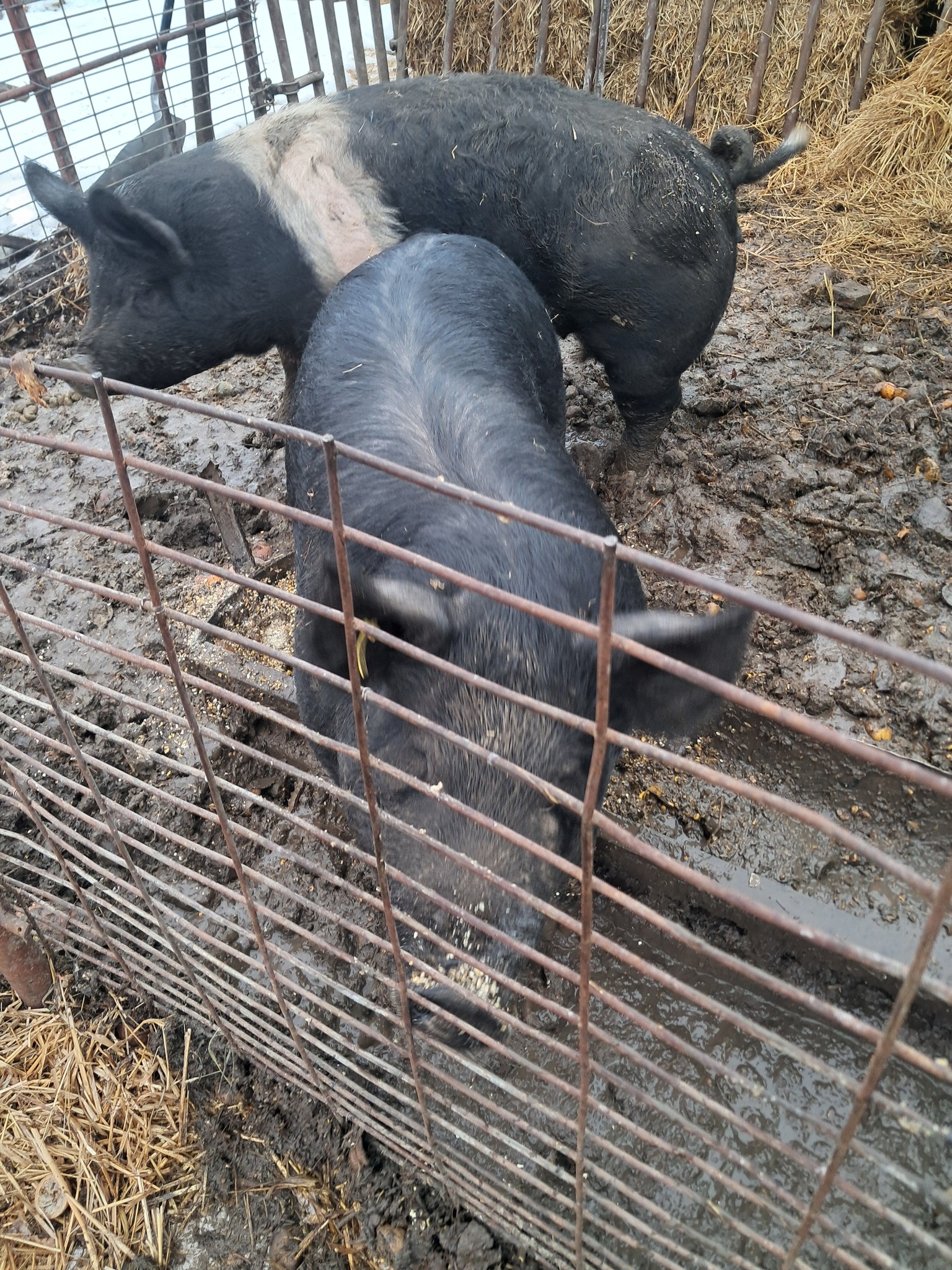
Our first farrowing season brought two gilts, 20 piglets, and a lot of lessons. Here’s what farrowing really looked like on our small homestead—and what we’d do again.
“We’re stronger together.” — A lesson from the land, the past, and the heart.
Some days, I find myself wondering why I share so much of my messy, joyful, back-to-the-land life. Then I remember—it’s not just a blog; it’s a declaration of purpose. I’m not just learning to grow food or raise livestock. I’m learning to build a life rooted in connection, resilience, and love—the kind of life that feels increasingly rare in our modern world.
Growing Food
My mission comes back to the words that guide everything I do: “Growing food, raising kids, building community.”
Growing food isn’t just about self-sufficiency; it’s about slowing down and remembering that life takes time. Whether it’s a full garden, a few backyard hens, or a pot of herbs on a sunny windowsill, each act connects us to the earth and to the generations who worked it before us.
You don’t need acres to begin—just a seed, a container, and a little sunlight.
Even one small step can be the beginning of a more grounded life. Each seed planted is a reminder that we can create abundance with our own hands.
Raising Kids
Just as tending the garden teaches patience, so does parenting. Homesteading is a classroom like no other—muddy, humbling, and full of wonder.
It teaches our children what no textbook can: that hard work matters, that life is cyclical, and that family is their safe harbor in a sometimes harsh world.
My hope is that my kids grow up knowing home isn’t merely a place—it’s a legacy we build with care and intention. Whether they keep chickens, plant tomatoes, or simply carry these values forward, I want them to understand where they come from and who they are.
Building Community
And then there’s community—the heartbeat of homesteading and, I believe, our survival as humans.
American society often tells us that strength comes from independence—that we should manage everything ourselves, and outsource what we can’t, because we’re too exhausted to do it all. But that version of “strength” leaves us burned out and disconnected.
True strength doesn’t grow in isolation—it blossoms in interdependence.
Sometimes that means swapping seeds or recipes; other times, it’s checking on a neighbor or being brave enough to ask for help. We were never meant to do this alone.
Lessons from the Past
When I think about how far we’ve drifted from those roots, I can’t help but look back with respect. Our great-grandparents understood community in ways we’ve forgotten.
Their lives weren’t easy—many faced relentless hardship. I once read about children in rural Wisconsin in the 1930s who walked miles to town barefoot, carrying their shoes so they wouldn’t wear them out. They’d put them on only once they reached town, because those shoes had to last—and often be passed down to the next child.
Those stories remind me that while the past wasn’t perfect, it carried wisdom worth keeping. People ate real food, raised resilient children, and looked out for their neighbors. They knew that survival wasn’t just about grit—it was about connection and care.
Planting Hope
In the end, that’s what I want my life—and this blog—to reflect. I want to inspire others to live intentionally, grow their own food, raise their families with love, and reconnect with the people around them.
Because when we nurture the soil, our children, and each other, we’re planting more than gardens—we’re planting hope. And in that hope, we rediscover a simple truth our ancestors never forgot:
We are always stronger together.
Now it’s your turn. How do you balance modern life’s demands with a desire to live more simply? Tell me about it in the comments. Let’s start a conversation!
If this post spoke to you, I’d love for you to help the message spread:
💬 Share your thoughts in the comments — I truly enjoy hearing your stories.
💚 Share this post with a friend who believes we’re stronger together.
🌾 Subscribe to the blog for more reflections on growing food, raising kids, and building community—one season at a time.
See how we’re improving our homestead this spring with fruit trees, strawberries, piglets, chicks, and house projects—growing food, raising kids, and building home.
Celebrating one year of this homesteading and family blog—from “Sourdough Bread” to GRIT Magazine, stories, and reflections. Thank you for reading, commenting, and cheering for me.
From a gritty Awolnation show to a Beatles tribute while pregnant and family-friendly Concerts in the Park, these Green Bay concert memories mark each season of my life.
I’m not being boastful — that really was a commercial I remember from childhood, announcing The Simpsons as “the show that defined a decade” and giving my actual birthdate. Maybe that’s why the phrase stuck with me. It felt like the world and I arrived on the same wave of something new — a time buzzing with energy and change.
The world in 1990 was shifting fast. The Berlin Wall had just fallen, Nelson Mandela walked free after 27 years in prison, and for a while, it felt like anything was possible. At home in the U.S., George H. W. Bush was president, grunge was brewing in Seattle, and the first home computers were finding their way into family living rooms. Back then, families were swapping cassette tapes for computer disks, unaware of how much life was about to speed up.
I don’t remember those big events firsthand — my world then was much smaller. My earliest memories are of the dairy barn, helping with chores before sunrise. I’d carry buckets and gently clean udders before it was time to milk. The smell of hay, cows, and the cool morning air still lingers in my memory.
We also had a big garden that helped feed our family all year long. My parents even kept a separate garden just for potatoes — and we worked hard to fill the cellar every fall. Summer days were spent picking beans, baling hay, and gathering whatever the earth offered. My parents taught me what perseverance looks like. If something needed doing, you didn’t wait around — you did the work. That mindset has never left me.
Now, decades later, those lessons have come full circle. These days, we can vegetables and fruits, raise our own pork, and tend our garden much like my family always did. Only now, I understand the meaning behind the work. Homesteading isn’t just about self-reliance. It’s about finding peace in the effort, purpose in the blisters, and gratitude in what each season provides.
So maybe 1990 really was the year history was made. It was also the year one farm kid began learning what it means to build a life from the ground up — shaped by family, faith, and the steady rhythm of work that still anchors me today.
Now it’s your turn. What year shaped you, and what lessons from your childhood still guide you today?
If you’ve ever looked back and seen the roots of who you are, you’ll fit right in here. Like this post and share with your friends. Subscribe for more stories about homesteading, family life, and finding meaning in the work that sustains us.
Growing up on a dairy farm in Wisconsin, my days were shaped by the rhythm of the cows and the turning of the seasons. Each morning began before sunrise, the air crisp with the scent of damp earth as my family and I made our way to the barn. The gentle lowing of the cows…
Hello, everyone. I have a confession to make:I grew up on a farm. For the longest time, this felt like something I needed to hide. In high school, I avoided FFA and agriculture classes, choosing instead to spend time with the choir crowd, some of the kindest people you’ll ever meet (and, let’s be honest,…
If you’ve ever driven through the Midwest, you’ve seen silos. They rise from the fields like punctuation marks in the long, flat sentences of corn and beans—periods, exclamation points, sometimes ellipses trailing off into the distance. Most people don’t think twice about them. But on my childhood farm, they weren’t just part of the scenery.…
Beef prices are higher than ever, and it’s hard not to flinch when you see the total at the checkout. But there’s a bigger story behind that price tag. It’s a story of weather, supply, and the everyday people who make your meals possible.
The Shrinking Herd Across the country, the U.S. cattle herd is the smallest it’s been since 1951. Years of drought have dried up pastures. Rising feed and fuel costs have forced many families to sell breeding cows just to hold on.
With fewer calves entering the pipeline and beef taking about two years to raise from birth to butcher, this shortage doesn’t rebound quickly. Meanwhile, Americans still love their beef—consuming around 57 pounds per person each year, according to USDA estimates.
When demand stays strong and supply runs short, prices naturally climb.
Family Farms Under Pressure But economics only tell half the story. On my sister’s small farm, she and her husband raise beef—a side project that grew out of their love for good food and good land. Like many small producers, they both work jobs outside the home to keep their operation going.
What started as a passion for raising healthy animals and feeding their neighbors has become a delicate balance between purpose and practicality. For them, and countless others, farming isn’t just about income—it’s about identity, family, and stewardship of the land.
Their experience isn’t unique. The average farmer in the U.S. is now around 58 years old, and for younger generations, getting started can feel impossible. Land, equipment, and livestock cost hundreds of thousands of dollars before the first calf is ever born.
On top of that, just a handful of large companies control most of the nation’s beef processing. That means family farms earn less, even as consumers pay more at the store. It’s a painful disconnect that continues to squeeze rural families across the country.
Watching my sister pour her time and heart into those cattle reminds me of something deeper. Homesteading—like life—rarely offers shortcuts. The work is long, often quiet, but filled with meaning that doesn’t show up on a price tag.
The Cost of Keeping Food Safe Processing adds another layer of expense. Federal law requires a USDA inspector to be on-site during every moment of slaughter and processing. Their presence ensures animal health, cleanliness, and safety—vital safeguards that protect us all—but compliance adds time, labor, and cost.
Some experts believe these inspections could be modernized and streamlined to preserve safety while easing financial pressure on small processors. For now, those costs carry through the system, one steak at a time.
Beyond the Farm Gate Every link in the supply chain—from pastures and processors to packaging and transport—feels the strain of rising fuel prices, labor shortages, and inflation. And behind that rising price tag are families working early mornings and late nights to keep barns running, pastures green, and herds healthy.
For many, it’s more than work—it’s a calling built on resilience and pride.
And for those of us on the other end, part of honoring that work is learning to value the whole animal. Beef isn’t just ribeyes and tenderloins. It’s also the flavorful roasts, shanks, and stewing cuts that take time, effort, and patience to cook.
When we learn to use every cut—every bit of what an animal gives—we stretch our dollar, reduce waste, and show respect for the life and effort behind our food. In a way, that practice is at the very heart of homesteading: using wisely, wasting little, and cooking with gratitude.
What You Can Do Understanding the system is a great first step. Visit your local butcher or farmers’ market. Ask where your beef comes from. Learn from small farmers who raise animals with care and integrity—and don’t be afraid to try new cuts or cooking methods.
If you have the freezer space, consider buying a quarter beef directly from a local farmer. It’s roughly 200 pounds of meat—everything from premium steaks and roasts to ground beef and lesser cuts. Buying this way often saves money per pound, puts more of your dollars directly into the farmer’s pocket, and helps keep local processors and butchers in business.
This is what a quarter beef looks like, directly from the butcher.
Supporting local producers and cooking with intention helps preserve the values that built rural communities: thrift, respect, and connection to the land. When you approach food with awareness, every meal becomes an act of gratitude.
If you try a new cut or buy in bulk from a local farm, share your experience in the comments. I’d love to hear how you’re honoring the hands and hearts behind your food.
A Final Thought The next time you pick up a steak—or a simple pack of stew meat—remember the weather, markets, and families who make it possible. Every mindful purchase helps sustain not just a food system, but a tradition of stewardship that keeps families—and their farms—going strong.
If this story resonated with you, give it a like. Share it with a friend or pass it along to someone who loves good food and community.
Your support helps this blog keep shining a light on local farmers, homesteading life, and the values that keep our tables full of meaning.
Subscribe for more stories—and practical tips—on living simply, eating well, and staying connected to the land.
Learn how to turn wild venison into a tender, flavorful stir fry with simple slicing tricks, an overnight marinade, and a hot skillet. A homesteader’s guide to cooking with heart — from field to family table.
The hum of diesel engines and the scent of dusty corn fill the air every fall, signaling harvest season and long days ahead. For the local farmers, this time of year brings both relief and pressure—hundreds of acres to harvest before rain or early snow set in. My dad is always there to help, his…
What are your family’s top 3 favorite meals? Disclosure: This post contains affiliate links. As an Amazon Associate, I earn from qualifying purchases. Thanks for supporting Practical Homesteading! Imagine standing in your kitchen after a long day, staring into the fridge and pantry. Hungry family members are standing by waiting not-so-patiently. You juggle not only…
Disclosure: This post contains affiliate links. As an Amazon Associate, I earn from qualifying purchases. Thanks for supporting Practical Homesteading!
If you walked down a typical grocery store aisle with me, you might think I’m lost. While most American shoppers reach for convenience, I’m the one squinting at sacks of flour, jars of yeast, and tubs of coconut oil — the same staples my great-grandmother probably chose 75 years ago. I don’t shop for ready-made meals; I shop for possibility.
At home, those bulk ingredients become whatever we need — bread, tortillas, sauces, or even snacks. If I don’t know how to make something, I learn. A simple search and a quiet evening in the kitchen have taught me more than any cookbook could. This hands-on, old-fashioned approach has saved us thousands over the years, but more importantly, it’s built confidence, patience, and gratitude for every meal we share.
Now, that doesn’t mean I don’t enjoy Chinese takeout once in a while! I’ve learned to make my own dumpling and stir-fry recipes — they’re delicious when they turn out, and hilarious when they don’t. (One of my most epic flops was a lemon pepper chicken so salty it could’ve been used as a salt lick.) Mistakes keep me humble, and in a way, they’re the best ingredient for growth.
Homemade potato chipsBloody Mary with mostly homegrown ingredients
So with gratitude — and a dash of humility — here are my five most essential grocery items and how they shape my kitchen life on the homestead.
5. Coconut Oil
Coconut oil (affiliate link) is my go-to multipurpose fat. It melts like butter and works wonders in place of lard or shortening. I use it to pop popcorn, bake desserts, and even blend it into homemade flour tortillas.
Its aroma — faintly sweet and buttery — adds a subtle depth you can’t quite place but always appreciate.
Tip: For tender baked goods, replace half the butter or shortening in your recipe with coconut oil, then reduce liquid slightly. It gives just enough chew without the greasy feel.
4. Active Dry Yeast
Yeast (affiliate link) is the quiet hero of my kitchen — small, simple, and full of potential. Watching dough rise never loses its magic, especially when the kitchen smells of warm, sweet yeast and anticipation.
It symbolizes self-reliance: turning flour, water, and salt into something living, breathing, and nourishing.
Tip: Always proof yeast with a pinch of sugar in warm water (around 110°F). If it bubbles within 10 minutes, your dough is ready to rise.
3. Chicken and Beef Bouillon Powder
I lean on chicken (affiliate link) and beef (affiliate link) bouillon powders for soups, gravies, and especially rice. Cooking rice in chicken or beef stock instead of water transforms it from plain to crave-worthy.
I also mix beef bouillon into my homemade onion soup powder — it adds warmth and richness that store mixes can’t match.
Tip: Swap half the water for stock when cooking noodles, grains, or vegetables. It’s the fastest way to round out flavor without extra sauces or salt.
2. Plain White Sugar
Plain old white sugar earns a spot near the top because it does so much more than sweeten desserts. It wakes up yeast, balances tomato acidity, and — lately — fuels our lemonade habit.
My sister keeps me well-supplied with lemons, so I make fresh lemonade weekly. When the kids come in sun-dusted and thirsty, that chilled pitcher waiting in the fridge makes them light up.
Tip: Add a teaspoon of sugar to tomato sauces or soups to tame acidity without losing depth of flavor.
1. Flour
If coconut oil is the heart of my pantry, flour is its backbone. I buy high-gluten flour for breadmaking (affiliate link), but I’m excited to experiment more with ancient grains soon.
The feel of dough under my hands, the smell of a fresh loaf cooling on the counter, and the crackle as it’s sliced — it’s the rhythm that grounds my kitchen.
Flour builds loaves, tortillas, focaccia, and even desserts. It’s humble, forgiving, and powerful — no one in my house has ever once complained about home-baked anything.
We rarely buy vegetables from the store, relying instead on what we’ve grown and preserved — jars of tomatoes, beans, and pickles lining the pantry. They remind me that what we grow in summer sustains us long after the frost sets in.
Our winter meals center around potatoes, onions, and frozen vegetables like broccoli and bell peppers. We’ve experimented with extending our garden season using a small greenhouse and straw. There’s something deeply satisfying about pulling greens or a carrot from a garden while snow still glitters outside.
As for meat, we’re still building toward full independence. We raise our own pork, purchase beef from my sister’s grass-fed herd, and still buy chicken from the store — for now. One day soon, meat birds will join the homestead lineup, and the circle will feel more complete.
Each grocery item on this list earns its place not for novelty but for versatility. They remind me that eating well doesn’t require endless ingredients — just a few solid building blocks and the creativity to make them shine.
This slower, more deliberate approach to cooking has taught me creativity, patience, and gratitude — lessons that spill over into every other area of life.
Homesteading has shown me that ingredients matter less than the care and love you pour into them. Every loaf, jar, and meal built from raw goods feels like an act of heritage — and hope — in a world that moves too fast.
Homestead maple syrup
What five grocery staples would make your list? Please share them in the comments. And if this post inspired you, please like, share, or subscribe to follow more homesteading stories, seasonal recipes, and simple living tips.
Experience a vivid farm story about rotational grazing, resilience, and regenerative land stewardship through the eyes of a family and their Red Angus herd. Discover how cattle, people, and pasture move together in balance
Disclosure: This post contains affiliate links. As an Amazon Associate, I earn from qualifying purchases. Thanks for supporting Practical Homesteading! There’s something special about meals that tell a story. The kind of food that’s more than a recipe — but part of life. For us, that story came together in one simple dish: a homemade…
A 2025 garden reflection full of lessons, surprises, and laughter—one-pound onions, overflowing basil, hybrid watermelon mishaps, and happy pigs. Discover the stories and takeaways from our most rewarding gardening season yet.
I never thought I’d want pigs on the homestead. Growing up, homestead livestock meant early mornings, muddy boots, and my father’s sharp commands echoing across the yard. He loved farm life with a devotion that felt like sacrifice to me—I only saw the fatigue in his hands, the weight of chores and schedules. For years, I vowed to choose something freer. But time softens old promises, and one day I found myself yearning for the rhythm of animal care again.
Small Steps Back to Homestead Livestock
Chickens were my first step back toward farm life. Their soft chatter filled mornings, teaching me what my father loved about those rituals—the satisfaction of watching creatures thrive under steady hands. Ducks followed, then turkeys. Each brought humor and grace, quietly claiming the land and pulling me deeper into homesteading animals.
Pigs: From Hesitation to Homestead Joy
Homestead pigs made me hesitate—they seemed unruly, too clever. But my husband, the practical fence-builder, convinced me they were our next step. Our evenings filled with pig research: fencing needs, pig feed ratios, heat-tolerant pig breeds that wouldn’t suffer in summer sun. He built the “pig fortress” from old farm machinery scraps—a sturdy patchwork of wire and wood.
By the time it was finished, I watched the empty pen with anticipation instead of doubt.
Meet Spotty and Splotchy: Our First Homestead Pigs
The pigs arrived on a soft, rain-scented morning. Two red bodies—nervous, alert—shifted inside their crate. We named them Spotty and Splotchy. They clung to their corner at first, eyeing us like strangers. My husband lured them out with cheese bits, and slowly they explored—snuffling dirt, discovering the joy of rooting and running in their new pig pen.
Everyday Joys of Raising Homestead Pigs
Evenings became sacred. We’d settle into lawn chairs beside the pig pen, beers sweating in our hands, watching homestead pigs play. They batted an old bowling ball through mud, chased each other in gleeful circles, then collapsed in shade with deep, content sighs. I never expected to laugh so much at their antics or feel such calm watching their small-world routine.
Challenges of Pig Farming on the Homestead
Not every day was easy. When Spotty grew sick after gorging on whey crisps, pig health issues taught me how quickly worry undoes you. We called everyone we knew, piecing together what went wrong. He recovered—weak but wiser—and I felt new gratitude for life’s fragility, even among the strongest creatures.
The Rhythm of Real Homestead Life
By autumn, daily pig care—feeding, cleaning, tending—became our heartbeat. Pigs greeted buckets with impatient grunts, their need mirroring the familiar pattern I’d once resisted. Homestead chores no longer felt heavy. They became the pulse of a life I’d finally grown into.
Saying Goodbye to Our Homestead Pigs
When the pigs left, the pig pen fell impossibly still. Deep hoofprints, the half-buried bowling ball, empty trough—each mark reminded us what we’d built. We’d given them good days of play, sun, food. They gave us something harder to name: ease where duty once stood, proof that homestead livestock can both tie you down and set you free.
Have you found joy in homestead livestock you once resisted? Share your pig farming, chicken keeping, or other farm stories below—let’s celebrate unexpected rewards!
Liked this homestead story? Like, share with your farm friends, and subscribe for more real-life homesteading reflections.
If you care for animals, you soon learn that joy and heartbreak are neighbors—arriving together, sometimes within the span of a single sunrise. I didn’t set out to be a caretaker, but each creature has reshaped me, leaving lessons that linger long after the shed doors close. Learning Detachment My childhood on a dairy farm…
Discover the joys and challenges of raising backyard turkeys in this heartfelt story about patience, humor, and the journey from fluffy poults to Thanksgiving centerpiece. Learn personal lessons and practical insights from a family’s wild turkey-raising adventure.
Dawn creeps quietly through the slats of the coop, cool air curling past my feathers. The world holds its breath. In the hush, I stand over two warm, caramel-colored eggs, their shells glowing softly beneath me, alive with promise. A rush of purpose stirs my body, deep as bone, compelling me to shelter these treasures.…
When I opened the chicken coop that morning, I wasn’t expecting to scream. But I did—three times, to be precise. Feathers flew, the hens panicked, and my heart nearly jumped clear out of my chest. When the dust settled, I identified the culprit: an opossum, curled up in the nesting box, snoring like a tiny, gray squatter. My pulse thundered, but the little thing didn’t stir. Apparently, I was the only one on the verge of collapse.
After the raccoon incident last spring, I had reason to be jumpy. They’d once reached through a wire mesh and pulled baby chicks right out—a brutal lesson in how clever nature can be when it’s hungry. Around here, nature keeps its own rules—and they aren’t always gentle. So when an opossum showed up snoozing beside our hens, my instincts kicked in. Unfortunately, “brave wildlife wrangler” wasn’t on my resume that morning—I had to put my toddler daughter down for a nap. My sister, however, was the right person to call.
She arrived an hour later, shovel in hand, wearing the calm expression of someone who has handled worse. Without hesitation, she opened the back door of the coop, nudged the opossum awake, and guided it—shovel-first—outside. The little creature hissed in protest, baring tiny teeth, but my sister never flinched. One scoop later, it landed outside, shuffled under an old farm implement, and vanished. The hens went back to clucking. My sister went home victorious. I finished nursing my daughter to sleep, pretending this kind of thing was perfectly normal.
Truthfully, it kind of is. Our land is constantly playing host to surprise guests. The woodchucks treat the woodpile like a duplex. Raccoons stage midnight banquets and leave muddy little handprints like criminal calling cards. Deer glide across the fields, angelic in the moonlight, until morning reveals the carnage in our cornfield. It’s a full-time exercise in humility.
But over time, I’ve learned that living this close to the wild means surrendering a little control. The yard isn’t just ours; it’s a shared space with creatures who couldn’t care less about ownership or order. While raccoons steal, deer trample, and opossums nap in the henhouse, they somehow teach patience and perspective. Parenthood’s a lot like that too—messy, unpredictable, full of surprises that hiss when disturbed—but beautiful all the same.
That morning in the coop didn’t make me braver, exactly, but it made me grateful. Coexistence isn’t neat or noble—it’s loud, imperfect, and occasionally armed with a shovel. The wild doesn’t ask permission; it just shows up, dares you to scream, and reminds you that even the chaos is part of the story.
If this story gave you a laugh—or made you think twice before opening your chicken coop—give it a like. Share it with a friend who loves a good rural adventure. Subscribe for more tales from life on the slightly wild side.
A hilarious step-by-step look at one man’s chaotic attempt to cut down a tree—with chainsaws, skid loaders, family commentary, and sweet tea mishaps along the way.
If you buy your wife a chicken, she’ll inevitably need a coop. If you build your wife a coop, she will need some feed. If you think ground feed is too expensive, you need to buy a tractor, corn planter, grain drill, and combine. If you plant too much grain to feed the chickens, she’ll…
To me, sourdough is both fascinating and frustrating. How can something based only on simple pantry staples: flour, water, and salt, result in such a delicious cornerstone food of society? Once you attempt your first few loaves, you begin to understand. There’s a certain alchemy in the starter, the captured yeast on which the success…
I sometimes grapple with eating animals I’ve raised and named. Pigs like Spotty loved to root in the muddy corners. The turkey Gobbles strutted proudly in the sunshine. The chickens clucked softly in the evening. I never take it lightly. There is an ache in my chest that tightens when I carry out the hard work of ending their lives. But I would rather face that ache honestly than be complicit in a system that strips animals of dignity, treating them as mere commodities instead of beings. For me, this tension is the price of eating meat with eyes wide open.
Growing up on my family’s dairy farm, caring for animals was part of my daily rhythm. I remember scratching the ear of a steer. He leaned into my touch with surprising gentleness while I broke ice on water troughs in the biting cold. However, even as a kid, we didn’t always eat meat from our own animals. We bought beef from the store, packaged and removed from the lives—or deaths—that put it on the table. That detachment was normal in my world, a quiet dissonance between nurturing life and consuming it anonymously.
It wasn’t until I learned about the horrors of industrial agriculture that my perspective began to shift. Chickens are crammed into tiny cages, cattle are confined in waste-filled feedlots, and pigs are subjected to painful tail docking. The animals I knew from childhood sparked a deep yearning to reclaim a meat-eating ethic rooted in respect and care. Where animals could express their natural behaviors under open skies.
Now, I raise pigs, turkeys, and chickens that roam freely, living full lives before their humane end. Spotty’s joyful mud rooting, Gobbles’s proud displays, and the quiet clucks of layers settling at dusk—all these moments remind me of the life behind the meat. After every harvest, I pause to thank them, honoring their sacrifice and the circle of life in a way that industrial meat production never allows. This act of gratitude is both a balm and a reminder of the weight carried in each bite.
Eating meat remains a negotiation between love and loss, tenderness and necessity. Naming my animals and seeing their personalities has made me confront discomfort rather than avoid it. It’s deepened my gratitude and underscored my responsibility. Though I sometimes wish I could spare each life, I have chosen this path over indifference. In this way, I believe that conscious stewardship is the only ethical way to continue eating meat.
In this balance, I find a measure of peace. I carry my sorrow alongside my meals, never forgetting the lives that nourish me. The choice is not easy, but it is honest. And in that honesty, I find a deeper respect—for the animals, for the earth, and for the tradition of living with awareness rather than denial.
If this essay resonates with your own thoughts on ethical eating, food sourcing, or the farm-to-table life, like it to show support. Share it with fellow homesteaders or omnivores questioning the system. Subscribe for more raw reflections on living intentionally with animals and land.
Discover the joys and challenges of raising backyard turkeys in this heartfelt story about patience, humor, and the journey from fluffy poults to Thanksgiving centerpiece. Learn personal lessons and practical insights from a family’s wild turkey-raising adventure.
Experience a vivid farm story about rotational grazing, resilience, and regenerative land stewardship through the eyes of a family and their Red Angus herd. Discover how cattle, people, and pasture move together in balance
If you care for animals, you soon learn that joy and heartbreak are neighbors—arriving together, sometimes within the span of a single sunrise. I didn’t set out to be a caretaker, but each creature has reshaped me, leaving lessons that linger long after the shed doors close. Learning Detachment My childhood on a dairy farm…
The hum of diesel engines and the scent of dusty corn fill the air every fall, signaling harvest season and long days ahead. For the local farmers, this time of year brings both relief and pressure—hundreds of acres to harvest before rain or early snow set in.
My dad is always there to help, his steady hands and decades of experience behind the wheel making all the difference. With his CDL and a lifetime spent operating heavy equipment, he’s the kind of person neighbors know they can count on when the fields demand every ounce of daylight and sometimes half the night.
This morning, he asked my six-year-old son to ride along as the corn was hauled from the field to the grain elevator to be processed. Before climbing into the truck, my son spotted a single kernel of corn lying by the road. He picked it up, studied it for a moment, and declared it his “lucky corn.” My dad just smiled, and together they climbed into the cab, a small tradition beginning in that instant.
As the truck pulled away, I realized that what my dad is teaching goes beyond driving or hard work. He’s showing the next generation what community looks like—the kind built not by grand gestures, but by showing up, season after season, when it matters most.
What traditions or small moments in your family remind you of where you come from?
What technology would you be better off without, why?
What if I unplugged everything—just one day—and watched my farmstead world grind back to its raw roots?
Sun crests the barn at 5:45 am. No alarm jolts me; instinct pulls me up. We feed the animals, hauling water, grinding feed. We dress kids by fading lantern glow. Husband carries our daughter down the grassy footworn path to Grandma’s. I hitch the old wagon, walking our son two miles to school through dust and dawn chatter—no 10-minute car hum.
Home, I’d scrub laundry in the tub, no machine whirl. Meals bubble over wood fire, not Crock-Pot ease. Bread dough yields to muscle on the oak table, sans Kitchen Aid. No working outside the home for me. Husband swings scythe and shovel where tractors rule now; breakdowns mean hammer, anvil, firelight fixes. We could do it all—generations did. But tasks balloon from minutes to hours, bones aching, daylight devoured.
Reality snaps back: technology saves my soul. Remote work keeps me here for first words, bus arrivals, story hours no commute steals. Farm machines turn brutality into rhythm, sustaining us without wrecking backs. Humans thrived millennia hauling water, grinding grain by hand. Yet why suffer when tools free us for laughter, learning, presence?
Smartphones, though—these pocket tyrants I’d temper first. Last week, a ping ripped me from our son’s magnatile tower mid-build. “Just one email,” I thought. Half an hour vanished, his glee stolen.
Notifications shred focus; feeds erode dinner talk; blue light robs sleep. We’d survive without them, grit conquering all. But boundaries—silent family hours, apps locked post-8—restore what tech should amplify.
No full unplugging for us. We’ve glimpsed the raw possible, but embracing tools with fierce reins honors ingenuity and roots. Here on the farmstead, kids’ laughter rises under starlit skies: progress, bounded, yields the richest harvest.
Like this glimpse into farm life? Hit subscribe for more raw stories on tech, family, and finding balance—never miss the next harvest of thoughts. Share with a friend wrestling their own screen habits, and drop a comment: What’s your pocket tyrant?
If you could meet a historical figure, who would it be and why? If given the chance to meet any historical figure, I would choose not a famous leader or thinker. I’d choose to meet my own ancestors in both Germany and Austria between the 1850s and 1870s. These were ordinary people facing an extraordinary…
Stone by stone, a farmer’s patient craft built more than a wall – it built a legacy. Discover a story of endurance, purpose, and quiet strength that still stands a century later.
Discover the forgotten history behind three thousand attic nails once used to dry corn. A heartfelt reflection on heritage, hard work, and the enduring rhythm of farm life.