Category: Community

  • Letter to My 100-Year-Old Self: Homestead + Kids Dreams

    Letter to My 100-Year-Old Self: Homestead + Kids Dreams

    Daily writing prompt
    Write a letter to your 100-year-old self.

    Dear 100-year-old self,

    Right now, our days overflow with three big works. I’m writing this when I’m 36 years old. I hope you’re looking back on this time fondly, with a loving husband, two beautiful young children, and a growing homestead and writing hobby that is starting to bear some fruit.

    Raising Emotionally Intelligent Kids

    I’m working hard to help my children grow into emotionally intelligent, successful people who can easily integrate into society. I’m working internally on myself before I radiate love out to them. All while making sure they pick up their socks and eat their dinner. Will my work be worth it, and will they look back on their childhood fondly?

    Building Our Homestead

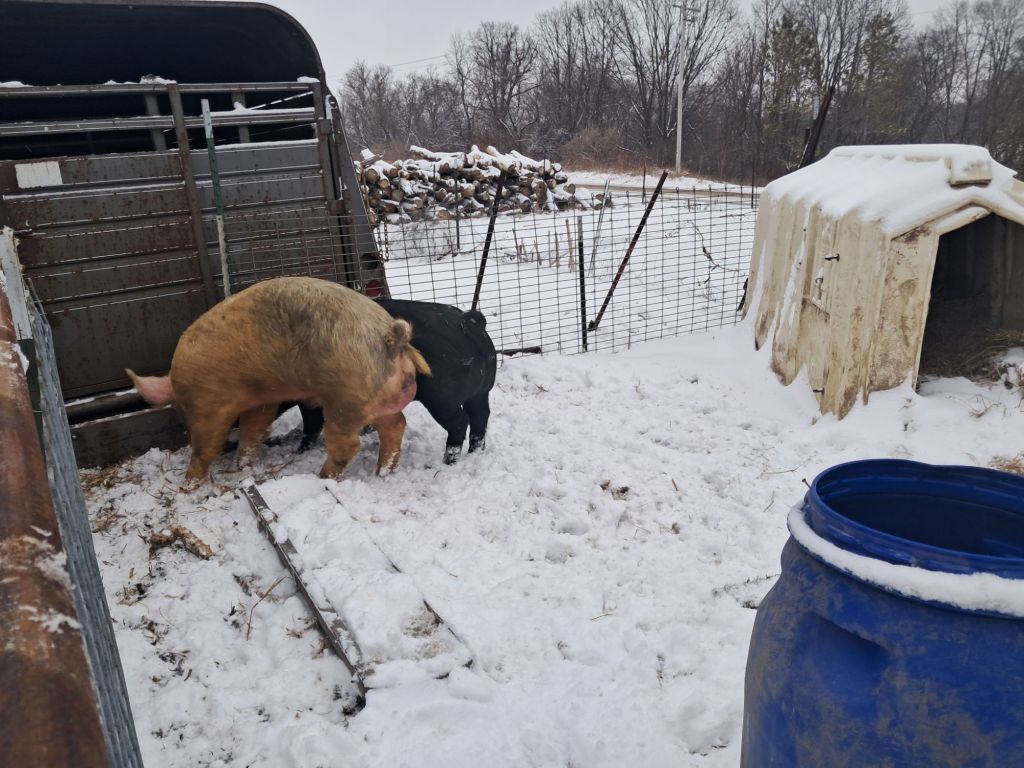
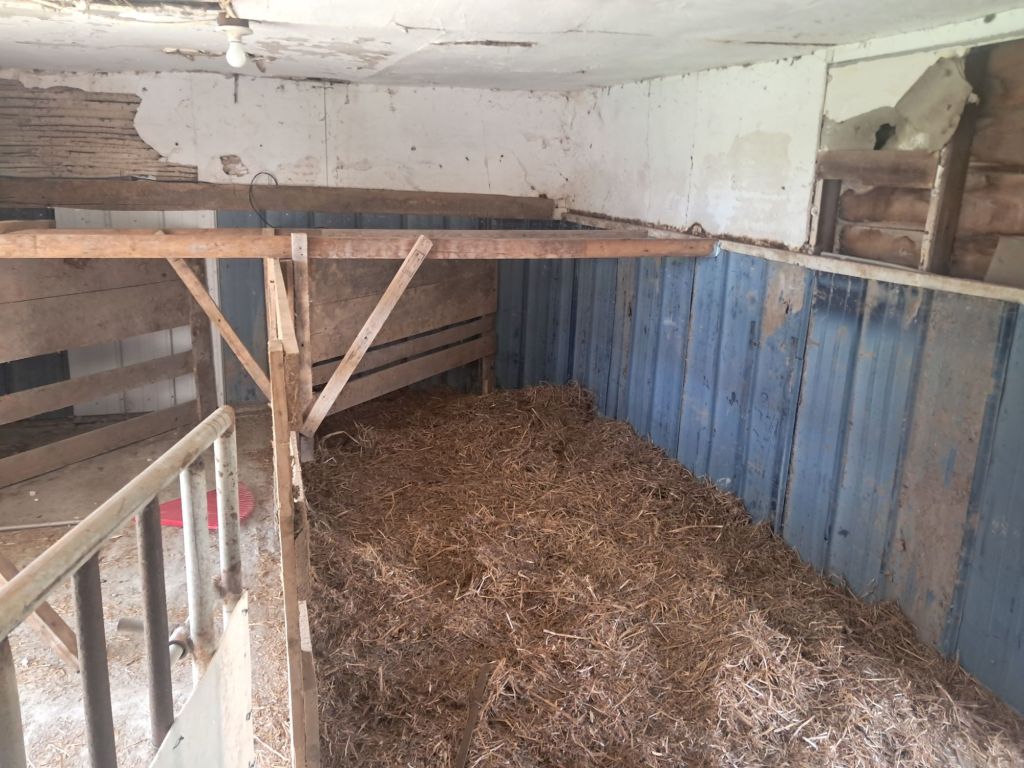
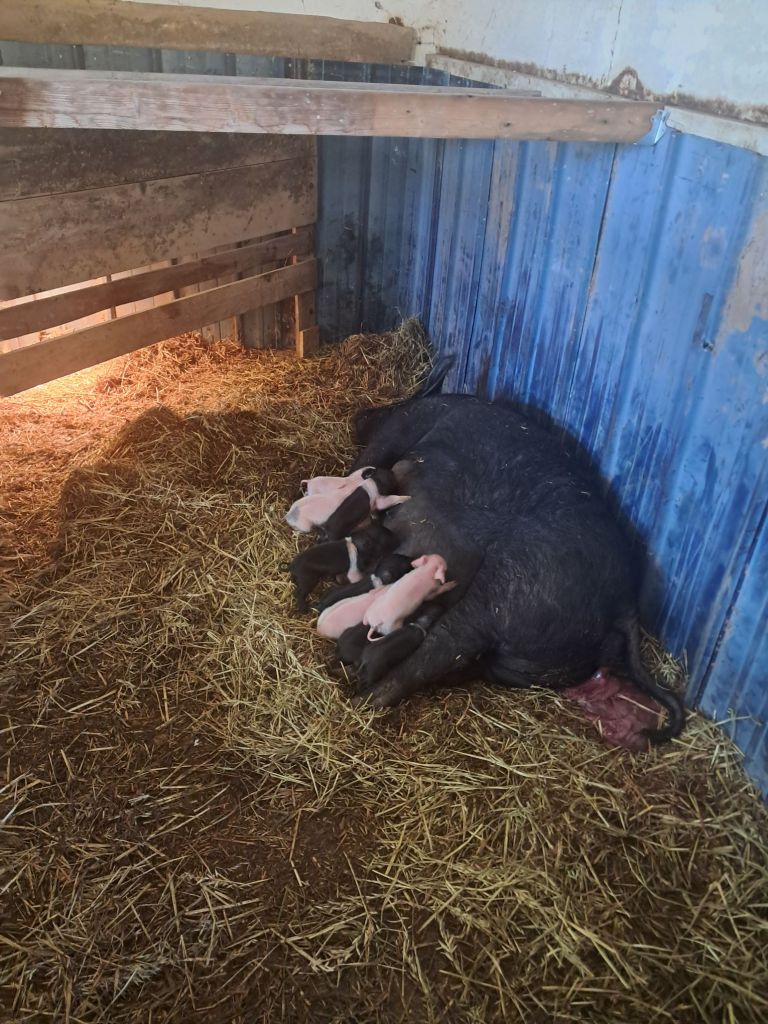
    My husband and I are also working on building our homestead. Last year, I learned how to grow mushrooms (the logs are colonized!), and this year we’re learning how to farrow pigs (first litter due Mother’s Day). Things don’t always go smoothly, but every homestead lesson learned is one that we can apply to the next set of skills. Will we continue to build and expand our homestead?

    Growing My Writing Community

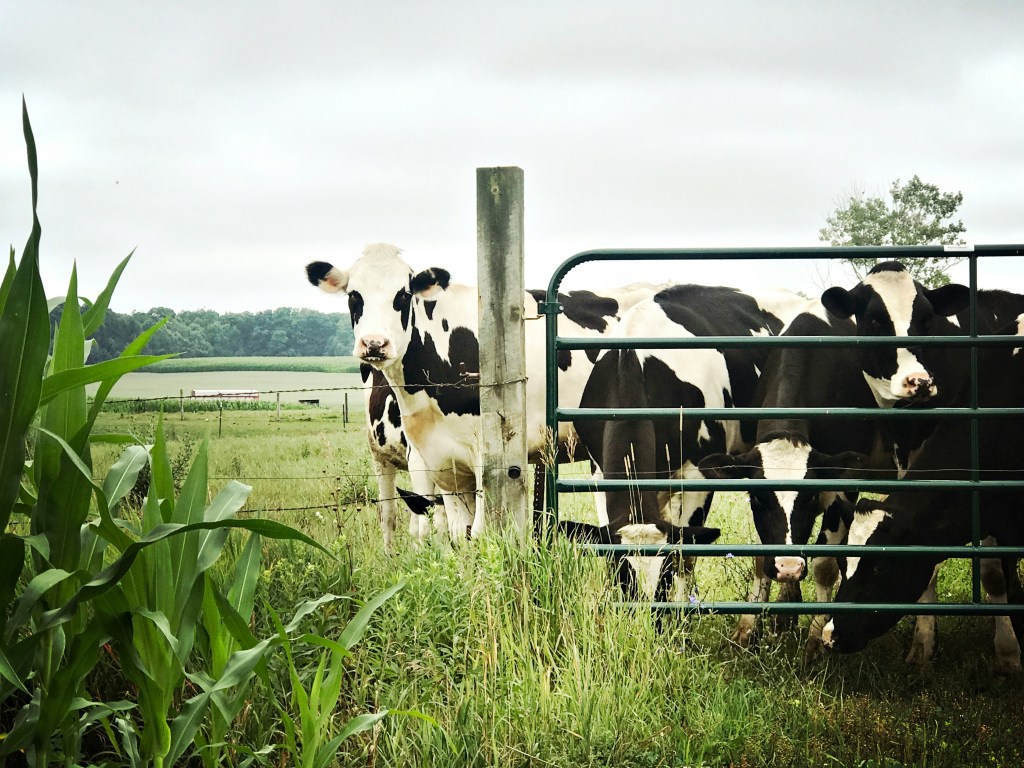
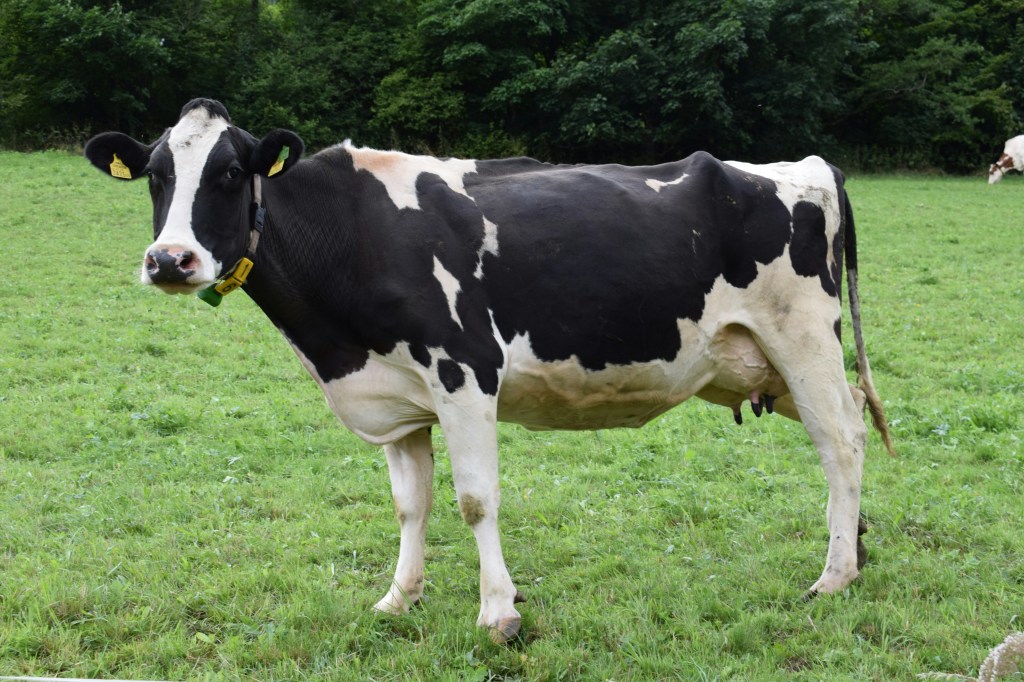
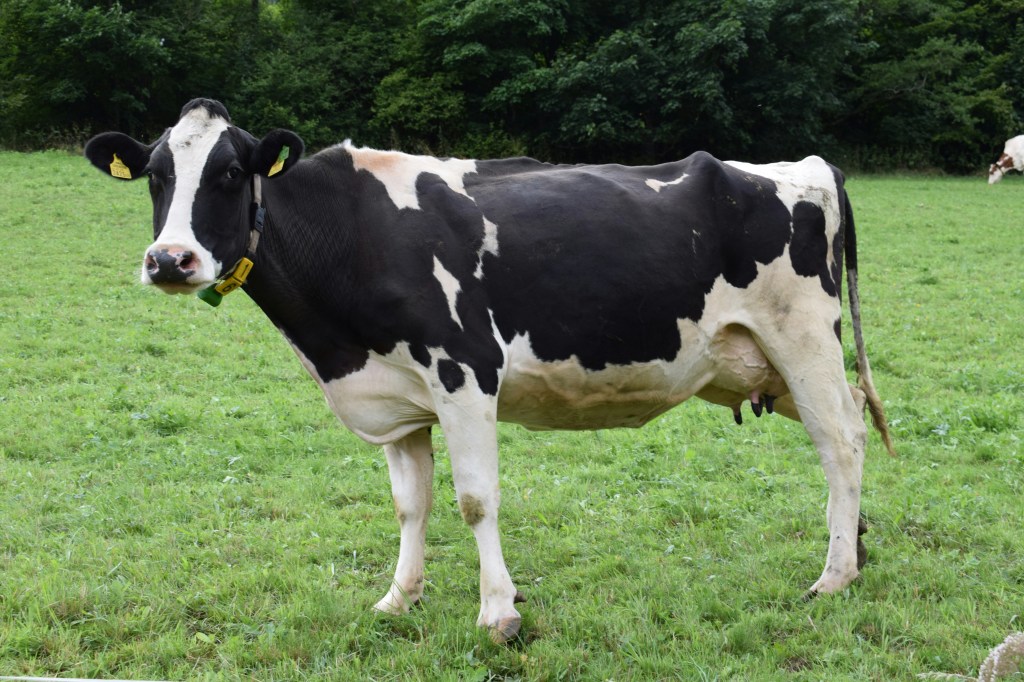
    I’m also working hard on a writing hobby. Ever since I was a little girl, I loved to write. My first short story was about a herd of cows that escaped and exacted revenge on their owner (I was 8, and I grew up on a farm). And now I’m sharing homestead stories about my family and my hobbies. And people are listening and writing back! It is amazing to find kindred spirits out in the world. I hope we meet in person someday. Will I become a successful writer and continue building this community?

    Only you can tell me.


    Feature Photo by Saif Taee on Unsplash


    Which of these three works feels hardest right now—kids, homestead, or writing community? Be honest below!

    Loved this letter to my future self? Like + share if you’re wondering about your own 100-year-old dreams! 💌 Tag your homestead bestie below.

    Loved this? Subscribe for weekly homesteading thoughts:

    Read Next: Signed House Contract at Used Car Lot-On our Honeymoon Trip to Alaska

  • Why I Hate “What Do You Do?” – Homesteader’s Answer

    Why I Hate “What Do You Do?” – Homesteader’s Answer

    Daily writing prompt
    What is one question you hate to be asked? Explain.

    I hate the question “What do you do for a living?” because it shrinks a whole person into one job title. A single answer can’t capture the messy, beautiful layers of real life.

    Why It Feels Reducing

    People ask it as small talk icebreaker—easy, automatic. But I’ve learned the hard way that life isn’t defined by work. Take me: yes, I’m an environmental professional by trade. That’s just my 9-to-5, and I’m very passionate about what I do.

    The rest of me lives as a writer spinning homestead stories, a homesteader pulling winter carrots from frozen soil, a mom wrangling morning meltdowns, and a caretaker tending clucking chickens, strutting turkeys, and pigs rooting through the mud (who will hopefully farrow for the first time around Mother’s Day).

    These homesteading roles shape me equally—maybe more. The question pretends otherwise.

    Who It Leaves Out

    Worse, it sidelines anyone without “traditional employment.” Stay-at-home parents, caregivers, homesteaders, creators between gigs—they get frozen out. Conversation stalls: “Oh, nothing?” as if their days lack value.

    I’ve watched friends flush, stammer, or deflect. Motherhood is full-time labor. Homesteading demands innovation daily. Caretaking livestock like pigs and chickens builds worlds from scratch. Why does a paystub trump that?

    Better Questions Exist

    When cornered, I say: “I protect land by day, grow food and stories by life.” But I’d rather flip it: “What lights you up outside work?” That uncovers the human underneath.

    People are mosaics, not labels. Next time you’re tempted, ask about passions instead.

    Practical Homesteading: growing food, raising kids, building community.


    What’s YOUR most-hated question? Share below! 🔥 I bet we can rewrite the script together!

    If this resonates, like + share so other multi-role makers feel seen! 💕 Tag someone stuck in job-box conversations.

    Loved this? Subscribe for more homestead/mom reflections:

    Read Next: Our Biggest Homesteading Challenge: First-Time Pig Farrowing

  • Perfect Pan-Fried Fish Recipe | Ice Fishing Family Time

    Ice Fishing Brothers and Perfect Pan-Fried Fish

    My husband’s been ice fishing more with his brother lately — and I love it.

    He gets fresh air, laughter, and some friendly competition. And him coming home refreshed with rosy cheeks and a bucket of perch or bluegills (he always brags about outfishing his brother, but I never know what’s true).

    Some of the perch we cook

    Here’s the recipe that makes it all worthwhile — simple homestead cooking at its best:

    Perfect Pan-Fried Fish Recipe (Serves 4)

    Prep time: 10 minutes | Cook time: 10 minutes | Total: 20 minutes

    Ingredients

    • 1–1½ lbs fish fillets (perch, walleye, tilapia, or catfish)
    • Dredge: ⅔ cup flour, ⅓ cup cornmeal, 2 tsp seasoned salt, ½ tsp pepper, ½ tsp garlic powder, ½ tsp onion powder
    • ¼–⅓ inch lard, tallow, or coconut oil (we use lard from our pigs)
    • Lemon wedges + tartar sauce for serving

    Instructions

    1. Prep fish: Cut into ⅛ inch (3mm) pieces. Drain but don’t pat dry.
    2. Mix dredge: Whisk dry ingredients. (My years of tweaking: more cornmeal = better crunch.)
    3. Heat skillet: Cast iron over medium-high until fat shimmers (350°F).
    4. Fry: Dredge fish, fry 3–4 min per side until golden.
    5. Finish: Drain on paper towels, salt while hot. Serve immediately.

    Pro Tips for Crispy Fish

    • Thickness: 3mm pieces cook evenly, never dry.
    • Cornmeal magic: Creates perfect crunch.
    • Hot oil: Sizzles immediately = crisp exterior.

    Serve with: Coleslaw + potatoes, homemade fries, or simple greens.

    Why This Works for Real Families

    Forgiving, fast, uses pantry staples. Whether ice fishing haul or store fillets, it delivers crispy, golden fish kids devour. Using our pig lard makes it true homestead cooking.


    Your Turn to Share

    Pan-fried fish in cast iron? Your dredge secrets? Ice fishing stories? Drop them in comments — and subscribe for more homestead recipes!

    ⭐ **Loved this recipe or ice fishing story?** Tap ❤️, drop a comment with your fish-fry tips, and share with your outdoorsy friends! Your support helps this little homestead kitchen grow. Thank you! 🐟🔥

    Loved this? Subscribe for more reflections on life:

    Read More: Mixtapes, Meltdowns, and Magic: A Family Road Trip to Remember

  • Century Farm Renovation: Most Ambitious Homestead DIY (2026)

    Century Farm Renovation: Most Ambitious Homestead DIY (2026)

    Daily writing prompt
    Describe the most ambitious DIY project you’ve ever taken on.

    Is this a trick question? As a homesteader near the Horicon Marsh, I feel like my entire life is one big DIY project.

    We grow our own food, raise our kids, and build community. Very little is pre-packaged in our life. Homesteading is being in a state of constant learning: new skills, fresh challenges, figuring things out as we go. One long series of experiments riddled with dirt, sweat, and grace.

    But if I have to pick the most ambitious DIY project, it’s our century farm renovation.

    How We Found Our Fixer-Upper

    We bought this retired century farm direct from an elderly gentleman who really shouldn’t have been living alone anymore. That detail always hits me hardest—the house and outbuildings told his story before he said a word: sagging floors, peeling paint, leaning sheds, untouched corners for years. It’s heartbreaking how someone can quietly tolerate an increasingly difficult life until clutter and inconveniences feel normal.

    Truth be told, I was reluctant to take on something of this magnitude. I was pregnant when we bought the property in May 2023, and we gave birth and cared for a newborn while gutting the house. My husband saw the potential first: the grand century farm history, an established apple orchard out back, that stone building one previous owner built stone-by-stone over years. I slowly fell for its charm though.

    The established apple orchard was a big draw to the place. There are more trees behind me.
    There’s so much history in this stone building.
    The barn has a straight roof, but the foundation is crumbling.

    DIY Property Cleanup: The Early Days

    This homestead renovation kicked off with multiple dumpsters and serious elbow grease. And we had huge help from family who pitched in by cleaning inside and outside, gutting the upstairs, drywalling, and painting. A project this big would be impossible to tackle alone.

    Some days it was just hauling—load after load of scrap metal from the barn and yard. We’d sift trash from treasure: broken tools, mystery parts, an old milk can a previous owner painted with a beautiful farm scene. Each dump run made the place feel lighter, easier to breathe.

    We patched dilapidated outbuildings and tamed overgrown grass. Slowly, this century farm started showing its grand history.

    As we cleaned up the long grass.

    Gutting the Victorian Farmhouse (While Living Here)

    Inside, we gutted the upstairs. We ripped out lath and plaster, those weird tiny rooms, and bizarre “fixes.” As we did so, we uncovered the beautiful Victorian farmhouse bones.

    All while raising little kids (including that newborn!) and working our day jobs.

    My husband handles the heavy DIY homestead projects: hauling, demo, repairs, and those endless “little jobs” that are never little. To us, it makes perfect sense. He loves fixing things, which has been perfect for reviving this tired place. I’ve managed kids, work, and keeping our half-gutted household running.

    I never did capture the actual gutting process and removing the lath and plaster. But this is after some drywalling was done on the upper floor.

    3 Years In: Where We Stand

    Three years into this century farm renovation (bought May 2023), two-thirds of the upstairs is done. Every finished room feels like a small miracle. I still pause in doorways thinking, “Remember what this looked like?”

    What’s Next: Future DIY Projects

    Still ahead:

    • Finish the upstairs for a more cohesive feel
    • Remove the downstairs drop ceiling, uncover tall Victorian ceilings
    • Decide what to do with the old barn foundation (it’s caving in on itself). Do we restore or tear down?
    • Construct an outside workshop for my husband’s impressive collection of tools and equipment

    What Living Through Renovation Teaches You

    If I step back and think of it all, it’s incredibly overwhelming. We’re years in, and still have years left. But here’s the thing about ambitious DIY projects you live inside: they grow you while you’re working on them.

    We’ve learned patience, because nothing happens as quickly as we hope. We’ve learned teamwork, because we each bring different strengths to the table. We’ve learned to spot progress in inches instead of miles: a cleared fenceline, a finished room, a barn corner that no longer feels dangerous.

    Most of all, we’ve learned that “ambitious” doesn’t always mean flashy or fast. Sometimes it looks like showing up for the same project, day after day, year after year, believing that it’s worth the time, the money, and the heart it requires.

    So yes, our Victorian farmhouse and century farm renovation is the most ambitious DIY homestead project we’ve ever undertaken.

    But it’s also the one that’s slowly shaping us into the kind of people who can see beauty in broken things and are stubborn enough to try to fix them.


    What’s YOUR most ambitious DIY? Tell me below! 🛠️

    LIKE if you’ve tackled big homestead renovation projects! SHARE with a friend who can relate! 🏡✨

    Loved this? Subscribe for more homesteading stories and tips:

    Read Next: Homestead Budgeting: Annual Lens vs Monthly Stress

  • Playing for Keeps: Cozy Winter Game Nights for Family and Friends

    Playing for Keeps: Cozy Winter Game Nights for Family and Friends

    When winter settles in on the homestead, life naturally slows down. The winter garden rests under snow, the animals huddle in the barn, and families gather indoors for cozy family nights. It’s the season for staying warm, being together, and finding joy in simple homesteading activities — like a well-loved deck of cards, a puzzle on the farmhouse dining table, or family laughter echoing late into the night.

    There’s nothing quite like a winter game night on the homestead. When the wind howls outside the farmhouse and the snow piles high, the best warmth often comes from good company, shared family bonding, and maybe just a touch of friendly competition. Whether you’re playing cards around the kitchen table during winter homesteading, puzzling over a jigsaw masterpiece, or teaching your kids a new board game as part of raising kids on the homesteadgame night is one of those timeless family traditions that never go out of style.

    In my homesteading familywinter game nights have always been a cherished tradition. My dad’s favorite is Sheepshead — a classic Midwest card game full of strategy and bluffing — but the real magic happens in the chatter between hands, the jokes when someone misplays a trick, and the laughter that fills the room long after the cards are packed away. Now, we’re teaching our son how to play too, though at six years old, we’re still coaching with the cards face up and plenty of encouragement — perfect for raising kids amid homestead life.

    But you don’t have to be from Wisconsin — or know what Sheepshead is — to love a good winter game night. The beauty of winter family activities is that they adapt to every age, mood, and homestead household. It’s all about building community through connection.

    Here are a few ways to keep homestead game nights fresh and fun this winter homesteading season:

    1. Mix up the classics
      Rotate between familiar card games like cribbage, euchre, rummy, or Uno, and throw in board games like Ticket to Ride, Sequence, or Codenames for variety. Even favorites like Monopoly or Scrabble feel new with homestead twists, like themed snacks from the garden pantry or “winner picks the next game” rules.
    2. Make it cozy
      Set the mood with soft lighting, fleece blankets, and warm drinks to turn an ordinary evening into something memorable for family game nights. There’s something magical about hot cocoa with whipped cream and cinnamon next to a flickering candle while family laughter circles the farmhouse table.
    3. Add food to the fun.
      Potluck snacks make everyone feel included. Try something hearty and low-effort like homestead chili, cheesy bread from your winter pantry, or a meat and cheese tray. Or keep it sweet with homemade cookies, popcorn, and cocoa bombs.
    4. Keep it social, not serious
      A little competition is healthy, but laughter should always win. Let kids make up house rules, play for silly prizes, or pass around a “trophy” between weeks — maybe a goofy hat or a wooden spoon with bragging rights. Game night should be about family connection and building community, not keeping score.
    5. Try something new together
      Challenge your homestead family to learn something new. Cooperative games like Pandemic or Forbidden Island encourage teamwork, while group trivia or charades gets everyone involved. For quiet winter nights, bring out dominoes or a thousand-piece puzzle and let conversation flow while hands stay busy.

    When homestead families play together, something special happens. Kids learn patience, teamwork, and good humor; adults slow down enough to really listen and laugh. It’s one of the simplest, most meaningful winter homesteading activities to build memories and family bonds — no screen required.

    Some local libraries and churches even host winter puzzle swaps or game exchanges, perfect for building community and refreshing your game shelf without spending a dime. In a world where it’s easy to feel isolated on the homestead, these gatherings remind us that friendship and fun often start at a shared farmhouse table.

    So this winter homesteading season, deal yourself in. Invite friends, make a pot of homestead cocoa, and play until the candles flicker low. Some nights, the laughter drifts out the windows into the snow, and for just a moment, winter doesn’t feel quite so long.

    Feature Photo by Nellie Adamyan on Unsplash


    What’s your go-to winter game night favorite? Do you have a family tradition or favorite way to keep homestead game nights lively?

    Share your homesteading family stories in the comments below. I’d love to hear how you’re beating cabin fever and building community this winter!

    Loved this? Subscribe for weekly homesteading tips:

    Read Next: Winter Storybook Trail Walks: Family Magic at Horicon Marsh

  • Easy Homemade Dumplings: A Kid‑Friendly Family Recipe with Garden Fresh Veggies

    Easy Homemade Dumplings: A Kid‑Friendly Family Recipe with Garden Fresh Veggies

    Earlier this week, I shared how Chinese‑inspired dumplings have become one of our family’s favorite dishes to make together.

    Today, I’m sharing the practical side—the ingredients, the process, and a few kid‑friendly tips that keep it fun instead of fussy.

    These dumplings aren’t about perfection or authenticity. They’re about slowing down, folding stories into dough, and turning a simple meal into a memory.


    The Dough

    Simple on purpose. This is a forgiving dough—perfect for little helpers.

    You’ll need:

    • 2⅓ cups all‑purpose flour
    • ¾ cup hot water

    How we do it:

    1. Mix flour and water until the dough looks shaggy.
    2. Let it rest 5 minutes so the flour can hydrate.
    3. Knead until tacky but not sticky—about 10 minutes—then cover and let rest for 30–60 minutes.

    Tip: Let kids feel the dough at each stage—it teaches patience and awareness in the kitchen.


    The Filling

    Flexible and flavorful. We rarely make the same mix twice!

    Base recipe:

    • ½ lb ground beef (or pork, turkey, or tofu—whatever’s handy)
    • ¼ cup chicken stock (adds moisture and creaminess to the mixture)
    • 1 Tbsp soy sauce
    • 1 Tbsp dry sherry or rice wine
    • 2 tsp powdered or 1 Tbsp fresh ginger
    • 1 tsp salt
    • ¼ tsp black pepper
    • About 2 cups finely chopped vegetables (onion, bok choy, cabbage, carrot, or mushrooms)

    Combine everything in a food processor or large bowl. Cover and refrigerate until ready to use.


    Shaping the Dumplings

    Divide the dough into thirds. Roll each third into a thin sheet—about ⅛ inch (3 mm) thick. Use a round cutter (or the top of a cup) to stamp circles.

    Add a spoonful of filling to the center of each, fold, and pinch to seal.

    We use a handheld crimper that seals on one side while cutting on the other—perfect for small hands.

    The folds may look rustic, but that’s part of their charm.


    Steaming

    Line a bamboo steamer with cabbage leaves or perforated parchment paper. Place dumplings about an inch apart so they don’t stick together.

    Set the steamer over a skillet or wok with about a quart (1 L) of boiling water. Steam 8–10 minutes, until the wrappers turn slightly translucent.

    Your kitchen will smell wonderfully savory—earthy, gingery, and faintly sweet.


    The Sauce

    Minimal effort, maximum flavor.

    Our usual combo:

    • 2 Tbsp soy sauce
    • 2 Tbsp black vinegar
    • 1 tsp sesame oil
    • A pinch of toasted sesame seeds

    Mix and serve in small bowls for dipping.


    Kid‑Friendly and Community‑Friendly Tips

    • Make it social. Invite a neighbor or friend to join the folding line; conversations rise like steam.
    • Keep it relaxed. Expect sticky fingers and imperfect folds—they’re evidence of fun, not failure.
    • Garden‑to‑table joy. Use homegrown bok choy or green onions if you can—they add freshness and pride.
    • Double the batch. Cooked leftovers freeze perfectly, and neighbors never say no to take‑home dumplings.

    Serving

    Serve the dumplings hot with dipping sauces and steamed vegetables on the side. We usually eat them family‑style, with the bamboo steamer set in the middle of the table while someone inevitably steals the last one.

    Enjoy with people who understand that food, like love, multiplies when it’s shared. Every fold and laugh at the table keeps us growing—food, kids, and community all together.


    FTC Affiliate Disclosure

    This post contains affiliate links, which means I may earn a small commission—at no extra cost to you—if you purchase through those links. I only share tools and products that we actually use and love in our kitchen.


    Gentle Call to Action

    💚 If this recipe made you hungry (or inspired you to try folding a few of your own), share this post with a friend who loves to cook, or subscribe below so you don’t miss more community‑minded recipes straight from our kitchen and garden.

    Feature Photo by Sam Lu on Unsplash


    💚 If you loved this recipe, share it with friends or family who love cooking together.

    Subscribe below for more garden‑to‑table recipes and community‑building ideas straight from our kitchen.

    👉 Missed the story behind these dumplings? Read Folding Dumplings, Building Connection here.

  • An Ideal Summer Day of Simple Homestead Living With Family

    An Ideal Summer Day of Simple Homestead Living With Family

    Daily writing prompt
    Describe your most ideal day from beginning to end.

    Simplicity isn’t about doing less — it’s about noticing more. My ideal day on our little homestead is built around that truth. It’s a day where time stretches wide, full of laughter, sunshine, and slow, simple living.


    Morning Calm and Connection

    The day begins the way I love best — with toddler kisses, a sleepy hug from my six-year-old, and my husband beside me. Before the world fully wakes, we take a quiet moment to breathe together. There are no alarms, no emails, no errands pulling us away. The only plan is to move through the day at a gentle rhythm, enjoying each other’s company and the sweetness of home.


    Breakfast and the Beauty of Routine

    Breakfast is a family affair. My husband gathers eggs while I grind coffee beans and brew a fresh pot. The kids take their favorite jobs — cracking eggs (usually with some shell), preparing pancake batter, and frying bacon. We cook with the windows open, sunlight pouring in and the sound of birds joining our morning conversation.

    The meal is simple and colorful: fresh eggs, pancakes, and bacon from last year’s pigs. It takes longer, but it’s richer in every way because we do it together.


    Hands in the Dirt, Hearts at Ease

    After breakfast, my husband heads out to refill the animals’ water tanks and check the garden fences. Meanwhile, the kids and I harvest what’s ready — sun-warmed tomatoes, crisp cucumbers, and snap peas that rarely make it to the kitchen. We feed the chickens, pick up toys outside, and pause often to feel the warmth of the day settling in.

    The work hums softly in the background; it’s grounding, steady, and quietly joyful — the soundtrack of homestead life.


    Raising Kids on a Homestead

    By late morning, the chores shift to play. We might pack up for an outing — a trip to the library or a shady walk by the Horicon Marsh — or stay close to home and make our own adventure. My husband and son might build something simple, like a birdhouse or garden trellis, while my daughter and I mix water, flower petals, and herbs in the “mud kitchen.”

    These are the moments where raising kids on a homestead feels magical — learning through exploration, imagination, and plenty of sunshine.


    Building Homestead Community

    Around noon, our neighbor stops by with a bag of fresh Amish bakery treats. He stays for a half hour just to chat at the kitchen table while the kids dart in and out. We sip lemonade and trade stories about gardens, weather, and local goings-on.

    These spontaneous visits are at the heart of homestead community — the easy, come-as-you-are friendships that summer invites. When he heads out, we make a quick lunch of garden sandwiches and homemade pickles, laughing over whose plate is the messiest.


    The Rhythm of Slow Living

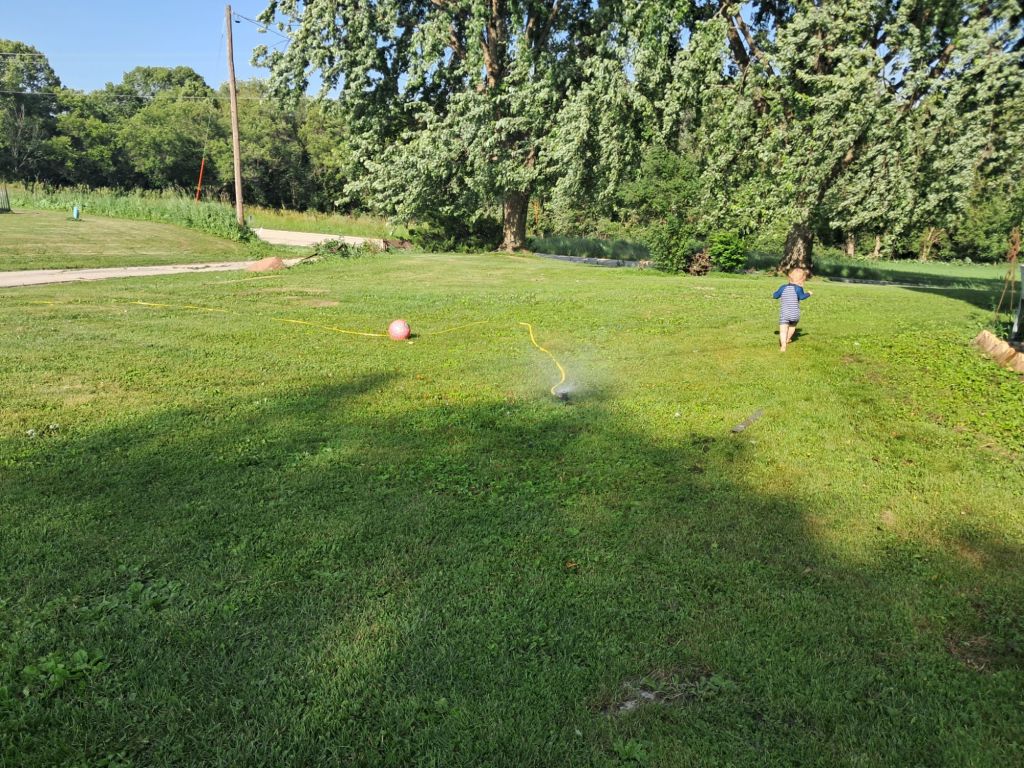
    The afternoon drifts by in that perfect blend of rest and play. My toddler naps, the older one curls up with a book or joins my husband hoeing the garden, and I steal a few quiet minutes with a book on the bench outside our door. Later, we cool off in the sprinkler, make homemade popsicles, or pick raspberries from the patch.

    The hours stretch unhurried — each one filled with that golden kind of peace slow living on a homestead offers.


    Simple Suppers and Summer Evenings

    As evening settles, supper becomes another shared project. My husband fires up the grill while I toss a big garden salad and slice the first broccoli of the season. The kids set the picnic table beneath the maple tree. We eat outside, barefoot and happy, surrounded by the hum of summer — crickets chirping, bees buzzing, and the sky fading into soft pink.

    After dinner, we linger. Sometimes it’s s’mores over the firepit, other nights it’s catching fireflies or telling stories under the stars.


    The Gift of Enough

    When the kids are asleep, my husband and I share a quiet moment on the park bench — two cold beers, warm night air, and a shared silence that says, “This is exactly where we’re meant to be.”

    These days remind me that simplicity isn’t a destination; it’s a daily choice — a rhythm we return to when life feels too loud. Most of us don’t get many days like this, but even small pieces of them are enough to steady the heart.

    This is my ideal summer day: no deadlines, no projects, no rush. Just the four of us growing food, raising kids, building community, and living a simple homestead life that teaches us how beautiful “enough” really is.

    Feature Photo by Michelle Tresemer on Unsplash


    💬 Tell me about your ideal summer day! What does simple living look like in your home or community? Share your thoughts or your favorite summer traditions in the comments — I love hearing how other families find joy in the everyday.

    💚 If this post resonates with you, please like and share this post to spread the message of simple, grounded living.

    Loved this? Subscribe for weekly homesteading tips:

    Next Read: Saturday Morning Family Breakfast: A Recipe for Togetherness

  • What Making Dumplings with My Son Taught Me About Food, Family, and Connection

    What Making Dumplings with My Son Taught Me About Food, Family, and Connection

    Daily writing prompt
    What’s your favorite thing to cook?

    When You Ask a Six‑Year‑Old for Help

    This prompt stumped me at first. I love cooking most things, especially when I get to share the meal with people I love. So I took the easy route and invited my six‑year‑old son into the kitchen to help me decide.

    His first instinct was “cookie bars,” which is adorable and perfectly on brand for him—but for me? That’s too easy a win. So we pivoted, and his second answer surprised me: my Chinese‑inspired dumplings—proof he’s been paying attention.


    A Learner in the Kitchen

    I call them “Chinese‑inspired” because I’m not Chinese, and I’ve never been to China. That disclaimer isn’t an apology—it’s a reminder that I’m always learning in the kitchen.

    These dumplings are the kind you steam rather than fry: thin flour wrappers cradling a savory mix of meat and vegetables. I fold them with a rhythm that often makes it look like my son did the work, which feels exactly right—dumplings should look handled, not manufactured. Every crimped edge reminds me that cooking is more about process than perfection.


    A College Detour in Mandarin

    My dumpling story began long before the dough hit the counter. In college, I took three semesters of Chinese on a whim—Spanish was full, and Chinese looked interesting.

    I learned how a stray tone could turn “mother” into “horse,” a lesson that stuck far beyond the classroom. On Friday nights, a Chinese roundtable met on campus. We practiced speaking—and sometimes, we shared steamed dumplings.

    I can still taste that first one, dipped in soy sauce, black vinegar, and sesame oil: warm, tender, and endlessly comforting. It tasted like a small passport stamp on my college life.


    The Janky Restaurant Valentine

    Months later, early in our relationship, my now‑husband and I found ourselves in a tiny, sticky‑floored Chinese restaurant on State Street in Madison. It was Valentine’s Day. The décor was questionable, the menu unpredictable, but the dumplings? Pure joy.

    We ate until we were full and a little giddy. That meal wasn’t about romance; it was about finding comfort in something humble and good—a truth the sticky floor couldn’t ruin.


    Bringing Dumplings Home

    As I started cooking more at home, I wanted to recreate that feeling. I planted bok choy in the garden—there’s something deeply satisfying about pulling a crisp green leaf from soil you’ve nurtured.

    I experimented with what I had: powdered ginger instead of fresh, onions for sweetness, ground beef for substance. A simple bamboo steamer lined with cabbage leaves kept the dumplings from sticking to the rack.

    The dumplings weren’t authentic, but they were ours. And authenticity, for me, isn’t a destination—it’s a doorway to learning and connection.


    Learning Together, One Mess at a Time

    Now, when my son and I roll dough together, the process has turned into a ritual. We talk, we laugh, we listen to a podcast, and flour drifts across the counter (and occasionally, Black Cat).

    We’re not just making food—we’re making memories that stick, as any good dumpling does. And honestly, we laugh more over flour than over finished meals.


    What It All Comes Back To

    Food weaves together people, places, and time. These dumplings hold it all—college curiosity, early love, homegrown bok choy, and the joyful chaos of raising a child.

    Growing food, raising kids, building community—it all finds its way back to the kitchen.

    Feature Photo by Janesca on Unsplash


    What’s your favorite dish to make and share with the people you love?

    💚 If this story made you smile, share it with a friend who loves food and family as much as you do!

    Subscribe below so you don’t miss the post featuring my Simple Chinese Dumpling Guidelines—and more recipes that grow from the garden to the table.

    Related Posts

    The Power of Local Food: Lessons from Ethnic Cooking

    Until I attended college, I believed that cultural influences on food were largely a thing of the past.  I grew up in a part of small-town Wisconsin where the cultural influence of my German dairy farming heritage had diminished over the years.  Regional dishes, while still present, were largely nationalized.  Food was sourced from boxes…

    Keep reading

    Unfolding the Woman Within

    When I pulled open the long-forgotten box of clothes, I expected nothing more than sweaters and dresses that hadn’t seen daylight since before we moved. Instead, I uncovered an archive of myself—fabric woven with memory and identity, versions of me I thought I’d misplaced in the blur of motherhood, upheaval, and quiet reinvention. Threads I…

    Keep reading
  • Seeds of Patience: What Planting Onions with My Child Taught Me About Growth

    Seeds of Patience: What Planting Onions with My Child Taught Me About Growth

    My six‑year‑old son and I stand together in the soft, golden light of a winter morning. Outside, the world lies quiet under a thin layer of snow. Inside, our kitchen hums with gentle purpose. On an old sour cream container cover, tiny onion seeds rest—black flecks of promise. The soil waits to cradle them in recycled strawberry cartons. My son points to the sunbeam and whispers that the floating dust looks like magic. I smile and agree.

    With tweezers in hand, I show him how to lift each seed and drop it into place. He tries once, twice, and then finds his rhythm. We do this a hundred times—two sets of hands planting quiet hope in the soil. The air smells of earth and possibility. Even in midwinter, there’s life brewing under our fingertips.

    I am struck by how vulnerable each seed is—relying entirely on us for warmth, water, and light. They hold the potential to feed our family, just as my son holds his own potential, waiting for the right care to help him thrive. I can give him a home, guidance, and love, but not control what takes root or how quickly it grows. All I can do is nurture and trust.

    Each morning, we peek into the trays. Nothing happens—until, suddenly, everything does. A thin green shoot bends toward the light, impossibly fragile yet fierce in its will to live. I feel that same thrill watching my son master something new. The patience, the waiting, the joy of discovery—all unfolds in its own time.

    Over the weeks, we’ll water carefully, clip the tops, and ready the seedlings for their place in the garden. By summer, they’ll feed us, just as these shared moments feed me in ways I never expected. It feels good to know that something small, started with care, can ripple outward into community.

    Gardening keeps teaching me that growth—whether in a seed, a child, or a neighborhood—comes from the same things: attention, patience, and faith in what we cannot yet see. Maybe that’s why tending these small beginnings feels so deeply hopeful.

    In my next post, I’ll share exactly how we start our onions indoors each January, in case you’d like to bring a little green magic into your own winter days.


    🌱 Did this story resonate with you? Tell me about a moment when gardening taught you something unexpected.
    💬 Know someone who’d enjoy this reflection? Please share it!
    ❤️ Subscribe for more stories about growing food, raising kids, and building community.

    Related Posts

    A First Day for Both of Us

    This morning I realized that for the first time in nearly six years, my son will spend more waking hours away from me than with me. Tomorrow, he starts Kindergarten—8 am to 3 pm, five days a week. That single fact tightens my chest with a swirl of emotions: pride at the boy he’s becoming, excitement…

    Keep reading
  • From Frisbees to Family: How Sports Taught Me the True Meaning of Community

    From Frisbees to Family: How Sports Taught Me the True Meaning of Community

    Daily writing prompt
    What are your favorite sports to watch and play?

    A Game of Connection

    Sports have never been my main passion. But they always seem to sneak back into my life — especially when community and connection are involved.

    For someone more comfortable in the garden than on the field, I’ve learned that sports aren’t really about keeping score. They’re about teamwork, laughter, and shared stories that stick with you long after the final whistle.

    Back When I Played

    Back in graduate school, a group of friends and colleagues had a standing tradition of meeting twice a week to rotate between volleyball, soccer, and ultimate frisbee. Rain or shine, homework or no, we almost always managed to get enough players for two teams. Those games were the highlight of my week — a sweaty, laughter-filled break from the grind of grad school. We learned to read each other’s signals, celebrate small victories, and laugh off missed goals. These lessons translated well both to the lab and to the classroom. And, of course, the post-game burgers and beers were every bit as important as the play itself.

    The Knee Incident (and Das Boot)

    My sports “career,” however, took a dramatic turn during one fateful ultimate frisbee game. I jumped, landed wrong, and felt that awful twist — I had dislocated my right kneecap. That injury ended my athletic adventures at the tender age of 24. I still remember that sharp pop, the scramble to the sidelines, and the next day’s slow walk to urgent care. A few weeks later, at my own going-away party and still determined to have fun, I went with my crew to the Essenhaus to dance the polka. Let’s just say: bad idea. Same knee, same problem.

    The type of jump I made when I dislocated my kneecap. I caught the frisbee too. Photo by Stefano Zocca on Unsplash

    Looking back, I can admit that drinking Das Boot probably had something to do with my decision to hit the dance floor on a bum knee. Lesson learned, but it’s still one of those stories we laugh about around the table. Now, more than a decade later, the memory makes me smile far more than it aches.

    Watching Now, Not Playing

    These days, sports play a different role in my life. I may not be on the field anymore, but I love the energy of watching a good game — especially live. There’s something about a football or baseball crowd that brings people together so naturally. Strangers high-five after a score, pass along shared cheers, or tease rival fans in good fun. Tailgates are my favorite part — not because of the game itself, but for the food and fellowship that surround them. The smoky scent of burgers, laughter spilling from nearby tents, friends swapping recipes for dips or barbecue sauces — it’s all about connection. Like sharing a dish at a potluck or passing homegrown tomatoes over the fence, sports gatherings are another way we build community one joyful moment at a time.

    From Tailgates to Home Games

    On game days at home, the living room becomes our little stadium. The kids get into the excitement (mostly for the snacks), and we all share those small, easy moments of joy — a great play, a plate of nachos disappearing too quickly, and the cat hiding under the couch, wondering why the humans are hollering again. I may not follow every stat or play, but I love how sports create reasons to pause, eat, laugh, and just be together — much like a shared meal from the garden or a neighborhood cookout.

    A Different Kind of Teamwork

    I sometimes joke that I traded my frisbee for a trowel and volleyball sand for garden soil, but the lessons stuck. Whether it’s tending tomatoes, playing pickup soccer with my kids in the yard, or cheering from the sidelines, the spirit of teamwork, joy, and shared stories keeps showing up.

    In the end, community is the real team sport — and that’s one I’ll never retire from.


    What’s one sport or shared activity that’s helped your community grow closer?

    If this story made you smile, share it with a friend. Better yet, invite them over for a game-day snack and a laugh. Subscribe for more reflections on growing food, raising kids, and building community.

    Related Posts

    The Booyah Curling Club: Finding Community in Unexpected Places

    If you started a sports team, what would the colors and mascot be? Some people dream of owning a football franchise or a professional basketball team. Me? I’d rather build something smaller—something you can actually show up for without needing a corporate sponsor or a teleprompter. Mainstream sports have their own kind of magic, sure,…

    Keep reading