Category: Community

  • An Ideal Summer Day of Simple Homestead Living With Family

    An Ideal Summer Day of Simple Homestead Living With Family

    Daily writing prompt
    Describe your most ideal day from beginning to end.

    Simplicity isn’t about doing less — it’s about noticing more. My ideal day on our little homestead is built around that truth. It’s a day where time stretches wide, full of laughter, sunshine, and slow, simple living.


    Morning Calm and Connection

    The day begins the way I love best — with toddler kisses, a sleepy hug from my six-year-old, and my husband beside me. Before the world fully wakes, we take a quiet moment to breathe together. There are no alarms, no emails, no errands pulling us away. The only plan is to move through the day at a gentle rhythm, enjoying each other’s company and the sweetness of home.


    Breakfast and the Beauty of Routine

    Breakfast is a family affair. My husband gathers eggs while I grind coffee beans and brew a fresh pot. The kids take their favorite jobs — cracking eggs (usually with some shell), preparing pancake batter, and frying bacon. We cook with the windows open, sunlight pouring in and the sound of birds joining our morning conversation.

    The meal is simple and colorful: fresh eggs, pancakes, and bacon from last year’s pigs. It takes longer, but it’s richer in every way because we do it together.


    Hands in the Dirt, Hearts at Ease

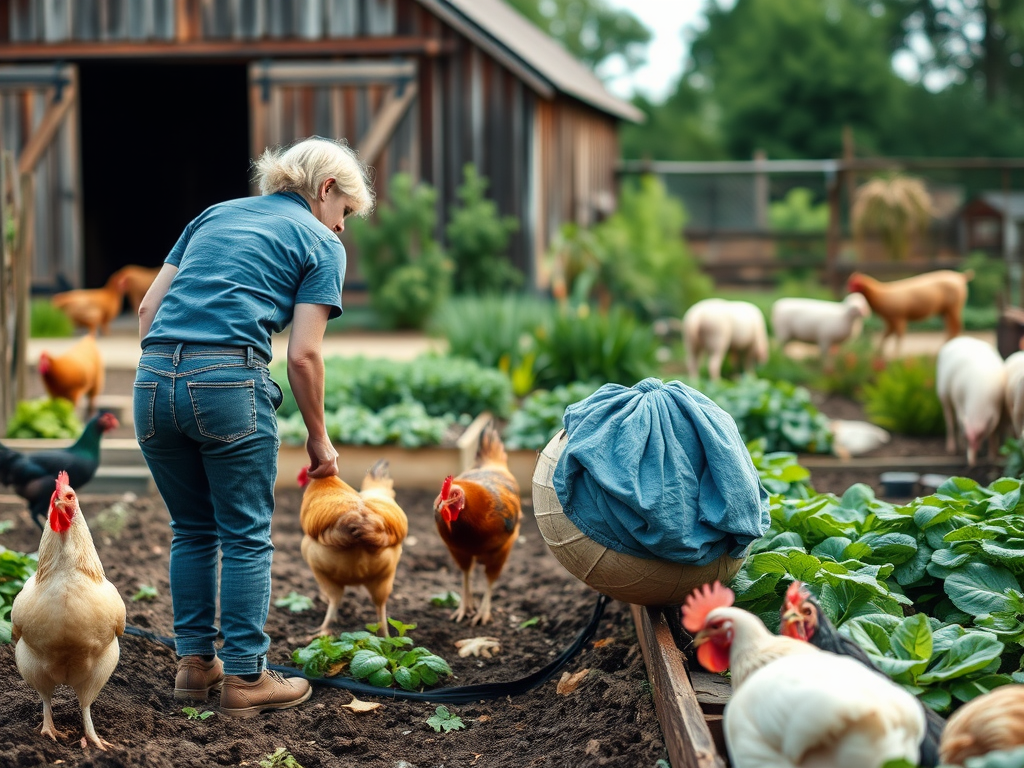
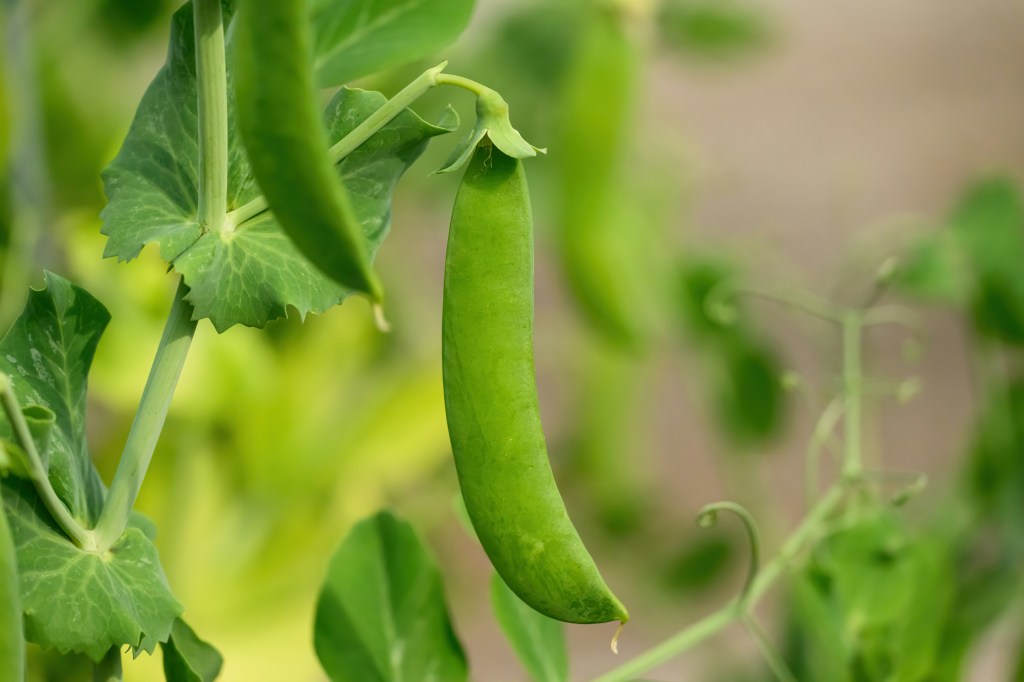
    After breakfast, my husband heads out to refill the animals’ water tanks and check the garden fences. Meanwhile, the kids and I harvest what’s ready — sun-warmed tomatoes, crisp cucumbers, and snap peas that rarely make it to the kitchen. We feed the chickens, pick up toys outside, and pause often to feel the warmth of the day settling in.

    The work hums softly in the background; it’s grounding, steady, and quietly joyful — the soundtrack of homestead life.


    Raising Kids on a Homestead

    By late morning, the chores shift to play. We might pack up for an outing — a trip to the library or a shady walk by the Horicon Marsh — or stay close to home and make our own adventure. My husband and son might build something simple, like a birdhouse or garden trellis, while my daughter and I mix water, flower petals, and herbs in the “mud kitchen.”

    These are the moments where raising kids on a homestead feels magical — learning through exploration, imagination, and plenty of sunshine.


    Building Homestead Community

    Around noon, our neighbor stops by with a bag of fresh Amish bakery treats. He stays for a half hour just to chat at the kitchen table while the kids dart in and out. We sip lemonade and trade stories about gardens, weather, and local goings-on.

    These spontaneous visits are at the heart of homestead community — the easy, come-as-you-are friendships that summer invites. When he heads out, we make a quick lunch of garden sandwiches and homemade pickles, laughing over whose plate is the messiest.


    The Rhythm of Slow Living

    The afternoon drifts by in that perfect blend of rest and play. My toddler naps, the older one curls up with a book or joins my husband hoeing the garden, and I steal a few quiet minutes with a book on the bench outside our door. Later, we cool off in the sprinkler, make homemade popsicles, or pick raspberries from the patch.

    The hours stretch unhurried — each one filled with that golden kind of peace slow living on a homestead offers.


    Simple Suppers and Summer Evenings

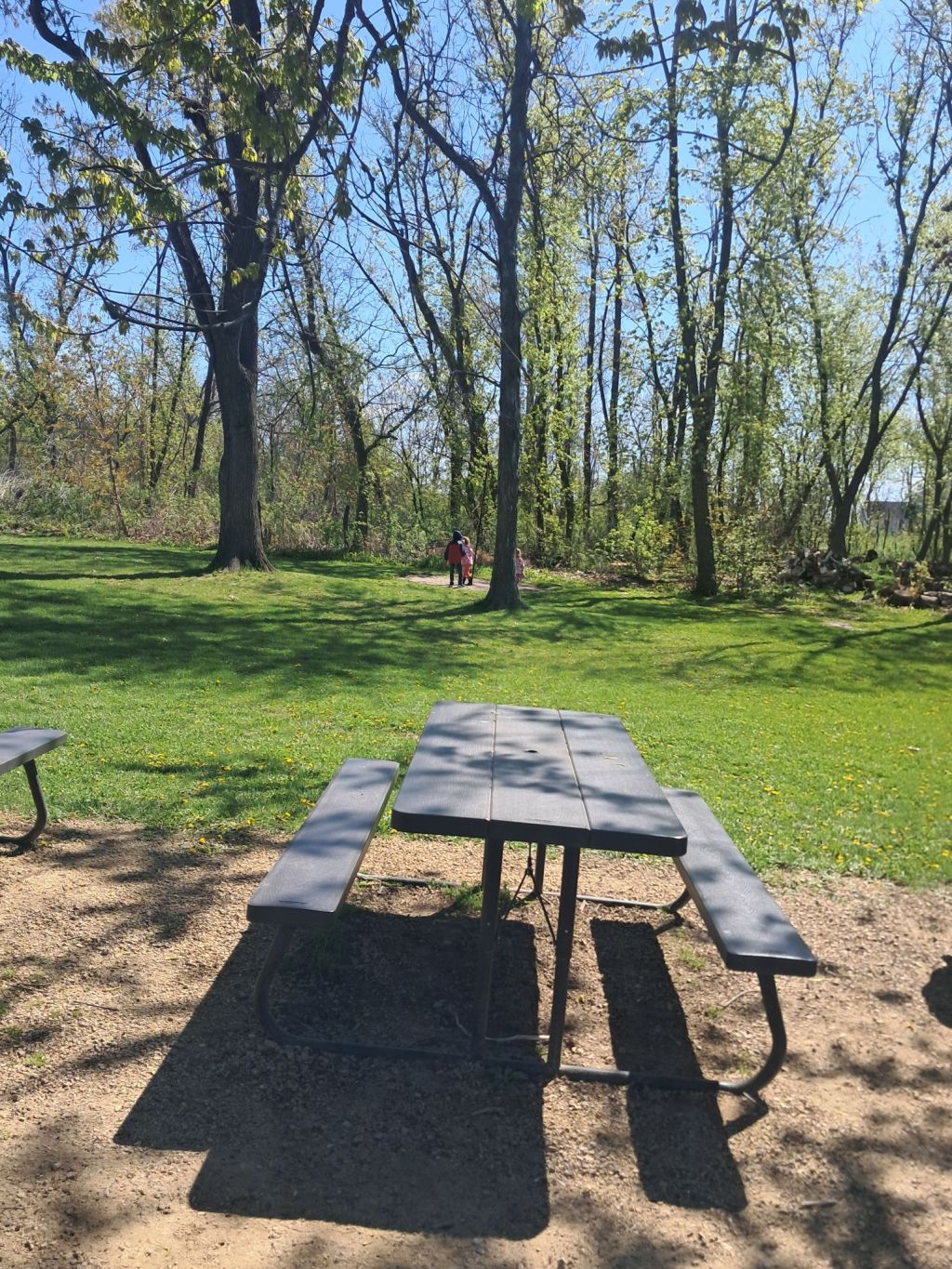
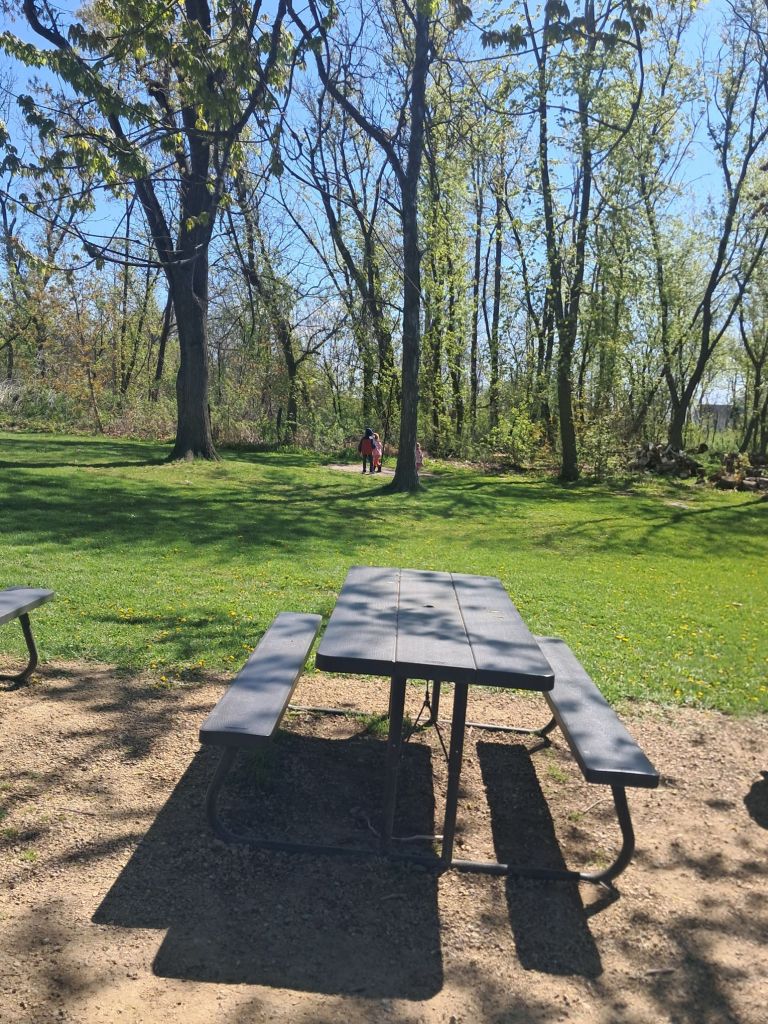
    As evening settles, supper becomes another shared project. My husband fires up the grill while I toss a big garden salad and slice the first broccoli of the season. The kids set the picnic table beneath the maple tree. We eat outside, barefoot and happy, surrounded by the hum of summer — crickets chirping, bees buzzing, and the sky fading into soft pink.

    After dinner, we linger. Sometimes it’s s’mores over the firepit, other nights it’s catching fireflies or telling stories under the stars.


    The Gift of Enough

    When the kids are asleep, my husband and I share a quiet moment on the park bench — two cold beers, warm night air, and a shared silence that says, “This is exactly where we’re meant to be.”

    These days remind me that simplicity isn’t a destination; it’s a daily choice — a rhythm we return to when life feels too loud. Most of us don’t get many days like this, but even small pieces of them are enough to steady the heart.

    This is my ideal summer day: no deadlines, no projects, no rush. Just the four of us growing food, raising kids, building community, and living a simple homestead life that teaches us how beautiful “enough” really is.

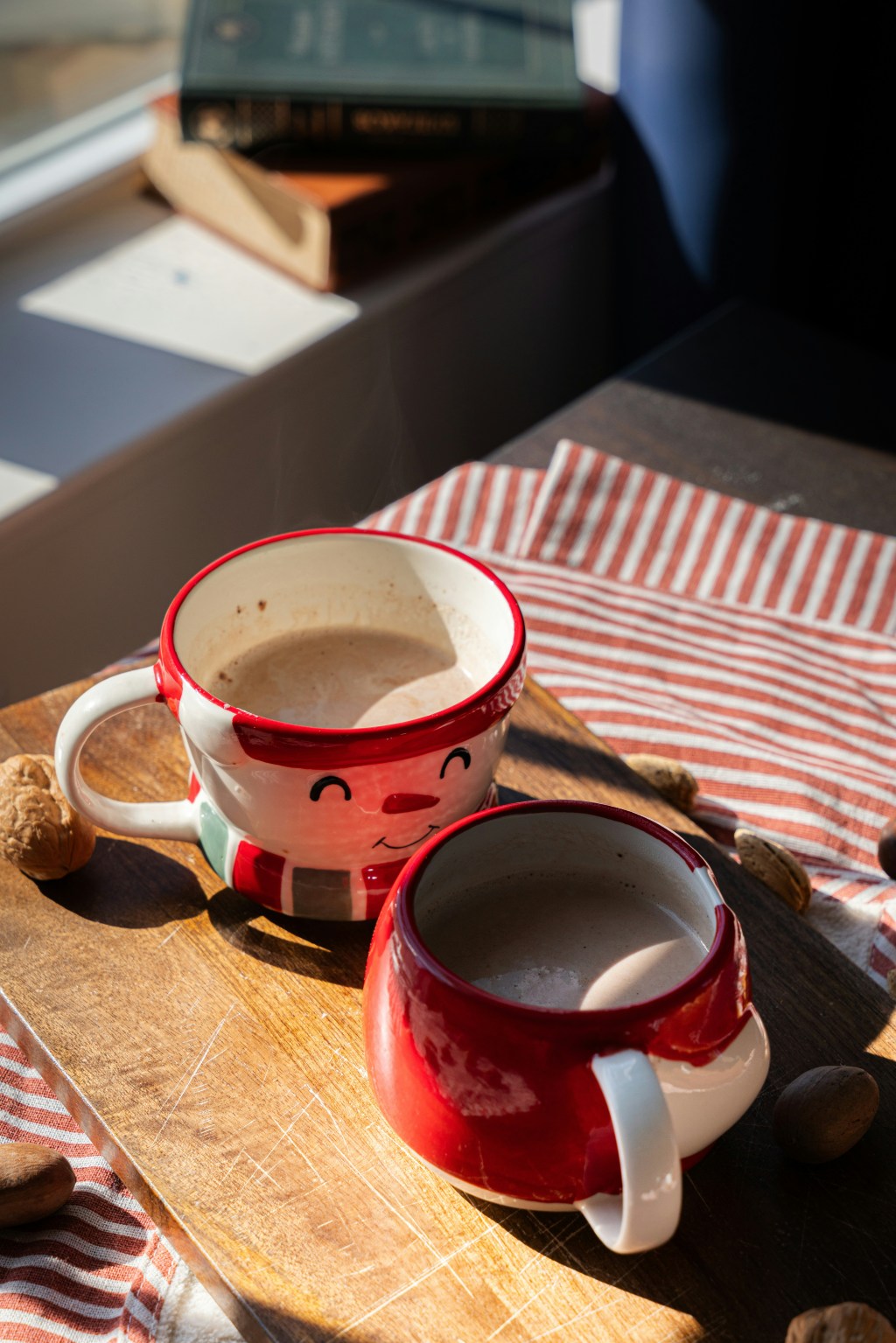
    Feature Photo by Michelle Tresemer on Unsplash


    💬 Tell me about your ideal summer day! What does simple living look like in your home or community? Share your thoughts or your favorite summer traditions in the comments — I love hearing how other families find joy in the everyday.

    💚 If this post resonates with you, please like and share this post to spread the message of simple, grounded living.

    Loved this? Subscribe for weekly homesteading tips:

    Next Read: Saturday Morning Family Breakfast: A Recipe for Togetherness

  • What Making Dumplings with My Son Taught Me About Food, Family, and Connection

    What Making Dumplings with My Son Taught Me About Food, Family, and Connection

    Daily writing prompt
    What’s your favorite thing to cook?

    When You Ask a Six‑Year‑Old for Help

    This prompt stumped me at first. I love cooking most things, especially when I get to share the meal with people I love. So I took the easy route and invited my six‑year‑old son into the kitchen to help me decide.

    His first instinct was “cookie bars,” which is adorable and perfectly on brand for him—but for me? That’s too easy a win. So we pivoted, and his second answer surprised me: my Chinese‑inspired dumplings—proof he’s been paying attention.


    A Learner in the Kitchen

    I call them “Chinese‑inspired” because I’m not Chinese, and I’ve never been to China. That disclaimer isn’t an apology—it’s a reminder that I’m always learning in the kitchen.

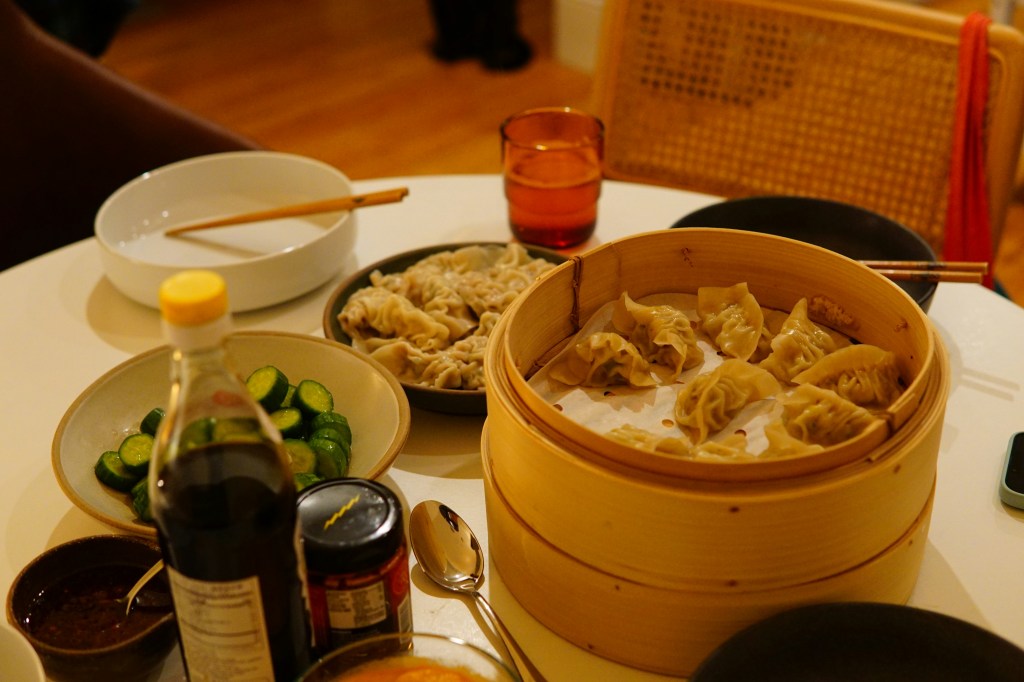
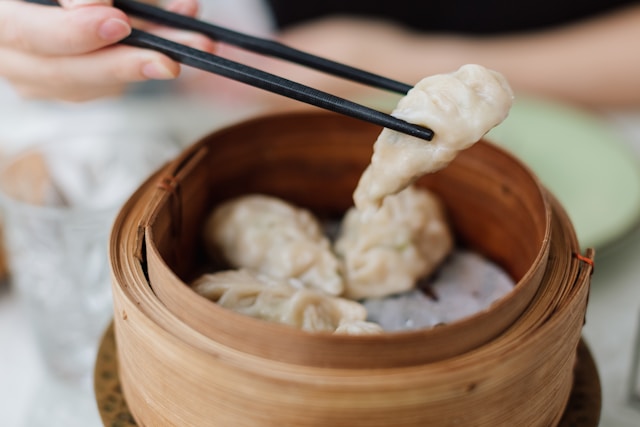
    These dumplings are the kind you steam rather than fry: thin flour wrappers cradling a savory mix of meat and vegetables. I fold them with a rhythm that often makes it look like my son did the work, which feels exactly right—dumplings should look handled, not manufactured. Every crimped edge reminds me that cooking is more about process than perfection.


    A College Detour in Mandarin

    My dumpling story began long before the dough hit the counter. In college, I took three semesters of Chinese on a whim—Spanish was full, and Chinese looked interesting.

    I learned how a stray tone could turn “mother” into “horse,” a lesson that stuck far beyond the classroom. On Friday nights, a Chinese roundtable met on campus. We practiced speaking—and sometimes, we shared steamed dumplings.

    I can still taste that first one, dipped in soy sauce, black vinegar, and sesame oil: warm, tender, and endlessly comforting. It tasted like a small passport stamp on my college life.


    The Janky Restaurant Valentine

    Months later, early in our relationship, my now‑husband and I found ourselves in a tiny, sticky‑floored Chinese restaurant on State Street in Madison. It was Valentine’s Day. The décor was questionable, the menu unpredictable, but the dumplings? Pure joy.

    We ate until we were full and a little giddy. That meal wasn’t about romance; it was about finding comfort in something humble and good—a truth the sticky floor couldn’t ruin.


    Bringing Dumplings Home

    As I started cooking more at home, I wanted to recreate that feeling. I planted bok choy in the garden—there’s something deeply satisfying about pulling a crisp green leaf from soil you’ve nurtured.

    I experimented with what I had: powdered ginger instead of fresh, onions for sweetness, ground beef for substance. A simple bamboo steamer lined with cabbage leaves kept the dumplings from sticking to the rack.

    The dumplings weren’t authentic, but they were ours. And authenticity, for me, isn’t a destination—it’s a doorway to learning and connection.


    Learning Together, One Mess at a Time

    Now, when my son and I roll dough together, the process has turned into a ritual. We talk, we laugh, we listen to a podcast, and flour drifts across the counter (and occasionally, Black Cat).

    We’re not just making food—we’re making memories that stick, as any good dumpling does. And honestly, we laugh more over flour than over finished meals.


    What It All Comes Back To

    Food weaves together people, places, and time. These dumplings hold it all—college curiosity, early love, homegrown bok choy, and the joyful chaos of raising a child.

    Growing food, raising kids, building community—it all finds its way back to the kitchen.

    Feature Photo by Janesca on Unsplash


    What’s your favorite dish to make and share with the people you love?

    💚 If this story made you smile, share it with a friend who loves food and family as much as you do!

    Subscribe below so you don’t miss the post featuring my Simple Chinese Dumpling Guidelines—and more recipes that grow from the garden to the table.

    Related Posts

    The Power of Local Food: Lessons from Ethnic Cooking

    Until I attended college, I believed that cultural influences on food were largely a thing of the past.  I grew up in a part of small-town Wisconsin where the cultural influence of my German dairy farming heritage had diminished over the years.  Regional dishes, while still present, were largely nationalized.  Food was sourced from boxes…

    Keep reading

    Unfolding the Woman Within

    When I pulled open the long-forgotten box of clothes, I expected nothing more than sweaters and dresses that hadn’t seen daylight since before we moved. Instead, I uncovered an archive of myself—fabric woven with memory and identity, versions of me I thought I’d misplaced in the blur of motherhood, upheaval, and quiet reinvention. Threads I…

    Keep reading
  • Seeds of Patience: What Planting Onions with My Child Taught Me About Growth

    Seeds of Patience: What Planting Onions with My Child Taught Me About Growth

    My six‑year‑old son and I stand together in the soft, golden light of a winter morning. Outside, the world lies quiet under a thin layer of snow. Inside, our kitchen hums with gentle purpose. On an old sour cream container cover, tiny onion seeds rest—black flecks of promise. The soil waits to cradle them in recycled strawberry cartons. My son points to the sunbeam and whispers that the floating dust looks like magic. I smile and agree.

    With tweezers in hand, I show him how to lift each seed and drop it into place. He tries once, twice, and then finds his rhythm. We do this a hundred times—two sets of hands planting quiet hope in the soil. The air smells of earth and possibility. Even in midwinter, there’s life brewing under our fingertips.

    I am struck by how vulnerable each seed is—relying entirely on us for warmth, water, and light. They hold the potential to feed our family, just as my son holds his own potential, waiting for the right care to help him thrive. I can give him a home, guidance, and love, but not control what takes root or how quickly it grows. All I can do is nurture and trust.

    Each morning, we peek into the trays. Nothing happens—until, suddenly, everything does. A thin green shoot bends toward the light, impossibly fragile yet fierce in its will to live. I feel that same thrill watching my son master something new. The patience, the waiting, the joy of discovery—all unfolds in its own time.

    Over the weeks, we’ll water carefully, clip the tops, and ready the seedlings for their place in the garden. By summer, they’ll feed us, just as these shared moments feed me in ways I never expected. It feels good to know that something small, started with care, can ripple outward into community.

    Gardening keeps teaching me that growth—whether in a seed, a child, or a neighborhood—comes from the same things: attention, patience, and faith in what we cannot yet see. Maybe that’s why tending these small beginnings feels so deeply hopeful.

    In my next post, I’ll share exactly how we start our onions indoors each January, in case you’d like to bring a little green magic into your own winter days.


    🌱 Did this story resonate with you? Tell me about a moment when gardening taught you something unexpected.
    💬 Know someone who’d enjoy this reflection? Please share it!
    ❤️ Subscribe for more stories about growing food, raising kids, and building community.

    Related Posts

    A First Day for Both of Us

    This morning I realized that for the first time in nearly six years, my son will spend more waking hours away from me than with me. Tomorrow, he starts Kindergarten—8 am to 3 pm, five days a week. That single fact tightens my chest with a swirl of emotions: pride at the boy he’s becoming, excitement…

    Keep reading
  • From Frisbees to Family: How Sports Taught Me the True Meaning of Community
    From Frisbees to Family: How Sports Taught Me the True Meaning of Community

    Daily writing prompt
    What are your favorite sports to watch and play?

    A Game of Connection

    Sports have never been my main passion. But they always seem to sneak back into my life — especially when community and connection are involved.

    For someone more comfortable in the garden than on the field, I’ve learned that sports aren’t really about keeping score. They’re about teamwork, laughter, and shared stories that stick with you long after the final whistle.

    Back When I Played

    Back in graduate school, a group of friends and colleagues had a standing tradition of meeting twice a week to rotate between volleyball, soccer, and ultimate frisbee. Rain or shine, homework or no, we almost always managed to get enough players for two teams. Those games were the highlight of my week — a sweaty, laughter-filled break from the grind of grad school. We learned to read each other’s signals, celebrate small victories, and laugh off missed goals. These lessons translated well both to the lab and to the classroom. And, of course, the post-game burgers and beers were every bit as important as the play itself.

    The Knee Incident (and Das Boot)

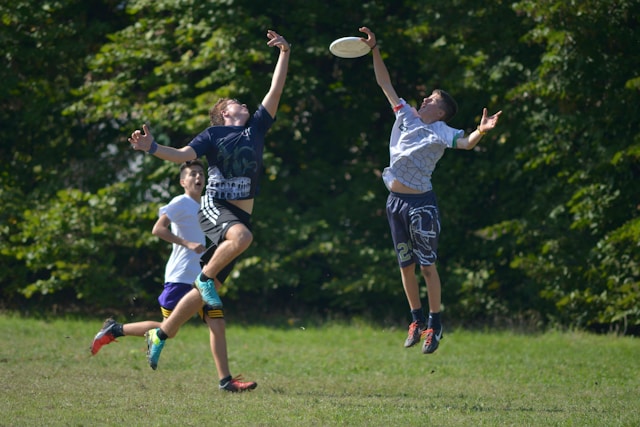
    My sports “career,” however, took a dramatic turn during one fateful ultimate frisbee game. I jumped, landed wrong, and felt that awful twist — I had dislocated my right kneecap. That injury ended my athletic adventures at the tender age of 24. I still remember that sharp pop, the scramble to the sidelines, and the next day’s slow walk to urgent care. A few weeks later, at my own going-away party and still determined to have fun, I went with my crew to the Essenhaus to dance the polka. Let’s just say: bad idea. Same knee, same problem.

    The type of jump I made when I dislocated my kneecap. I caught the frisbee too. Photo by Stefano Zocca on Unsplash

    Looking back, I can admit that drinking Das Boot probably had something to do with my decision to hit the dance floor on a bum knee. Lesson learned, but it’s still one of those stories we laugh about around the table. Now, more than a decade later, the memory makes me smile far more than it aches.

    Watching Now, Not Playing

    These days, sports play a different role in my life. I may not be on the field anymore, but I love the energy of watching a good game — especially live. There’s something about a football or baseball crowd that brings people together so naturally. Strangers high-five after a score, pass along shared cheers, or tease rival fans in good fun. Tailgates are my favorite part — not because of the game itself, but for the food and fellowship that surround them. The smoky scent of burgers, laughter spilling from nearby tents, friends swapping recipes for dips or barbecue sauces — it’s all about connection. Like sharing a dish at a potluck or passing homegrown tomatoes over the fence, sports gatherings are another way we build community one joyful moment at a time.

    From Tailgates to Home Games

    On game days at home, the living room becomes our little stadium. The kids get into the excitement (mostly for the snacks), and we all share those small, easy moments of joy — a great play, a plate of nachos disappearing too quickly, and the cat hiding under the couch, wondering why the humans are hollering again. I may not follow every stat or play, but I love how sports create reasons to pause, eat, laugh, and just be together — much like a shared meal from the garden or a neighborhood cookout.

    A Different Kind of Teamwork

    I sometimes joke that I traded my frisbee for a trowel and volleyball sand for garden soil, but the lessons stuck. Whether it’s tending tomatoes, playing pickup soccer with my kids in the yard, or cheering from the sidelines, the spirit of teamwork, joy, and shared stories keeps showing up.

    In the end, community is the real team sport — and that’s one I’ll never retire from.


    What’s one sport or shared activity that’s helped your community grow closer?

    If this story made you smile, share it with a friend. Better yet, invite them over for a game-day snack and a laugh. Subscribe for more reflections on growing food, raising kids, and building community.

    Related Posts

    The Booyah Curling Club: Finding Community in Unexpected Places

    If you started a sports team, what would the colors and mascot be? Some people dream of owning a football franchise or a professional basketball team. Me? I’d rather build something smaller—something you can actually show up for without needing a corporate sponsor or a teleprompter. Mainstream sports have their own kind of magic, sure,…

    Keep reading
  • Why I Read Survivor Stories About Strength and Hope

    Why I Read Survivor Stories About Strength and Hope

    Daily writing prompt
    What books do you want to read?

    Books shape us as much as we shape gardens or communities. They feed the mind, plant empathy, and remind us that resilience often grows in the darkest places.

    When I saw today’s prompt — “What books do you want to read?” — I realized my answer says a lot about what kind of growth I’m craving this year. Reading has always been more than a pastime; it’s how I connect. Story time with my kids is sacred — we laugh, wonder, and sometimes ask big questions together. Once, I even read The Disaster Artist aloud to my husband, and we laughed so hard we cried. That joy lives in my memory like a cherished heirloom.


    📚 Reading with the village

    Beyond home, I gather monthly at our local library for book club — a lively mix of neighbors and new friends united by stories and snacks. We’ve been deep in historical fiction lately, stepping into lives far from our own. These evenings remind me that community grows naturally when people come together to wonder.

    If you’re curious about what we’ve been reading together, I share highlights and reflections on my Book Club Reads page (this page contains affiliate links — I may earn a small commission, at no extra cost to you, if you decide to purchase. Thank you for supporting Practical Homesteading!).


    🌿 Why survivor stories call to me

    Recently, I’ve found myself drawn to stories of survival — real people facing impossible odds and somehow finding light. Maybe it’s because they show not only how people survive, but why they choose to keep living.

    Here are a few titles that top my list right now:

    “Man’s Search for Meaning” by Viktor Frankl
    A profound reflection on finding purpose even in suffering. Frankl’s insights from Auschwitz remind me that inner strength begins with meaning.

    “Endurance: Shackleton’s Incredible Voyage” by Alfred Lansing
    Twenty-eight men trapped on Antarctic ice for more than a year — and every one of them survives. It’s a gripping lesson in leadership, loyalty, and hope against all odds.

    “Jungle” by Yossi Ghinsberg
    Still on my to-read list, this one explores what happens when you’re alone in the Amazon and survival depends on the mind as much as the body.


    🌼 Lessons for everyday resilience

    I hope I never face what these survivors endured, yet I read their stories to understand the quiet strength that grows inside us all. I want my children to see that resilience works like a garden — cultivated through patience, weathering storms, and trusting in renewal.

    Reading reminds me that every family, every friendship, is its own kind of survival story. We move through hard seasons by leaning on one another and holding faith that winter won’t last forever.

    “Endurance isn’t about toughness — it’s about purpose, compassion, and hope taking root in the hardest soil.”

    So, as I grow food, raise kids, and build community, I’ll keep reading about people who found light when the world went dark. These stories keep me grounded — and remind me that, like a garden in spring, we can always begin again.


    What about you — which story has taught you the most about resilience? Please share your book recommendations in the comments! I love to learn and grow with you!

    🌱 If you enjoyed this reflection, don’t forget to like, share, and subscribe for more posts about growing food, raising kids, and building community — one story at a time.

    Related Posts

    From Ghost Ships to Dragons: Growing a Family of Readers

    What book are you reading right now? Some of my earliest memories are of getting lost in a book. I read on the school bus until the motion made me queasy but I never quite wanted to stop. Books have always been my favorite escape into bigger worlds. That love of stories has shaped much…

    Keep reading
  • When Toddler Dishes Taught This Working Mom to Feel Loved

    Can you share a positive example of where you’ve felt loved?

    Disclosure: This post contains affiliate links. As an Amazon Associate, I earn from qualifying purchases. Thanks for supporting Practical Homesteading!


    Ever feel like love keeps reaching for you, but some old instinct makes you duck away?

    That’s been my story for most of my life, a quiet belief that something was fundamentally wrong with me—something that disqualified me from being truly, deeply loved. When people went out of their way with kindness, whether it was a thoughtful gesture or words meant to affirm me, I found myself almost unable to bear it. I’d deflect with a joke, change the subject, or pull back to what felt like a safer distance, convincing myself I didn’t really need anyone after all. And yet, from that very distance, I’d ache and complain that no one truly cared.

    Where the Pattern Began
    Looking back, I can trace much of this to childhood on our Wisconsin dairy farm. Farming carried relentless stress—long days in the fields, milking cows, haying season pressures that stretched my parents thin. The farm always came first, and while they poured everything into keeping it alive, we six girls learned to need less, do more, and stay out of the way. We never needed words to feel the pressure, but children read rooms like seismographs, absorbing every sigh, every moment of bone-deep tiredness. I internalized that needing anything made me a burden. So I shrank myself: good student, low-maintenance helper, hyper-independent. Better to be useful than to be needy.

    That pattern wove into adulthood. My love language became acts of service—cooking, cleaning, organizing, stepping in quietly. It became both how I loved and my shield. Always doing meant never done for, staying safely in control as the helper, never the helped.

    When My Children Started to Change Everything
    Motherhood began unraveling this through hundreds of small moments. When my babies nestled against me, their complete trust felt like a start. But deeper change came as they grew, each finding ways to love me back through acts of service—their tiny mirror of what I’d modeled for them.

    My two-year-old adores doing the dishes. She drags a chair to the sink, climbs up purposefully, rag in hand, and tackles plastic bowls and spoons. Counters grow wetter, floor becomes a puddle, but her earnest eyes shine with pride. The old me wants to take over. Instead, I hand her another bowl and say softly, “You’re such a good helper. Thank you.”

    My six-year-old is mastering the art of folding laundry. When our daughter arrived, survival mode hit hard. For a while it was simply faster to do everything ourselves. Now that we’re coming out of that season, we’re intentionally pulling him into family contributions, even though it takes more effort and patience from us. He folds t-shirts into neat squares, pairs up socks as best he can. Sometimes I open my drawer to discover one of dad’s underwear tucked in with my things. I gently correct him as I place it in dad’s drawer. Now he proudly asks first, “Mom, is this yours or Dad’s?” Him learning to be involved feels worth it for his well-being in the long run.

    Then there are the rocks. He loves bringing me stones that he finds: smooth pebbles, bits of quartz, sometimes just muddy treasures he knows I’ll appreciate. As an environmental professional with a geology background, his rocks land right in the center of my heart. He’ll run up, eyes shining, holding out his find: “Mom, I found this special rock just for you!” I take time to study each one with him, turning it over in my hands before placing it in this clear container where his rock collection resides.

    The Moment Love Finally Landed
    These imperfect acts were their love language, mirroring mine. Rejecting them would mean rejecting their hearts. So I’m practicing receiving: drying toddler plates, keeping laundry stacks as-is, treasuring every rock.

    One overwhelmed day, I found my two-year-old at the sink, surrounded by suds and her pile of “clean” bowls. Water dripped from her elbows, face earnest, clearly seeing my exhaustion. No words needed—her effort said, “Mommy’s tired. I’m helping.”

    That cracked me open. All my life avoiding burdenhood, here was my toddler seeing me and choosing to lighten my load anyway.

    The Homesteading Lesson Love Teaches
    Love arrived not as overwhelming force, but through soggy dishes, earnest laundry folds, rocks gathered for Mommy—humble acts from small hands noticing my need. My lived-in home holds these lessons.

    My children teach me love shows in ordinary service. When I receive without fixing, I rewrite “burden” as “belonging.” They prove I’m not too much—I’m exactly right for their help, their effort, their love. And teaching my son to contribute builds his confidence for life ahead.


    👉 **What’s YOUR love language struggle?** Drop it below! 
    ❤️ Like if toddler “help” melts you too 
    📲 Share with your fellow working mom 
    **Subscribe for weekly real homesteading + mom life**

    Related Posts


  • My Mission: Growing Food, Raising Kids, and Building Community — A Path Back to Connection

    My Mission: Growing Food, Raising Kids, and Building Community — A Path Back to Connection

    Daily writing prompt
    What is your mission?

    “We’re stronger together.”
    — A lesson from the land, the past, and the heart.

    Some days, I find myself wondering why I share so much of my messy, joyful, back-to-the-land life. Then I remember—it’s not just a blog; it’s a declaration of purpose. I’m not just learning to grow food or raise livestock. I’m learning to build a life rooted in connection, resilience, and love—the kind of life that feels increasingly rare in our modern world.


    Growing Food

    My mission comes back to the words that guide everything I do: “Growing food, raising kids, building community.”

    Growing food isn’t just about self-sufficiency; it’s about slowing down and remembering that life takes time. Whether it’s a full garden, a few backyard hens, or a pot of herbs on a sunny windowsill, each act connects us to the earth and to the generations who worked it before us.

    You don’t need acres to begin—just a seed, a container, and a little sunlight.

    Even one small step can be the beginning of a more grounded life. Each seed planted is a reminder that we can create abundance with our own hands.


    Raising Kids

    Just as tending the garden teaches patience, so does parenting. Homesteading is a classroom like no other—muddy, humbling, and full of wonder.

    It teaches our children what no textbook can: that hard work matters, that life is cyclical, and that family is their safe harbor in a sometimes harsh world.

    My hope is that my kids grow up knowing home isn’t merely a place—it’s a legacy we build with care and intention. Whether they keep chickens, plant tomatoes, or simply carry these values forward, I want them to understand where they come from and who they are.


    Building Community

    And then there’s community—the heartbeat of homesteading and, I believe, our survival as humans.

    American society often tells us that strength comes from independence—that we should manage everything ourselves, and outsource what we can’t, because we’re too exhausted to do it all. But that version of “strength” leaves us burned out and disconnected.

    True strength doesn’t grow in isolation—it blossoms in interdependence.

    Sometimes that means swapping seeds or recipes; other times, it’s checking on a neighbor or being brave enough to ask for help. We were never meant to do this alone.


    Lessons from the Past

    When I think about how far we’ve drifted from those roots, I can’t help but look back with respect. Our great-grandparents understood community in ways we’ve forgotten.

    Their lives weren’t easy—many faced relentless hardship. I once read about children in rural Wisconsin in the 1930s who walked miles to town barefoot, carrying their shoes so they wouldn’t wear them out. They’d put them on only once they reached town, because those shoes had to last—and often be passed down to the next child.

    Those stories remind me that while the past wasn’t perfect, it carried wisdom worth keeping. People ate real food, raised resilient children, and looked out for their neighbors. They knew that survival wasn’t just about grit—it was about connection and care.


    Planting Hope

    In the end, that’s what I want my life—and this blog—to reflect. I want to inspire others to live intentionally, grow their own food, raise their families with love, and reconnect with the people around them.

    Because when we nurture the soil, our children, and each other, we’re planting more than gardens—we’re planting hope. And in that hope, we rediscover a simple truth our ancestors never forgot:

    We are always stronger together.


    Now it’s your turn. How do you balance modern life’s demands with a desire to live more simply? Tell me about it in the comments. Let’s start a conversation!

    If this post spoke to you, I’d love for you to help the message spread:

    💬 Share your thoughts in the comments — I truly enjoy hearing your stories.

    💚 Share this post with a friend who believes we’re stronger together.

    🌾 Subscribe to the blog for more reflections on growing food, raising kids, and building community—one season at a time.

    Related Posts

  • Keeping Time With the Land: How Seasonal Living Can Help You Slow Down

    Keeping Time With the Land: How Seasonal Living Can Help You Slow Down

    What the seasons can teach us about slowing down, finding balance, and belonging
    A version of this essay appears in the January 8, 2026 edition of the Dodge County Pionier.


    Ask most people how they measure time today, and the answers sound familiar: alarms, deadlines, color‑coded calendars, the endless scroll of days on a glowing screen. Phone notifications cut across dinner, school schedules slice afternoons into drop‑offs and pickups, and the next bill due date is never far from mind.

    Where I live, time follows a different rhythm—guided not by screens but by the soil itself.

    My family keeps time by the signals nature gives: sap rising in March, turtles crossing the road in May, fireflies at dusk in June, corn drying into gold by October. A cold north wind can say “November” more clearly than any app. These cycles remind us that time isn’t a race toward exhaustion; it’s a loop—a pattern of effort, rest, and return.

    In a world obsessed with productivity, the land offers a quiet lesson: slowing down isn’t falling behind. It’s catching up to what matters.


    Winter: the radical act of rest

    When the holidays end and snow hushes the fields, stillness takes hold. The world outside the window turns soft and muted, as if someone turned down the volume. Days stretch long. Nights invite reading, conversation, and quiet.

    In modern life, that slowness often gets labeled “unproductive.” Inbox counters climb even as the sun sets before dinner. But in the rural calendar, winter is preparation—the season the earth itself uses to heal. Under the frozen top layer, roots are resting, waiting for their cue.

    Inside, a different kind of work takes over: soup on the stove, a deck of cards on the table, a cat snoring near the heat register. There’s no badge for this kind of work, but the house feels fuller for it.

    Winter offers permission to pause. Even without a farm or a woodstove, anyone can claim a bit of that wisdom: choose a few evenings when nothing is scheduled, let the phone stay in another room, and let the quiet do its work.


    Spring: a rehearsal for renewal

    Spring announces itself quietly at first—a drip of meltwater from the eaves, the smell of mud, the first bird that sings before sunrise. One morning the snow looks tired; the next, you notice a thin green line where the lawn meets the sidewalk.

    We tap trees and plant seeds, acts that serve no instant gratification. The sap runs clear and cold, one slow drop after another into plastic jugs. Seed trays sit under lights, all dirt and hope, for weeks before anything green appears. Yet when syrup warms pancakes or sprouts unfurl in a window box, you can taste reward drawn from patience.

    Spring teaches urgency without panic. Ramps, asparagus, morels, and rhubarb arrive in a rush, then slip away as if they were never there. The season reminds us that beginnings are not one-time events but recurring invitations. The world doesn’t ask, “Did you start perfectly?” It asks, “Are you willing to start again?”

    You don’t need a sugar bush or a greenhouse to feel this. A single pot of herbs on a balcony, or a commitment to walk the same city block once a week and notice what’s blooming, can turn spring into a ritual rather than a blur.

    And after that first rush of green, the land hardly pauses—by July, it’s in full voice.


    Summer: where work and joy meet

    By midsummer, everything hums. In the afternoon heat, insects buzz like a low electric current in the fields. Lawnmowers start and stop up and down the street. Windows are open, and someone, somewhere, is grilling.

    Gardens overflow. Tomatoes split if you don’t pick them in time. Zucchini multiplies on the counter and quietly appears on neighbors’ doorsteps. Kids shriek through sprinklers, leaving wet footprints on hot pavement. Even the air smells different: cut grass, sunscreen, diesel from a tractor on a distant road.

    Like the growing season, our best days often mix effort with enjoyment. Summer’s lesson is simple: work and joy are not enemies. They often belong in the same hour. There is satisfaction in going to bed with dirt under your fingernails and the memory of a late sunset still bright in your mind.

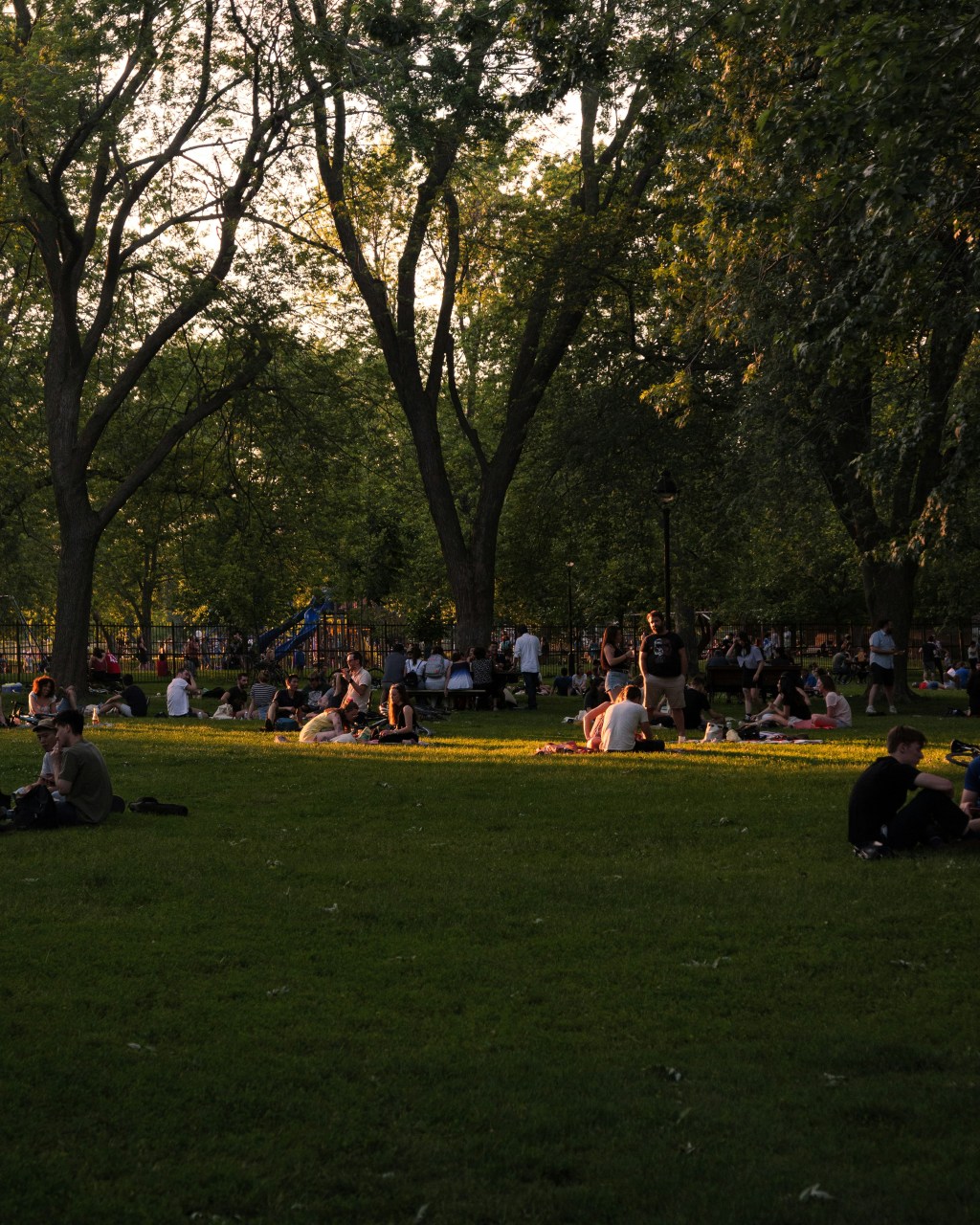
    The reward for effort can be as close as a ripe berry, a shared picnic in a city park, or a tired, happy body at the end of a long, light-filled day.


    Autumn: gratitude and gathering

    Autumn softens the light and sharpens the air. Mornings carry that first hint of frost, and you can see your breath if you step outside before the sun gets serious. Leaves turn from green to gold and red, then crunch underfoot in the driveway.

    The season’s abundance—pumpkins on porches, apples piled in crates, shelves lined with jars and loaves—reminds us how much depends on cooperation: between people, earth, and time. No one person makes a harvest alone. There are seed savers, farm workers, truck drivers, grocers, and cooks all woven into the meal.

    Gratitude, in this season, isn’t just a word reserved for a single holiday. It’s the habit of looking at an ordinary table—soup, bread, a piece of fruit—and seeing the many hands and seasons that brought it there.

    Even in an apartment, autumn can become a practice of gathering: inviting friends over for a simple pot of chili, walking through a park under changing trees, or taking five extra minutes to watch the early dark settle in instead of rushing past it.


    What circles can teach a linear world

    When winter returns, it’s easy to see it as a setback: dark, cold, the end of something. But the more closely the seasons are watched, the clearer it becomes that time does not move in a straight line. It hums in a circle.

    Each season brings another chance to begin again—not by doing more, but by noticing more. The calendar on the wall may march from one square to the next, but the world outside repeats its old, trustworthy patterns: thaw, bloom, heat, harvest, rest.

    Wherever you live—city or countryside—you can keep time with the land in your own way. Let January be a little slower. Let spring mean at least one meal built around what is fresh where you are. Let summer include a night spent outdoors until it’s fully dark. Let autumn carry a moment of thanks, even if it’s just whispered over a sink full of dishes.

    The land has never hurried. It always arrives where it should. Maybe we can too, if we’re willing to step out of the race now and then and walk in circles for a while instead.


    How could you bring a bit of seasonal balance into your daily routine? Please let me know below in the comments.

    If this reflection on seasonal living resonated with you, please take a moment to like and share it with someone who might need a gentler rhythm right now.

    To receive future essays on slow, seasonal living straight to your inbox, subscribe to the blog and join this little community of people learning to keep time with the land.

    Related Posts

    The Quiet Wealth of These Fields

    Welcome to the rural economy—where value isn’t counted in cash but in connections. Beneath the wide-open sky, where grain silos and fence posts stitch the land into neat parcels, the real currency is not minted or printed. It’s grown and built, raised and traded. Trust, hard work, the barter of honest services and handmade goods.…

    Keep reading
  • Homestead Longevity Habits: Growing Food, Raising Kids, Real Life

    What are your thoughts on the concept of living a very long life?

    Do you want to live to 100—or just live well until 98, still gathering eggs with grandkids?

    I don’t know if I’ll get there, but my great-grandfather did, according to my Dad. He was lucid and mobile nearly to the end. In my mid-30s, I’m stacking practical habits on our homestead to increase those odds: growing food, raising kids, building community.

    My Daily Longevity Playbook
    Stress reduction starts by cuddling with my kids—reading to them works better than any app.

    I aim for a half-hour outside daily, walking our land or talking to friends on the phone. Friendships faded for years after college, but now I’m rebuilding. I pursue projects with neighbors, a monthly book club I love (the reading! the conversations!), and a local women’s business group. These are the bonds that science says add years to your life.

    Food comes mostly from our backyard or my hands. Kneading bread with kids’ sticky fingers. Simmering soups from last week’s harvest. My toddler daughter prefers kitchen chaos—stirring, measuring—over outdoor chores (though she squeals for eggs). These moments teach more than nutrition.

    Movement stays simple. Fifteen minutes most mornings. Hauling feed sacks, chasing little legs—it builds bones that last.

    We’re saving more than 15% now—no desks at 90. Self-reliance cuts costs. Growing our own feeds the plan.

    Parenting builds the deepest roots. Our six-year-old folds laundry (grumbling). Toddler “helps” everywhere. These shared chores create memories stronger than birthday cards decades from now.

    Marriage anchors everything. My husband and I have cultivated collaboration—shared goals, complementary strengths. He lifts heavy, builds systems. I tend garden rhythms, kid routines. This divides loads, multiplies joy, limits resentment. Longevity for two definitely beats going it alone.

    Sleep: The Hardest Reset
    Pre-kids, unbroken sleep was default. Now? Night wakings, early risers, worry-spinning mind. Relearning happens slowly: early dinners, screen-free evenings, herbal tea. One solid night compounds.

    What 98 Years Taught Me
    My dad remembers Great-Grandpa’s callused hands still driving around at 95, pipe smoke clinging to his flannel. No protocols—just simple food, steady movement, people who mattered. That’s my blueprint.

    I see myself at 90 on our porch: grandkids gathering eggs, husband rocking nearby, son and daughter helping us, friends sharing harvest soup. That picture fuels every dirt-caked morning.

    The Homestead Longevity Formula
    Growing food, raising kids, building community—these practices stack together, increasing the odds of a long life according to science. Whole foods fight inflammation, movement builds resilience, relationships protect telomeres. I don’t know if I’ll reach 98, but I’m doing what I can to tilt the scales. Truth hits hardest when flour dusts my daughter’s nose or my husband and I split evening chores by instinct.


    Your turn: What’s your one non-negotiable longevity habit amid real life? Drop it below—I might steal it for our place.

    If this hit home, help it reach someone else:
    ❤️ Like if you’re building for the long haul
    📤 Share with a friend fighting sleep battles 
    📧 Subscribe for more Practical Homesteading

    **Growing food, raising kids, building community**—straight to your inbox.

    Related Posts


  • What Could I Do Differently?  Homesteading, Kids Chores, and Friend Connections

    What Could I Do Differently? Homesteading, Kids Chores, and Friend Connections

    What could you do differently?

    I catch myself asking this while scrubbing potatoes at the sink, weeding garden rows, or picking up blocks for the tenth time.

    On our homestead, the work never stops. But lately, I’ve seen a few clear ways to shift — not for perfection, but for more peace, presence, and real connection with the people who matter most.

    Slow My Yes. Guard My Rest.
    Here’s one big change: I’d say yes more slowly. And treat rest like a non-negotiable chore.

    Extra commitments sneak in easily — kid activities, one more property project, favors for friends. They’re good things. Until they blur our days into exhaustion.

    Rest isn’t optional. It’s fuel.

    What that looks like for us:
    – One protected family evening weekly. No plans. No screens.
    – A slower morning after big days, even if dishes wait.
    – Sometimes my best “yes” is actually no — leaving margin for what refills us.

    Pull the Kids Closer (Mess and All)
    When I’m tired, my instinct is “just do it myself.” That’s changing.

    We’ve asked our six-year-old to help clean and put clothes away. He sighs. Drags his feet through the laundry pile. Grumbles. But he does it. And when he does, my load lightens. We talk about his day while he folds socks and I straighten up the living room. We laugh when a shirt lands inside-out.

    Kids helping isn’t efficient. It’s essential.

    Those small chores build something bigger: his sense of belonging, our family rhythm, moments to actually connect instead of just managing the house around him.

    Make Space for Neighbors
    Right now, we’re looking for more neighbor friends — the kind who stop by with garden produce or help with a project. Lately, I’ve been carving out time for one friend, helping her keep up with a winter garden. We talk animals, plot cold frames, and hope for a game night soon under blankets with hot cocoa.

    That’s the kind of margin I want more of. Not just for projects, but people. The garden beds matter. But so do late talks about goats versus chickens, shared labor on a neighbor’s shed, or laughter over cards with new friends nearby.

    Real community doesn’t form on a schedule. It grows.

    What I could do differently: protect one flexible afternoon weekly for whoever shows up — the neighbor with a question about crop rotation, or someone new walking up the drive. Our homestead thrives when the people around it do, too.

    The Change That Stays
    These shifts aren’t a checklist to conquer. They’re small turns toward what matters:

    – Saying yes slower.
    – Resting on purpose.
    – Inviting kids into real chores like cleaning and clothes.
    – Making room for neighbors, not just garden rows.

    The weeds won’t stop growing. The laundry won’t vanish. But with these changes, our home could become what I picture most:

    A place where garden beds,
    kids folding tiny clothes,
    and neighbors’ boots on the porch
    all thrive side by side.


    What’s one thing you could do differently this week? Share your thoughts in the comments!

    If this post sparked a moment of thought or connection for you, please take a moment to like, share, or subscribe. Your support helps this little space of reflection and growth keep blossoming.

    Love real-life stories from the homestead? Practical Homesteading: growing food, raising kids, building community. Get honest reflections like this in your inbox.

    Related Posts