Category: Family Life

  • Why I Tell Husband Great News First: Working Mom Life

    Why I Tell Husband Great News First: Working Mom Life

    Daily writing prompt
    You get some great, amazingly fantastic news. What’s the first thing you do?

    When great news hits—like that electric “you won” phone ring or the email saying my writing got published in the local paper—I find my husband first. He’s my confidante, best friend, and life partner through every homestead adventure.

    My heart’s pounding, but here’s the thing: I don’t post it on Facebook or call my best friend yet. I track him down right then—whether he’s upstairs sawing away at our renovation project, out back feeding the pigs, or in the kitchen helping our toddler reach for homemade bread.

    “Hey,” I say, grabbing both his hands, “you will not believe this.” His eyes light up instantly, then he pulls me into that familiar hug where the world just quiets. We laugh, do a silly jig right there amid chicken chores or pancake batter splatters—letting that joy multiply before telling the kids.

    Working Mom’s Homestead Wins
    On our homestead, big wins—like selling our pigs at market, getting my writing published locally, or nailing that sourdough starter—feel bigger shared soul-to-soul first. No fanfare needed, just us. Then we plan the family celebration: hamburgers on the picnic table under our maple tree, homemade ice cream under summer stars.

    That’s our slow living rhythm. News shared heart-to-heart first builds everything else—family cheers, neighbor toasts, grateful posts. He grounds my excitement into something lasting, reminding me why we chose this simple, connected homestead life.

    Four reasons he’s always first: Instant emotional anchor. Turns “my” news into “our” victory. Sets joyful tone for kids. Keeps our homestead priorities straight.


    So tell me—who’s your first call when great news hits?

    If this resonated with you, please like and share with others.

    Loved this? Subscribe for weekly homesteading tips:

    If this resonated with you, please like and share with others.

    Loved this? Subscribe for weekly homesteading tips:

    Read Next: The Men Who Shaped Me: Love, Marriage, and Life Lessons from Our Homestead

  • From Gilmore Girls to Growing Food: My Homestead Mom Journey

    From Gilmore Girls to Growing Food: My Homestead Mom Journey

    Daily writing prompt
    Are there any activities or hobbies you’ve outgrown or lost interest in over time?

    Yes, I’ve outgrown my pre-kids habit of Gilmore Girls marathons on quiet evenings.

    My Pre-Kids Gilmore Girls Habit
    Back then, entire Saturdays disappeared into couch time with coffee and comfort shows. It filled the silence when my days felt empty. But I’d always surface feeling guilty—wanting more from my time but stuck in the cycle of TV marathons to beach days.

    Motherhood’s Homestead Mom Journey
    My son (and later daughter) arrived and rewrote my busy mom routine. Beach walks replaced Netflix queues—we’d chase waves and hunt seashells, sandy toes and all. Late-night binging became kitchen nights—flour-dusted noses, kneading pasta dough together while singing silly songs. Quiet alone time transformed into side-by-side seed starting, their tiny fingers pushing basil seeds into soil, then cheering their first sprouts.

    Seed Starting with Kids Changed Everything
    Now our homestead garden feeds us—those basil pots grew into tomatoes, beans, onions. This motherhood shift brought fresh air through beach walks, creative connection through cooking together, and patience through gardening my children can touch.

    No guilt now—just full days growing food, making memories, building our slow living mom rhythm. My pre-kids evenings served their purpose. This hands-on homestead chapter? It’s what my heart was made for.

    Feature Photo by Khanh Do on Unsplash


    What’s one habit you outgrew after kids? Share below—I’d love to hear your transformation story!

    If this resonated with you, please like and share with others.

    Loved this? Subscribe for weekly homesteading tips:

    Read Next: Playing for Keeps: Cozy Winter Game Nights for Family and Friends

  • Playing for Keeps: Cozy Winter Game Nights for Family and Friends

    Playing for Keeps: Cozy Winter Game Nights for Family and Friends

    When winter settles in on the homestead, life naturally slows down. The winter garden rests under snow, the animals huddle in the barn, and families gather indoors for cozy family nights. It’s the season for staying warm, being together, and finding joy in simple homesteading activities — like a well-loved deck of cards, a puzzle on the farmhouse dining table, or family laughter echoing late into the night.

    There’s nothing quite like a winter game night on the homestead. When the wind howls outside the farmhouse and the snow piles high, the best warmth often comes from good company, shared family bonding, and maybe just a touch of friendly competition. Whether you’re playing cards around the kitchen table during winter homesteading, puzzling over a jigsaw masterpiece, or teaching your kids a new board game as part of raising kids on the homesteadgame night is one of those timeless family traditions that never go out of style.

    In my homesteading familywinter game nights have always been a cherished tradition. My dad’s favorite is Sheepshead — a classic Midwest card game full of strategy and bluffing — but the real magic happens in the chatter between hands, the jokes when someone misplays a trick, and the laughter that fills the room long after the cards are packed away. Now, we’re teaching our son how to play too, though at six years old, we’re still coaching with the cards face up and plenty of encouragement — perfect for raising kids amid homestead life.

    But you don’t have to be from Wisconsin — or know what Sheepshead is — to love a good winter game night. The beauty of winter family activities is that they adapt to every age, mood, and homestead household. It’s all about building community through connection.

    Here are a few ways to keep homestead game nights fresh and fun this winter homesteading season:

    1. Mix up the classics
      Rotate between familiar card games like cribbage, euchre, rummy, or Uno, and throw in board games like Ticket to Ride, Sequence, or Codenames for variety. Even favorites like Monopoly or Scrabble feel new with homestead twists, like themed snacks from the garden pantry or “winner picks the next game” rules.
    2. Make it cozy
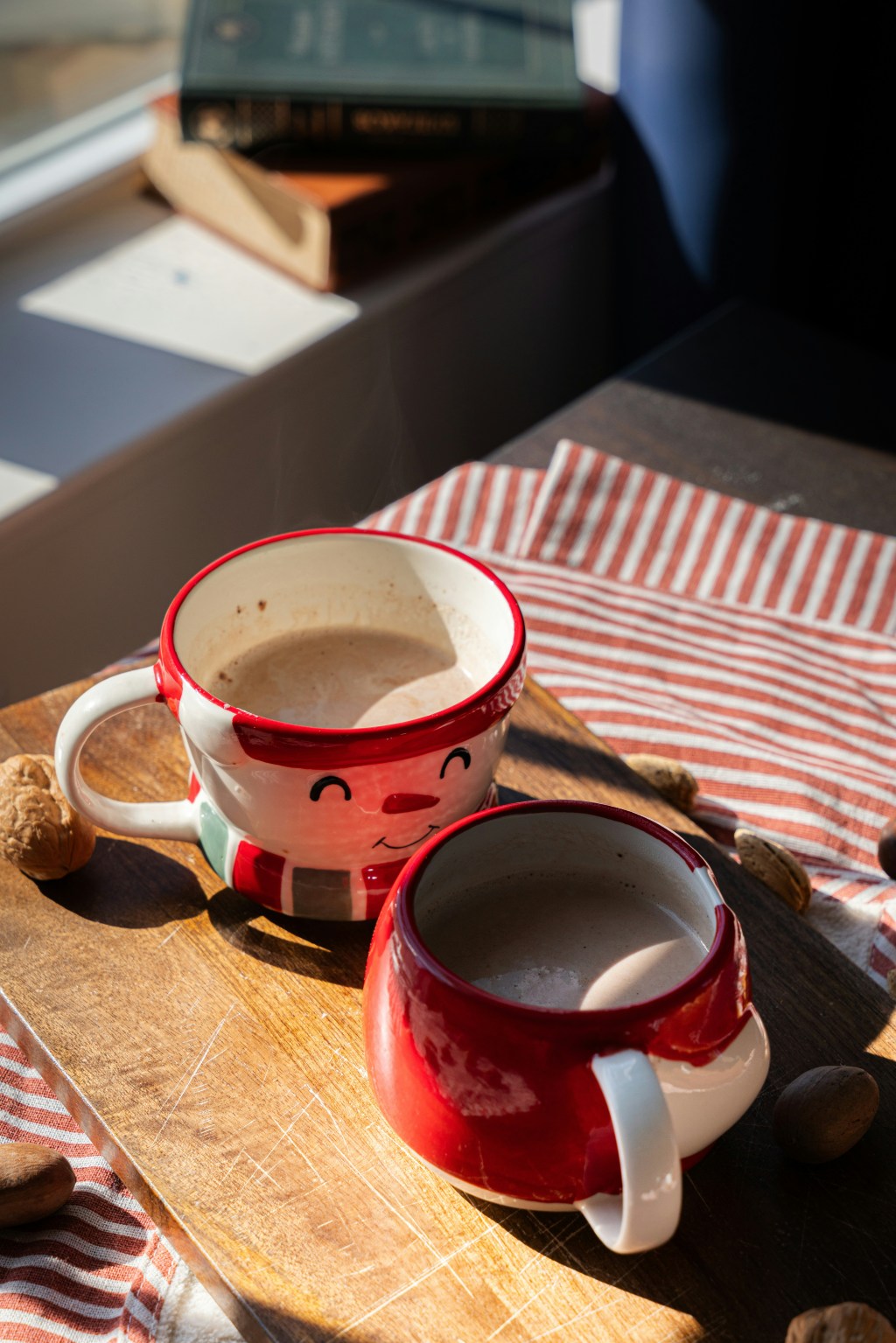
      Set the mood with soft lighting, fleece blankets, and warm drinks to turn an ordinary evening into something memorable for family game nights. There’s something magical about hot cocoa with whipped cream and cinnamon next to a flickering candle while family laughter circles the farmhouse table.
    3. Add food to the fun.
      Potluck snacks make everyone feel included. Try something hearty and low-effort like homestead chili, cheesy bread from your winter pantry, or a meat and cheese tray. Or keep it sweet with homemade cookies, popcorn, and cocoa bombs.
    4. Keep it social, not serious
      A little competition is healthy, but laughter should always win. Let kids make up house rules, play for silly prizes, or pass around a “trophy” between weeks — maybe a goofy hat or a wooden spoon with bragging rights. Game night should be about family connection and building community, not keeping score.
    5. Try something new together
      Challenge your homestead family to learn something new. Cooperative games like Pandemic or Forbidden Island encourage teamwork, while group trivia or charades gets everyone involved. For quiet winter nights, bring out dominoes or a thousand-piece puzzle and let conversation flow while hands stay busy.

    When homestead families play together, something special happens. Kids learn patience, teamwork, and good humor; adults slow down enough to really listen and laugh. It’s one of the simplest, most meaningful winter homesteading activities to build memories and family bonds — no screen required.

    Some local libraries and churches even host winter puzzle swaps or game exchanges, perfect for building community and refreshing your game shelf without spending a dime. In a world where it’s easy to feel isolated on the homestead, these gatherings remind us that friendship and fun often start at a shared farmhouse table.

    So this winter homesteading season, deal yourself in. Invite friends, make a pot of homestead cocoa, and play until the candles flicker low. Some nights, the laughter drifts out the windows into the snow, and for just a moment, winter doesn’t feel quite so long.

    Feature Photo by Nellie Adamyan on Unsplash


    What’s your go-to winter game night favorite? Do you have a family tradition or favorite way to keep homestead game nights lively?

    Share your homesteading family stories in the comments below. I’d love to hear how you’re beating cabin fever and building community this winter!

    Loved this? Subscribe for weekly homesteading tips:

    Read Next: Winter Storybook Trail Walks: Family Magic at Horicon Marsh

  • Homestead Self-Care: The Kind of Break Every Working Mom Needs

    Homestead Self-Care: The Kind of Break Every Working Mom Needs

    Daily writing prompt
    Do you need a break? From what?

    The Kind of Break I Need

    By evening, the noise of the day hums in my head — messages blinking, dinner half‑done, kids calling, and tomorrow’s to‑do list lingering in the back of my mind. It’s a good life, full of motion and purpose. But even within this homestead rhythm, I sometimes forget to pause and simply breathe. Between work deadlines and the steady beat of feeding, teaching, and tending, it’s easy to lose sight of how beautiful this busy season really is.


    The Craving for Quiet

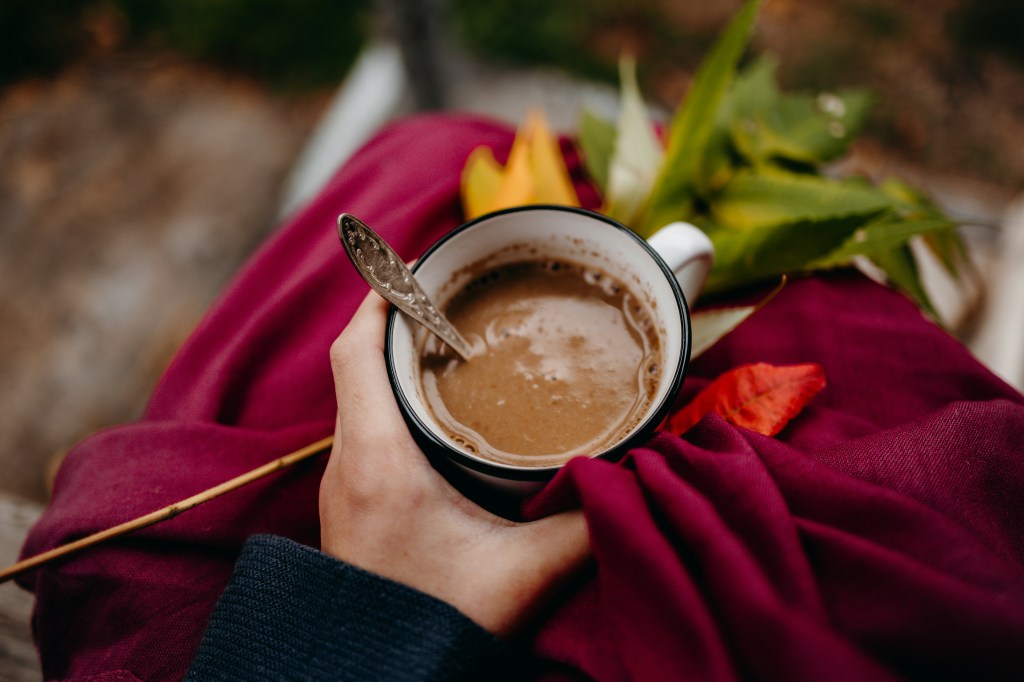
    And when that fullness finally catches up with me, this is what I long for: thirty quiet minutes under the stars, cocoa in hand, snow crunching softly under my boots. No phone. No decisions. No “what’s next?”—just breath and stillness.

    That kind of homestead self‑care isn’t an escape; it’s a reset. One restful hour a week—phone down, chores paused—restores me far more than any screen time ever could. Sometimes it happens after puzzle night with the kids or a cozy movie evening. Other times, I slip outside once the house quiets and the moonlight hits the frost just right.

    These small, sacred moments remind me why I chose a slow-living, family-centered life: growing our own food, raising our kids close to nature, and building community grounded in simplicity and care. Starting seeds for spring, gathering eggs in the cold, kneading bread for the week ahead—each task becomes a gift when I remember to slow down and notice it.


    Gratitude in the Pause

    When I take that pause, I notice things otherwise overlooked: the rhythm of my breath, the faint scent of woodsmoke, the gratitude warming my chest. This is the balance I crave as a working mom—not perfection, but presence. Simple living teaches me that rest and gratitude feed each other.

    It’s not really a break from my life that I need; it’s a breath within it. I don’t want to wish the busy days away. I want to celebrate them—the laughter around the puzzle table, the smell of soup simmering, the promise that the seeds I plant now will nourish us months from now.


    Make Space for Your Own Pause

    If you’re walking a similar path, try setting aside just 30 minutes this week for yourself—a short walk, a deep breath, or a quiet cup of tea. See how the noise fades when you let the earth steady you.

    Feature Photo by Kristina Shvedenko on Unsplash


    What kind of break do you crave, and what helps you remember how good your life already is? Share below ❤

    ️If this post brought a little calm to your day, share it with another working mom who could use a gentle reminder to pause and breathe. 💛

    Loved this? Subscribe for weekly homesteading tips:

      Read Next: Finding Fun in Everyday Homestead Life

    1. The Smartphone That Keeps My Homestead and Working Mom Life Together

      The Smartphone That Keeps My Homestead and Working Mom Life Together

      The most important invention in your lifetime is…

      The most important invention of my lifetime? The smartphone—my love-hate lifeline that keeps my homestead, work, and kids from spinning apart.

      Some mornings, I gather eggs between work calls just to catch my breath. By bedtime, the glow of a screen competes with story time and the sound of rain outside our farmhouse window. Some days, the constant ping of notifications makes me want to toss the thing straight into the compost pile.

      But here’s the truth: that little screen helps me grow food, raise kids, and build community in ways younger me couldn’t have imagined. That connection keeps the loneliness of rural life at bay.

      I hunt for fresh ways to use up garden produce, share turkey videos with faraway friends, and text neighbors to swap garden tips or photos of the first spring seedlings. After sharing my post on how to plant onion seeds, it’s been fun seeing those early sprouts push through the soil. It’s the perfect reminder that growth takes time. When our chicks struggled to hatch last year, a quick YouTube search saved both the day—and the chicks.

      Digital tools blur the line between work and home—but that overlap keeps me grounded. In this modern era of homesteading and family life, connection is survival—it’s how we share ideas, find support, and remind each other that the mess and magic of everyday life are worth it.

      Feature Photo by Adrien on Unsplash


      What invention helps you juggle the chaos of working motherhood and homesteading life? Share your must-have tool or favorite homestead app in the comments below!

      If this resonated with your own mix of work calls, garden chores, and bedtime stories, please like this post. Share it with another mom trying to balance homesteading and real life.

      Loved this? Subscribe for weekly homesteading tips:

      Next Read: How Teams + Chickens Power My Work-from-Home Mom Life

    2. Easy Homemade Dumplings: A Kid‑Friendly Family Recipe with Garden Fresh Veggies

      Easy Homemade Dumplings: A Kid‑Friendly Family Recipe with Garden Fresh Veggies

      Earlier this week, I shared how Chinese‑inspired dumplings have become one of our family’s favorite dishes to make together.

      Today, I’m sharing the practical side—the ingredients, the process, and a few kid‑friendly tips that keep it fun instead of fussy.

      These dumplings aren’t about perfection or authenticity. They’re about slowing down, folding stories into dough, and turning a simple meal into a memory.


      The Dough

      Simple on purpose. This is a forgiving dough—perfect for little helpers.

      You’ll need:

      • 2⅓ cups all‑purpose flour
      • ¾ cup hot water

      How we do it:

      1. Mix flour and water until the dough looks shaggy.
      2. Let it rest 5 minutes so the flour can hydrate.
      3. Knead until tacky but not sticky—about 10 minutes—then cover and let rest for 30–60 minutes.

      Tip: Let kids feel the dough at each stage—it teaches patience and awareness in the kitchen.


      The Filling

      Flexible and flavorful. We rarely make the same mix twice!

      Base recipe:

      • ½ lb ground beef (or pork, turkey, or tofu—whatever’s handy)
      • ¼ cup chicken stock (adds moisture and creaminess to the mixture)
      • 1 Tbsp soy sauce
      • 1 Tbsp dry sherry or rice wine
      • 2 tsp powdered or 1 Tbsp fresh ginger
      • 1 tsp salt
      • ¼ tsp black pepper
      • About 2 cups finely chopped vegetables (onion, bok choy, cabbage, carrot, or mushrooms)

      Combine everything in a food processor or large bowl. Cover and refrigerate until ready to use.


      Shaping the Dumplings

      Divide the dough into thirds. Roll each third into a thin sheet—about ⅛ inch (3 mm) thick. Use a round cutter (or the top of a cup) to stamp circles.

      Add a spoonful of filling to the center of each, fold, and pinch to seal.

      We use a handheld crimper that seals on one side while cutting on the other—perfect for small hands.

      The folds may look rustic, but that’s part of their charm.


      Steaming

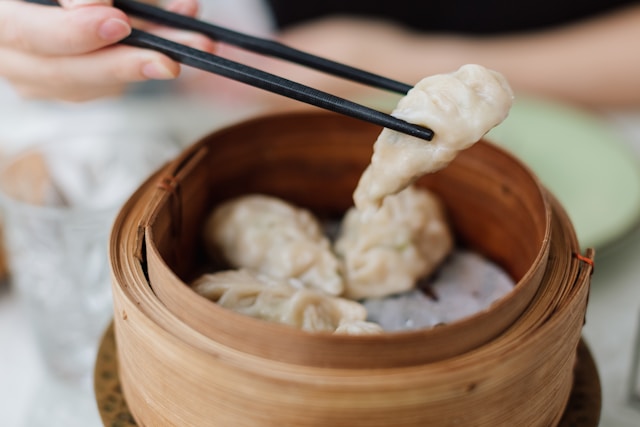
      Line a bamboo steamer with cabbage leaves or perforated parchment paper. Place dumplings about an inch apart so they don’t stick together.

      Set the steamer over a skillet or wok with about a quart (1 L) of boiling water. Steam 8–10 minutes, until the wrappers turn slightly translucent.

      Your kitchen will smell wonderfully savory—earthy, gingery, and faintly sweet.


      The Sauce

      Minimal effort, maximum flavor.

      Our usual combo:

      • 2 Tbsp soy sauce
      • 2 Tbsp black vinegar
      • 1 tsp sesame oil
      • A pinch of toasted sesame seeds

      Mix and serve in small bowls for dipping.


      Kid‑Friendly and Community‑Friendly Tips

      • Make it social. Invite a neighbor or friend to join the folding line; conversations rise like steam.
      • Keep it relaxed. Expect sticky fingers and imperfect folds—they’re evidence of fun, not failure.
      • Garden‑to‑table joy. Use homegrown bok choy or green onions if you can—they add freshness and pride.
      • Double the batch. Cooked leftovers freeze perfectly, and neighbors never say no to take‑home dumplings.

      Serving

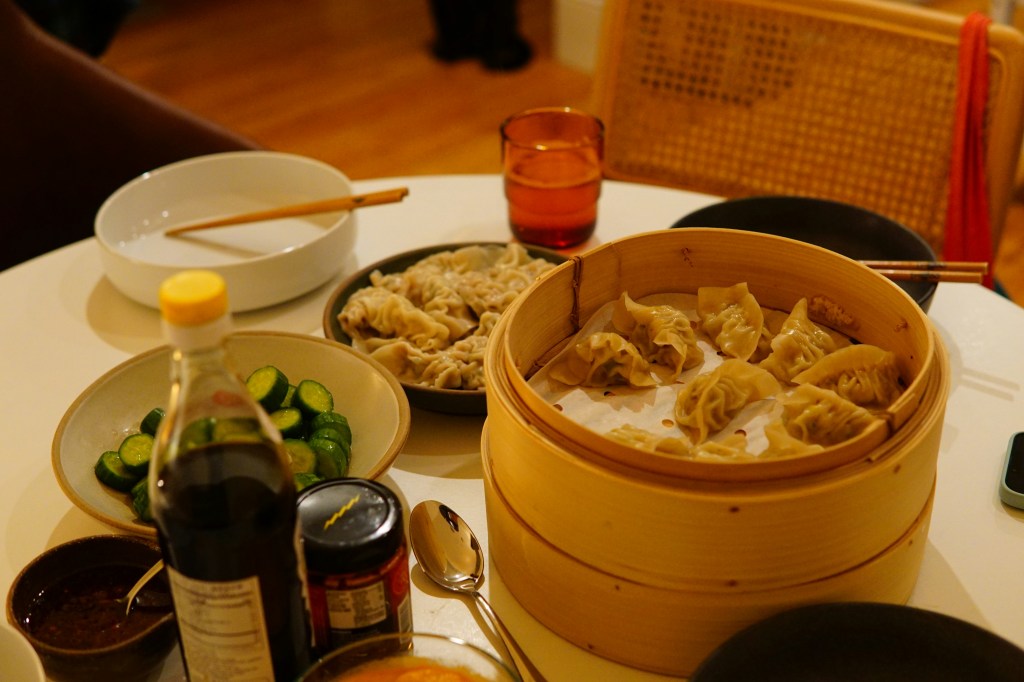
      Serve the dumplings hot with dipping sauces and steamed vegetables on the side. We usually eat them family‑style, with the bamboo steamer set in the middle of the table while someone inevitably steals the last one.

      Enjoy with people who understand that food, like love, multiplies when it’s shared. Every fold and laugh at the table keeps us growing—food, kids, and community all together.


      FTC Affiliate Disclosure

      This post contains affiliate links, which means I may earn a small commission—at no extra cost to you—if you purchase through those links. I only share tools and products that we actually use and love in our kitchen.


      Gentle Call to Action

      💚 If this recipe made you hungry (or inspired you to try folding a few of your own), share this post with a friend who loves to cook, or subscribe below so you don’t miss more community‑minded recipes straight from our kitchen and garden.

      Feature Photo by Sam Lu on Unsplash


      💚 If you loved this recipe, share it with friends or family who love cooking together.

      Subscribe below for more garden‑to‑table recipes and community‑building ideas straight from our kitchen.

      👉 Missed the story behind these dumplings? Read Folding Dumplings, Building Connection here.

    3. An Ideal Summer Day of Simple Homestead Living With Family

      An Ideal Summer Day of Simple Homestead Living With Family

      Daily writing prompt
      Describe your most ideal day from beginning to end.

      Simplicity isn’t about doing less — it’s about noticing more. My ideal day on our little homestead is built around that truth. It’s a day where time stretches wide, full of laughter, sunshine, and slow, simple living.


      Morning Calm and Connection

      The day begins the way I love best — with toddler kisses, a sleepy hug from my six-year-old, and my husband beside me. Before the world fully wakes, we take a quiet moment to breathe together. There are no alarms, no emails, no errands pulling us away. The only plan is to move through the day at a gentle rhythm, enjoying each other’s company and the sweetness of home.


      Breakfast and the Beauty of Routine

      Breakfast is a family affair. My husband gathers eggs while I grind coffee beans and brew a fresh pot. The kids take their favorite jobs — cracking eggs (usually with some shell), preparing pancake batter, and frying bacon. We cook with the windows open, sunlight pouring in and the sound of birds joining our morning conversation.

      The meal is simple and colorful: fresh eggs, pancakes, and bacon from last year’s pigs. It takes longer, but it’s richer in every way because we do it together.


      Hands in the Dirt, Hearts at Ease

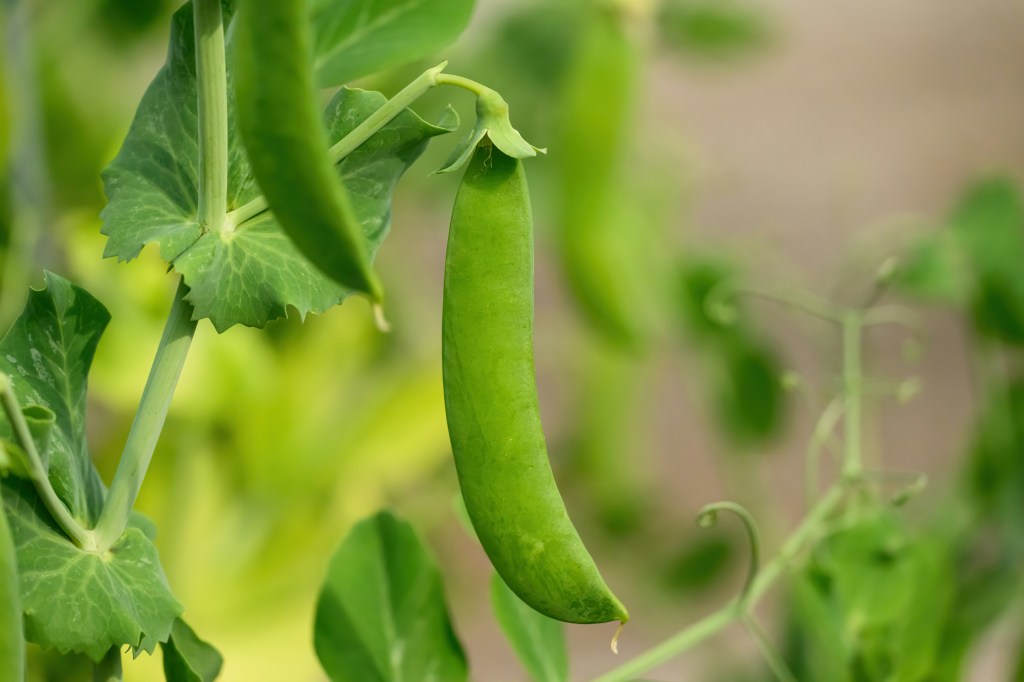
      After breakfast, my husband heads out to refill the animals’ water tanks and check the garden fences. Meanwhile, the kids and I harvest what’s ready — sun-warmed tomatoes, crisp cucumbers, and snap peas that rarely make it to the kitchen. We feed the chickens, pick up toys outside, and pause often to feel the warmth of the day settling in.

      The work hums softly in the background; it’s grounding, steady, and quietly joyful — the soundtrack of homestead life.


      Raising Kids on a Homestead

      By late morning, the chores shift to play. We might pack up for an outing — a trip to the library or a shady walk by the Horicon Marsh — or stay close to home and make our own adventure. My husband and son might build something simple, like a birdhouse or garden trellis, while my daughter and I mix water, flower petals, and herbs in the “mud kitchen.”

      These are the moments where raising kids on a homestead feels magical — learning through exploration, imagination, and plenty of sunshine.


      Building Homestead Community

      Around noon, our neighbor stops by with a bag of fresh Amish bakery treats. He stays for a half hour just to chat at the kitchen table while the kids dart in and out. We sip lemonade and trade stories about gardens, weather, and local goings-on.

      These spontaneous visits are at the heart of homestead community — the easy, come-as-you-are friendships that summer invites. When he heads out, we make a quick lunch of garden sandwiches and homemade pickles, laughing over whose plate is the messiest.


      The Rhythm of Slow Living

      The afternoon drifts by in that perfect blend of rest and play. My toddler naps, the older one curls up with a book or joins my husband hoeing the garden, and I steal a few quiet minutes with a book on the bench outside our door. Later, we cool off in the sprinkler, make homemade popsicles, or pick raspberries from the patch.

      The hours stretch unhurried — each one filled with that golden kind of peace slow living on a homestead offers.


      Simple Suppers and Summer Evenings

      As evening settles, supper becomes another shared project. My husband fires up the grill while I toss a big garden salad and slice the first broccoli of the season. The kids set the picnic table beneath the maple tree. We eat outside, barefoot and happy, surrounded by the hum of summer — crickets chirping, bees buzzing, and the sky fading into soft pink.

      After dinner, we linger. Sometimes it’s s’mores over the firepit, other nights it’s catching fireflies or telling stories under the stars.


      The Gift of Enough

      When the kids are asleep, my husband and I share a quiet moment on the park bench — two cold beers, warm night air, and a shared silence that says, “This is exactly where we’re meant to be.”

      These days remind me that simplicity isn’t a destination; it’s a daily choice — a rhythm we return to when life feels too loud. Most of us don’t get many days like this, but even small pieces of them are enough to steady the heart.

      This is my ideal summer day: no deadlines, no projects, no rush. Just the four of us growing food, raising kids, building community, and living a simple homestead life that teaches us how beautiful “enough” really is.

      Feature Photo by Michelle Tresemer on Unsplash


      💬 Tell me about your ideal summer day! What does simple living look like in your home or community? Share your thoughts or your favorite summer traditions in the comments — I love hearing how other families find joy in the everyday.

      💚 If this post resonates with you, please like and share this post to spread the message of simple, grounded living.

      Loved this? Subscribe for weekly homesteading tips:

      Next Read: Saturday Morning Family Breakfast: A Recipe for Togetherness

    4. Life Lessons from Hard Seasons: Motherhood, Drought, and Growing Community

      Life Lessons from Hard Seasons: Motherhood, Drought, and Growing Community

      Daily writing prompt
      How do significant life events or the passage of time influence your perspective on life?

      Life Lessons from Seasons of Change

      Life’s big shifts and slow seasons have humbled me more than I ever expected. These hard seasons have become some of my deepest life lessons.

      When I was younger, I believed effort alone could fix anything. If plans fell apart, I figured someone just wasn’t trying hard enough—or doing things the right way—maybe even me. There was real arrogance in that. I thought sheer willpower could bend the world to my plans.

      What a Drought Taught Me About Letting Go

      Then came the hard stops: moments no amount of grit could move. A garden lost to drought after I had my first child taught me that lesson faster than any sermon.

      No extra watering, no wishing, no late-night worrying brought back the harvest. That loss showed me surrender—not as giving up, but as meeting reality honestly and carrying only what’s mine. I still remember the cracked soil under my hands and the quiet ache of knowing this hard season of motherhood wasn’t mine to fix with effort alone.

      Finding Balance in Parenting and Daily Chaos

      These days, when chaos and noise fill the house or the coop, I pause instead of pushing harder. “What’s mine to carry?” has become a quiet mantra in these hard seasons of parenting.

      Boundaries, deep breaths, even tears—they build me back stronger. And honestly, I need those reminders often. These everyday moments are teaching me life lessons from the garden and the home, one small surrender at a time.

      Building Community Through Grace and Compassion

      Love feels different now, too. Gentler. I see the hidden weight in others—a neighbor worn thin, another parent stretching through a long week—and grace comes quicker.

      Community grows in those moments when compassion replaces judgment. Some days that looks like sharing a meal. Other days, it’s just listening without trying to fix. In their own way, these conversations are building community in hard times, one honest story at a time.

      Growing Through Time, Trust, and Faith

      Time weaves it all together—naivety to trust, effort to faith. The seasons remind me that everything sprouts, fades, and returns in its own time, even in our hard seasons of life.

      My job is to show up faithfully—to tend what I can, raise my kids with patience, and keep building a life that roots deeply in love and community. These are the life lessons from hard seasons that shape how I move through the world now.

      Feature Photo by Natalia Gasiorowska on Unsplash


      How have your hard seasons changed you? I’d love to hear how time has softened or strengthened your own soil—share in the comments below.

      If this resonated with you, please like and share this post so it can reach another tired parent or neighbor who needs a gentler story today.

      Loved this? Subscribe for weekly homesteading tips:

      Next Read: “The chore that never gets done (and Why that’s ok)” → https://homesteadsustainably.com/the-chore-that-never-gets-done

    5. The Chore That Never Gets Done (and Why That’s Okay)

      The Chore That Never Gets Done (and Why That’s Okay)

      Something on your “to-do list” that never gets done.

      There’s one item that’s been living rent-free on my to-do list for what feels like forever: deep-clean the house. Every week I write it down with the best intentions, and every week it stares back at me, smug and unchecked.

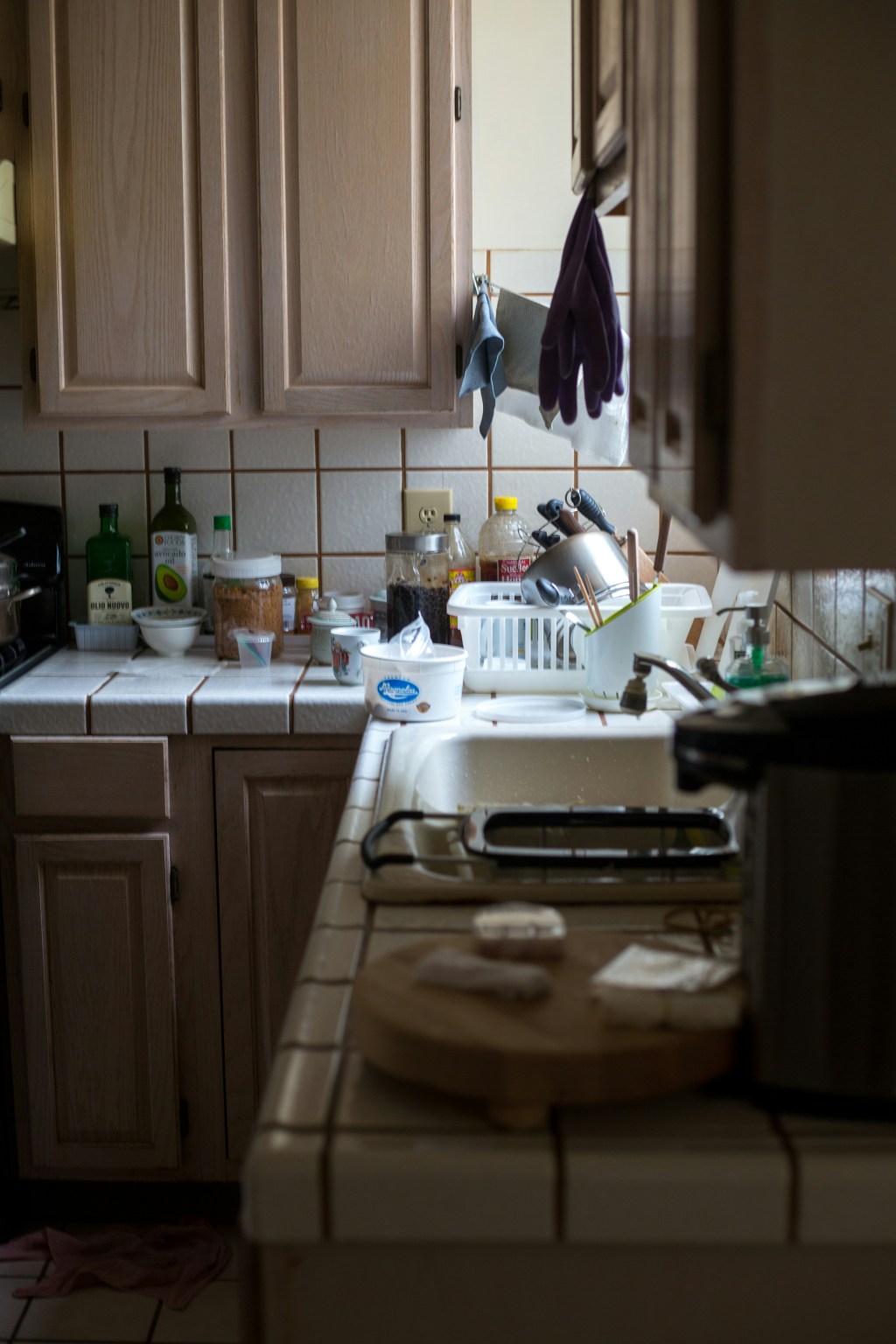
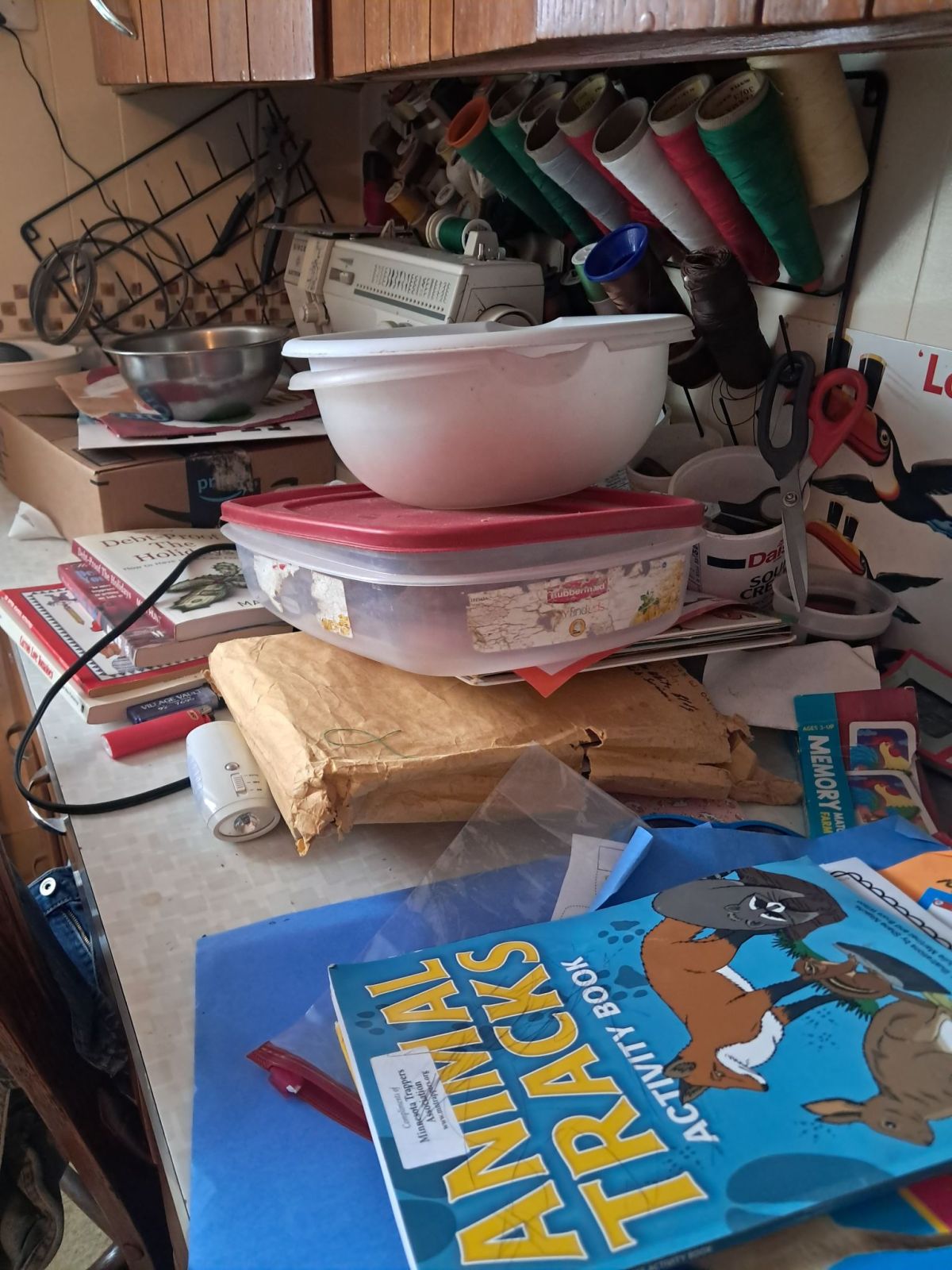
      Sure, I’m great at the daily tidy-ups—the quick resets, leaping over toys, and keeping countertops visible (mostly). But the real deep clean? Scrubbing baseboards, washing curtains, or tackling the mystery stuff in the back of the cabinets? Somehow that always gets bumped down the list by, well… just about everything else.

      Part of the problem is our ongoing upstairs renovation. Two years in, and we’re still coaxing this old house back to life—tearing out lath and plaster, sealing drywall, trying to keep ahead of the dusty evidence. That fine gray film drifts through the house like snow that overstays its welcome. Add two little kids who turn any clean surface into an art project within minutes, and—let’s be honest—deep cleaning doesn’t stand a chance.

      By the time evening rolls around, my energy’s long gone. I look around, spot another trail of cracker crumbs, and think, good enough till tomorrow. Honestly, I’ll take progress over perfection any day.

      My (Somewhat Hopeful) Game Plan

      I keep telling myself there has to be a way to outsmart this never-ending chore. Maybe it’s not about a single heroic cleaning day but smaller, practical wins.

      • Fifteen-minute power bursts. Pick one room, one task, one playlist. Quick sweep, easy win.
      • Recruit the tiny troops. The kids love joining in—with spray bottles and rags, no less. Sure, it takes longer, but at least we laugh through it.
      • Wait for calmer seasons. Once the last coat of paint dries and the drywall dust clears, I’ll finally give this place a top-to-bottom refresh.
      • Keep the dream in mind. A calm, clean space where we can all exhale—that’s the goal. Future me will be thrilled.

      Until then, I’m embracing the real version of home: a little messy, a lot loved, always humming with life. Between raising kids, growing things outside, and building something meaningful in our community, there’s bound to be dust somewhere—and that’s okay.

      Feature Photo by Jason Leung on Unsplash


      So tell me—what’s the chore that never quite leaves your list? Let’s swap confessions in the comments and remind each other that perfect isn’t the point—living fully is.

      If you enjoyed this peek into our real-life chaos, give this post a little love. Like it, share it with a friend, or subscribe for more stories about growing food, raising kids, and building community one messy day at a time.

      Related Posts

    6. What Making Dumplings with My Son Taught Me About Food, Family, and Connection

      What Making Dumplings with My Son Taught Me About Food, Family, and Connection

      Daily writing prompt
      What’s your favorite thing to cook?

      When You Ask a Six‑Year‑Old for Help

      This prompt stumped me at first. I love cooking most things, especially when I get to share the meal with people I love. So I took the easy route and invited my six‑year‑old son into the kitchen to help me decide.

      His first instinct was “cookie bars,” which is adorable and perfectly on brand for him—but for me? That’s too easy a win. So we pivoted, and his second answer surprised me: my Chinese‑inspired dumplings—proof he’s been paying attention.


      A Learner in the Kitchen

      I call them “Chinese‑inspired” because I’m not Chinese, and I’ve never been to China. That disclaimer isn’t an apology—it’s a reminder that I’m always learning in the kitchen.

      These dumplings are the kind you steam rather than fry: thin flour wrappers cradling a savory mix of meat and vegetables. I fold them with a rhythm that often makes it look like my son did the work, which feels exactly right—dumplings should look handled, not manufactured. Every crimped edge reminds me that cooking is more about process than perfection.


      A College Detour in Mandarin

      My dumpling story began long before the dough hit the counter. In college, I took three semesters of Chinese on a whim—Spanish was full, and Chinese looked interesting.

      I learned how a stray tone could turn “mother” into “horse,” a lesson that stuck far beyond the classroom. On Friday nights, a Chinese roundtable met on campus. We practiced speaking—and sometimes, we shared steamed dumplings.

      I can still taste that first one, dipped in soy sauce, black vinegar, and sesame oil: warm, tender, and endlessly comforting. It tasted like a small passport stamp on my college life.


      The Janky Restaurant Valentine

      Months later, early in our relationship, my now‑husband and I found ourselves in a tiny, sticky‑floored Chinese restaurant on State Street in Madison. It was Valentine’s Day. The décor was questionable, the menu unpredictable, but the dumplings? Pure joy.

      We ate until we were full and a little giddy. That meal wasn’t about romance; it was about finding comfort in something humble and good—a truth the sticky floor couldn’t ruin.


      Bringing Dumplings Home

      As I started cooking more at home, I wanted to recreate that feeling. I planted bok choy in the garden—there’s something deeply satisfying about pulling a crisp green leaf from soil you’ve nurtured.

      I experimented with what I had: powdered ginger instead of fresh, onions for sweetness, ground beef for substance. A simple bamboo steamer lined with cabbage leaves kept the dumplings from sticking to the rack.

      The dumplings weren’t authentic, but they were ours. And authenticity, for me, isn’t a destination—it’s a doorway to learning and connection.


      Learning Together, One Mess at a Time

      Now, when my son and I roll dough together, the process has turned into a ritual. We talk, we laugh, we listen to a podcast, and flour drifts across the counter (and occasionally, Black Cat).

      We’re not just making food—we’re making memories that stick, as any good dumpling does. And honestly, we laugh more over flour than over finished meals.


      What It All Comes Back To

      Food weaves together people, places, and time. These dumplings hold it all—college curiosity, early love, homegrown bok choy, and the joyful chaos of raising a child.

      Growing food, raising kids, building community—it all finds its way back to the kitchen.

      Feature Photo by Janesca on Unsplash


      What’s your favorite dish to make and share with the people you love?

      💚 If this story made you smile, share it with a friend who loves food and family as much as you do!

      Subscribe below so you don’t miss the post featuring my Simple Chinese Dumpling Guidelines—and more recipes that grow from the garden to the table.

      Related Posts

      The Power of Local Food: Lessons from Ethnic Cooking

      Until I attended college, I believed that cultural influences on food were largely a thing of the past.  I grew up in a part of small-town Wisconsin where the cultural influence of my German dairy farming heritage had diminished over the years.  Regional dishes, while still present, were largely nationalized.  Food was sourced from boxes…

      Keep reading

      Unfolding the Woman Within

      When I pulled open the long-forgotten box of clothes, I expected nothing more than sweaters and dresses that hadn’t seen daylight since before we moved. Instead, I uncovered an archive of myself—fabric woven with memory and identity, versions of me I thought I’d misplaced in the blur of motherhood, upheaval, and quiet reinvention. Threads I…

      Keep reading