Category: Family Life

  • From Brine to Sandwich: Homemade Corned Beef and Reubens from Scratch

    From Brine to Sandwich: Homemade Corned Beef and Reubens from Scratch

    Disclosure: This post contains affiliate links. As an Amazon Associate, I earn from qualifying purchases. Thanks for supporting Practical Homesteading!


    This post wraps up my Homemade Reuben Quest—a three-part winter food adventure that’s taken me from fermenting garden cabbage (Part 1: Sauerkraut) to baking hearty rye bread (Part 2). Now, we’re bringing it all together with the grand finale: homemade corned beef and Reubens from scratch.


    No brisket? Still making corned beef!

    Winter is my favorite time for kitchen experiments. With the garden resting and more time indoors, slow food projects become a kind of therapy. For this one, I started with a 4‑lb sirloin tip roast from the freezer (thank you, Gruenberger Farms). My husband cleared fridge space, my son ground the pickling spices in our old mortar and pestle, and before I knew it, we had a full-family project underway.


    The Brine Recipe

    Here’s the exact brine I used (scaled for a 4‑lb roast):

    Bring the water to a simmer, stirring until the salt and sugar dissolve. Let it cool completely before adding the ground spices. Submerge the roast, topping off with water until fully covered.

    Refrigerate for 5–7 days, flipping the meat every 12 hours for the first two days. Then just let it rest quietly, soaking up flavor while you get excited for what’s next. Meanwhile, my homemade sauerkraut (three months in the making) waited patiently in its jar, ready for sandwich day.


    Slow‑Cooking Day

    After a week in the brine, I added 1 T of pickling spice and slow‑cooked the roast in my trusty crock pot (affiliate link) for about 6 hours on low, then—out of mild panic—bumped it to high for one more hour. The result? Perfectly pink, sliceable corned beef that made the whole kitchen smell incredible.

    A quick note on cuts: sirloin tip roasts are leaner than brisket, so they can dry out a little faster. Monitor the internal temperature and aim for 195–205°F—that’s when it turns fork‑tender and flakes apart beautifully.

    Tip: Slice thin and against the grain for tender, restaurant‑style results.


    Reuben Sandwich Night

    At last, everything came together. I baked a dozen Reubens for family and friends: slices of my homemade rye bread, topped with my fermented sauerkraut, this freshly cured corned beef, Swiss cheese, and a generous spread of Thousand Island dressing.

    They baked on sheet trays until golden, melty, and bubbling—comfort food perfection. Out of twelve sandwiches, only two made it to lunch the next day, and honestly, that’s the best kind of leftover.


    The Verdict

    Corned beef from a sirloin tip roast? Total success.

    It wasn’t brisket, but it was tender, flavorful, and easy enough to manage during a quiet January week. I’ll try a traditional brisket next time, but this experiment proved what homesteading always reminds me—resourcefulness beats perfection every time.

    From garden cabbage to bubbling sauerkraut, from sticky rye dough to crusty loaves, and now this hearty corned beef… this series has been such a satisfying food journey. Three homemade staples, one comforting sandwich, and plenty of lessons along the way. Have you ever tried curing your own meat or building a meal completely from scratch? I’d love to hear your most adventurous kitchen project in the comments below!


    Have you ever cured meat or tackled a big “from scratch” project? I’d love to hear what’s cooking in your winter kitchen!

    🥪 And if you’ve enjoyed my Homemade Reuben Quest, please like, share, and subscribe!

    Subscribers get first notice when the next homestead food series begins—plus practical tips for cooking, gardening, and raising kids on the homestead.


    Thanks for following along from sauerkraut to rye bread to corned beef—here’s to the next kitchen adventure!

    Related Posts

  • I Already Have My Dream Job: Work-from-Home Wins

    I Already Have My Dream Job: Work-from-Home Wins

    What’s your dream job?

    Disclosure: This post contains affiliate links. As an Amazon Associate, I earn from qualifying purchases. Thanks for supporting Practical Homesteading!


    Most chase dream jobs like unicorns—elusive, shiny, and always just out of reach. Turns out, mine was hiding in plain sight: my home office, flexible deadlines, and a career that fuels both family and purpose.

    Right now, I work as an environmental professional from home. I set my own hours, within reason—I still need to respond to emails promptly, deliver quality work on time, and show up for meetings. But between those responsibilities, there is space. Space to step away for ten minutes to start dinner. Space to take my kids to a doctor’s appointment without begging for time off. Space to grab an early lunch from a reliable stand-up desk (affiliate link) setup like mine, keeping energy steady without back strain .

    Financially, this job allows me to both support my family and save aggressively for retirement. That combination—being present for my family in the day-to-day while also planning for their future—feels like a rare gift. I am not choosing between meaningful work and stability; I have both. The paycheck is not just about bills, but about building a cushion that will give us options and freedom later .

    The work itself matters deeply to me. I am in a discipline I care about, doing environmental work that has a tangible impact on the world around me. My efforts contribute, even modestly, to healthier ecosystems and communities. That sense of purpose changes how Monday mornings feel. I am not just logging in to pass the time; I am showing up for something bigger than myself .

    Is it perfect every single day? Of course not. There are stressful deadlines, long meetings, and moments where the balance tips and I feel stretched thin. But when I step back and look at the full picture—the flexibility, the trust, the financial stability, the meaningful work, and the ability to weave my family life into my workday—I realize something important.

    For all intents and purposes, I already have my dream job.

    Feature photo by Volodymyr Hryshchenko on Unsplash

    The views from this post are my own.


    What’s one “dream” perk you already live? Share below—let’s celebrate the wins we’re missing in the chase .

    Loved this reality check? Like if you’re living a hidden dream job, share with your WFH crew, subscribe for more family+career real talk! What’s your “unicorn” perk? Drop it below 👇 .

    Related Posts

    From Nerves to Connection: Lessons from a Lifetime of Public Speaking

    Have you ever performed on stage or given a speech? My heartbeat quickened as the announcer called my name, each syllable echoing through the microphone. Applause filled the conference hall as I walked toward the podium, my shoes tapping softly against the floor. The room smelled faintly of coffee and stale donuts—a familiar comfort for…

    Keep reading

    Unmuted: Laughing Together at Last

    I never expected to feel this nervous just walking into a donut shop. The bell above the door chimed softly, and I paused—heart rattling, palms damp against my blue Yeti water bottle. The air was thick with sugar and dough, but I wasn’t here for pastries. I was listening for a voice I’d only ever…

    Keep reading
  • Good Leaders Delegate: Lessons from My Toddler

    Good Leaders Delegate: Lessons from My Toddler

    What makes a good leader?

    Disclosure: This post contains affiliate links. As an Amazon Associate, I earn from qualifying purchases. Thanks for supporting Practical Homesteading!


    Ever watch a toddler triumphantly pull up their own pants and beam with pride? That’s leadership unfolding—in the everyday chaos of family life, where small wins build big resilience.

    What Self-Awareness Builds
    A good leader knows their strengths and recognizes when others have strengths they don’t. This self-awareness keeps them humble and helps build strong, well-rounded teams instead of trying to do everything solo. Rather than feeling threatened by others’ gifts, they feel grateful and make space for those gifts to shine .

    Delegation That Empowers
    That mindset fuels effective delegation. Good leaders don’t just hand off tasks; they match people with responsibilities that fit their abilities, interests, and growth areas. This empowers others to take ownership, build confidence, and develop skills—making leadership contagious as people step up .

    Stress Without the Spillover
    Good leaders handle stress well—like staying calm through potty regressions or toddler meltdowns at home. Pressure from deadlines, conflict, or surprises is inevitable, but they pause, prioritize, and respond calmly instead of reacting. By staying grounded, they create safety for their team and family. They also prove it’s possible to navigate challenges without losing compassion or perspective.

    Leadership at Home
    I see this at home too. Delegating laundry to my 6-year-old son lets him tackle it on his own schedule, building ownership and resilience. With my 2-year-old daughter, encouraging her to pull up her pants herself after the bathroom means she gets better each day through small wins. Ours started with a Baby Bjorn potty seat (affiliate link), toilet seat insert (affiliate link), and wooden step stool (affiliate link) for that independent reach.

    That’s good leadership in action. Recognizing each child’s unique strengths, giving age-appropriate responsibility, and inviting them into solutions instead of just following orders. The key? Commitment: leadership means little if you’re emotionally absent at home .

    Leadership isn’t about holding the reins—it’s about releasing them wisely so others can run. Who are you empowering today? In families, teams, or communities, the best leaders steward growth, leaving a legacy of capable, confident people who carry the torch forward.

    Feature photo by charlesdeluvio on Unsplash


    Loved this? Like if it hit home, share with a parent-leader, and subscribe for daily real-talk wisdom! Who’s your toughest leadership lesson from? Comment below! 👇

    Related Posts

    Where the Red Fern Grows and the Sprinkler Flows

    The moment I stepped outside in the morning, sweat prickled down my back:  a warning that today would be a scorcher. The thermometer already hovered above 90 degrees, and the rest of the day promised no relief. My husband would be gone this afternoon, off helping family with farm chores, leaving me alone with our…

    Keep reading

    Tickets, Trade-Offs, and Tilt-a-Whirls

    We stepped through the county fair gates with twenty ride tickets to last the whole day. To my five-year-old son, they were a golden key to unlimited fun. To me, they were a limited resource — and a math lesson waiting to happen. The August sun pressed down, bouncing off the metal siding of food…

    Keep reading
  • When Toddler Dishes Taught This Working Mom to Feel Loved

    Can you share a positive example of where you’ve felt loved?

    Disclosure: This post contains affiliate links. As an Amazon Associate, I earn from qualifying purchases. Thanks for supporting Practical Homesteading!


    Ever feel like love keeps reaching for you, but some old instinct makes you duck away?

    That’s been my story for most of my life, a quiet belief that something was fundamentally wrong with me—something that disqualified me from being truly, deeply loved. When people went out of their way with kindness, whether it was a thoughtful gesture or words meant to affirm me, I found myself almost unable to bear it. I’d deflect with a joke, change the subject, or pull back to what felt like a safer distance, convincing myself I didn’t really need anyone after all. And yet, from that very distance, I’d ache and complain that no one truly cared.

    Where the Pattern Began
    Looking back, I can trace much of this to childhood on our Wisconsin dairy farm. Farming carried relentless stress—long days in the fields, milking cows, haying season pressures that stretched my parents thin. The farm always came first, and while they poured everything into keeping it alive, we six girls learned to need less, do more, and stay out of the way. We never needed words to feel the pressure, but children read rooms like seismographs, absorbing every sigh, every moment of bone-deep tiredness. I internalized that needing anything made me a burden. So I shrank myself: good student, low-maintenance helper, hyper-independent. Better to be useful than to be needy.

    That pattern wove into adulthood. My love language became acts of service—cooking, cleaning, organizing, stepping in quietly. It became both how I loved and my shield. Always doing meant never done for, staying safely in control as the helper, never the helped.

    When My Children Started to Change Everything
    Motherhood began unraveling this through hundreds of small moments. When my babies nestled against me, their complete trust felt like a start. But deeper change came as they grew, each finding ways to love me back through acts of service—their tiny mirror of what I’d modeled for them.

    My two-year-old adores doing the dishes. She drags a chair to the sink, climbs up purposefully, rag in hand, and tackles plastic bowls and spoons. Counters grow wetter, floor becomes a puddle, but her earnest eyes shine with pride. The old me wants to take over. Instead, I hand her another bowl and say softly, “You’re such a good helper. Thank you.”

    My six-year-old is mastering the art of folding laundry. When our daughter arrived, survival mode hit hard. For a while it was simply faster to do everything ourselves. Now that we’re coming out of that season, we’re intentionally pulling him into family contributions, even though it takes more effort and patience from us. He folds t-shirts into neat squares, pairs up socks as best he can. Sometimes I open my drawer to discover one of dad’s underwear tucked in with my things. I gently correct him as I place it in dad’s drawer. Now he proudly asks first, “Mom, is this yours or Dad’s?” Him learning to be involved feels worth it for his well-being in the long run.

    Then there are the rocks. He loves bringing me stones that he finds: smooth pebbles, bits of quartz, sometimes just muddy treasures he knows I’ll appreciate. As an environmental professional with a geology background, his rocks land right in the center of my heart. He’ll run up, eyes shining, holding out his find: “Mom, I found this special rock just for you!” I take time to study each one with him, turning it over in my hands before placing it in this clear container where his rock collection resides.

    The Moment Love Finally Landed
    These imperfect acts were their love language, mirroring mine. Rejecting them would mean rejecting their hearts. So I’m practicing receiving: drying toddler plates, keeping laundry stacks as-is, treasuring every rock.

    One overwhelmed day, I found my two-year-old at the sink, surrounded by suds and her pile of “clean” bowls. Water dripped from her elbows, face earnest, clearly seeing my exhaustion. No words needed—her effort said, “Mommy’s tired. I’m helping.”

    That cracked me open. All my life avoiding burdenhood, here was my toddler seeing me and choosing to lighten my load anyway.

    The Homesteading Lesson Love Teaches
    Love arrived not as overwhelming force, but through soggy dishes, earnest laundry folds, rocks gathered for Mommy—humble acts from small hands noticing my need. My lived-in home holds these lessons.

    My children teach me love shows in ordinary service. When I receive without fixing, I rewrite “burden” as “belonging.” They prove I’m not too much—I’m exactly right for their help, their effort, their love. And teaching my son to contribute builds his confidence for life ahead.


    👉 **What’s YOUR love language struggle?** Drop it below! 
    ❤️ Like if toddler “help” melts you too 
    📲 Share with your fellow working mom 
    **Subscribe for weekly real homesteading + mom life**

    Related Posts

    Short Break for Family & Syrup Season

    Hey friends, quick update from the homestead—I’m taking a short break from blogging to focus on family right now. Life with kids, maple syruping season in full swing, and all the usual chaos needs my full attention. I’d rather share quality stories and insights when I’m back, so I’ll be here soon. Thanks for understanding!

    Keep reading


  • Why I Chose Homesteading

    Why I Chose Homesteading

    Disclosure: This post contains affiliate links. As an Amazon Associate, I earn from qualifying purchases. Thanks for supporting Practical Homesteading!


    I turn 36 this week, and it feels like as good a time as any to tell you who I am.

    I am

    • a wife
    • a working mother of 2 beautiful children
    • an environmental professional
    • a homesteader
    • a gardener
    • a reader
    • an animal caretaker
    • an aspiring writer (the blog you’re reading is me practicing)
    • an amateur historian
    • a perfectionist
    • a ruminator
    • a friend
    • a daughter
    • a sister

    Growing Up on a Wisconsin Dairy Farm
    I grew up on a family dairy farm in Southeastern Wisconsin during the 1990s—a tough decade when small operations were disappearing fast.

    Our farm had a 60-cow herd through years of economic stress. In 2001, we sold the herd and rented the land to a larger operation. By then, my five older sisters had mostly moved on. My parents took “city jobs”—Ma at the local grocery store, Dad first as a farmhand, then for a local drilling company. They bought beef cattle for me to raise through my teen years.

    The Teenage Rebel Who Wanted Out
    Before my dad took over from his father, farmers traveled no more than a mile to access all their land. By the time he changed careers 25 years later, some had to drive an hour or more to reach the farthest corners of their acreage. The world I grew up in was already shifting fast beneath my feet.

    But as a teenager, I couldn’t have cared less about the cattle I was entrusted with. Farming felt pointless. I was determined to “get out of Dodge County” and go to college in nearby Madison. Books came easily to me, and I wore that like armor. I had a chip on my shoulder—I thought I was smarter than the farm life, better than staying put, that I had everything figured out.

    Pride, Pain, and Coming Back to Earth
    Pride comes before a fall, as they say. I never had one dramatic crash, but I had low moments that humbled me.

    When I was 17, I sustained serious burn injuries on my arms and chest. I received skin grafts on my arms. I spent a long season wrestling with shame and the fact that I was marked by scars. When I finally reached Madison—the dream I’d chased—I felt small next to high achievers who hadn’t come from farms and had flawless skin.

    Even after landing a job as an environmental professional, I stood in rooms feeling inadequate beside people who seemed to know so much more. It took years to accept I wasn’t the smartest person in the room—but I still had something valuable to offer.

    Love, Long Courtship, and Hotel-Hopping 20s
    I started dating my now-husband at 19. We’d known each other longer, but that’s when our story began. He didn’t grow up on a farm but found agriculture fascinating. He thought it was neat that I’d spent my childhood around cows, even as I ran away from that identity.

    After a long courtship, we married when I was 27. We loved each other deeply, but finding our rhythm took time. Through trial and error, we landed on shared ground: children, homesteading, and country living.

    All along, I’d quietly loved making things from scratch, even if I didn’t call it homesteading. Freshman year of college, I made pizza entirely from scratch (except the cheese). It took three times longer than it should have. I ruined zucchini bread by confusing tablespoons for teaspoons of salt. Junior year, I bought a crockpot (affiliate link) that made my dorm floor jealous of the dinner smells wafting from my room.

    Motherhood Opened My Eyes
    I graduated grad school at 24 and we moved near Green Bay for my job. For the next six years—my freewheeling late 20s—we traveled heavily—for work and fun—with each other, family, and friends. Hotels became our second home. It was a wonderful season of freedom I hated to see end.

    Then I had my son just before turning 30. Motherhood was like someone handing me color television after a lifetime of black-and-white. The challenges were endless—physical, emotional, exhausting. But when he smiled and grabbed my finger with his tiny, chunky hand, everything faded. I wanted to be better for him.

    That first year coincided with Covid. No village. Husband working a lot. Our beautiful house on 18 acres of “dream land” suddenly felt hollow. Land doesn’t raise children. Pride in property lines doesn’t fill the gaps. As we talked about baby number two, we made a deliberate choice: we moved back to our hometown near Mayville, Wisconsin.

    Photo by Markus Spiske on Unsplash

    Choosing This Life Freely
    I watched our family navigate those farm changes—not out of obligation, but circumstance. Now I’m choosing this life freely. We’re gardening, raising chickens, baking bread, and raising kids.

    The girl who couldn’t wait to escape Dodge County returned on her own terms. At 36, I’m still learning I don’t need to be the smartest person in the room—just someone who shows up, learns, and shares.

    This blog is me doing that. Someone standing in the middle of her story. Rooted, growing, still in progress.

    Practical Homesteading: growing food, raising kids, building community.


    If you enjoyed reading this post, please like it. Share with an interested friend. And subscribe for more reflections on the messiness of life (and a couple recipes too). Thank you for reading.

    Related Posts

    My Middle Name: Marjorie

    My middle name is Marjorie, sharing a birthday with The Simpsons premiere (handy icebreaker, though nobody calls me Marge). Marjorie honors my late grandmother. We lived 30 miles apart, seeing her at Christmas where I’d play their electric piano while she and her jovial second husband laughed together. She brought knick-knacks from trips for us six granddaughters—a…

    Keep reading
  • Why Seahorses Are My Favorite Animal (Not Chickens!)

    Why Seahorses Are My Favorite Animal (Not Chickens!)

    What is your favorite animal?

    Disclosure: This post contains affiliate links. As an Amazon Associate, I earn from qualifying purchases. Thanks for supporting Practical Homesteading!

    I’m going off script here. You’d expect a homestead star from a homestead girly like me—like the clever pigs rearranging their shelter to face the sun or chickens pecking frogs and toes with equal fervor. I cherish those animals. They shape our daily lessons.

    Yet today, I’m choosing the seahorse. I’ve never kept one. It serves no farm purpose. But that’s its magic—it prompts reflection on family roles from an ocean’s distance.

    Photo by David Clode on Unsplash

    What fascinates me is its gentle role reversal. The female deposits eggs, but the male tucks them into his pouch, nurtures them, and births the young. This challenges “men provide, women nurture.” It models shared responsibility where both partners stay strong, gentle, and committed.

    That’s not just ocean poetry—it’s our story since returning to our hometown. My husband and I share caretaking duties seamlessly. He minds the children during my work calls (sometimes after I paced with our baby in this baby carrier (affiliate link). No toy chaos waits behind—hard-won after frank talks that tested us both. He tends evening chicken feeds amid dusty clucks while I plan garden rows, much like seahorses exchanging roles beneath the waves.

    Caregiving thrives on that flexibility. It’s the yin-yang balance of roles shifting as needed—under ocean depths where seahorses trade pouches and responsibilities, or right here in the farmyard dust where my husband and I pass the load back and forth. Whether it’s him stepping up with the kids so I can wrap a call, or me tackling garden rows while he handles the coop, this give-and-take nurtures what endures: a family that bends without breaking.


    What animal has shaped your view of family? Or what’s your unexpected favorite animal? Share your story below!

    Loved the seahorse twist?
    ❤️ Like if animals inspire your family
    📲 Share with your partner-in-crime
    📧 Subscribe for more homestead wisdom

    Related Posts

    Feathers, Frogs, and Family: Lessons from Our Chickens

    What are your favorite animals? I remember he day our delivery person lingered just to pet a chicken. It marked a quiet but unforgettable connection between humans and animals in our lives. That black hen with golden feathers wasn’t just beautiful. She was a symbol of the surprising personalities and stories hidden in every farm…

    Keep reading

    Unmuted: Laughing Together at Last

    I never expected to feel this nervous just walking into a donut shop. The bell above the door chimed softly, and I paused—heart rattling, palms damp against my blue Yeti water bottle. The air was thick with sugar and dough, but I wasn’t here for pastries. I was listening for a voice I’d only ever…

    Keep reading
  • How Teams + Chickens Power My Work-from-Home Mom Life

    How Teams + Chickens Power My Work-from-Home Mom Life

    In what ways do you communicate online?

    Disclosure: This post contains affiliate links. As an Amazon Associate, I earn from qualifying purchases. Thanks for supporting Practical Homesteading!

    Online communication wraps my days like an old quilt—patched from COVID chaos into something warm and steady, threading work demands with homestead heart.

    Work: Coworkers Made It Possible
    Picture March 2020: lockdown just hit, my 4-month-old screaming through a call with all my coworkers, less than a week into daycare closures. A kind voice chimed in—”Hey, there’s a mute button”—a small grace that eased my overwhelm and turned chaos into control.

    I wouldn’t have built this virtual career stride without my amazing coworkers who saw me through. That moment etched Teams mastery into me: nailing the mute through fussy spells while pacing in this baby carrier (affiliate link), leaning on chat pings for quick collaboration, sharing OneDrive links for big files without inbox jams from my stand-up desk (affiliate link), and email for the decisions that stick.

    Now both kids know to hush during calls—proof of growth from raw survival to steady rhythm, all thanks to that team support.

    Personal: The Good Stuff We Share
    You know how Google Calendar just saves us? Color-coded birthdays popping up for relatives, schedule nudges so nothing falls through the cracks. Facebook, though—that’s our family laugh album. Me posting those glorious flat “nailed it” pancakes with a giggle, plus coop fixes glowing in sunset light. Email is for the heartfelt catch-ups that stick with you. It’s all that unpolished joy keeping far-flung friends and family right there with us, cheering the wins through the quiet stretches .

    Homestead Recharge
    Those personal connections keep me going, but after the workday’s emotional drain—especially tough Teams calls and tough reports—it’s the chickens that truly reset me.

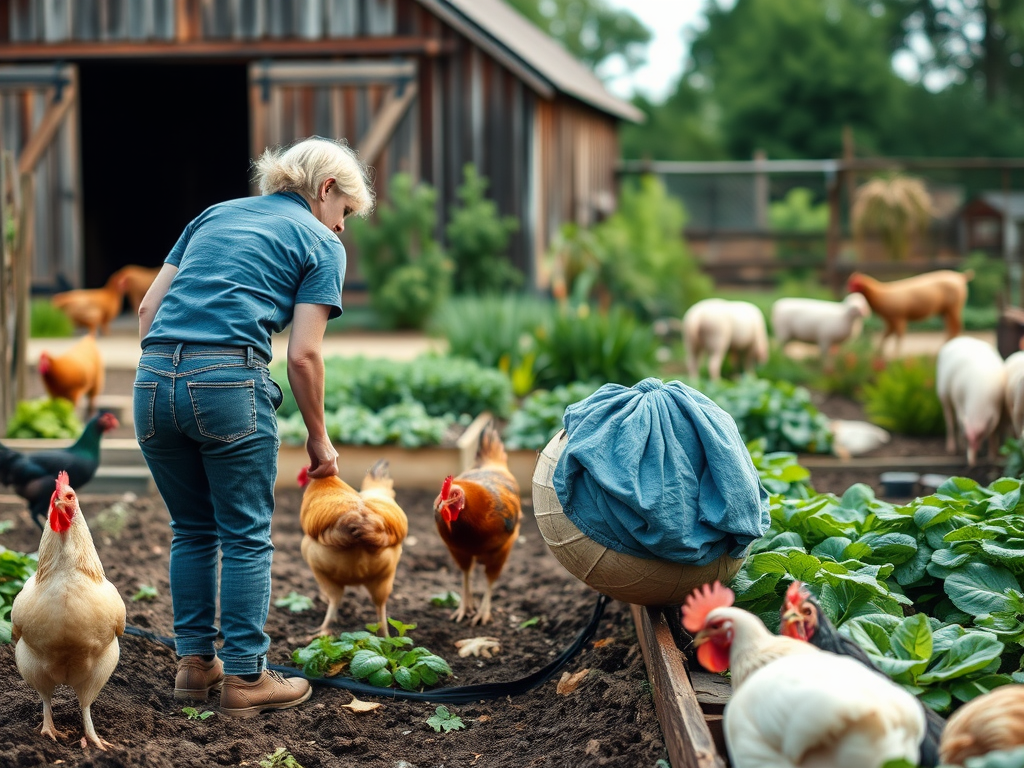
    I slip out to the run where hens cluck hello amid dust baths. Their simple rhythm grounds me in why I grind. It’s a feathered reset that clears my head for garden plots ahead. Those quiet moments remind me this online hustle fuels real soil and seeds. It’s where virtual threads meet tangible roots, weaving work grit into family purpose one contented cluck at a time .


    Loved hearing about my mute-button moment or chicken resets?
    ❤️ Like if you’ve had your own work-from-home win
    📲 Share with a working parent who needs this
    📧 Subscribe for more real-talk on juggling career, kids, and chickens

    Your stories keep this community growing—what’s your go-to reset? Drop it below!

    Related Posts

    From Nerves to Connection: Lessons from a Lifetime of Public Speaking

    Have you ever performed on stage or given a speech? My heartbeat quickened as the announcer called my name, each syllable echoing through the microphone. Applause filled the conference hall as I walked toward the podium, my shoes tapping softly against the floor. The room smelled faintly of coffee and stale donuts—a familiar comfort for…

    Keep reading

    The Farmstead Paradox: How Technology Frees Us and Challenges Us

    What technology would you be better off without, why? What if I unplugged everything—just one day—and watched my farmstead world grind back to its raw roots? Sun crests the barn at 5:45 am. No alarm jolts me; instinct pulls me up. We feed the animals, hauling water, grinding feed. We dress kids by fading lantern…

    Keep reading

    Unmuted: Laughing Together at Last

    I never expected to feel this nervous just walking into a donut shop. The bell above the door chimed softly, and I paused—heart rattling, palms damp against my blue Yeti water bottle. The air was thick with sugar and dough, but I wasn’t here for pastries. I was listening for a voice I’d only ever…

    Keep reading
  • Signed House Contract at Used Car Lot-On Our Honeymoon Trip to Alaska

    Signed House Contract at Used Car Lot-On Our Honeymoon Trip to Alaska

    Think back on your most memorable road trip.

    Disclosure: This post contains affiliate links. As an Amazon Associate, I earn from qualifying purchases. Thanks for supporting Practical Homesteading!

    We signed a house contract at a used car lot—on our honeymoon road trip to Alaska.

    My husband and I postponed our honeymoon for a year because we both dreamed of driving from Wisconsin to Alaska. At first, we planned to fly, but then he asked why we didn’t look up the driving logistics. I did, and it came out to about 60 continuous hours on the road.

    “That doesn’t seem too bad,” I thought.

    So we began planning a three-week road trip for June 2018. We bought a new Subaru Crosstrek, figured out the perfect gear and packing technique, and anxiously counted down the days.

    Affiliate Links for Recommended Travel Gear:

    Trailer hitch

    Rear mounted cargo hold

    Cooler

    Blackout Shades

    The House That Hijacked Our Honeymoon
    What we didn’t plan for happened the day before we left. We toured a beautiful house and property that was for sale by owner. We were actively looking, and this one appeared on the market that Monday. The day before departure, we put in an offer. The next morning, already packed and driving down the highway, we got the call: they accepted it. Then came the catch—they insisted we turn around, come back without a realtor, and negotiate the terms in person.

    In hindsight, the red flags were glaring. At the time, we were just young and excited. We’d only made it to the next town over, so back we went to sit with them and work out an agreement that we later learned was heavily biased toward the seller.

    The Used Car Lot “Realtor”
    They had plenty of experience. They’d bought rental properties before, were about thirty years older than us, and had their real estate friend there “just to write up the paperwork.” We met them at his actual business building: a used car sales lot. Meanwhile, we had a suitcase in the backseat, a printed itinerary to Alaska, and a lot of naive trust that people were generally fair. We signed what they put in front of us, then handed the agreement to a lawyer we hired sight unseen because the deal needed to close before we returned from our trip— because this was the trip of a lifetime we’d already postponed once.

    We told ourselves it was fine. We didn’t know enough yet to recognize just how stacked against us the whole setup really was.

    Alaska via Internet Cafés
    From Velva, North Dakota, we hired a real estate lawyer over the phone. From Saskatoon, Saskatchewan, we tracked down a home inspector willing to examine a property we hadn’t even emotionally committed to yet. From a restaurant with spotty Wi-Fi, we opened our email and read the lawyer’s first warning that the terms weren’t great. From Watson Lake, Yukon—somewhere between the Sign Post Forest and actual spruce forests—we began to grasp just how bad the terms really were. And from Anchorage, Alaska, with mountains filling the windows and our honeymoon dreams fading in the background, my husband was completely fed up and trying to convince me to walk away from the whole deal.

    I pushed on anyway, stubborn and hopeful as ever. I hunted down internet cafés and libraries in small towns, asking clerks if they had a scanner I could borrow. I hunched over public computers, printing documents, signing them, re-scanning, and emailing everything back to the lawyer and sellers while other travelers casually checked weather reports or email. There’s a particular absurdity to signing legal addendums about well inspections with bear safety posters hanging on the wall behind you.

    We felt like we were in a real-life Subaru commercial

    Honeymoon Highlights Amid the Chaos
    The road trip itself was everything we’d dreamed of and nothing like we imagined. We drove long stretches of highway that seemed to belong to no one, met kind strangers at gas stations, and watched the sky turn light again at 3 am . We ate sandwiches in the car, argued about which way to turn, and pointed out every moose sighting like excited kids. But running underneath all the glaciers and mountain passes was this constant undercurrent of “Did that email go through?” “What did the lawyer say now?” “Are we making a huge mistake?”

    Geeking out over moose sightings
    The glacier view to end all glacier views

    What That House Meant to Us
    Looking back, what makes this road trip so memorable isn’t just the honeymoon or the bad real estate decision. It was us—very early in our marriage—learning how each of us handles pressure. He was ready to cut our losses for the sake of peace. I was determined not to walk away from something we’d already invested so much in: time, money, emotion, and the dream of that house and property. We took turns being the calm one and the panicked one. We learned how to argue in a car without a door to slam and how to apologize at the next gas station.

    In the end, the house did become ours, but not without real emotional and financial cost.

    However, that property saw us bring home our first child, learn how to garden from scratch, fix a house that needed a lot of love, grade our first driveway, and bring home our very first chickens—the true beginning of our homesteading life. Five years later, we sold it. Not because we didn’t love it, but because we needed to move closer to family as we planned for our daughter.

    The road from Wisconsin to Alaska became the backdrop for midnight phone calls, scanned signatures, and the slow realization that experience and age really do matter when you’re sitting across from someone at a negotiation table—or their used car lot “realtor.”

    If I had it to do over, I’d bring a realtor, a lawyer, and a far more cautious pen. But that trip also forced us to grow up a little faster and see each other clearly, flaws, stubbornness, and all.

    When I think of my most memorable road trip, I don’t just picture mountains or long stretches of Canadian highway. I see a young couple in an overstuffed Subaru, chasing one dream all the way to Alaska while fighting not to lose another one back home.


    **Loved this wild story?**
    ❤️ Comment and Like if you’ve signed something sketchy 
    📲 Share with your first-time home buyer friend 
    📧 Get more real homesteading stories

    Related Posts

    What the World Taught Me About Home

    Do you have a favorite place you have visited? Where is it? The place I love most isn’t on any map. It’s not a landmark or an exotic beach, but it’s the center of everything I’ve learned about belonging. When I trace the path to it, I travel through every memory that once made the…

    Keep reading
  • My Mission: Growing Food, Raising Kids, and Building Community — A Path Back to Connection

    My Mission: Growing Food, Raising Kids, and Building Community — A Path Back to Connection

    Daily writing prompt
    What is your mission?

    “We’re stronger together.”
    — A lesson from the land, the past, and the heart.

    Some days, I find myself wondering why I share so much of my messy, joyful, back-to-the-land life. Then I remember—it’s not just a blog; it’s a declaration of purpose. I’m not just learning to grow food or raise livestock. I’m learning to build a life rooted in connection, resilience, and love—the kind of life that feels increasingly rare in our modern world.


    Growing Food

    My mission comes back to the words that guide everything I do: “Growing food, raising kids, building community.”

    Growing food isn’t just about self-sufficiency; it’s about slowing down and remembering that life takes time. Whether it’s a full garden, a few backyard hens, or a pot of herbs on a sunny windowsill, each act connects us to the earth and to the generations who worked it before us.

    You don’t need acres to begin—just a seed, a container, and a little sunlight.

    Even one small step can be the beginning of a more grounded life. Each seed planted is a reminder that we can create abundance with our own hands.


    Raising Kids

    Just as tending the garden teaches patience, so does parenting. Homesteading is a classroom like no other—muddy, humbling, and full of wonder.

    It teaches our children what no textbook can: that hard work matters, that life is cyclical, and that family is their safe harbor in a sometimes harsh world.

    My hope is that my kids grow up knowing home isn’t merely a place—it’s a legacy we build with care and intention. Whether they keep chickens, plant tomatoes, or simply carry these values forward, I want them to understand where they come from and who they are.


    Building Community

    And then there’s community—the heartbeat of homesteading and, I believe, our survival as humans.

    American society often tells us that strength comes from independence—that we should manage everything ourselves, and outsource what we can’t, because we’re too exhausted to do it all. But that version of “strength” leaves us burned out and disconnected.

    True strength doesn’t grow in isolation—it blossoms in interdependence.

    Sometimes that means swapping seeds or recipes; other times, it’s checking on a neighbor or being brave enough to ask for help. We were never meant to do this alone.


    Lessons from the Past

    When I think about how far we’ve drifted from those roots, I can’t help but look back with respect. Our great-grandparents understood community in ways we’ve forgotten.

    Their lives weren’t easy—many faced relentless hardship. I once read about children in rural Wisconsin in the 1930s who walked miles to town barefoot, carrying their shoes so they wouldn’t wear them out. They’d put them on only once they reached town, because those shoes had to last—and often be passed down to the next child.

    Those stories remind me that while the past wasn’t perfect, it carried wisdom worth keeping. People ate real food, raised resilient children, and looked out for their neighbors. They knew that survival wasn’t just about grit—it was about connection and care.


    Planting Hope

    In the end, that’s what I want my life—and this blog—to reflect. I want to inspire others to live intentionally, grow their own food, raise their families with love, and reconnect with the people around them.

    Because when we nurture the soil, our children, and each other, we’re planting more than gardens—we’re planting hope. And in that hope, we rediscover a simple truth our ancestors never forgot:

    We are always stronger together.


    Now it’s your turn. How do you balance modern life’s demands with a desire to live more simply? Tell me about it in the comments. Let’s start a conversation!

    If this post spoke to you, I’d love for you to help the message spread:

    💬 Share your thoughts in the comments — I truly enjoy hearing your stories.

    💚 Share this post with a friend who believes we’re stronger together.

    🌾 Subscribe to the blog for more reflections on growing food, raising kids, and building community—one season at a time.

    Related Posts

  • Keeping Time With the Land: How Seasonal Living Can Help You Slow Down

    Keeping Time With the Land: How Seasonal Living Can Help You Slow Down

    What the seasons can teach us about slowing down, finding balance, and belonging
    A version of this essay appears in the January 8, 2026 edition of the Dodge County Pionier.


    Ask most people how they measure time today, and the answers sound familiar: alarms, deadlines, color‑coded calendars, the endless scroll of days on a glowing screen. Phone notifications cut across dinner, school schedules slice afternoons into drop‑offs and pickups, and the next bill due date is never far from mind.

    Where I live, time follows a different rhythm—guided not by screens but by the soil itself.

    My family keeps time by the signals nature gives: sap rising in March, turtles crossing the road in May, fireflies at dusk in June, corn drying into gold by October. A cold north wind can say “November” more clearly than any app. These cycles remind us that time isn’t a race toward exhaustion; it’s a loop—a pattern of effort, rest, and return.

    In a world obsessed with productivity, the land offers a quiet lesson: slowing down isn’t falling behind. It’s catching up to what matters.


    Winter: the radical act of rest

    When the holidays end and snow hushes the fields, stillness takes hold. The world outside the window turns soft and muted, as if someone turned down the volume. Days stretch long. Nights invite reading, conversation, and quiet.

    In modern life, that slowness often gets labeled “unproductive.” Inbox counters climb even as the sun sets before dinner. But in the rural calendar, winter is preparation—the season the earth itself uses to heal. Under the frozen top layer, roots are resting, waiting for their cue.

    Inside, a different kind of work takes over: soup on the stove, a deck of cards on the table, a cat snoring near the heat register. There’s no badge for this kind of work, but the house feels fuller for it.

    Winter offers permission to pause. Even without a farm or a woodstove, anyone can claim a bit of that wisdom: choose a few evenings when nothing is scheduled, let the phone stay in another room, and let the quiet do its work.


    Spring: a rehearsal for renewal

    Spring announces itself quietly at first—a drip of meltwater from the eaves, the smell of mud, the first bird that sings before sunrise. One morning the snow looks tired; the next, you notice a thin green line where the lawn meets the sidewalk.

    We tap trees and plant seeds, acts that serve no instant gratification. The sap runs clear and cold, one slow drop after another into plastic jugs. Seed trays sit under lights, all dirt and hope, for weeks before anything green appears. Yet when syrup warms pancakes or sprouts unfurl in a window box, you can taste reward drawn from patience.

    Spring teaches urgency without panic. Ramps, asparagus, morels, and rhubarb arrive in a rush, then slip away as if they were never there. The season reminds us that beginnings are not one-time events but recurring invitations. The world doesn’t ask, “Did you start perfectly?” It asks, “Are you willing to start again?”

    You don’t need a sugar bush or a greenhouse to feel this. A single pot of herbs on a balcony, or a commitment to walk the same city block once a week and notice what’s blooming, can turn spring into a ritual rather than a blur.

    And after that first rush of green, the land hardly pauses—by July, it’s in full voice.


    Summer: where work and joy meet

    By midsummer, everything hums. In the afternoon heat, insects buzz like a low electric current in the fields. Lawnmowers start and stop up and down the street. Windows are open, and someone, somewhere, is grilling.

    Gardens overflow. Tomatoes split if you don’t pick them in time. Zucchini multiplies on the counter and quietly appears on neighbors’ doorsteps. Kids shriek through sprinklers, leaving wet footprints on hot pavement. Even the air smells different: cut grass, sunscreen, diesel from a tractor on a distant road.

    Like the growing season, our best days often mix effort with enjoyment. Summer’s lesson is simple: work and joy are not enemies. They often belong in the same hour. There is satisfaction in going to bed with dirt under your fingernails and the memory of a late sunset still bright in your mind.

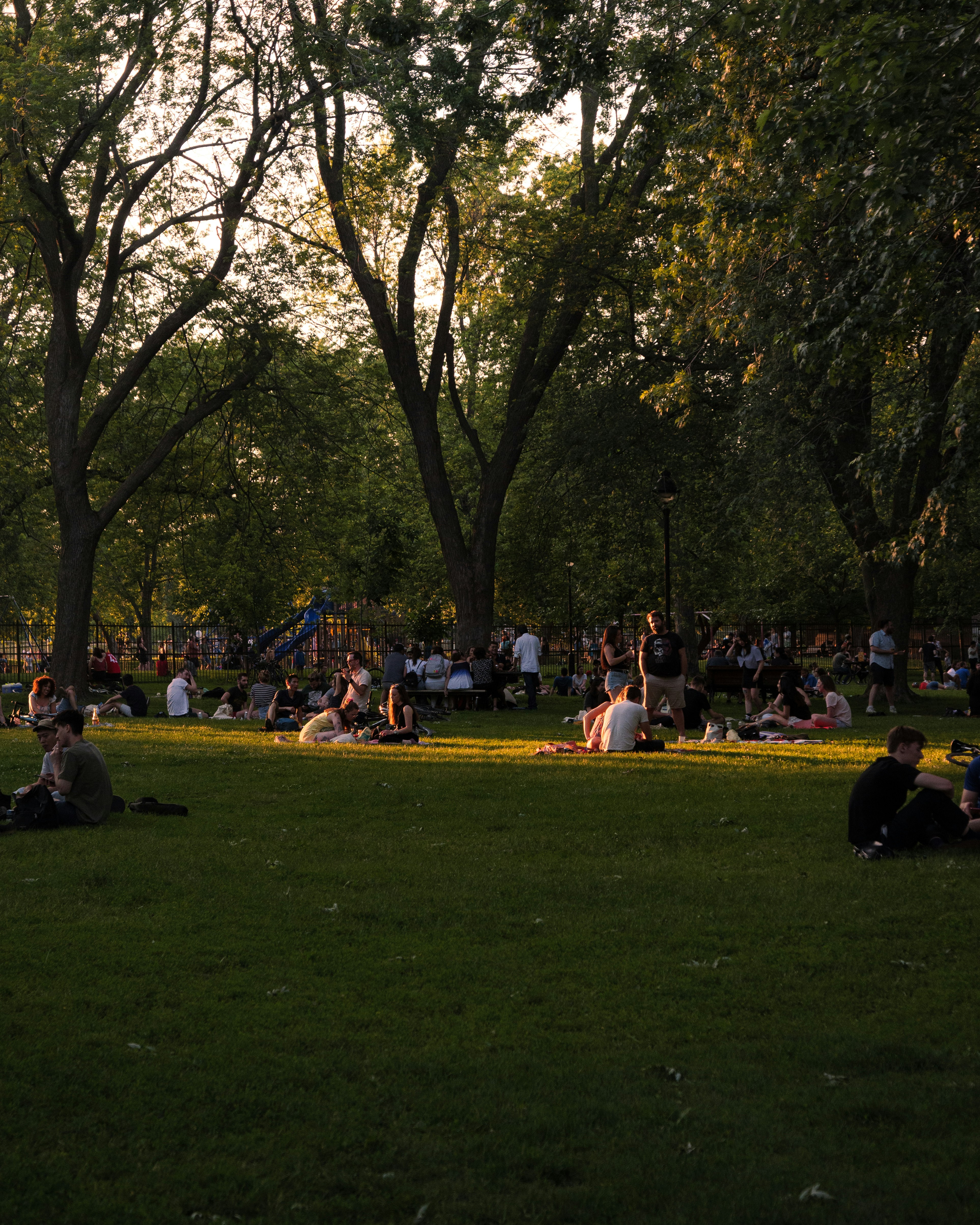
    The reward for effort can be as close as a ripe berry, a shared picnic in a city park, or a tired, happy body at the end of a long, light-filled day.


    Autumn: gratitude and gathering

    Autumn softens the light and sharpens the air. Mornings carry that first hint of frost, and you can see your breath if you step outside before the sun gets serious. Leaves turn from green to gold and red, then crunch underfoot in the driveway.

    The season’s abundance—pumpkins on porches, apples piled in crates, shelves lined with jars and loaves—reminds us how much depends on cooperation: between people, earth, and time. No one person makes a harvest alone. There are seed savers, farm workers, truck drivers, grocers, and cooks all woven into the meal.

    Gratitude, in this season, isn’t just a word reserved for a single holiday. It’s the habit of looking at an ordinary table—soup, bread, a piece of fruit—and seeing the many hands and seasons that brought it there.

    Even in an apartment, autumn can become a practice of gathering: inviting friends over for a simple pot of chili, walking through a park under changing trees, or taking five extra minutes to watch the early dark settle in instead of rushing past it.


    What circles can teach a linear world

    When winter returns, it’s easy to see it as a setback: dark, cold, the end of something. But the more closely the seasons are watched, the clearer it becomes that time does not move in a straight line. It hums in a circle.

    Each season brings another chance to begin again—not by doing more, but by noticing more. The calendar on the wall may march from one square to the next, but the world outside repeats its old, trustworthy patterns: thaw, bloom, heat, harvest, rest.

    Wherever you live—city or countryside—you can keep time with the land in your own way. Let January be a little slower. Let spring mean at least one meal built around what is fresh where you are. Let summer include a night spent outdoors until it’s fully dark. Let autumn carry a moment of thanks, even if it’s just whispered over a sink full of dishes.

    The land has never hurried. It always arrives where it should. Maybe we can too, if we’re willing to step out of the race now and then and walk in circles for a while instead.


    How could you bring a bit of seasonal balance into your daily routine? Please let me know below in the comments.

    If this reflection on seasonal living resonated with you, please take a moment to like and share it with someone who might need a gentler rhythm right now.

    To receive future essays on slow, seasonal living straight to your inbox, subscribe to the blog and join this little community of people learning to keep time with the land.

    Related Posts

    The Quiet Wealth of These Fields

    Welcome to the rural economy—where value isn’t counted in cash but in connections. Beneath the wide-open sky, where grain silos and fence posts stitch the land into neat parcels, the real currency is not minted or printed. It’s grown and built, raised and traded. Trust, hard work, the barter of honest services and handmade goods.…

    Keep reading