Category: Food processing

  • How a Simple Venison Stir Fry Taught Our Family the Heart of Homesteading

    How a Simple Venison Stir Fry Taught Our Family the Heart of Homesteading

    Disclosure: This post contains affiliate links. As an Amazon Associate, I earn from qualifying purchases. Thanks for supporting Practical Homesteading!


    There’s something special about meals that tell a story. The kind of food that’s more than a recipe — but part of life. For us, that story came together in one simple dish: a homemade venison stir fry. It started months ago in the garden, wound through a winter greenhouse, and ended at a table surrounded by six hungry, happy faces. This wasn’t only food, but it a reminder of why we homestead in the first place.


    A Stir Fry That Tells a Story

    We had venison stir fry for dinner recently, a meal that smells like effort and tastes like reward. Stir fry always means chopping, sizzling, and a little chaos in the kitchen, but every bite feels like celebration. The dish is never quite the same for us. It shifts with the seasons and whatever our garden and freezer produce. That’s part of its beauty — it’s a living reflection of our homestead.


    From Seed to Skillet

    The story of this particular stir fry starts late last winter when we started onion and pepper seeds inside. We watched them grow, and my son delighted in trimming the onion shoots to give more life to the roots. Come spring, we pressed carrot seeds into the earth and transplanted our onions and bell peppers. By summer, our days smelled sweet and green. My kids loved pulling up carrots, brushing off dirt, and biting in right there in the garden. Their juice was sweeter than candy. The onions swelled to the size of softballs. When their stalks dried, we cured them in the basement. Then we set them inside old fruit crates beside jars of last year’s preserves. Peppers overflowed in waves of green, so I bagged and froze them for colder days.

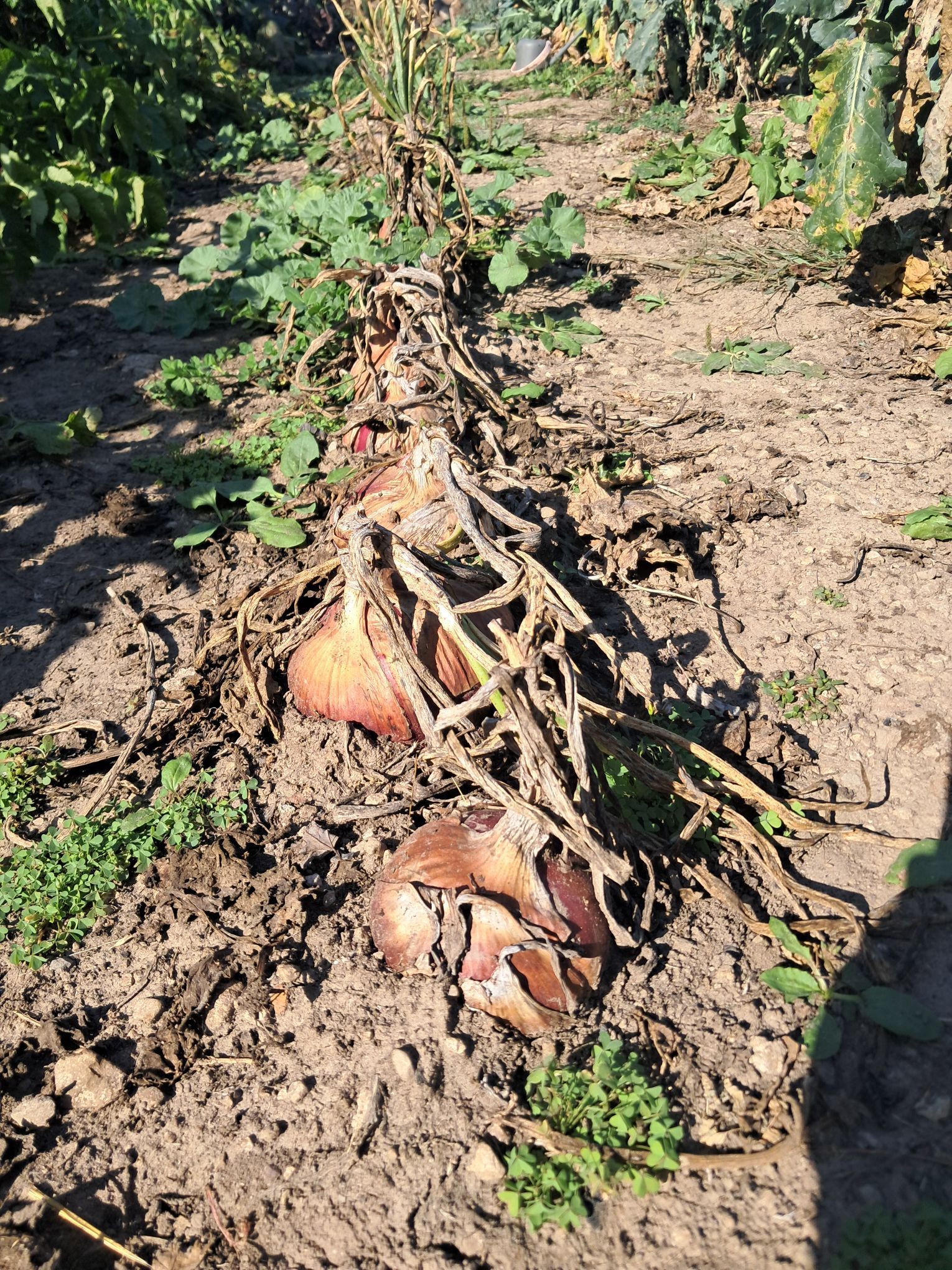
    Onions as they first sprouted from the ground.
    Mature onion, ready for harvest
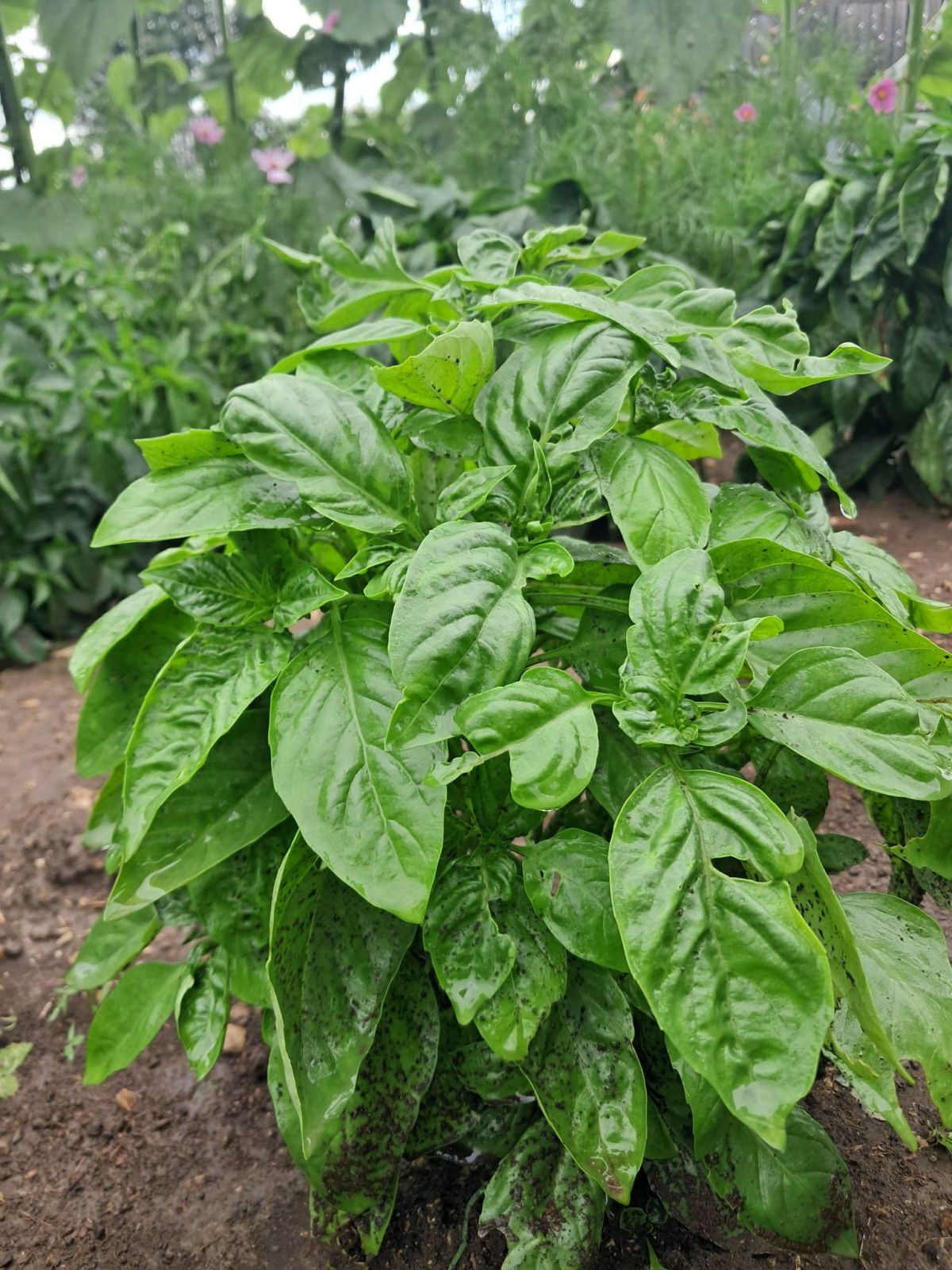
    Peppers galore!

    Homesteading tip: Frozen bell peppers don’t need blanching. To preserve, just slice, seed, and freeze them raw for perfect stir fry texture later.  Onions can be cured and placed in a cool dark place to keep over winter.

    By November, we tucked our last carrots under straw, the soil still holding its warmth like a secret.


    Winter’s Sweetest Harvest

    In December, I scraped away snow and straw with my bare hands to dig some carrots. (A mistake I won’t repeat — frostbite nearly earned an invitation to dinner.) My son peeled them eagerly, and when we tasted the first one raw, its sweetness floored us. Cold turns carrots into sugar. They’re winter candy disguised as vegetables.

    Homesteading note: A thick straw mulch keeps carrots from freezing and lets you harvest them into early winter.

    Winter carrots

    Greenhouse Gold

    The bok choy came from a new experiment. I helped my experienced friend start a winter garden. I still remember stepping into her small greenhouse surrounded by snow. The chill outside vanished into crisp air that smelled of soil and life. Beneath soft covers, green leaves glowed faintly in the filtered light. Harvesting bok choy in December felt like a small miracle.

    Winter gardening tip: A simple plastic-covered hoop house and landscape fabric over each row can extend your growing season by months. The flavor difference in fresh winter greens is unbelievable.
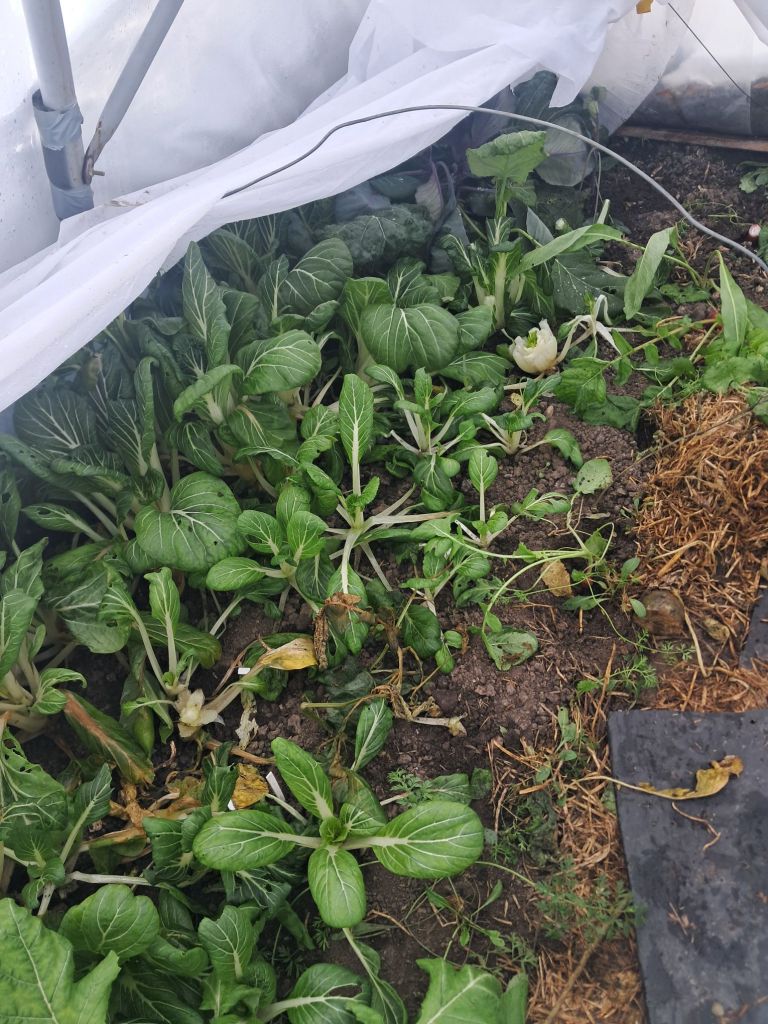
    Bok choy harvested in December

    Family in the Kitchen

    Cooking became a family affair. My daughter stood at my side, eyes watering over the cutting board, proudly dropping onion slices into the container as I sliced them with this knife (affiliate link). My six-year-old son learned how to make rice that night — a big responsibility. We’d bought the rice from our local scratch-and-dent store for much less than retail. It wasn’t something we grew ourselves, but it was another way to live intentionally, supporting local businesses and stretching our budget.

    He measured the rice, water, and bouillon with quiet focus, stirring carefully to break up every clump in the pressure cooker (affiliate link). Watching his concentration, I realized that learning to cook simple staples might be one of the best skills a homesteader’s child can develop.

    Parenting philosophy: Give your children small but meaningful jobs in the kitchen as you cook.  It takes the burden from you to endlessly entertain them, and they learn real life skills.


    Wild Meat, Real Gratitude

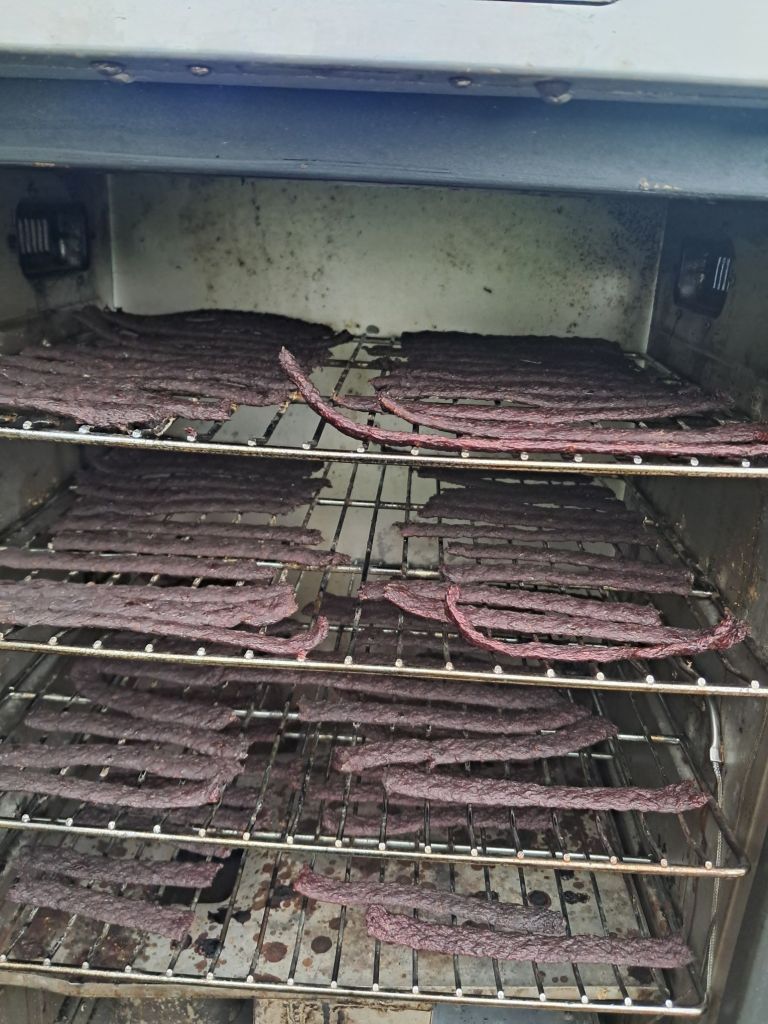
    The venison came from the road. This deer was recently hit by a car, and my husband found it on his way to town one chilly fall day. He hauled it home, and that night he and his dad processed every usable piece. We made jerky from some and froze the rest for meals like this. There’s a quiet satisfaction in knowing exactly where your food came from, in salvaging instead of wasting.

    Homesteading philosophy: Nothing should go to waste. This includes an animal, harvest, and opportunity to teach your children how to create value from what’s available.


    From Skillet to Supper Table

    When it was time to cook, I sliced the venison thin while half-frozen and marinated it overnight. The next day, the meat hit the hot skillet (affiliate link)— hissing, sizzling — browning into tender, caramelized pieces. My kids stole bites faster than I could cook them.

    Cooking tip: Slice meat against the grain while it’s half-frozen for cleaner cuts and more tender results. This small trick makes all the difference with lean game meat like venison.

    The vegetables followed: frozen peppers releasing water that deglazed the pan. The onions soaked up the sauce until they were golden brown. The carrots softened just a bit. The bok choy folded gently into the mix. The whole kitchen filled with the earthy perfume of garlic, soy, and family.


    Six Around the Table

    By dinner, the six of us — our little family and my husband’s parents — gathered around a steaming pot of rice and a glossy pot of stir fry. It wasn’t just delicious; it was ours — every part grown, harvested, found, or crafted by hand. That’s the heart of homesteading for me. It’s not simply saving money or knowing what’s in your food. It’s seeing how the garden dirt beneath your nails, a salvaged deer, and a child’s curiosity can all end up in the same bowl. It’s nourishment that carries the story of your family’s seasons.


    Homestead Notes

    • Preserve what you grow: Freeze peppers raw and store onions in breathable boxes.
    • Extend your harvest: Straw-mulched carrots and cold-frame greens can provide fresh food even in winter.
    • Use what you have: Venison, garden vegetables, and discounted pantry staples can turn a simple meal into a story.
    • Teach through involvement: Kids remember the meals they helped make far more than the food they simply ate.

    If our venison stir fry story stirred something in you — a memory, a craving, or just a bit of inspiration to slow down and cook what you grow — we’d love for you to join our little homestead circle.


    Click like if you enjoyed this story. Share it with someone who’d appreciate the journey from seed to supper. Subscribe to follow along as we grow, cook, and live season by season.

    Related Posts

    How to Make Homemade Venison Jerky: Smoked vs Dehydrated

    If you love making your own food from scratch, this homemade venison jerky recipe is a must-try. Whether you’re a hunter processing your latest deer or simply someone looking for a leaner, high-protein alternative to beef jerky, this step-by-step guide walks you through every stage: from processing and seasoning to smoking and dehydrating. We even…

    Keep reading
    Planting Hope in September Soil

    The soil was cooler than I expected when I slipped a broccoli seedling into the ground. September isn’t when I usually think about planting—it’s when I imagine gardens winding down, not continuing. For me, gardening has always belonged to summer: long days of pulling weeds at dusk, arms full of cucumbers, nights spent rushing to…

    Keep reading

    #Homesteading #FarmToTable #FromGardenToTable #SustainableLiving #HomeCooking #SeasonalEating #VenisonRecipes #GrowYourOwnFood #WinterHarvest #KidsInTheKitchen #FoodWithAStory #IntentionalLiving #SlowFood

  • More Than a Meal: Raising Our Own Thanksgiving Turkeys

    Gobbles and the Unmowed Lawn

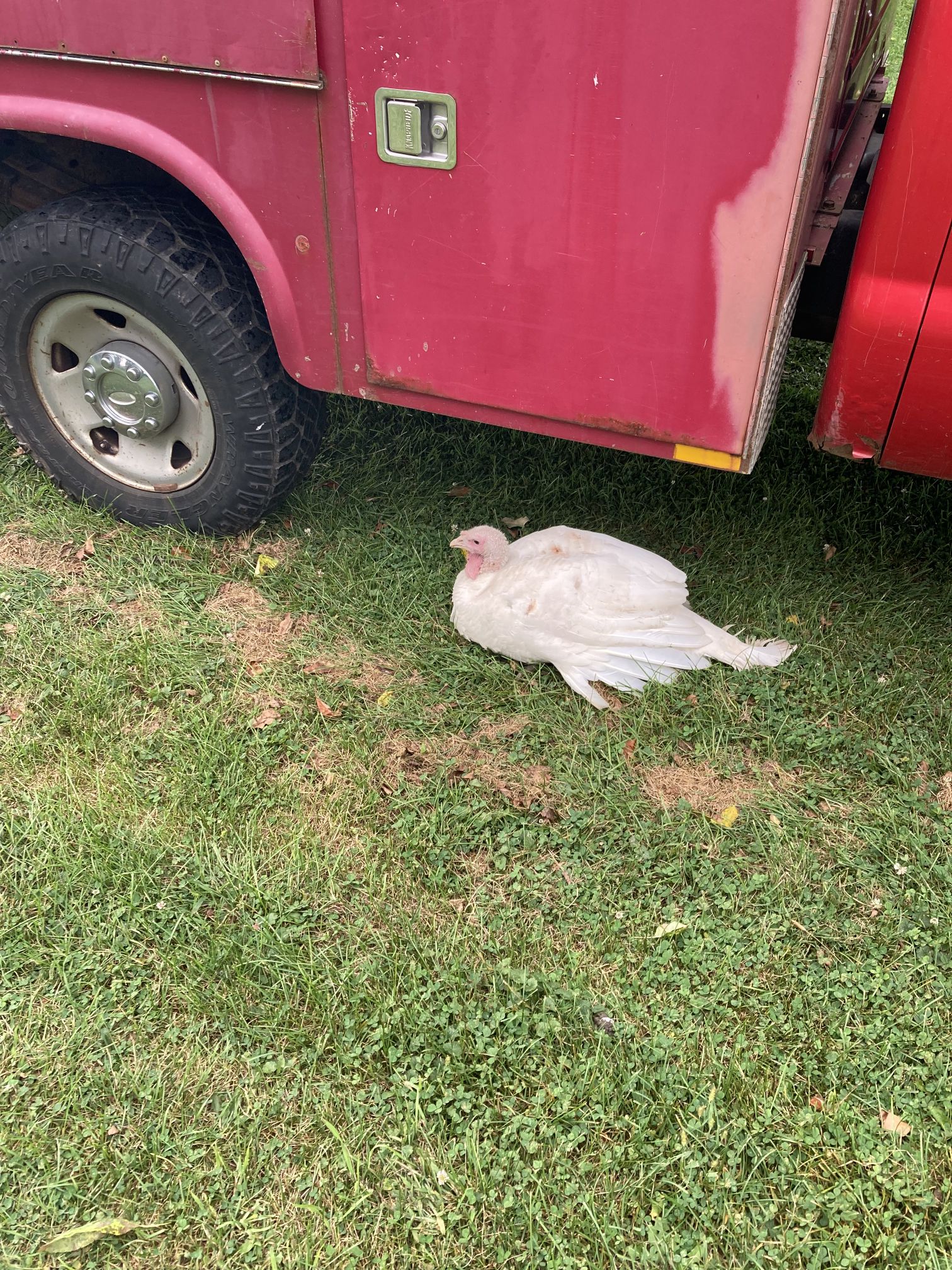
    Gobbles, our forty‑pound turkey, once refused to move for the lawnmower. My husband drove closer, then closer still, waiting for the bird to do the sensible thing. Gobbles didn’t budge, and that’s how we ended up with a turkey‑shaped patch of unmowed lawn—a small, stubborn monument to the wild experiment we’d started in our backyard.

    A New Chapter in Backyard Farming

    Chickens had already shown me that birds can be both hilarious and mean. Ducks had proven that cuteness and filth can happily coexist. A few years ago, after reading about a woman who raised her own Thanksgiving turkeys, I realized I wanted to go further. When our local hatchery couldn’t source ducklings one spring, it was a minor inconvenience. This became the excuse to bring home three turkey poults instead.

    From Basement Brooder to Outdoor Coop

    This time, my husband handled pickup duty. He arrived with a box of peeping chicks and poults. Their arrival turned the whole house electric with anticipation. The brooder—a repurposed water tank in our basement—waited with a heat lamp, water, feed, and a lid to contain the chaos. At first, the turkeys were only slightly larger than the chicks, all of them fluffy and awkward. Within days, though, the turkeys started to pull away. They doubled in size, then doubled again. It seemed their entire job was to eat, drink, and poop as efficiently as possible.

    We lost one poult early on for reasons we never understood, and the sudden shift from three to two landed harder than I expected. It was a quiet, early lesson in how fragile life on a small farm can be. Of the survivors, one always had his feathers sticking out at odd angles, so we named him Gobbles, a little wink to anyone who’d seen South Park. The smaller bird became Jennie, after the frozen turkey brand that had defined “Thanksgiving” for us before we raised our own.

    Gobbles

    By early May, the brooder was bursting, and everyone was ready for fresh air. We tried separating the turkeys from the chickens that first night outside, but the noise they made made it clear we were fighting a losing battle. After one loud, sleepless experiment, we moved everyone into our mobile chicken coop and let them sort it out. During the day, they roamed the yard as a mismatched flock, and each evening they filed back into the coop like feathered commuters, jostling for their preferred spots.

    Jennie

    Personality Plus: Turkeys vs. Chickens

    Living with both species at once made their differences obvious. The chickens were efficient, slightly tyrannical little dinosaurs. The turkeys seemed to have missed out on common sense entirely. On Memorial Day weekend, a big storm rolled in; the chickens headed straight for shelter, while the turkeys stood in the downpour, soaked and squawking as if the rain were a personal insult.

    My husband and I slogged around in the storm, alternating between laughing and swearing as we scooped them up and shoved them under cover. We were half convinced they might drown standing there or draw an eagle with all that frantic noise. By summer, their physical transformation matched their larger‑than‑life behavior. If the chickens were little dinosaurs, the turkeys were the T‑rex cousins. After about four months, Gobbles weighed around forty pounds and Jennie about twenty‑five, and both strutted like they owned the place.

    Rising Stakes: Growth and Pecking Order

    Gobbles clearly saw himself at the top of the pecking order, inserting his bulk into whatever drama unfolded among the hens. Jennie, despite her smaller size, regularly put the roosters in their place and even bloodied one during a particularly heated round of dominance negotiations. The same birds that made us laugh with their antics were always moving toward the date we’d circled on the calendar. Around the five‑month mark, butcher day arrived—never something we looked forward to, but the reason we’d brought them home.

    Butcher Day: The Hardest Part of the Journey

    My husband handled the hardest part. Once it was done, I thanked the turkeys out loud before joining the work of plucking, stepping away now and then to check on the kids. Our five‑year‑old surprised me by wanting to help, his small fingers well suited to grabbing stubborn feathers, and I felt a brief tug between pride and discomfort as I let him join in. My husband’s father arrived and the day settled into a rhythm: music playing, adults talking, drinks in hand, hands busy. The work was still heavy, but it felt shared, almost like a ritual we were inventing as we went.

    By the end, we had one dressed turkey at about thirty pounds and another around twenty, lined up for the freezer like oversized, deeply personal trophies of our effort.

    Preparing the Turkey for the Table

    I hauled Gobbles from the freezer about a week before Thanksgiving. I set him to defrost in our unheated upstairs. He loomed silently every time I walked past. Each glance reminded me of the fluffy, clumsy poult he had been. It also brought back the long, messy chain of chores that had brought him there.

    Two days before Thanksgiving, I mixed a simple brine with salt, sugar, Worcestershire, garlic, and pepper. I discovered that the only vessel big enough was our turkey fryer, minus the basket. It was a ridiculous fit, but it worked. On Thanksgiving morning, we got up early, drained the brine, patted Gobbles dry, rubbed him with salt and oil, and wedged him into a large Nesco roaster so tightly we had to shove his legs down to close the lid. Then we poured in four cans of Miller Lite and turned our attention to the rest of the meal.

    Waiting for that turkey to cook felt tense and nerve-wracking. It was like waiting for an exam grade posted in front of the entire extended family. Fifteen people, one bird, no backup plan if it turned out dry or oversalted. As the scent of beer, garlic, and roasting fat filled the house, my anxiety loosened its grip. It shifted into something closer to anticipation. Even if it wasn’t perfect, it was already unforgettable.

    Thanksgiving Dinner: More Than Just a Meal

    When we finally gathered around the table, Gobbles was as much story as food. As everyone carved off pieces, we traded memories of his lawnmower standoff. We recalled his attempts at intimidation. We laughed at the way he used to lumber after the flock like a confused bodyguard. Conversation took on the tone of a slightly irreverent eulogy as we honored his life in the most direct way possible. We ate the bird who had once stood his ground against a mower and won. It was the best turkey I’d ever tasted, not because it was flawless, but because we knew every step that had led to that plate.

    Lessons Learned and Lasting Memories

    Looking back, those turkeys demanded patience when they outgrew every space we gave them. They taught us humility when plans went sideways. We needed a sense of humor. We found ourselves sprinting through rainstorms to rescue birds that were too bewildered to seek shelter. They pulled Thanksgiving out of the grocery store freezer and dropped it squarely into our own backyard. I don’t know if I’ll raise turkeys again. Every November, when I see a frozen Jennie in the supermarket, I remember Gobbles and Jennie. I think about the stubborn patch of lawn out back. I recall the season when our holiday centerpiece had a personality—and a history—all his own.

    If you’ve raised turkeys or other backyard poultry, share your stories, challenges, or favorite moments in the comments below! What surprises did your birds bring? What tips would you pass on to someone thinking about raising their own turkeys?

    If you enjoyed this story, please like it. Share with your fellow backyard farmers. Subscribe for more honest, practical tales and tips from life on a small farm. Your support helps us keep these stories—and the learning—coming!

    #backyardfarm #homestead #farmtotable #growyourown #homegrown #backyardchickens #homesteading #farmfresh #urbanfarming #sustainablefarming #chickensofinstagram #turkeyraising #familyfarm #smallfarm #countrylife #gardeninglife #organicgardening #plantlover #animalhusbandry

  • How to Make Homemade Venison Jerky: Smoked vs Dehydrated

    Looking for a way to turn fresh venison into something truly delicious and shelf-stable? You’re in the right place! In this post, we’re walking through how we took a deer we recently processed and transformed it into mouthwatering homemade venison jerky—a high-protein, low-fat snack that’s perfect for hunters, hikers, and anyone who loves wholesome, from-scratch food.
    If you’ve ever wondered what goes into making jerky from scratch or whether smoking or dehydrating tastes better, read on—because we tested both methods side by side and have the results for you!

    Processing the Venison
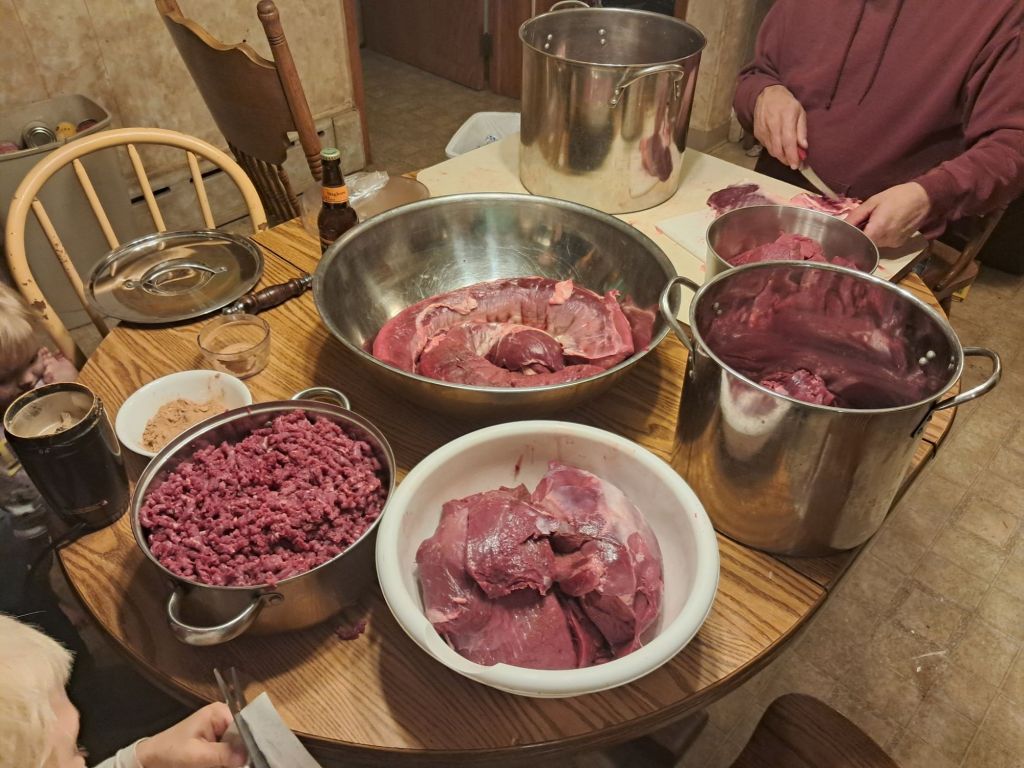
    After harvesting the deer, my husband handled the messy part—removing the hide and quartering the meat. While I didn’t snap photos of this step, it’s essential for breaking the animal down into workable portions. Once the meat was ready, we began deboning—a labor-intensive process!

    But here’s the payoff: processing your own game ensures quality and freshness with the satisfaction of providing your own food. Plus, venison is leaner and lower in fat than beef, while being packed with protein, iron, and essential nutrients. It’s an excellent, heart-healthy meat to keep in rotation alongside veggies, fruits, and other proteins.

    Grinding and Seasoning the Meat
    Once the bones were removed, we ground the tougher cuts and trimmings using our trusty meat grinder. (Ours has been a solid investment—it’s strong, doesn’t clog easily, and is simple to clean. If you’d like a product recommendation, drop a comment below!)

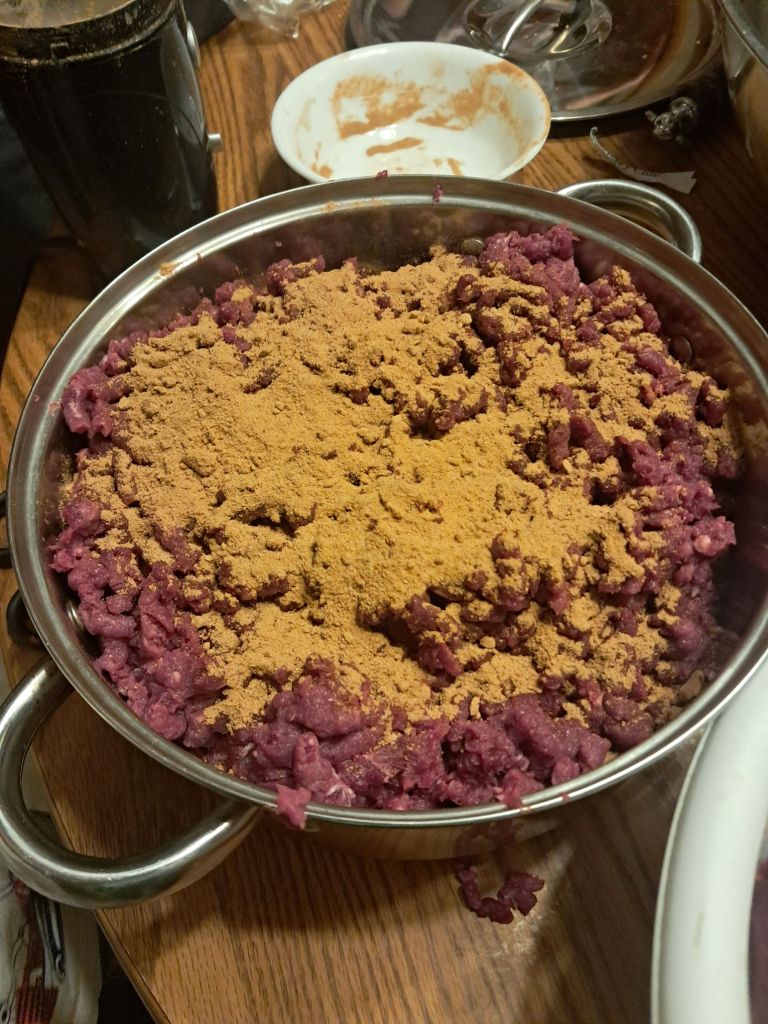
    For seasoning, we used a Fleet Farm Original Flavor jerky seasoning mix, which offers a balanced blend of savory and slight sweetness—perfect for venison’s natural richness. We mixed the seasoning thoroughly, ensuring every bite would be flavorful, then refrigerated the seasoned meat overnight to let all those seasonings work their magic.

    Shaping and Drying the Jerky
    The next day, we got creative with our setup. Instead of a dedicated jerky gun, we improvised with our meat grinder using a sausage tube narrowed down with a vice grip. Sometimes, homesteading means working with what you have, and this hack worked beautifully!

    After shaping the jerky strips, we placed them on racks and divided our batch in two for a taste test: smoked vs dehydrated.

    • Smoker: Applewood chips, 160°F, for 6 hours
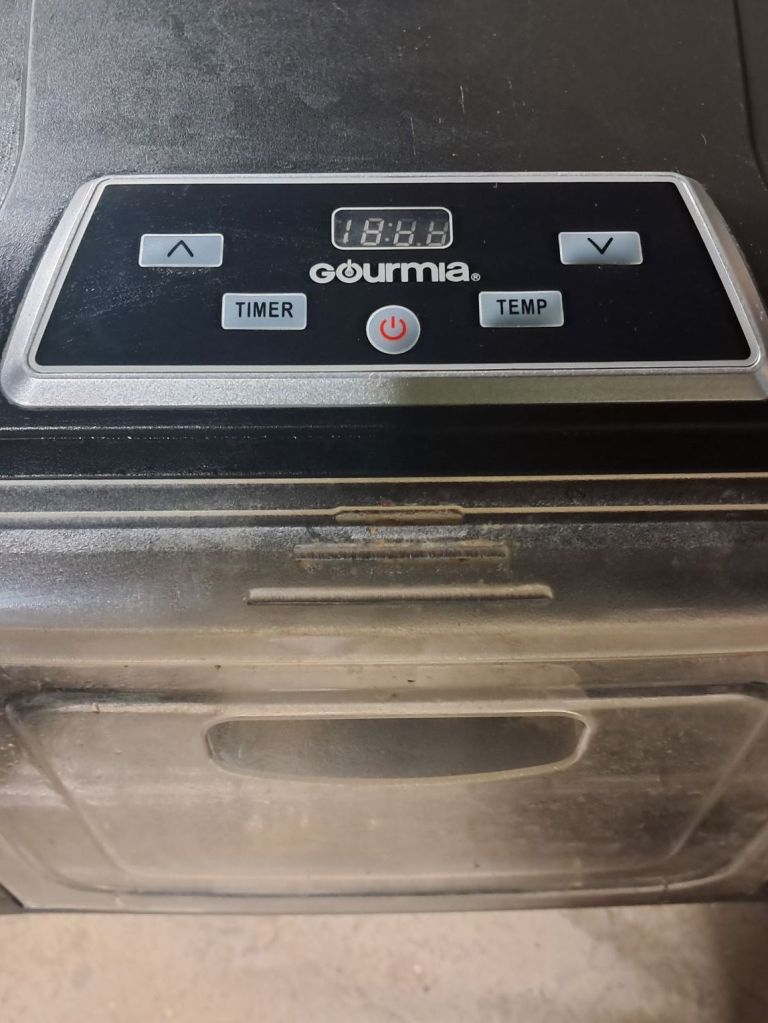
    • Dehydrator: 160°F, for 12 hours

    The Verdict: Smoked vs. Dehydrated Venison Jerky
    Both batches turned out delicious, but slightly on the dry side—a note for next time!

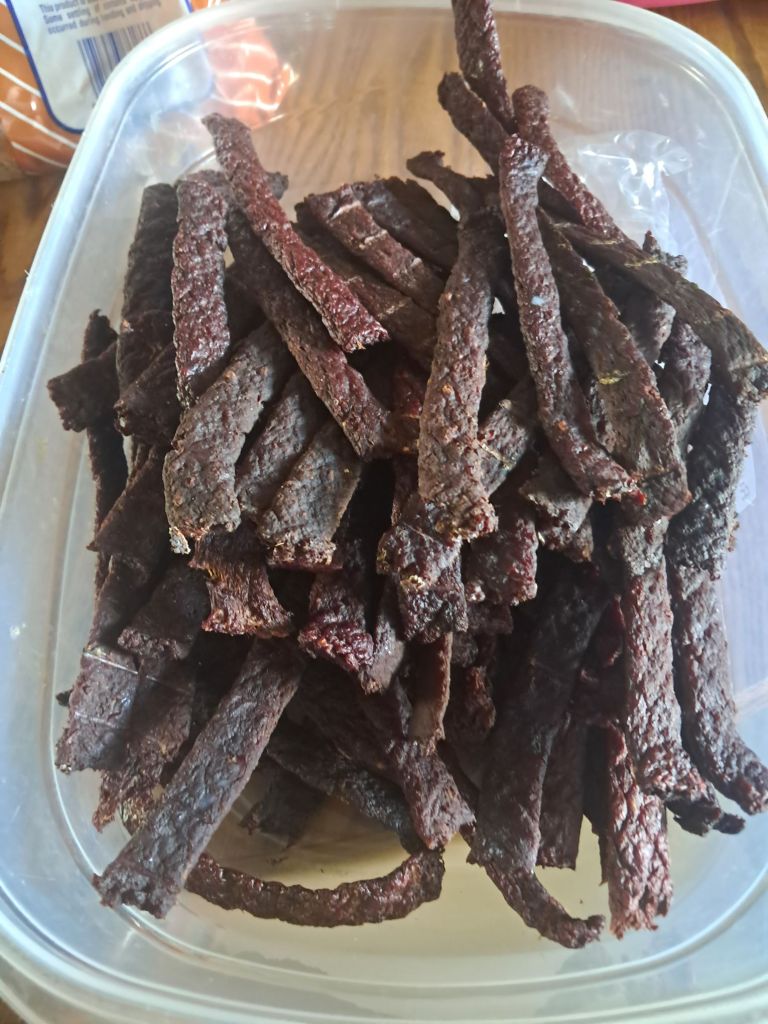
    The applewood smoked jerky, however, stole the show. The smoky aroma, subtle sweetness, and depth of flavor make it hard to beat. If you’re on the fence about getting out the smoker, trust me—it’s worth it.

    Smoked or dehydrated, homemade venison jerky tastes incredible, packs well for adventures, and gives you that satisfying “I made this!” pride every time you open a bag.

    Final Thoughts and Tips
    Making homemade venison jerky takes time, but it’s incredibly rewarding. You know exactly what’s going into your food, it’s healthier than store-bought, and it captures the true flavor of the hunt.


    If you’re new to jerky-making, I recommend experimenting with both smoking and dehydrating to see which method suits your taste best. Adjust drying time slightly to achieve your ideal texture.

    Join the Conversation!
    Have you made venison jerky before? What seasoning blend or wood smoke do you swear by? Comment below—I’d love to hear your tips! And if you enjoyed this post:
    👉 Like, share, and subscribe for more homesteading, cooking, and DIY food adventures. Your support helps us keep creating helpful content for folks like you!

    Follow us on social for daily kitchen and homestead inspo.

    #VenisonJerky #HomemadeJerky #WildGameCooking #HomesteadingLife #DIYFood #JerkyRecipes #SmokedJerky #DehydratorRecipes #FoodPreservation #FromFieldToTable