Category: Gardening

  • Keeping Time With the Land: How Seasonal Living Can Help You Slow Down

    Keeping Time With the Land: How Seasonal Living Can Help You Slow Down

    What the seasons can teach us about slowing down, finding balance, and belonging
    A version of this essay appears in the January 8, 2026 edition of the Dodge County Pionier.


    Ask most people how they measure time today, and the answers sound familiar: alarms, deadlines, color‑coded calendars, the endless scroll of days on a glowing screen. Phone notifications cut across dinner, school schedules slice afternoons into drop‑offs and pickups, and the next bill due date is never far from mind.

    Where I live, time follows a different rhythm—guided not by screens but by the soil itself.

    My family keeps time by the signals nature gives: sap rising in March, turtles crossing the road in May, fireflies at dusk in June, corn drying into gold by October. A cold north wind can say “November” more clearly than any app. These cycles remind us that time isn’t a race toward exhaustion; it’s a loop—a pattern of effort, rest, and return.

    In a world obsessed with productivity, the land offers a quiet lesson: slowing down isn’t falling behind. It’s catching up to what matters.


    Winter: the radical act of rest

    When the holidays end and snow hushes the fields, stillness takes hold. The world outside the window turns soft and muted, as if someone turned down the volume. Days stretch long. Nights invite reading, conversation, and quiet.

    In modern life, that slowness often gets labeled “unproductive.” Inbox counters climb even as the sun sets before dinner. But in the rural calendar, winter is preparation—the season the earth itself uses to heal. Under the frozen top layer, roots are resting, waiting for their cue.

    Inside, a different kind of work takes over: soup on the stove, a deck of cards on the table, a cat snoring near the heat register. There’s no badge for this kind of work, but the house feels fuller for it.

    Winter offers permission to pause. Even without a farm or a woodstove, anyone can claim a bit of that wisdom: choose a few evenings when nothing is scheduled, let the phone stay in another room, and let the quiet do its work.


    Spring: a rehearsal for renewal

    Spring announces itself quietly at first—a drip of meltwater from the eaves, the smell of mud, the first bird that sings before sunrise. One morning the snow looks tired; the next, you notice a thin green line where the lawn meets the sidewalk.

    We tap trees and plant seeds, acts that serve no instant gratification. The sap runs clear and cold, one slow drop after another into plastic jugs. Seed trays sit under lights, all dirt and hope, for weeks before anything green appears. Yet when syrup warms pancakes or sprouts unfurl in a window box, you can taste reward drawn from patience.

    Spring teaches urgency without panic. Ramps, asparagus, morels, and rhubarb arrive in a rush, then slip away as if they were never there. The season reminds us that beginnings are not one-time events but recurring invitations. The world doesn’t ask, “Did you start perfectly?” It asks, “Are you willing to start again?”

    You don’t need a sugar bush or a greenhouse to feel this. A single pot of herbs on a balcony, or a commitment to walk the same city block once a week and notice what’s blooming, can turn spring into a ritual rather than a blur.

    And after that first rush of green, the land hardly pauses—by July, it’s in full voice.


    Summer: where work and joy meet

    By midsummer, everything hums. In the afternoon heat, insects buzz like a low electric current in the fields. Lawnmowers start and stop up and down the street. Windows are open, and someone, somewhere, is grilling.

    Gardens overflow. Tomatoes split if you don’t pick them in time. Zucchini multiplies on the counter and quietly appears on neighbors’ doorsteps. Kids shriek through sprinklers, leaving wet footprints on hot pavement. Even the air smells different: cut grass, sunscreen, diesel from a tractor on a distant road.

    Like the growing season, our best days often mix effort with enjoyment. Summer’s lesson is simple: work and joy are not enemies. They often belong in the same hour. There is satisfaction in going to bed with dirt under your fingernails and the memory of a late sunset still bright in your mind.

    The reward for effort can be as close as a ripe berry, a shared picnic in a city park, or a tired, happy body at the end of a long, light-filled day.


    Autumn: gratitude and gathering

    Autumn softens the light and sharpens the air. Mornings carry that first hint of frost, and you can see your breath if you step outside before the sun gets serious. Leaves turn from green to gold and red, then crunch underfoot in the driveway.

    The season’s abundance—pumpkins on porches, apples piled in crates, shelves lined with jars and loaves—reminds us how much depends on cooperation: between people, earth, and time. No one person makes a harvest alone. There are seed savers, farm workers, truck drivers, grocers, and cooks all woven into the meal.

    Gratitude, in this season, isn’t just a word reserved for a single holiday. It’s the habit of looking at an ordinary table—soup, bread, a piece of fruit—and seeing the many hands and seasons that brought it there.

    Even in an apartment, autumn can become a practice of gathering: inviting friends over for a simple pot of chili, walking through a park under changing trees, or taking five extra minutes to watch the early dark settle in instead of rushing past it.


    What circles can teach a linear world

    When winter returns, it’s easy to see it as a setback: dark, cold, the end of something. But the more closely the seasons are watched, the clearer it becomes that time does not move in a straight line. It hums in a circle.

    Each season brings another chance to begin again—not by doing more, but by noticing more. The calendar on the wall may march from one square to the next, but the world outside repeats its old, trustworthy patterns: thaw, bloom, heat, harvest, rest.

    Wherever you live—city or countryside—you can keep time with the land in your own way. Let January be a little slower. Let spring mean at least one meal built around what is fresh where you are. Let summer include a night spent outdoors until it’s fully dark. Let autumn carry a moment of thanks, even if it’s just whispered over a sink full of dishes.

    The land has never hurried. It always arrives where it should. Maybe we can too, if we’re willing to step out of the race now and then and walk in circles for a while instead.


    How could you bring a bit of seasonal balance into your daily routine? Please let me know below in the comments.

    If this reflection on seasonal living resonated with you, please take a moment to like and share it with someone who might need a gentler rhythm right now.

    To receive future essays on slow, seasonal living straight to your inbox, subscribe to the blog and join this little community of people learning to keep time with the land.

    Related Posts

    The Quiet Wealth of These Fields

    Welcome to the rural economy—where value isn’t counted in cash but in connections. Beneath the wide-open sky, where grain silos and fence posts stitch the land into neat parcels, the real currency is not minted or printed. It’s grown and built, raised and traded. Trust, hard work, the barter of honest services and handmade goods.…

    Keep reading
  • Homestead Longevity Habits: Growing Food, Raising Kids, Real Life

    What are your thoughts on the concept of living a very long life?

    Do you want to live to 100—or just live well until 98, still gathering eggs with grandkids?

    I don’t know if I’ll get there, but my great-grandfather did, according to my Dad. He was lucid and mobile nearly to the end. In my mid-30s, I’m stacking practical habits on our homestead to increase those odds: growing food, raising kids, building community.

    My Daily Longevity Playbook
    Stress reduction starts by cuddling with my kids—reading to them works better than any app.

    I aim for a half-hour outside daily, walking our land or talking to friends on the phone. Friendships faded for years after college, but now I’m rebuilding. I pursue projects with neighbors, a monthly book club I love (the reading! the conversations!), and a local women’s business group. These are the bonds that science says add years to your life.

    Food comes mostly from our backyard or my hands. Kneading bread with kids’ sticky fingers. Simmering soups from last week’s harvest. My toddler daughter prefers kitchen chaos—stirring, measuring—over outdoor chores (though she squeals for eggs). These moments teach more than nutrition.

    Movement stays simple. Fifteen minutes most mornings. Hauling feed sacks, chasing little legs—it builds bones that last.

    We’re saving more than 15% now—no desks at 90. Self-reliance cuts costs. Growing our own feeds the plan.

    Parenting builds the deepest roots. Our six-year-old folds laundry (grumbling). Toddler “helps” everywhere. These shared chores create memories stronger than birthday cards decades from now.

    Marriage anchors everything. My husband and I have cultivated collaboration—shared goals, complementary strengths. He lifts heavy, builds systems. I tend garden rhythms, kid routines. This divides loads, multiplies joy, limits resentment. Longevity for two definitely beats going it alone.

    Sleep: The Hardest Reset
    Pre-kids, unbroken sleep was default. Now? Night wakings, early risers, worry-spinning mind. Relearning happens slowly: early dinners, screen-free evenings, herbal tea. One solid night compounds.

    What 98 Years Taught Me
    My dad remembers Great-Grandpa’s callused hands still driving around at 95, pipe smoke clinging to his flannel. No protocols—just simple food, steady movement, people who mattered. That’s my blueprint.

    I see myself at 90 on our porch: grandkids gathering eggs, husband rocking nearby, son and daughter helping us, friends sharing harvest soup. That picture fuels every dirt-caked morning.

    The Homestead Longevity Formula
    Growing food, raising kids, building community—these practices stack together, increasing the odds of a long life according to science. Whole foods fight inflammation, movement builds resilience, relationships protect telomeres. I don’t know if I’ll reach 98, but I’m doing what I can to tilt the scales. Truth hits hardest when flour dusts my daughter’s nose or my husband and I split evening chores by instinct.


    Your turn: What’s your one non-negotiable longevity habit amid real life? Drop it below—I might steal it for our place.

    If this hit home, help it reach someone else:
    ❤️ Like if you’re building for the long haul
    📤 Share with a friend fighting sleep battles 
    📧 Subscribe for more Practical Homesteading

    **Growing food, raising kids, building community**—straight to your inbox.

    Related Posts


  • What Could I Do Differently?  Homesteading, Kids Chores, and Friend Connections

    What Could I Do Differently? Homesteading, Kids Chores, and Friend Connections

    What could you do differently?

    I catch myself asking this while scrubbing potatoes at the sink, weeding garden rows, or picking up blocks for the tenth time.

    On our homestead, the work never stops. But lately, I’ve seen a few clear ways to shift — not for perfection, but for more peace, presence, and real connection with the people who matter most.

    Slow My Yes. Guard My Rest.
    Here’s one big change: I’d say yes more slowly. And treat rest like a non-negotiable chore.

    Extra commitments sneak in easily — kid activities, one more property project, favors for friends. They’re good things. Until they blur our days into exhaustion.

    Rest isn’t optional. It’s fuel.

    What that looks like for us:
    – One protected family evening weekly. No plans. No screens.
    – A slower morning after big days, even if dishes wait.
    – Sometimes my best “yes” is actually no — leaving margin for what refills us.

    Pull the Kids Closer (Mess and All)
    When I’m tired, my instinct is “just do it myself.” That’s changing.

    We’ve asked our six-year-old to help clean and put clothes away. He sighs. Drags his feet through the laundry pile. Grumbles. But he does it. And when he does, my load lightens. We talk about his day while he folds socks and I straighten up the living room. We laugh when a shirt lands inside-out.

    Kids helping isn’t efficient. It’s essential.

    Those small chores build something bigger: his sense of belonging, our family rhythm, moments to actually connect instead of just managing the house around him.

    Make Space for Neighbors
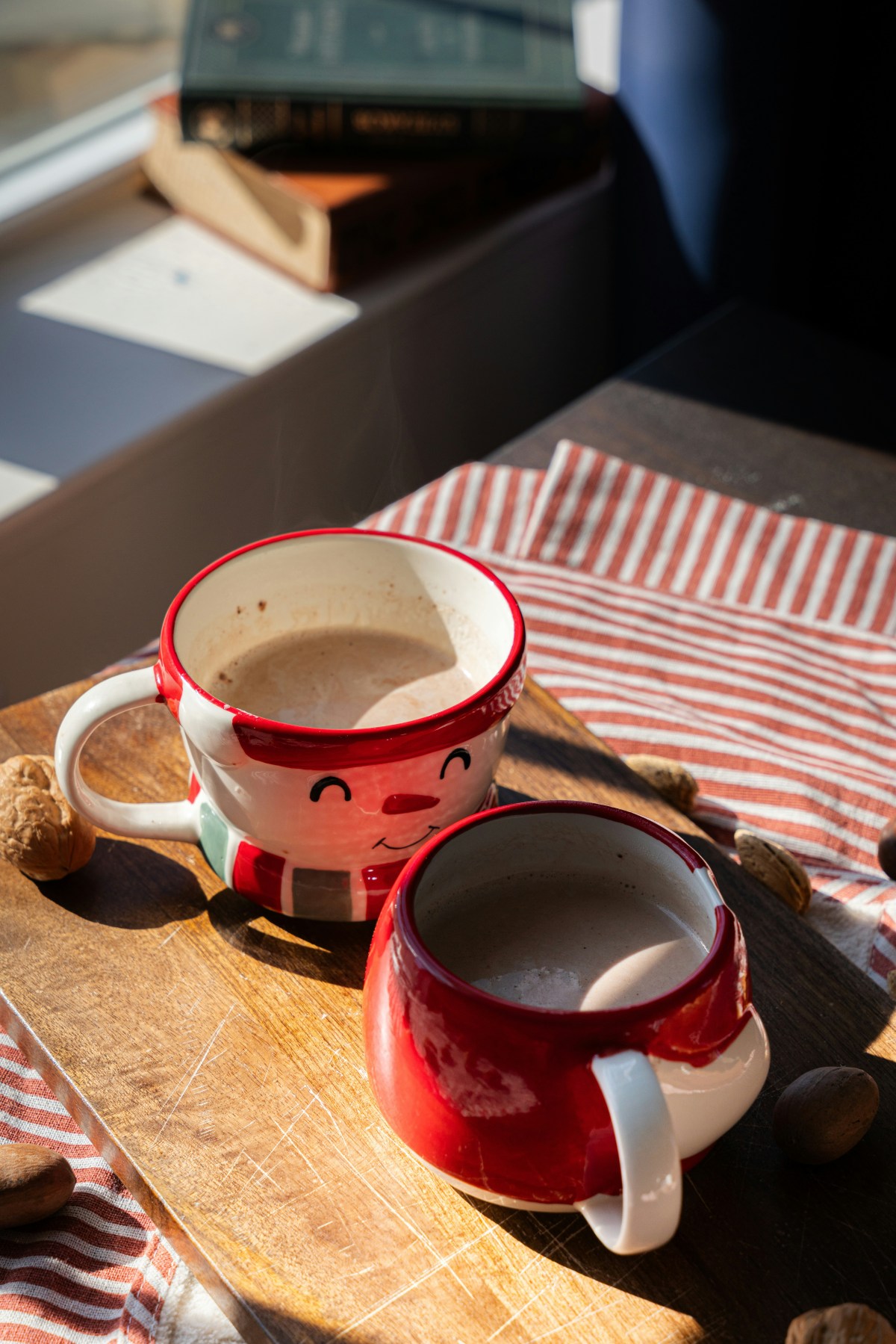
    Right now, we’re looking for more neighbor friends — the kind who stop by with garden produce or help with a project. Lately, I’ve been carving out time for one friend, helping her keep up with a winter garden. We talk animals, plot cold frames, and hope for a game night soon under blankets with hot cocoa.

    That’s the kind of margin I want more of. Not just for projects, but people. The garden beds matter. But so do late talks about goats versus chickens, shared labor on a neighbor’s shed, or laughter over cards with new friends nearby.

    Real community doesn’t form on a schedule. It grows.

    What I could do differently: protect one flexible afternoon weekly for whoever shows up — the neighbor with a question about crop rotation, or someone new walking up the drive. Our homestead thrives when the people around it do, too.

    The Change That Stays
    These shifts aren’t a checklist to conquer. They’re small turns toward what matters:

    – Saying yes slower.
    – Resting on purpose.
    – Inviting kids into real chores like cleaning and clothes.
    – Making room for neighbors, not just garden rows.

    The weeds won’t stop growing. The laundry won’t vanish. But with these changes, our home could become what I picture most:

    A place where garden beds,
    kids folding tiny clothes,
    and neighbors’ boots on the porch
    all thrive side by side.


    What’s one thing you could do differently this week? Share your thoughts in the comments!

    If this post sparked a moment of thought or connection for you, please take a moment to like, share, or subscribe. Your support helps this little space of reflection and growth keep blossoming.

    Love real-life stories from the homestead? Practical Homesteading: growing food, raising kids, building community. Get honest reflections like this in your inbox.

    Related Posts

  • We’re Stronger Together:  Homesteading, Family, and the Power of a Village

    We’re Stronger Together: Homesteading, Family, and the Power of a Village

    If you had a freeway billboard, what would it say?

    “Real life — the good kind — isn’t a solo project. It’s meant to be shared.”

    If I Had a Freeway Billboard, It Would Say:
    “We’re Stronger Together.”
    Simple. Short. True.

    That phrase might only take a second to read, but it’s something I’ve come to believe deeply over time. Homesteading, parenting, and everyday life keep reminding me that none of us truly thrive in isolation. We can’t — and we’re not meant to.

    The Myth of “Doing It All”
    I’ve tried to “do it all” before. Maybe you have, too.

    I remember one quiet afternoon watching our toddler play alone in the wide stretch of our backyard. Sunlight shone on his light blonde hair. Chickens were clucking somewhere behind him. The smell of wet grass lingered after the rain. My husband and I had been talking about having another child, but the thought brought a flood of questions. Could we manage it all — raising little ones, keeping the homestead going, working — without losing our minds or each other?

    That moment planted a seed. I didn’t know it then, but it would change how we lived. Even though we were proud of our self-sufficiency, trying to do everything alone left us stretched thin and quietly disconnected.

    Real life — the good kind — isn’t a solo project. It’s meant to be shared.

    In the four years since that afternoon, so much has changed. We moved closer to family and, not long after, welcomed our daughter — another beautiful whirlwind of toddler energy. Now we have more of a village to help raise her. And in turn, we can show up for others.

    That web of giving and receiving has made all the difference. It’s turned our days into something more sustainable, more joyful, and far more connected.

    Why “Together” Matters
    It’s easy to imagine strength as something proven alone. But real strength is interwoven — built through connection, trust, and shared effort.

    It’s the kind that shows up when neighbors help fix our house, when friends drop off soup unasked, or when laughter spills out during chores that would otherwise feel endless.

    On the homestead, togetherness looks like shared harvests and muddy boots side by side. The garden gets weeded faster when more than one person is pulling. The work lightens, and the smiles come easier.

    That’s the kind of strength that fills the spaces where frustration or loneliness might otherwise take root.

    And that same truth guides the way we’re raising our kids.

    Building “Together” at Home
    In our family, we talk a lot about contributing to the household — because this home’s success belongs to all of us.

    Since I started giving our six-year-old a daily job, he’s made it clear he doesn’t always love it. He sighs, he drags his feet, and he grumbles his way through — but he does it.

    And afterward, something shifts. My load feels lighter, our days run smoother, and I have more time to simply be with him — to laugh, to listen, to connect.

    The lesson is simple but powerful: we build strength, resilience, and belonging not by doing everything ourselves, but by doing our part together.

    What That Billboard Really Means
    So if someone sped past my billboard and read the words “We’re stronger together,” I’d hope it would land right when they needed it most — in a moment of overwhelm, or when they’re trying to carry too much alone.

    Because strength doesn’t have to mean solitude. Sometimes the bravest thing we can do is reach out a hand — or take one that’s being offered.

    After all, the strongest gardens — like families — grow best when many hands tend them.

    And that truth keeps my feet steady, season after season.

    We’re stronger. Together.


    What’s one way someone has shown up for you recently? Please share your stories in the comments.

    If this post sparked a moment of thought or connection for you, please take a moment to like, share, or subscribe. Your support helps this little space of reflection and growth keep blossoming.

    Love real-life stories from the homestead? Join the Practical Homesteading email list for new posts on growing food, raising kids, and building community, plus seasonal updates and simple, practical ideas for home.

    Related Posts

  • My Top 5 Essential Grocery Staples for Homesteading and Scratch Cooking

    My Top 5 Essential Grocery Staples for Homesteading and Scratch Cooking

    List your top 5 grocery store items.

    Disclosure: This post contains affiliate links. As an Amazon Associate, I earn from qualifying purchases. Thanks for supporting Practical Homesteading!


    If you walked down a typical grocery store aisle with me, you might think I’m lost. While most American shoppers reach for convenience, I’m the one squinting at sacks of flour, jars of yeast, and tubs of coconut oil — the same staples my great-grandmother probably chose 75 years ago. I don’t shop for ready-made meals; I shop for possibility.

    At home, those bulk ingredients become whatever we need — bread, tortillas, sauces, or even snacks. If I don’t know how to make something, I learn. A simple search and a quiet evening in the kitchen have taught me more than any cookbook could. This hands-on, old-fashioned approach has saved us thousands over the years, but more importantly, it’s built confidence, patience, and gratitude for every meal we share.

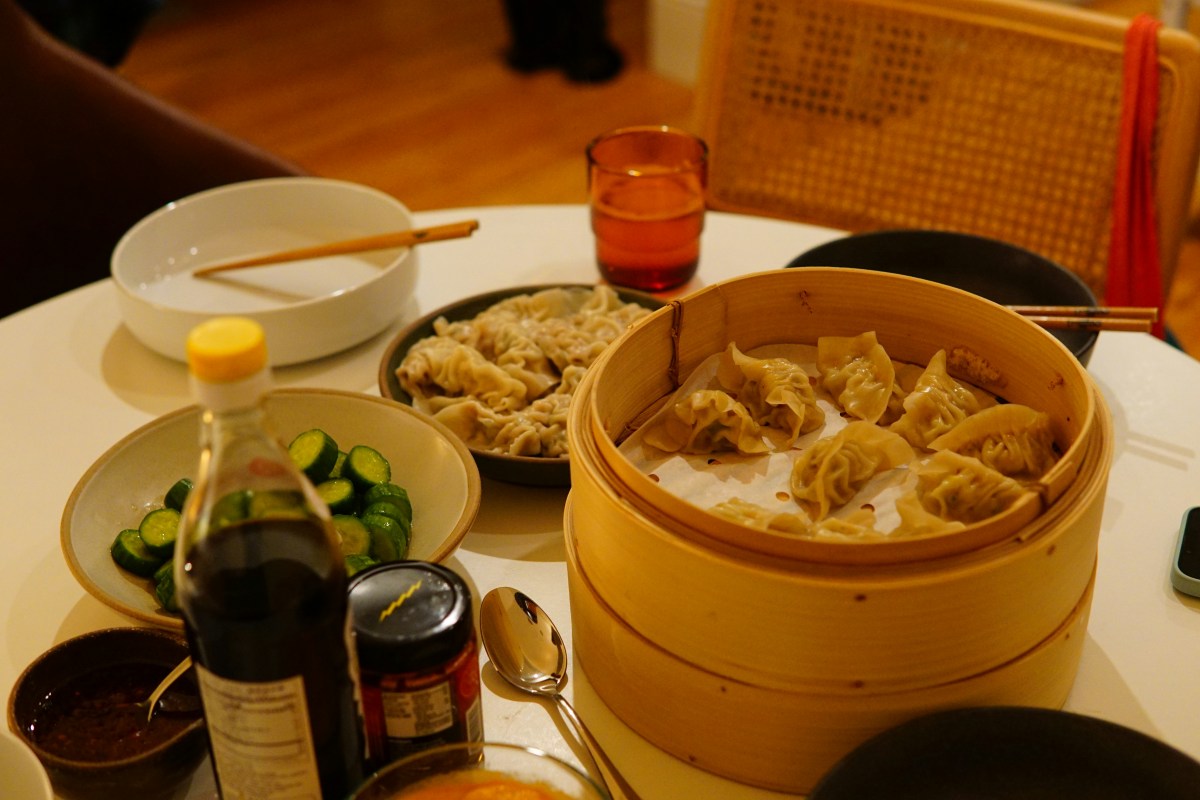
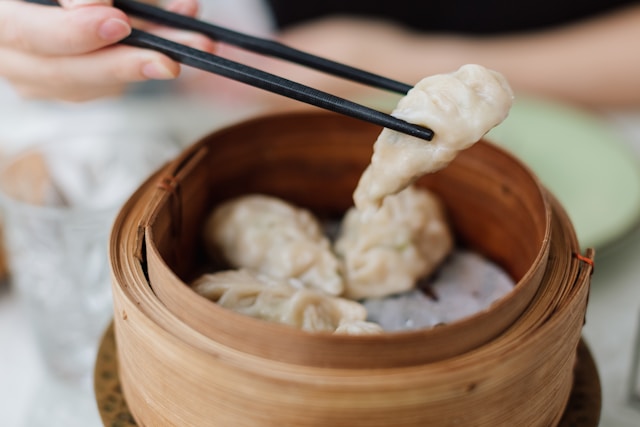
    Now, that doesn’t mean I don’t enjoy Chinese takeout once in a while! I’ve learned to make my own dumpling and stir-fry recipes — they’re delicious when they turn out, and hilarious when they don’t. (One of my most epic flops was a lemon pepper chicken so salty it could’ve been used as a salt lick.) Mistakes keep me humble, and in a way, they’re the best ingredient for growth.

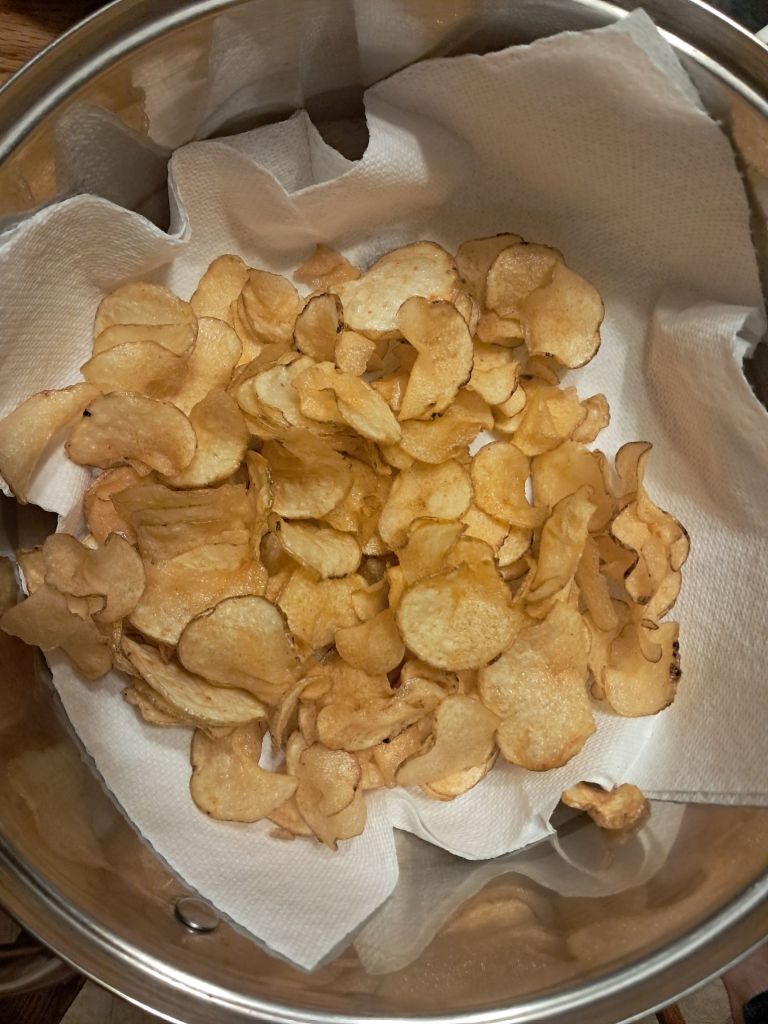
    Homemade potato chips
    Bloody Mary with mostly homegrown ingredients

    So with gratitude — and a dash of humility — here are my five most essential grocery items and how they shape my kitchen life on the homestead.


    5. Coconut Oil

    Coconut oil (affiliate link) is my go-to multipurpose fat. It melts like butter and works wonders in place of lard or shortening. I use it to pop popcorn, bake desserts, and even blend it into homemade flour tortillas.

    Its aroma — faintly sweet and buttery — adds a subtle depth you can’t quite place but always appreciate.

    Tip: For tender baked goods, replace half the butter or shortening in your recipe with coconut oil, then reduce liquid slightly. It gives just enough chew without the greasy feel.


    4. Active Dry Yeast

    Yeast (affiliate link) is the quiet hero of my kitchen — small, simple, and full of potential. Watching dough rise never loses its magic, especially when the kitchen smells of warm, sweet yeast and anticipation.

    It symbolizes self-reliance: turning flour, water, and salt into something living, breathing, and nourishing.

    Tip: Always proof yeast with a pinch of sugar in warm water (around 110°F). If it bubbles within 10 minutes, your dough is ready to rise.


    3. Chicken and Beef Bouillon Powder

    I lean on chicken (affiliate link) and beef (affiliate link) bouillon powders for soups, gravies, and especially rice. Cooking rice in chicken or beef stock instead of water transforms it from plain to crave-worthy.

    I also mix beef bouillon into my homemade onion soup powder — it adds warmth and richness that store mixes can’t match.

    Tip: Swap half the water for stock when cooking noodles, grains, or vegetables. It’s the fastest way to round out flavor without extra sauces or salt.


    2. Plain White Sugar

    Plain old white sugar earns a spot near the top because it does so much more than sweeten desserts. It wakes up yeast, balances tomato acidity, and — lately — fuels our lemonade habit.

    My sister keeps me well-supplied with lemons, so I make fresh lemonade weekly. When the kids come in sun-dusted and thirsty, that chilled pitcher waiting in the fridge makes them light up.

    Tip: Add a teaspoon of sugar to tomato sauces or soups to tame acidity without losing depth of flavor.


    1. Flour

    If coconut oil is the heart of my pantry, flour is its backbone. I buy high-gluten flour for breadmaking (affiliate link), but I’m excited to experiment more with ancient grains soon.

    The feel of dough under my hands, the smell of a fresh loaf cooling on the counter, and the crackle as it’s sliced — it’s the rhythm that grounds my kitchen.

    Flour builds loaves, tortillas, focaccia, and even desserts. It’s humble, forgiving, and powerful — no one in my house has ever once complained about home-baked anything.


    We rarely buy vegetables from the store, relying instead on what we’ve grown and preserved — jars of tomatoes, beans, and pickles lining the pantry. They remind me that what we grow in summer sustains us long after the frost sets in.

    Our winter meals center around potatoes, onions, and frozen vegetables like broccoli and bell peppers. We’ve experimented with extending our garden season using a small greenhouse and straw. There’s something deeply satisfying about pulling greens or a carrot from a garden while snow still glitters outside.

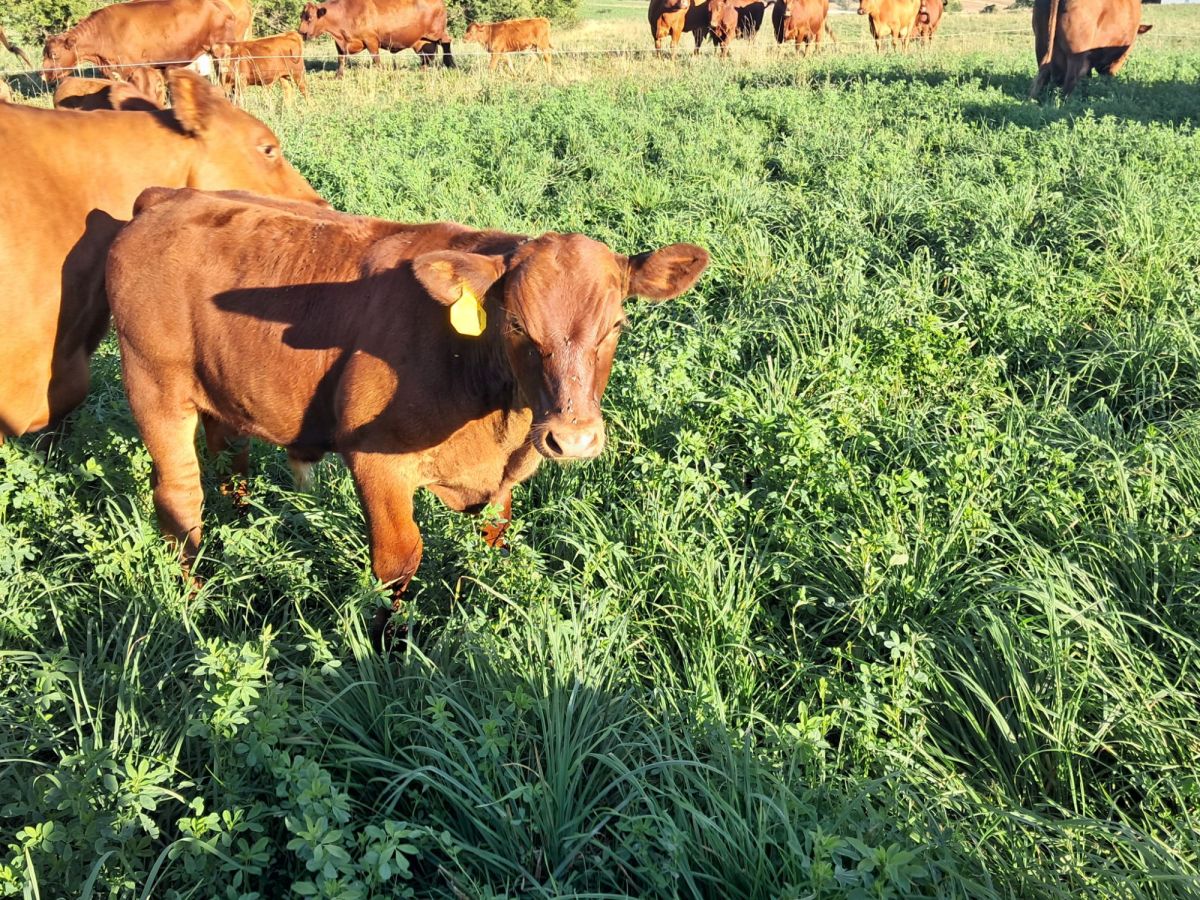
    As for meat, we’re still building toward full independence. We raise our own pork, purchase beef from my sister’s grass-fed herd, and still buy chicken from the store — for now. One day soon, meat birds will join the homestead lineup, and the circle will feel more complete.

    Each grocery item on this list earns its place not for novelty but for versatility. They remind me that eating well doesn’t require endless ingredients — just a few solid building blocks and the creativity to make them shine.

    This slower, more deliberate approach to cooking has taught me creativity, patience, and gratitude — lessons that spill over into every other area of life.

    Homesteading has shown me that ingredients matter less than the care and love you pour into them. Every loaf, jar, and meal built from raw goods feels like an act of heritage — and hope — in a world that moves too fast.

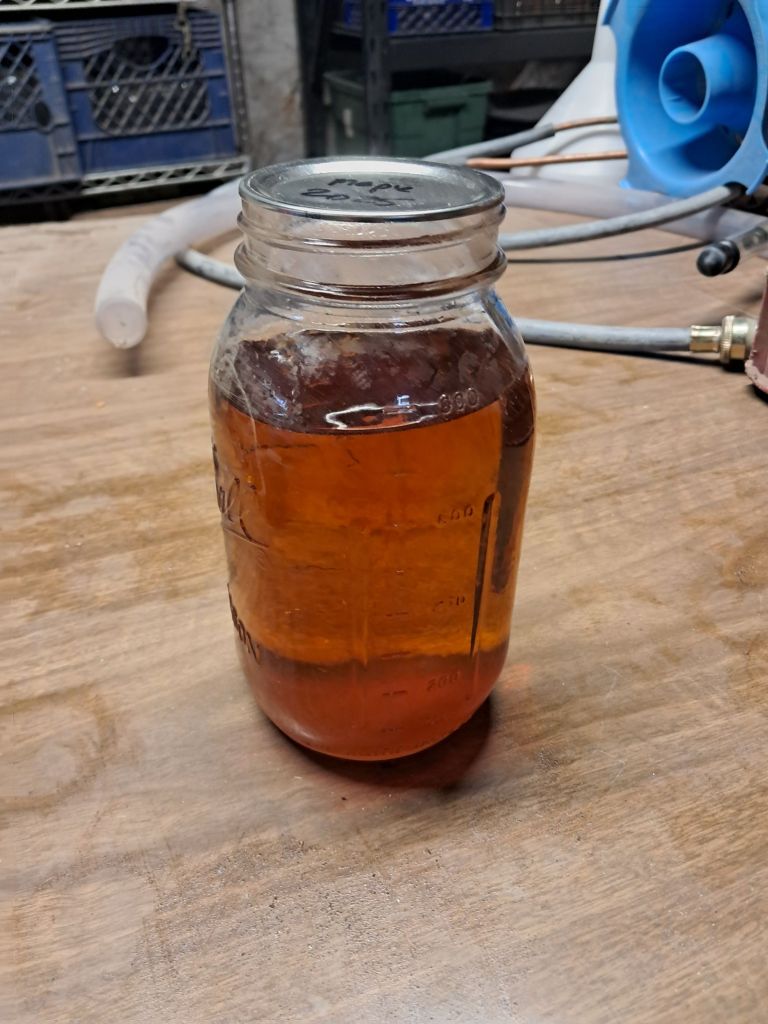
    Homestead maple syrup

    What five grocery staples would make your list? Please share them in the comments. And if this post inspired you, please likeshare, or subscribe to follow more homesteading stories, seasonal recipes, and simple living tips.

    Related Posts

    The Choreography of Cattle and Grass

    Experience a vivid farm story about rotational grazing, resilience, and regenerative land stewardship through the eyes of a family and their Red Angus herd. Discover how cattle, people, and pasture move together in balance

    Keep reading
  • How a Simple Venison Stir Fry Taught Our Family the Heart of Homesteading

    How a Simple Venison Stir Fry Taught Our Family the Heart of Homesteading

    Disclosure: This post contains affiliate links. As an Amazon Associate, I earn from qualifying purchases. Thanks for supporting Practical Homesteading!


    There’s something special about meals that tell a story. The kind of food that’s more than a recipe — but part of life. For us, that story came together in one simple dish: a homemade venison stir fry. It started months ago in the garden, wound through a winter greenhouse, and ended at a table surrounded by six hungry, happy faces. This wasn’t only food, but it a reminder of why we homestead in the first place.


    A Stir Fry That Tells a Story

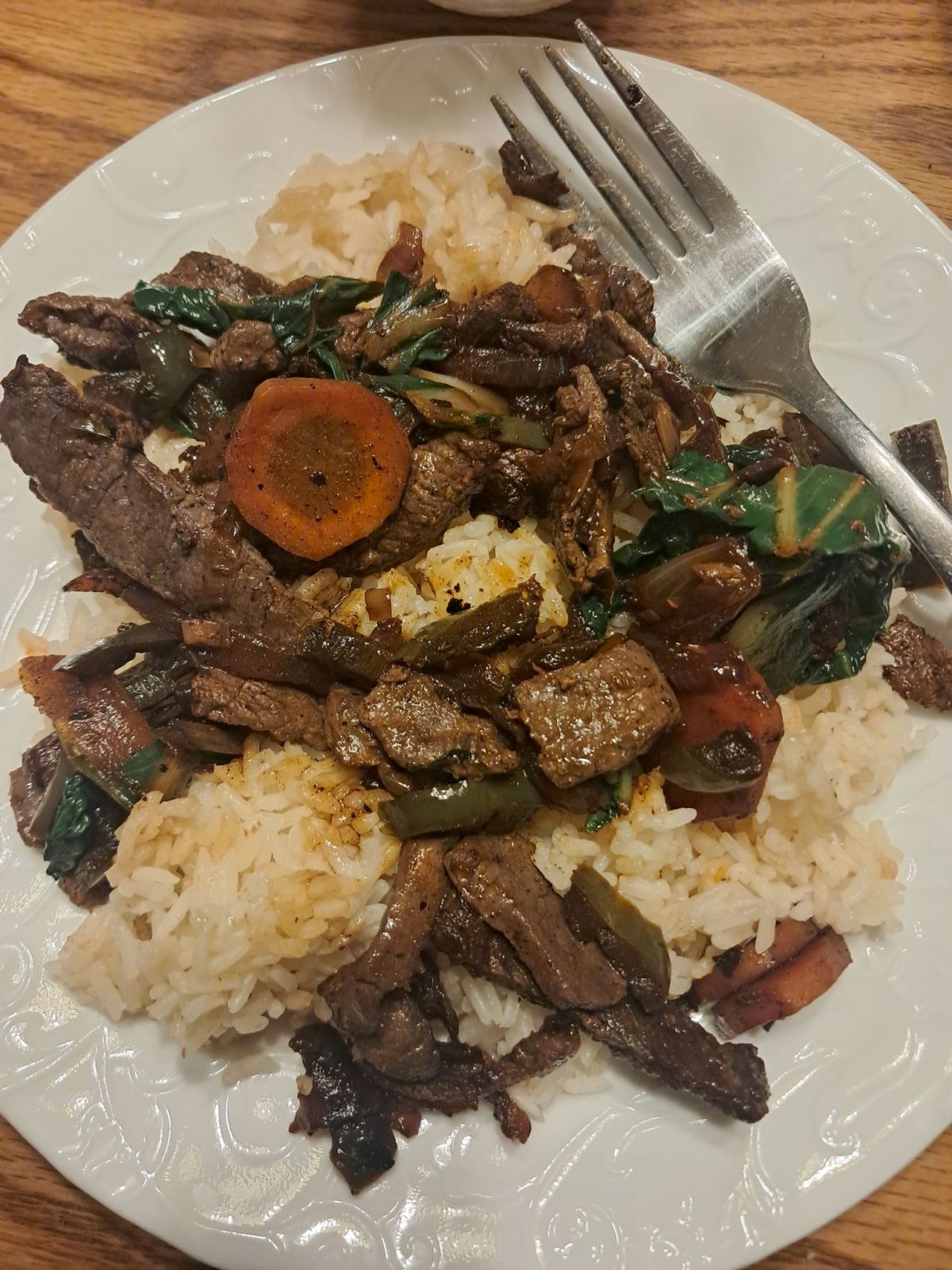
    We had venison stir fry for dinner recently, a meal that smells like effort and tastes like reward. Stir fry always means chopping, sizzling, and a little chaos in the kitchen, but every bite feels like celebration. The dish is never quite the same for us. It shifts with the seasons and whatever our garden and freezer produce. That’s part of its beauty — it’s a living reflection of our homestead.


    From Seed to Skillet

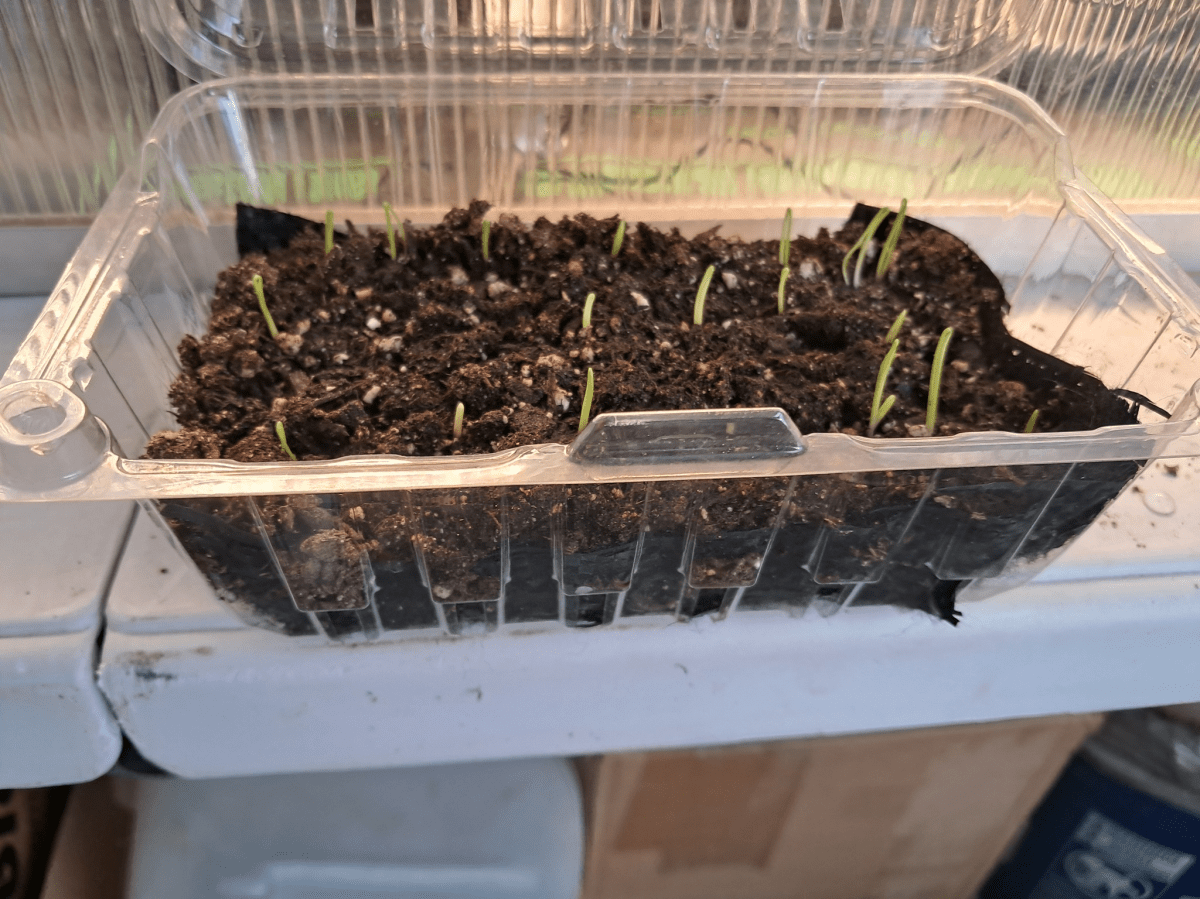
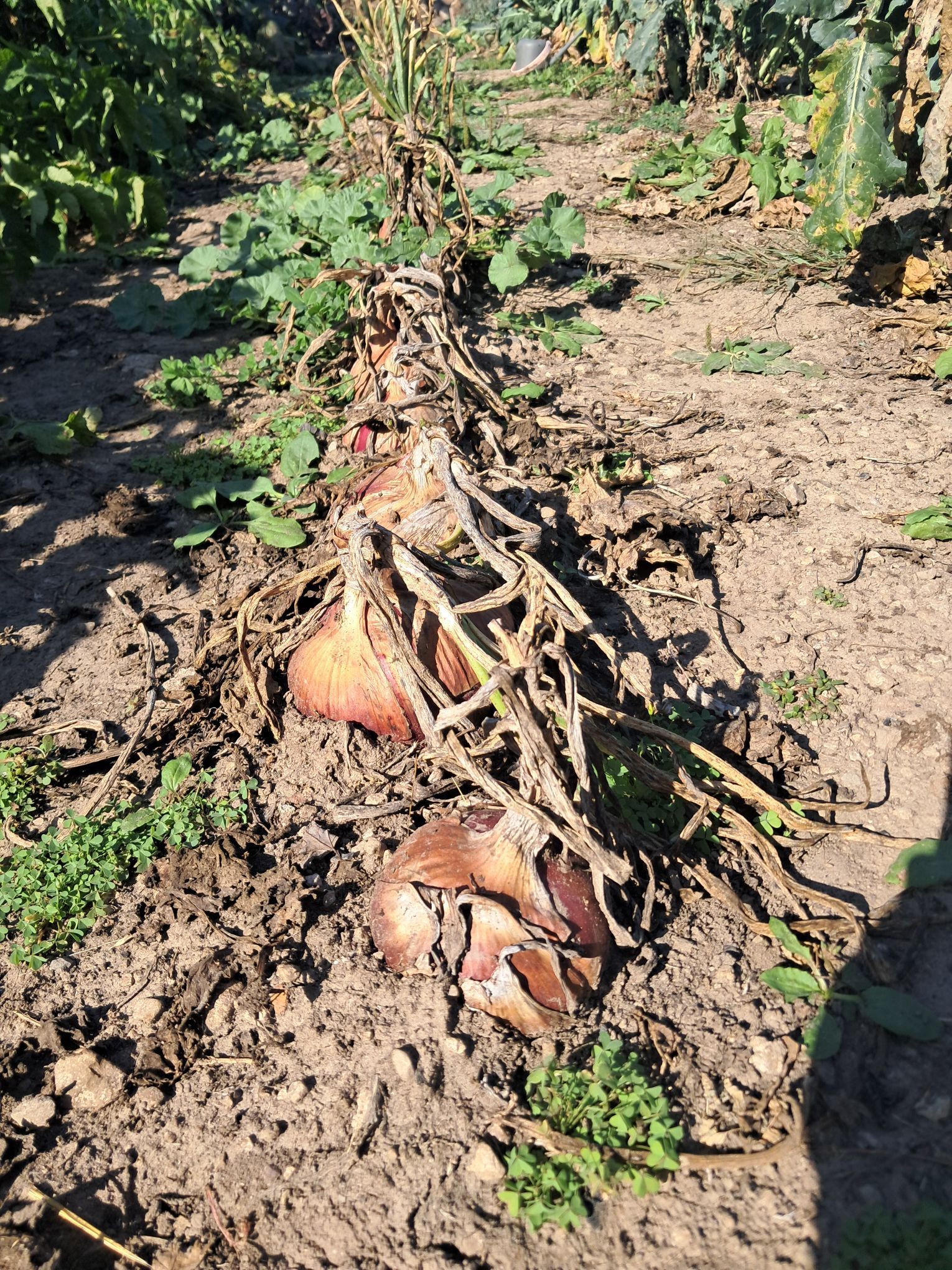
    The story of this particular stir fry starts late last winter when we started onion and pepper seeds inside. We watched them grow, and my son delighted in trimming the onion shoots to give more life to the roots. Come spring, we pressed carrot seeds into the earth and transplanted our onions and bell peppers. By summer, our days smelled sweet and green. My kids loved pulling up carrots, brushing off dirt, and biting in right there in the garden. Their juice was sweeter than candy. The onions swelled to the size of softballs. When their stalks dried, we cured them in the basement. Then we set them inside old fruit crates beside jars of last year’s preserves. Peppers overflowed in waves of green, so I bagged and froze them for colder days.

    Onions as they first sprouted from the ground.
    Mature onion, ready for harvest
    Peppers galore!

    Homesteading tip: Frozen bell peppers don’t need blanching. To preserve, just slice, seed, and freeze them raw for perfect stir fry texture later.  Onions can be cured and placed in a cool dark place to keep over winter.

    By November, we tucked our last carrots under straw, the soil still holding its warmth like a secret.


    Winter’s Sweetest Harvest

    In December, I scraped away snow and straw with my bare hands to dig some carrots. (A mistake I won’t repeat — frostbite nearly earned an invitation to dinner.) My son peeled them eagerly, and when we tasted the first one raw, its sweetness floored us. Cold turns carrots into sugar. They’re winter candy disguised as vegetables.

    Homesteading note: A thick straw mulch keeps carrots from freezing and lets you harvest them into early winter.

    Winter carrots

    Greenhouse Gold

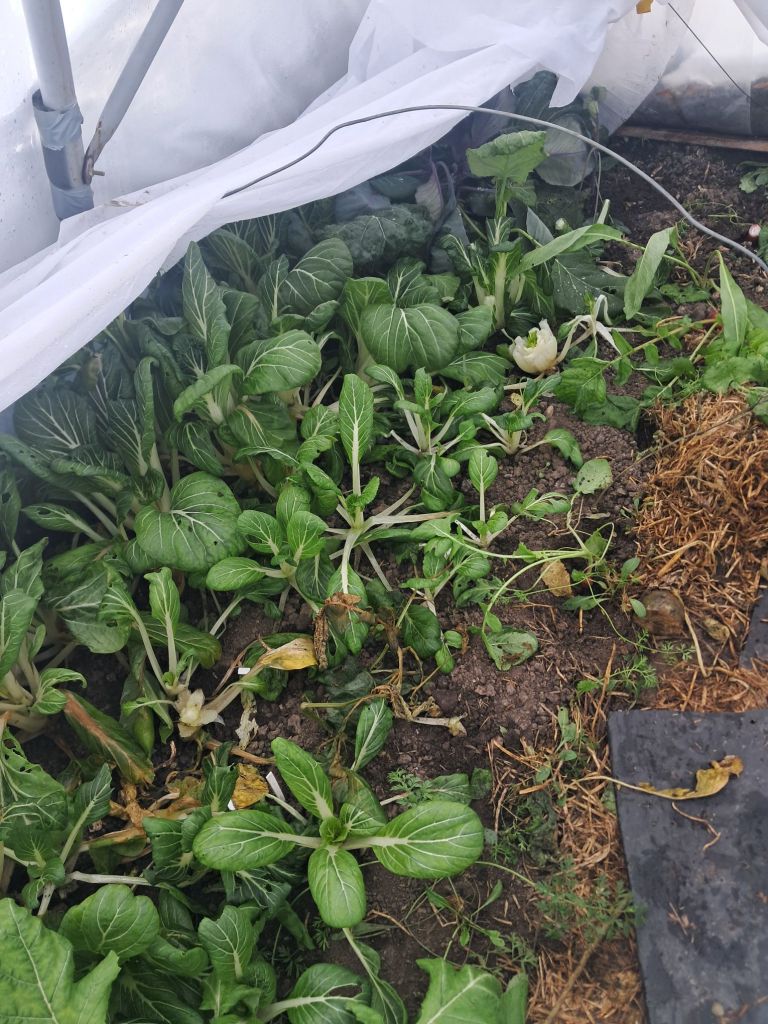
    The bok choy came from a new experiment. I helped my experienced friend start a winter garden. I still remember stepping into her small greenhouse surrounded by snow. The chill outside vanished into crisp air that smelled of soil and life. Beneath soft covers, green leaves glowed faintly in the filtered light. Harvesting bok choy in December felt like a small miracle.

    Winter gardening tip: A simple plastic-covered hoop house and landscape fabric over each row can extend your growing season by months. The flavor difference in fresh winter greens is unbelievable.

    Bok choy harvested in December

    Family in the Kitchen

    Cooking became a family affair. My daughter stood at my side, eyes watering over the cutting board, proudly dropping onion slices into the container as I sliced them with this knife (affiliate link). My six-year-old son learned how to make rice that night — a big responsibility. We’d bought the rice from our local scratch-and-dent store for much less than retail. It wasn’t something we grew ourselves, but it was another way to live intentionally, supporting local businesses and stretching our budget.

    He measured the rice, water, and bouillon with quiet focus, stirring carefully to break up every clump in the pressure cooker (affiliate link). Watching his concentration, I realized that learning to cook simple staples might be one of the best skills a homesteader’s child can develop.

    Parenting philosophy: Give your children small but meaningful jobs in the kitchen as you cook.  It takes the burden from you to endlessly entertain them, and they learn real life skills.


    Wild Meat, Real Gratitude

    The venison came from the road. This deer was recently hit by a car, and my husband found it on his way to town one chilly fall day. He hauled it home, and that night he and his dad processed every usable piece. We made jerky from some and froze the rest for meals like this. There’s a quiet satisfaction in knowing exactly where your food came from, in salvaging instead of wasting.

    Homesteading philosophy: Nothing should go to waste. This includes an animal, harvest, and opportunity to teach your children how to create value from what’s available.


    From Skillet to Supper Table

    When it was time to cook, I sliced the venison thin while half-frozen and marinated it overnight. The next day, the meat hit the hot skillet (affiliate link)— hissing, sizzling — browning into tender, caramelized pieces. My kids stole bites faster than I could cook them.

    Cooking tip: Slice meat against the grain while it’s half-frozen for cleaner cuts and more tender results. This small trick makes all the difference with lean game meat like venison.

    The vegetables followed: frozen peppers releasing water that deglazed the pan. The onions soaked up the sauce until they were golden brown. The carrots softened just a bit. The bok choy folded gently into the mix. The whole kitchen filled with the earthy perfume of garlic, soy, and family.


    Six Around the Table

    By dinner, the six of us — our little family and my husband’s parents — gathered around a steaming pot of rice and a glossy pot of stir fry. It wasn’t just delicious; it was ours — every part grown, harvested, found, or crafted by hand. That’s the heart of homesteading for me. It’s not simply saving money or knowing what’s in your food. It’s seeing how the garden dirt beneath your nails, a salvaged deer, and a child’s curiosity can all end up in the same bowl. It’s nourishment that carries the story of your family’s seasons.


    Homestead Notes

    • Preserve what you grow: Freeze peppers raw and store onions in breathable boxes.
    • Extend your harvest: Straw-mulched carrots and cold-frame greens can provide fresh food even in winter.
    • Use what you have: Venison, garden vegetables, and discounted pantry staples can turn a simple meal into a story.
    • Teach through involvement: Kids remember the meals they helped make far more than the food they simply ate.

    If our venison stir fry story stirred something in you — a memory, a craving, or just a bit of inspiration to slow down and cook what you grow — we’d love for you to join our little homestead circle.


    Click like if you enjoyed this story. Share it with someone who’d appreciate the journey from seed to supper. Subscribe to follow along as we grow, cook, and live season by season.

    Related Posts

    How to Make Homemade Venison Jerky: Smoked vs Dehydrated

    If you love making your own food from scratch, this homemade venison jerky recipe is a must-try. Whether you’re a hunter processing your latest deer or simply someone looking for a leaner, high-protein alternative to beef jerky, this step-by-step guide walks you through every stage: from processing and seasoning to smoking and dehydrating. We even…

    Keep reading
    Planting Hope in September Soil

    The soil was cooler than I expected when I slipped a broccoli seedling into the ground. September isn’t when I usually think about planting—it’s when I imagine gardens winding down, not continuing. For me, gardening has always belonged to summer: long days of pulling weeds at dusk, arms full of cucumbers, nights spent rushing to…

    Keep reading
    #Homesteading #FarmToTable #FromGardenToTable #SustainableLiving #HomeCooking #SeasonalEating #VenisonRecipes #GrowYourOwnFood #WinterHarvest #KidsInTheKitchen #FoodWithAStory #IntentionalLiving #SlowFood

  • Walking Through Life — From Farm Chores to Family Joy

    Walking Through Life — From Farm Chores to Family Joy

    What are your favorite physical activities or exercises?


    Growing Up Active
    Growing up on the farm, movement wasn’t something we planned, but a way of life. We spent our days feeding animals, keeping them clean, stacking hay bales, and pulling weeds in the garden. It was tough work. But it taught me early on that using your body is purposeful, satisfying, and good for the soul. Even now, when I feel that pleasing ache in my muscles after a workout, I’m reminded of those crisp mornings when effort came as naturally as breathing.

    Finding Balance in Movement
    That active foundation stuck with me. Today, I still crave that connection between effort and reward — walking, gardening, or tackling a tough workout. I love almost every exercise, especially when it challenges me. During a workout, I might grumble through the final reps, but afterward, I always feel lighter, stronger, and proud. That post-exercise glow makes every drop of sweat worthwhile.

    The Simple Power of Walking
    If I had to choose one favorite way to move, it would be walking. It’s simple, grounding, and fits into every season of life. Sometimes I listen to music or take a phone call. More often though, I walk while letting my mind steady to the rhythm of my steps and talking to myself. Walking clears my head. It reconnects me with gratitude — for my body, the air around me, and the life I’m privileged to live.

    Living an Active Lifestyle
    Our lifestyle naturally keeps us moving. We still raise pigs, chickens, and turkeys, and every season brings new chores and outdoor projects. I also make a lot of our food from scratch — stirring, kneading, chopping, and gathering ingredients from our garden. Those small, steady movements fill my days with a rhythm that feels both productive and peaceful.

    Family Fun in Motion
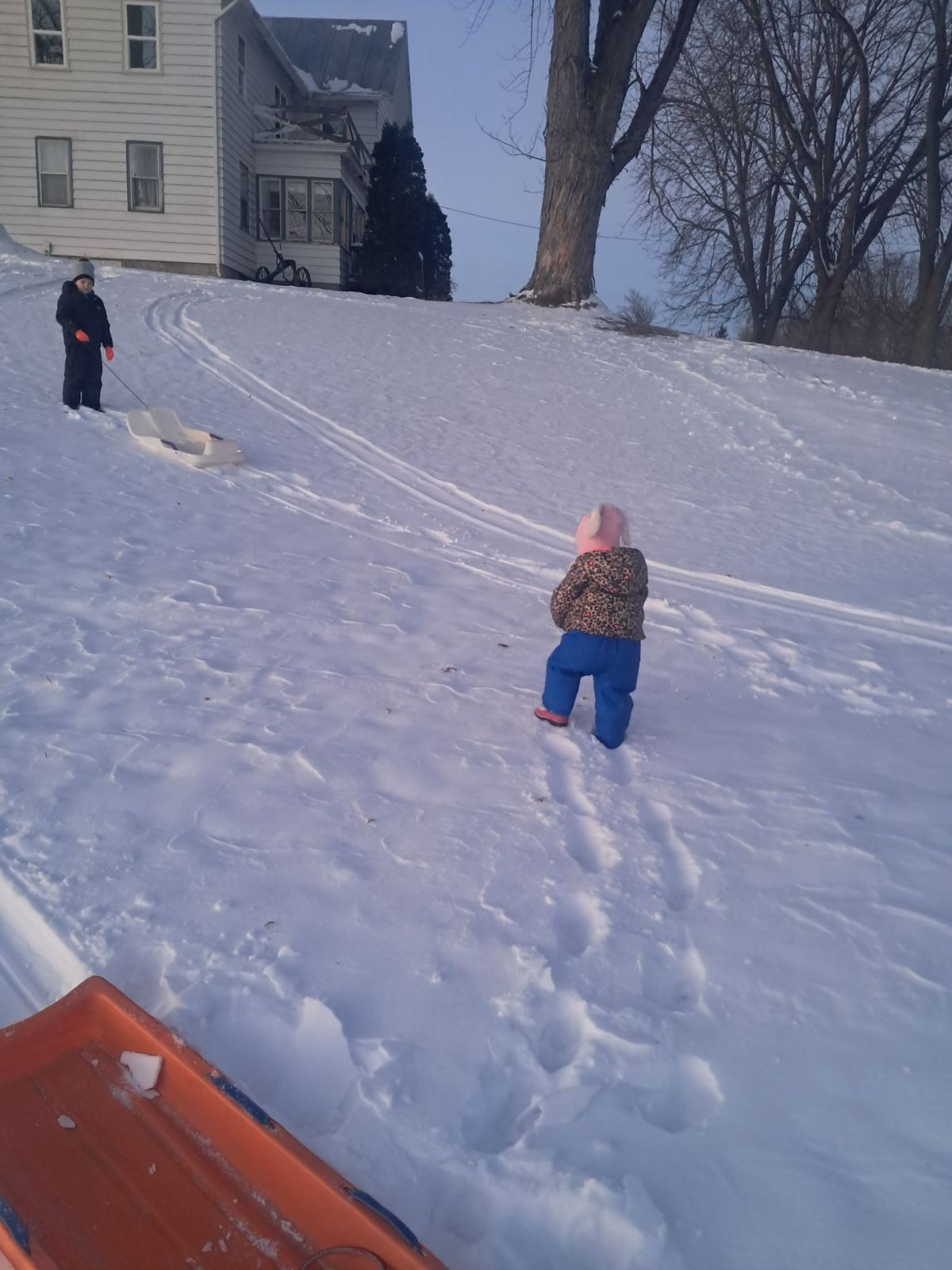
    The best movement, though, happens with my kids. Whether we’re sledding down snowy hills, digging in the sand, or playing our beloved “burrito game,” we’re laughing, racing, and making memories. My husband and I stay active both for ourselves and to show our kids how important it is to move. Activity isn’t only a chore, but a celebration of life and health.

    Joy in Motion
    Movement shaped my childhood, sustains my adulthood, and strengthens our family bond. It’s not only about fitness or strength; it’s about gratitude, connection, and joy. Walking — the simplest movement of all — ties it together. Each step reminds me where I came from, grounds me in the present, and carries me toward every new chapter ahead.

    If this journey from muddy boots to family moments warmed your heart, give it a like, share it with a friend, and subscribe for more stories that celebrate the beauty of everyday life.

    Related Posts

    Golden Days at Pike Lake: A Perfect Fall Family Escape

    Pike Lake State Park in southeastern Wisconsin turned out to be one of the most beautiful and memorable places I’ve ever explored with my kids. Nestled in the heart of the Kettle Moraine, this hidden gem is shaped by ancient glaciers that sculpted the land into rolling mounds, kettle lakes, and forested ridges. Pike Lake…

    Keep reading

    Traveling Light, Remembering More

    I didn’t pack bathing suits, beach toys, or even chairs. Just me, two kids—almost six and almost two—and enough curiosity to see what might happen. Some might call it unwise to bring children to the beach without all the usual gear. I half expected chaos myself. But what unfolded that day at Lake Michigan wasn’t…

    Keep reading
  • Biggest Garden Yet: Lessons, Laughs, and Pig-Approved Produce

    Biggest Garden Yet: Lessons, Laughs, and Pig-Approved Produce

    We grew onions the size of softballs, harvested mushrooms from straw, and accidentally bred watermelons that tasted like cucumbers. It wasn’t perfect—but it was unforgettable.


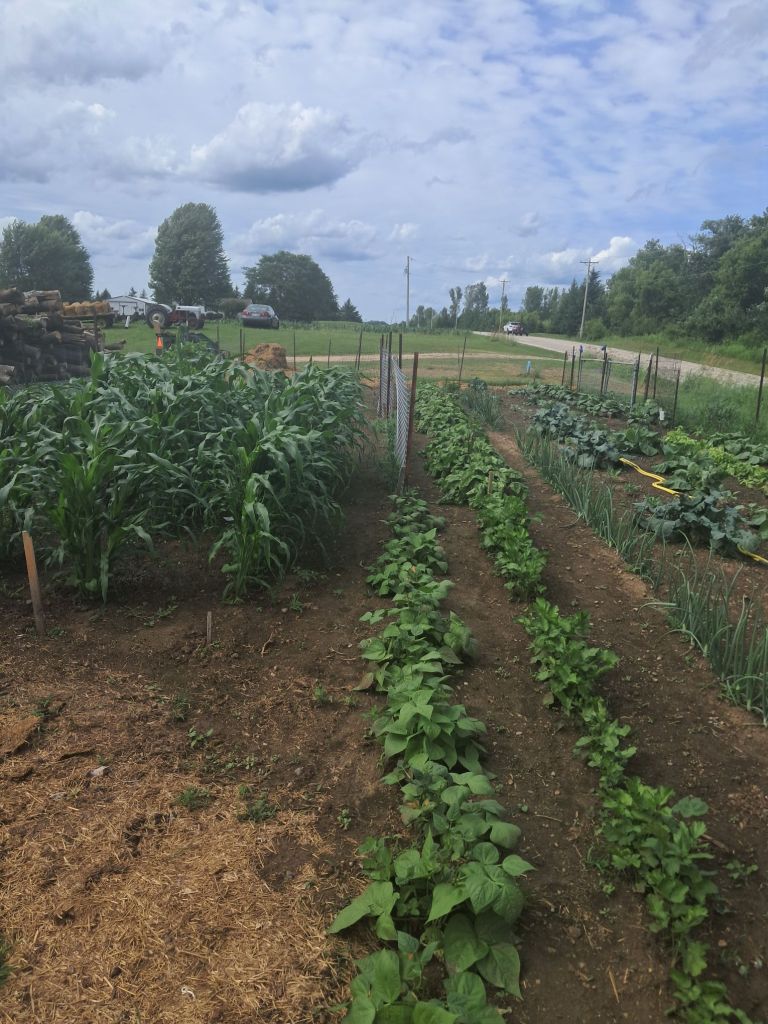
    There’s something grounding about tucking a garden in for winter. As we wrap up the 2025 season, I can’t help but look back on all the experiments. There were victories and “well, that didn’t work” moments from our biggest garden yet. From one-pound onions to hybrid mishaps, it’s been a year full of growth in more ways than one.

    Strong Starts and Small Wins

    This year, we tried something new—consistent weeding. Just fifteen minutes each evening turned the chaos of past summers into tidy, thriving rows. It wasn’t perfect, but it felt like real progress. Small, steady habits made a big difference.

    The Stars of the Season

    Our onions stole the show. Started from seed, they matured into hefty red and yellow bulbs, some weighing over a pound. They’ll serve us well through the winter. It’s hard not to feel proud knowing how far they came from those tiny seeds.

    Onion sprouts

    We also are running a few fun experiments. Carrots will overwinter right in the garden under a thick layer of straw. The celery turned out beautifully—tall, green, and crisp—and I’m exploring ways to preserve it for soups and sauces. We even grew oyster mushrooms on straw, then added the spent substrate to enrich our Three Sisters garden beds.

    Natural Harmony: The Three Sisters Garden

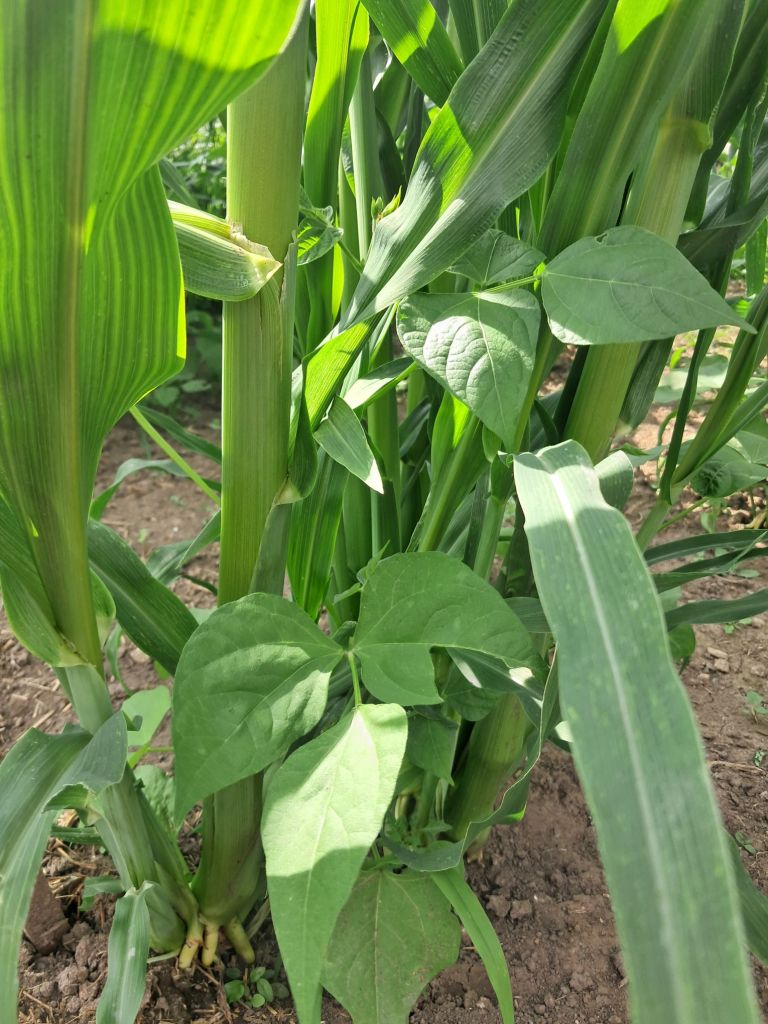
    The corn, beans, and squash worked together like old friends. The corn stood tall. The beans climbed gracefully up the stalks. The squash spread wide, shading the soil and keeping weeds away. Watching that ancient partnership in motion felt like seeing teamwork at its best.

    Tomato Chaos and Watermelon Surprises

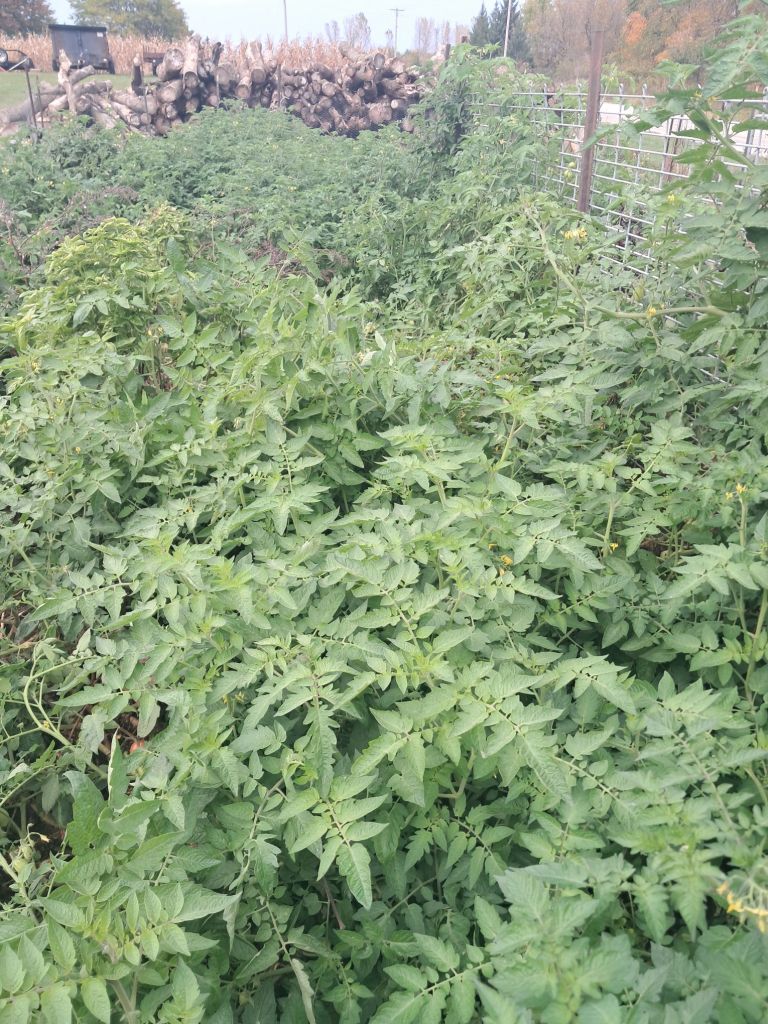
    Of course, no season is without its blunders. Our tomato patch turned into a jungle. Skipping the trellis was a rookie mistake, and by midsummer, the plants were an impenetrable mass of green. The cherry tomatoes only added to the chaos.

    Tomato jungle

    And then there were the watermelons—except they weren’t just watermelons. Somehow, they crossed with cucumbers, resulting in fruits that looked beautiful but tasted dismal. Definitely not something we’ll repeat, but it gave us a good laugh and another lesson in garden genetics.

    Beauty, Abundance, and a Helping Hoof

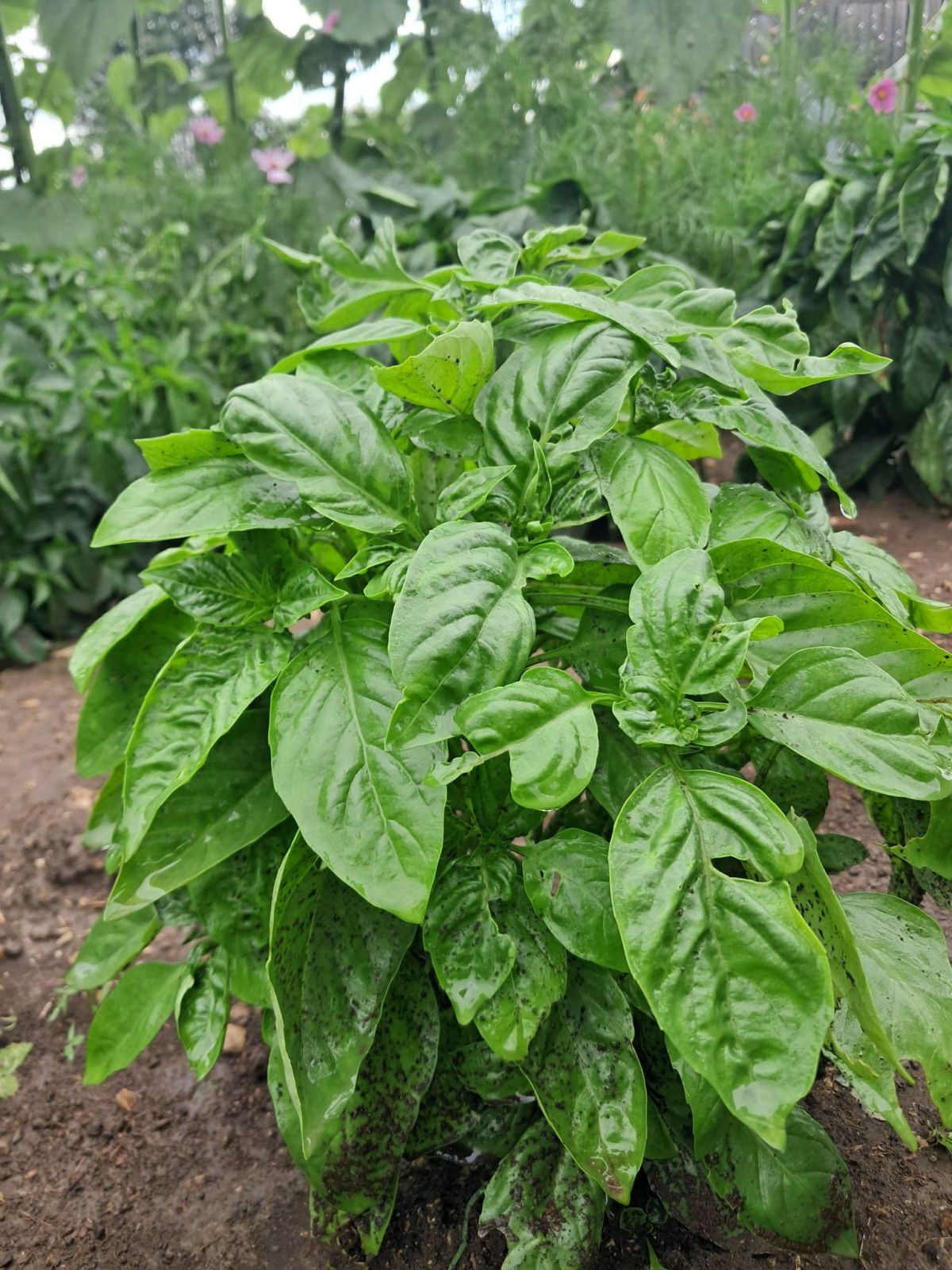
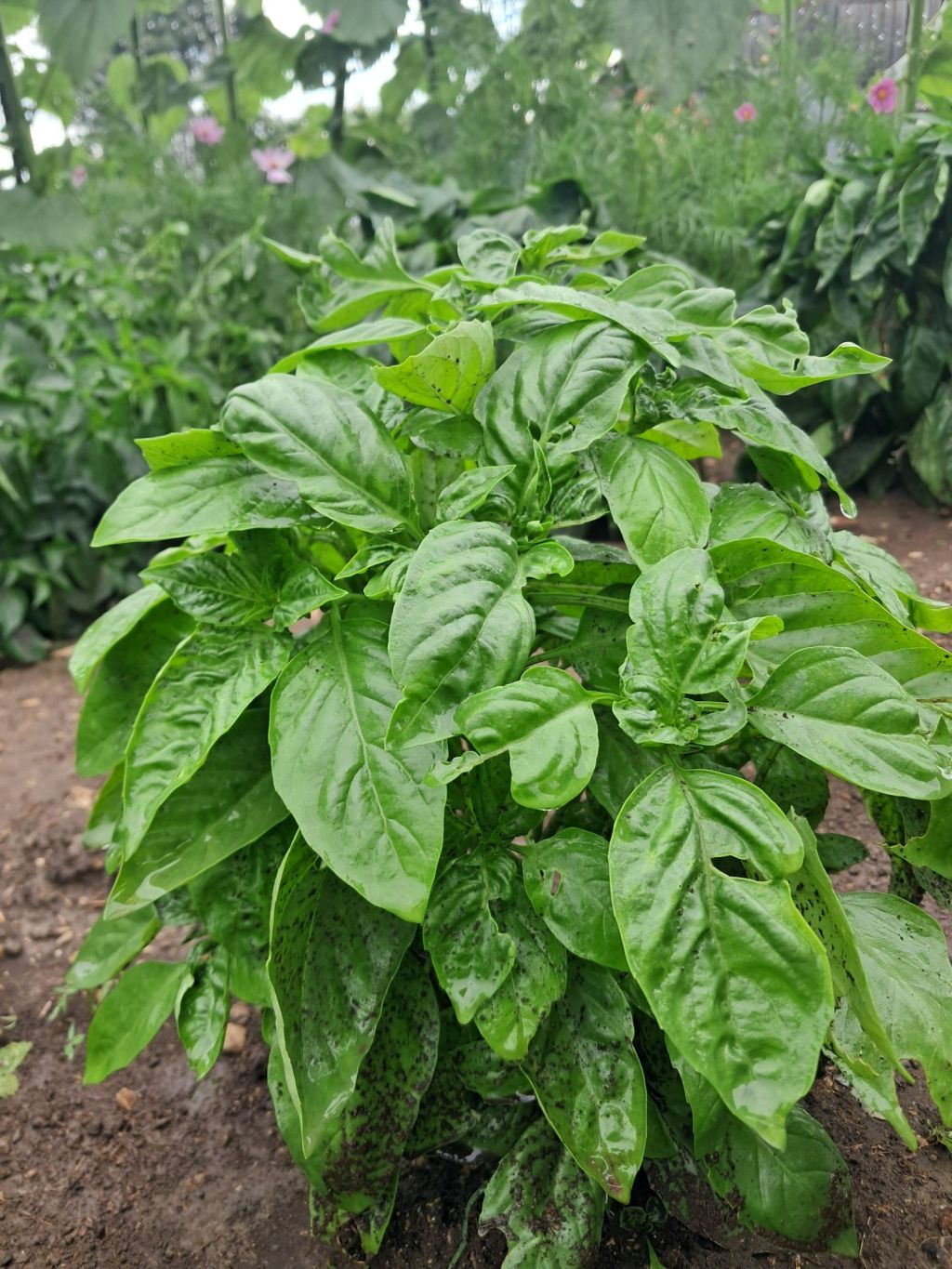
    The basil overflowed this year, so we got creative—pesto, basil salt, and enough dried leaves to last till next summer. It was fun sharing armfuls with friends and neighbors.

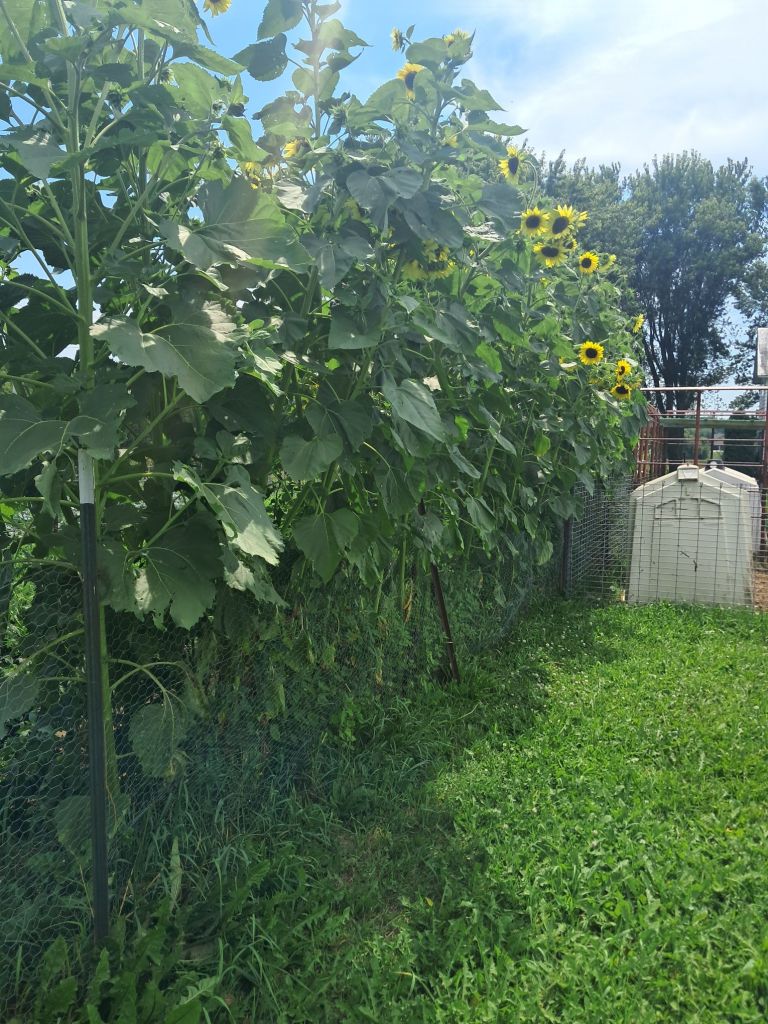
    Cosmos, marigolds, and sunflowers framed the whole garden, drawing pollinators and adding a cheerful backdrop to every harvest. And when our produce exceeded what we could use, our pigs were more than happy to indulge. Nothing went to waste; every harvest found its purpose.

    Lessons That Stick

    Every season teaches something new. This one reinforced patience, balance, humor, and gratitude. From those oversized onions to the watermelon-cucumber mystery, the garden reminded us that even the oddest outcomes have value.

    As we close the gate on this season, I’m thankful for muddy hands. I appreciate the full baskets and the quiet wisdom that comes from working close to the soil.

    Your Turn

    What garden surprises or “oops” moments stood out for you this year? Did something unexpected turn into a favorite memory? Share your stories in the comments below!

    Keep the Story Going
    If you enjoyed this peek into our growing season, give this post a like. Share it with your fellow gardeners. Subscribe for more garden updates, experiments, and lessons learned along the way.

    #gardening #garden #gardeninspiration #plants #nature #growyourown #homegrown #vegetablegardening #gardenlife #flowers #plantlover #springgardening

  • Learning from the Three Sisters

    Ancient Wisdom, Modern Lessons

    The “Three Sisters” — corn, beans, and squash — show what true collaboration looks like. Rooted in ancient Indigenous wisdom, this companion-planting method isn’t just sustainable; it’s a living model of balance.

    Corn stands tall and strong, offering the beans a natural trellis. The beans return the favor, fixing nitrogen that enriches the soil. Meanwhile, squash sprawls across the ground, shading the earth to keep in moisture and crowd out weeds. Together, they form a self-sustaining ecosystem — one that thrives through cooperation and reciprocity.

    A Lesson Replanted

    I first learned about the Three Sisters in grade school, probably around Thanksgiving, during a brief mention of Indigenous agricultural knowledge. I didn’t think much of it then. But last year, while searching for more sustainable gardening methods, the lesson resurfaced. Curious and skeptical, I decided to try it myself.

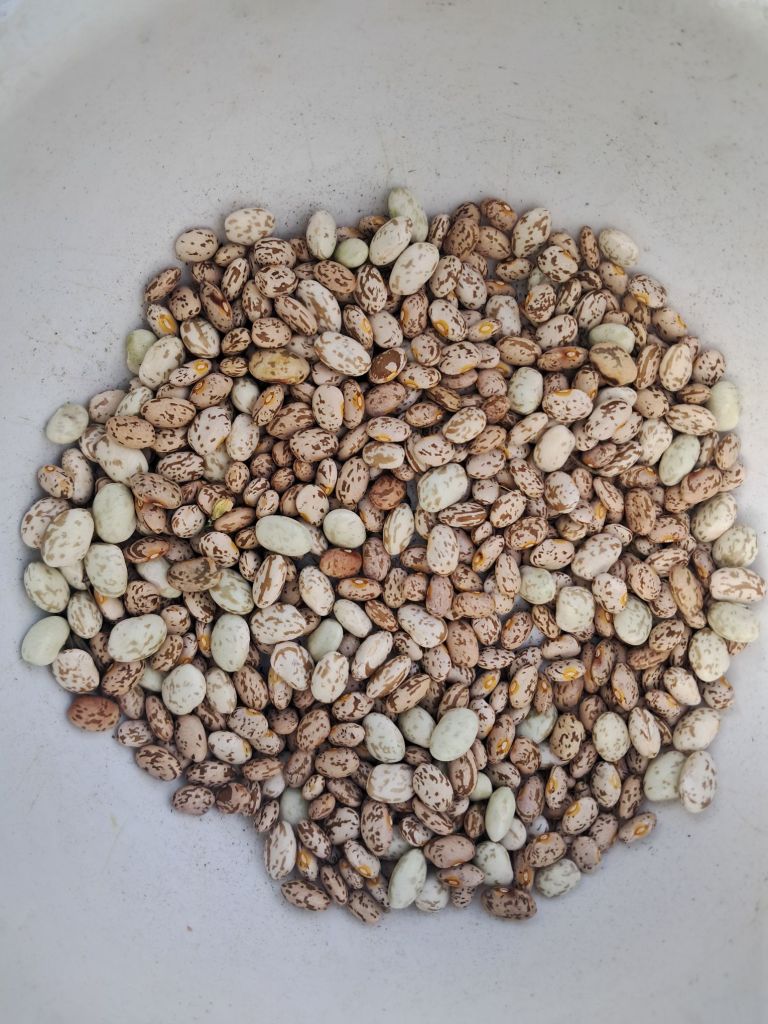
    Armed with blue dent corn seeds for homemade tortillas, pinto beans for the adventure, and leftover spaghetti squash seeds (because I couldn’t justify buying more), I planted in late May. The corn went in first, followed by the beans once the stalks reached ten inches, and then the squash two weeks after that.

    A Living Experiment

    To my delight, the beans twined effortlessly up the corn, just as promised. The old squash seed lagged behind but eventually pushed through, turning what looked like a “Two Sisters” garden into a full trio. For good measure, I added spent oyster mushroom substrate from another homestead experiment. Volunteer cherry tomatoes, which I didn’t have the heart to thin, soon joined the party — a wild, happy sprawl of coexistence.

    Harvest and Harmony

    By October, our small 25×10-foot plot had given us a treasure: a banana box of blue dent corn drying in the attic, a pound of pinto beans, and two proud spaghetti squashes still ripening. Even the leftover oyster mushroom spawn revived after each rain, and cherry tomatoes kept offering up baskets of surprises — nature’s generous encore.

    Seeing this ancient partnership unfold transformed a childhood lesson into something alive and immediate. The “Three Sisters” reminded me that balance isn’t about control — it’s about trust, patience, and reciprocity.

    Looking Ahead

    Next spring, we’ll start earlier and use fresh squash seeds. But even now, the garden has offered more than food — it’s fed our curiosity, connection, and hope. My son’s dreaming of blue tortilla chips, and I’m dreaming of next year’s lessons, both in the soil and beyond it.

    Your Turn

    Have you ever grown something that changed how you see the world? Share your story in the comments — and if this post inspired you, give it a like, share it with a fellow grower, and subscribe for more gardening stories!

    #ThreeSistersGarden #RegenerativeGardening #IndigenousWisdom #SustainableLiving #GrowYourOwnFood #HomeGarden #NatureInspired #GreenLiving #SoilHealth #HomesteadLife #EcoFriendly

  • The Power of Local Food: Lessons from Ethnic Cooking

    Until I attended college, I believed that cultural influences on food were largely a thing of the past.  I grew up in a part of small-town Wisconsin where the cultural influence of my German dairy farming heritage had diminished over the years.  Regional dishes, while still present, were largely nationalized.  Food was sourced from boxes at the grocery store in the wintertime.  Even in summer, the food from gardens supplemented our dishes, but were never the bulk source of our food.  Farmers’ markets were present, but we did not patronize them.  I thought this was how everyone lived.

    The first chance I had to learn about different culinary experiences was after I started college in Madison, a nearby city.  From childhood on, I had always wanted to learn how other people lived, and suddenly I was surrounded by many different cultures.  European, Asian, and African cultures all coexisted together on campus, practically begging for me to observe their customs.  During my 6-year undergrad and graduate school tenure, I made Asian dumplings, drank Turkish coffee, watched African dance, and had hot pot many times with such great company.

    Towards the end of undergrad, I began working in a soils lab, performing experiments to better understand the swelling properties of bentonite clay.  For a person who majored in geological engineering, it was a dream come true and my first real job in my chosen industry.  Although the work was tedious and painstaking, I felt like I was finally flourishing as a professional.  And it beat one of my previous jobs of counting corn kernels.

    During this time, I frequently ate lunch with my Chinese coworker, whose parents had recently immigrated to Madison from China. I was always fascinated with his lunches.  Every day, he ensured he ate every morsel of food on his plate, saying “Every grain of rice is a drop of sweat from a farmer’s brow.”  His sautéed wood ear mushrooms looked delicious every time he brought them, which was frequently.  In turn, he seemed fascinated with my own solo culinary exploits during “spaghetti week”, the time I inadvertently made a pot of spaghetti so large it lasted for a whole week’s worth of lunches and dinners.  I was only too happy to share some with him, as anyone who has made too much spaghetti knows.  We became such good friends that he gladly accommodated me at his parents’ house during “Homeless Night”, the one night every year when the apartments near campus are prepared for next year’s leasers, and I needed a place to stay.

    That night, I was excited to ask how I could help him prepare supper.  The rice cooker was already humming as he grabbed a knife and basket and gestured me to follow him to his back yard.  Just outside the door was a green grass carpet about 6 inches tall and the footprint of a child’s backyard swing set.  These were Chinese chives, also known as garlic chives.  The patch was (and still is) the largest I had ever seen.  Using the knife, he carefully severed handfuls of chives at the base, leaving an inch for the stubs to regrow.  He slowly filled his basket, then proceeded to lead me back to the house.

    I kept him company that night as he prepared the most delicious sauteed Chinese chives over a bed of rice.  The wok sizzled as he poured in the oil then added the chives.  A faint allium smell wafted over to me as he added salt and pepper to taste.  Dinner was on the table in short order.  The chives were garlicky, salty, and chewy.  The rice was fluffy and perfect.  He prepared another dish, but for the life of me I cannot remember what it was.

    Ethnic traditions and edible landscaping were not completely new concepts at the time.  My family grew asparagus, horseradish, and rhubarb, perennial plants that were beautiful as well as being edible.  But it always seemed that these foods augmented a grocery store-sourced meal, not the other way around.  That simple dinner that my friend prepared was the first time I truly observed the power of the “outdoor pantry” in action.  Fresh, local food that comprises much of your dinner can be as close as your backyard and eaten within an hour of harvesting.  That meal made an indelible mark on me, and I’ve strived to source the bulk of my meals from local sources ever since.

    I’ve lost contact with this friend in the intervening years.  I moved several times, got married, and had 2 wonderful children.  Last I heard from him, he was still in Madison and enjoying himself.  If he’s reading this, I wish him well as he’s moving through life.  Your humble meal inspired me to prepare many simple delicious meals from my backyard.
    My personal priorities have changed over time, but my feelings about food remain unchanged.  I have been successful in expanding my food preparation skills over the years, learning to bake bread, preserve vegetables, and ferment cabbage into sauerkraut, a practice in line with my cultural heritage.  I have even started growing mushrooms for our table.  I still remember my friend from time to time as I establish and expand my chives patch or harvest an especially large bounty of food to share with family and friends.
    Did you learn something valuable from another culture? Share your stories below, and subscribe to join a community of like-minded people.