Category: homesteading

  • Why I Tell Husband Great News First: Working Mom Life

    Why I Tell Husband Great News First: Working Mom Life

    Daily writing prompt
    You get some great, amazingly fantastic news. What’s the first thing you do?

    When great news hits—like that electric “you won” phone ring or the email saying my writing got published in the local paper—I find my husband first. He’s my confidante, best friend, and life partner through every homestead adventure.

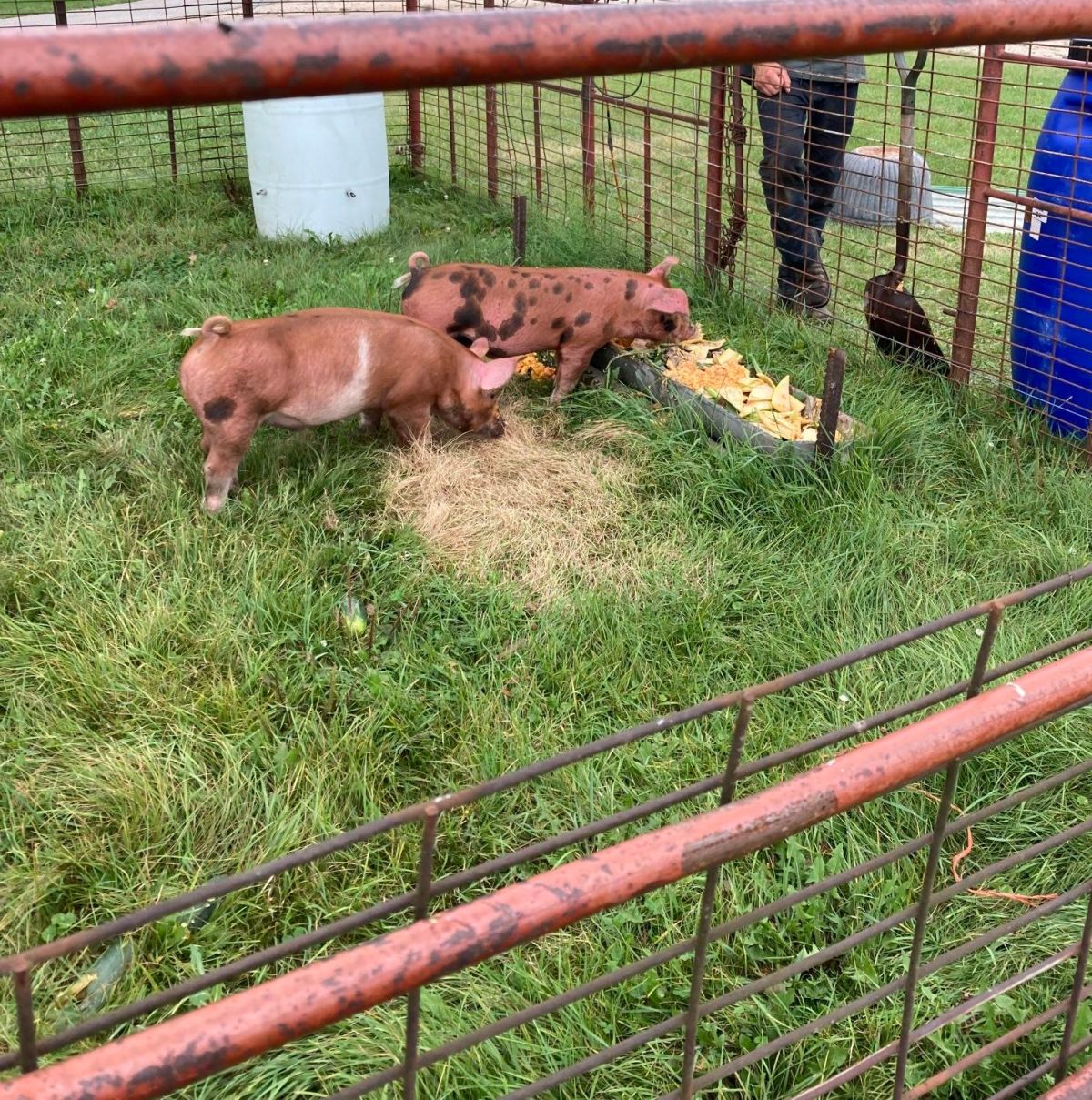
    My heart’s pounding, but here’s the thing: I don’t post it on Facebook or call my best friend yet. I track him down right then—whether he’s upstairs sawing away at our renovation project, out back feeding the pigs, or in the kitchen helping our toddler reach for homemade bread.

    “Hey,” I say, grabbing both his hands, “you will not believe this.” His eyes light up instantly, then he pulls me into that familiar hug where the world just quiets. We laugh, do a silly jig right there amid chicken chores or pancake batter splatters—letting that joy multiply before telling the kids.

    Working Mom’s Homestead Wins
    On our homestead, big wins—like selling our pigs at market, getting my writing published locally, or nailing that sourdough starter—feel bigger shared soul-to-soul first. No fanfare needed, just us. Then we plan the family celebration: hamburgers on the picnic table under our maple tree, homemade ice cream under summer stars.

    That’s our slow living rhythm. News shared heart-to-heart first builds everything else—family cheers, neighbor toasts, grateful posts. He grounds my excitement into something lasting, reminding me why we chose this simple, connected homestead life.

    Four reasons he’s always first: Instant emotional anchor. Turns “my” news into “our” victory. Sets joyful tone for kids. Keeps our homestead priorities straight.


    So tell me—who’s your first call when great news hits?

    If this resonated with you, please like and share with others.

    Loved this? Subscribe for weekly homesteading tips:

    If this resonated with you, please like and share with others.

    Loved this? Subscribe for weekly homesteading tips:

    Read Next: The Men Who Shaped Me: Love, Marriage, and Life Lessons from Our Homestead

  • Playing for Keeps: Cozy Winter Game Nights for Family and Friends

    Playing for Keeps: Cozy Winter Game Nights for Family and Friends

    When winter settles in on the homestead, life naturally slows down. The winter garden rests under snow, the animals huddle in the barn, and families gather indoors for cozy family nights. It’s the season for staying warm, being together, and finding joy in simple homesteading activities — like a well-loved deck of cards, a puzzle on the farmhouse dining table, or family laughter echoing late into the night.

    There’s nothing quite like a winter game night on the homestead. When the wind howls outside the farmhouse and the snow piles high, the best warmth often comes from good company, shared family bonding, and maybe just a touch of friendly competition. Whether you’re playing cards around the kitchen table during winter homesteading, puzzling over a jigsaw masterpiece, or teaching your kids a new board game as part of raising kids on the homesteadgame night is one of those timeless family traditions that never go out of style.

    In my homesteading familywinter game nights have always been a cherished tradition. My dad’s favorite is Sheepshead — a classic Midwest card game full of strategy and bluffing — but the real magic happens in the chatter between hands, the jokes when someone misplays a trick, and the laughter that fills the room long after the cards are packed away. Now, we’re teaching our son how to play too, though at six years old, we’re still coaching with the cards face up and plenty of encouragement — perfect for raising kids amid homestead life.

    But you don’t have to be from Wisconsin — or know what Sheepshead is — to love a good winter game night. The beauty of winter family activities is that they adapt to every age, mood, and homestead household. It’s all about building community through connection.

    Here are a few ways to keep homestead game nights fresh and fun this winter homesteading season:

    1. Mix up the classics
      Rotate between familiar card games like cribbage, euchre, rummy, or Uno, and throw in board games like Ticket to Ride, Sequence, or Codenames for variety. Even favorites like Monopoly or Scrabble feel new with homestead twists, like themed snacks from the garden pantry or “winner picks the next game” rules.
    2. Make it cozy
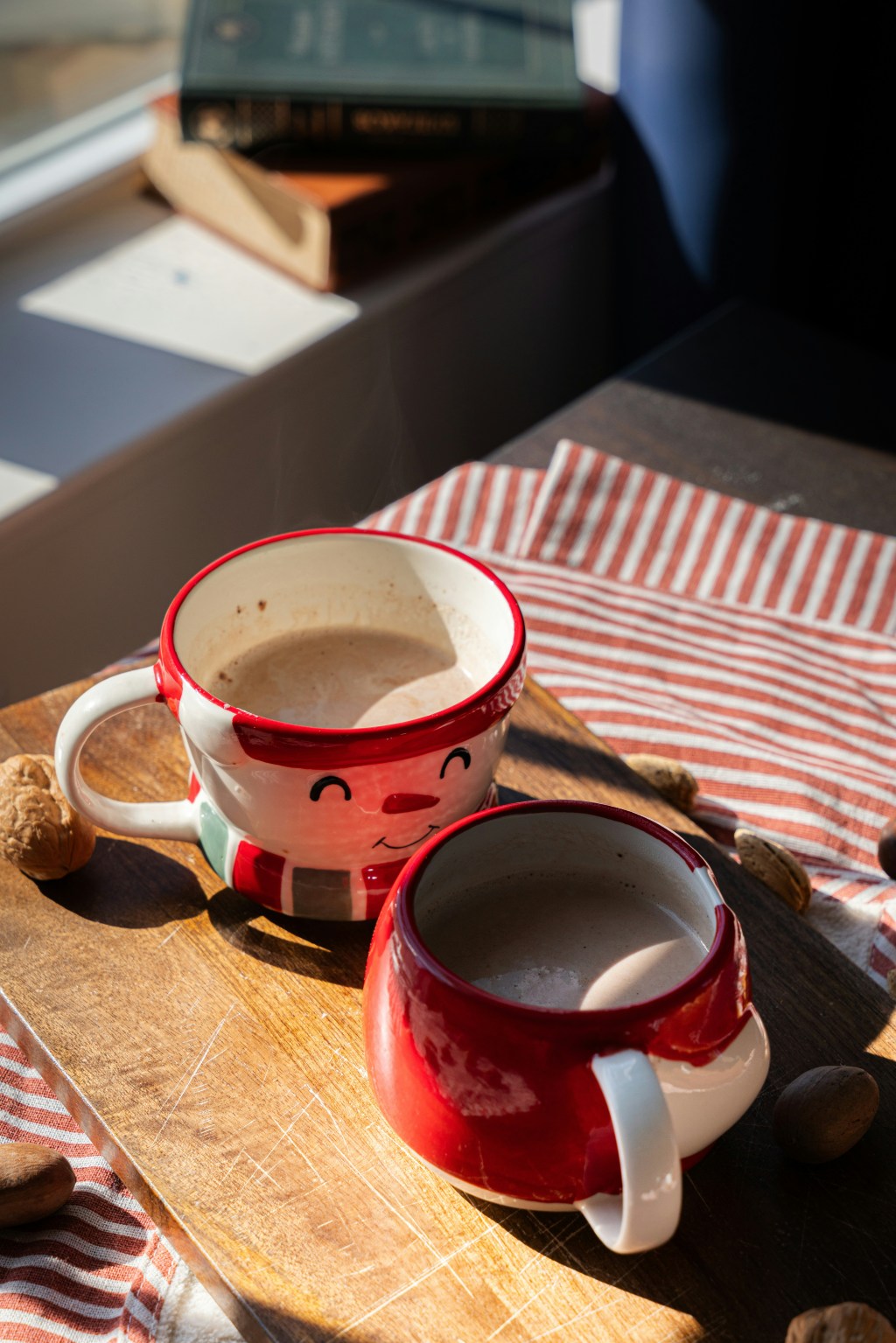
      Set the mood with soft lighting, fleece blankets, and warm drinks to turn an ordinary evening into something memorable for family game nights. There’s something magical about hot cocoa with whipped cream and cinnamon next to a flickering candle while family laughter circles the farmhouse table.
    3. Add food to the fun.
      Potluck snacks make everyone feel included. Try something hearty and low-effort like homestead chili, cheesy bread from your winter pantry, or a meat and cheese tray. Or keep it sweet with homemade cookies, popcorn, and cocoa bombs.
    4. Keep it social, not serious
      A little competition is healthy, but laughter should always win. Let kids make up house rules, play for silly prizes, or pass around a “trophy” between weeks — maybe a goofy hat or a wooden spoon with bragging rights. Game night should be about family connection and building community, not keeping score.
    5. Try something new together
      Challenge your homestead family to learn something new. Cooperative games like Pandemic or Forbidden Island encourage teamwork, while group trivia or charades gets everyone involved. For quiet winter nights, bring out dominoes or a thousand-piece puzzle and let conversation flow while hands stay busy.

    When homestead families play together, something special happens. Kids learn patience, teamwork, and good humor; adults slow down enough to really listen and laugh. It’s one of the simplest, most meaningful winter homesteading activities to build memories and family bonds — no screen required.

    Some local libraries and churches even host winter puzzle swaps or game exchanges, perfect for building community and refreshing your game shelf without spending a dime. In a world where it’s easy to feel isolated on the homestead, these gatherings remind us that friendship and fun often start at a shared farmhouse table.

    So this winter homesteading season, deal yourself in. Invite friends, make a pot of homestead cocoa, and play until the candles flicker low. Some nights, the laughter drifts out the windows into the snow, and for just a moment, winter doesn’t feel quite so long.

    Feature Photo by Nellie Adamyan on Unsplash


    What’s your go-to winter game night favorite? Do you have a family tradition or favorite way to keep homestead game nights lively?

    Share your homesteading family stories in the comments below. I’d love to hear how you’re beating cabin fever and building community this winter!

    Loved this? Subscribe for weekly homesteading tips:

    Read Next: Winter Storybook Trail Walks: Family Magic at Horicon Marsh

  • Homestead Self-Care: The Kind of Break Every Working Mom Needs

    Homestead Self-Care: The Kind of Break Every Working Mom Needs

    Daily writing prompt
    Do you need a break? From what?

    The Kind of Break I Need

    By evening, the noise of the day hums in my head — messages blinking, dinner half‑done, kids calling, and tomorrow’s to‑do list lingering in the back of my mind. It’s a good life, full of motion and purpose. But even within this homestead rhythm, I sometimes forget to pause and simply breathe. Between work deadlines and the steady beat of feeding, teaching, and tending, it’s easy to lose sight of how beautiful this busy season really is.


    The Craving for Quiet

    And when that fullness finally catches up with me, this is what I long for: thirty quiet minutes under the stars, cocoa in hand, snow crunching softly under my boots. No phone. No decisions. No “what’s next?”—just breath and stillness.

    That kind of homestead self‑care isn’t an escape; it’s a reset. One restful hour a week—phone down, chores paused—restores me far more than any screen time ever could. Sometimes it happens after puzzle night with the kids or a cozy movie evening. Other times, I slip outside once the house quiets and the moonlight hits the frost just right.

    These small, sacred moments remind me why I chose a slow-living, family-centered life: growing our own food, raising our kids close to nature, and building community grounded in simplicity and care. Starting seeds for spring, gathering eggs in the cold, kneading bread for the week ahead—each task becomes a gift when I remember to slow down and notice it.


    Gratitude in the Pause

    When I take that pause, I notice things otherwise overlooked: the rhythm of my breath, the faint scent of woodsmoke, the gratitude warming my chest. This is the balance I crave as a working mom—not perfection, but presence. Simple living teaches me that rest and gratitude feed each other.

    It’s not really a break from my life that I need; it’s a breath within it. I don’t want to wish the busy days away. I want to celebrate them—the laughter around the puzzle table, the smell of soup simmering, the promise that the seeds I plant now will nourish us months from now.


    Make Space for Your Own Pause

    If you’re walking a similar path, try setting aside just 30 minutes this week for yourself—a short walk, a deep breath, or a quiet cup of tea. See how the noise fades when you let the earth steady you.

    Feature Photo by Kristina Shvedenko on Unsplash


    What kind of break do you crave, and what helps you remember how good your life already is? Share below ❤

    ️If this post brought a little calm to your day, share it with another working mom who could use a gentle reminder to pause and breathe. 💛

    Loved this? Subscribe for weekly homesteading tips:

      Read Next: Finding Fun in Everyday Homestead Life

    1. An Ideal Summer Day of Simple Homestead Living With Family

      An Ideal Summer Day of Simple Homestead Living With Family

      Daily writing prompt
      Describe your most ideal day from beginning to end.

      Simplicity isn’t about doing less — it’s about noticing more. My ideal day on our little homestead is built around that truth. It’s a day where time stretches wide, full of laughter, sunshine, and slow, simple living.


      Morning Calm and Connection

      The day begins the way I love best — with toddler kisses, a sleepy hug from my six-year-old, and my husband beside me. Before the world fully wakes, we take a quiet moment to breathe together. There are no alarms, no emails, no errands pulling us away. The only plan is to move through the day at a gentle rhythm, enjoying each other’s company and the sweetness of home.


      Breakfast and the Beauty of Routine

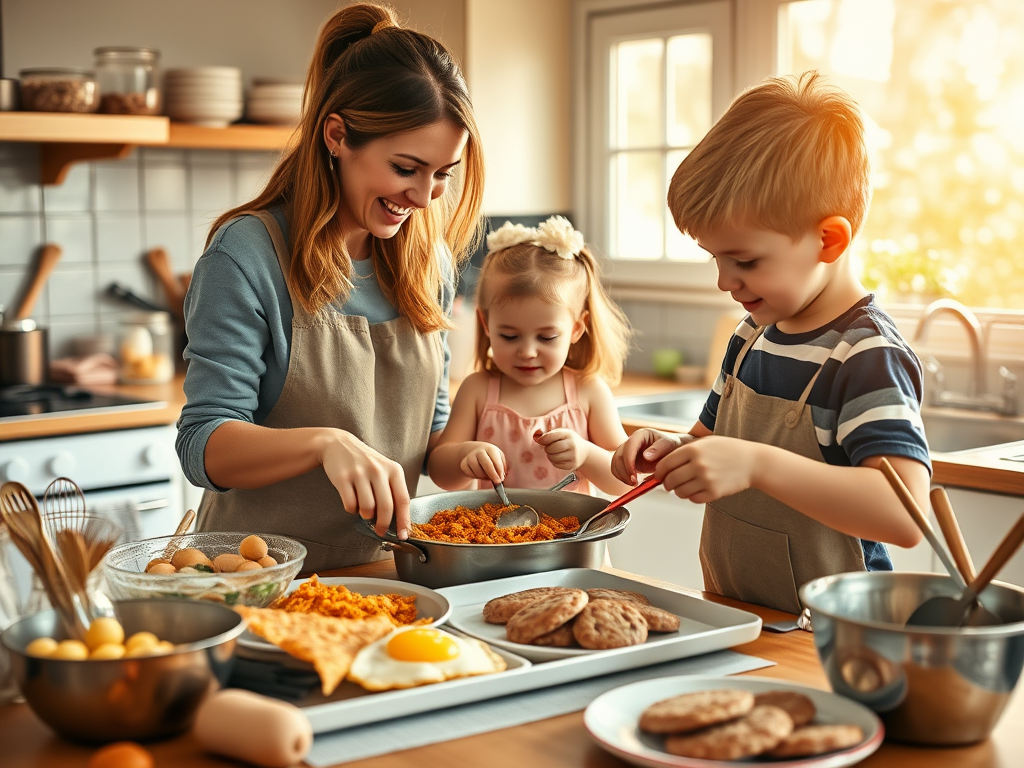
      Breakfast is a family affair. My husband gathers eggs while I grind coffee beans and brew a fresh pot. The kids take their favorite jobs — cracking eggs (usually with some shell), preparing pancake batter, and frying bacon. We cook with the windows open, sunlight pouring in and the sound of birds joining our morning conversation.

      The meal is simple and colorful: fresh eggs, pancakes, and bacon from last year’s pigs. It takes longer, but it’s richer in every way because we do it together.


      Hands in the Dirt, Hearts at Ease

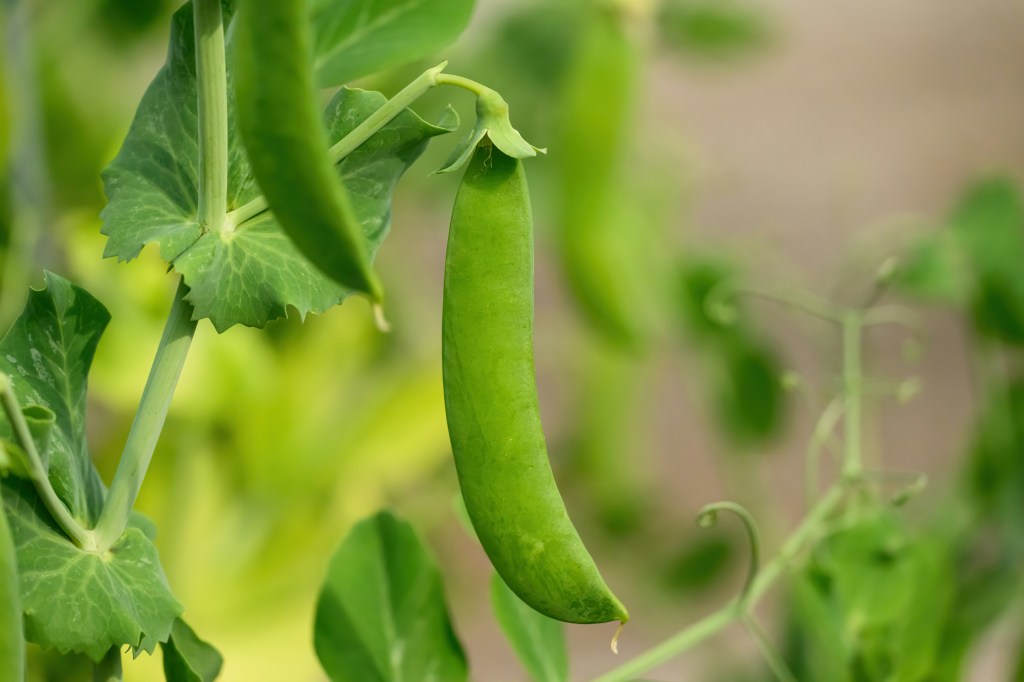
      After breakfast, my husband heads out to refill the animals’ water tanks and check the garden fences. Meanwhile, the kids and I harvest what’s ready — sun-warmed tomatoes, crisp cucumbers, and snap peas that rarely make it to the kitchen. We feed the chickens, pick up toys outside, and pause often to feel the warmth of the day settling in.

      The work hums softly in the background; it’s grounding, steady, and quietly joyful — the soundtrack of homestead life.


      Raising Kids on a Homestead

      By late morning, the chores shift to play. We might pack up for an outing — a trip to the library or a shady walk by the Horicon Marsh — or stay close to home and make our own adventure. My husband and son might build something simple, like a birdhouse or garden trellis, while my daughter and I mix water, flower petals, and herbs in the “mud kitchen.”

      These are the moments where raising kids on a homestead feels magical — learning through exploration, imagination, and plenty of sunshine.


      Building Homestead Community

      Around noon, our neighbor stops by with a bag of fresh Amish bakery treats. He stays for a half hour just to chat at the kitchen table while the kids dart in and out. We sip lemonade and trade stories about gardens, weather, and local goings-on.

      These spontaneous visits are at the heart of homestead community — the easy, come-as-you-are friendships that summer invites. When he heads out, we make a quick lunch of garden sandwiches and homemade pickles, laughing over whose plate is the messiest.


      The Rhythm of Slow Living

      The afternoon drifts by in that perfect blend of rest and play. My toddler naps, the older one curls up with a book or joins my husband hoeing the garden, and I steal a few quiet minutes with a book on the bench outside our door. Later, we cool off in the sprinkler, make homemade popsicles, or pick raspberries from the patch.

      The hours stretch unhurried — each one filled with that golden kind of peace slow living on a homestead offers.


      Simple Suppers and Summer Evenings

      As evening settles, supper becomes another shared project. My husband fires up the grill while I toss a big garden salad and slice the first broccoli of the season. The kids set the picnic table beneath the maple tree. We eat outside, barefoot and happy, surrounded by the hum of summer — crickets chirping, bees buzzing, and the sky fading into soft pink.

      After dinner, we linger. Sometimes it’s s’mores over the firepit, other nights it’s catching fireflies or telling stories under the stars.


      The Gift of Enough

      When the kids are asleep, my husband and I share a quiet moment on the park bench — two cold beers, warm night air, and a shared silence that says, “This is exactly where we’re meant to be.”

      These days remind me that simplicity isn’t a destination; it’s a daily choice — a rhythm we return to when life feels too loud. Most of us don’t get many days like this, but even small pieces of them are enough to steady the heart.

      This is my ideal summer day: no deadlines, no projects, no rush. Just the four of us growing food, raising kids, building community, and living a simple homestead life that teaches us how beautiful “enough” really is.

      Feature Photo by Michelle Tresemer on Unsplash


      💬 Tell me about your ideal summer day! What does simple living look like in your home or community? Share your thoughts or your favorite summer traditions in the comments — I love hearing how other families find joy in the everyday.

      💚 If this post resonates with you, please like and share this post to spread the message of simple, grounded living.

      Loved this? Subscribe for weekly homesteading tips:

      Next Read: Saturday Morning Family Breakfast: A Recipe for Togetherness

    2. The Chore That Never Gets Done (and Why That’s Okay)

      The Chore That Never Gets Done (and Why That’s Okay)

      Something on your “to-do list” that never gets done.

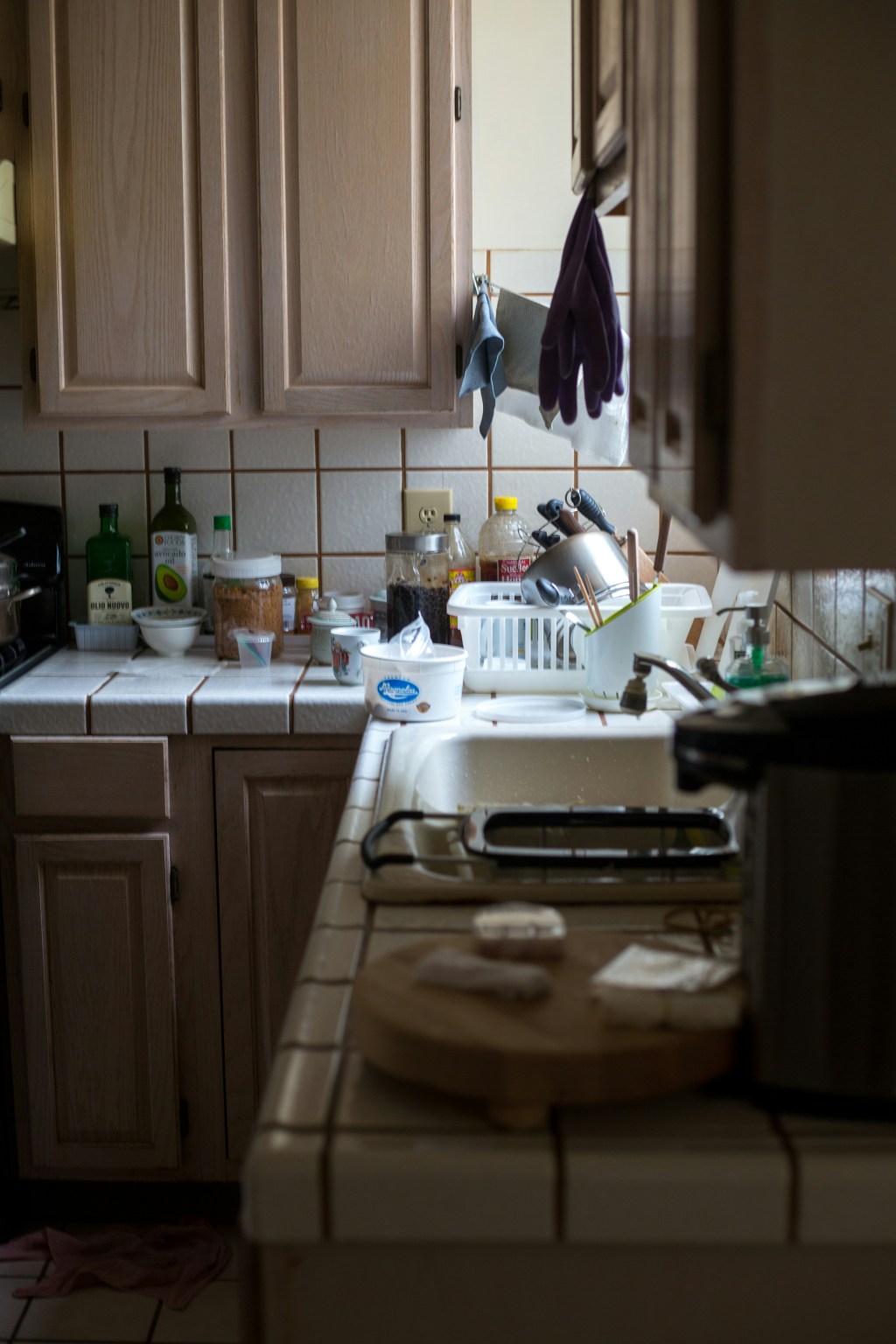
      There’s one item that’s been living rent-free on my to-do list for what feels like forever: deep-clean the house. Every week I write it down with the best intentions, and every week it stares back at me, smug and unchecked.

      Sure, I’m great at the daily tidy-ups—the quick resets, leaping over toys, and keeping countertops visible (mostly). But the real deep clean? Scrubbing baseboards, washing curtains, or tackling the mystery stuff in the back of the cabinets? Somehow that always gets bumped down the list by, well… just about everything else.

      Part of the problem is our ongoing upstairs renovation. Two years in, and we’re still coaxing this old house back to life—tearing out lath and plaster, sealing drywall, trying to keep ahead of the dusty evidence. That fine gray film drifts through the house like snow that overstays its welcome. Add two little kids who turn any clean surface into an art project within minutes, and—let’s be honest—deep cleaning doesn’t stand a chance.

      By the time evening rolls around, my energy’s long gone. I look around, spot another trail of cracker crumbs, and think, good enough till tomorrow. Honestly, I’ll take progress over perfection any day.

      My (Somewhat Hopeful) Game Plan

      I keep telling myself there has to be a way to outsmart this never-ending chore. Maybe it’s not about a single heroic cleaning day but smaller, practical wins.

      • Fifteen-minute power bursts. Pick one room, one task, one playlist. Quick sweep, easy win.
      • Recruit the tiny troops. The kids love joining in—with spray bottles and rags, no less. Sure, it takes longer, but at least we laugh through it.
      • Wait for calmer seasons. Once the last coat of paint dries and the drywall dust clears, I’ll finally give this place a top-to-bottom refresh.
      • Keep the dream in mind. A calm, clean space where we can all exhale—that’s the goal. Future me will be thrilled.

      Until then, I’m embracing the real version of home: a little messy, a lot loved, always humming with life. Between raising kids, growing things outside, and building something meaningful in our community, there’s bound to be dust somewhere—and that’s okay.

      Feature Photo by Jason Leung on Unsplash


      So tell me—what’s the chore that never quite leaves your list? Let’s swap confessions in the comments and remind each other that perfect isn’t the point—living fully is.

      If you enjoyed this peek into our real-life chaos, give this post a little love. Like it, share it with a friend, or subscribe for more stories about growing food, raising kids, and building community one messy day at a time.

      Related Posts

    3. What I Complain About Most: Why Farmers Deserve More Appreciation (And How We’re Reconnecting)

      What I Complain About Most: Why Farmers Deserve More Appreciation (And How We’re Reconnecting)

      Daily writing prompt
      What do you complain about the most?

      I used to be a champion complainer—until I realized it never planted a single seed worth growing.


      I try not to complain too much. It’s a nasty habit that usually leaves me feeling worse than before I started. Instead, I try to live by the words of the Serenity Prayer:

      “God, grant me the serenity to accept the things I cannot change,
      The courage to change the things I can,
      And the wisdom to know the difference.”

      When I catch myself slipping into that spiral of frustration, I remind myself of those lines. If there’s something I can fix, I get to work on it. If there isn’t, I try to shift my perspective. Some days, that works beautifully. Other days, not so much—but it’s a practice, and a worthwhile one.


      When Passion Comes from Frustration

      Still, there are some things bigger than myself that I can’t quite let go of—issues that deserve our collective attention. That’s where my frustration tends to turn into passion.

      If you really want to know what gets me on my soapbox, it’s this: how undervalued the foundation of our society has become—the farmer.


      Lessons from the Milking Barn

      I grew up on a dairy farm surrounded by fields, animals, and five hardworking older sisters. My dad, like many farmers, cautioned us not to follow in his footsteps. He didn’t say that out of bitterness; he said it out of love.

      He knew farming demanded endless hours, uncertain pay, and a body that rarely got a day off. The cows still needed milking before dawn, even after a night of broken sleep or if you were sick. The hay still needed to come in, even if rain clouds were gathering on the horizon. And no matter how hard you worked, the weather or the market could undo it all in a single season. With today’s global markets, that uncertainty feels even sharper than it did thirty years ago.


      The Great Disconnect

      Despite all that labor, society often treats farmers as an afterthought. We depend on them for our most basic need: food. Yet we seem disconnected from what it truly takes to put dinner on the table. It’s astonishing how quickly that disconnect happened. In just two or three generations, we’ve gone from home gardens, backyard chickens, and canning jars in the pantry to drive‑thru dinners and foods that travel thousands of miles before reaching us.

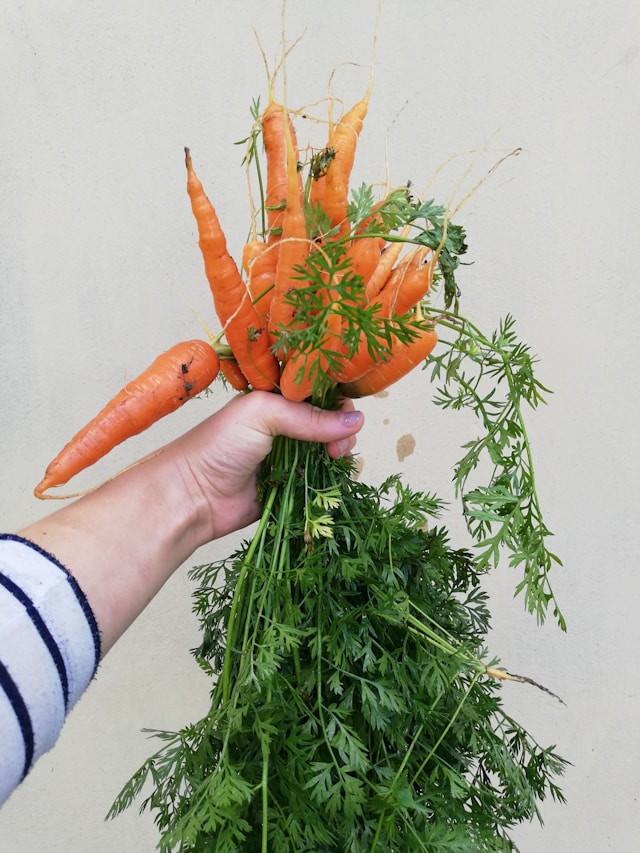
      Our modern food system is complicated. We’ve gained convenience but lost some wisdom along the way—wisdom about soil, seasons, and self‑sufficiency. Many children have never pulled a carrot from the ground or gathered a fresh egg. Even adults often feel surprised to learn where their food comes from.


      Marketing Replaces Memory

      Not long ago, I saw a potato chip bag proudly labeled “Made with Real Potatoes,” as if that were some sort of revelation. It made me laugh—and then it made me sad.

      Somewhere along the way, marketing replaced knowledge. We began trusting brands more than the soil, and food became a product instead of a shared experience. When I mentioned it on my Facebook page, people chimed in from everywhere. It turns out, so many of us feel the same way—grateful for convenience, but yearning to reconnect.


      Growing, Raising, and Reconnecting

      That little moment reminded me why I care so deeply about growing food, raising kids, and building community. These things are intertwined. When children understand where their meals come from, when we grow even a small piece of what we eat, when neighbors come together to share skills, seeds, and harvests—we start to rebuild that lost connection. Even something as simple as buying from a local farmers market, planting herbs on a windowsill, or teaching a child how to cook can make a difference.

      So maybe I don’t really complain all that much anymore. Maybe what I’m doing is something better: advocating, educating, and planting small seeds of change and connection in my backyard and in my community. Because while I can’t change the world overnight, I can nurture the soil right in front of me. And that feels like a pretty good start.


      Resources I Recommend

      Disclosure: This section contains Amazon affiliate links. If you purchase through them, I may earn a small commission at no extra cost to you. Thank you for supporting Practical Homesteading!

      If this post stirred something in you, here are a few places to start learning, growing, and preserving more of your own food. I only share resources I truly find useful.

      • Read and reflect: One book that has deeply shaped how I think about food and farming is The Omnivore’s Dilemma by Michael Pollan. It follows several different meals from source to table and invites you to really consider where your food comes from and who grows it. You can buy it in my link or borrow it from your local library.
      • Learn the basics of preserving: The Ball Book of Preserving is a solid, economical place to start if you’re new to canning. It covers the fundamentals clearly without feeling overwhelming, and it’s a great first step into safe home food preservation.
      • Go deeper with more recipes: The Ball Complete Book of Home Preserving is a much more comprehensive resource, with many more recipes and techniques. It’s a bigger investment, but worth it if you discover that preserving is something you love and want to keep expanding.
      • My home preservation essentials: I’ve put together an Amazon list of tools and books I use or recommend for dehydrating, canning, and freezing food at home. You can find it here: Home Preservation Essentials.

      If you have favorite books, tools, or simple tips for beginners who want to grow or preserve their own food, please share them in the comments—I’d love to learn from you, too!


      Loved this? Hit that ❤️ if it resonated. Share with a friend who needs to hear it. Subscribe for more real talk about growing food and building community. Your support means everything!

      Related Posts

      Why I Chose Homesteading

      Working mom of 2 shares her homesteading origin story – from Wisconsin dairy farm rebel to choosing chickens, gardening and bread making. Environmental professional finds freedom in practical homesteading.

      Keep reading
    4. Seeds of Patience: What Planting Onions with My Child Taught Me About Growth

      Seeds of Patience: What Planting Onions with My Child Taught Me About Growth

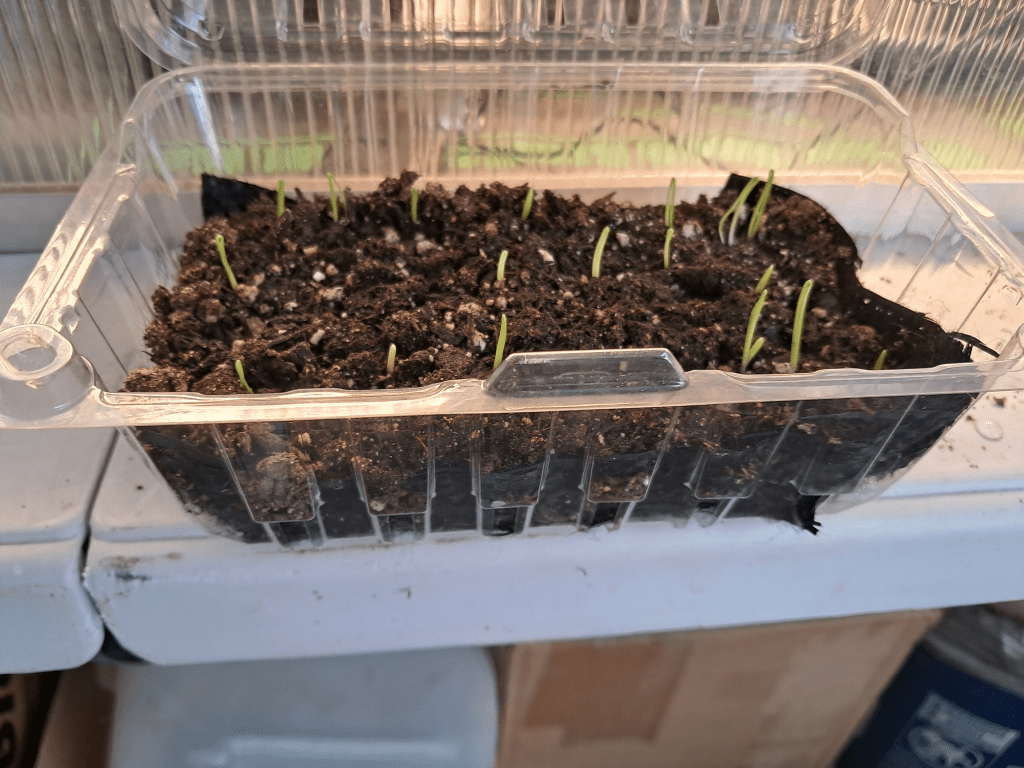
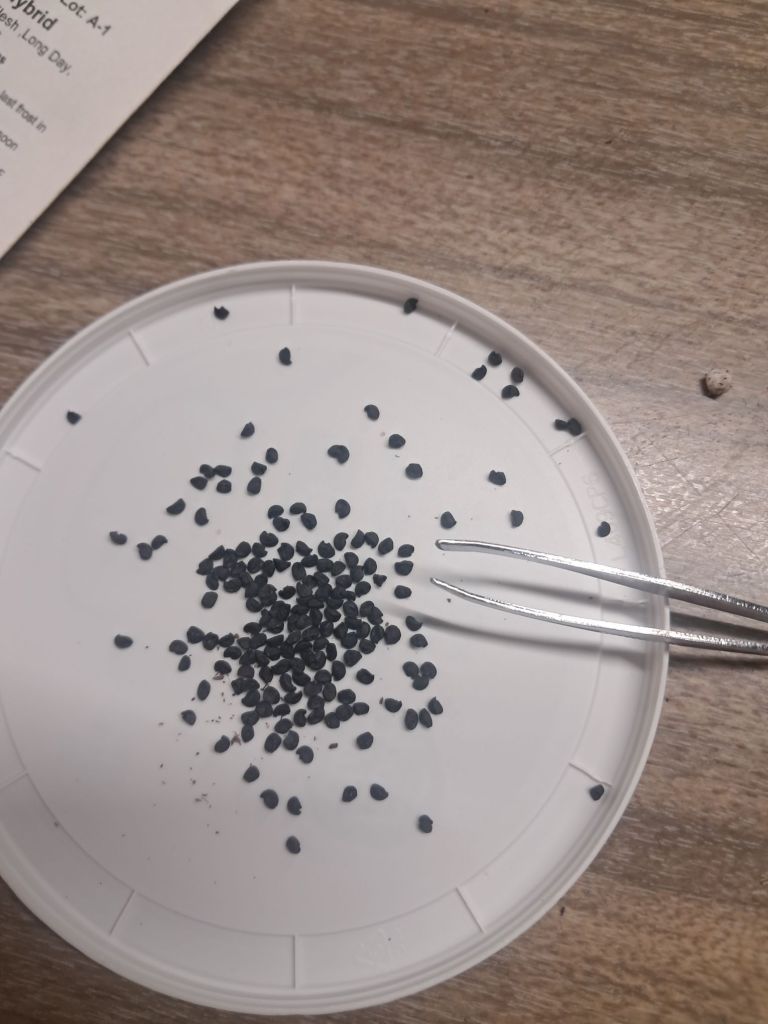
      My six‑year‑old son and I stand together in the soft, golden light of a winter morning. Outside, the world lies quiet under a thin layer of snow. Inside, our kitchen hums with gentle purpose. On an old sour cream container cover, tiny onion seeds rest—black flecks of promise. The soil waits to cradle them in recycled strawberry cartons. My son points to the sunbeam and whispers that the floating dust looks like magic. I smile and agree.

      With tweezers in hand, I show him how to lift each seed and drop it into place. He tries once, twice, and then finds his rhythm. We do this a hundred times—two sets of hands planting quiet hope in the soil. The air smells of earth and possibility. Even in midwinter, there’s life brewing under our fingertips.

      I am struck by how vulnerable each seed is—relying entirely on us for warmth, water, and light. They hold the potential to feed our family, just as my son holds his own potential, waiting for the right care to help him thrive. I can give him a home, guidance, and love, but not control what takes root or how quickly it grows. All I can do is nurture and trust.

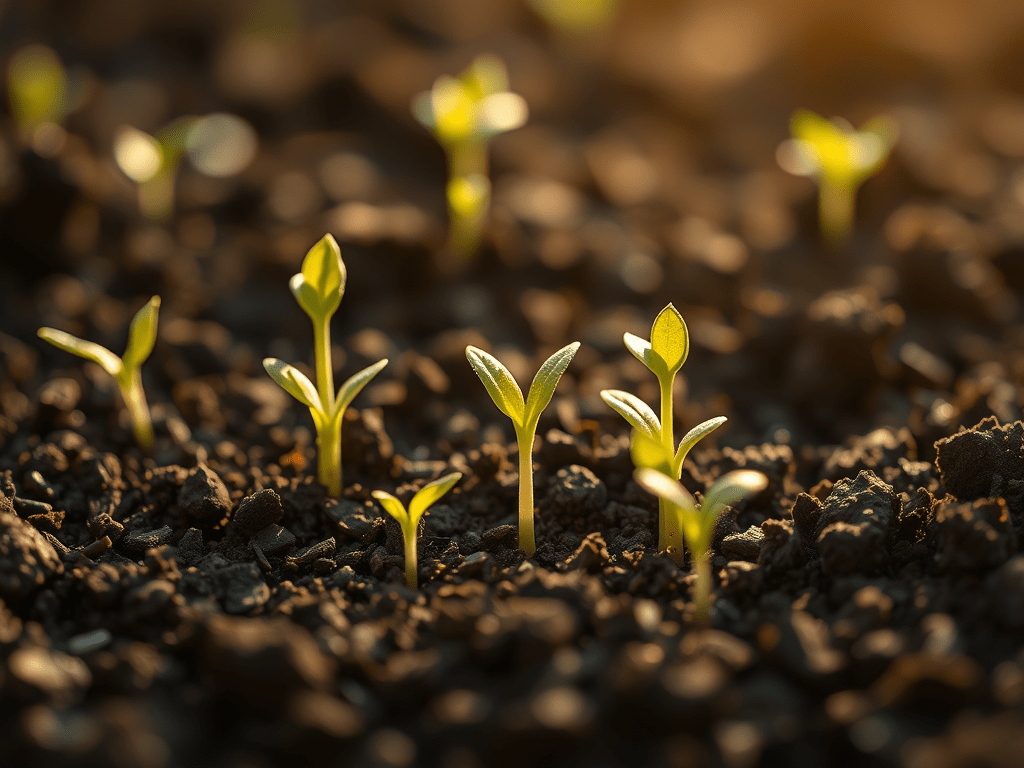
      Each morning, we peek into the trays. Nothing happens—until, suddenly, everything does. A thin green shoot bends toward the light, impossibly fragile yet fierce in its will to live. I feel that same thrill watching my son master something new. The patience, the waiting, the joy of discovery—all unfolds in its own time.

      Over the weeks, we’ll water carefully, clip the tops, and ready the seedlings for their place in the garden. By summer, they’ll feed us, just as these shared moments feed me in ways I never expected. It feels good to know that something small, started with care, can ripple outward into community.

      Gardening keeps teaching me that growth—whether in a seed, a child, or a neighborhood—comes from the same things: attention, patience, and faith in what we cannot yet see. Maybe that’s why tending these small beginnings feels so deeply hopeful.

      In my next post, I’ll share exactly how we start our onions indoors each January, in case you’d like to bring a little green magic into your own winter days.


      🌱 Did this story resonate with you? Tell me about a moment when gardening taught you something unexpected.
      💬 Know someone who’d enjoy this reflection? Please share it!
      ❤️ Subscribe for more stories about growing food, raising kids, and building community.

      Related Posts

      A First Day for Both of Us

      This morning I realized that for the first time in nearly six years, my son will spend more waking hours away from me than with me. Tomorrow, he starts Kindergarten—8 am to 3 pm, five days a week. That single fact tightens my chest with a swirl of emotions: pride at the boy he’s becoming, excitement…

      Keep reading
    5. Good Leaders Delegate: Lessons from My Toddler

      Good Leaders Delegate: Lessons from My Toddler

      What makes a good leader?

      Disclosure: This post contains affiliate links. As an Amazon Associate, I earn from qualifying purchases. Thanks for supporting Practical Homesteading!


      Ever watch a toddler triumphantly pull up their own pants and beam with pride? That’s leadership unfolding—in the everyday chaos of family life, where small wins build big resilience.

      What Self-Awareness Builds
      A good leader knows their strengths and recognizes when others have strengths they don’t. This self-awareness keeps them humble and helps build strong, well-rounded teams instead of trying to do everything solo. Rather than feeling threatened by others’ gifts, they feel grateful and make space for those gifts to shine .

      Delegation That Empowers
      That mindset fuels effective delegation. Good leaders don’t just hand off tasks; they match people with responsibilities that fit their abilities, interests, and growth areas. This empowers others to take ownership, build confidence, and develop skills—making leadership contagious as people step up .

      Stress Without the Spillover
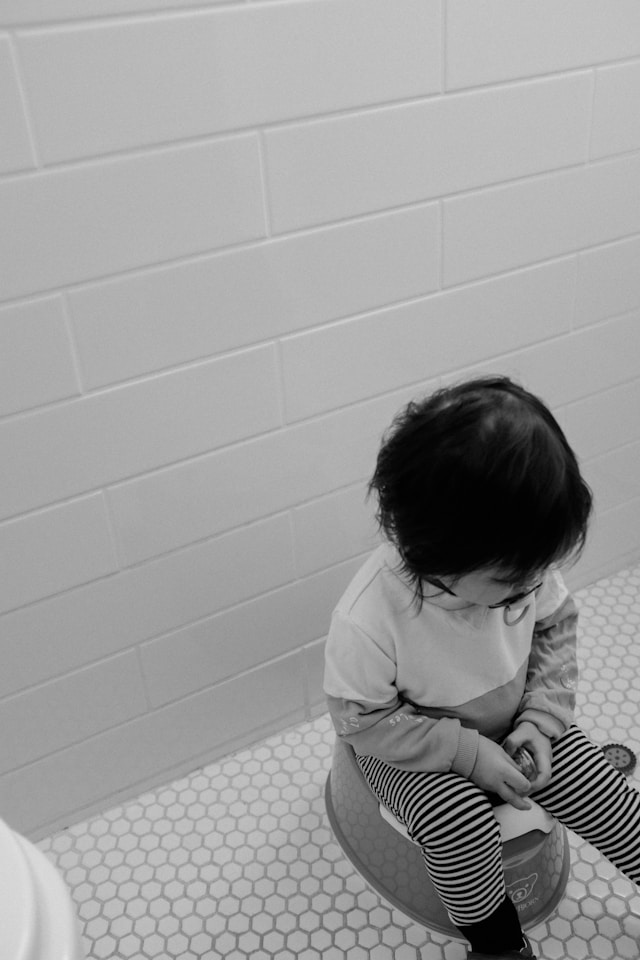
      Good leaders handle stress well—like staying calm through potty regressions or toddler meltdowns at home. Pressure from deadlines, conflict, or surprises is inevitable, but they pause, prioritize, and respond calmly instead of reacting. By staying grounded, they create safety for their team and family. They also prove it’s possible to navigate challenges without losing compassion or perspective.

      Leadership at Home
      I see this at home too. Delegating laundry to my 6-year-old son lets him tackle it on his own schedule, building ownership and resilience. With my 2-year-old daughter, encouraging her to pull up her pants herself after the bathroom means she gets better each day through small wins. Ours started with a Baby Bjorn potty seat (affiliate link), toilet seat insert (affiliate link), and wooden step stool (affiliate link) for that independent reach.

      That’s good leadership in action. Recognizing each child’s unique strengths, giving age-appropriate responsibility, and inviting them into solutions instead of just following orders. The key? Commitment: leadership means little if you’re emotionally absent at home .

      Leadership isn’t about holding the reins—it’s about releasing them wisely so others can run. Who are you empowering today? In families, teams, or communities, the best leaders steward growth, leaving a legacy of capable, confident people who carry the torch forward.

      Feature photo by charlesdeluvio on Unsplash


      Loved this? Like if it hit home, share with a parent-leader, and subscribe for daily real-talk wisdom! Who’s your toughest leadership lesson from? Comment below! 👇

      Related Posts

      Where the Red Fern Grows and the Sprinkler Flows

      The moment I stepped outside in the morning, sweat prickled down my back:  a warning that today would be a scorcher. The thermometer already hovered above 90 degrees, and the rest of the day promised no relief. My husband would be gone this afternoon, off helping family with farm chores, leaving me alone with our…

      Keep reading

      Tickets, Trade-Offs, and Tilt-a-Whirls

      We stepped through the county fair gates with twenty ride tickets to last the whole day. To my five-year-old son, they were a golden key to unlimited fun. To me, they were a limited resource — and a math lesson waiting to happen. The August sun pressed down, bouncing off the metal siding of food…

      Keep reading
    6. Why Seahorses Are My Favorite Animal (Not Chickens!)

      Why Seahorses Are My Favorite Animal (Not Chickens!)

      What is your favorite animal?

      Disclosure: This post contains affiliate links. As an Amazon Associate, I earn from qualifying purchases. Thanks for supporting Practical Homesteading!

      I’m going off script here. You’d expect a homestead star from a homestead girly like me—like the clever pigs rearranging their shelter to face the sun or chickens pecking frogs and toes with equal fervor. I cherish those animals. They shape our daily lessons.

      Yet today, I’m choosing the seahorse. I’ve never kept one. It serves no farm purpose. But that’s its magic—it prompts reflection on family roles from an ocean’s distance.

      Photo by David Clode on Unsplash

      What fascinates me is its gentle role reversal. The female deposits eggs, but the male tucks them into his pouch, nurtures them, and births the young. This challenges “men provide, women nurture.” It models shared responsibility where both partners stay strong, gentle, and committed.

      That’s not just ocean poetry—it’s our story since returning to our hometown. My husband and I share caretaking duties seamlessly. He minds the children during my work calls (sometimes after I paced with our baby in this baby carrier (affiliate link). No toy chaos waits behind—hard-won after frank talks that tested us both. He tends evening chicken feeds amid dusty clucks while I plan garden rows, much like seahorses exchanging roles beneath the waves.

      Caregiving thrives on that flexibility. It’s the yin-yang balance of roles shifting as needed—under ocean depths where seahorses trade pouches and responsibilities, or right here in the farmyard dust where my husband and I pass the load back and forth. Whether it’s him stepping up with the kids so I can wrap a call, or me tackling garden rows while he handles the coop, this give-and-take nurtures what endures: a family that bends without breaking.


      What animal has shaped your view of family? Or what’s your unexpected favorite animal? Share your story below!

      Loved the seahorse twist?
      ❤️ Like if animals inspire your family
      📲 Share with your partner-in-crime
      📧 Subscribe for more homestead wisdom

      Related Posts

      Feathers, Frogs, and Family: Lessons from Our Chickens

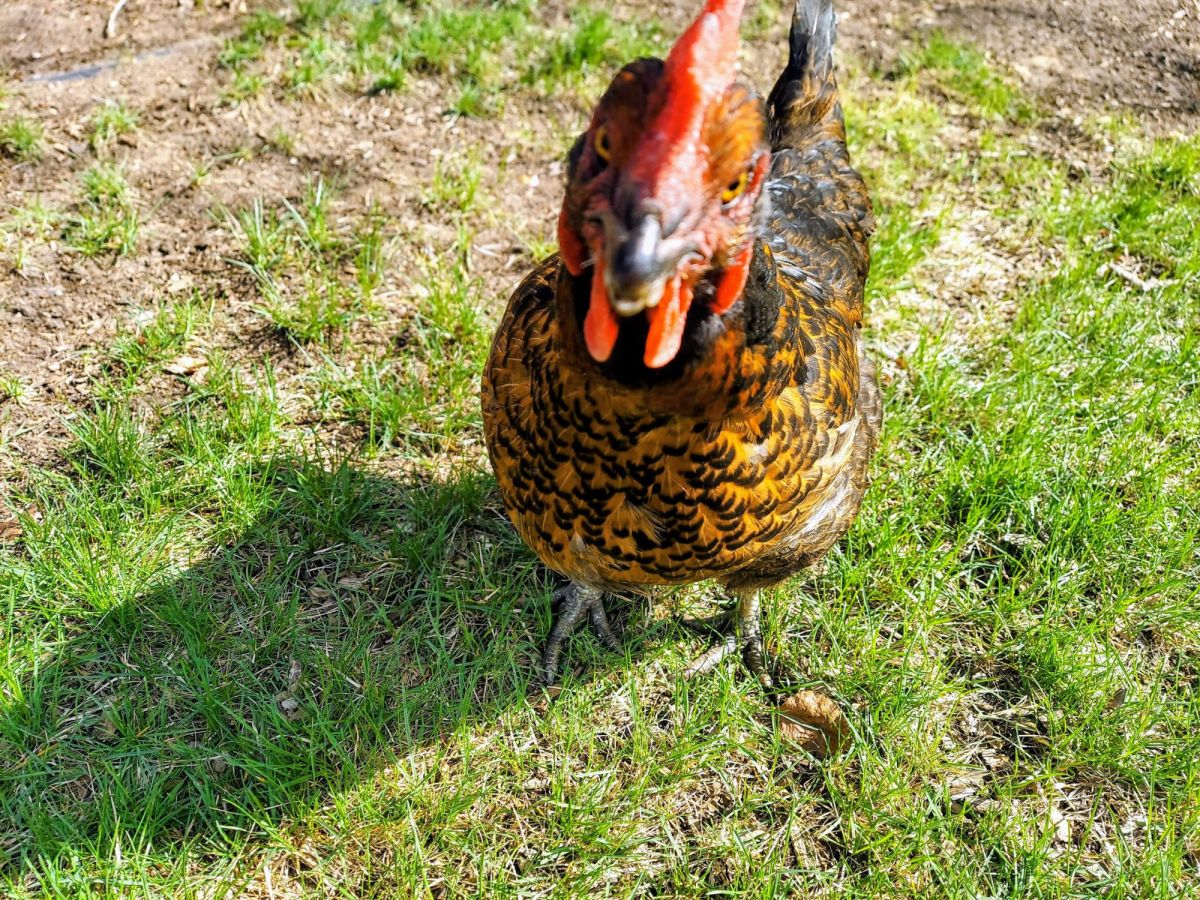
      What are your favorite animals? I remember he day our delivery person lingered just to pet a chicken. It marked a quiet but unforgettable connection between humans and animals in our lives. That black hen with golden feathers wasn’t just beautiful. She was a symbol of the surprising personalities and stories hidden in every farm…

      Keep reading

      Unmuted: Laughing Together at Last

      I never expected to feel this nervous just walking into a donut shop. The bell above the door chimed softly, and I paused—heart rattling, palms damp against my blue Yeti water bottle. The air was thick with sugar and dough, but I wasn’t here for pastries. I was listening for a voice I’d only ever…

      Keep reading
    7. Homesteading Fails School: Practice Mistakes Before Buying Chickens

      Come up with a crazy business idea.

      My Crazy Homesteading Business Idea: The Fails-First Farm School

      Today’s WordPress prompt asked for a crazy business idea. Mine? A homesteading school that teaches you how to fail on purpose—before you waste money on chickens that fly away or bread dense enough to break a brick wall.

      I Grew Up on a Farm But Still Don’t Know How to Homestead

      Here’s the irony: I grew up on a Wisconsin dairy farm, surrounded by cattle and hay bales. But when I wanted to start homesteading—gardening, chickens, bread baking—I had no clue. Why? Because as a kid, I steered toward book learning and school, not the daily farm rhythm. So when I started, I was buying homesteading books, watching YouTube videos, and Googling recipes (and honestly, I often still do).

      If society functioned like it should, we’d learn these skills at home. Anthropological records show traditional societies taught this way. Kids watch parents garden, tend animals, preserve food, then gradually practice under supervision—making mistakes, getting guidance, building proficiency over years. That’s how you end up with adults who can butcher a chicken or predict the weather by cloud shapes.

      Modern Parents Can’t Teach Like This

      But modern working parents? We’re supposed to clock 40+ hours, chase carpools, and collapse before ordering takeout. No time or patience left to let kids fail at kneading dough a hundred times. So we hit 30, feel the pull toward growing food and raising kids closer to the land, and… Google “how to backyard chickens.” Then panic when they escape.

      Enter: Fails-First Farm School. A place to safely mess up before you invest in your own setup.

      The Weekend Curriculum: Practice Failing Safely

      Spend 48 hours doing what parents used to teach over childhood:

      • Bread Track: Intentionally overproof one loaf, underproof another, nail the third. Learn by comparing failures side-by-side.
      • Chicken Track: Chase, catch, trim nails, clean coop—with someone saying, “Yup, we all look ridiculous first time.”
      • Garden Track: Plant mini plots showing overwatering, underwatering, crowding—then fix them.

      No perfection pretense. Just realistic practice for working parents craving growing food, raising kids, building community—but starting from zero hands-on knowledge.

      Who Needs This

      • Farm kids like me who chose books over barn chores
      • City parents feeling the homesteading pull
      • Working moms who want chickens but fear failure
      • Anyone missing the apprenticeship their grandparents got naturally

      Why This Fits My Homestead

      Growing food, raising kids, building community isn’t learned from screens. It’s watching, failing, practicing under kind eyes. Modern life stole that apprenticeship. Fails-First Farm School gives it back to adults who need it now.

      Would I Actually Do It?

      Right now, this is just a coffee-fueled “what if.” I’m still the woman who periodically produces a brick of sandwich bread. But watching working parents like me Google “chicken won’t lay,” I keep thinking: someone should build this.

      What if we let working parents fail forward instead of faking perfection?

      What’s your biggest homesteading fail? Drop it below—I bet it makes a great lesson.

      If this post spoke to you, I’d love for you to help the message spread:

      💬 Share your thoughts in the comments — I truly enjoy hearing your stories.

      💚 Share this post with a friend who also laughs at their mistakes.

      🌾 Subscribe to the blog for more reflections on growing food, raising kids, and building community—one season at a time.

      Related Posts