Category: Personal Growth

  • What Making Dumplings with My Son Taught Me About Food, Family, and Connection

    What Making Dumplings with My Son Taught Me About Food, Family, and Connection

    Daily writing prompt
    What’s your favorite thing to cook?

    When You Ask a Six‑Year‑Old for Help

    This prompt stumped me at first. I love cooking most things, especially when I get to share the meal with people I love. So I took the easy route and invited my six‑year‑old son into the kitchen to help me decide.

    His first instinct was “cookie bars,” which is adorable and perfectly on brand for him—but for me? That’s too easy a win. So we pivoted, and his second answer surprised me: my Chinese‑inspired dumplings—proof he’s been paying attention.


    A Learner in the Kitchen

    I call them “Chinese‑inspired” because I’m not Chinese, and I’ve never been to China. That disclaimer isn’t an apology—it’s a reminder that I’m always learning in the kitchen.

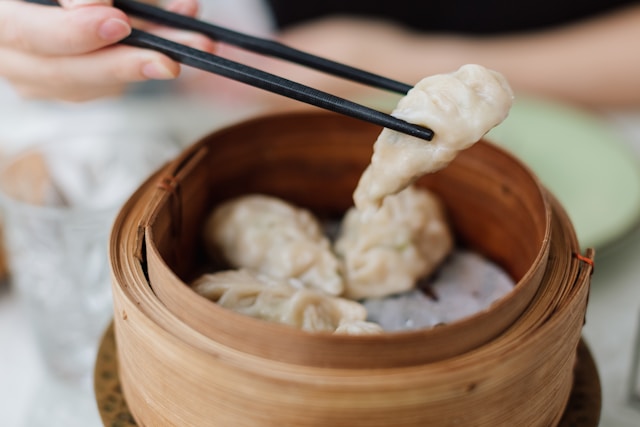
    These dumplings are the kind you steam rather than fry: thin flour wrappers cradling a savory mix of meat and vegetables. I fold them with a rhythm that often makes it look like my son did the work, which feels exactly right—dumplings should look handled, not manufactured. Every crimped edge reminds me that cooking is more about process than perfection.


    A College Detour in Mandarin

    My dumpling story began long before the dough hit the counter. In college, I took three semesters of Chinese on a whim—Spanish was full, and Chinese looked interesting.

    I learned how a stray tone could turn “mother” into “horse,” a lesson that stuck far beyond the classroom. On Friday nights, a Chinese roundtable met on campus. We practiced speaking—and sometimes, we shared steamed dumplings.

    I can still taste that first one, dipped in soy sauce, black vinegar, and sesame oil: warm, tender, and endlessly comforting. It tasted like a small passport stamp on my college life.


    The Janky Restaurant Valentine

    Months later, early in our relationship, my now‑husband and I found ourselves in a tiny, sticky‑floored Chinese restaurant on State Street in Madison. It was Valentine’s Day. The décor was questionable, the menu unpredictable, but the dumplings? Pure joy.

    We ate until we were full and a little giddy. That meal wasn’t about romance; it was about finding comfort in something humble and good—a truth the sticky floor couldn’t ruin.


    Bringing Dumplings Home

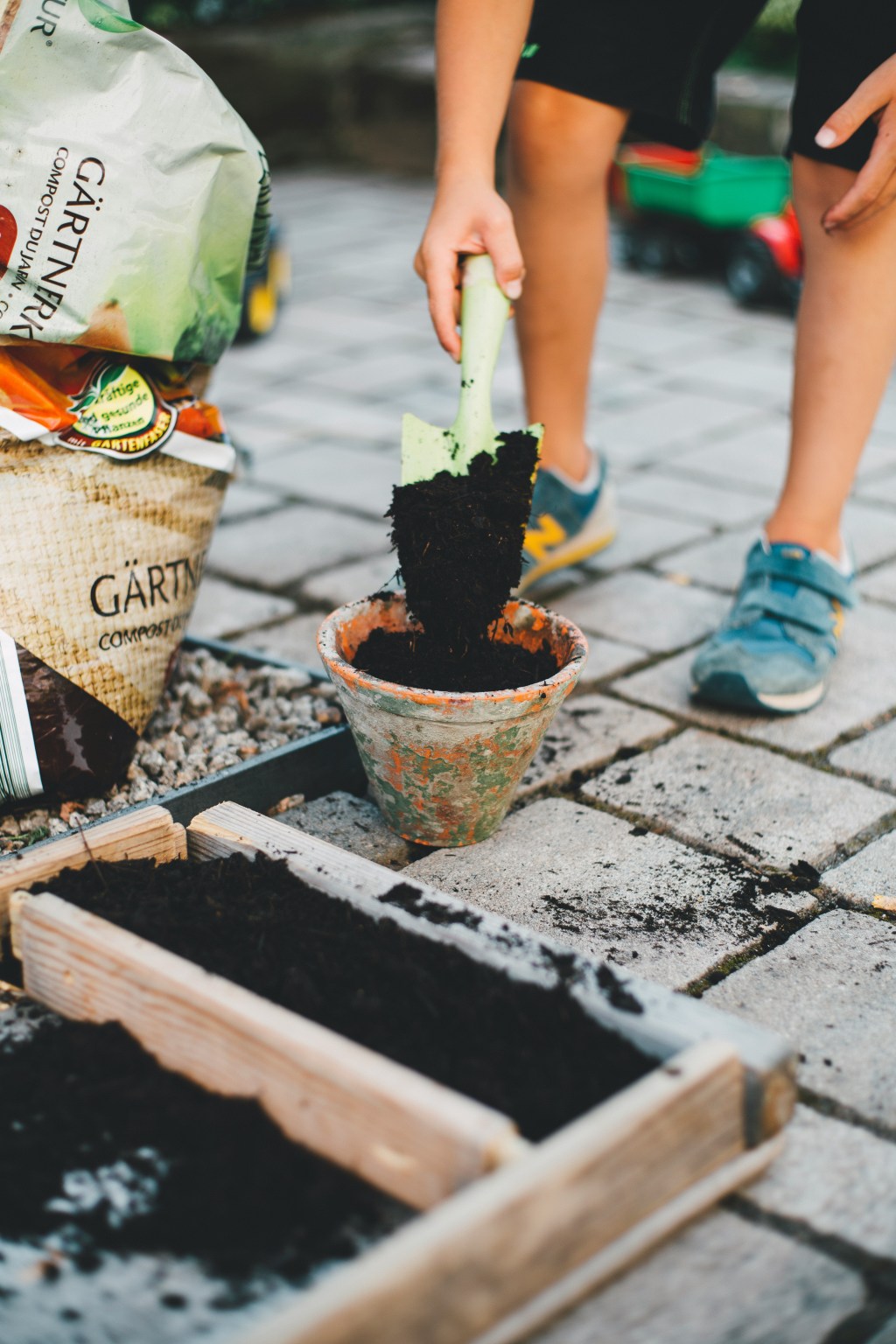
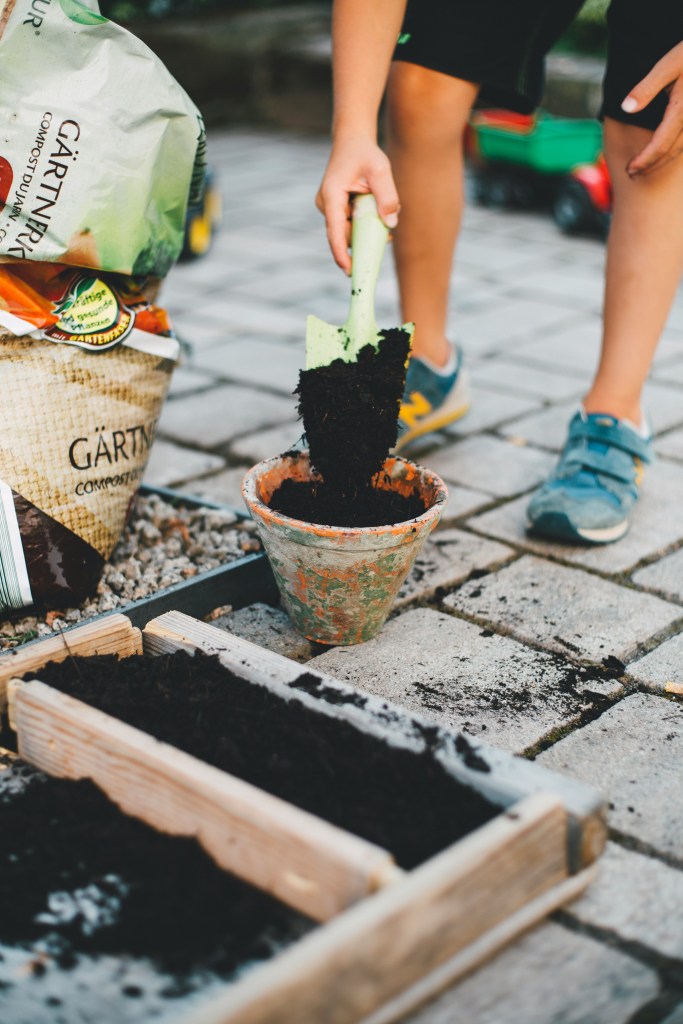
    As I started cooking more at home, I wanted to recreate that feeling. I planted bok choy in the garden—there’s something deeply satisfying about pulling a crisp green leaf from soil you’ve nurtured.

    I experimented with what I had: powdered ginger instead of fresh, onions for sweetness, ground beef for substance. A simple bamboo steamer lined with cabbage leaves kept the dumplings from sticking to the rack.

    The dumplings weren’t authentic, but they were ours. And authenticity, for me, isn’t a destination—it’s a doorway to learning and connection.


    Learning Together, One Mess at a Time

    Now, when my son and I roll dough together, the process has turned into a ritual. We talk, we laugh, we listen to a podcast, and flour drifts across the counter (and occasionally, Black Cat).

    We’re not just making food—we’re making memories that stick, as any good dumpling does. And honestly, we laugh more over flour than over finished meals.


    What It All Comes Back To

    Food weaves together people, places, and time. These dumplings hold it all—college curiosity, early love, homegrown bok choy, and the joyful chaos of raising a child.

    Growing food, raising kids, building community—it all finds its way back to the kitchen.

    Feature Photo by Janesca on Unsplash


    What’s your favorite dish to make and share with the people you love?

    💚 If this story made you smile, share it with a friend who loves food and family as much as you do!

    Subscribe below so you don’t miss the post featuring my Simple Chinese Dumpling Guidelines—and more recipes that grow from the garden to the table.

    Related Posts

    The Power of Local Food: Lessons from Ethnic Cooking

    Until I attended college, I believed that cultural influences on food were largely a thing of the past.  I grew up in a part of small-town Wisconsin where the cultural influence of my German dairy farming heritage had diminished over the years.  Regional dishes, while still present, were largely nationalized.  Food was sourced from boxes…

    Keep reading

    Unfolding the Woman Within

    When I pulled open the long-forgotten box of clothes, I expected nothing more than sweaters and dresses that hadn’t seen daylight since before we moved. Instead, I uncovered an archive of myself—fabric woven with memory and identity, versions of me I thought I’d misplaced in the blur of motherhood, upheaval, and quiet reinvention. Threads I…

    Keep reading
  • My First Computer: Refurbished Dell to Mac Upgrade Story

    My First Computer: Refurbished Dell to Mac Upgrade Story

    Write about your first computer.

    My first computer? A refurbished Dell that my parents gave me as an early graduation gift halfway through senior year. It felt like a quiet door swinging open to the world—no more fighting over the family desktop.

    My sister chipped in for Microsoft Office, making it feel truly official. Suddenly, I could type papers in my room, save drafts without panic, and fuss over fonts late into the night. That Dell tagged along to college for study marathons, half-finished research papers, and way too much social media through my freshman and sophomore years.

    By junior year, it was groaning and freezing at the worst times. True to my “use it up” ways, I rode it until the end instead of fixing it. One afternoon, I walked into Best Buy and came out with a Mac—a thrilling upgrade.

    That Dell still stands out, not for its power, but because it was mine. It carried me from high school awkwardness into real life.

    Feature Photo by Erick Cerritos on Unsplash


    What’s your first computer memory? Share below!

    Loved this nostalgic trip? ❤️, Like, share with a friend, and subscribe for more real-life stories from my homestead.

    Related Posts

    The Power of Local Food: Lessons from Ethnic Cooking

    Until I attended college, I believed that cultural influences on food were largely a thing of the past.  I grew up in a part of small-town Wisconsin where the cultural influence of my German dairy farming heritage had diminished over the years.  Regional dishes, while still present, were largely nationalized.  Food was sourced from boxes…

    Keep reading

    Life by Stratigraphy

    The first sound I remember from that trip wasn’t birdsong or the crackle of firewood—it was my professor’s baritone voice drifting through a soft Michigan mist. Waking to that unlikely serenade, I understood for the first time that geology wasn’t only about rocks. It was about connection. I was a sophomore then, half-frozen in an…

    Keep reading

    Unfolding the Woman Within

    When I pulled open the long-forgotten box of clothes, I expected nothing more than sweaters and dresses that hadn’t seen daylight since before we moved. Instead, I uncovered an archive of myself—fabric woven with memory and identity, versions of me I thought I’d misplaced in the blur of motherhood, upheaval, and quiet reinvention. Threads I…

    Keep reading
  • The Scariest Button I Click as a Homesteading Mom Blogger

    The Scariest Button I Click as a Homesteading Mom Blogger

    What’s the thing you’re most scared to do? What would it take to get you to do it?

    I’ve been writing online for nine months, and you’d think the fear would have faded. But every time I hover over “Publish,” my heart still skips. It’s funny — no matter how many posts I write, that little flash of fear never really goes away.

    The Scariest Button I Click

    “Publish” on my most vulnerable stories.

    I can talk all day about raising kids, growing food, and finding our rhythm in community. I’ve shared about my postpartum struggles and other tender seasons because I want other moms to know they’re not alone. That kind of openness feels easier now—but there are deeper stories I haven’t shared yet. The ones that changed me, stretched me, and still make my stomach knot when I think about putting them out there.

    The Drafts That Wait

    Some of those stories sit in my drafts folder, half‑finished, holding the hardest moments—the times that tested my faith, my patience, and my sense of self. I know sharing them might help someone else, but I still hesitate. I worry about being misunderstood, about saying too much, about people turning away. But I also know that the most meaningful connections grow when we show up honestly, even when it scares us.

    What It Would Take

    • A clear why: Remembering that if one person feels seen, the fear is worth it.
    • Gentle accountability: Friends who nudge me to keep showing up.
    • Boundaries: Knowing which parts of my story I can hold close.
    • Small practice: One honest sentence at a time, letting courage build slowly.

    Growing Braver

    The fear never really leaves. But each time I hit “publish,” I feel a little steadier, a little stronger. I see that courage isn’t a single leap—it’s the quiet, everyday choosing to keep growing, even when it’s uncomfortable. Maybe that’s what real community is built on: showing up with our full selves, mess and all, and finding we’re not alone after all.

    Feature Photo by yousef samuil on Unsplash


    If you’re comfortable, tell me one area where you’re trying to be braver this year.

    If this story made you feel a little less alone, share it with a friend who might need it too. Better yet, invite them over for coffee and a real conversation. Subscribe for more reflections on growing food, raising kids, and building community—new posts every Sunday and Thursday.

    Related Posts

    The Courage to Belong

    For as long as I can remember, I wore independence like a suit of armor: polished, impenetrable, and heavy. I believed that refusing help was a sign of strength; until, one winter night, my newborn son cracked that armor wide open. I was sitting on the cold living room floor, cradling him against my chest,…

    Keep reading
  • Seeds of Patience: What Planting Onions with My Child Taught Me About Growth

    Seeds of Patience: What Planting Onions with My Child Taught Me About Growth

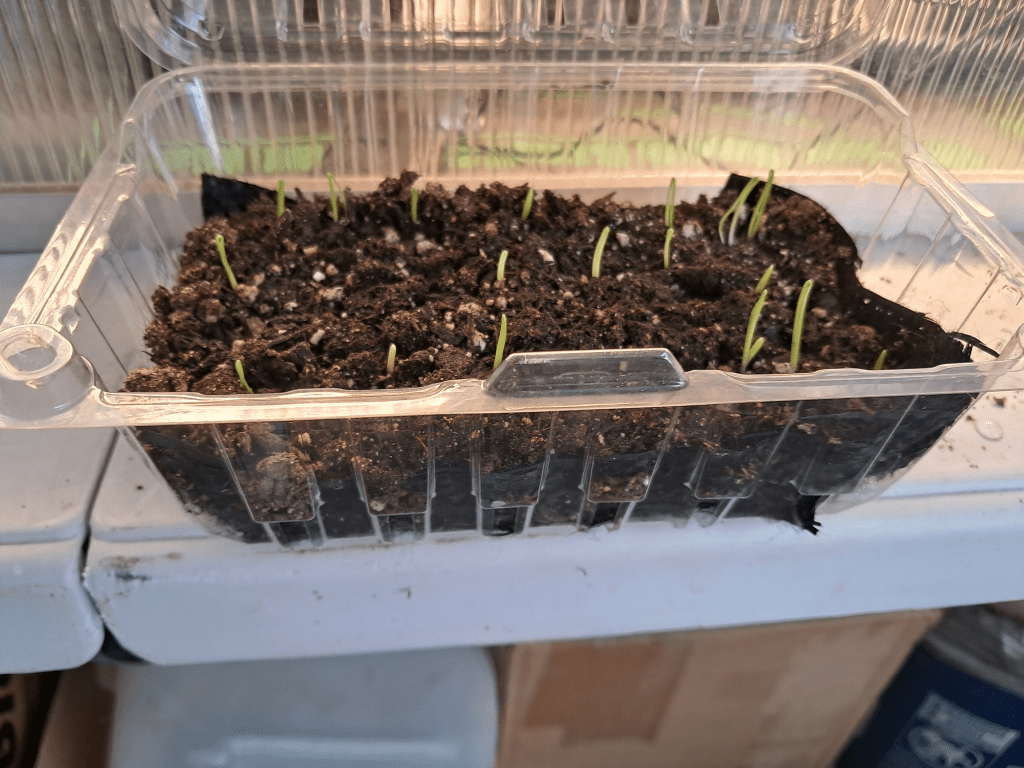
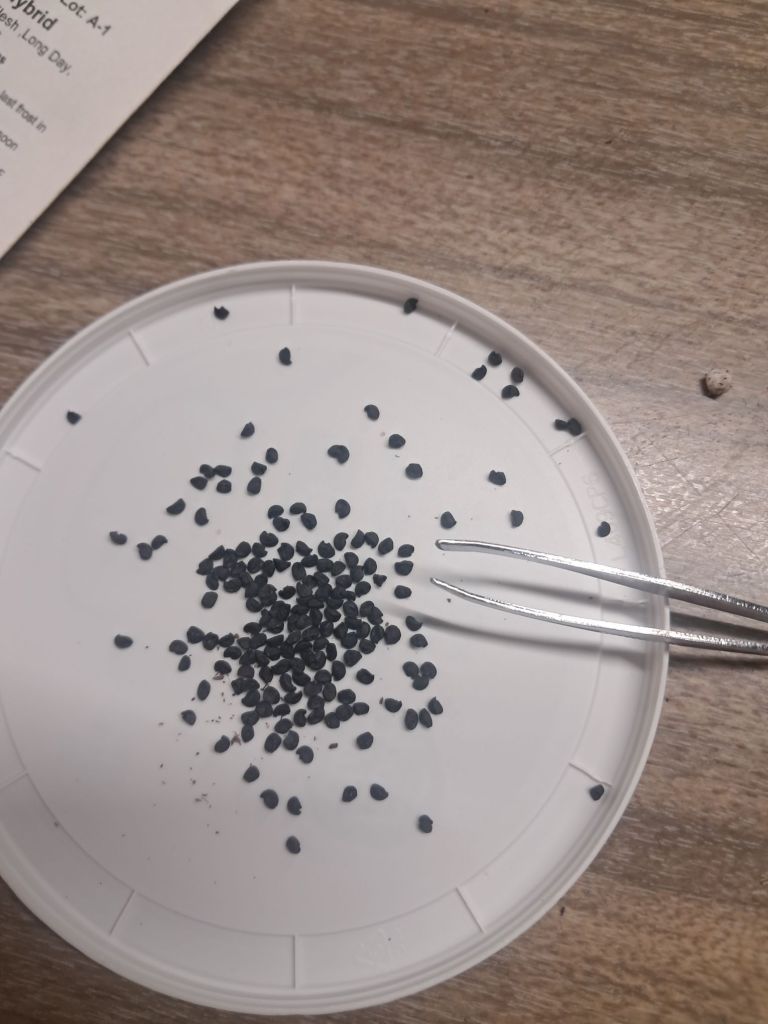
    My six‑year‑old son and I stand together in the soft, golden light of a winter morning. Outside, the world lies quiet under a thin layer of snow. Inside, our kitchen hums with gentle purpose. On an old sour cream container cover, tiny onion seeds rest—black flecks of promise. The soil waits to cradle them in recycled strawberry cartons. My son points to the sunbeam and whispers that the floating dust looks like magic. I smile and agree.

    With tweezers in hand, I show him how to lift each seed and drop it into place. He tries once, twice, and then finds his rhythm. We do this a hundred times—two sets of hands planting quiet hope in the soil. The air smells of earth and possibility. Even in midwinter, there’s life brewing under our fingertips.

    I am struck by how vulnerable each seed is—relying entirely on us for warmth, water, and light. They hold the potential to feed our family, just as my son holds his own potential, waiting for the right care to help him thrive. I can give him a home, guidance, and love, but not control what takes root or how quickly it grows. All I can do is nurture and trust.

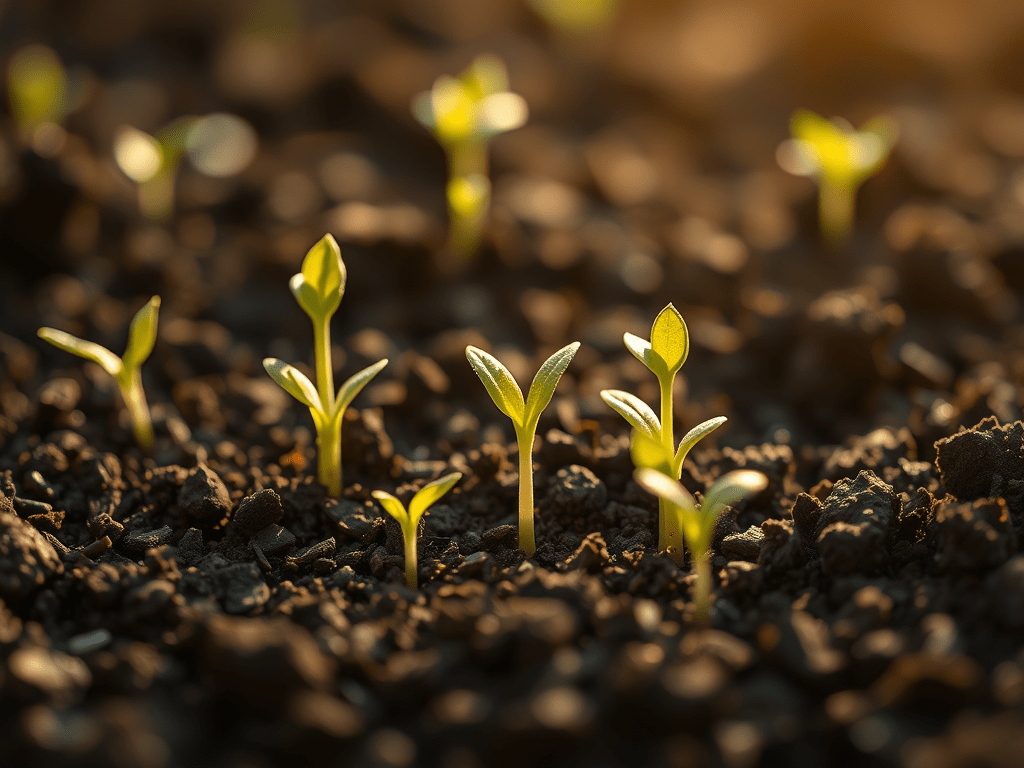
    Each morning, we peek into the trays. Nothing happens—until, suddenly, everything does. A thin green shoot bends toward the light, impossibly fragile yet fierce in its will to live. I feel that same thrill watching my son master something new. The patience, the waiting, the joy of discovery—all unfolds in its own time.

    Over the weeks, we’ll water carefully, clip the tops, and ready the seedlings for their place in the garden. By summer, they’ll feed us, just as these shared moments feed me in ways I never expected. It feels good to know that something small, started with care, can ripple outward into community.

    Gardening keeps teaching me that growth—whether in a seed, a child, or a neighborhood—comes from the same things: attention, patience, and faith in what we cannot yet see. Maybe that’s why tending these small beginnings feels so deeply hopeful.

    In my next post, I’ll share exactly how we start our onions indoors each January, in case you’d like to bring a little green magic into your own winter days.


    🌱 Did this story resonate with you? Tell me about a moment when gardening taught you something unexpected.
    💬 Know someone who’d enjoy this reflection? Please share it!
    ❤️ Subscribe for more stories about growing food, raising kids, and building community.

    Related Posts

    A First Day for Both of Us

    This morning I realized that for the first time in nearly six years, my son will spend more waking hours away from me than with me. Tomorrow, he starts Kindergarten—8 am to 3 pm, five days a week. That single fact tightens my chest with a swirl of emotions: pride at the boy he’s becoming, excitement…

    Keep reading
  • Why I Read Survivor Stories About Strength and Hope

    Why I Read Survivor Stories About Strength and Hope

    Daily writing prompt
    What books do you want to read?

    Books shape us as much as we shape gardens or communities. They feed the mind, plant empathy, and remind us that resilience often grows in the darkest places.

    When I saw today’s prompt — “What books do you want to read?” — I realized my answer says a lot about what kind of growth I’m craving this year. Reading has always been more than a pastime; it’s how I connect. Story time with my kids is sacred — we laugh, wonder, and sometimes ask big questions together. Once, I even read The Disaster Artist aloud to my husband, and we laughed so hard we cried. That joy lives in my memory like a cherished heirloom.


    📚 Reading with the village

    Beyond home, I gather monthly at our local library for book club — a lively mix of neighbors and new friends united by stories and snacks. We’ve been deep in historical fiction lately, stepping into lives far from our own. These evenings remind me that community grows naturally when people come together to wonder.

    If you’re curious about what we’ve been reading together, I share highlights and reflections on my Book Club Reads page (this page contains affiliate links — I may earn a small commission, at no extra cost to you, if you decide to purchase. Thank you for supporting Practical Homesteading!).


    🌿 Why survivor stories call to me

    Recently, I’ve found myself drawn to stories of survival — real people facing impossible odds and somehow finding light. Maybe it’s because they show not only how people survive, but why they choose to keep living.

    Here are a few titles that top my list right now:

    “Man’s Search for Meaning” by Viktor Frankl
    A profound reflection on finding purpose even in suffering. Frankl’s insights from Auschwitz remind me that inner strength begins with meaning.

    “Endurance: Shackleton’s Incredible Voyage” by Alfred Lansing
    Twenty-eight men trapped on Antarctic ice for more than a year — and every one of them survives. It’s a gripping lesson in leadership, loyalty, and hope against all odds.

    “Jungle” by Yossi Ghinsberg
    Still on my to-read list, this one explores what happens when you’re alone in the Amazon and survival depends on the mind as much as the body.


    🌼 Lessons for everyday resilience

    I hope I never face what these survivors endured, yet I read their stories to understand the quiet strength that grows inside us all. I want my children to see that resilience works like a garden — cultivated through patience, weathering storms, and trusting in renewal.

    Reading reminds me that every family, every friendship, is its own kind of survival story. We move through hard seasons by leaning on one another and holding faith that winter won’t last forever.

    “Endurance isn’t about toughness — it’s about purpose, compassion, and hope taking root in the hardest soil.”

    So, as I grow food, raise kids, and build community, I’ll keep reading about people who found light when the world went dark. These stories keep me grounded — and remind me that, like a garden in spring, we can always begin again.


    What about you — which story has taught you the most about resilience? Please share your book recommendations in the comments! I love to learn and grow with you!

    🌱 If you enjoyed this reflection, don’t forget to like, share, and subscribe for more posts about growing food, raising kids, and building community — one story at a time.

    Related Posts

    From Ghost Ships to Dragons: Growing a Family of Readers

    What book are you reading right now? Some of my earliest memories are of getting lost in a book. I read on the school bus until the motion made me queasy but I never quite wanted to stop. Books have always been my favorite escape into bigger worlds. That love of stories has shaped much…

    Keep reading
  • The Story Behind My Name: From “Face” to Embracing Faith

    The Story Behind My Name: From “Face” to Embracing Faith

    Write about your first name: its meaning, significance, etymology, etc.

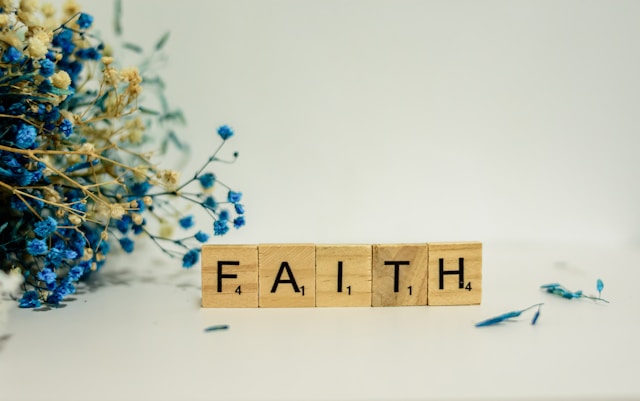
    As the last of six girls, I drew the “leftover” name that ended up rewriting my story.

    Faith was not the name my parents had planned—because they hadn’t planned any name at all. The night I was born, my mom kept suggesting options and my dad kept turning them down. Nothing felt quite right. Then my mom suggested Faith, adding almost offhandedly, “Everyone needs a little Faith.” This time, my dad didn’t argue. Just like that, Faith became mine.

    For years, I didn’t love that origin story. My name felt too different, too noticeable. On the phone, if I said it too fast, people would ask me to repeat it or guess something else entirely. One child dubbed me “Face” in a moment of childhood brilliance. That pretty much summed up how I felt—misheard, slightly awkward, and more than a little self-conscious about a name that drew attention I didn’t want.

    Names have a way of catching up with you, though. As I got older, I started to sit with the meaning of Faith. At its simplest, it means “belief in something greater than yourself.” That “something greater” is different for everyone—God, the universe, a calling, a purpose, or even the quiet conviction that life can be better than it is today. There is a tenderness in that idea, a kind of built-in hope. My name stopped feeling like an odd label and started feeling more like an invitation.

    Faith, on its own, doesn’t magically fix anything. Belief without action can easily turn into wishful thinking. But when you pair faith with hard work, grit, and determination, it becomes a powerful force. It keeps you moving when the path is unclear. It nudges you to try again after a setback. It whispers that the effort is still worth it, even when the outcome isn’t guaranteed .

    Now, when I introduce myself, I do it with a little more warmth toward that younger version of me who cringed at her own name. I carry a word that reminds me daily to look beyond what I can see, to trust that there is more possible than what is obvious, and to keep showing up and doing the work anyway.

    Everyone may not need me, exactly—but everyone does need a little faith. And somehow, over the years, that has become something I’m proud to embody.

    Feature photo by Alex Shute on Unsplash


    What’s the story behind your name? Share below—let’s uncover what we carry .

    Loved this? Like if names move you, share your story with family, subscribe for more heart-to-heart wisdom! What’s behind your name? Tell us below 👇

    Related Posts

    From Nerves to Connection: Lessons from a Lifetime of Public Speaking

    Have you ever performed on stage or given a speech? My heartbeat quickened as the announcer called my name, each syllable echoing through the microphone. Applause filled the conference hall as I walked toward the podium, my shoes tapping softly against the floor. The room smelled faintly of coffee and stale donuts—a familiar comfort for…

    Keep reading


  • When Toddler Dishes Taught This Working Mom to Feel Loved

    Can you share a positive example of where you’ve felt loved?

    Disclosure: This post contains affiliate links. As an Amazon Associate, I earn from qualifying purchases. Thanks for supporting Practical Homesteading!


    Ever feel like love keeps reaching for you, but some old instinct makes you duck away?

    That’s been my story for most of my life, a quiet belief that something was fundamentally wrong with me—something that disqualified me from being truly, deeply loved. When people went out of their way with kindness, whether it was a thoughtful gesture or words meant to affirm me, I found myself almost unable to bear it. I’d deflect with a joke, change the subject, or pull back to what felt like a safer distance, convincing myself I didn’t really need anyone after all. And yet, from that very distance, I’d ache and complain that no one truly cared.

    Where the Pattern Began
    Looking back, I can trace much of this to childhood on our Wisconsin dairy farm. Farming carried relentless stress—long days in the fields, milking cows, haying season pressures that stretched my parents thin. The farm always came first, and while they poured everything into keeping it alive, we six girls learned to need less, do more, and stay out of the way. We never needed words to feel the pressure, but children read rooms like seismographs, absorbing every sigh, every moment of bone-deep tiredness. I internalized that needing anything made me a burden. So I shrank myself: good student, low-maintenance helper, hyper-independent. Better to be useful than to be needy.

    That pattern wove into adulthood. My love language became acts of service—cooking, cleaning, organizing, stepping in quietly. It became both how I loved and my shield. Always doing meant never done for, staying safely in control as the helper, never the helped.

    When My Children Started to Change Everything
    Motherhood began unraveling this through hundreds of small moments. When my babies nestled against me, their complete trust felt like a start. But deeper change came as they grew, each finding ways to love me back through acts of service—their tiny mirror of what I’d modeled for them.

    My two-year-old adores doing the dishes. She drags a chair to the sink, climbs up purposefully, rag in hand, and tackles plastic bowls and spoons. Counters grow wetter, floor becomes a puddle, but her earnest eyes shine with pride. The old me wants to take over. Instead, I hand her another bowl and say softly, “You’re such a good helper. Thank you.”

    My six-year-old is mastering the art of folding laundry. When our daughter arrived, survival mode hit hard. For a while it was simply faster to do everything ourselves. Now that we’re coming out of that season, we’re intentionally pulling him into family contributions, even though it takes more effort and patience from us. He folds t-shirts into neat squares, pairs up socks as best he can. Sometimes I open my drawer to discover one of dad’s underwear tucked in with my things. I gently correct him as I place it in dad’s drawer. Now he proudly asks first, “Mom, is this yours or Dad’s?” Him learning to be involved feels worth it for his well-being in the long run.

    Then there are the rocks. He loves bringing me stones that he finds: smooth pebbles, bits of quartz, sometimes just muddy treasures he knows I’ll appreciate. As an environmental professional with a geology background, his rocks land right in the center of my heart. He’ll run up, eyes shining, holding out his find: “Mom, I found this special rock just for you!” I take time to study each one with him, turning it over in my hands before placing it in this clear container where his rock collection resides.

    The Moment Love Finally Landed
    These imperfect acts were their love language, mirroring mine. Rejecting them would mean rejecting their hearts. So I’m practicing receiving: drying toddler plates, keeping laundry stacks as-is, treasuring every rock.

    One overwhelmed day, I found my two-year-old at the sink, surrounded by suds and her pile of “clean” bowls. Water dripped from her elbows, face earnest, clearly seeing my exhaustion. No words needed—her effort said, “Mommy’s tired. I’m helping.”

    That cracked me open. All my life avoiding burdenhood, here was my toddler seeing me and choosing to lighten my load anyway.

    The Homesteading Lesson Love Teaches
    Love arrived not as overwhelming force, but through soggy dishes, earnest laundry folds, rocks gathered for Mommy—humble acts from small hands noticing my need. My lived-in home holds these lessons.

    My children teach me love shows in ordinary service. When I receive without fixing, I rewrite “burden” as “belonging.” They prove I’m not too much—I’m exactly right for their help, their effort, their love. And teaching my son to contribute builds his confidence for life ahead.


    👉 **What’s YOUR love language struggle?** Drop it below! 
    ❤️ Like if toddler “help” melts you too 
    📲 Share with your fellow working mom 
    **Subscribe for weekly real homesteading + mom life**

    Related Posts


  • Why I Chose Homesteading

    Why I Chose Homesteading

    Disclosure: This post contains affiliate links. As an Amazon Associate, I earn from qualifying purchases. Thanks for supporting Practical Homesteading!


    I turn 36 this week, and it feels like as good a time as any to tell you who I am.

    I am

    • a wife
    • a working mother of 2 beautiful children
    • an environmental professional
    • a homesteader
    • a gardener
    • a reader
    • an animal caretaker
    • an aspiring writer (the blog you’re reading is me practicing)
    • an amateur historian
    • a perfectionist
    • a ruminator
    • a friend
    • a daughter
    • a sister

    Growing Up on a Wisconsin Dairy Farm
    I grew up on a dairy farm in Southeastern Wisconsin during the 1990s. It was a tumultuous time in farming—small family-run dairy farms were rapidly disappearing into larger, consolidated operations.

    My dad secretly never wanted to be a farmer. Born an only child into a multigenerational operation, he inherited the responsibility anyway. Despite that, he managed to hold onto his land and his 60-cow herd through years of stress and hardship. All the while, there was this undercurrent—he’d tell us kids, “Don’t farm. There’s no money in it.” That story deserves its own post someday.

    In 2001, my dad sold the herd and rented the land to a nearby large farm. By that point, my five older sisters had mostly graduated high school and left to make their own way. My parents took “city jobs”—Ma at the local grocery store, my dad first as a farmhand, then for a local horizontal drilling company. They bought beef cattle for me to care for during my teenage years.

    The Teenage Rebel Who Wanted Out
    Before my dad took over from his father, farmers traveled no more than a mile to access all their land. By the time he changed careers 25 years later, some had to drive an hour or more to reach the farthest corners of their acreage. The world I grew up in was already shifting fast beneath my feet.

    But as a teenager, I couldn’t have cared less about the cattle I was entrusted with. Farming felt pointless. I was determined to “get out of Dodge County” and go to college in nearby Madison. Books came easily to me, and I wore that like armor. I had a chip on my shoulder—I thought I was smarter than the farm life, better than staying put, that I had everything figured out.

    Pride, Pain, and Coming Back to Earth
    Pride comes before a fall, as they say. I never had one dramatic crash, but I had low moments that humbled me.

    When I was 17, I sustained serious burn injuries on my arms and chest. I received skin grafts on my arms. I spent a long season wrestling with shame and the fact that I was marked by scars. When I finally reached Madison—the dream I’d chased—I felt small next to high achievers who hadn’t come from farms and had flawless skin.

    Even after landing a job as an environmental professional, I stood in rooms feeling inadequate beside people who seemed to know so much more. It took years to accept I wasn’t the smartest person in the room—but I still had something valuable to offer.

    Love, Long Courtship, and Hotel-Hopping 20s
    I started dating my now-husband at 19. We’d known each other longer, but that’s when our story began. He didn’t grow up on a farm but found agriculture fascinating. He thought it was neat that I’d spent my childhood around cows, even as I ran away from that identity.

    After a long courtship, we married when I was 27. We loved each other deeply, but finding our rhythm took time. Through trial and error, we landed on shared ground: children, homesteading, and country living.

    All along, I’d quietly loved making things from scratch, even if I didn’t call it homesteading. Freshman year of college, I made pizza entirely from scratch (except the cheese). It took three times longer than it should have. I ruined zucchini bread by confusing tablespoons for teaspoons of salt. Junior year, I bought a crockpot (affiliate link) that made my dorm floor jealous of the dinner smells wafting from my room.

    Motherhood Opened My Eyes
    I graduated grad school at 24 and we moved near Green Bay for my job. For the next six years—my freewheeling late 20s—we traveled heavily—for work and fun—with each other, family, and friends. Hotels became our second home. It was a wonderful season of freedom I hated to see end.

    Then I had my son just before turning 30. Motherhood was like someone handing me color television after a lifetime of black-and-white. The challenges were endless—physical, emotional, exhausting. But when he smiled and grabbed my finger with his tiny, chunky hand, everything faded. I wanted to be better for him.

    That first year coincided with Covid. No village. Husband working a lot. Our beautiful house on 18 acres of “dream land” suddenly felt hollow. Land doesn’t raise children. Pride in property lines doesn’t fill the gaps. As we talked about baby number two, we made a deliberate choice: we moved back to our hometown near Mayville, Wisconsin.

    Photo by Markus Spiske on Unsplash

    Dad Endured. I’m Choosing.
    Dad held onto that farm through brutal years—not because he loved it, but because he was born into it as the only child carrying a multigenerational legacy. He’d tell us, “Don’t farm—there’s no money in it.” Now I’m choosing this life freely—not out of obligation, but because it fits who I’m becoming. We’re gardening, raising chickens, baking bread, and raising two children. The girl who couldn’t wait to escape Dodge County came back on her own terms.

    At 36, I’m still a perfectionist and a ruminator. Still learning that I don’t need to be the smartest to serve well—I just need to show up, learn, and share what I find.

    This blog is me doing that. Someone standing in the middle of her story. Rooted, growing, still in progress.

    Practical Homesteading: growing food, raising kids, building community.


    If you enjoyed reading this post, please like it. Share with an interested friend. And subscribe for more reflections on the messiness of life (and a couple recipes too). Thank you for reading.

    Related Posts

  • Why Seahorses Are My Favorite Animal (Not Chickens!)

    Why Seahorses Are My Favorite Animal (Not Chickens!)

    What is your favorite animal?

    Disclosure: This post contains affiliate links. As an Amazon Associate, I earn from qualifying purchases. Thanks for supporting Practical Homesteading!

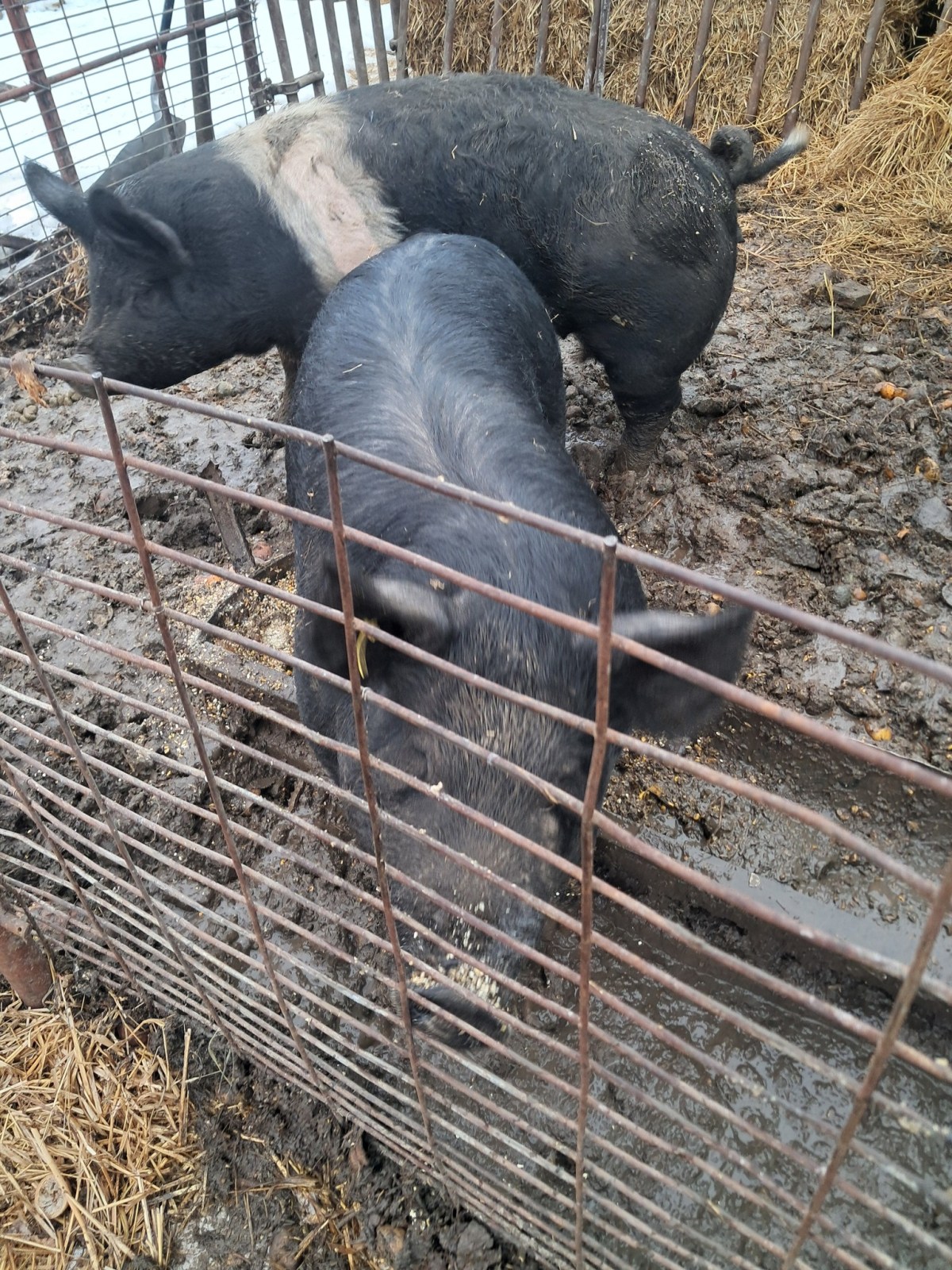
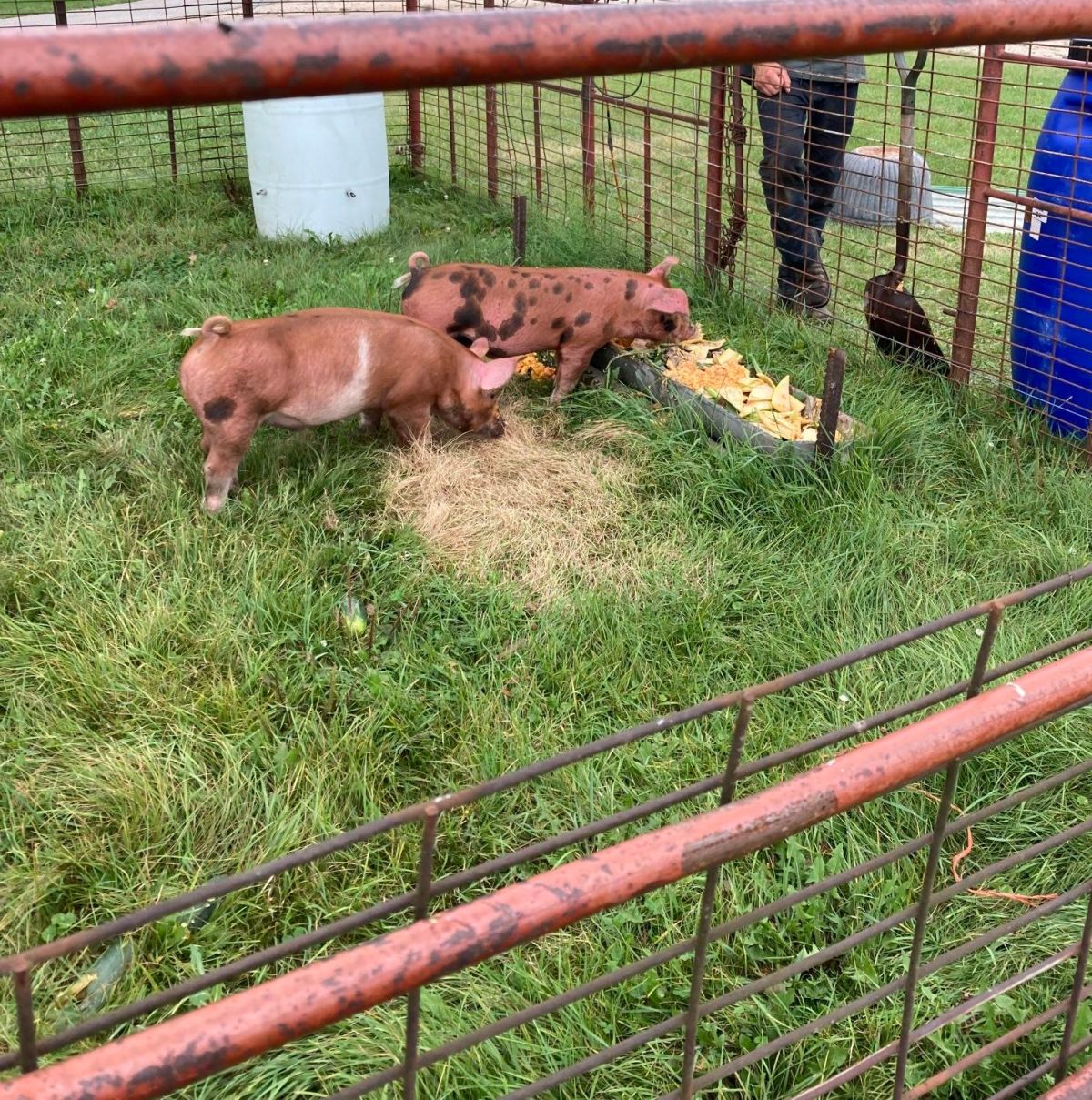
    I’m going off script here. You’d expect a homestead star from a homestead girly like me—like the clever pigs rearranging their shelter to face the sun or chickens pecking frogs and toes with equal fervor. I cherish those animals. They shape our daily lessons.

    Yet today, I’m choosing the seahorse. I’ve never kept one. It serves no farm purpose. But that’s its magic—it prompts reflection on family roles from an ocean’s distance.

    Photo by David Clode on Unsplash

    What fascinates me is its gentle role reversal. The female deposits eggs, but the male tucks them into his pouch, nurtures them, and births the young. This challenges “men provide, women nurture.” It models shared responsibility where both partners stay strong, gentle, and committed.

    That’s not just ocean poetry—it’s our story since returning to our hometown. My husband and I share caretaking duties seamlessly. He minds the children during my work calls (sometimes after I paced with our baby in this baby carrier (affiliate link). No toy chaos waits behind—hard-won after frank talks that tested us both. He tends evening chicken feeds amid dusty clucks while I plan garden rows, much like seahorses exchanging roles beneath the waves.

    Caregiving thrives on that flexibility. It’s the yin-yang balance of roles shifting as needed—under ocean depths where seahorses trade pouches and responsibilities, or right here in the farmyard dust where my husband and I pass the load back and forth. Whether it’s him stepping up with the kids so I can wrap a call, or me tackling garden rows while he handles the coop, this give-and-take nurtures what endures: a family that bends without breaking.


    What animal has shaped your view of family? Or what’s your unexpected favorite animal? Share your story below!

    Loved the seahorse twist?
    ❤️ Like if animals inspire your family
    📲 Share with your partner-in-crime
    📧 Subscribe for more homestead wisdom

    Related Posts

    Feathers, Frogs, and Family: Lessons from Our Chickens

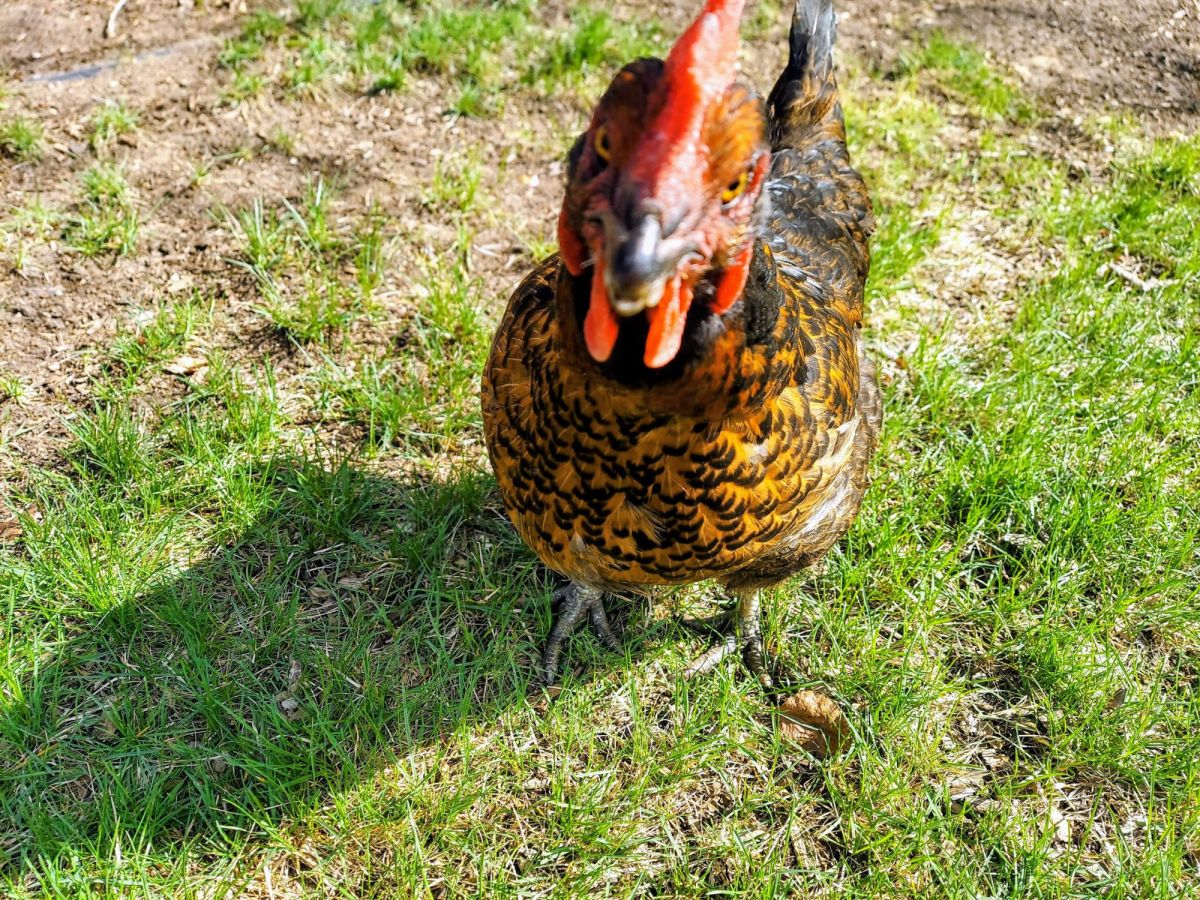
    What are your favorite animals? I remember he day our delivery person lingered just to pet a chicken. It marked a quiet but unforgettable connection between humans and animals in our lives. That black hen with golden feathers wasn’t just beautiful. She was a symbol of the surprising personalities and stories hidden in every farm…

    Keep reading

    Unmuted: Laughing Together at Last

    I never expected to feel this nervous just walking into a donut shop. The bell above the door chimed softly, and I paused—heart rattling, palms damp against my blue Yeti water bottle. The air was thick with sugar and dough, but I wasn’t here for pastries. I was listening for a voice I’d only ever…

    Keep reading
  • How Teams + Chickens Power My Work-from-Home Mom Life

    How Teams + Chickens Power My Work-from-Home Mom Life

    In what ways do you communicate online?

    Disclosure: This post contains affiliate links. As an Amazon Associate, I earn from qualifying purchases. Thanks for supporting Practical Homesteading!

    Online communication wraps my days like an old quilt—patched from COVID chaos into something warm and steady, threading work demands with homestead heart.

    Work: Coworkers Made It Possible
    Picture March 2020: lockdown just hit, my 4-month-old screaming through a call with all my coworkers, less than a week into daycare closures. A kind voice chimed in—”Hey, there’s a mute button”—a small grace that eased my overwhelm and turned chaos into control.

    I wouldn’t have built this virtual career stride without my amazing coworkers who saw me through. That moment etched Teams mastery into me: nailing the mute through fussy spells while pacing in this baby carrier (affiliate link), leaning on chat pings for quick collaboration, sharing OneDrive links for big files without inbox jams from my stand-up desk (affiliate link), and email for the decisions that stick.

    Now both kids know to hush during calls—proof of growth from raw survival to steady rhythm, all thanks to that team support.

    Personal: The Good Stuff We Share
    You know how Google Calendar just saves us? Color-coded birthdays popping up for relatives, schedule nudges so nothing falls through the cracks. Facebook, though—that’s our family laugh album. Me posting those glorious flat “nailed it” pancakes with a giggle, plus coop fixes glowing in sunset light. Email is for the heartfelt catch-ups that stick with you. It’s all that unpolished joy keeping far-flung friends and family right there with us, cheering the wins through the quiet stretches .

    Homestead Recharge
    Those personal connections keep me going, but after the workday’s emotional drain—especially tough Teams calls and tough reports—it’s the chickens that truly reset me.

    I slip out to the run where hens cluck hello amid dust baths. Their simple rhythm grounds me in why I grind. It’s a feathered reset that clears my head for garden plots ahead. Those quiet moments remind me this online hustle fuels real soil and seeds. It’s where virtual threads meet tangible roots, weaving work grit into family purpose one contented cluck at a time .


    Loved hearing about my mute-button moment or chicken resets?
    ❤️ Like if you’ve had your own work-from-home win
    📲 Share with a working parent who needs this
    📧 Subscribe for more real-talk on juggling career, kids, and chickens

    Your stories keep this community growing—what’s your go-to reset? Drop it below!

    Related Posts

    From Nerves to Connection: Lessons from a Lifetime of Public Speaking

    Have you ever performed on stage or given a speech? My heartbeat quickened as the announcer called my name, each syllable echoing through the microphone. Applause filled the conference hall as I walked toward the podium, my shoes tapping softly against the floor. The room smelled faintly of coffee and stale donuts—a familiar comfort for…

    Keep reading

    The Farmstead Paradox: How Technology Frees Us and Challenges Us

    What technology would you be better off without, why? What if I unplugged everything—just one day—and watched my farmstead world grind back to its raw roots? Sun crests the barn at 5:45 am. No alarm jolts me; instinct pulls me up. We feed the animals, hauling water, grinding feed. We dress kids by fading lantern…

    Keep reading

    Unmuted: Laughing Together at Last

    I never expected to feel this nervous just walking into a donut shop. The bell above the door chimed softly, and I paused—heart rattling, palms damp against my blue Yeti water bottle. The air was thick with sugar and dough, but I wasn’t here for pastries. I was listening for a voice I’d only ever…

    Keep reading